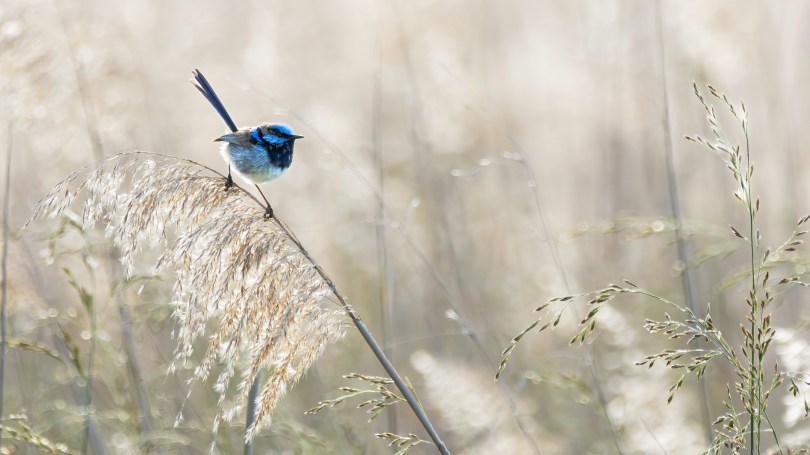
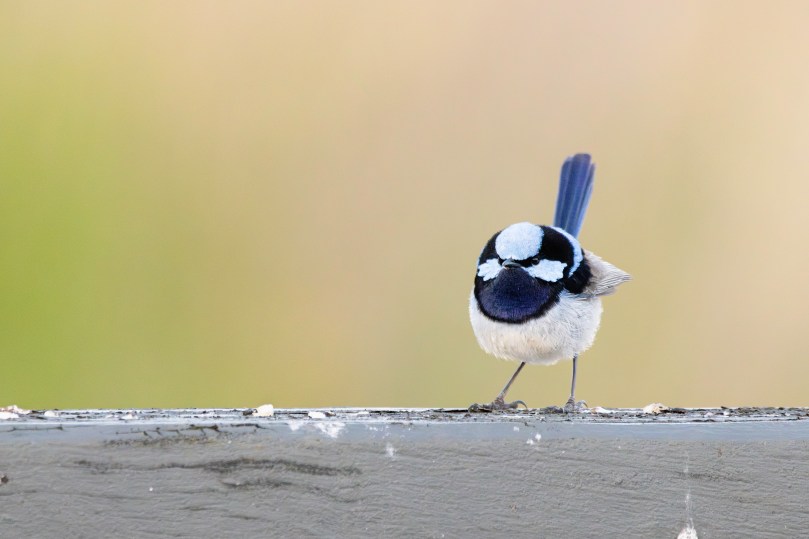
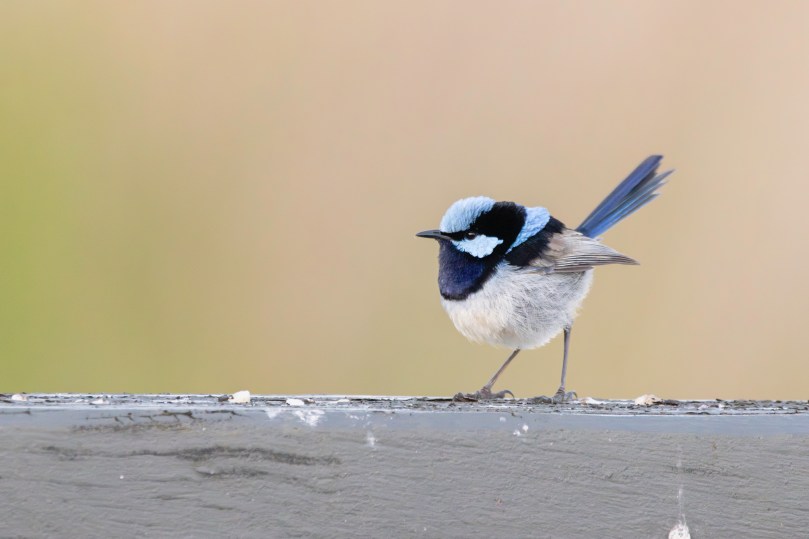
A striking bird that is common across the island of Tasmania, I saw one the day I landed in Australia and was stunned to find a bird so beautiful. Being color-blind, I generally cannot appreciate birds completely, but blue is the exception!
Like other fairywrens, Superb fairywrens exhibit sexual dimorphism, with the female exhibiting a fawn color. Immature males start with fawn-colored plumage but turn blue after their first breeding season. Some take longer, as seen in the cover photo.
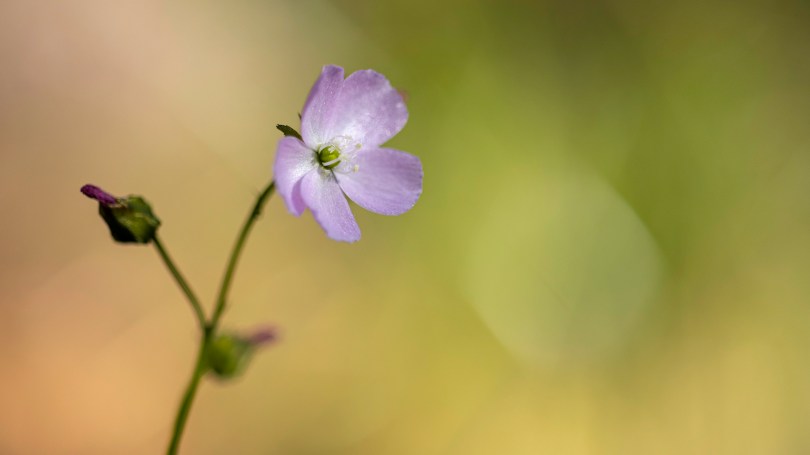
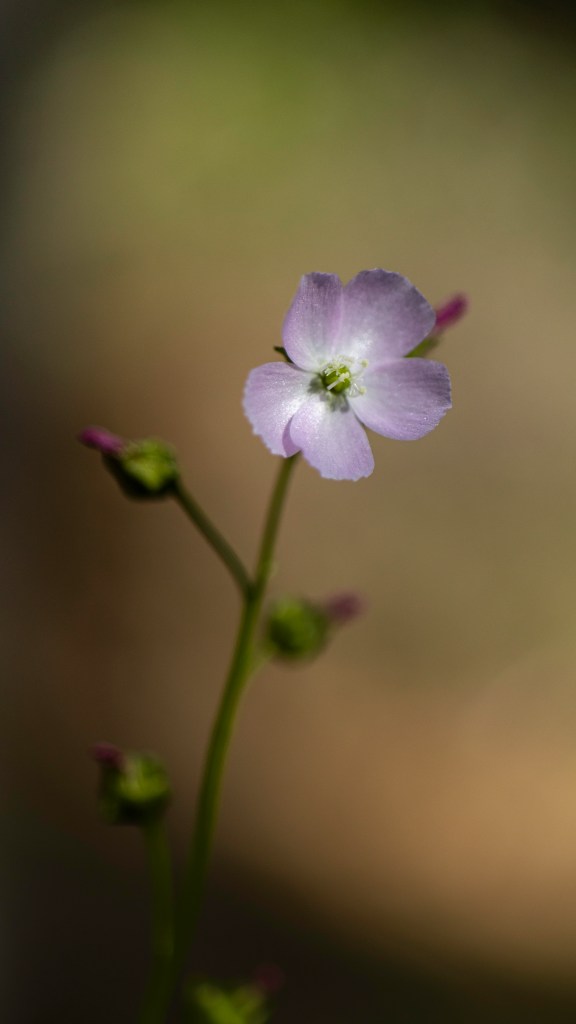
One species stands tall in the vast realm of carnivorous plants. Meet Drosera auriculata, commonly known as the Tall Sundew, unlike other drosera species that grow in low-lying rosettes. This captivating carnivorous plant has earned its name for its impressive height.
Tall sundews are recognized for their slender, elongated stems that can reach remarkable heights, often standing above other sundew species. The species can be found in both dry and damp places in Australia. The spot where I observed this species is the driest area I have ever seen a sundew in!
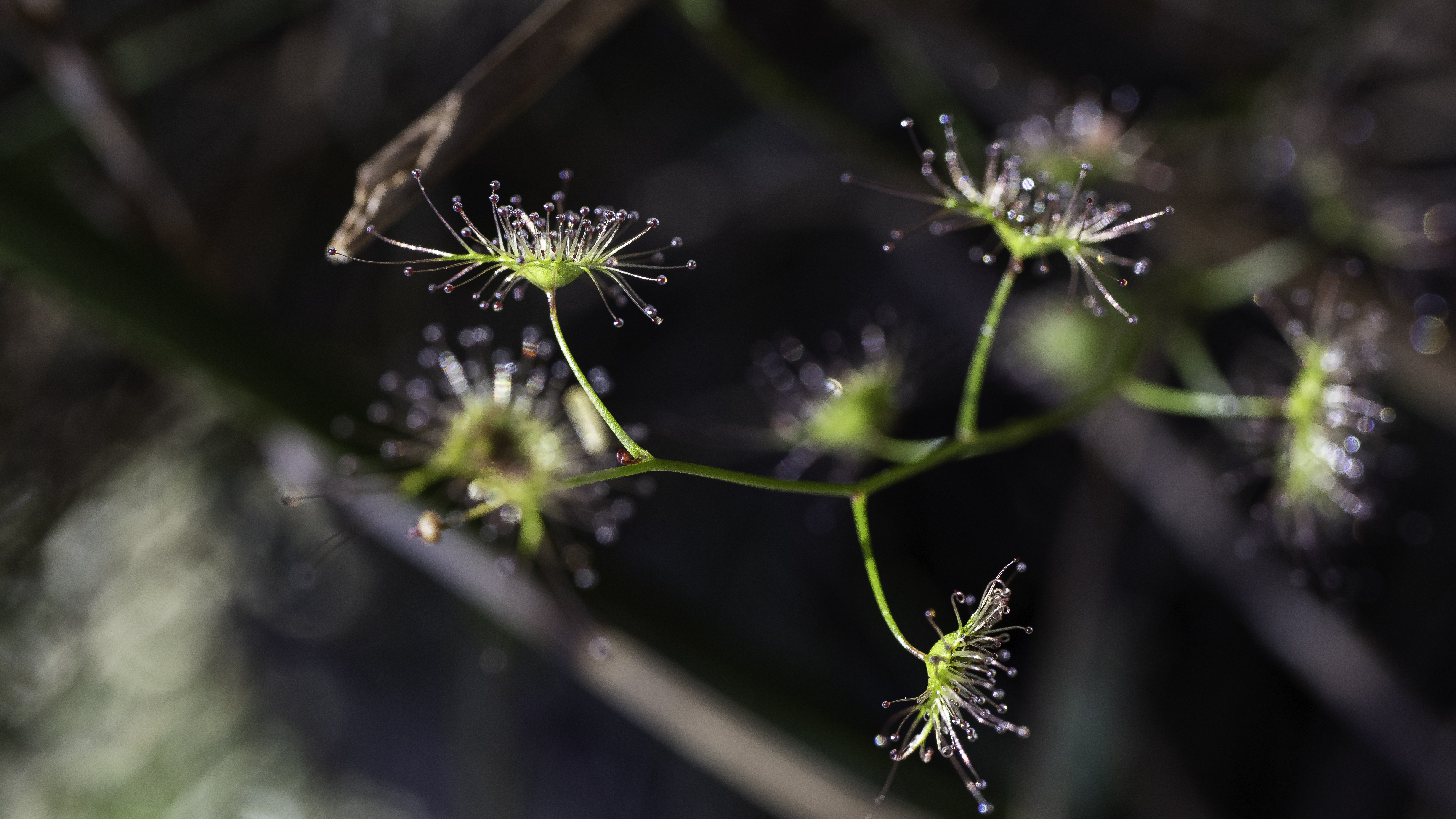
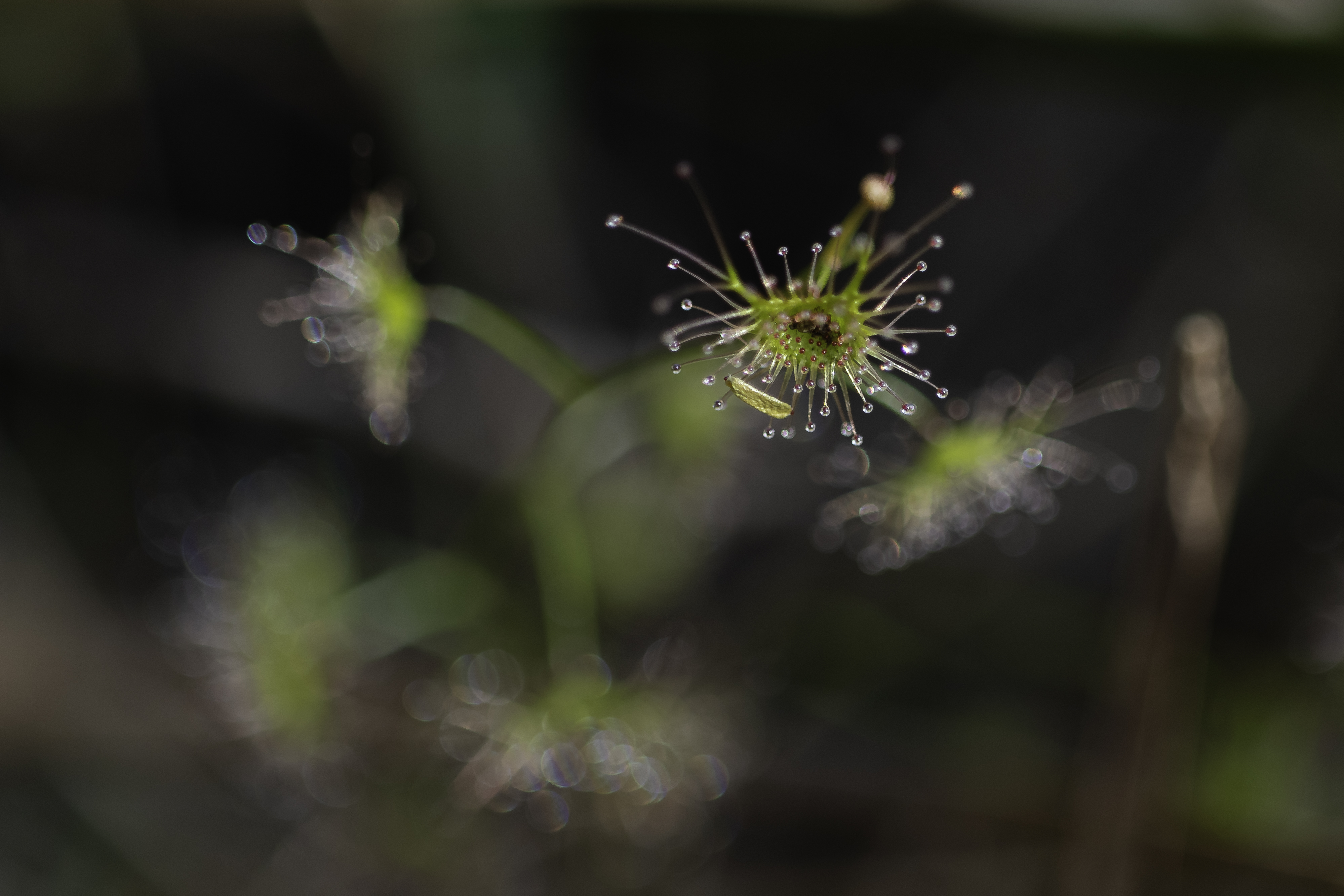
Like many sundew species, the tall sundew relies on both its sticky leaves, and a trigger response that envelopes the prey as it gets digested. A characteristics that is also utilized by its closely related species, the famous Venus-Fly trap! Below we see close-ups of leaves and their prey.
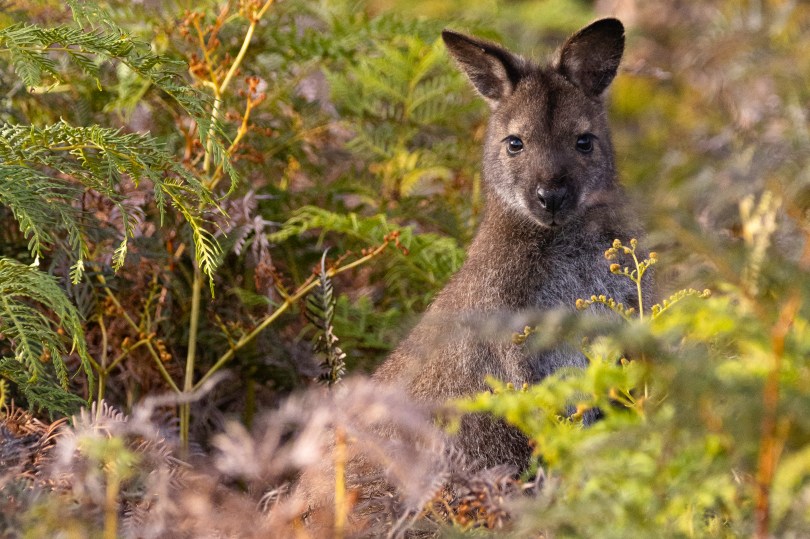
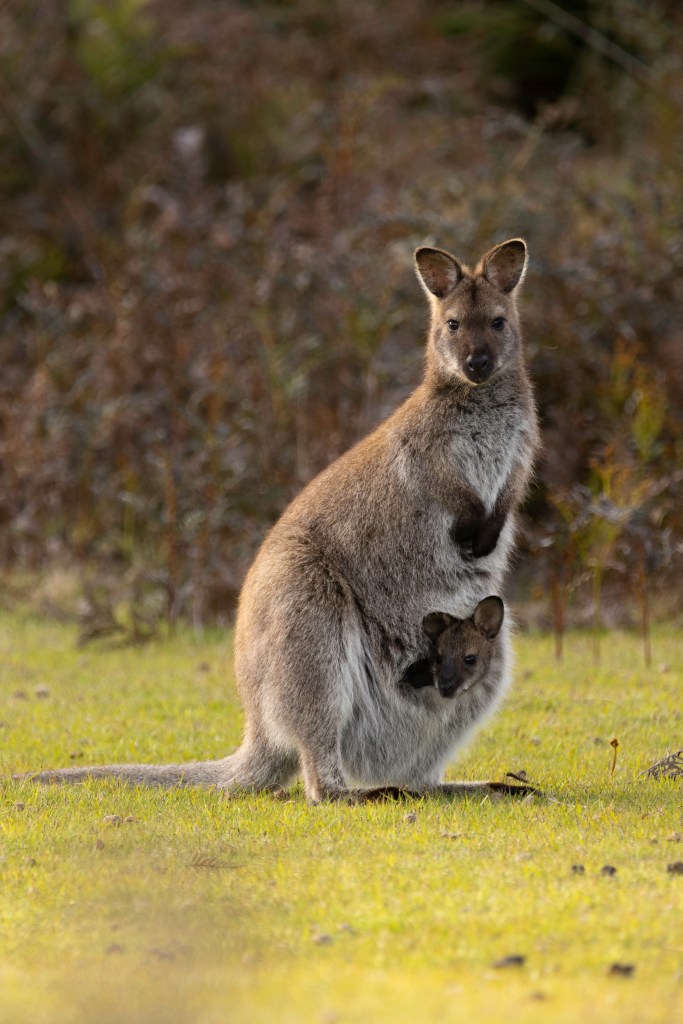
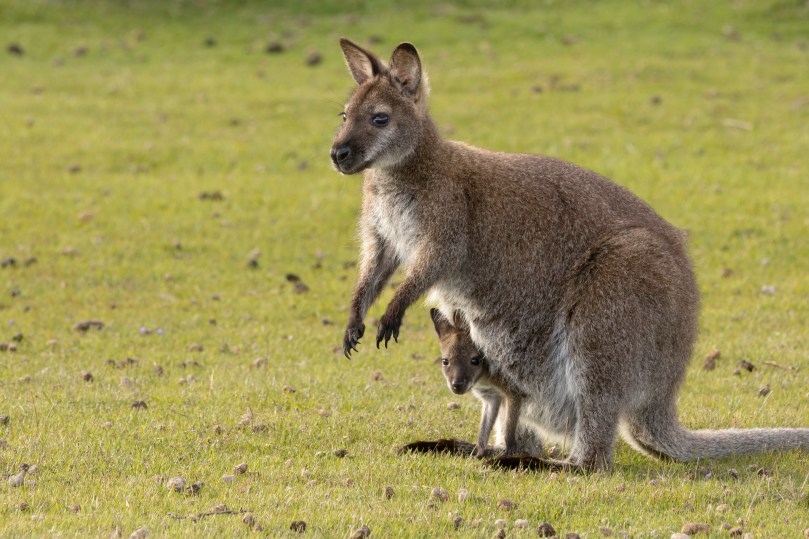
The Red-necked Wallaby, scientifically known as Macropus rufogriseus, is a charming marsupial native to Australia and Tasmania. Characterized by its distinctive red-brown fur on the nape of its neck and shoulders, this medium-sized wallaby exhibits a unique and captivating appearance. With a compact build and a strong tail used for balance, red-necked wallabies are adapted to a diverse range of habitats, including forests, woodlands, and grassy areas.
They are primarily herbivores, feeding on a diet of grasses and vegetation. These agile and social creatures are known for their bounding leaps, which allow them to cover considerable distances with remarkable speed and grace. Red-necked wallabies are integral to Australia’s ecosystems and are a delightful symbol of its rich and diverse wildlife.
Female wallabies, known as joeys, carry and nurture their young in a remarkable pouch, a defining feature of marsupials. After a relatively short gestation period, Red-necked Wallaby females give birth to tiny, underdeveloped joeys. These vulnerable infants, no larger than a jellybean, then make their way into the safety of their mother’s pouch. Once they are old enough, they start grazing right from their mother’s pouch!





 Exploring Free Green Cascadia