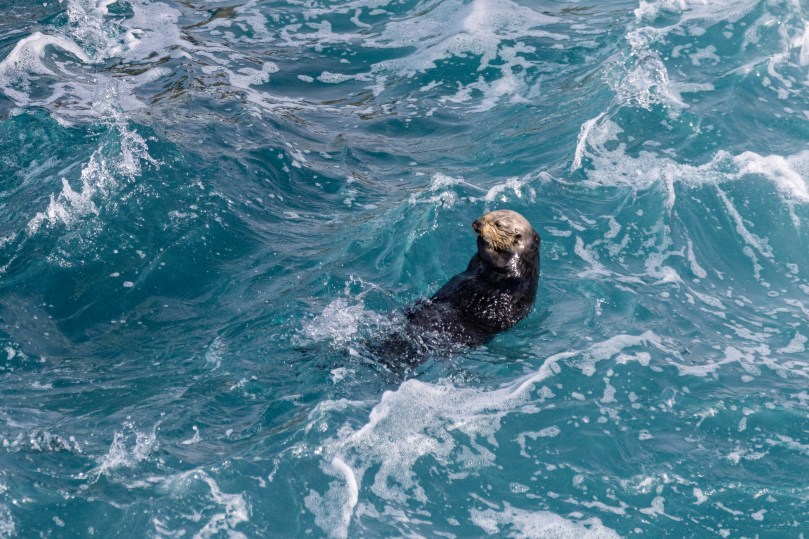
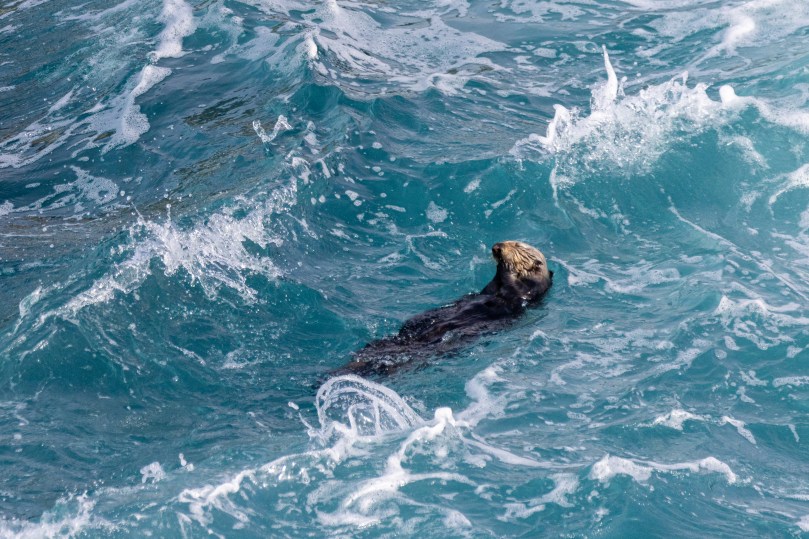
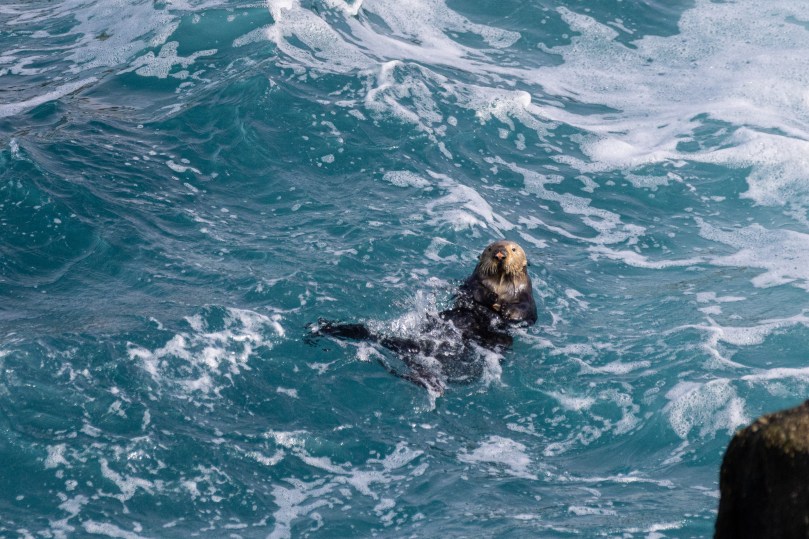
Along the picturesque shores of the Bay Area in California lives an endangered population of Southern Sea Otters, a keystone species native to the California coastline. Sea Otters help maintain the balance in the vital kelp forest ecosystems by controlling the population of sea urchins that would otherwise wreak havoc in these forests. They also serve an essential function by being extremely cute and holding hands while they sleep.
Unlike other marine mammals, Sea Otters lack blubber and depend on their thick fur coat to maintain their body temperature. They require an immense amount of energy to regulate their body temperature and thus need to consume 20-30% of their body mass. If you encounter them in while in the ocean, maintain your distance and let them rest so they can be nice and warm!
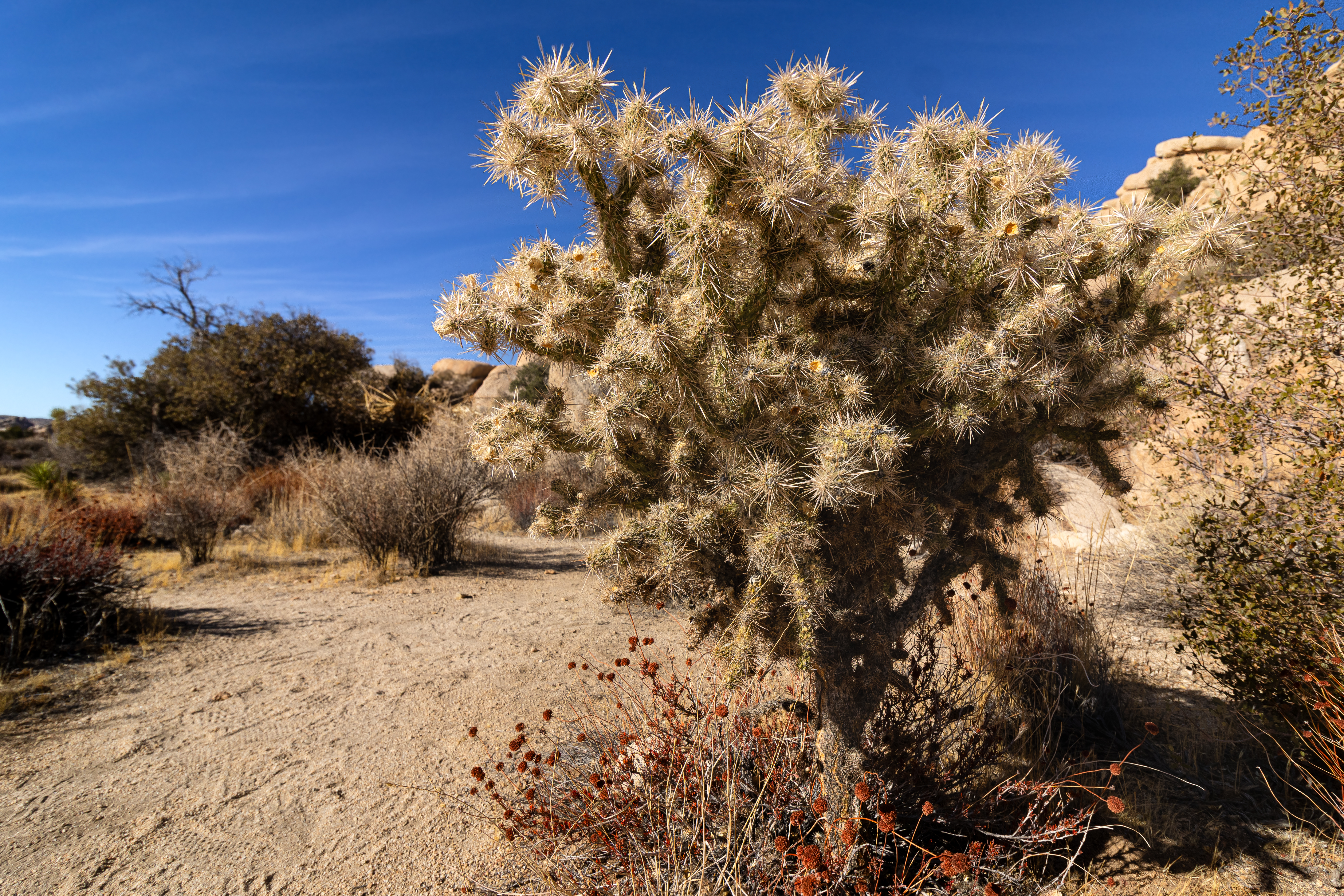
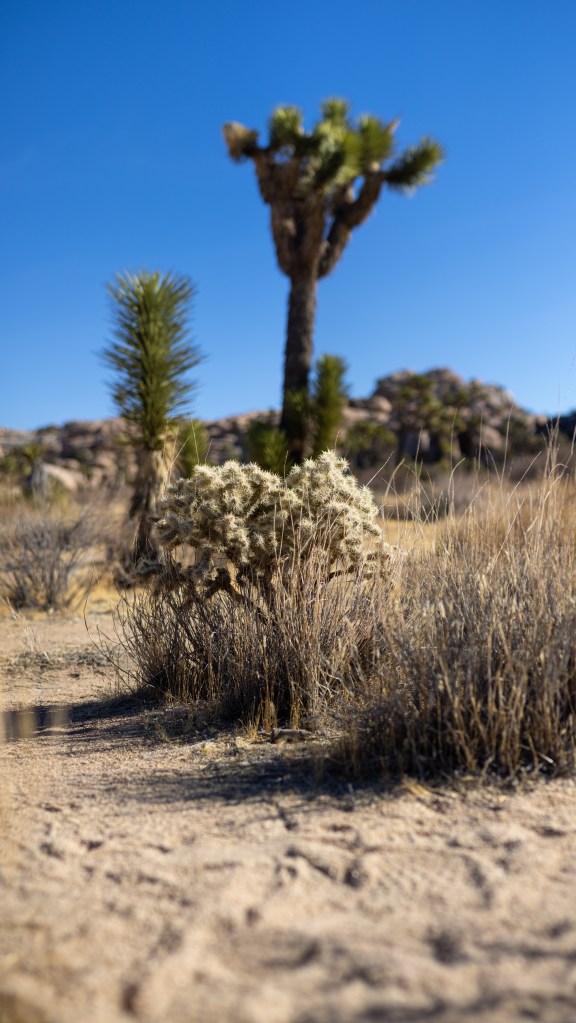
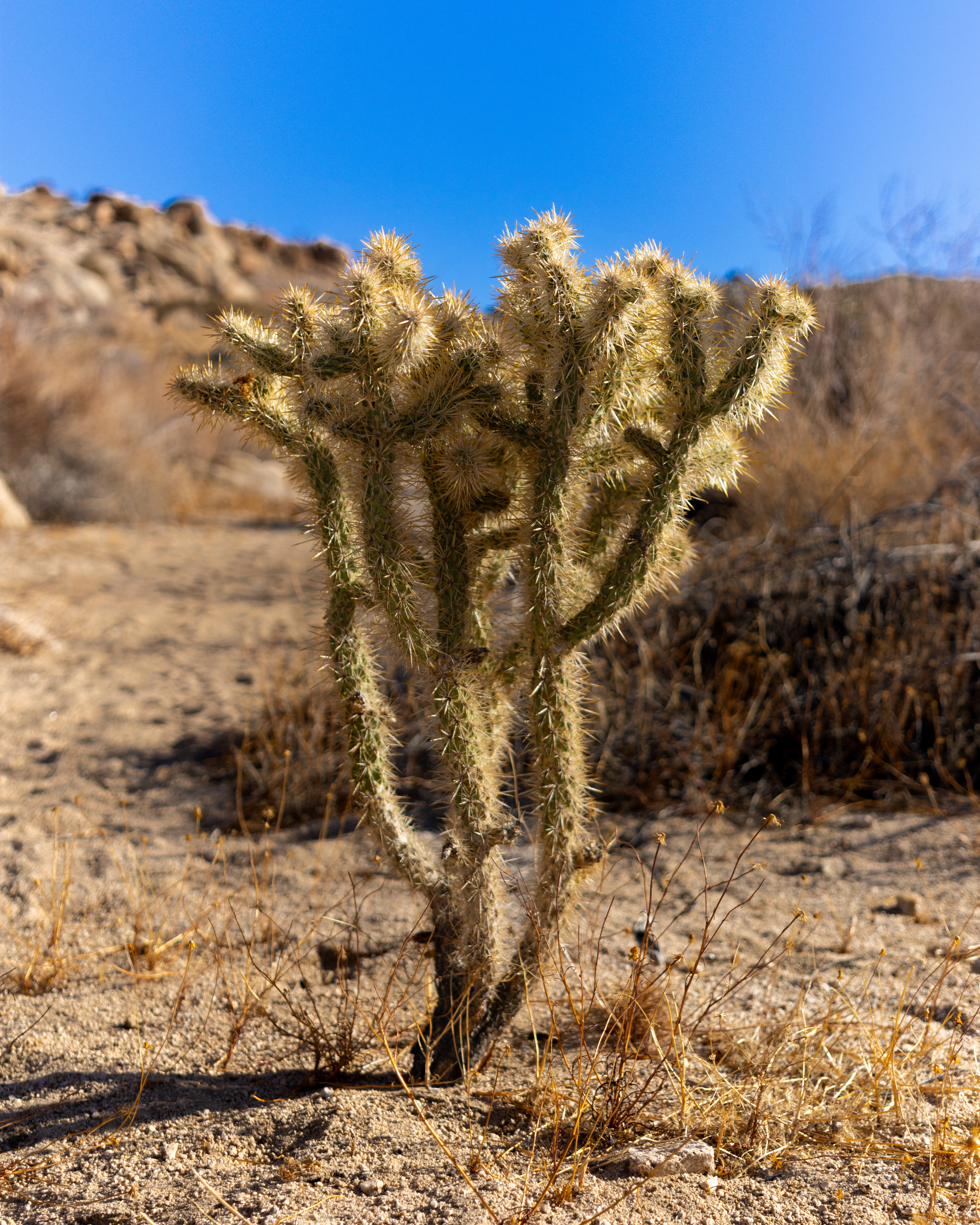
Chollas, not to be confused with the Chola dynasty, are a genus of cactus native to northern Mexico and southwestern United States. Known for their barbed spines, they will stick to your clothes/skin. Some species of Chollas form hollow driftwoods with holes along them which are used a lot in aquariums to provide shelter for fishes.
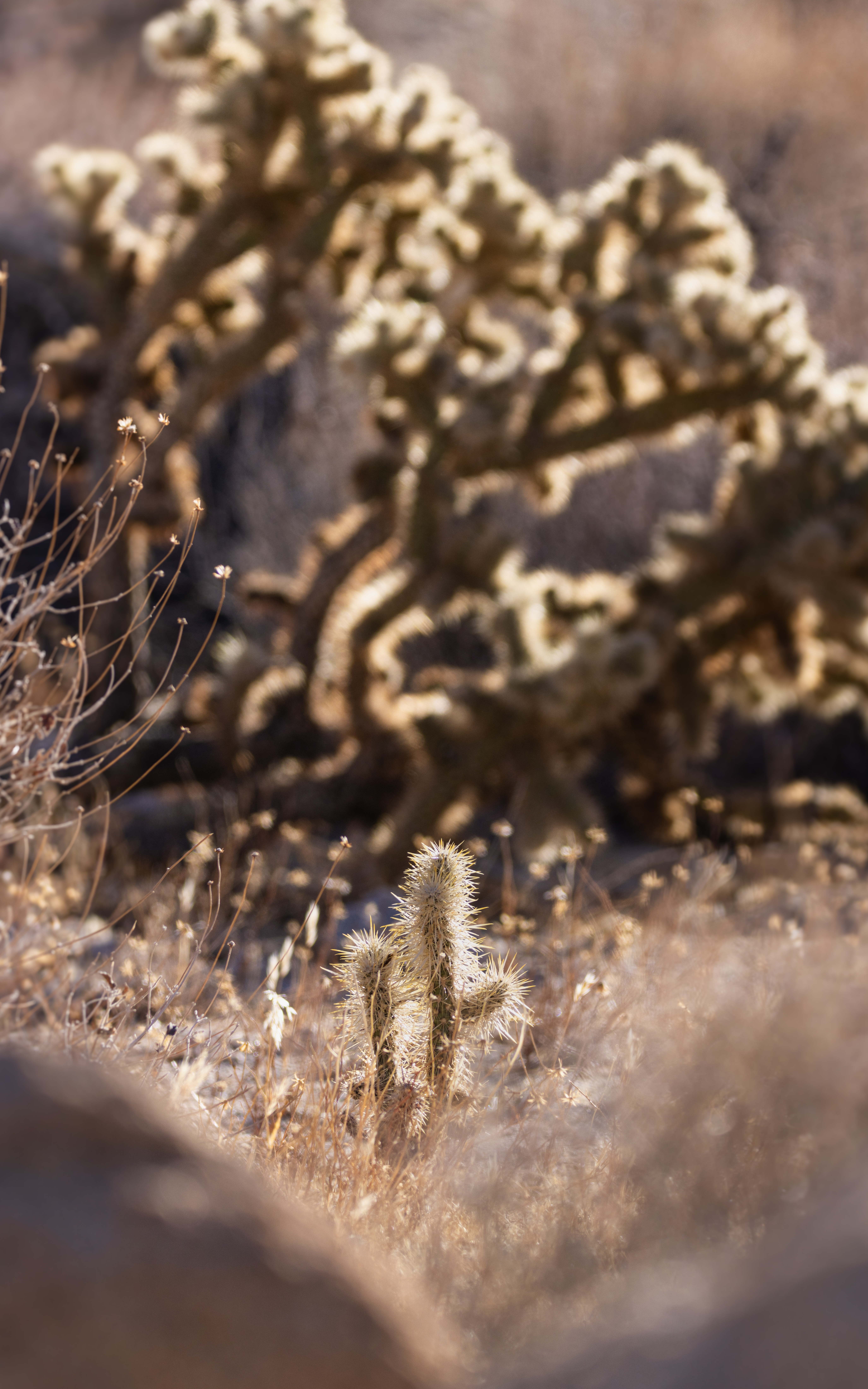
Big and little one
Cholla stands are called Cholla gardens, a particularly famous one can be found in Joshua Tree National Park. I was particularly excited to visit it, but I found the garden flooded by visitors casually walking off trail amongst the plants, destroying young plants and compacting soil, ensuring long-term damage. While I blame the visitors for the bad behaviour, the fact that NPS does not control crowds is a shame.
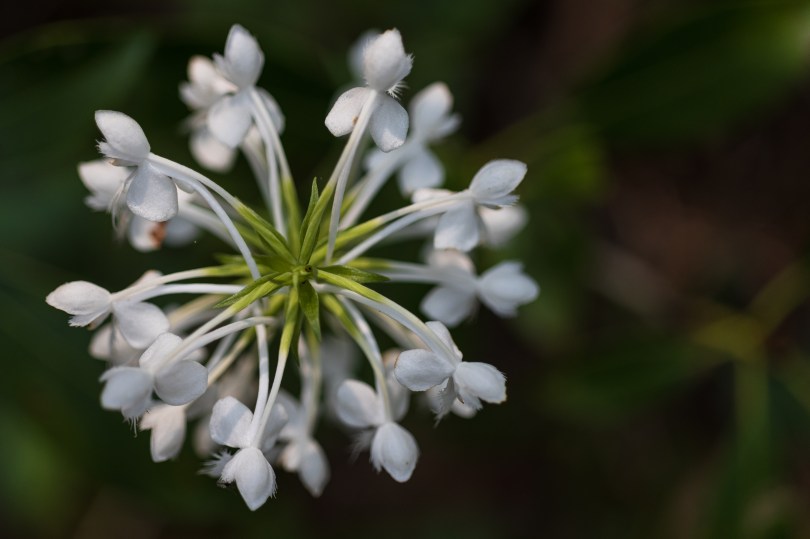
I am shocked that I have not uploaded these species and hybrids! Platanthera is by far my favorite genus of species. Several species of this genus can be found in New Jersey, including the white-fringed orchid (P. blephariglottis), the small green orchid (P. clavellata), and the orange-crested orchid (P. cristata), along with some hybrids like canby’s bog orchid (Platanthera × canbyi). I was first introduced to this genus by the photography of the amazing Jim Fowler.
There are three kinds of Platanthera orchids, all found in New Jersey’s pinelands! White-fringed orchid is one of the larger orchids with a beautiful inflorescence. It is found across much of the eastern US and Canada. Globally secure, the orchid faces threats in several states throughout its range. Habitat destruction being one of the main threats, these orchids also face difficulties when natural fire is suppressed. Like many orchid species found in the pinelands, they need regular wildfires to help maintain their habitat. The orchid prefers open sunny wetlands, and wildfires help keep larger woody trees at bay.
Orange-crested orchid is a smaller orchid with striking orange flowers, blooming in mid to late summer. It shares its habitat with the white-fringed orchid, both needing similar habitats to thrive. Like the white-fringed orchid, it faces several threats in the wild, including a lack of wildfires.
When populations of white-fringed orchid and orange-crested orchid intersect, they can readily hybridize to form Canby’s bog orchid. The hybrid is more resilient than its parents and has a color between the two species.
In conclusion, these orchids represent the best our pinelands have to offer. I look forward to their blooms every year, looking forward to the white flowers carpeting open meadows. Pinelands need our help to be preserved, and I hope future generations can continue to enjoy these beautiful wildflowers.
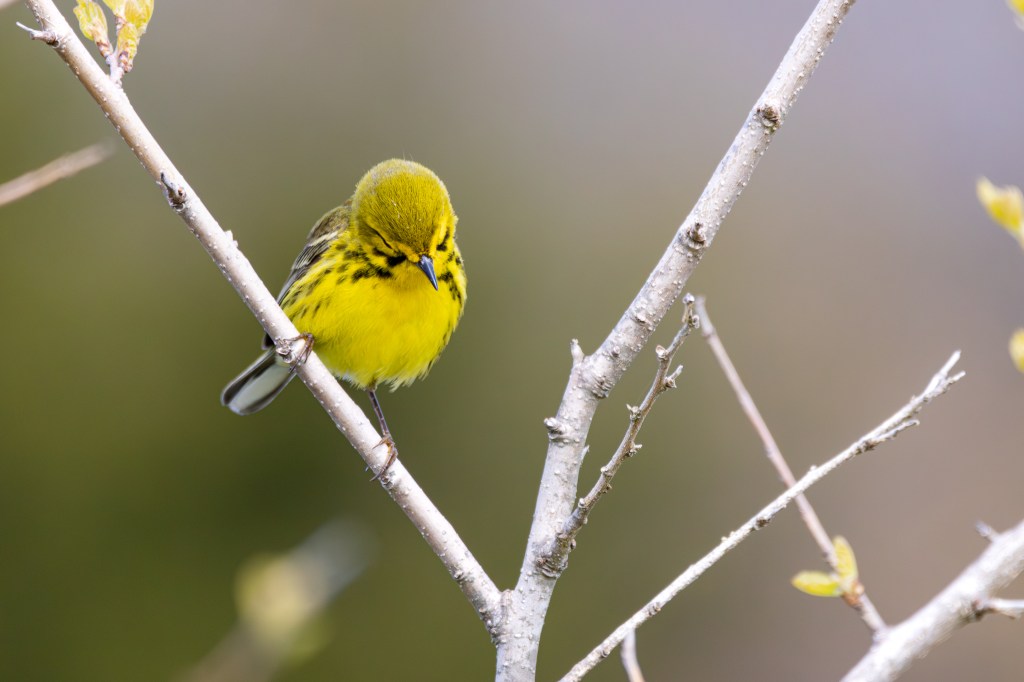
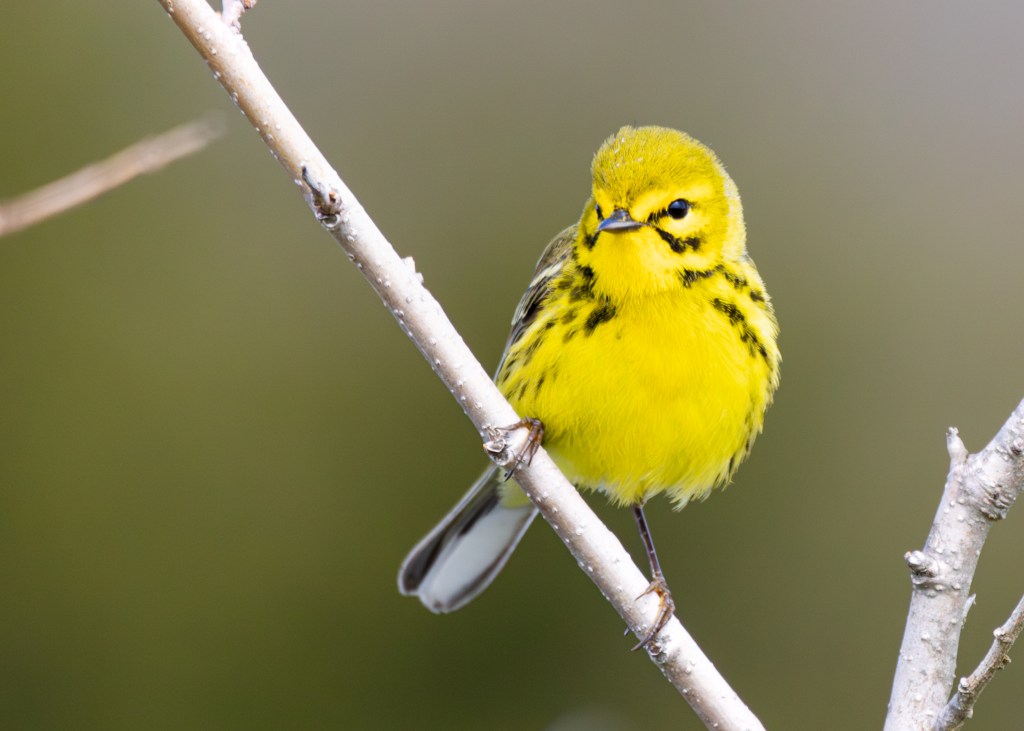
Setophaga discolor (Prairie Warbler), is a small songbird found in North America. A new world Warbler. Unlike what its name suggests, Prairie Warblers don’t actually live in prairies, but in young second growth shrubs.
A mostly migratory bird, a population of Prairie Warblers calls Florida home all year long. They are a separate subspecies that live in mangroves and are larger than the migratory kind. The migratory population can be found making its way north in spring and residing through the summer to breed. I caught this, most likely, male bird hopping around a shrub singing his heart out in Cape May, NJ. Hopefully, he was able to get a mate for the season!
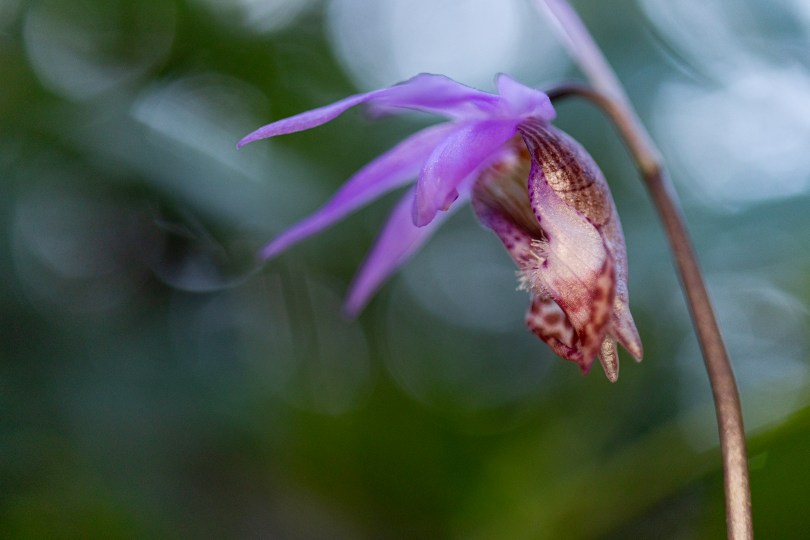
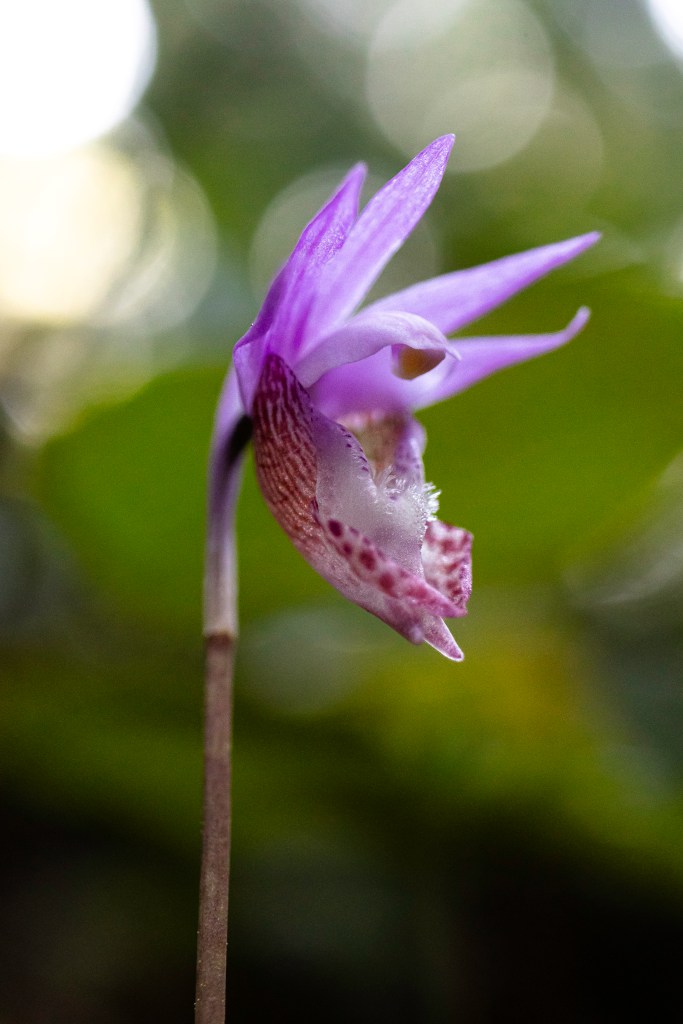
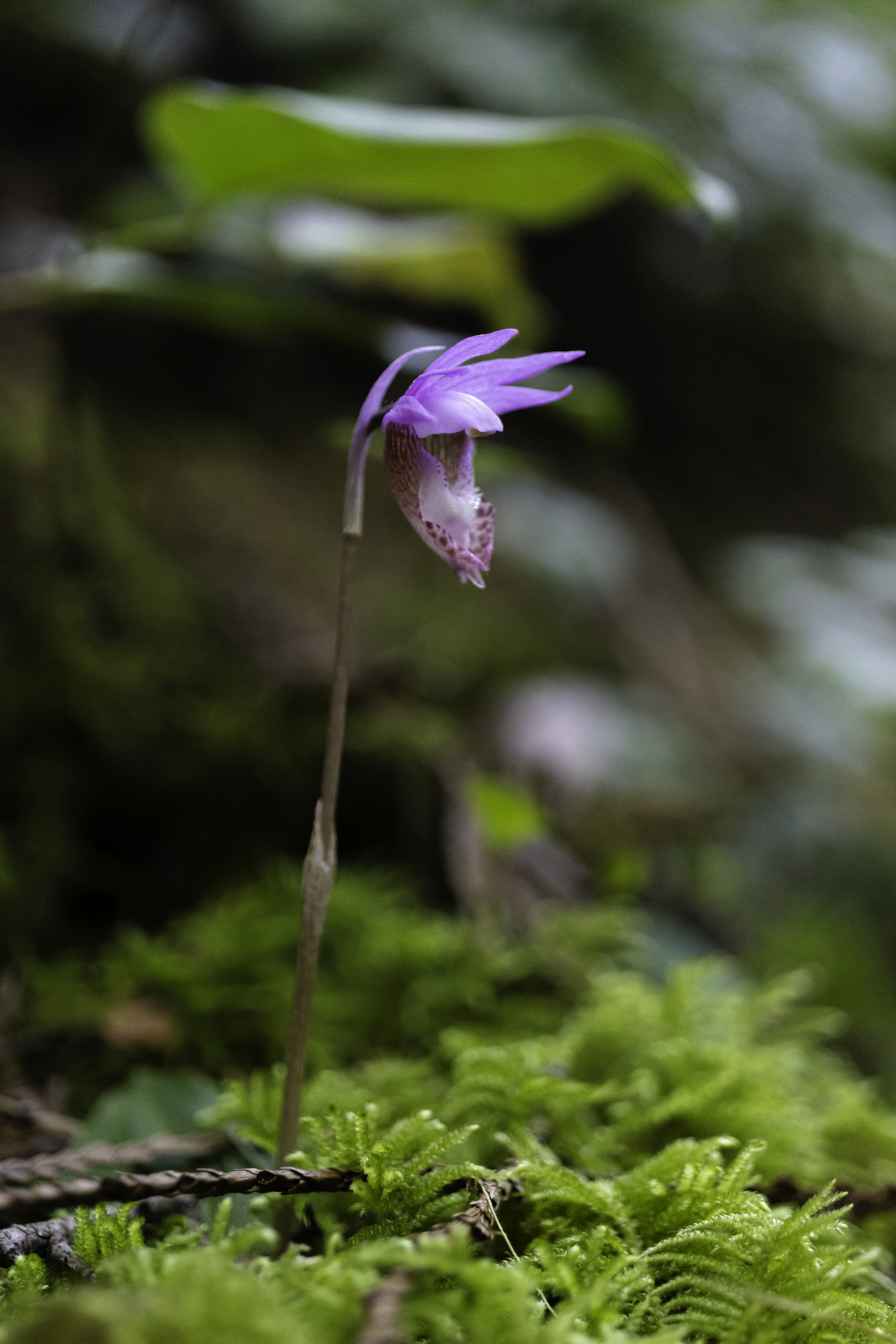
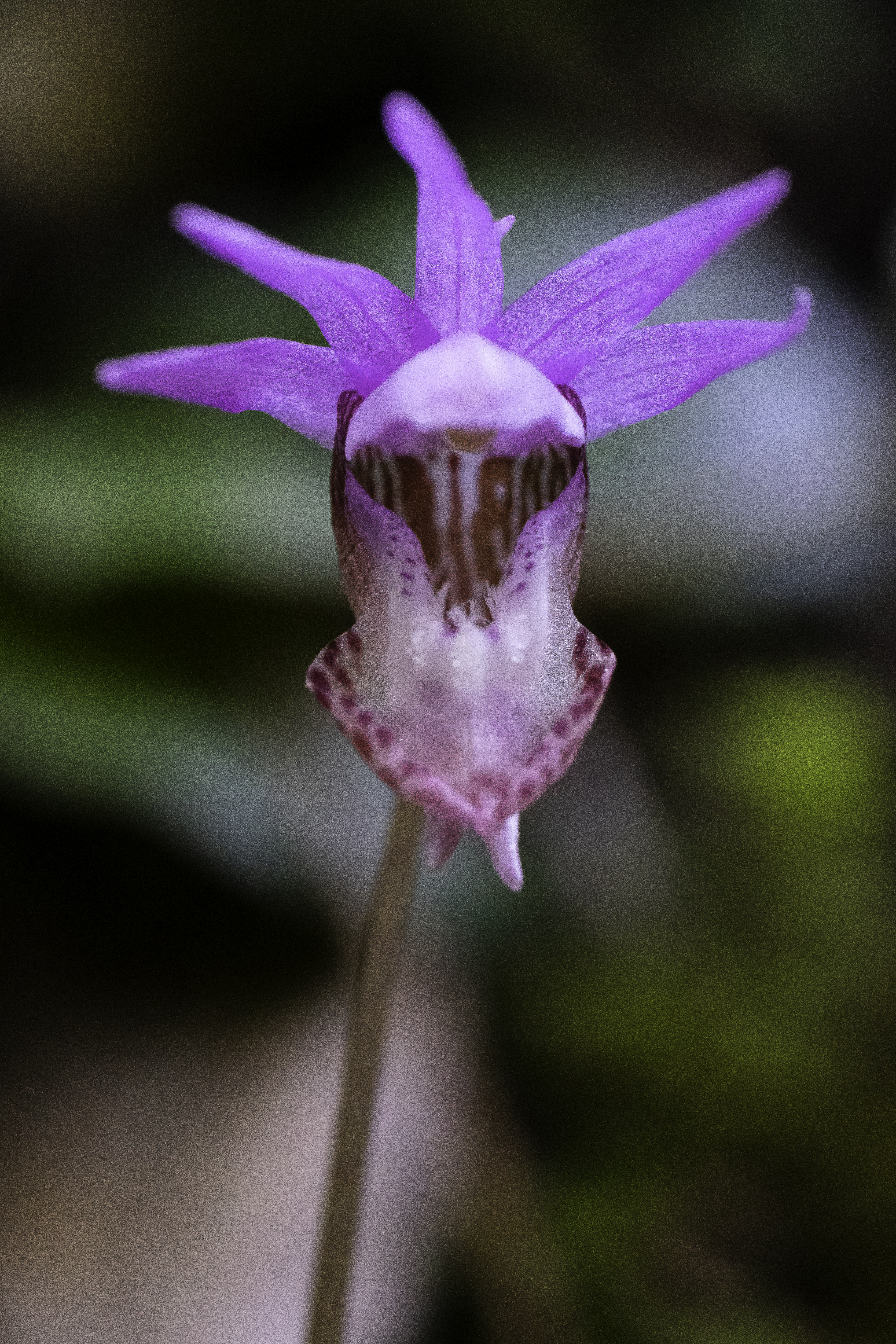
Calypso bulbosa, the sole member of the genus Calypso. Commonly known as fairy-slipper, photographed is the western variation of the orchid species photographed in Olympic national park.
The orchid is globally secure but rare in some states. As its name suggests, it is a tuberous orchid spreading underground. A small orchid, its beauty is best experience up close and personal!
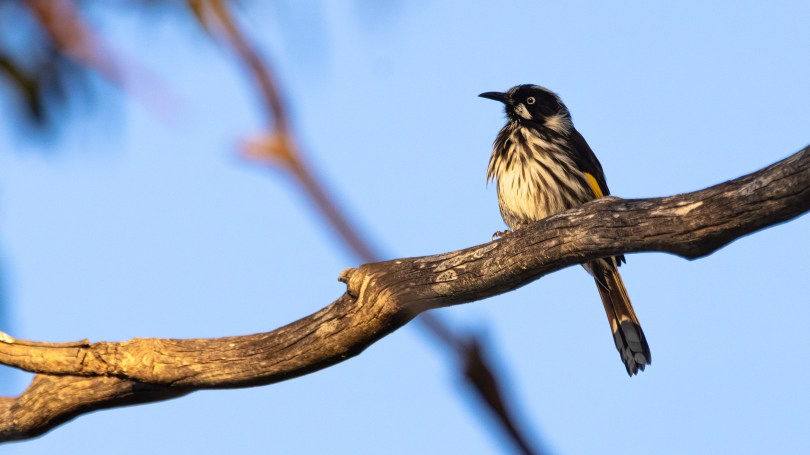
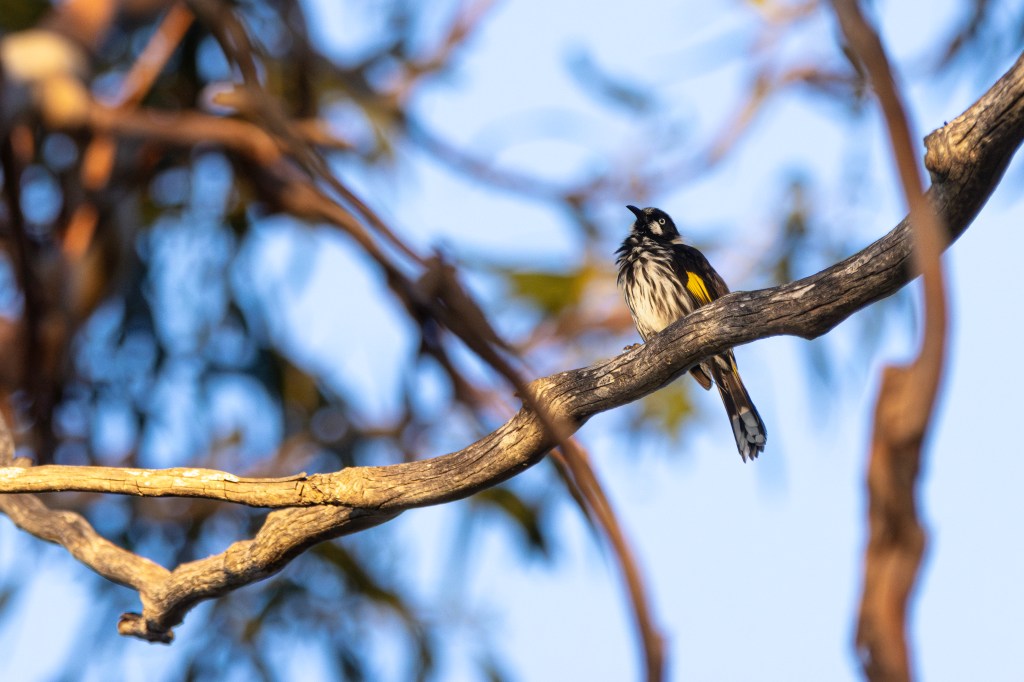
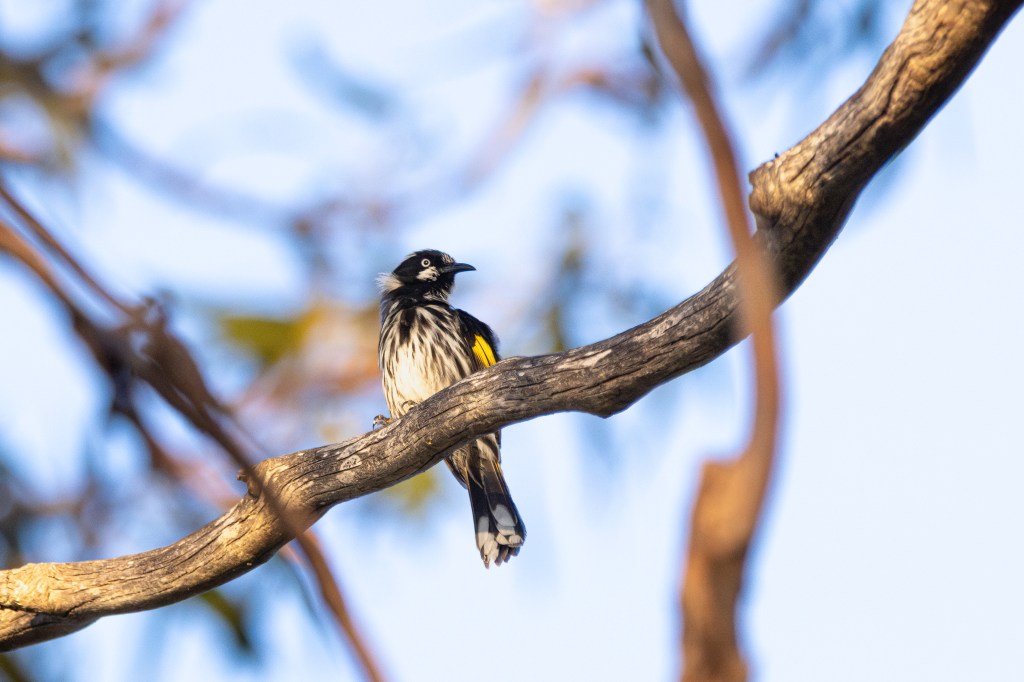
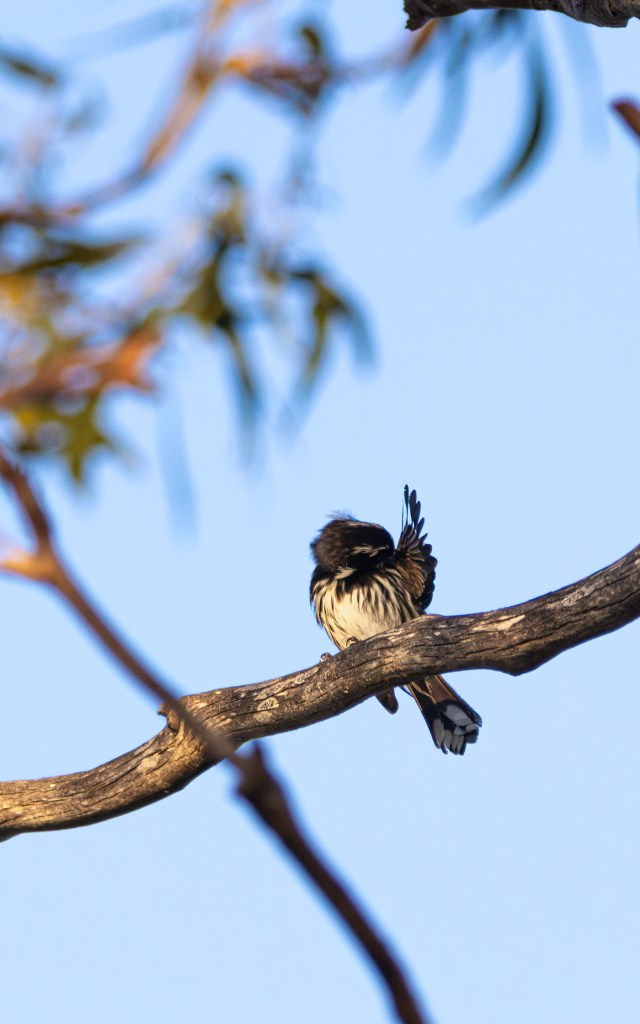
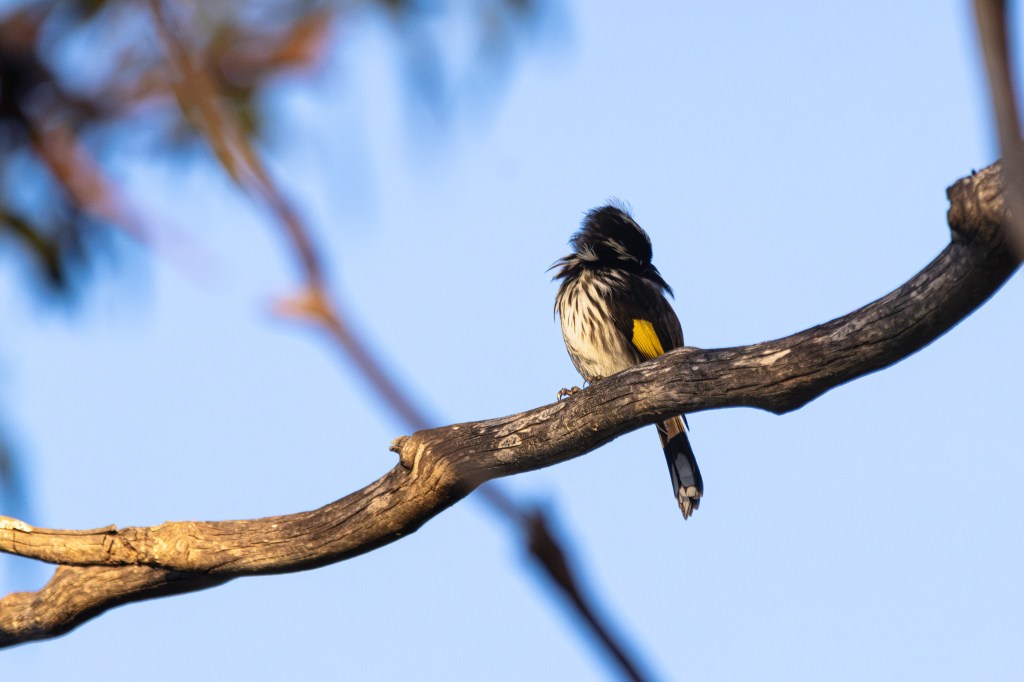
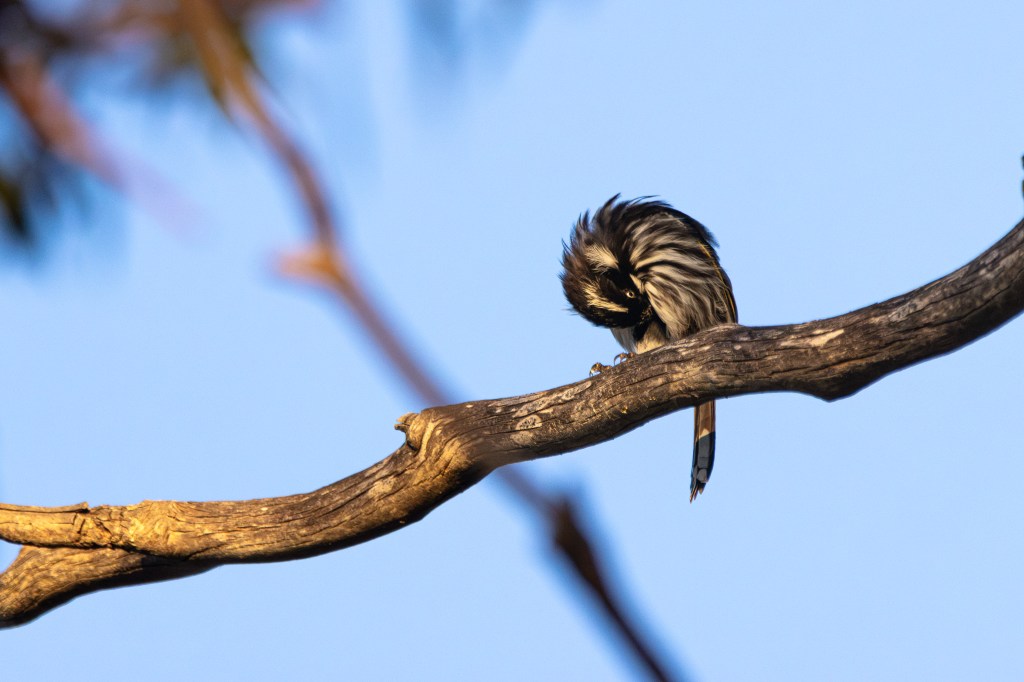
Phylidonyris novaehollandiae, New Holland Honeyeater, is a honeyeater species commonly found across southern Australia, including Tasmania. It is a striking-looking bird with a black body, white iris, and a large patch of yellow across its plumage. For protein, they eat insects and spiders.
As the name suggests, honeyeaters obtain most of their carbohydrates from the nectar of flowers. Hence, they are vital pollinators for native plant species like Banksia. It is found in forests and woodlands where native flowers grow.
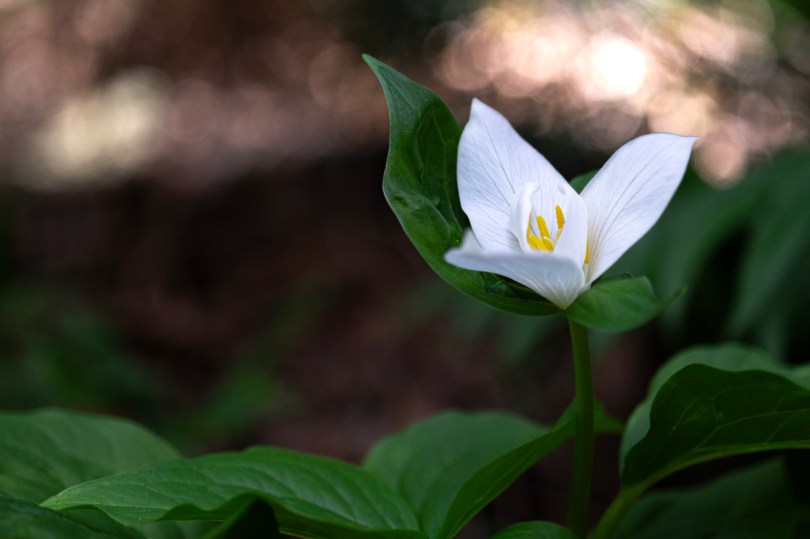
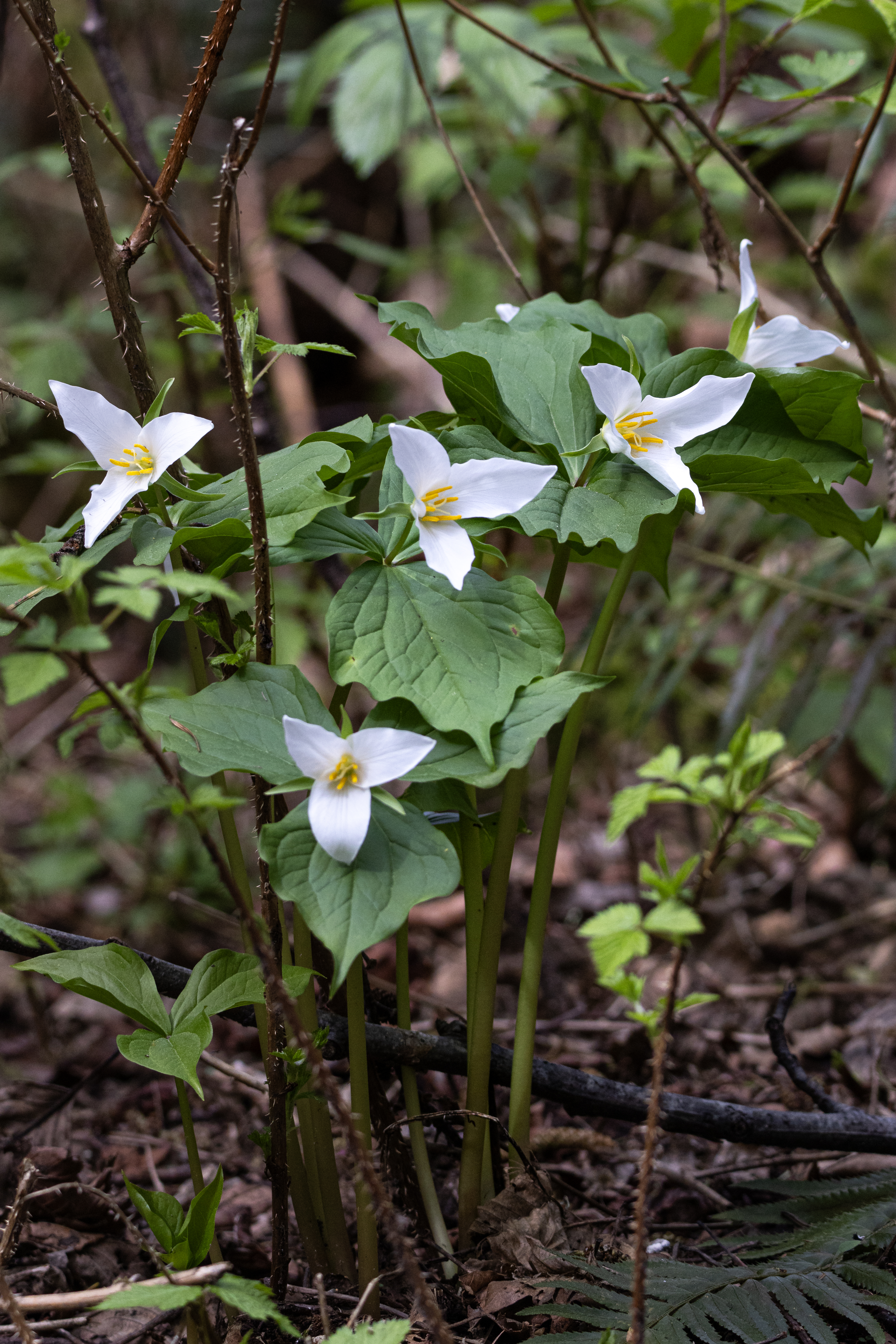
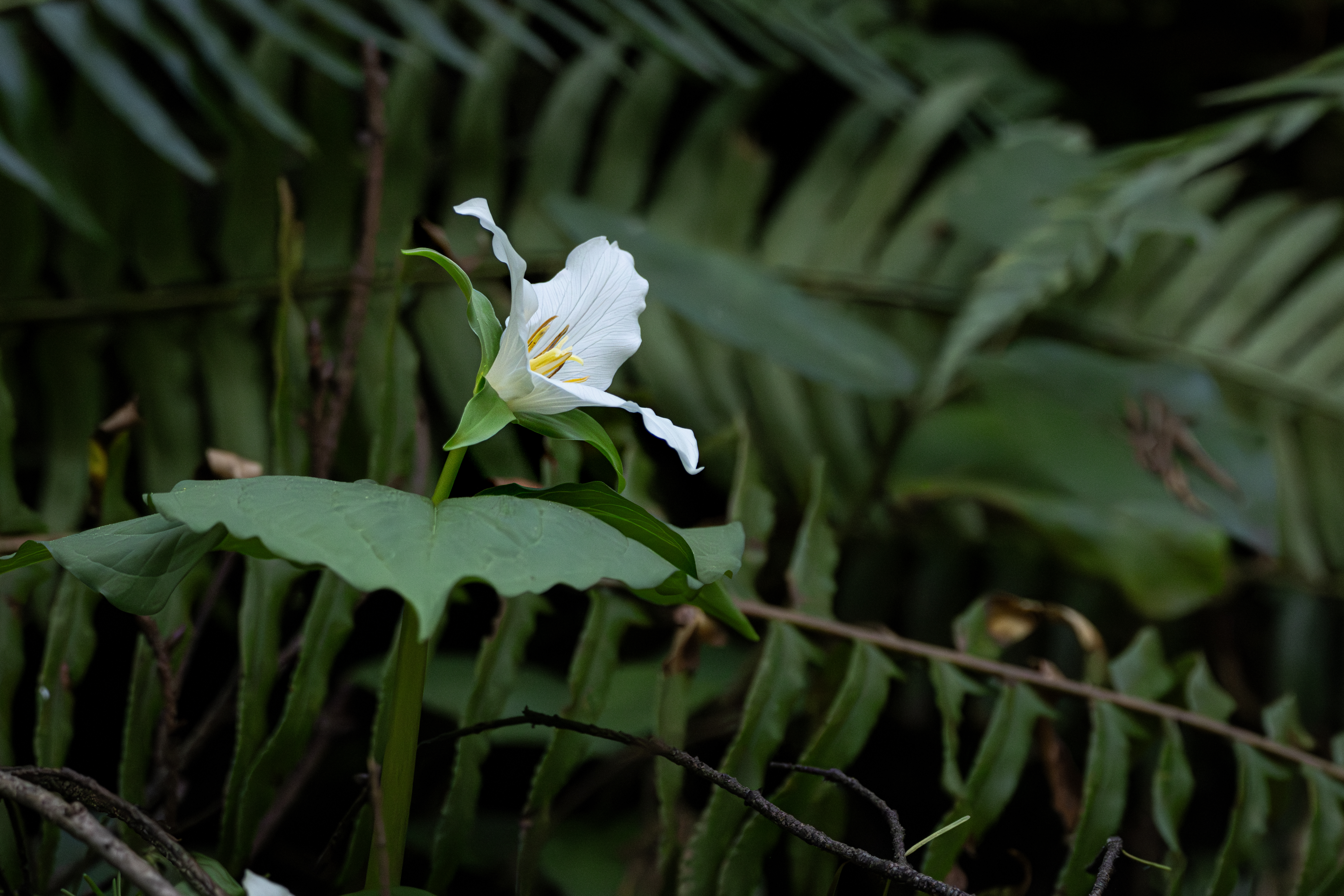
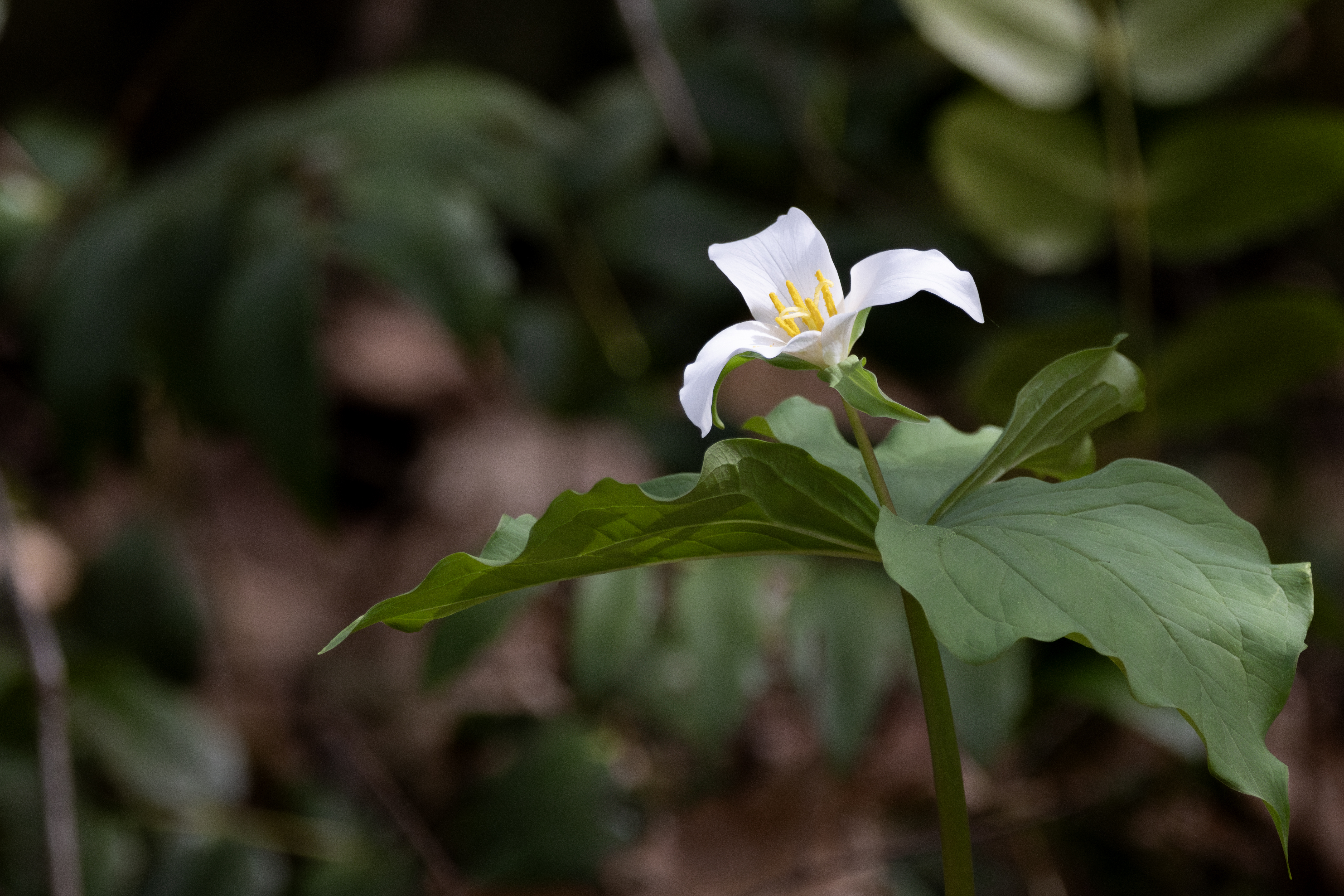
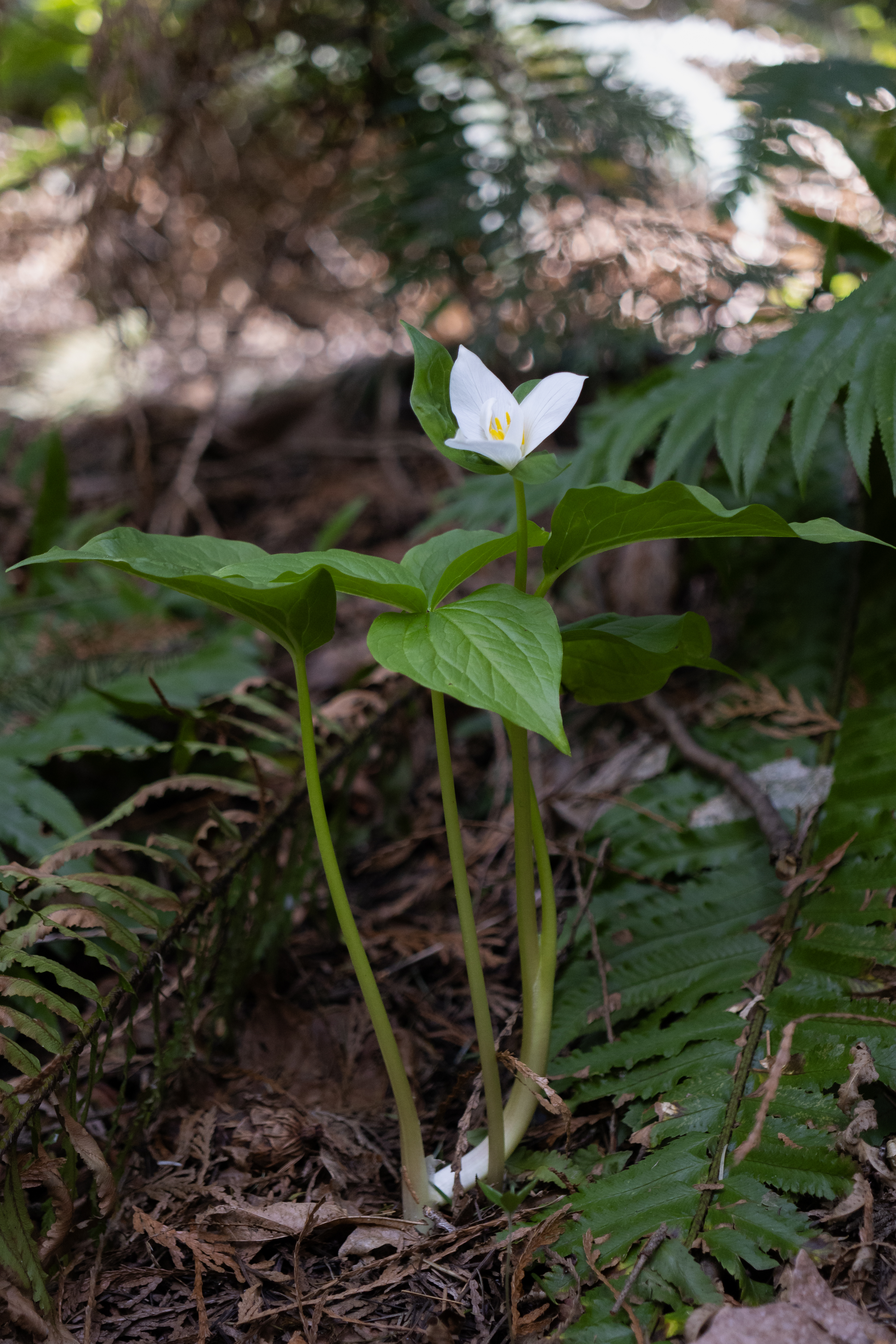
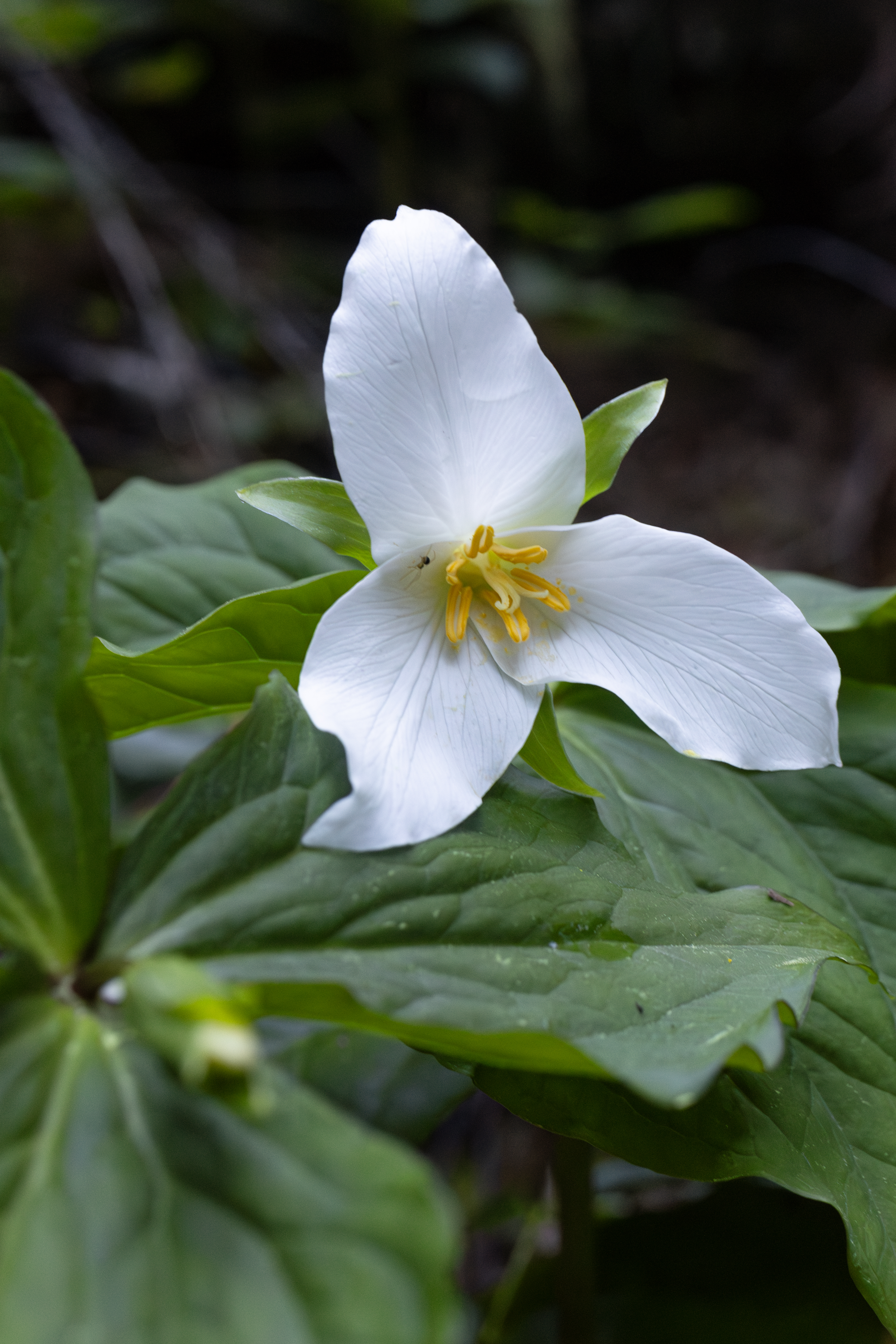
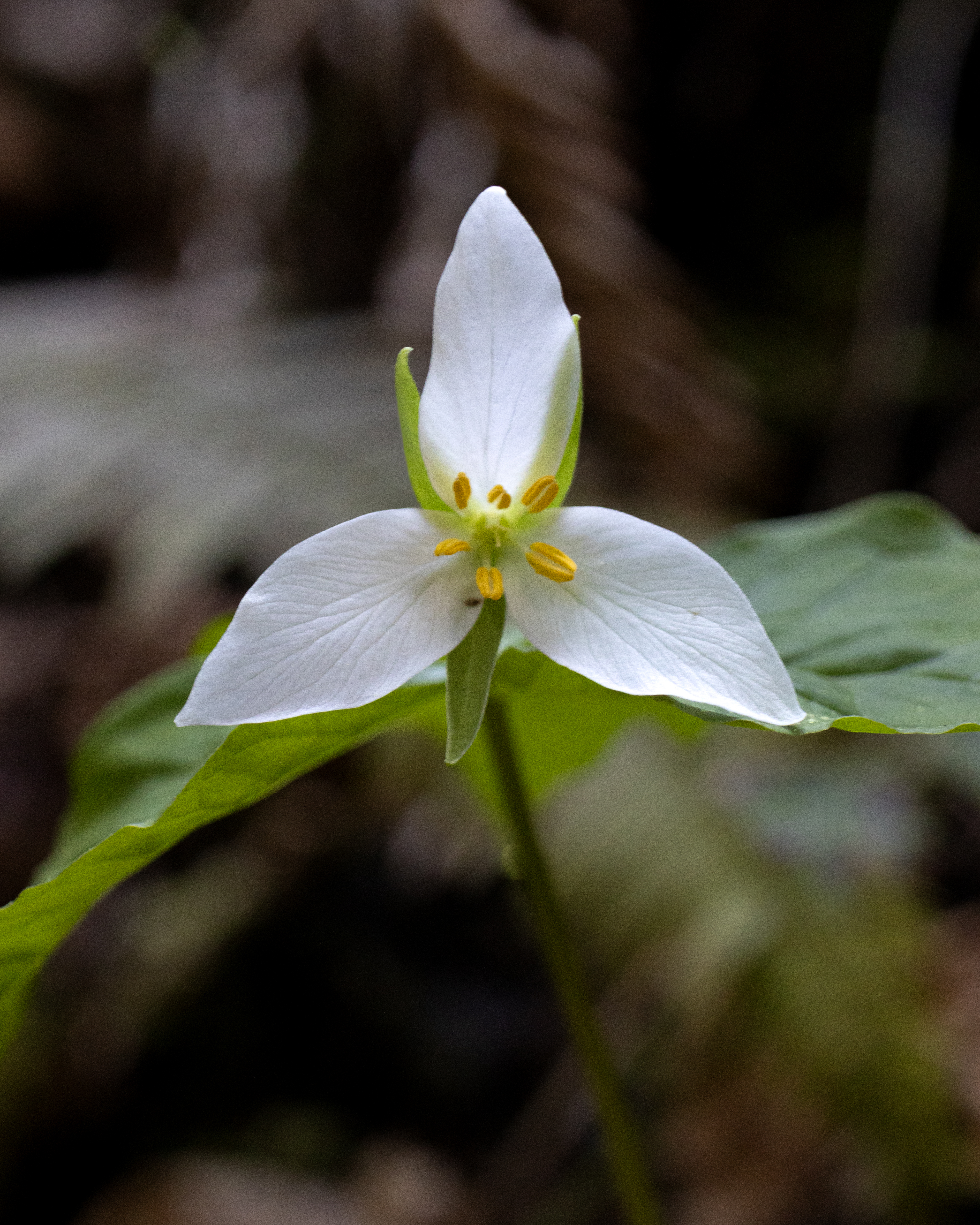
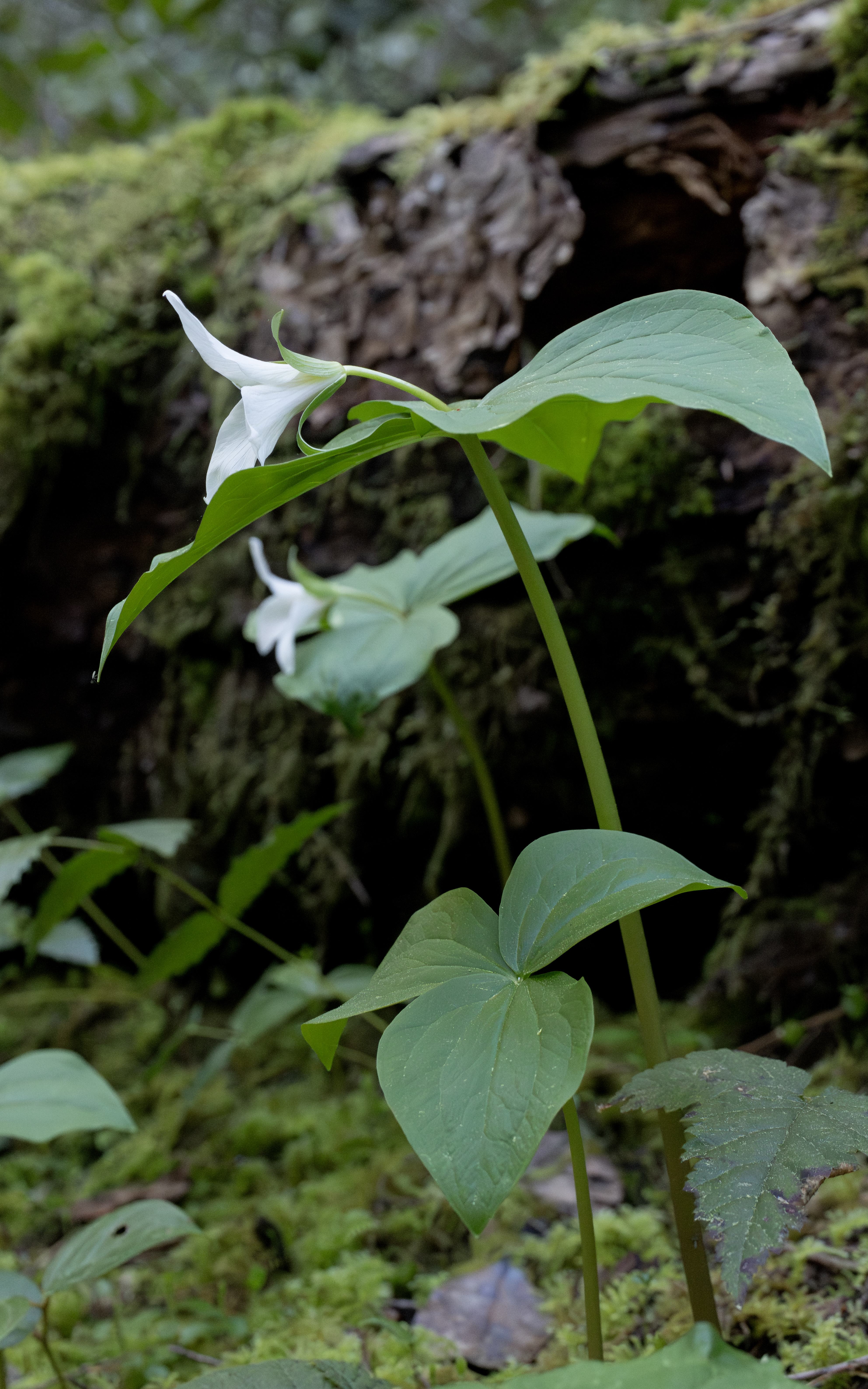
Trillium ovatum, also known as Pacific trillium or western Trillium, is a widespread trillium species abundant in Western North America. Its flowers are nearly indistinguishable from T. grandiflorum, with which it is closely related. Thankfully, they have distinct natural ranges and can easily be told apart from where you encounter them!
Western Trillium is a perennial herb spreading through underground rhizomes, preferring to grow in shaded forests.
Life cycles of Trilliums are quite interesting, as they take a long time to reach maturity. From wiki –
“The life-cycle stages of T. ovatum include a cotyledon stage, a one-leaf vegetative stage, a three-leaf vegetative (juvenile) stage, a three-leaf reproductive (flowering) stage, and a three-leaf nonflowering regressive stage. An example of the latter involves a transition from the three-leaf flowering stage to a three-leaf nonflowering regressive stage.”
In the previous years, I have seen many Trillium plants, most either past floewring, or too young to flower. Seattle finally broke my Trillium curse, and how!
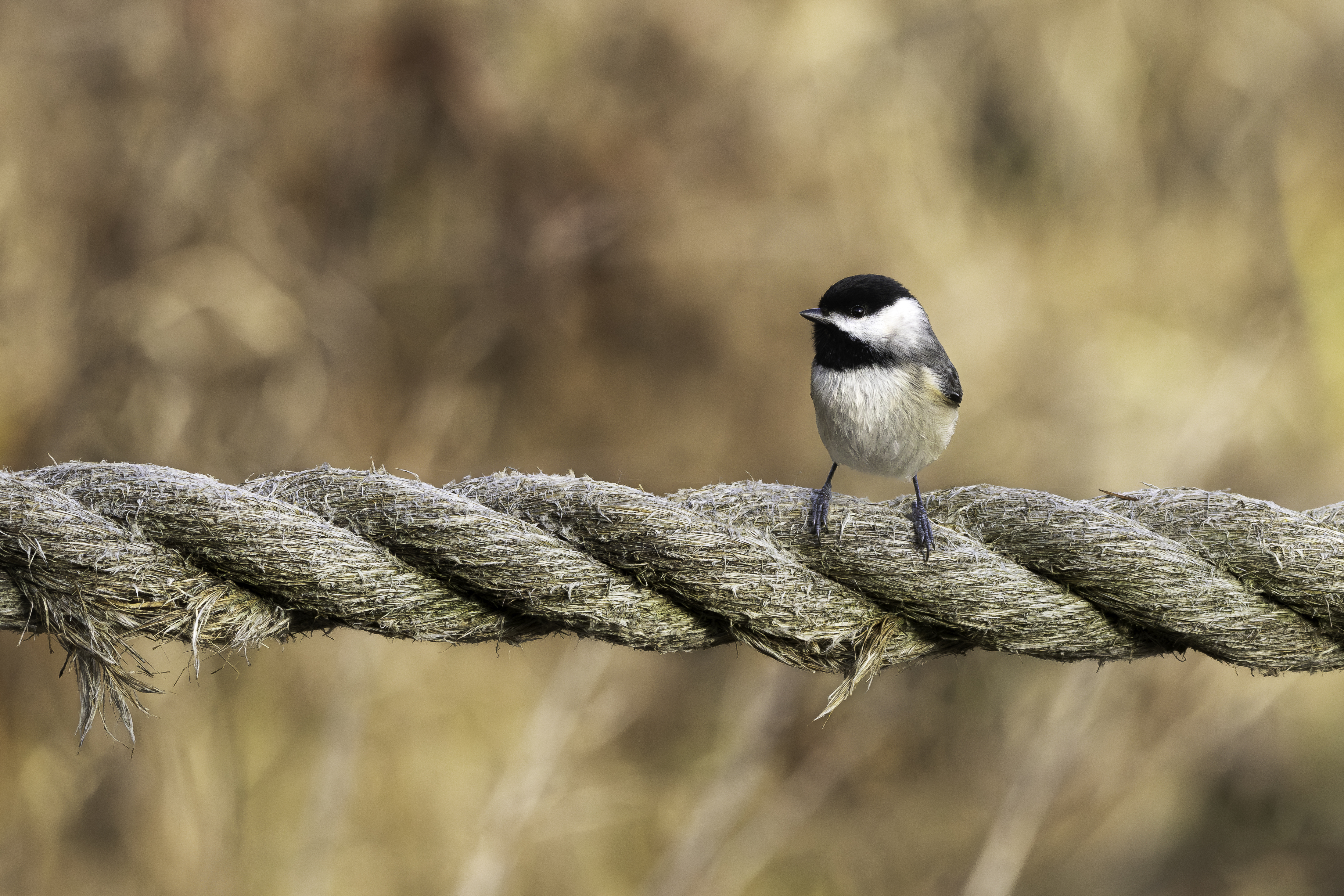
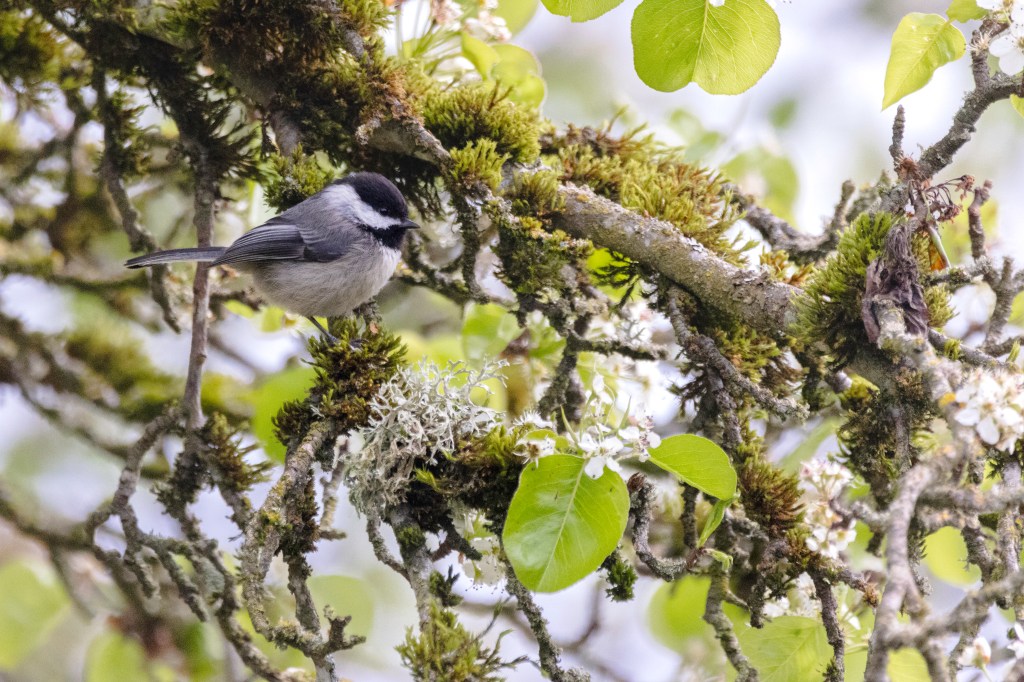
The Chickadees are a genus of small North American birds in the genus Poecile. Species in the genus from North America are called Chickadees, while species found elsewhere are called Tits. They have distinct, beautiful calls that lent them their name.
“Their name reputedly comes from the fact that their calls make a distinctive “chick-a-dee-dee-dee“, though their normal call is actually “fee-bee,” and the “chick-a-dee-dee-dee” call is an alarm call.”
I have managed to see three species and photograph two! The Carolina Chickadee, endemic to the US, is found in the eastern US. The black-capped Chickadee is found in the northern US and Canada. It is a common species along its range and can be easily found at feeding stations!
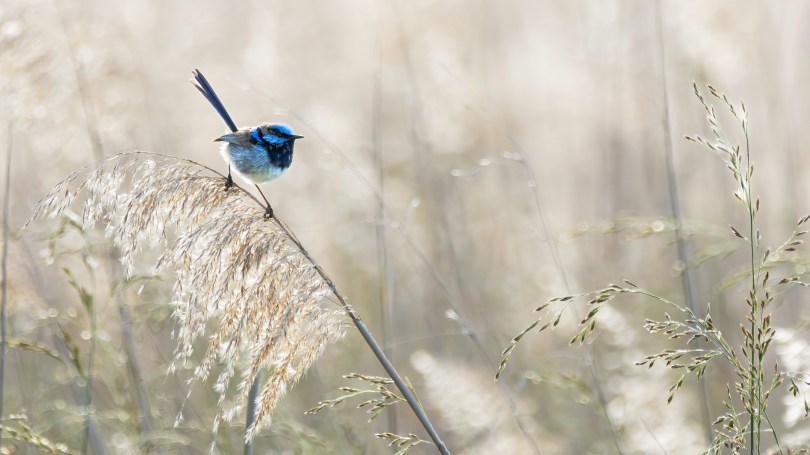
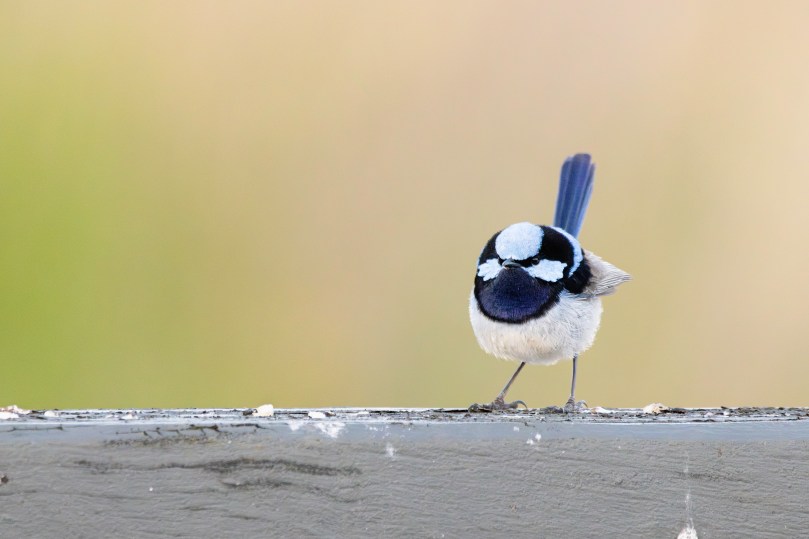
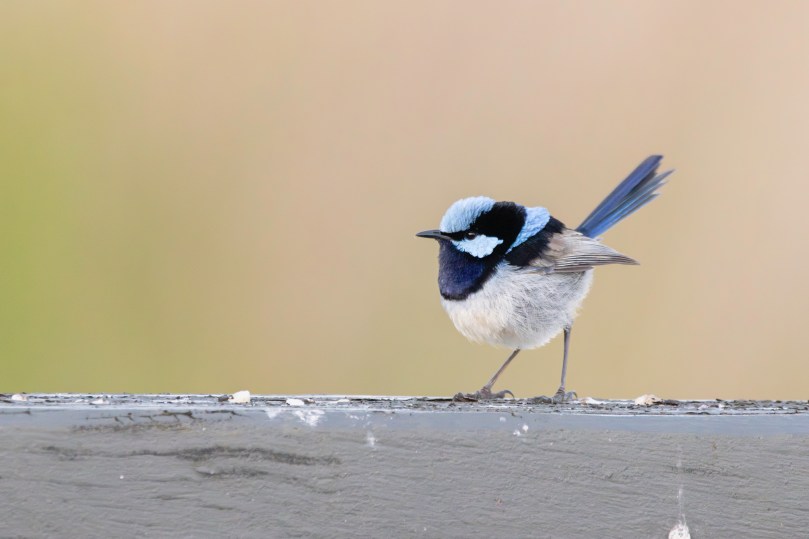
A striking bird that is common across the island of Tasmania, I saw one the day I landed in Australia and was stunned to find a bird so beautiful. Being color-blind, I generally cannot appreciate birds completely, but blue is the exception!
Like other fairywrens, Superb fairywrens exhibit sexual dimorphism, with the female exhibiting a fawn color. Immature males start with fawn-colored plumage but turn blue after their first breeding season. Some take longer, as seen in the cover photo.
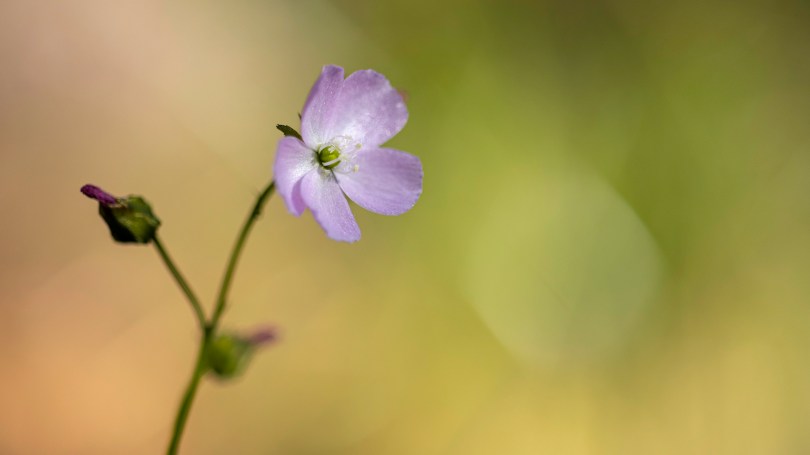
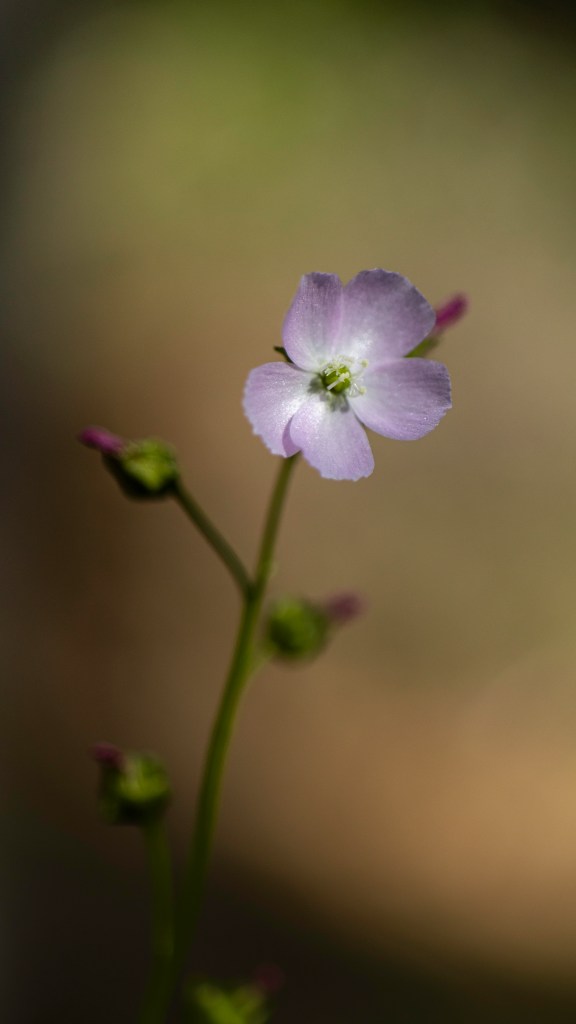
One species stands tall in the vast realm of carnivorous plants. Meet Drosera auriculata, commonly known as the Tall Sundew, unlike other drosera species that grow in low-lying rosettes. This captivating carnivorous plant has earned its name for its impressive height.
Tall sundews are recognized for their slender, elongated stems that can reach remarkable heights, often standing above other sundew species. The species can be found in both dry and damp places in Australia. The spot where I observed this species is the driest area I have ever seen a sundew in!
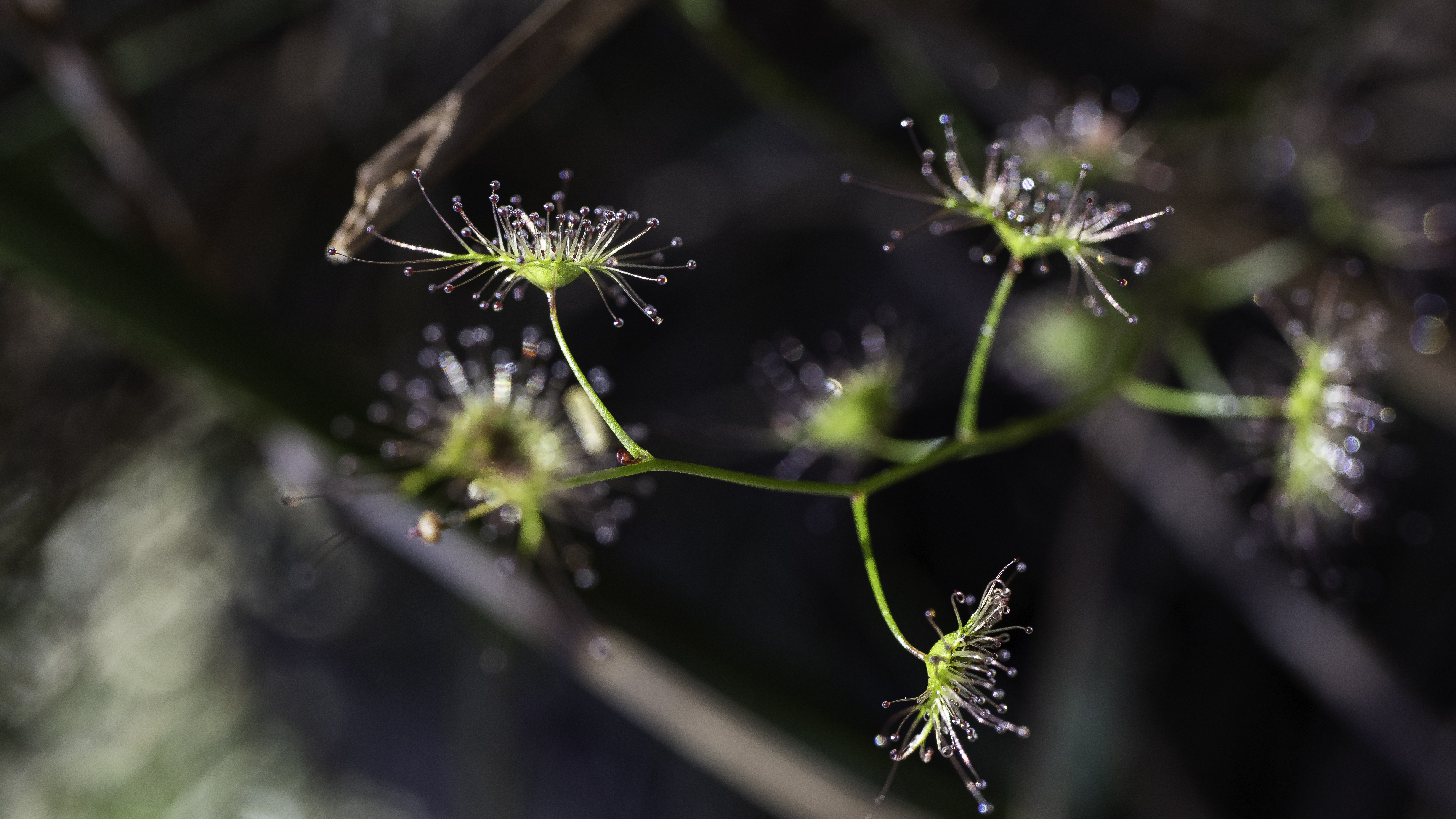
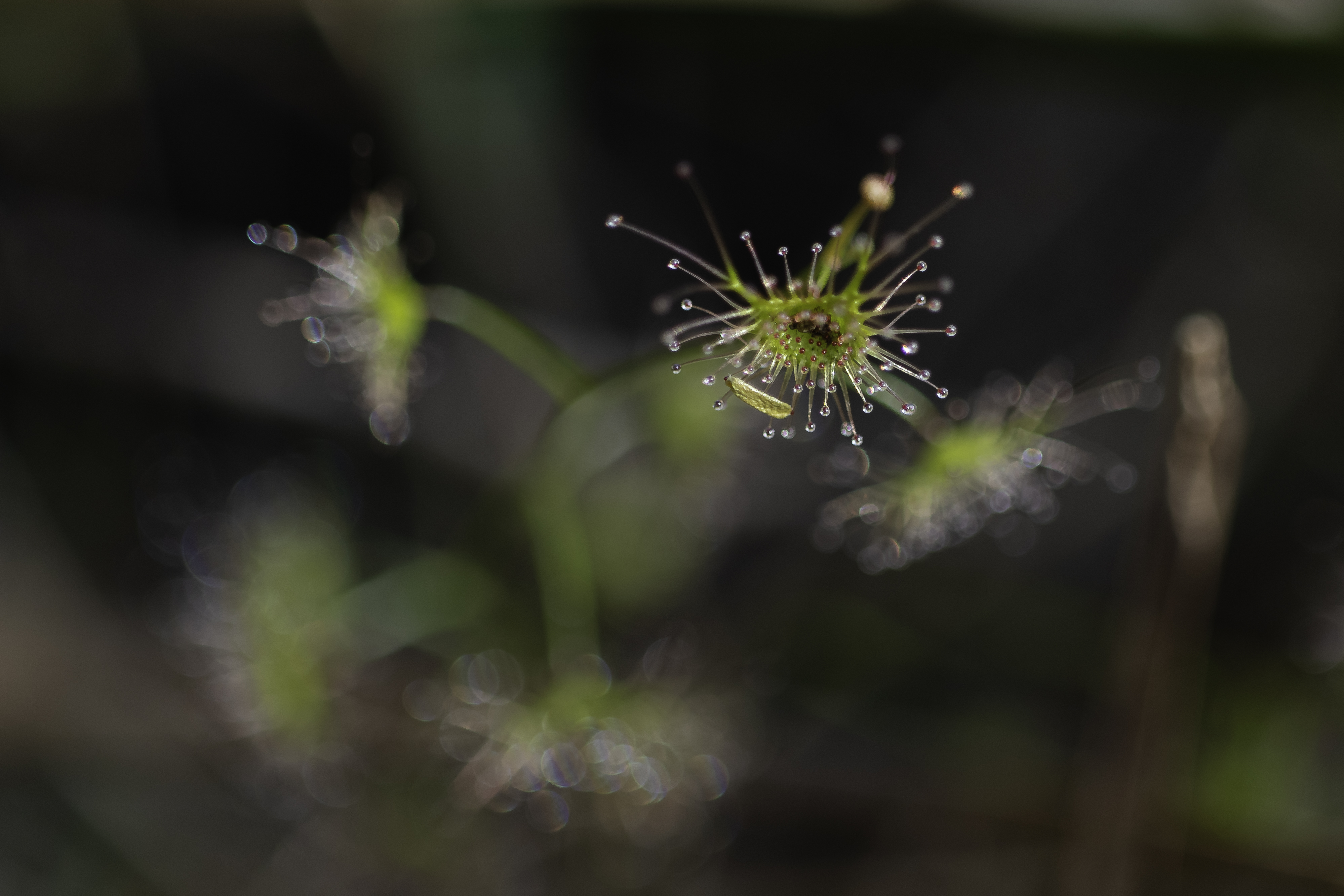
Like many sundew species, the tall sundew relies on both its sticky leaves, and a trigger response that envelopes the prey as it gets digested. A characteristics that is also utilized by its closely related species, the famous Venus-Fly trap! Below we see close-ups of leaves and their prey.









 Exploring Free Green Cascadia