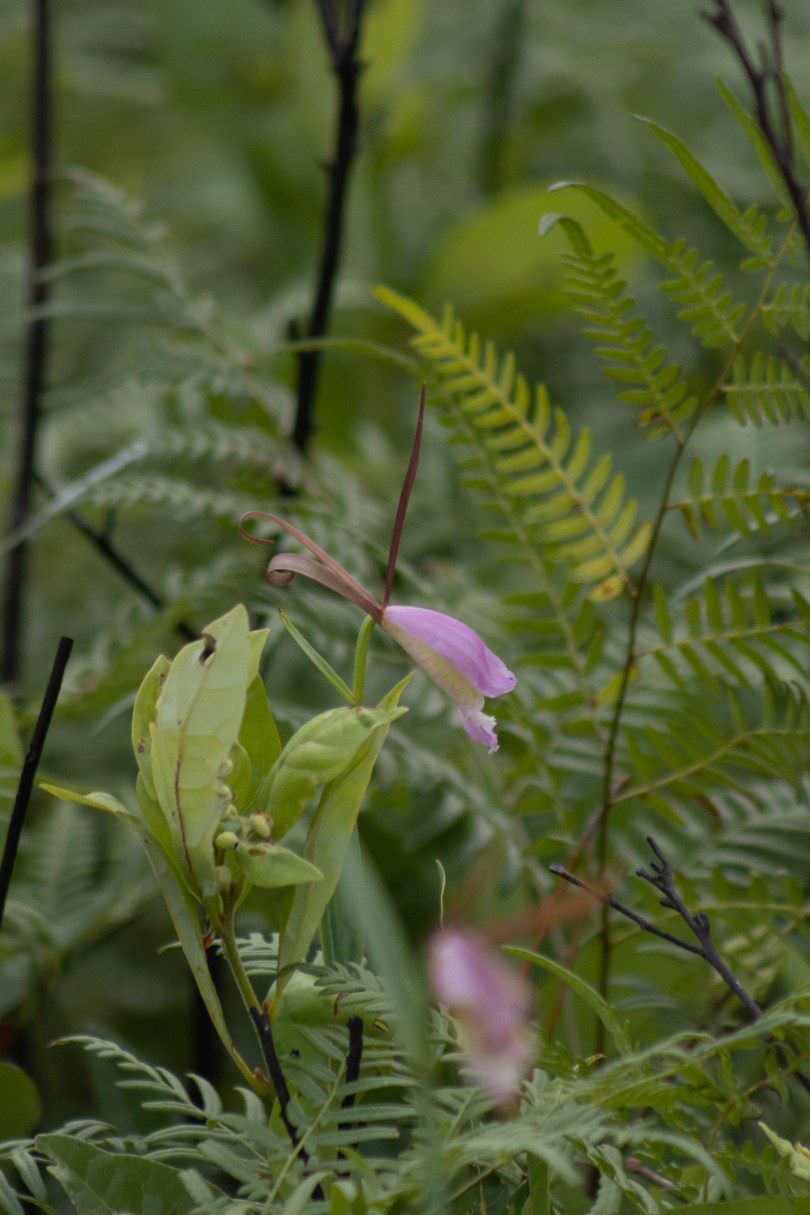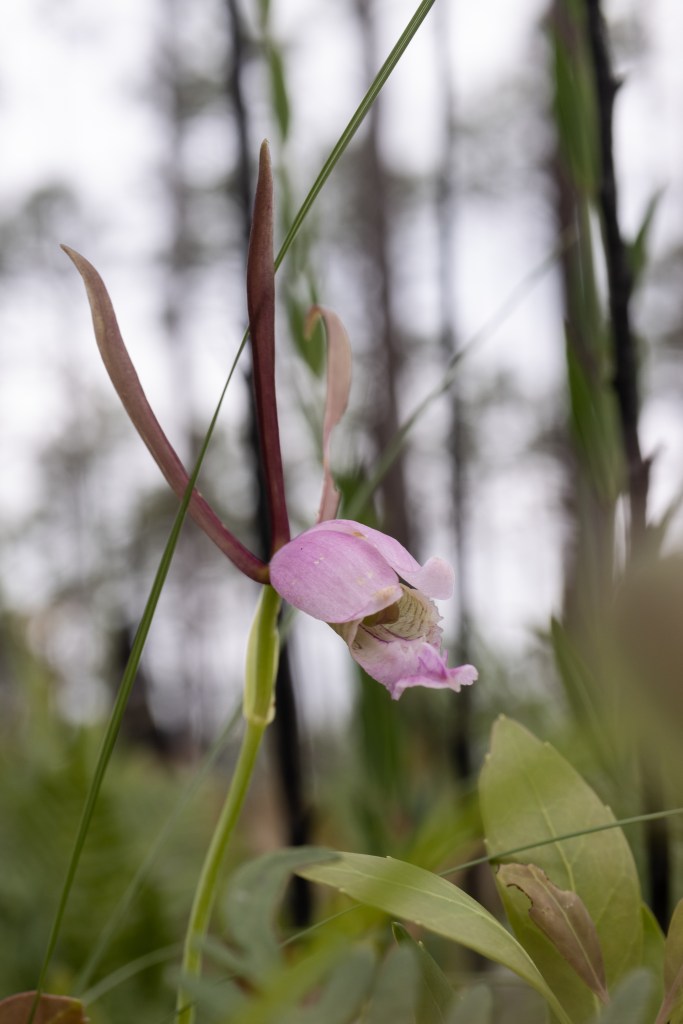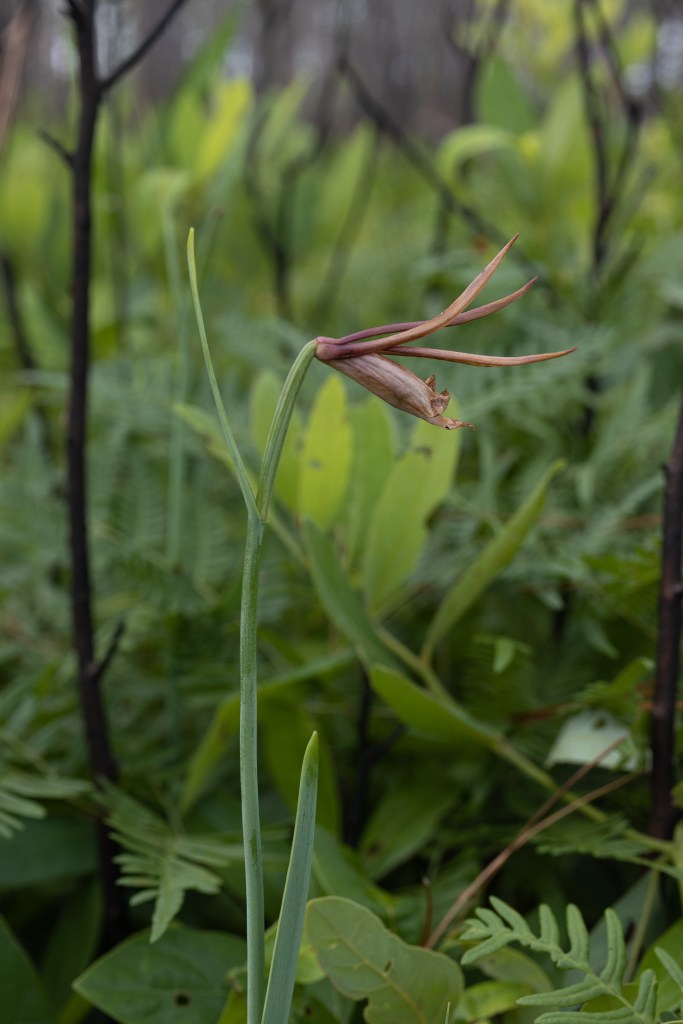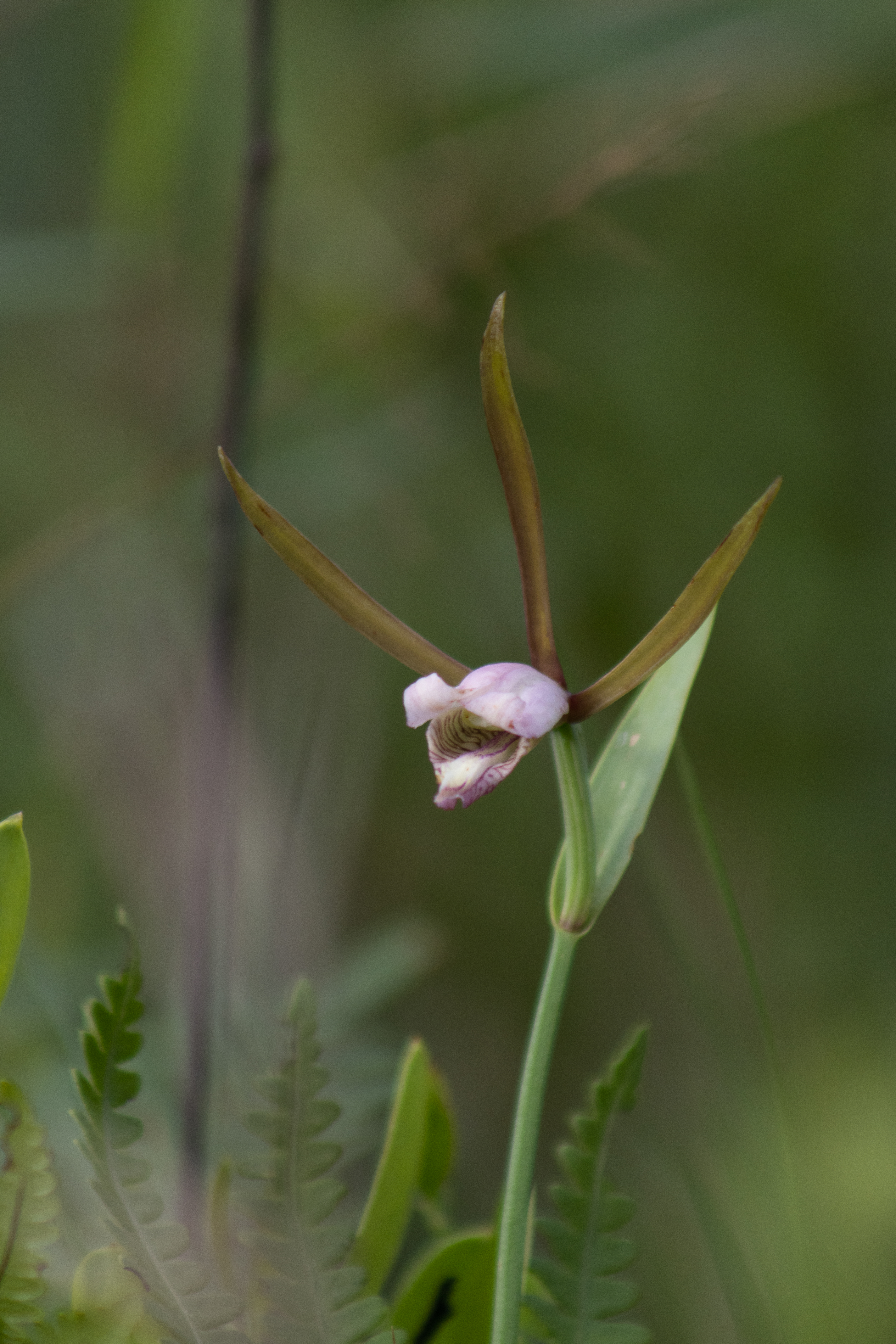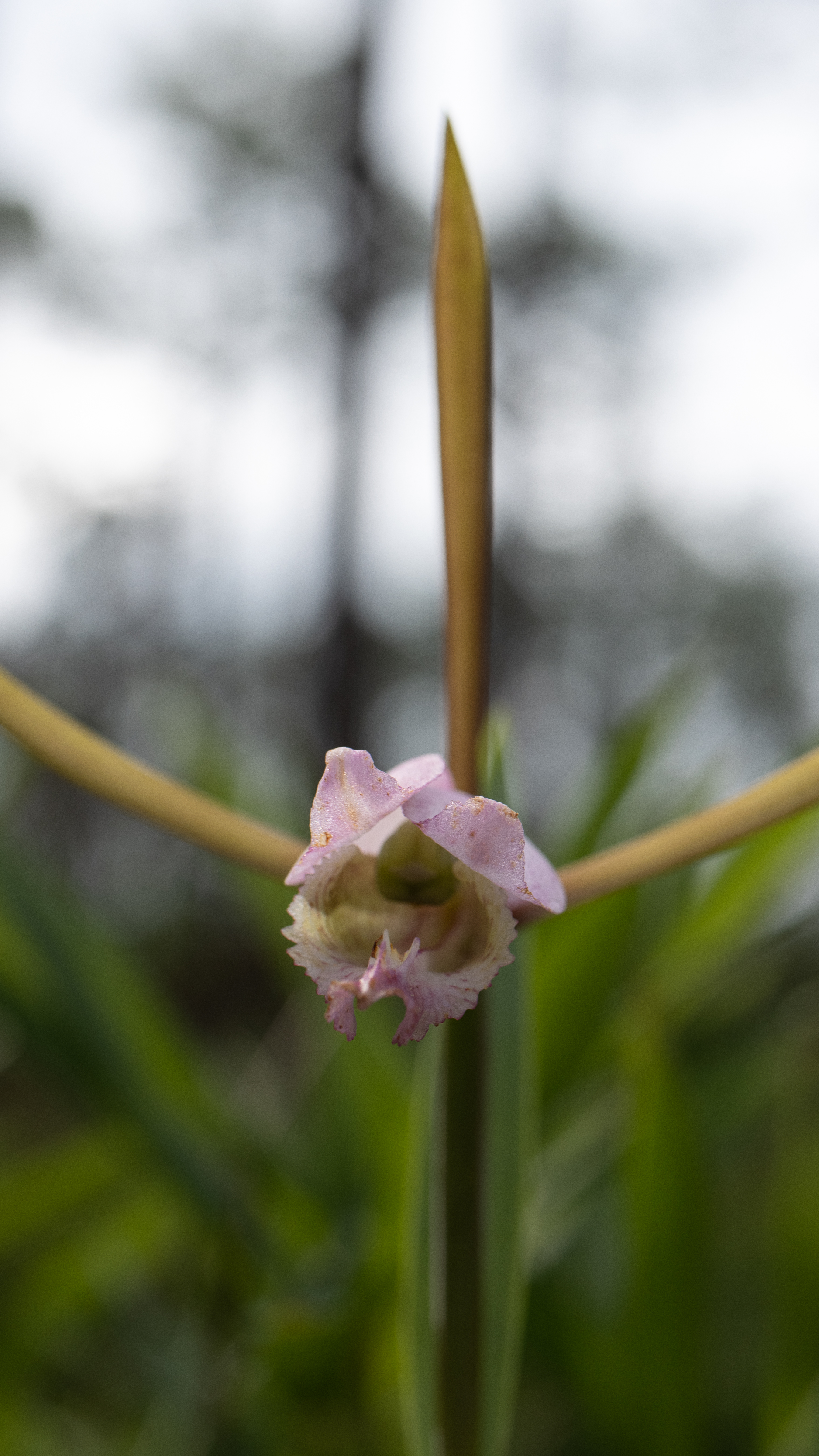
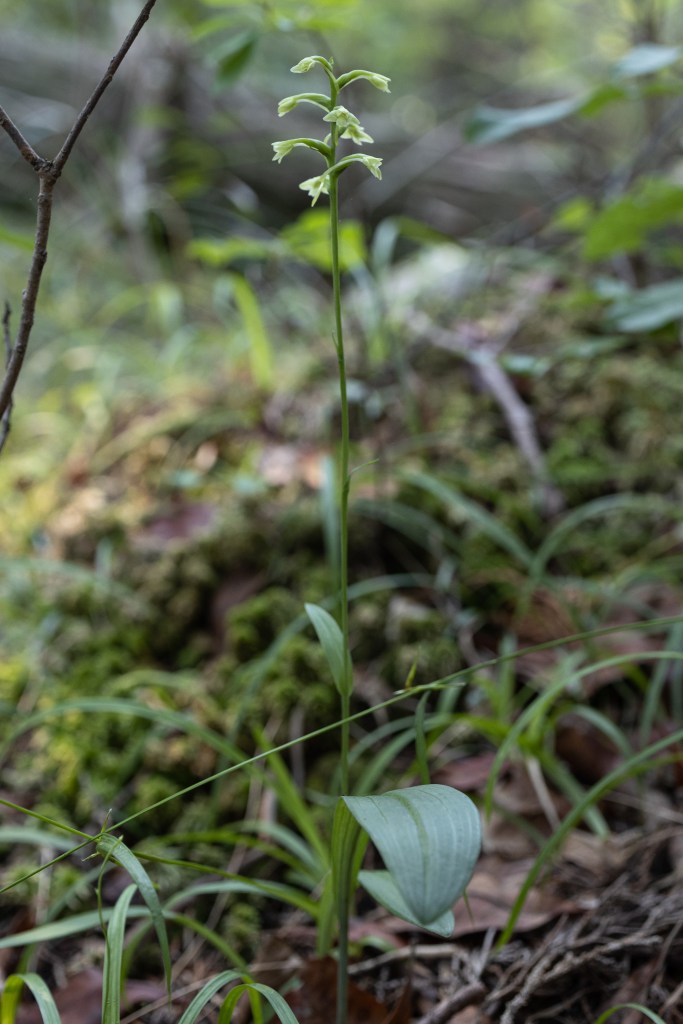
Platanthera clavellata (Small Green Wood Orchid)

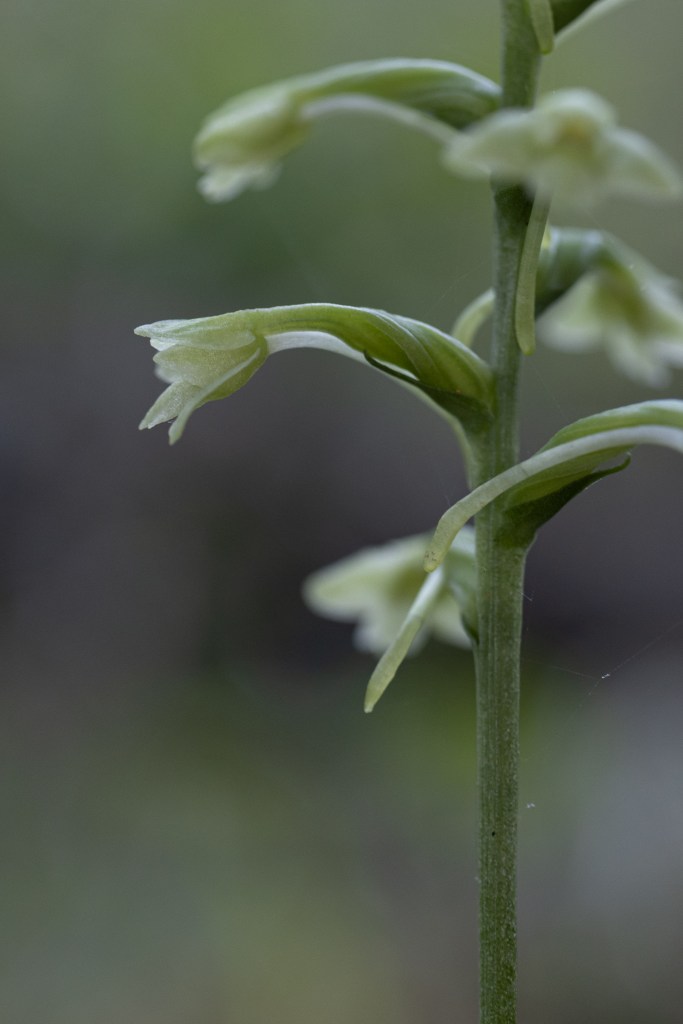
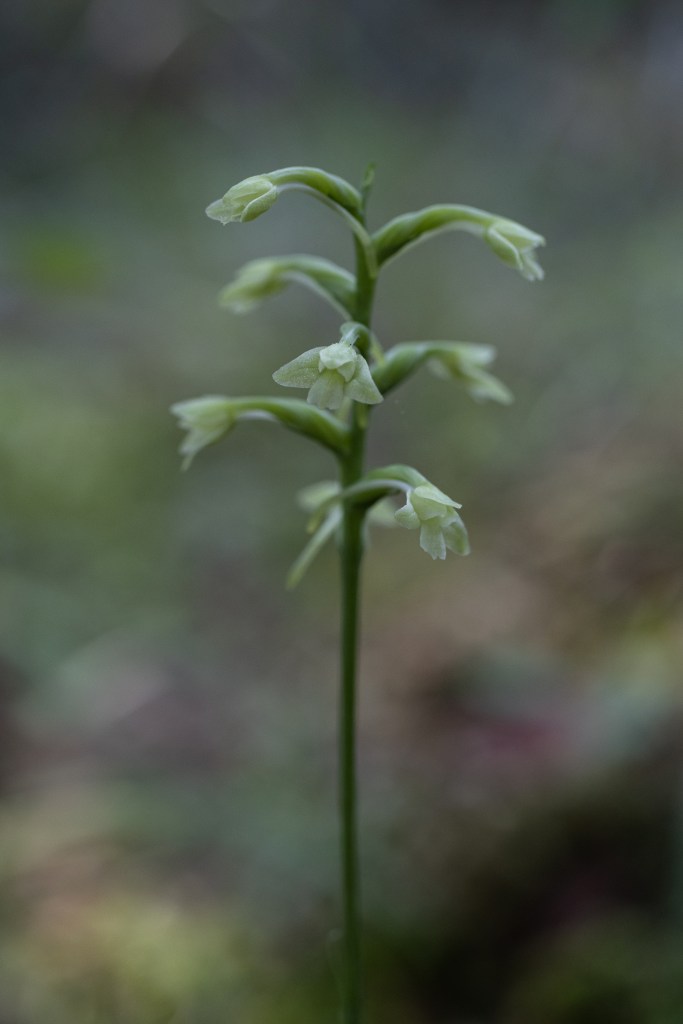
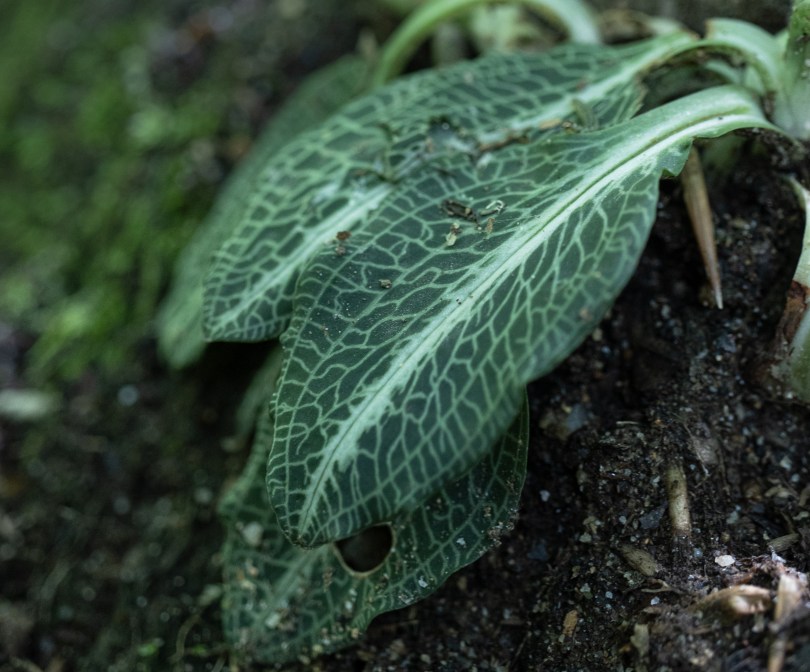
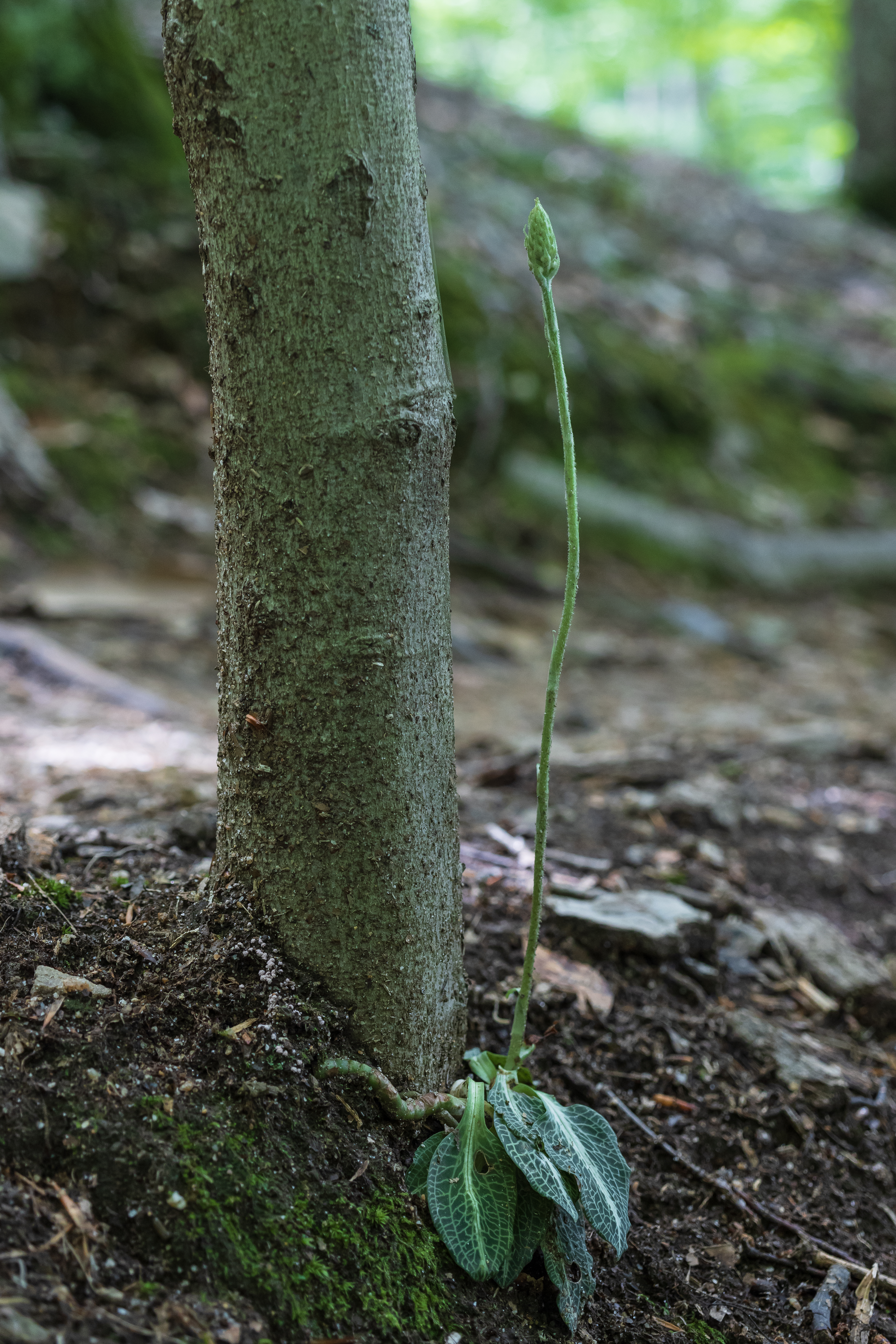
A less showy cousin of the much larger and showier white-fringed orchid (they were growing near each other in pinelands of New Jersey.) The plant has but one large leaves with others being reduced to bracts along its stems. This particular plant was a youngling that was probably flowering for the first time.

There is some controversy regarding its inclusion into the Platanthera genus. I do not know enough about the morphology of the genus to elaborate further.

The spot I found this orchid seemed to have a healthy population of orchids that were reproducing. One thing that concerned me was the thickness of the understory. As this location was used by people and was near a park for human picnicking, the area hasn’t burnt enough. Pinelands is a fire ecology, and I worry about what thick understory would do to the local orchid population.

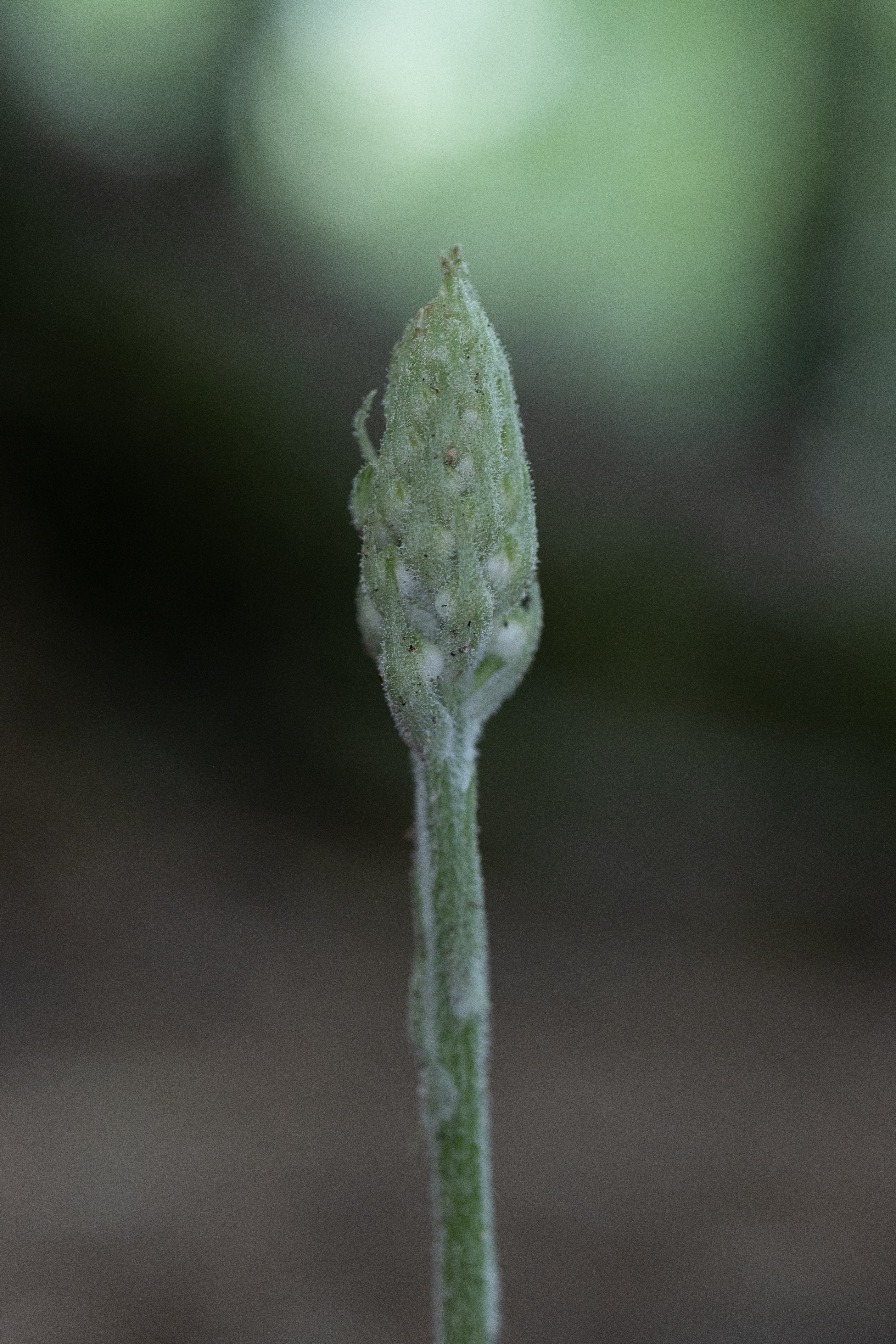
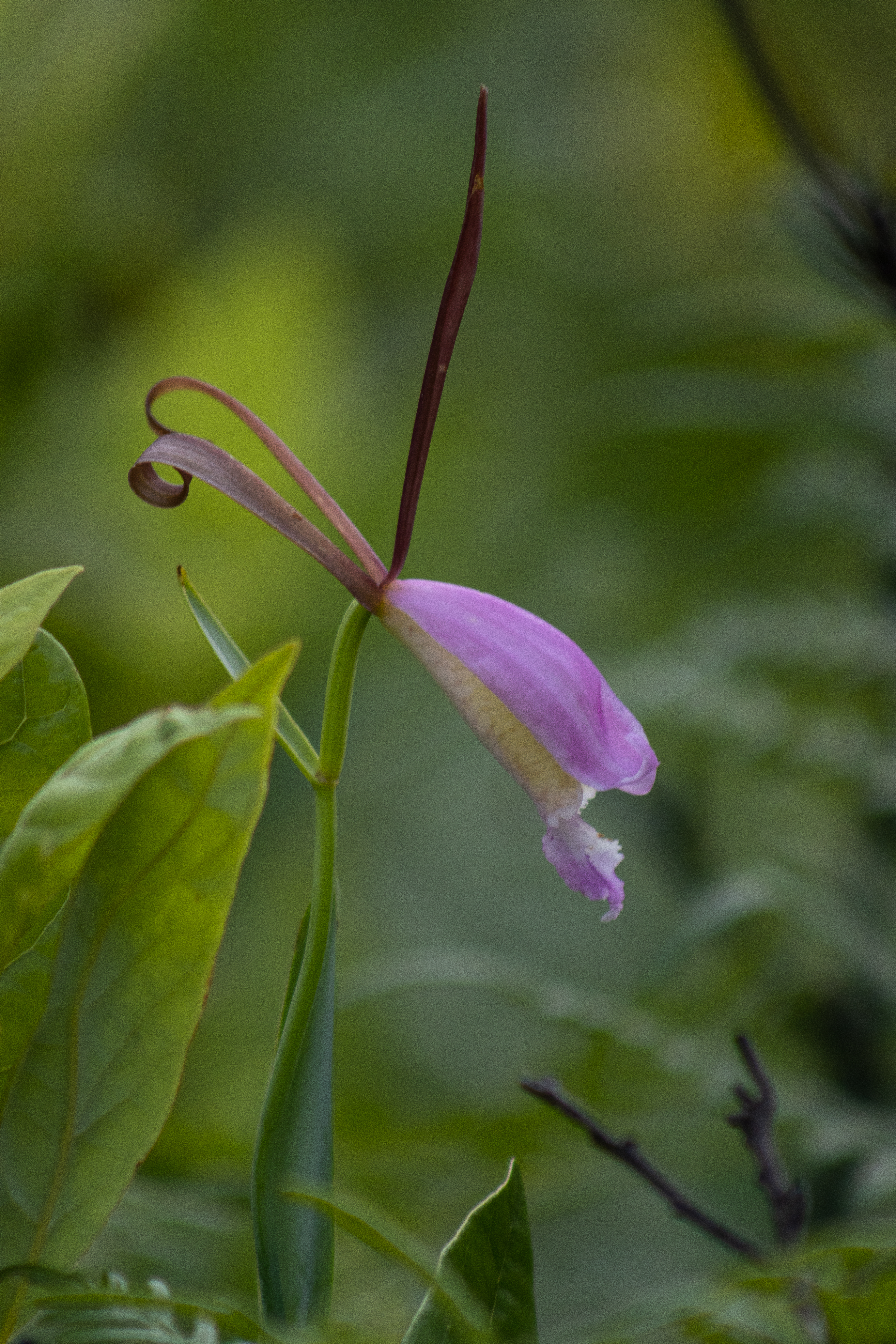
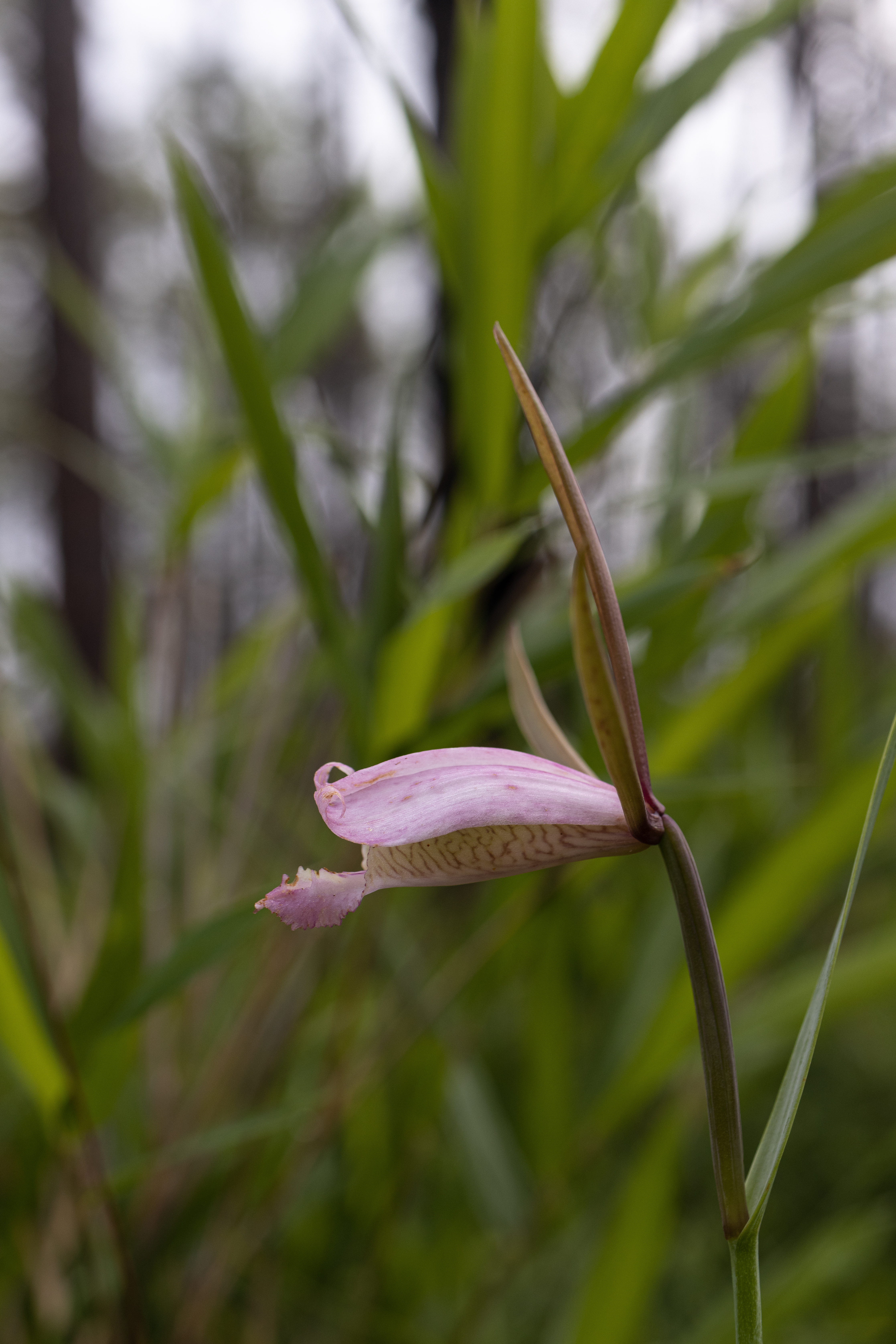
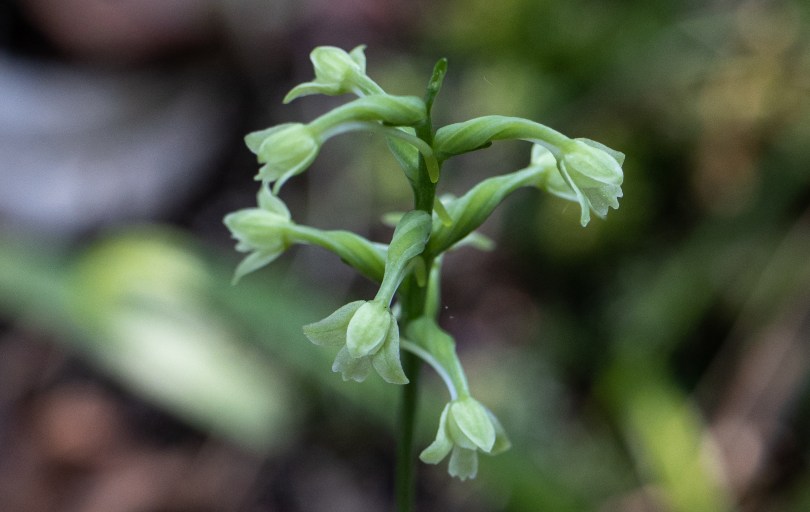
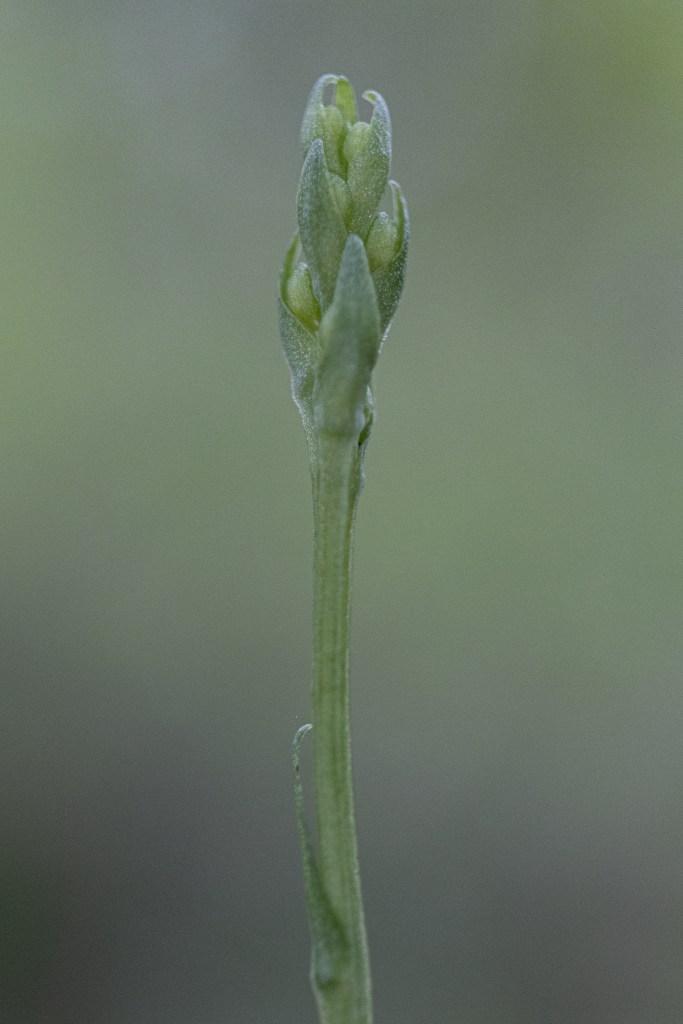
The flowers of these orchids are not as showy as some others in the Platanthera genus, but that allows us to have a clear look at the twist that results in the resupinate nature of orchid flowers. Most orchids go through this, with certain exceptions like CalopogonResupinate flowers are those that twist and turn upside down. As an orchid bud develops, the lip of the orchid is towards the flowering stem (as can be seen below), but as the bud begins to open, the flower twists till the tip point down. In this orchid, you can see the twist that each flower went through. 
Goodyera pubescens (Downy rattlesnake plantain)

Goodyera pubescens, the downy rattlesnake plantain is one of the most common orchids found in the eastern North America. Despite its high numbers it can be hard to find. The variegated leaves allow it to blend in with the forest floor. It is a terrestrial orchid with fleshy rhizomes with basal evergreen leaves. The beautiful leaves and its evergreen nature allows it to be seen throughout the year for orchid enthusiasts.

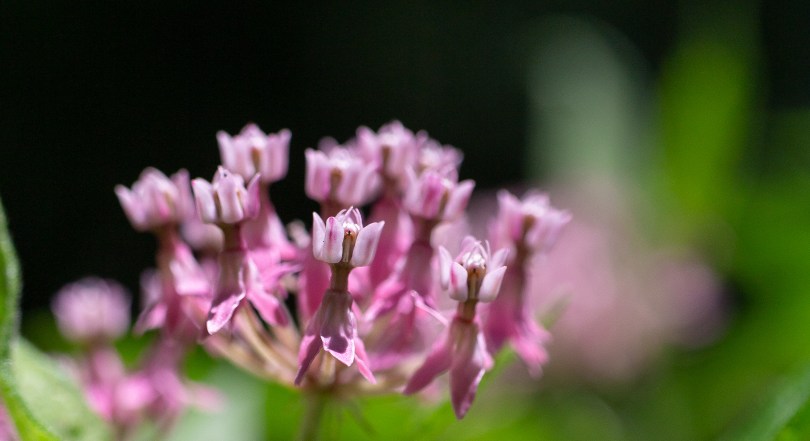
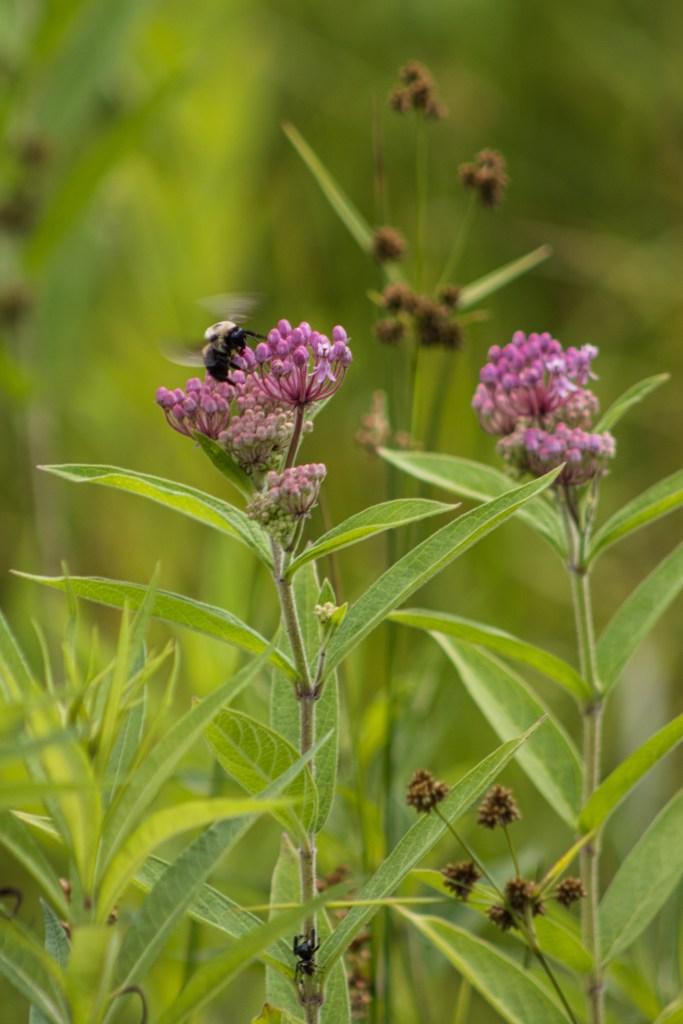
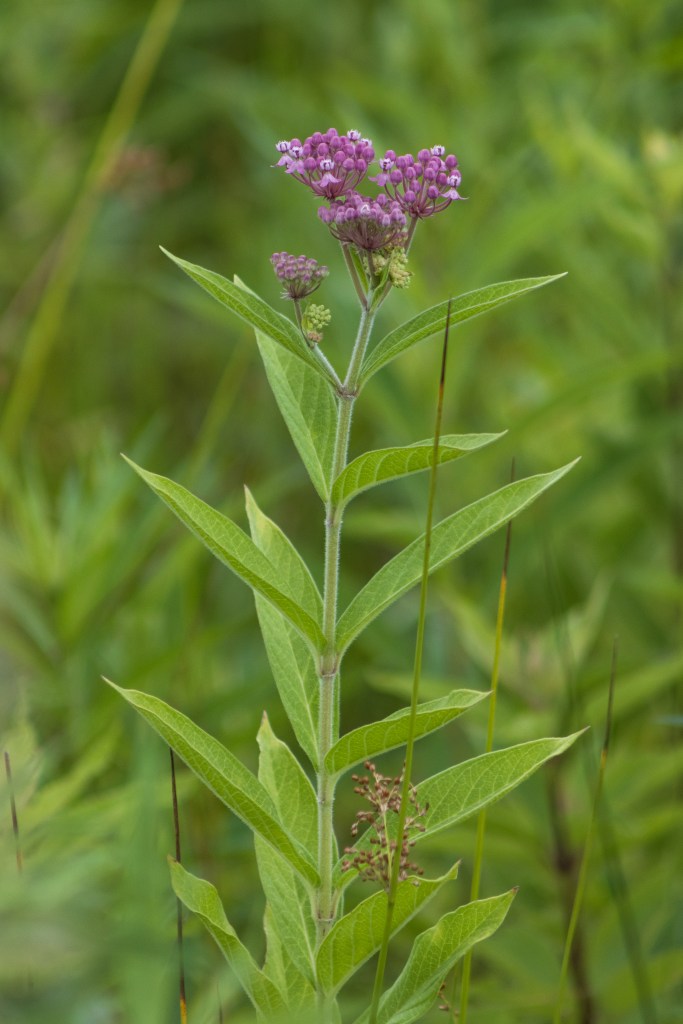
Asclepias incarnata (Swamp Milkweed)

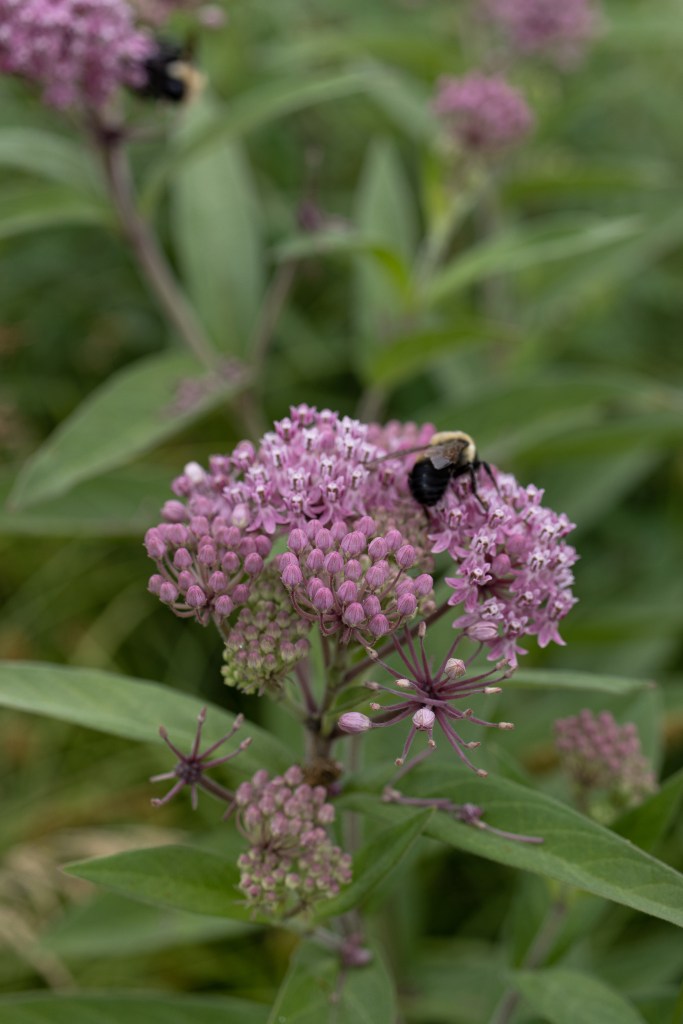
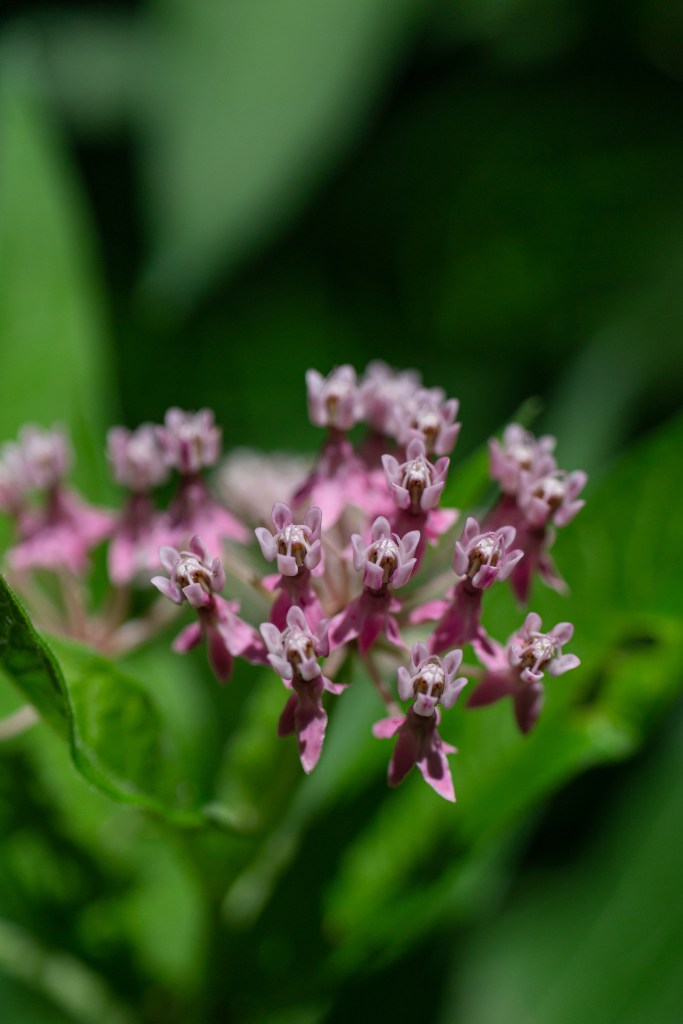
Swamp Milkweed is a tall moisture-loving plant found growing near bogs, swamps, fens, and streams. It prefers sunny spots where it flowers on a terminal spike in the summer. The flowers are showy pink to purple and carry nectar that attracts multiple pollinators. Shown here is a bumblebee trying to find its balance on swaying milkweed. It is a common species found across most of the continental US and into Canada. It is an excellent addition to any pollinator-friendly garden as its flowers are both showy and wonderfully scented.

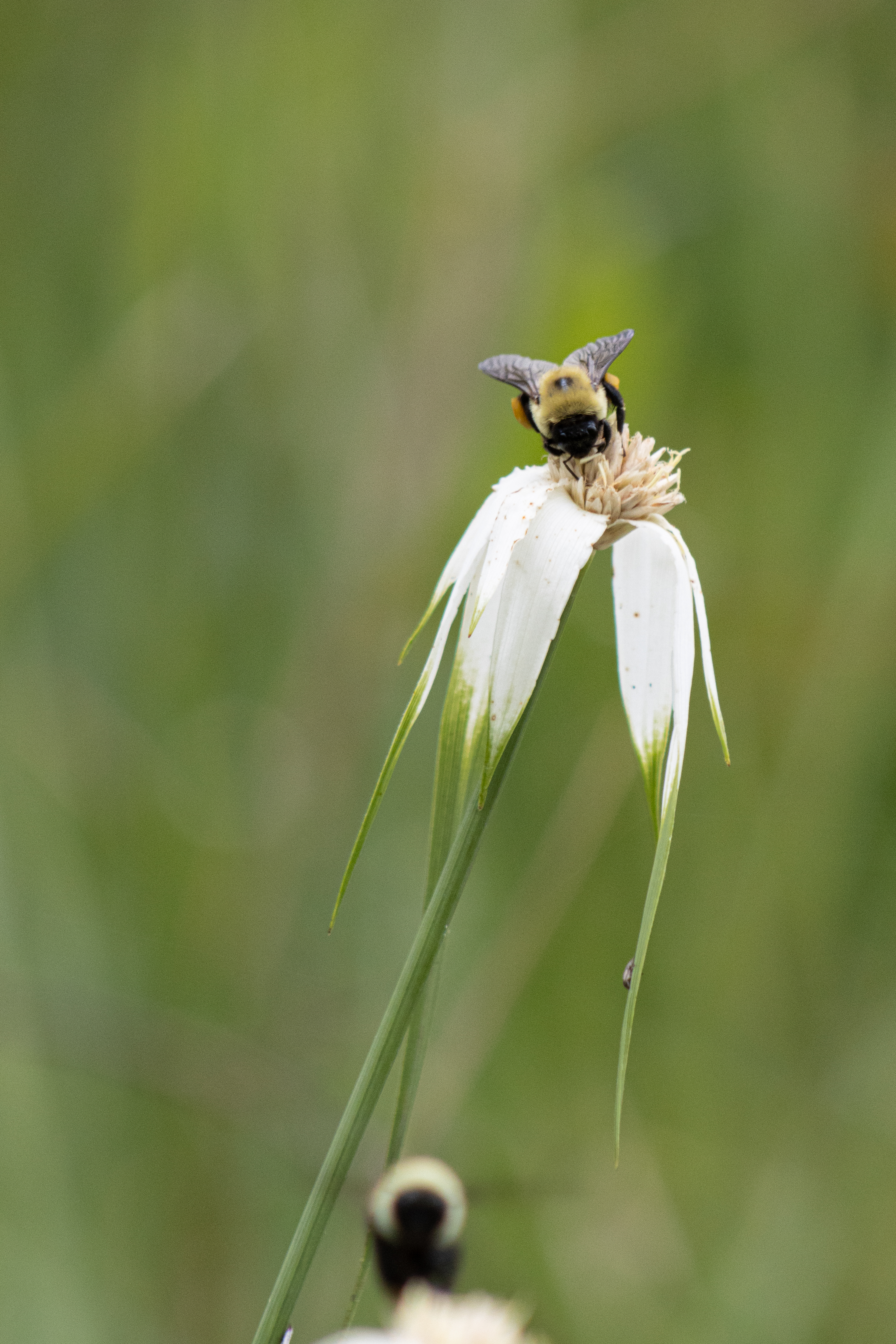
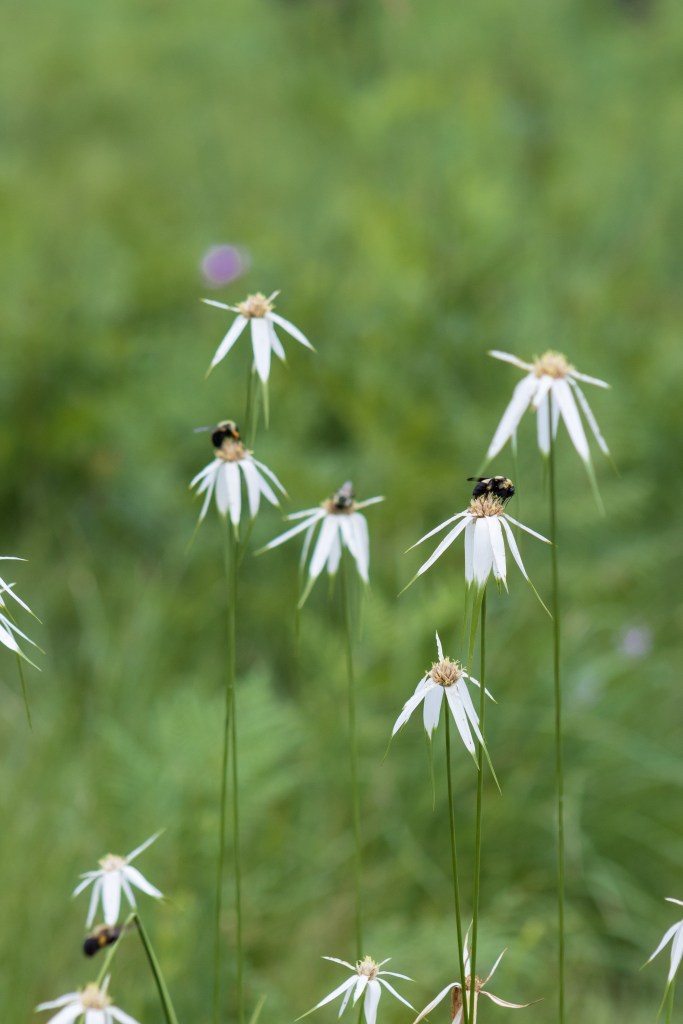
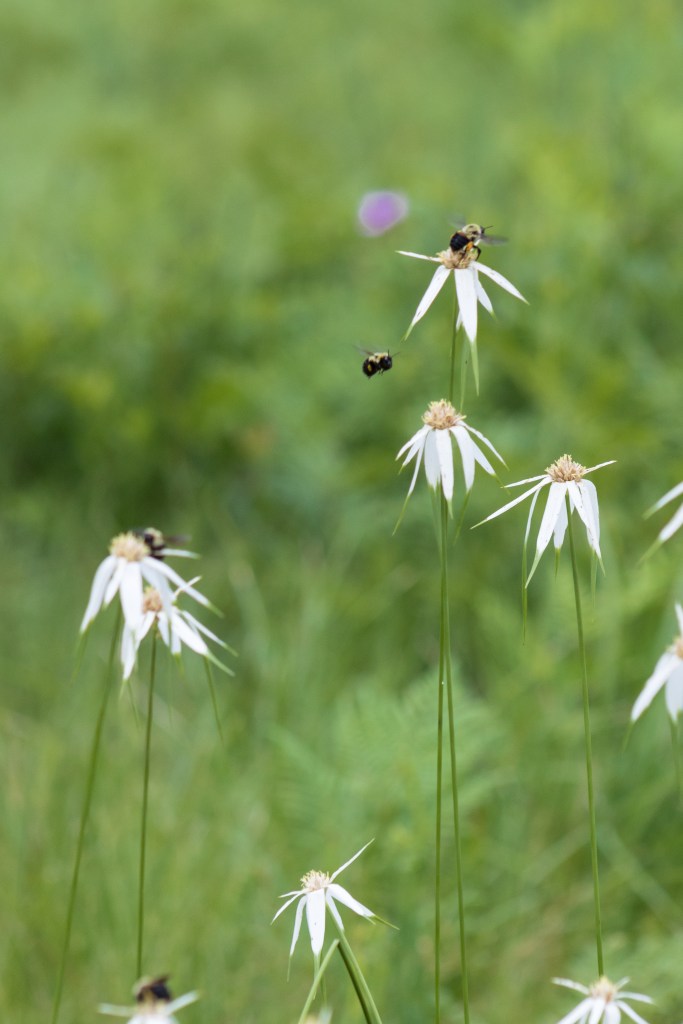
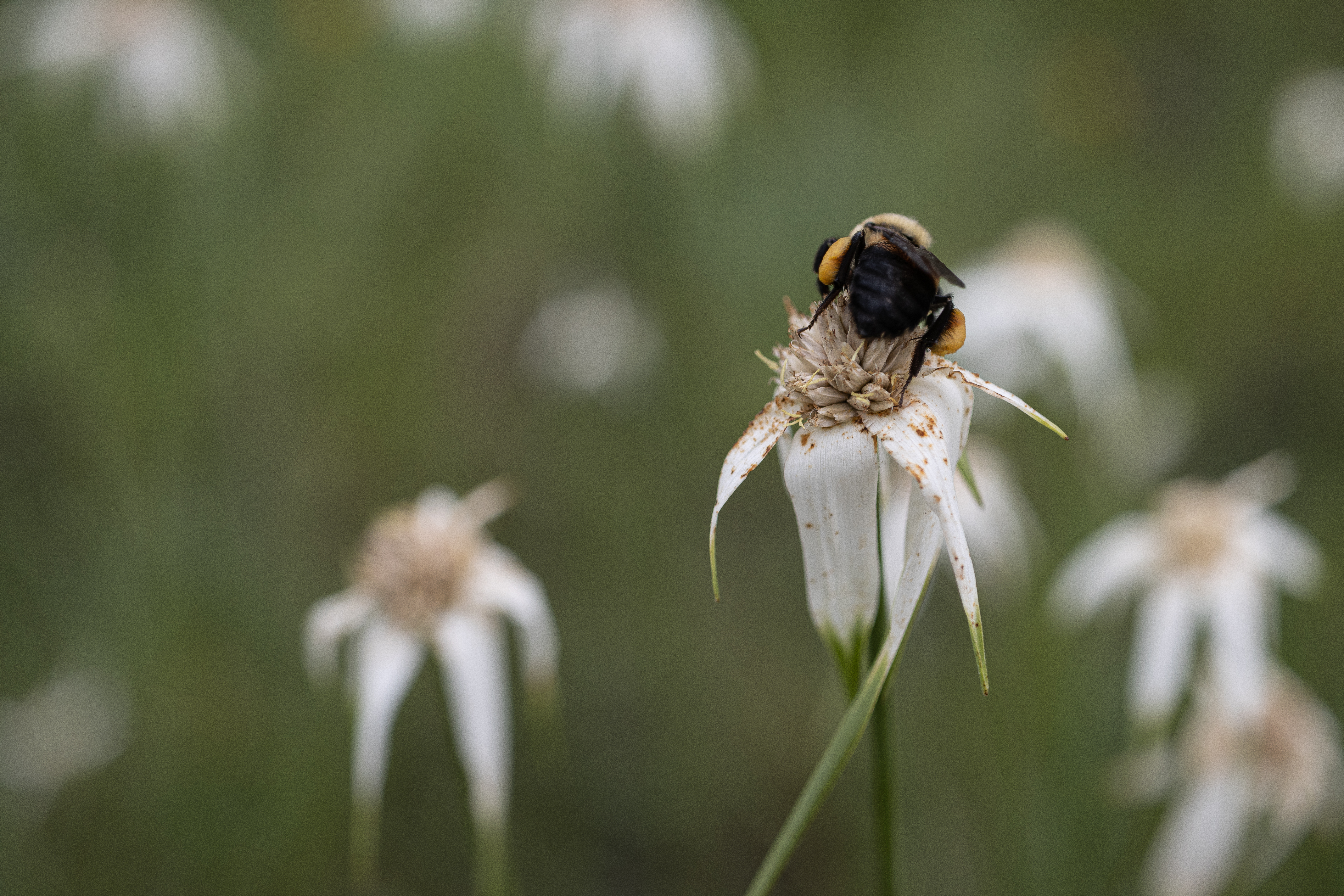
Rhynchospora latifolia (Sand-swamp Whitetop Sedge)

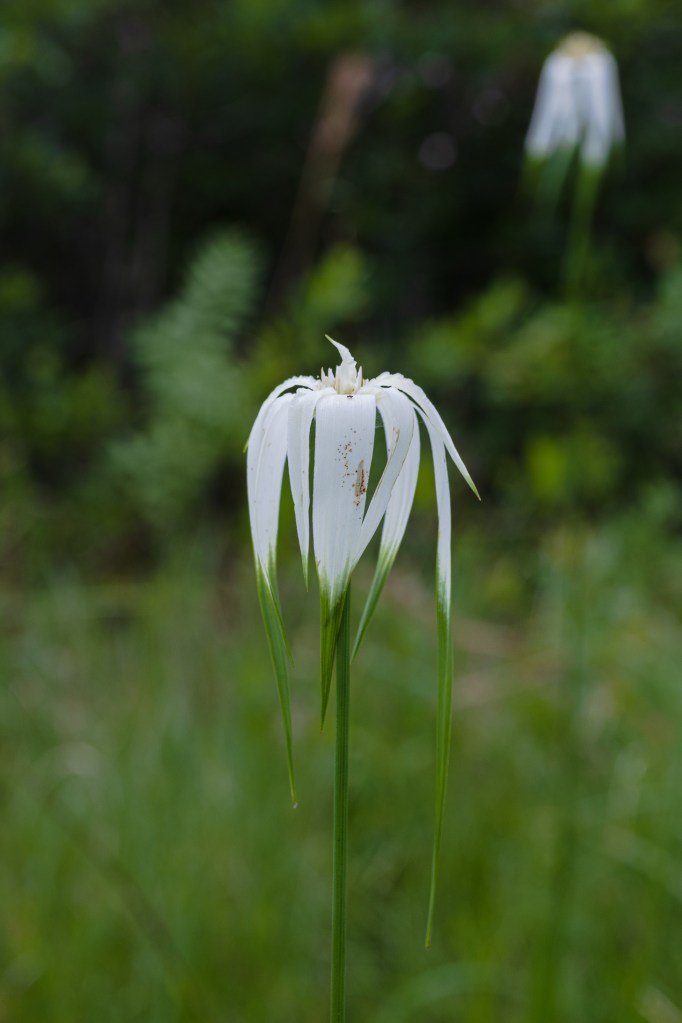
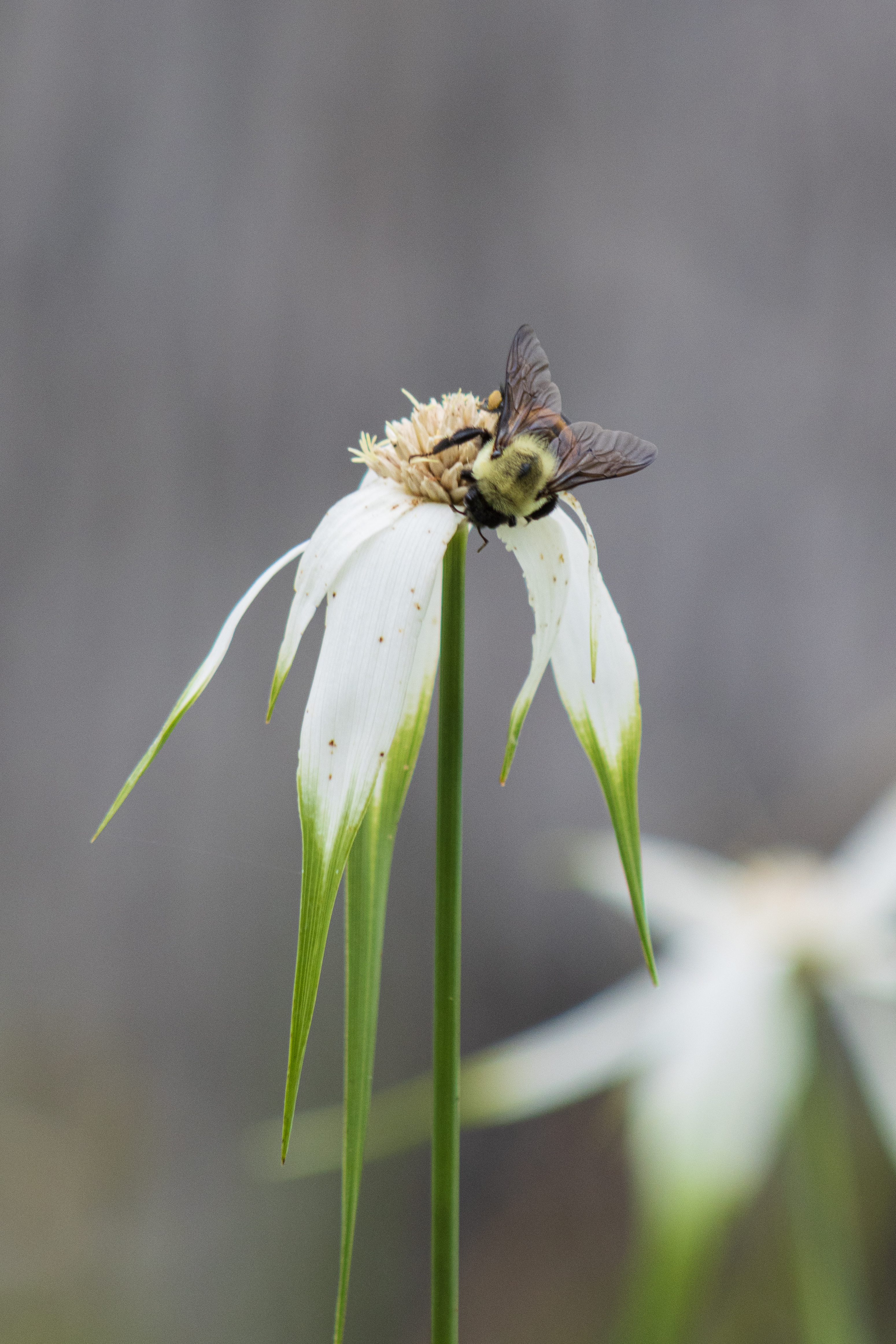
Rhynchospora latifolia or the Sand-swamp whitetop sedge is a splendid-looking sedge species found in the southeastern states. Three species of whitetop sedges grow in the United States; two are native to the southeast state, while the third is endemic to Florida. Like other Sedge species belonging to the same family, distinguishing them is not easy. I am relying on the seeks app, which told me what species I had observed.

The whitetop sedge is a perennial plant growing in open grasslands and pine bogs; I took these photographs in the Green swamp preserve. Whitetop Sedge was possibly the most impressive plant that was not on my “to-see” list when I visited North Carolina. It was a pleasant surprise to walk into an open savannah covered with large white Inflorescences. It seems to attract many bumblebees; it was nearly impossible to photograph them without capturing a bumblebee working its way through the flowers!

Rhexia alifanus (Savanna Meadow Beauty)

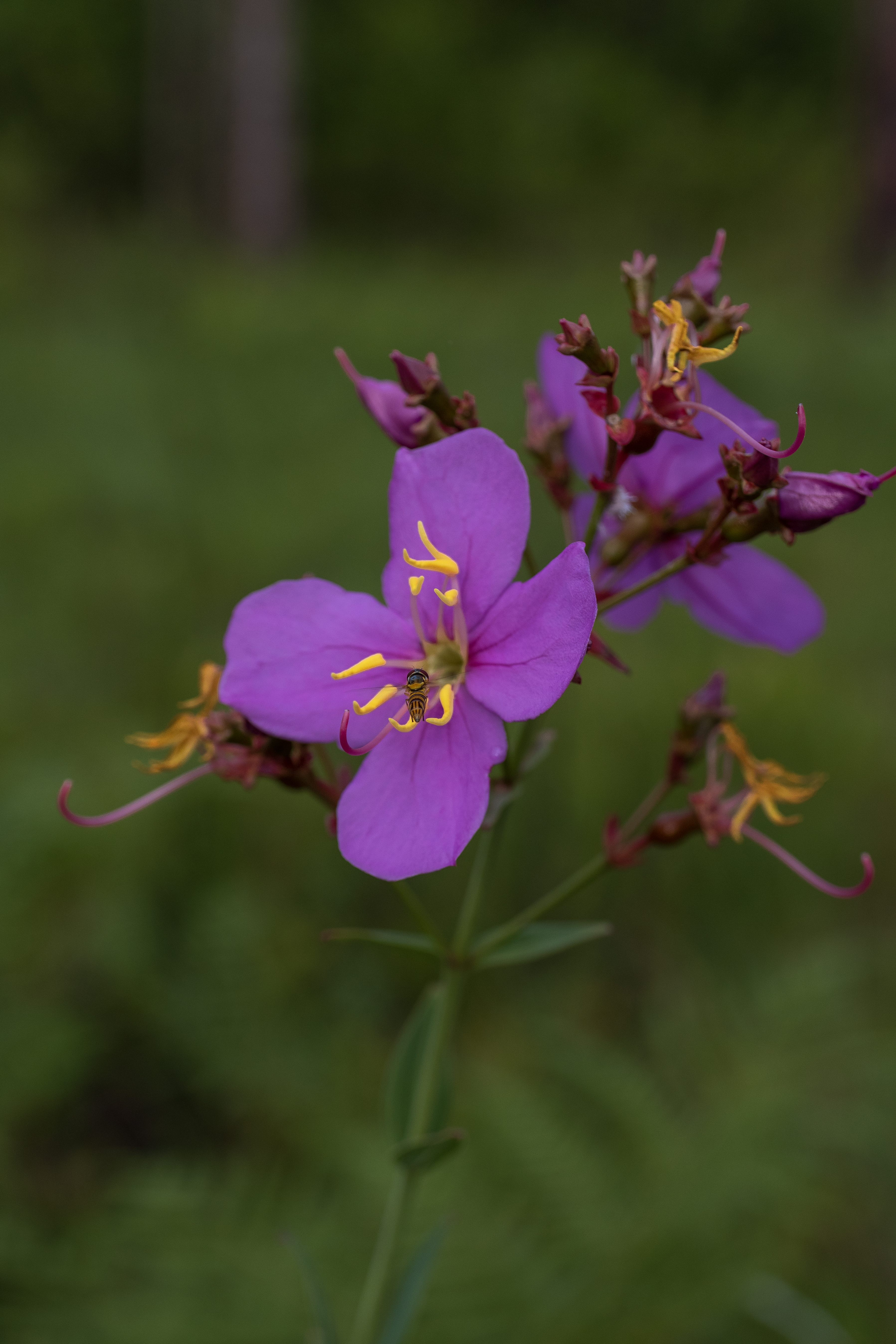
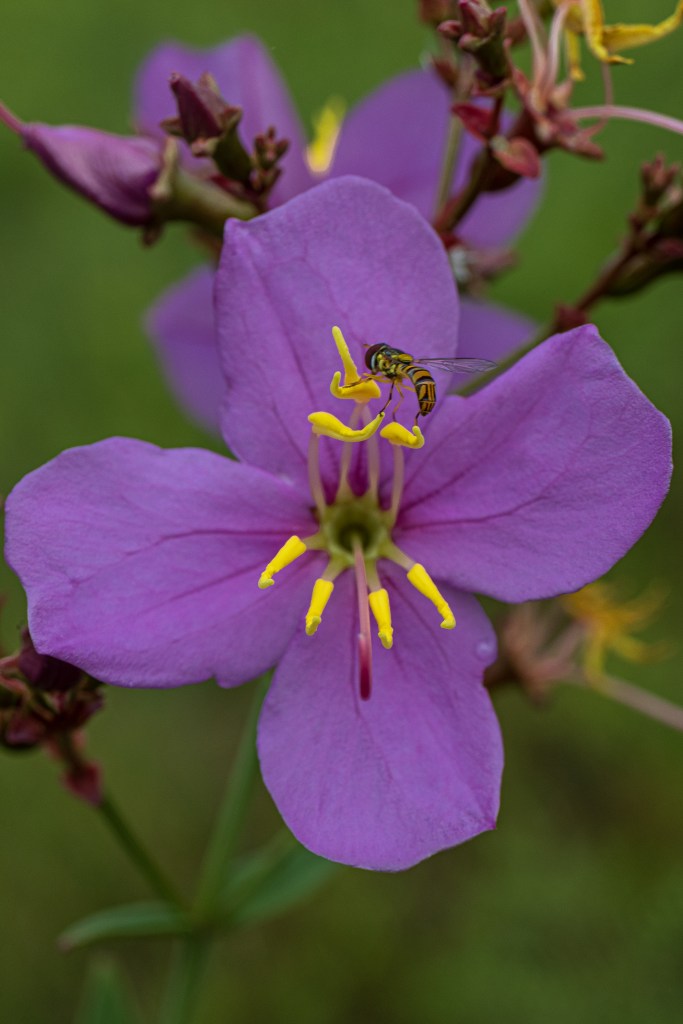
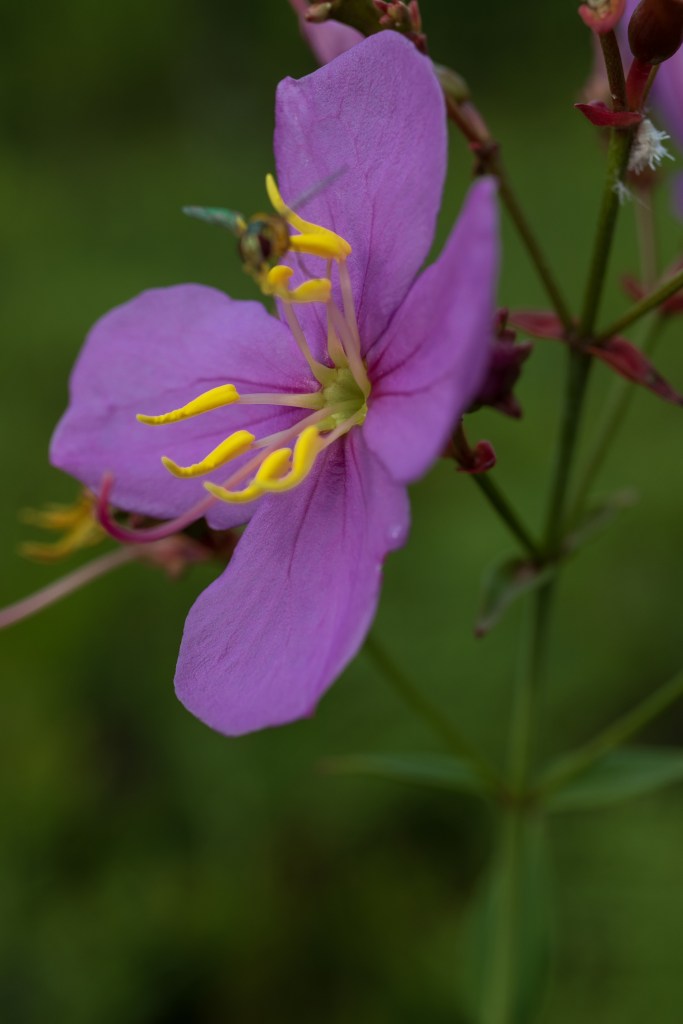
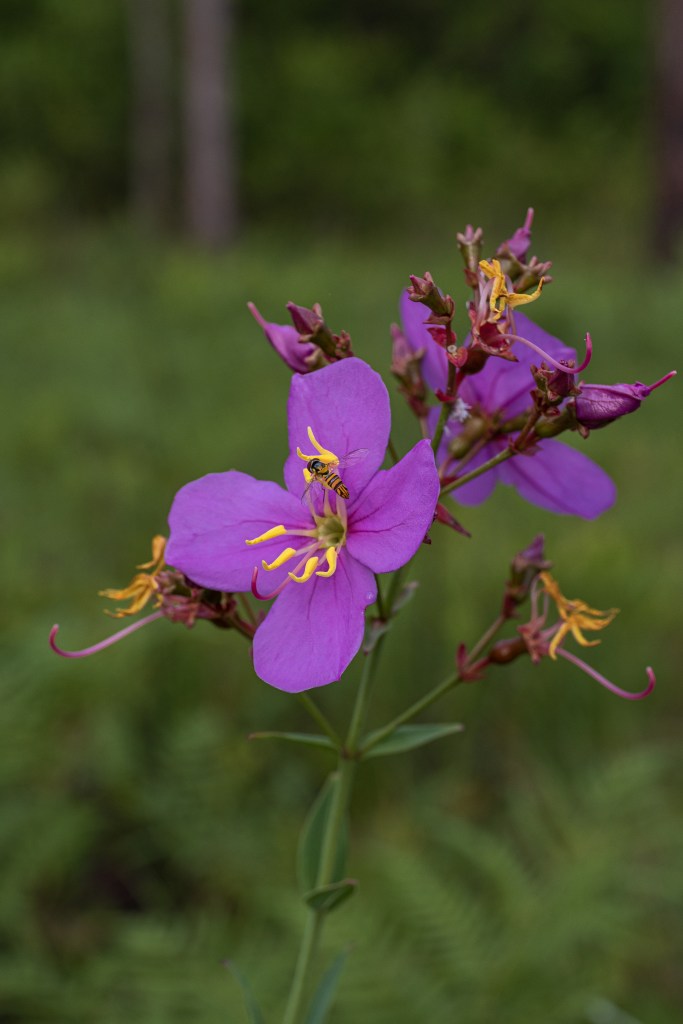
An Oblique Stripetail Hoverfly prepares to land on a Meadowbeauty.

Savanna Meadowbeauty is a striking wildflower found from North Carolina to Florida, and west to Texas. In North Carolina they grow near the coast, these were growing in the green swamp preserve alongside various carnviorous plants and orchids. The flowers are striking and attract pollinators. I was lucky enough to photograph an Oblique Stripetail Hoverfly flying around flowers searching for a reward. Swipe through them to see what the hoverfly was up to!

Asclepias pedicellata (Savanna Milkweed)

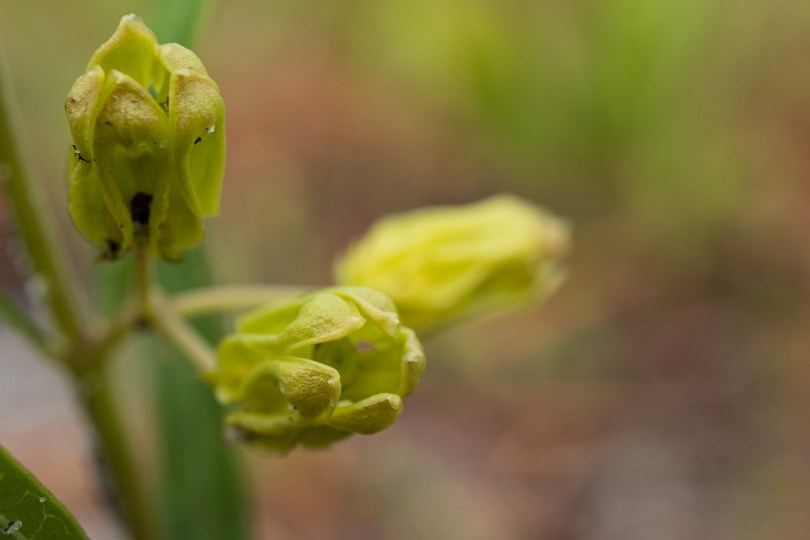
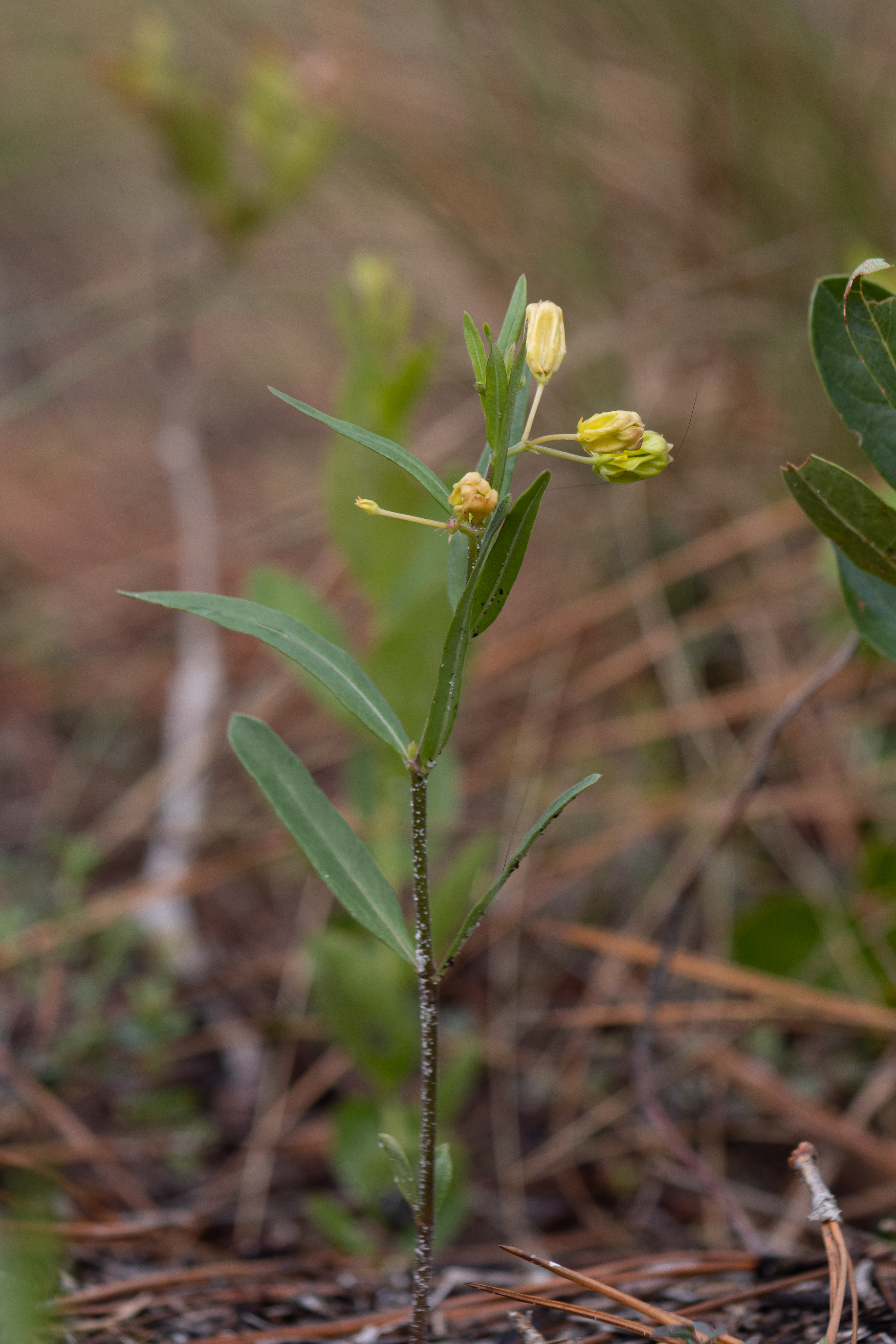
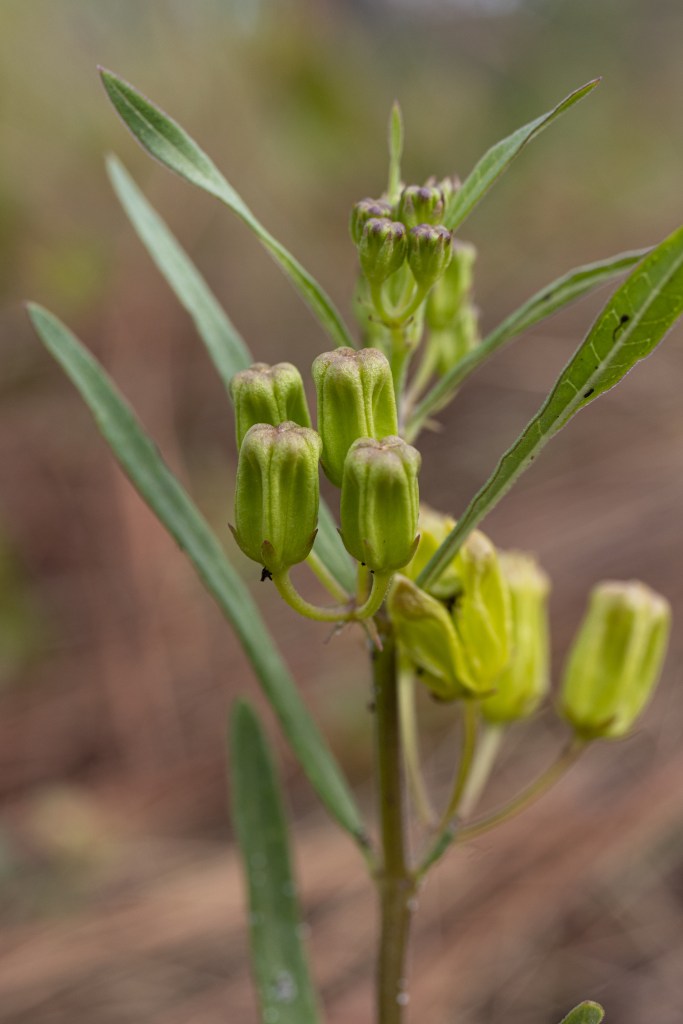
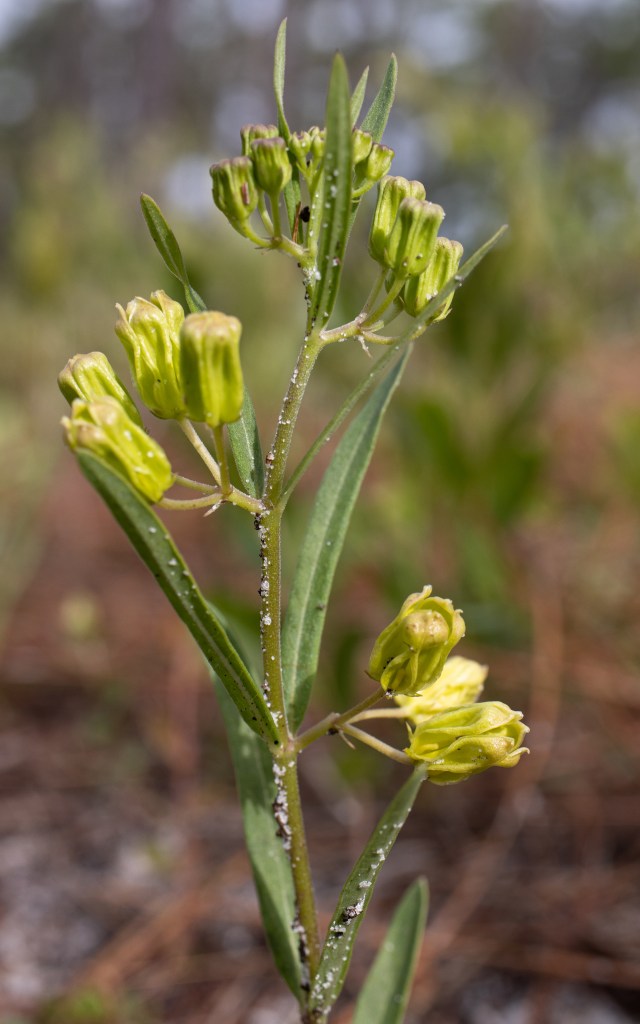
Savanna Milkweed, a diminutive milkweed species found from Florida to North Carolina. In North Carolina, the species is listed as a “special concern” and is imperiled in other states. Its population is in danger due to fire suppression and loss of habitat.

The plant grows in open grassland or pinelands, with a fire-based ecology. It grows about a foot from the ground with a bunch of flower buds in the summer. Its flowers are not as showy as those characteristics of other milkweeds.

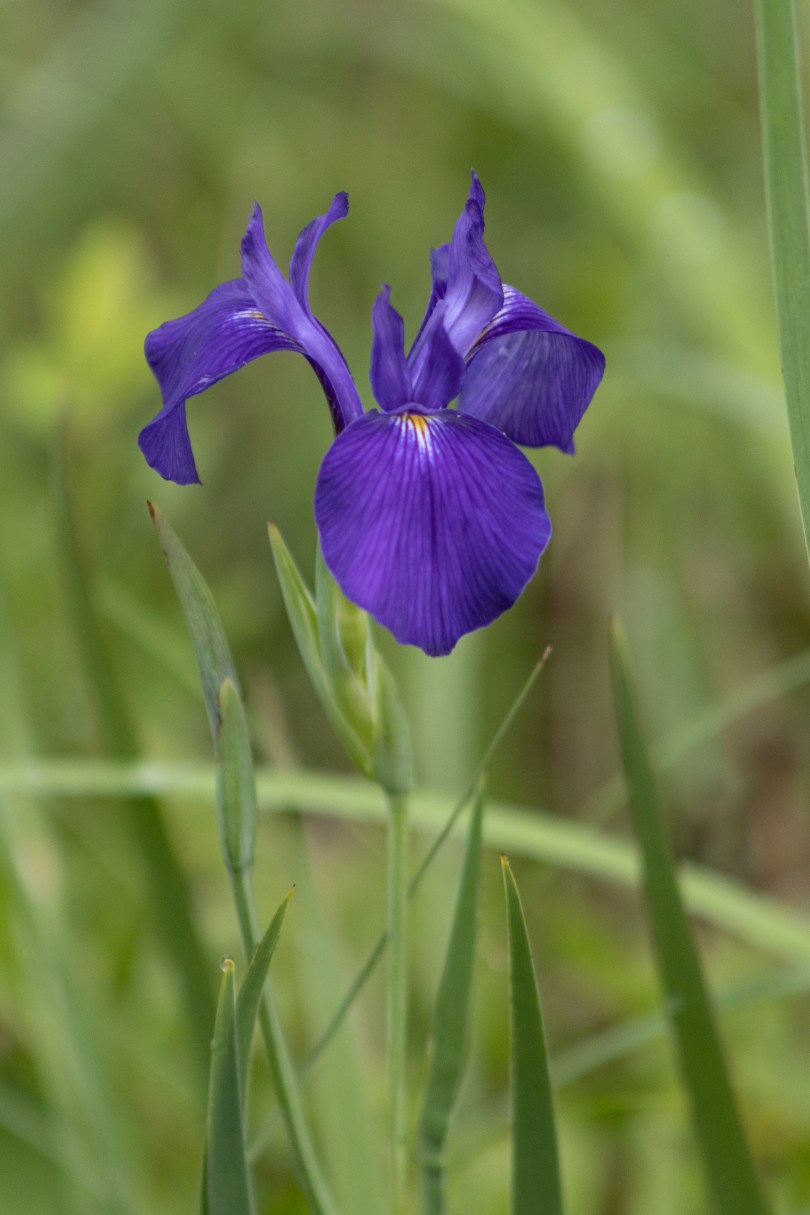
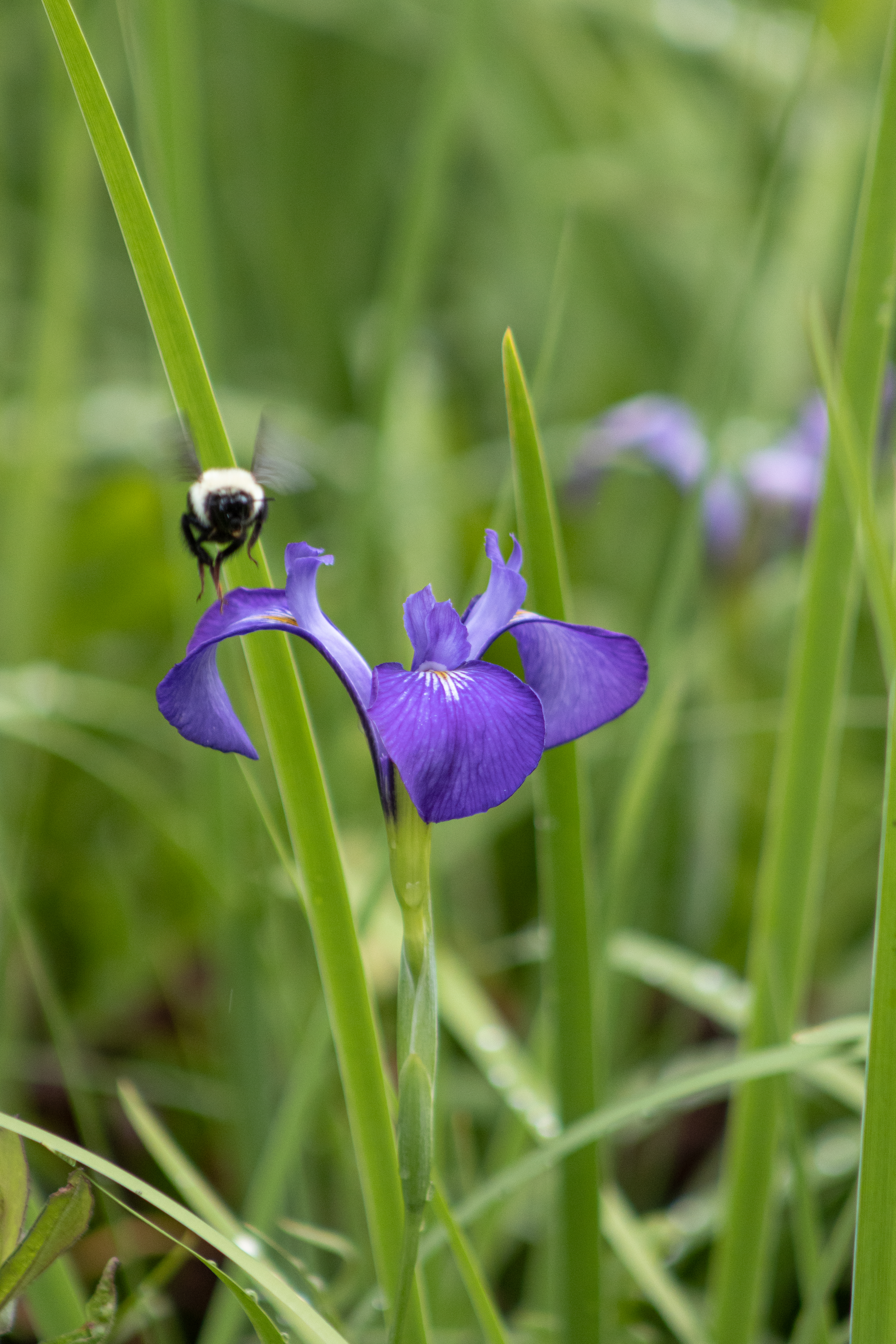
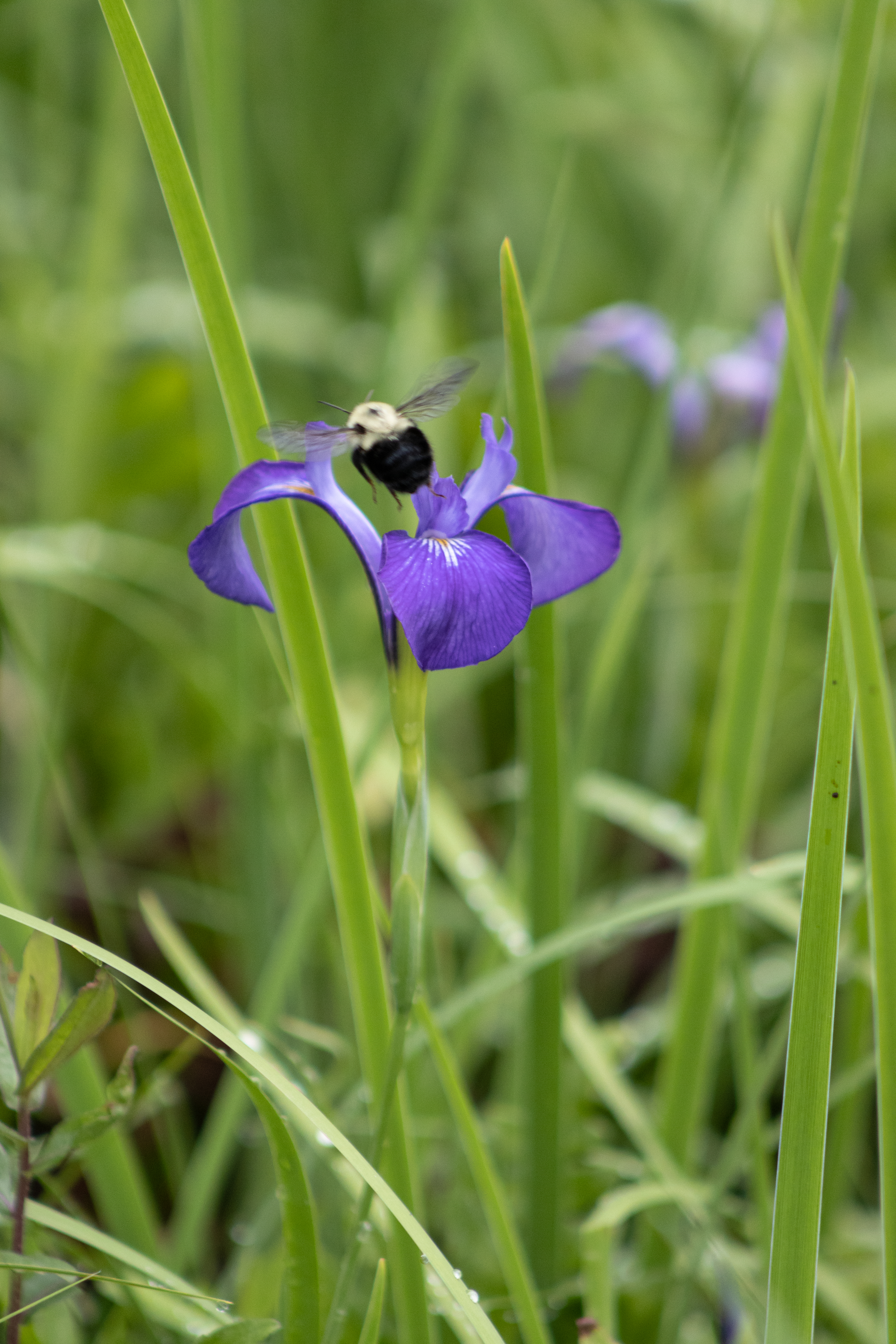
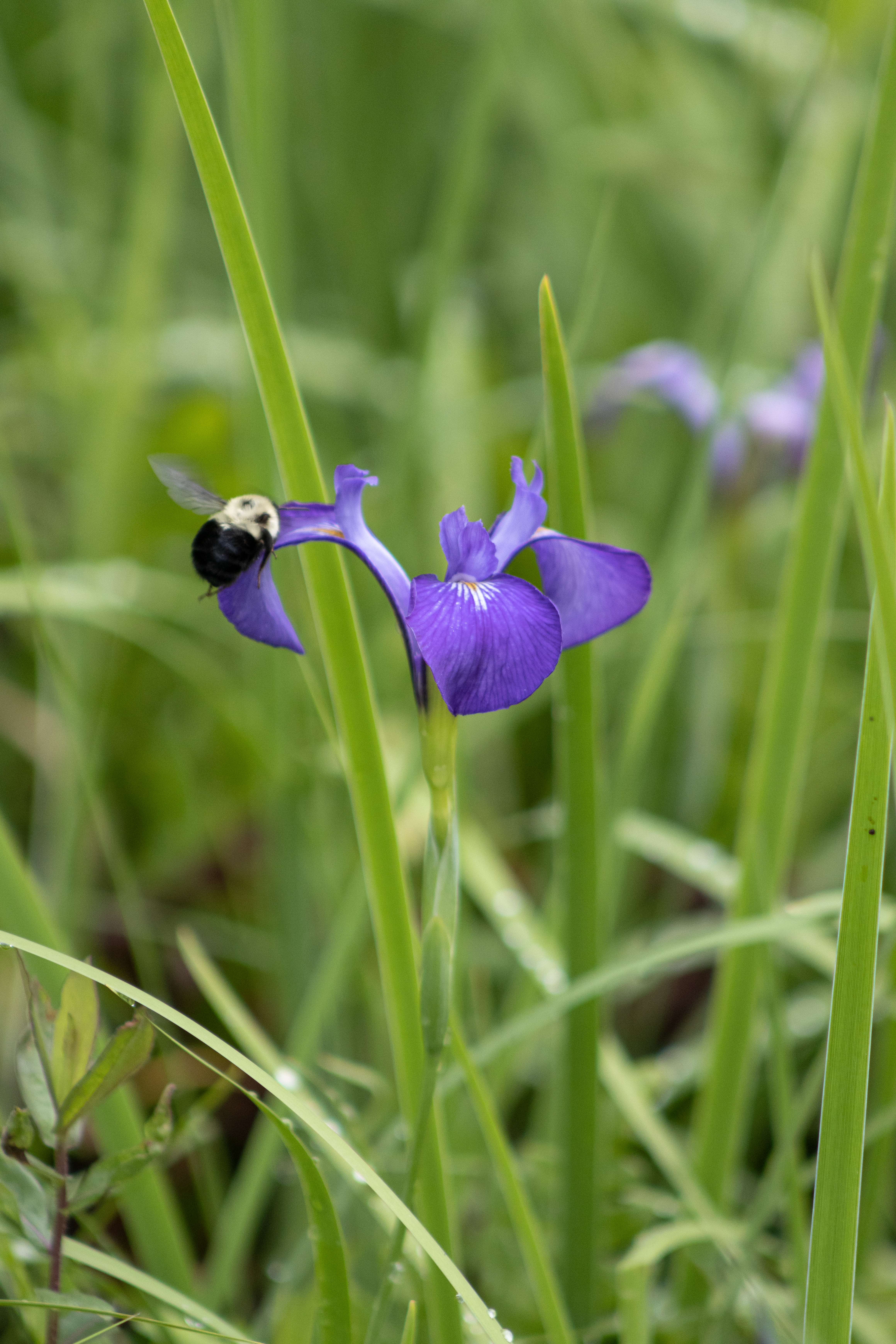
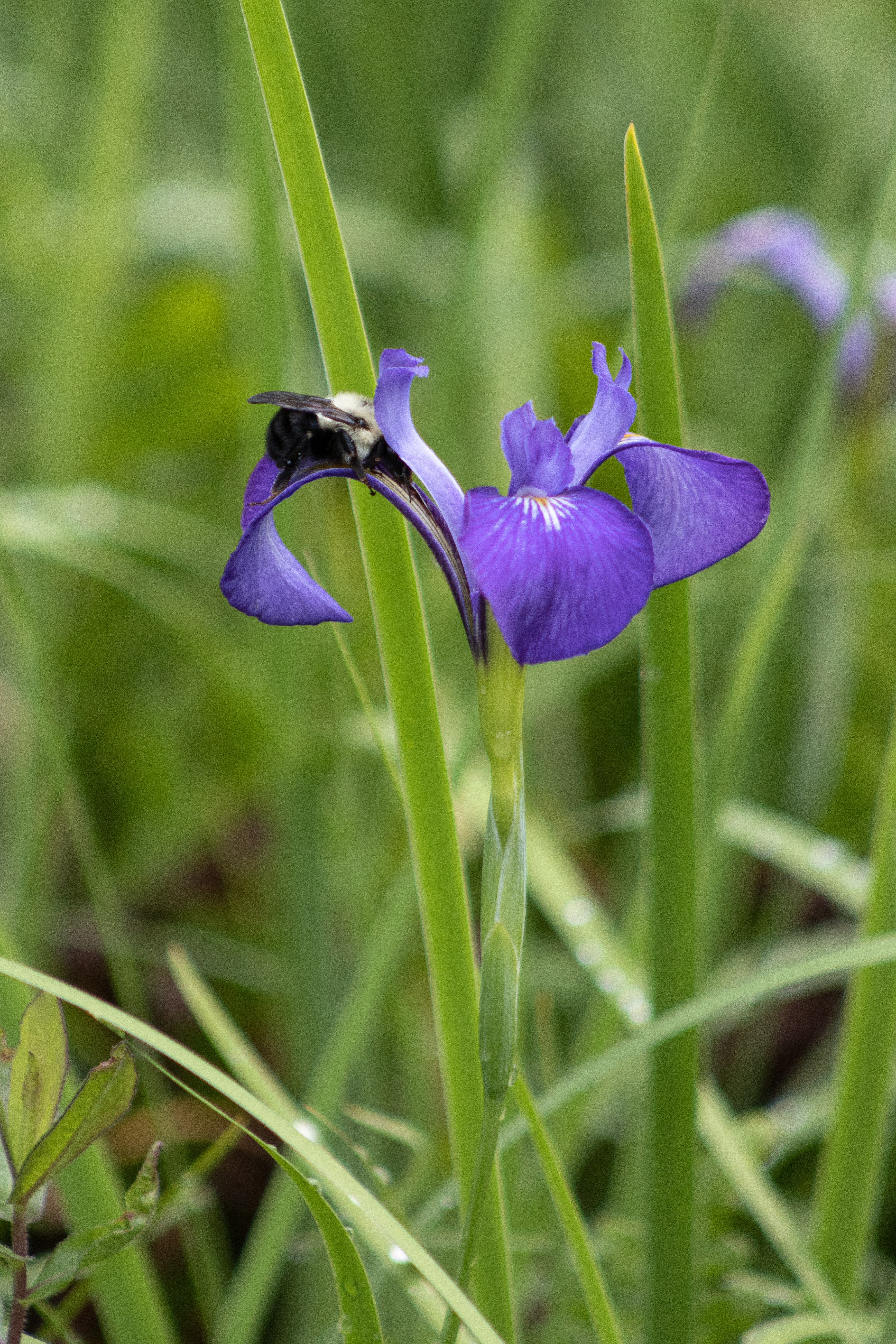
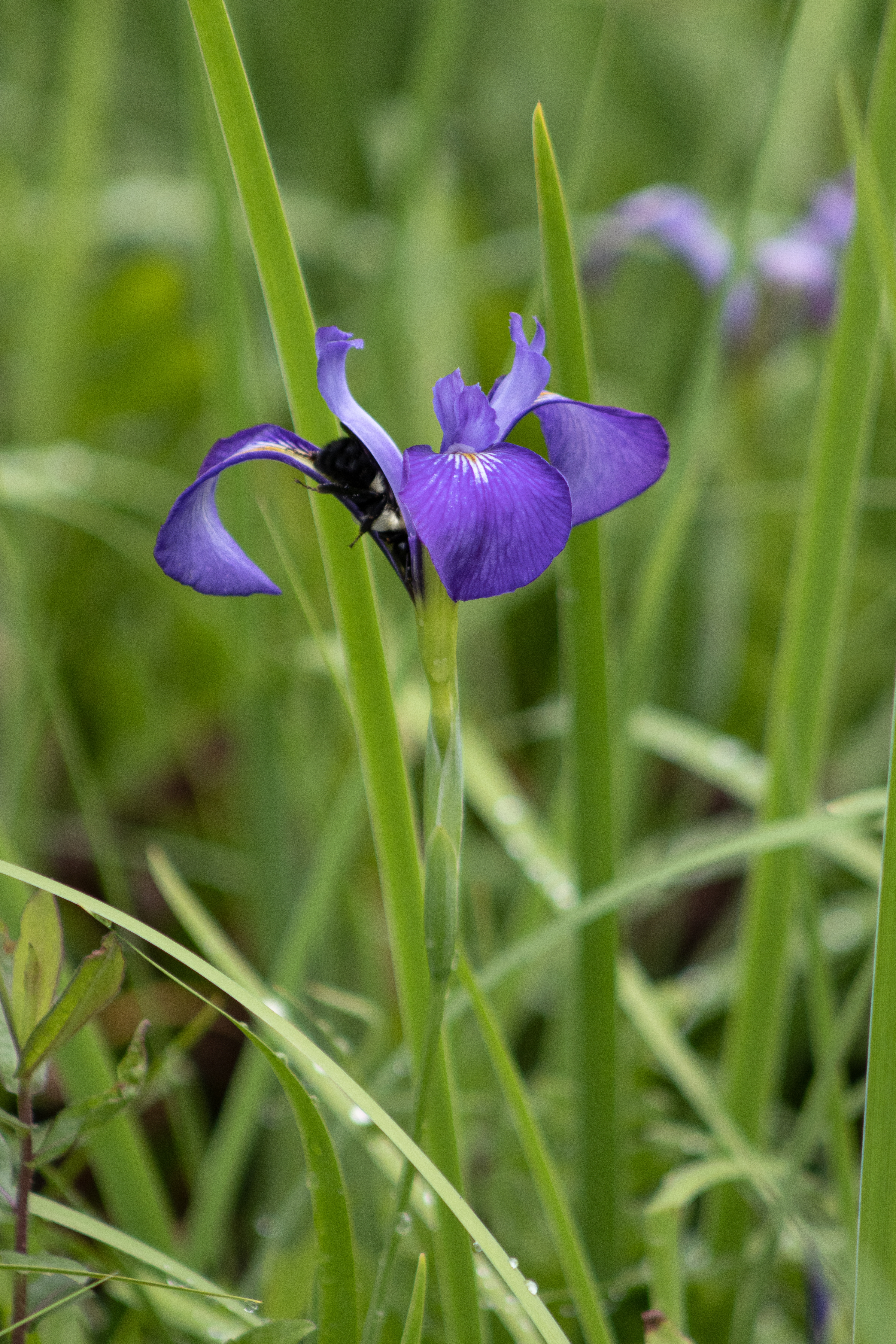
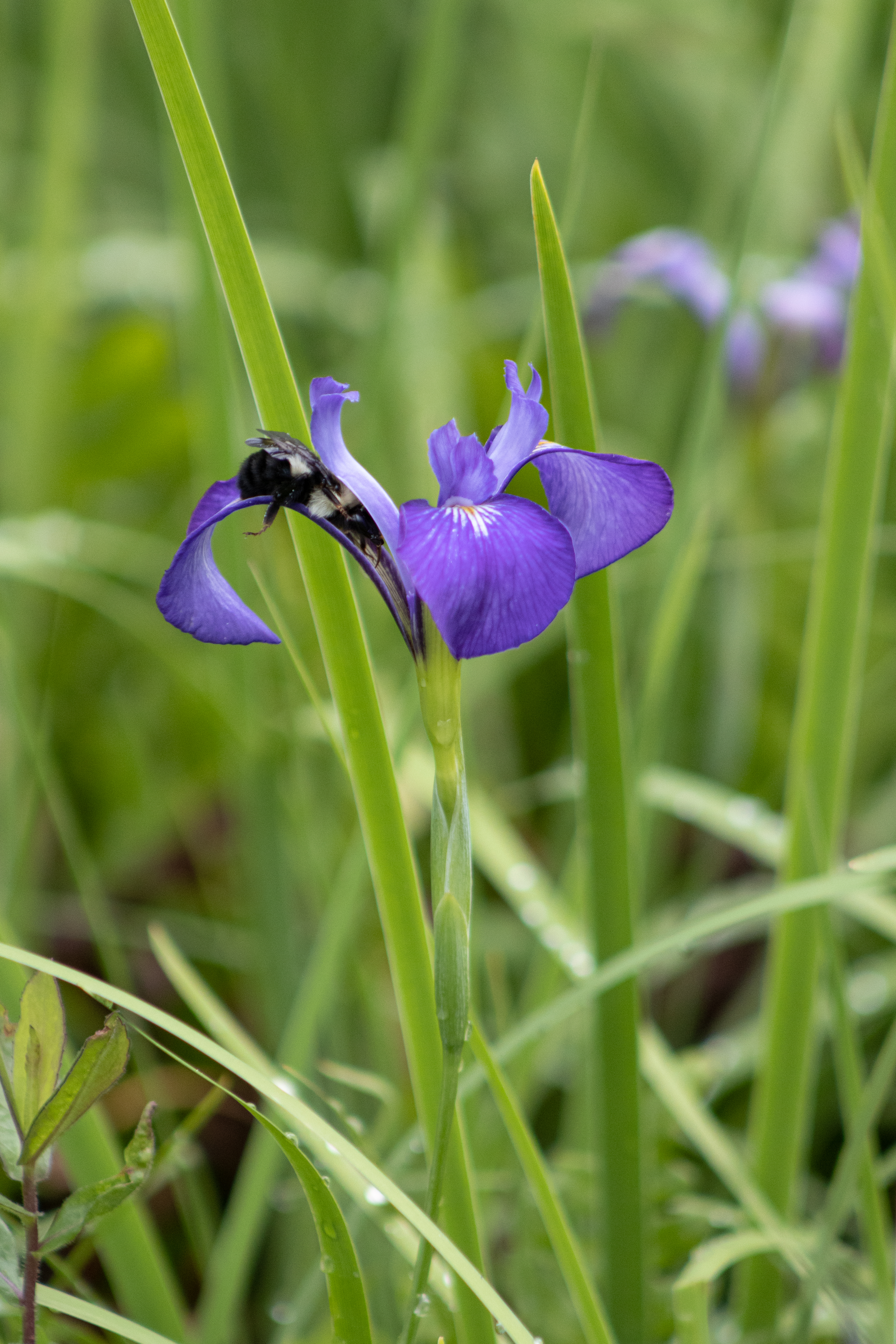
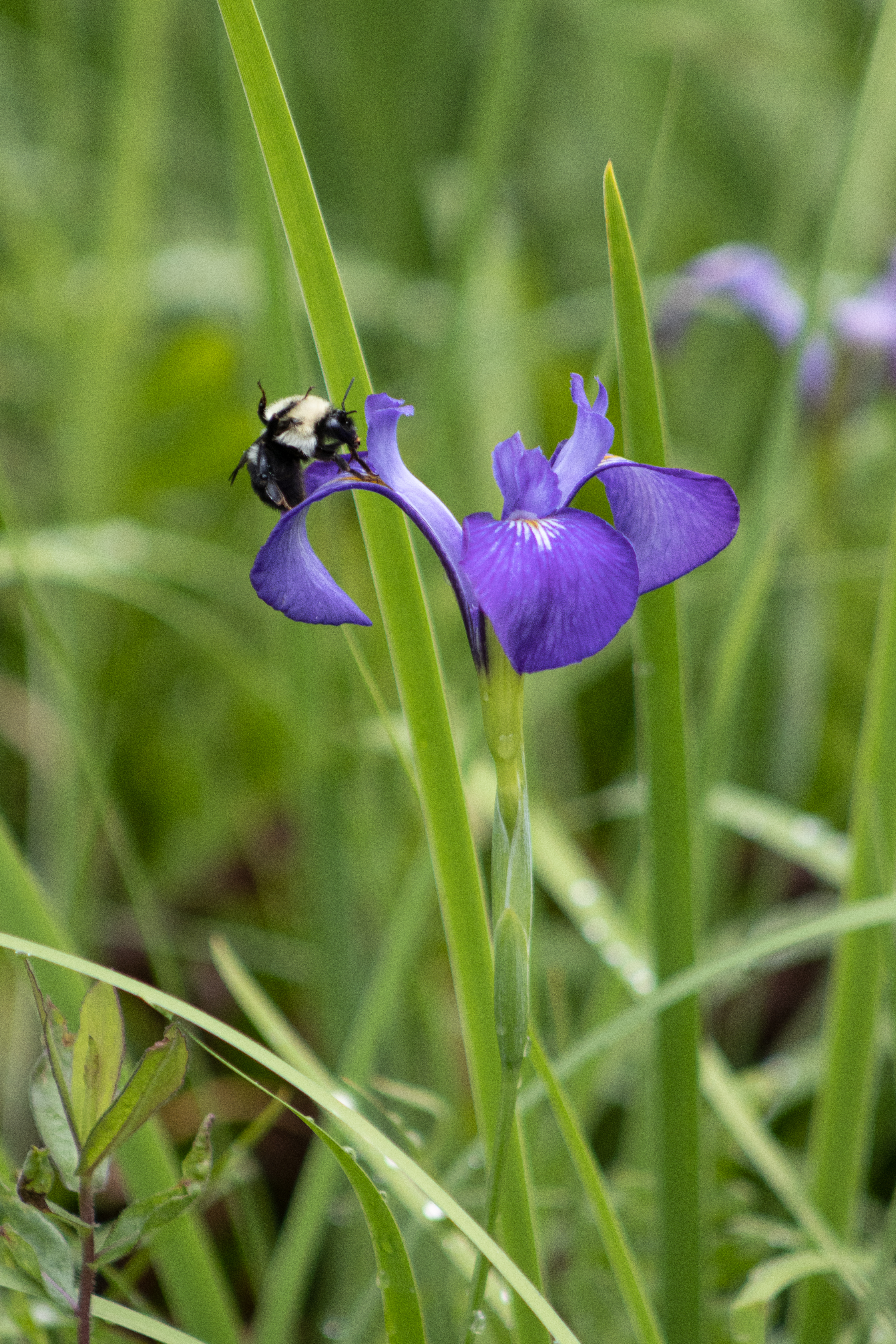
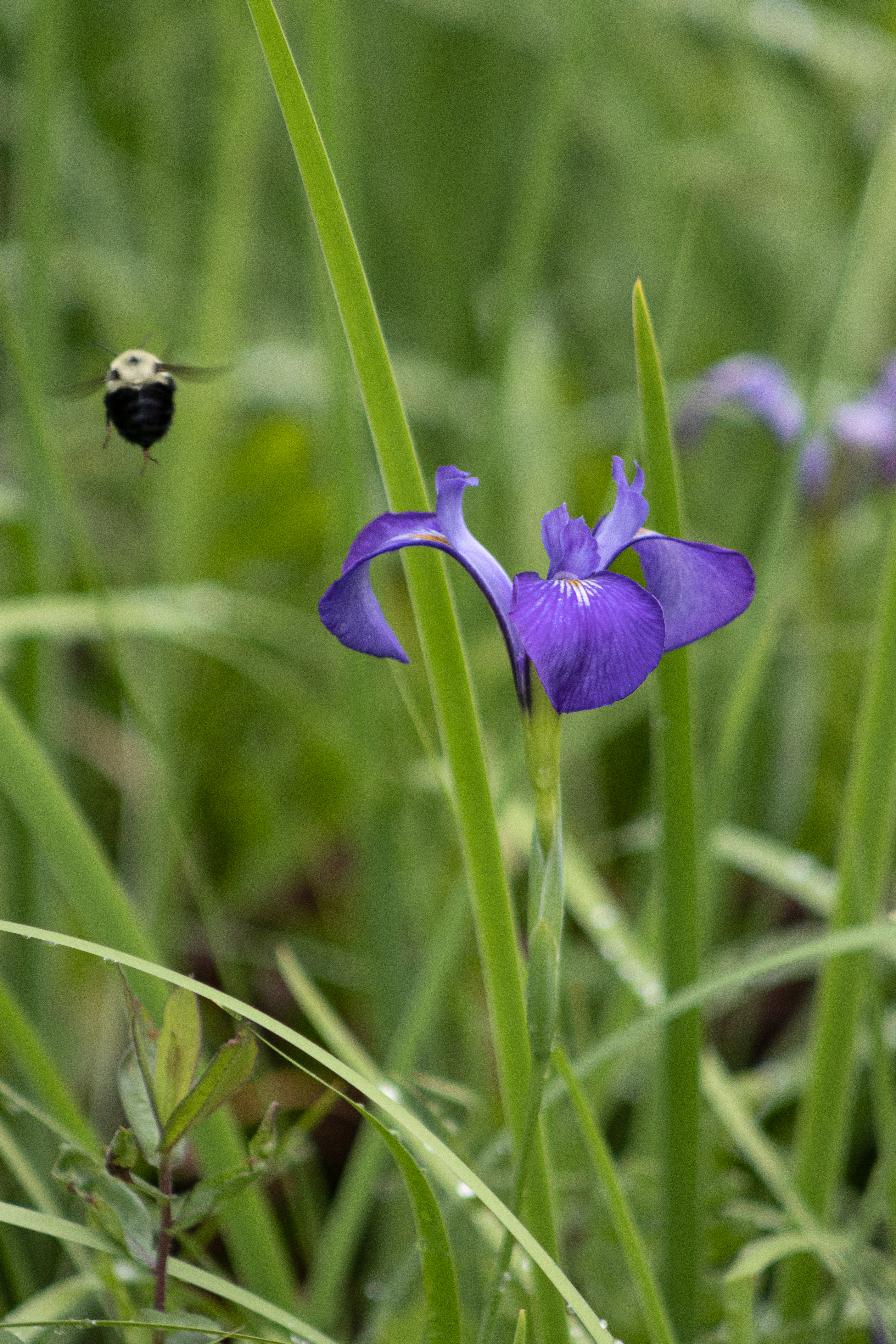
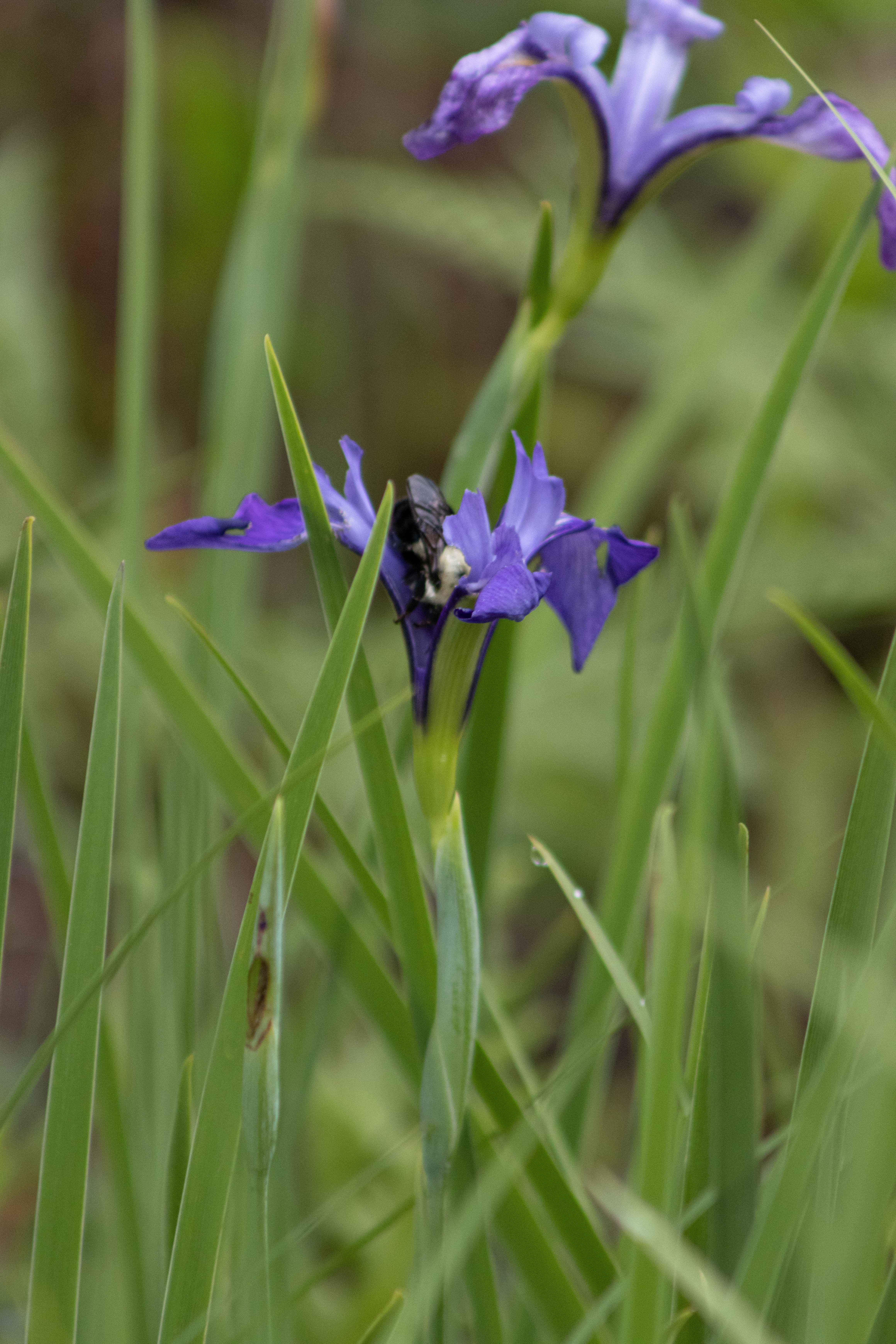
Pollination of Savanna Iris (Iris tridentata)

Previous version of this post had termed this Iris as the invasive “Siberian Iris”, but according to iNat, this is a native Iris species called Savanna Iris (Iris tridentata) . Besides plant life, I like to document the creatures that surround and depend on them, and this hard-working bumble bee deserves its give minutes of fame. I have previously also photographed a bee pollinating the grasspink orchid that you can see here.

As I was driving to the Green swamp preserve in North Carolina, I kept an eye on the roadside; some interesting plants grow by the side of roads inhabiting a disturbed space. Besides, ditches ran around the roads used to direct rainwater. The trenches thus provide a wet ecosystem for semi-aquatic plants to thrive. Driving by one of them, I saw a flash of blue that needed closer inspection. I had initially hoped it would be the native Irises like the ones I had documented earlier but turned out to be similar-looking Siberian Irises. I am glad to now know that I had actually seen a possible pollination event of the Savanna Iris.

Luckily for me, there were plenty of bees working on these flowers in the early cloudy summer morning, perfect for photography, lots of light for fast shutter speeds, but soft enough not to create contrast issues while editing! Enjoy the slideshow of the bee forcing itself inside the Iris!

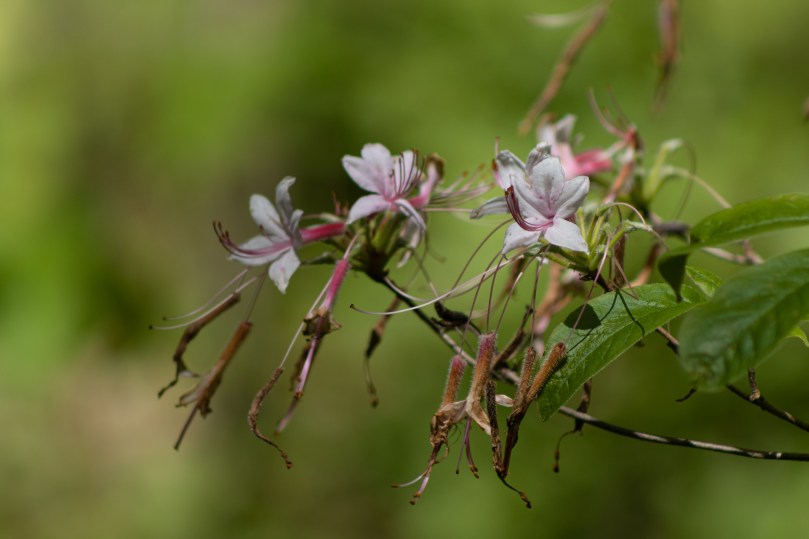
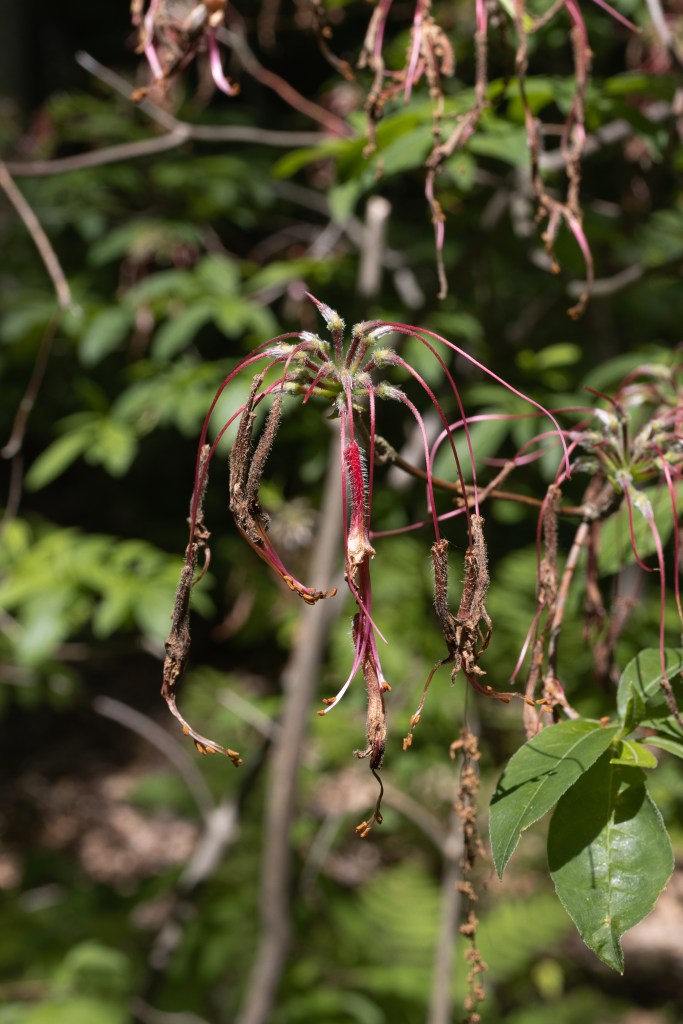
Rhododendron periclymenoides (Pinxter flower)

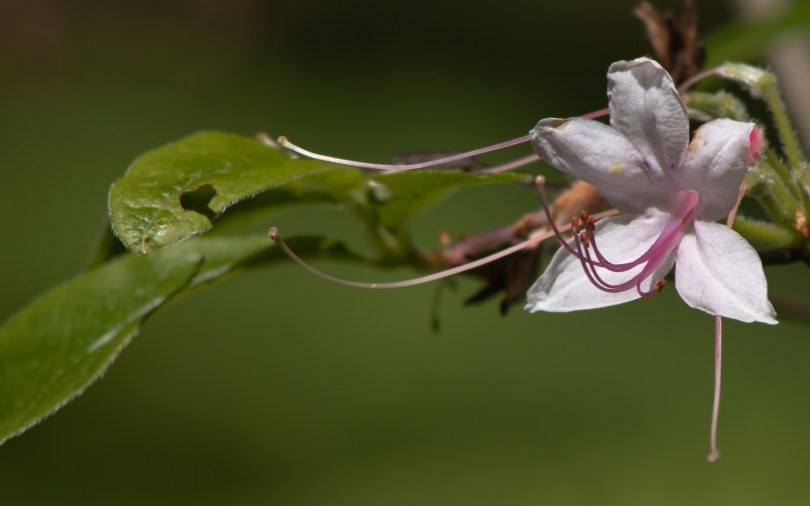
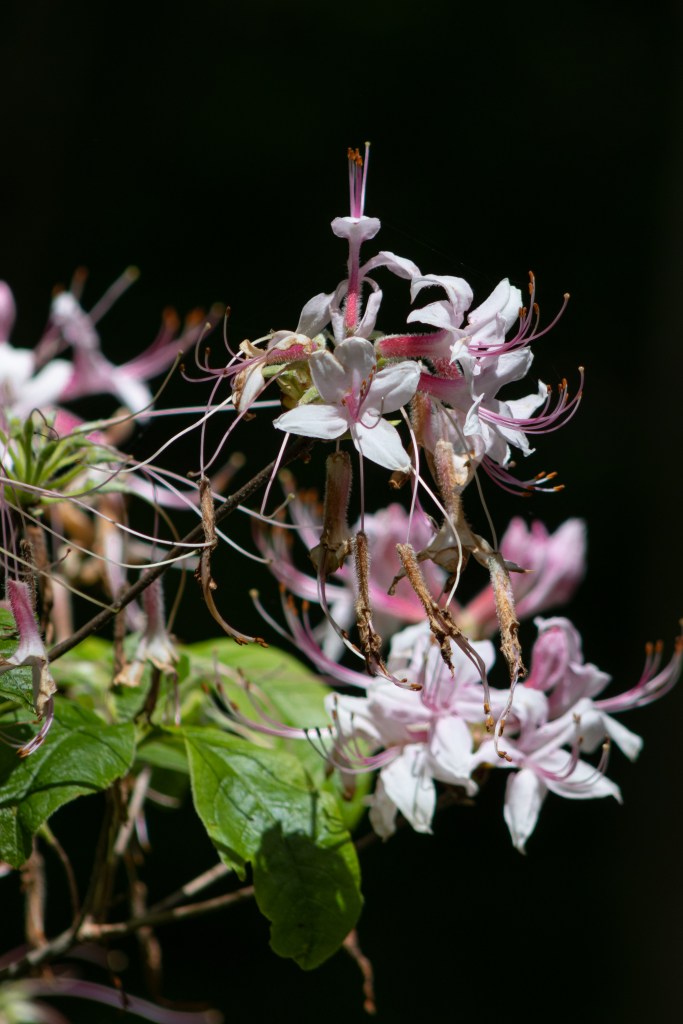
Rhododendron periclymenoides, the Pinxter flower or the pink Azalea, is a native azalea found along the eastern coast from southern New York to Georgia. They flower in the spring with showy pink blooms and long stamens with a sweet smell.

I caught these finishing their bloom in the first week of June. Despite being late in its blooming season, it put on a good show, and the old flowers still caught my eye!

The plant is a good substitute for many non native species in the garden. Then plant forms a shrub near the forest floor and is used by birds and animals as cover.

Cleistesiopsis (genus: Spreading Pogonia)

Cleistesiopsis, or spreading pogonia, is a genus of three orchid species found in north eastern America. Despite their similar names, they are not in the same genus as the rose pogonia found from Canada to Eastern US. Flowers produced by the orchid are large and showy, ranging in color from light pale to white. The three species are endemic to eastern North America, primarily south of Virginia to Florida. However, the rosebud orchid seems to have been found in New Jersey, although rarely. 

Because this was my first encounter with this genus, identifying their species was hard. As they are not as widespread as Calopogon orchids, spotting them in the Green swamp preserve was hard. After moving less at less than half a mile an hour through the longleaf pine savannah, I was able to observe four distinct populations of these orchids growing in the preserve. Some flowers were much past their primes while others were fresh. But even the ones done flowering, were still quite a sight to look at.
I would not want to hazard a guess as to the species of these orchids; if others could help me, I would be thankful.

One of my dating attempts was to photograph the inside of this orchid, it was, moderately successful!

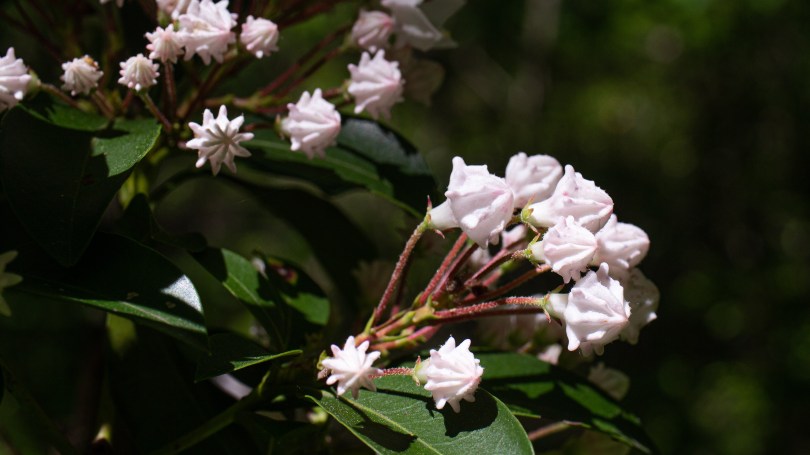
Kalmia latifolia (Mountain Laurel)

After a month of moving to my new place I decided to upload pictures from Spring of 2020. I pray I can go out and photograph again!

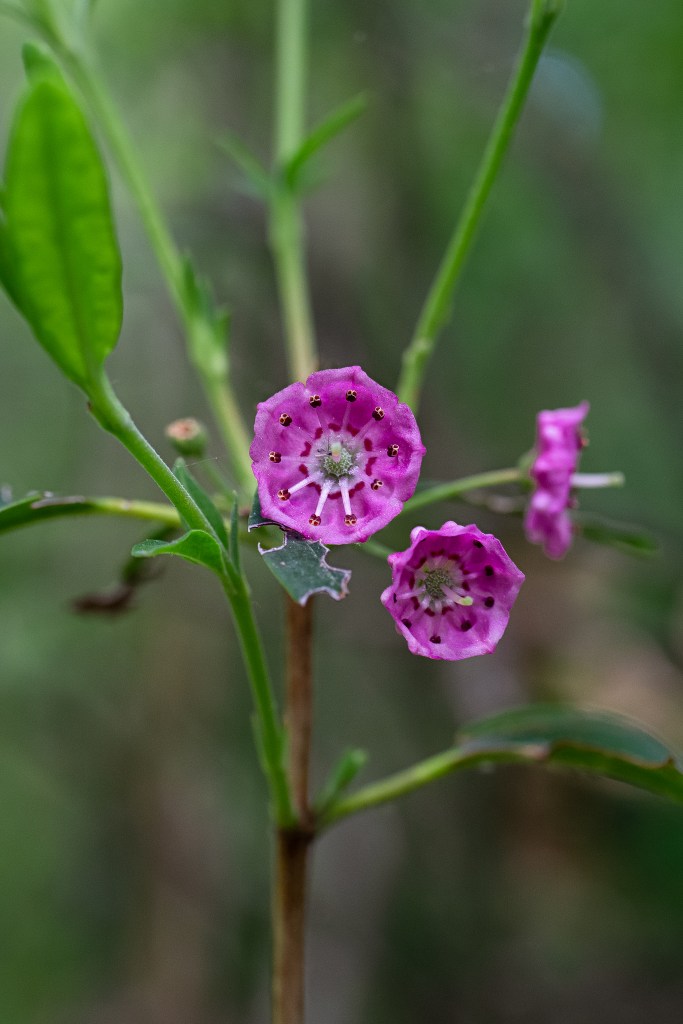
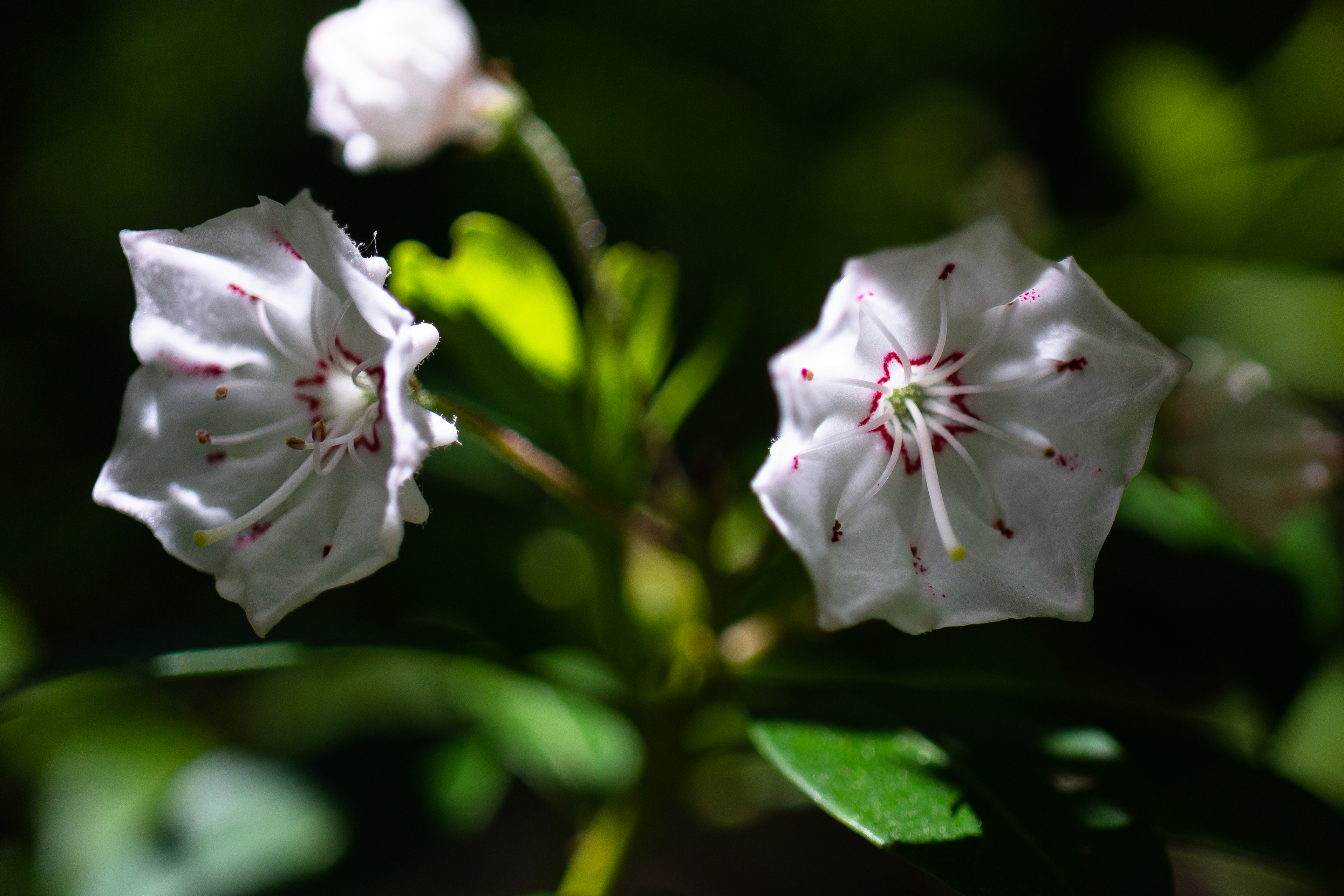
Mountain laurels are a broadleaf shrub native to Eastern US, from Maine to northern Florida. Flowers range from white to light pink and bloom from May to early June. The plant’s size is heavily dependent on its growing conditions. In Appalachia, it can grow as large as a tree. While in less ideal conditions, the plant remains a smaller size.

Pink variation of the mountain laurel, if you look closely, you can spot a small fly at the center of the flower.

The plant is known for its unique method of pollination. The anthers are under tension as the flower matures. When a pollinator lands on the flower, the tension is released, and pollen is flung on to the pollinator.

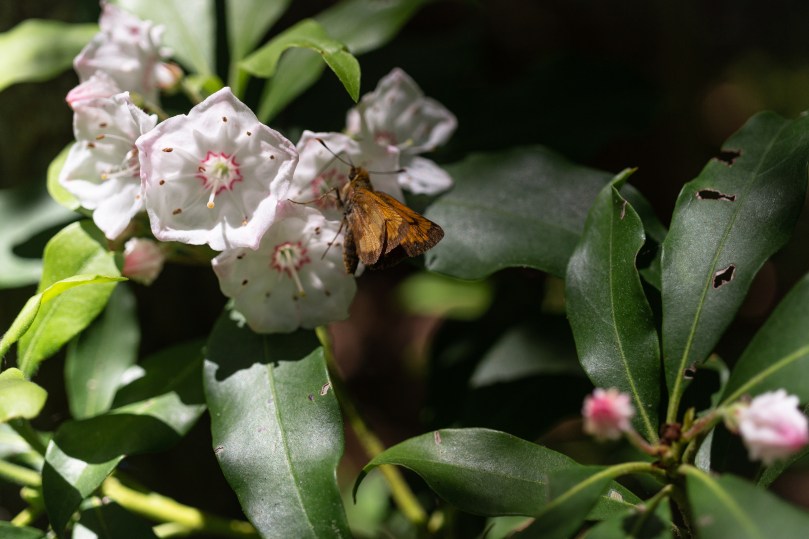
Moth looks for the little nectar mountain laurel flowers produce.

These plants were in bloom in early June in high point state park.