Chollas (Cylindropuntia)

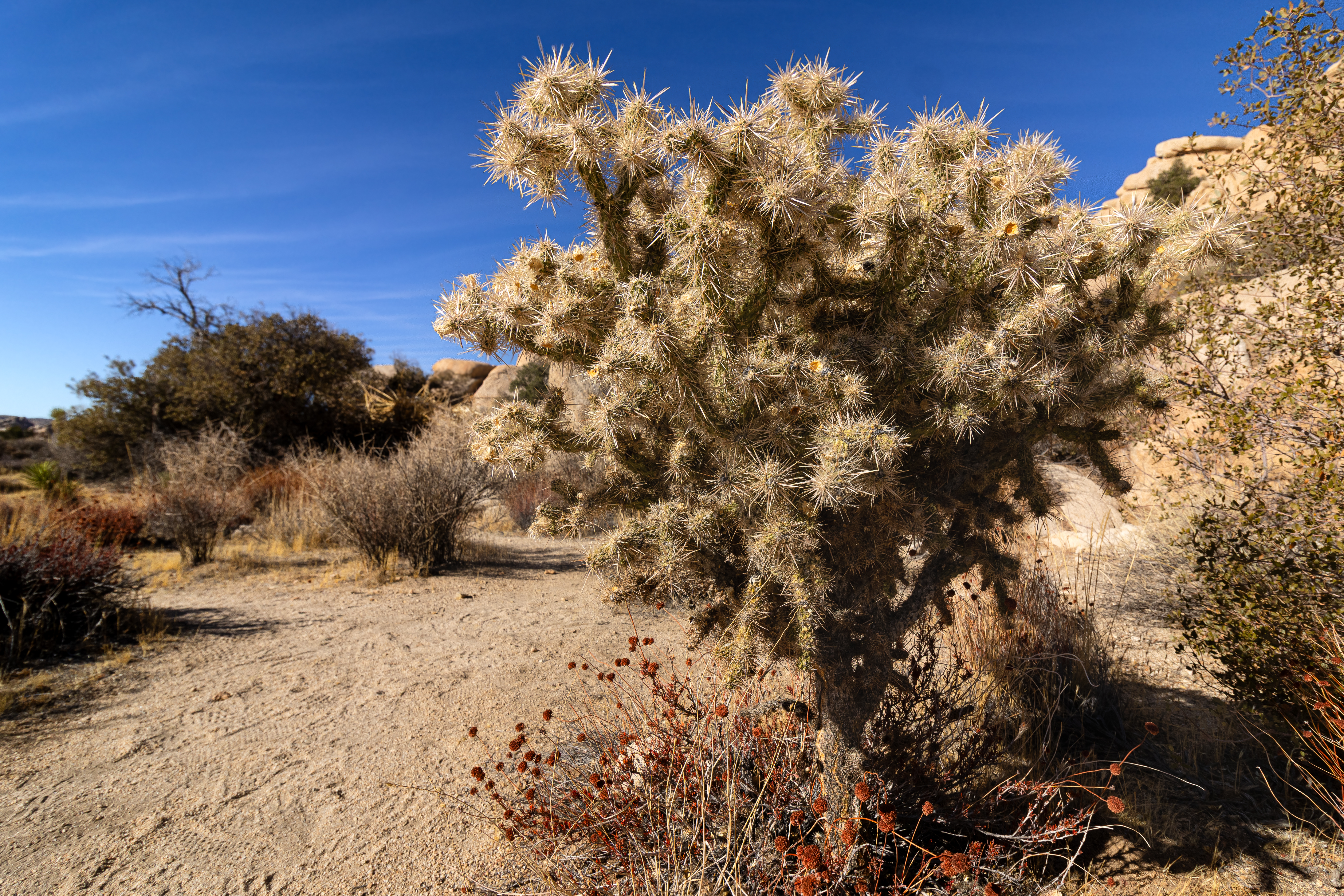
Giant Cholla specimen

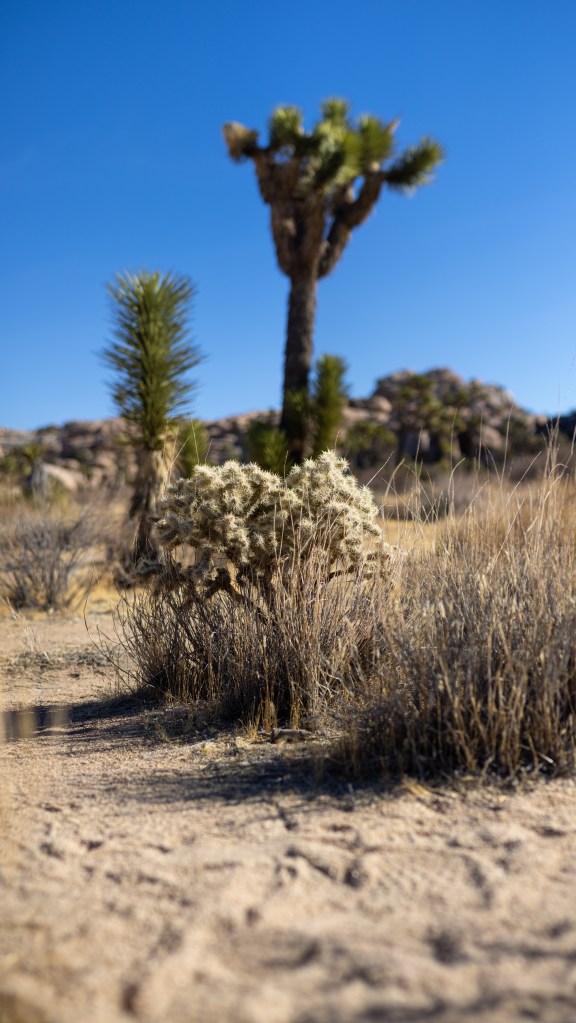
Cholla with Joshua Trees

Chollas, not to be confused with the Chola dynasty, are a genus of cactus native to northern Mexico and southwestern United States. Known for their barbed spines, they will stick to your clothes/skin. Some species of Chollas form hollow driftwoods with holes along them which are used a lot in aquariums to provide shelter for fishes.
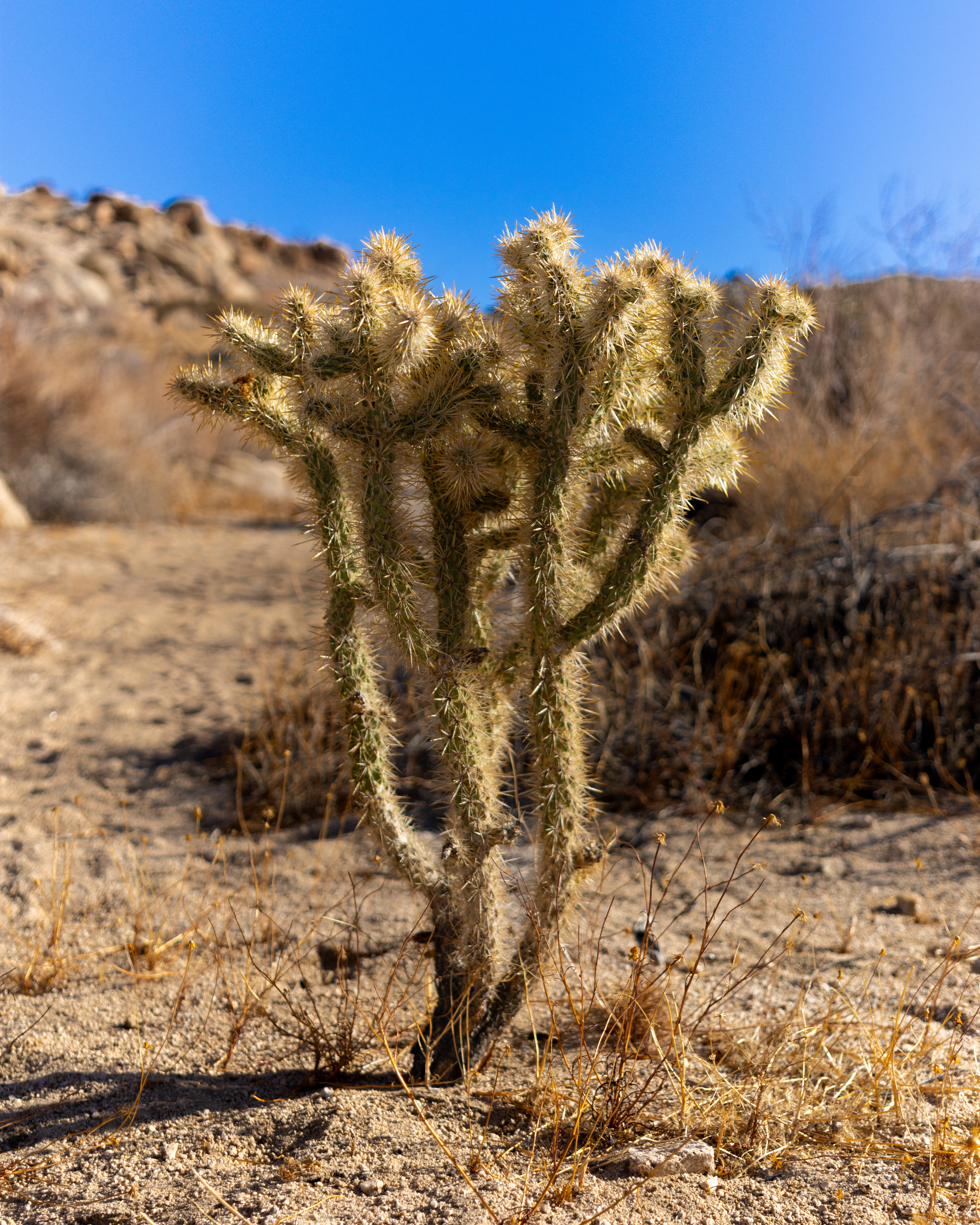
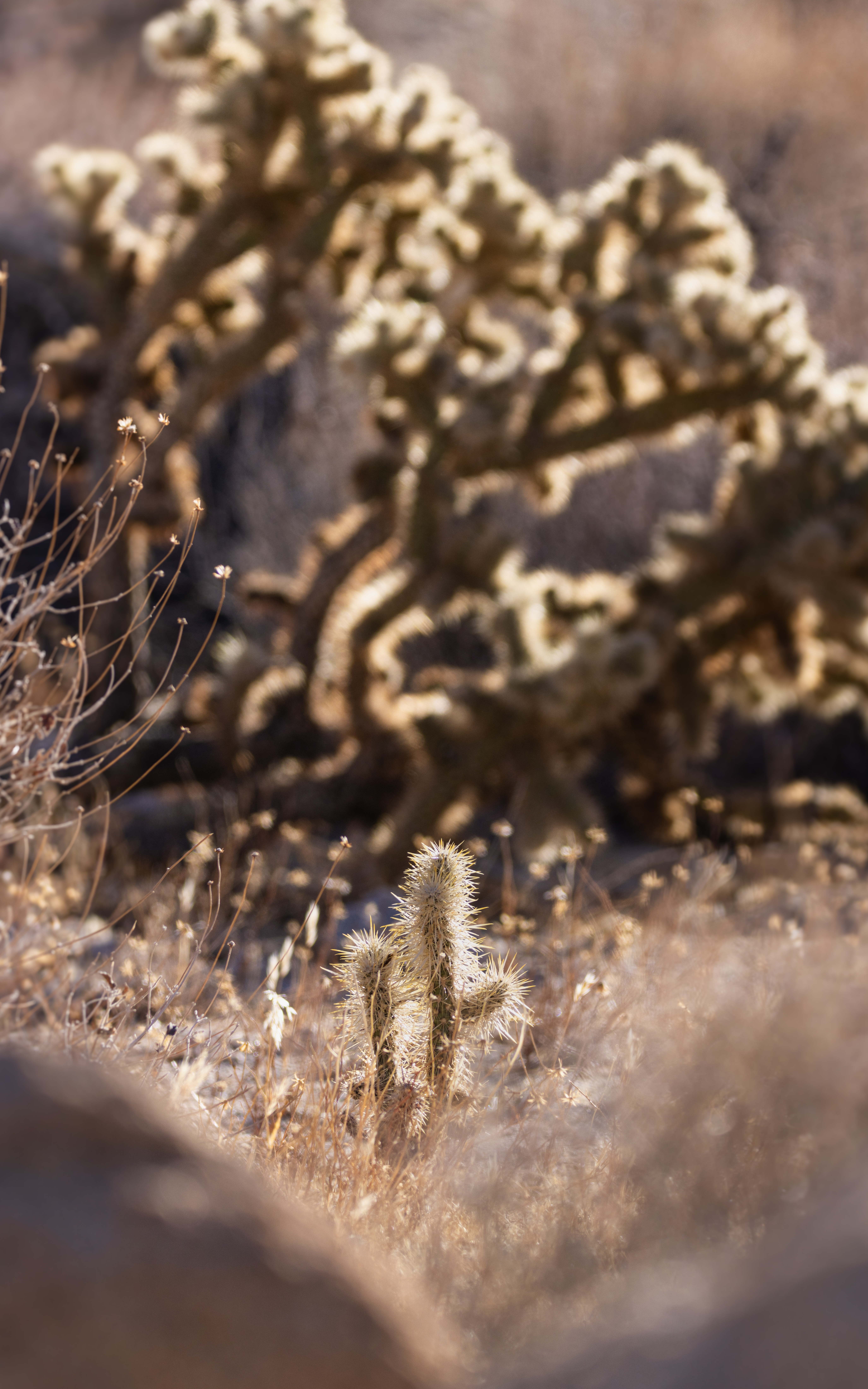
Cholla stands are called Cholla gardens, a particularly famous one can be found in Joshua Tree National Park. I was particularly excited to visit it, but I found the garden flooded by visitors casually walking off trail amongst the plants, destroying young plants and compacting soil, ensuring long-term damage. While I blame the visitors for the bad behaviour, the fact that NPS does not control crowds is a shame.

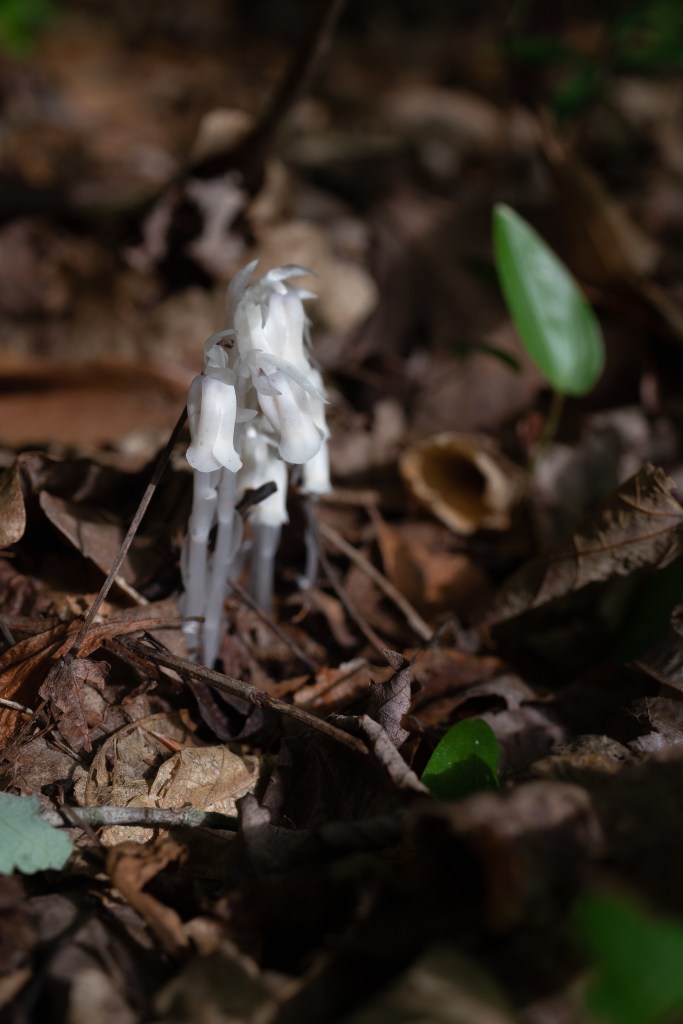
Monotropa uniflora, the ghost pipe

An interesting plant that spends its life primarily underground and is spotted thanks to its white flower spikes. The plant is an herbaceous parasite that lacks proper chlorophyll as it does not require sunlight to produce its energy. It can be found across the US, and in some parts of Asia. It flowers late summer and Autumn.

It is a mycoheterotrophic plant, which means it is a parasite on fungi that traditionally are in a symbiotic relationship with other plants/trees. Plants and fungi interact with each other in complex ways. Some, like most orchids, depend on fungi for germination and adult life. The relationship is called a Mycorrhiza. It is believed that plants, like the ghost pipe, evolved to only take from the fungi it was in a mutualistic relationship with, thus becoming a parasite. 

Effectively these plants are parasites on other trees/plants in a mutualistic relationship with the fungi. This form of parasitism is not uncommon, and a specific description can be found in Tom Volk’s Fungus of the Month.

There is another method, though, something that’s far more exciting! In the second half of the twentieth century, countries (US and USSR) were conducting nuclear tests. These tests released a plume of carbon isotopes (C-13), causing an increase in its prevalence in plant material alive around that time. Thus plant material decaying from before the tests and plants active during the tests have a different carbon signature. This difference has been exploited to distinguish between saprotrophs and mycoheterotrophs

The flower spike grows next to a Canadian mayflower.

Utricularia

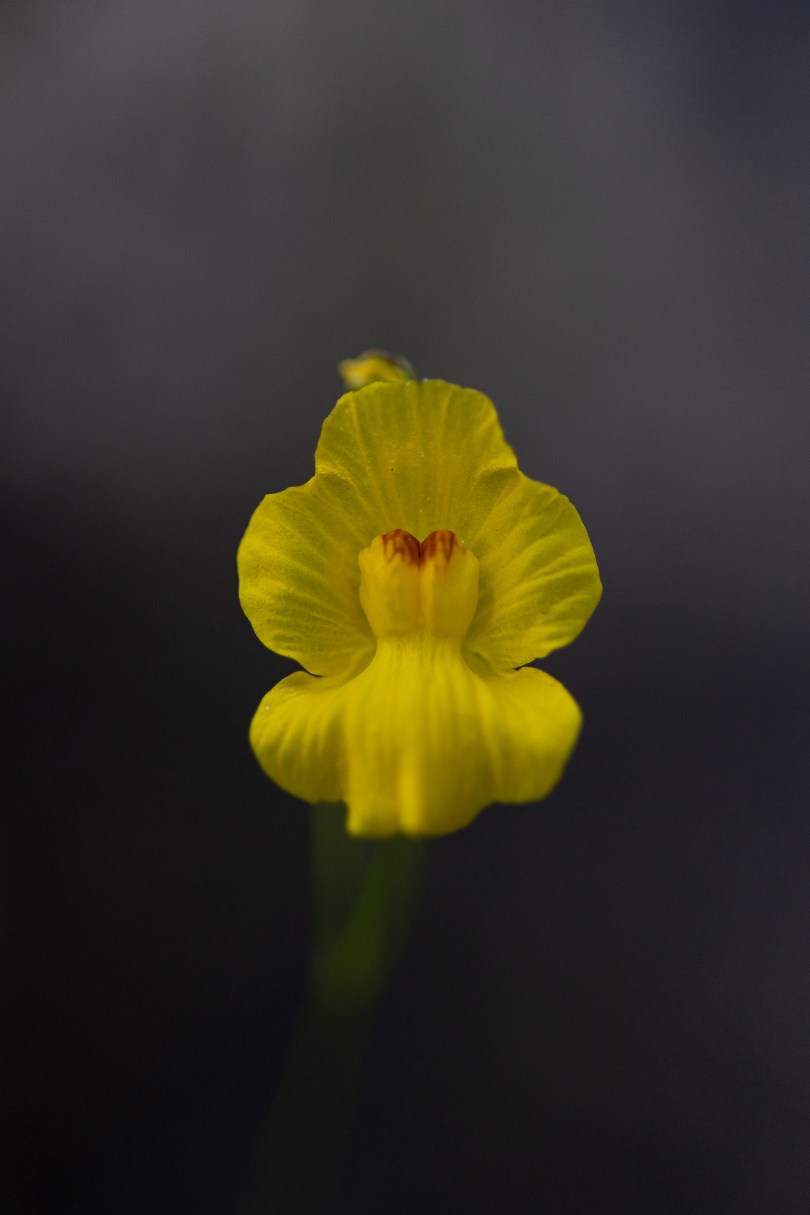
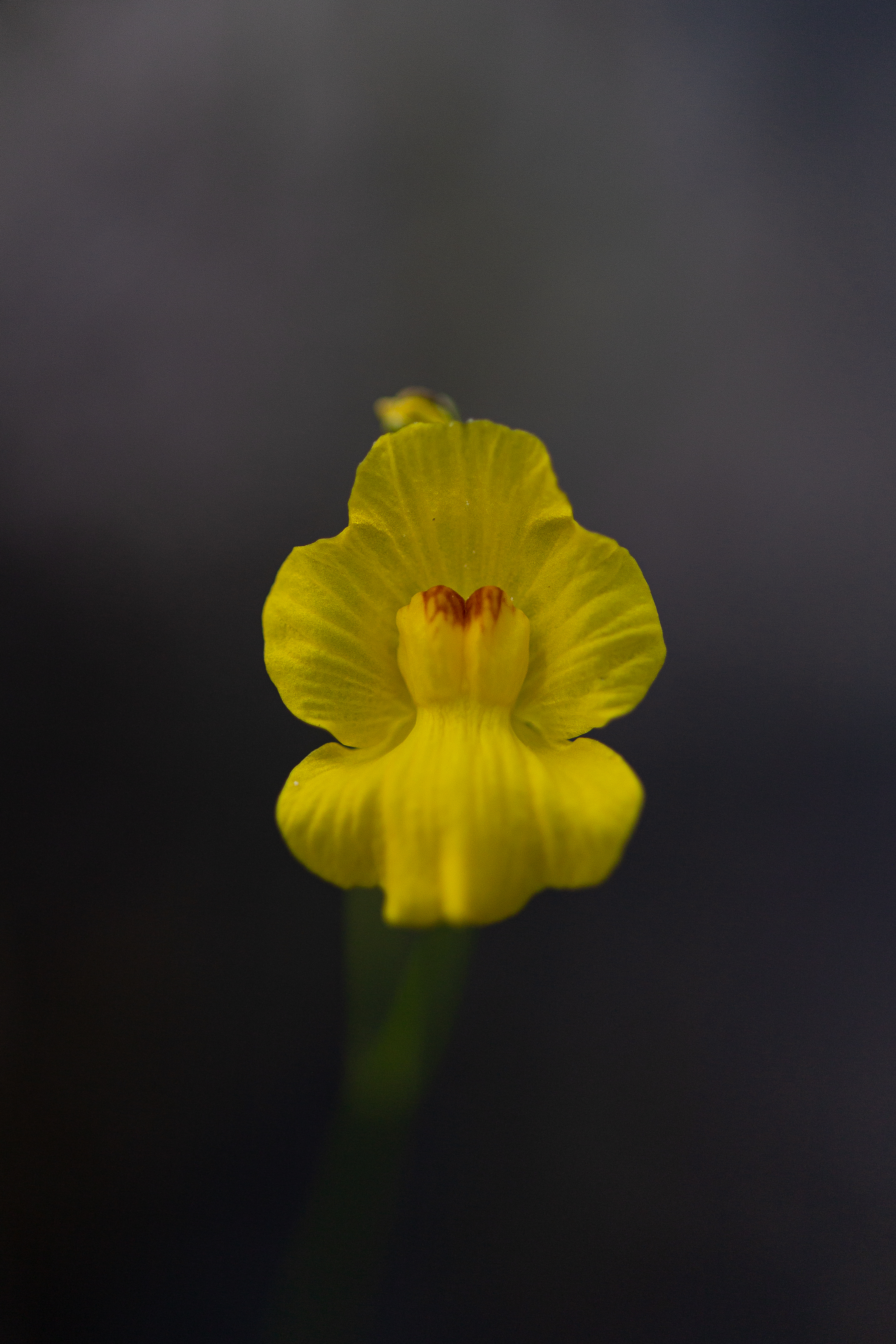
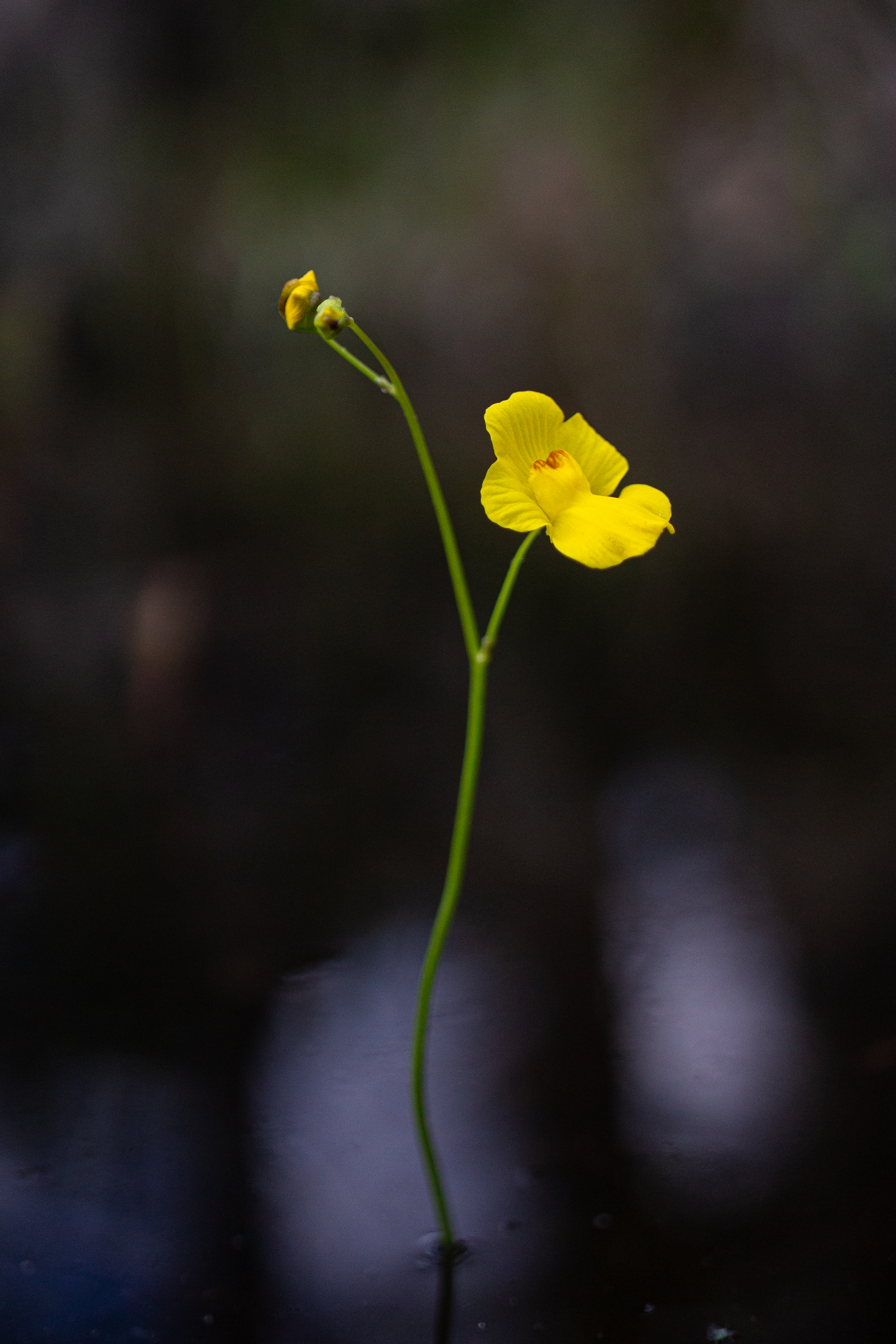
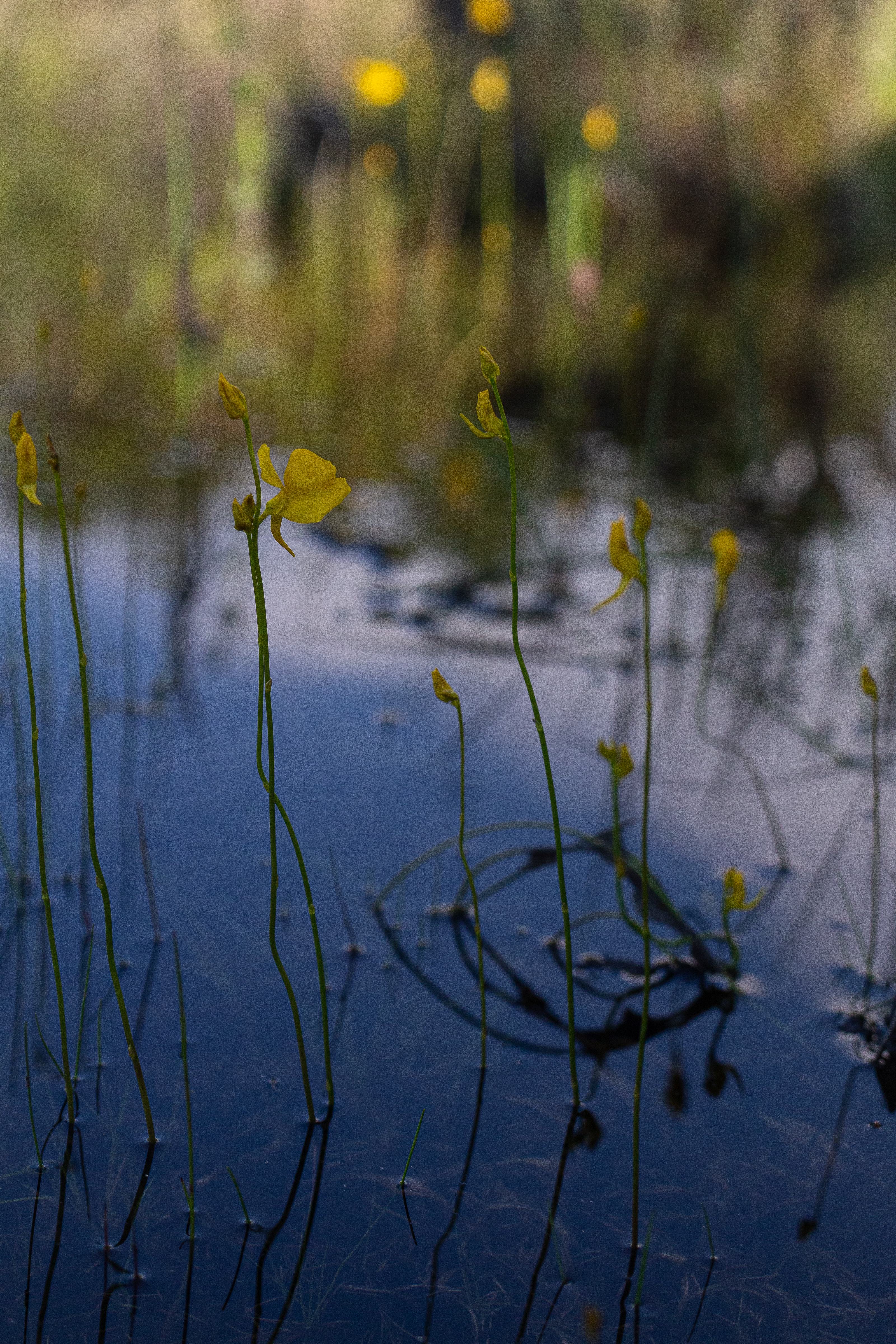
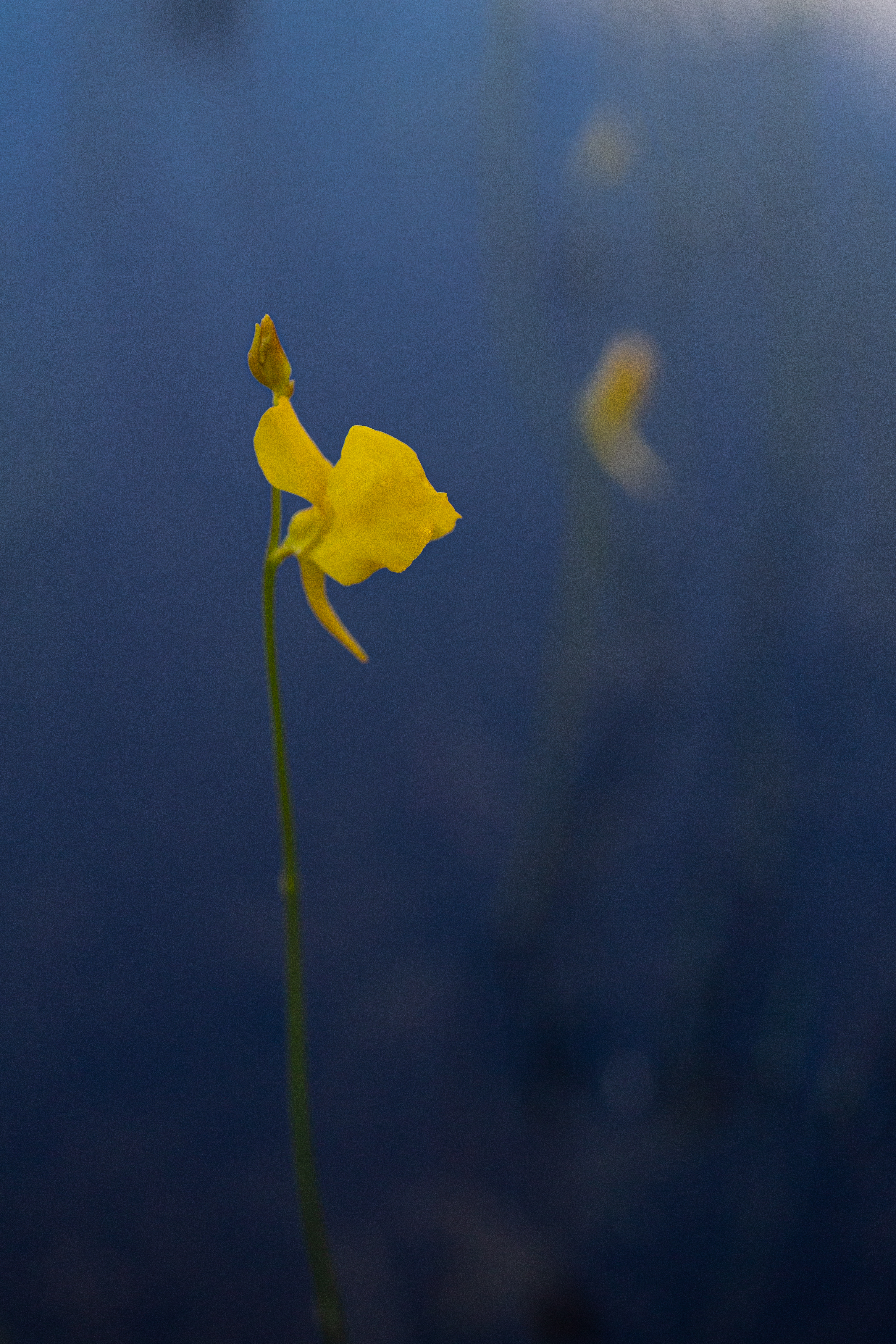
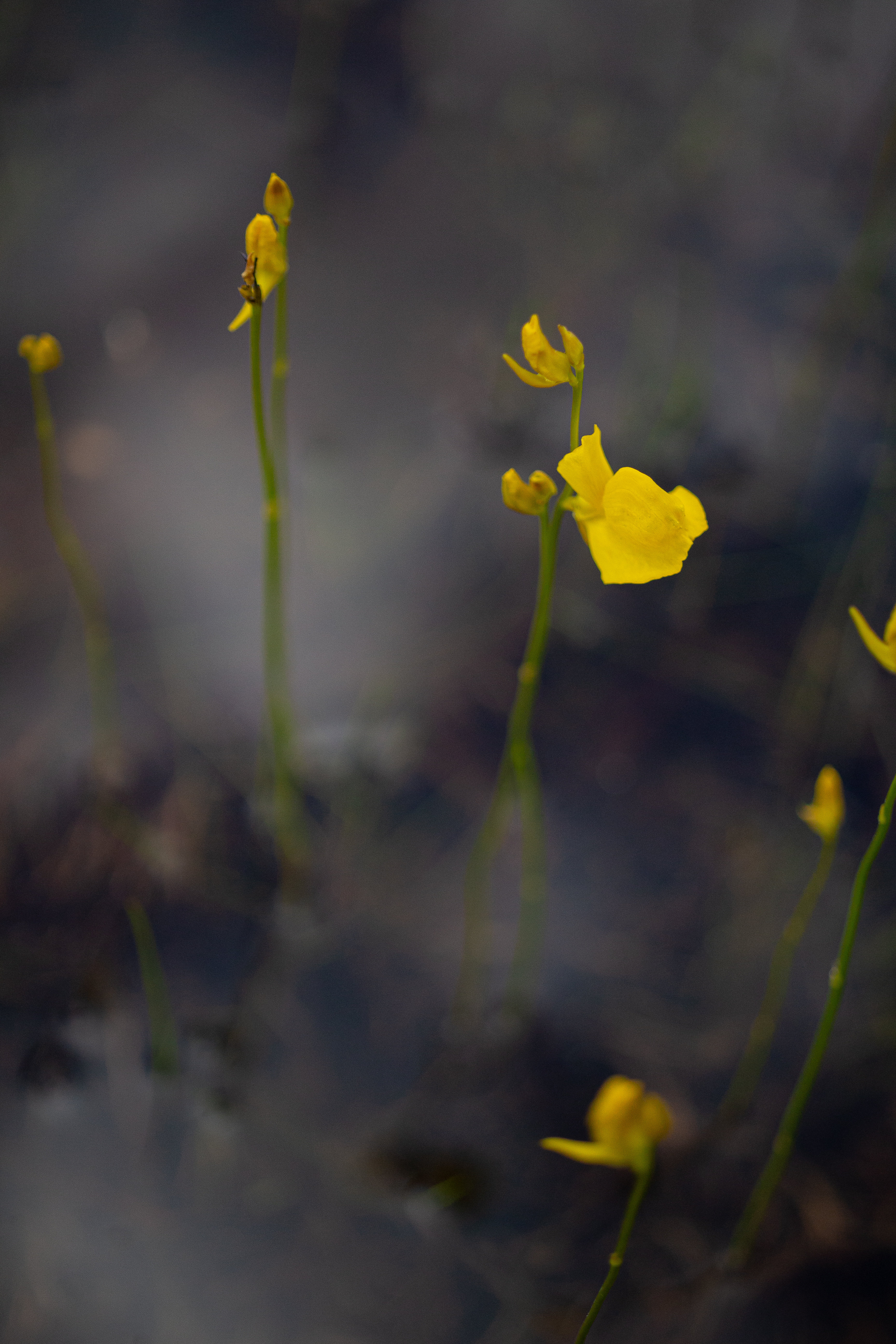
Utricularia, or more commonly known as Bladderwort, is a genus of carnivorous plants that are semi-aquatic to terrestrials. Their modified leaves underwater can catch small insects and even algae. Which technically makes them an omnivorous plant! You can find more information in this blog postInDefenceOfPlants is an excellent source of plant information. 

Shown above are two species I found in bloom, stripped bladderwort (Utricularia striata)[1 and 2] and the horned bladderwort (Utricularia cornuta) [3,4 and 5].

Here in New Jersey, you can find them growing in bogs. New Jersey hosts more than 10 species of bladderworts, some rare and threatened. They are hard to spot for most of the year, but in mid-summer, they pop out a pretty yellow flower blooming above the water surface. Clustered together, they put on quite a show.

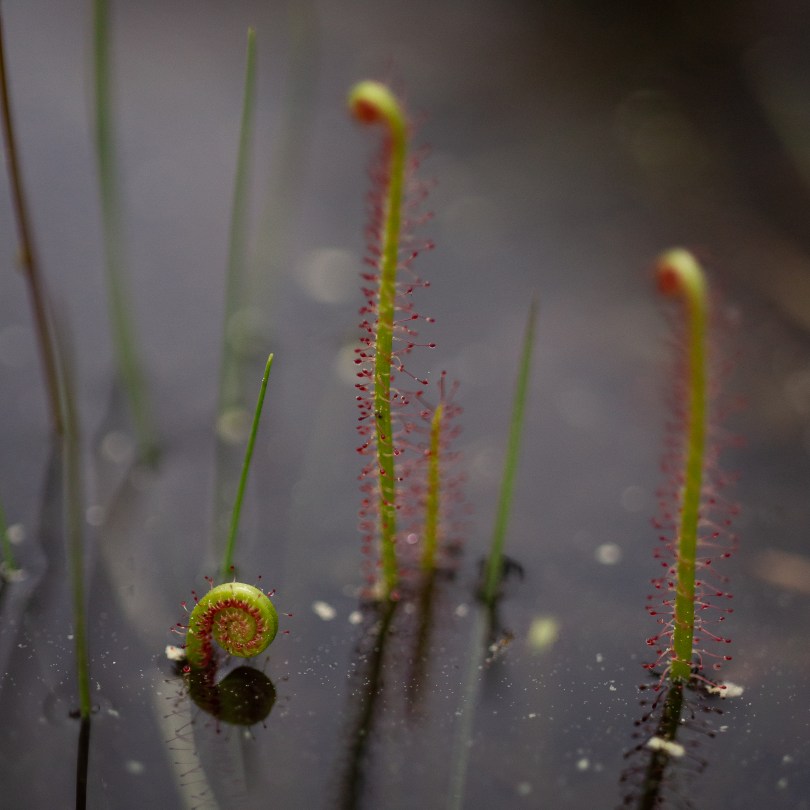
Drosera filiformis

Drosera filiformis, also known as thread-leaved sundew, is found across North America from Florida to Nova Scotia. They form rosettes with some of the tallest leaves found in the sundew genus. The variation in Florida can extend unto 18″ in length. The leaves grow straight up during early spring; the first two images show a […]