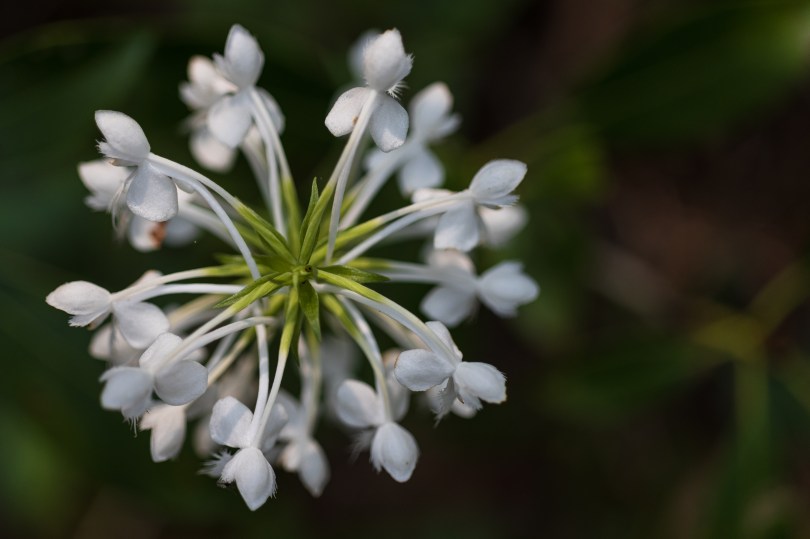
Platanthera species and its hybrids

I am shocked that I have not uploaded these species and hybrids! Platanthera is by far my favorite genus of species. Several species of this genus can be found in New Jersey, including the white-fringed orchid (P. blephariglottis), the small green orchid (P. clavellata), and the orange-crested orchid (P. cristata), along with some hybrids like canby’s bog orchid (Platanthera × canbyi). I was first introduced to this genus by the photography of the amazing Jim Fowler.

There are three kinds of Platanthera orchids, all found in New Jersey’s pinelands! White-fringed orchid is one of the larger orchids with a beautiful inflorescence. It is found across much of the eastern US and Canada. Globally secure, the orchid faces threats in several states throughout its range. Habitat destruction being one of the main threats, these orchids also face difficulties when natural fire is suppressed. Like many orchid species found in the pinelands, they need regular wildfires to help maintain their habitat. The orchid prefers open sunny wetlands, and wildfires help keep larger woody trees at bay.

Orange-crested orchid is a smaller orchid with striking orange flowers, blooming in mid to late summer. It shares its habitat with the white-fringed orchid, both needing similar habitats to thrive. Like the white-fringed orchid, it faces several threats in the wild, including a lack of wildfires.

When populations of white-fringed orchid and orange-crested orchid intersect, they can readily hybridize to form Canby’s bog orchid. The hybrid is more resilient than its parents and has a color between the two species.


In conclusion, these orchids represent the best our pinelands have to offer. I look forward to their blooms every year, looking forward to the white flowers carpeting open meadows. Pinelands need our help to be preserved, and I hope future generations can continue to enjoy these beautiful wildflowers.
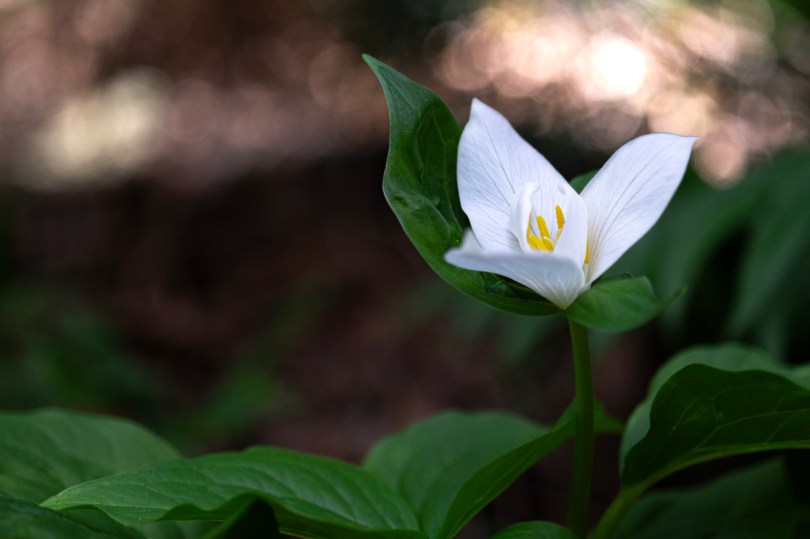
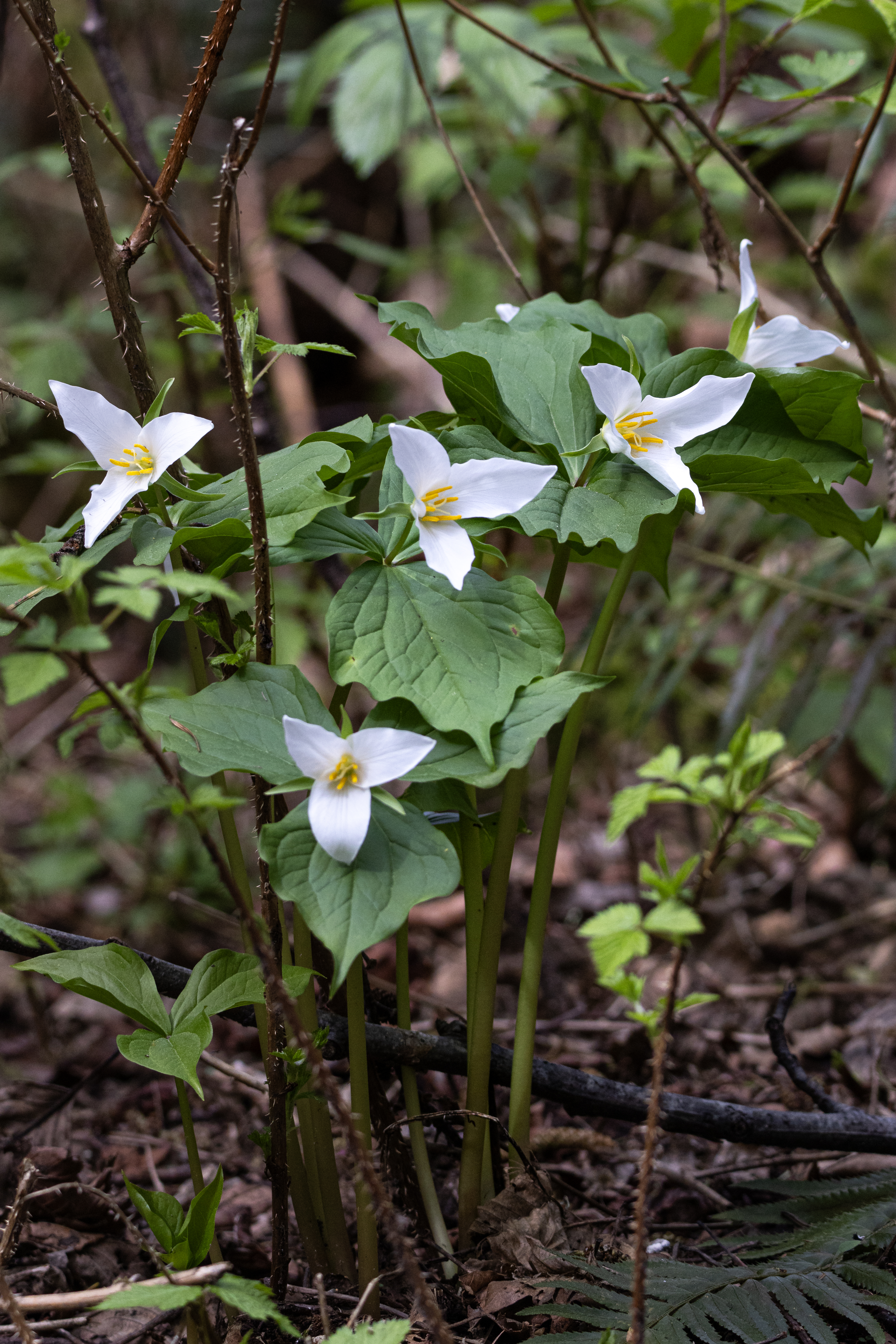
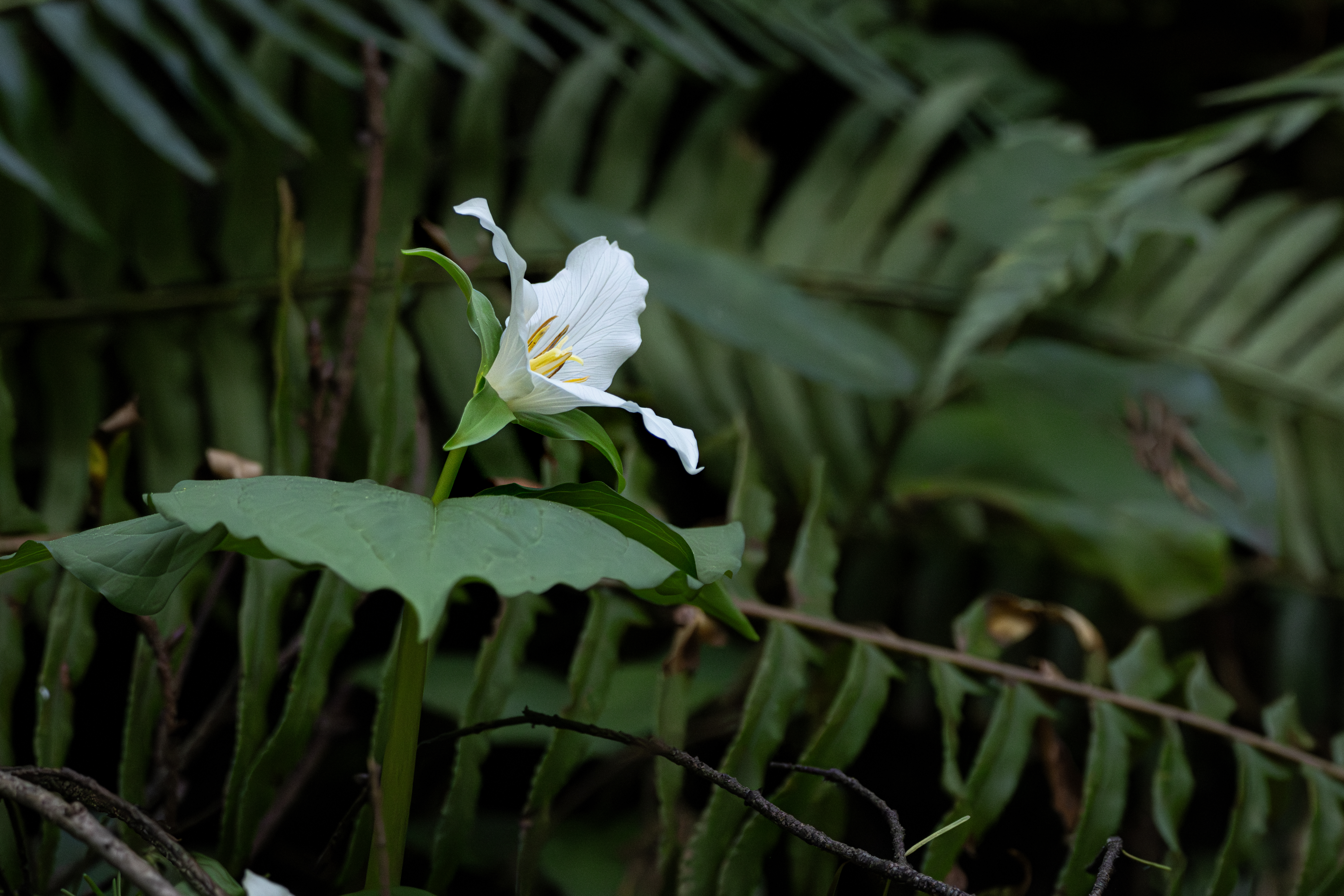
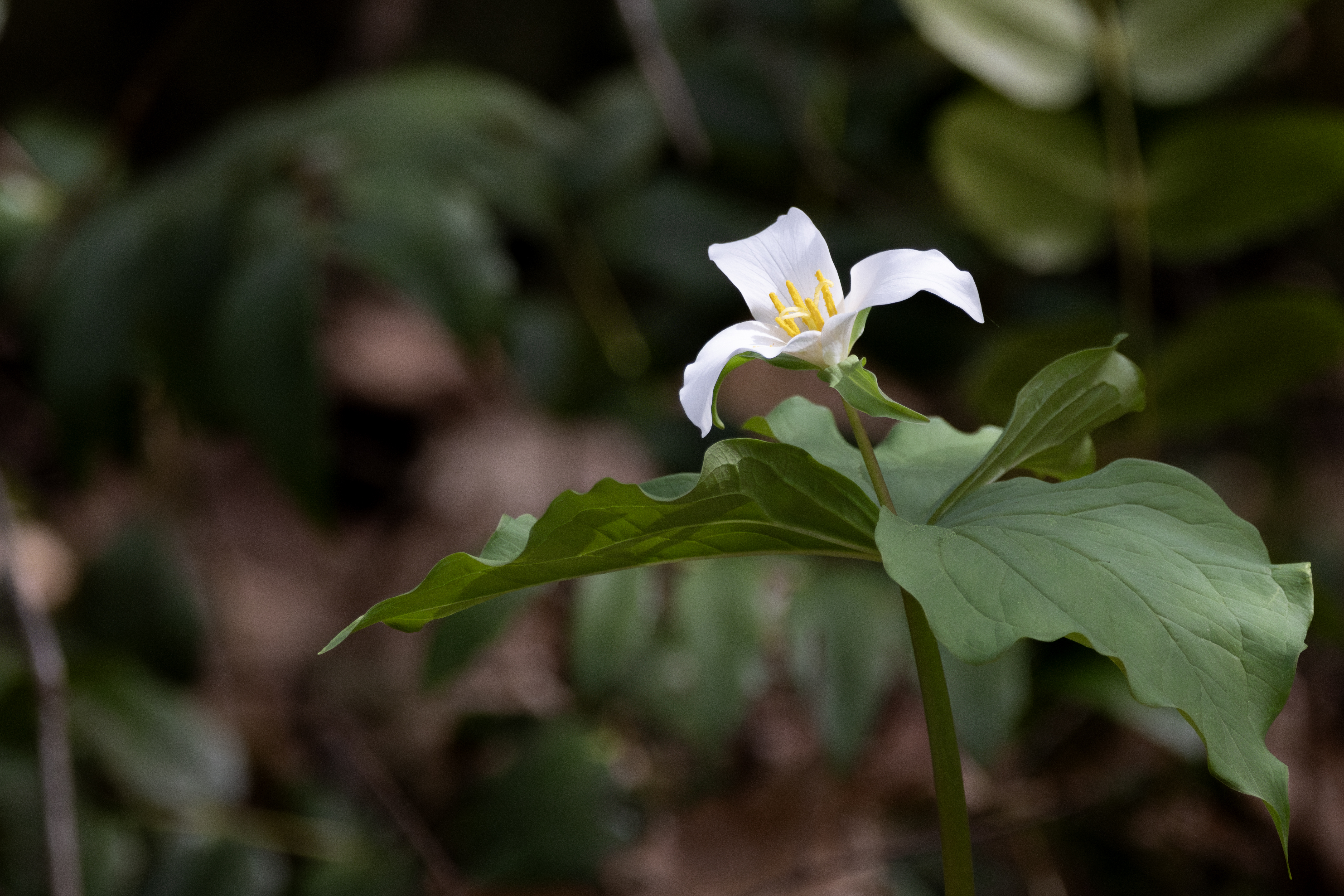
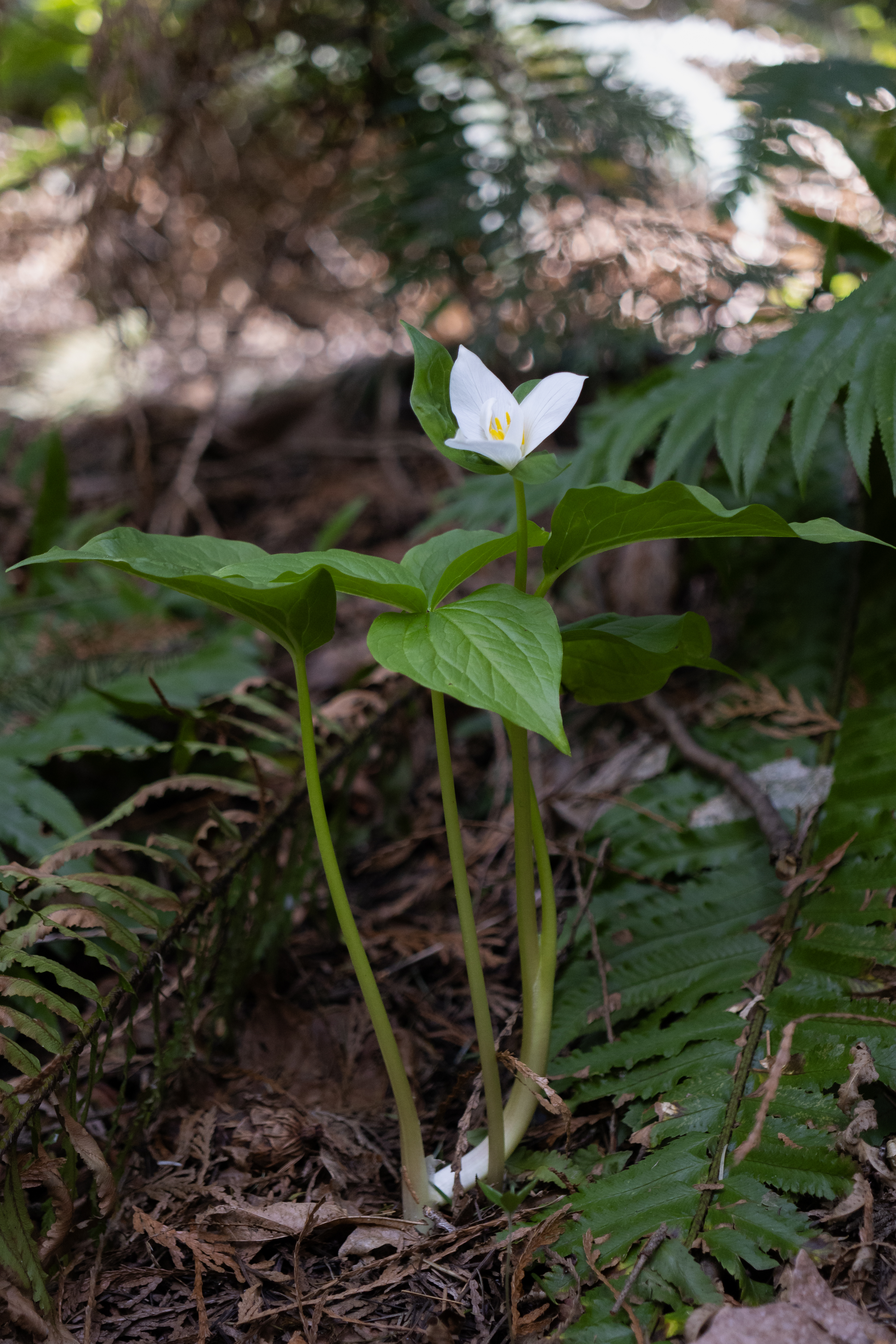
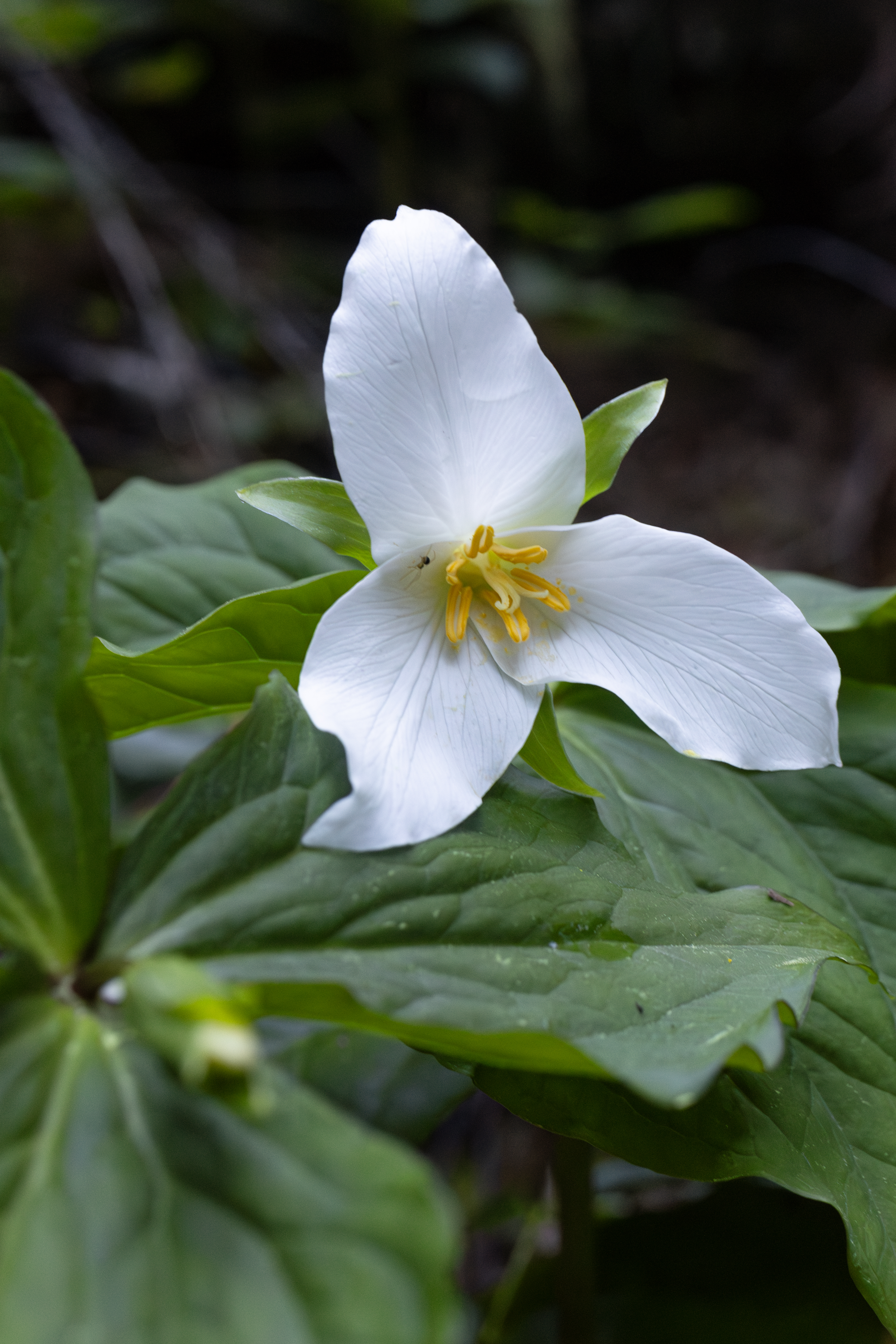
Trillium ovatum (Pacific Trillium)

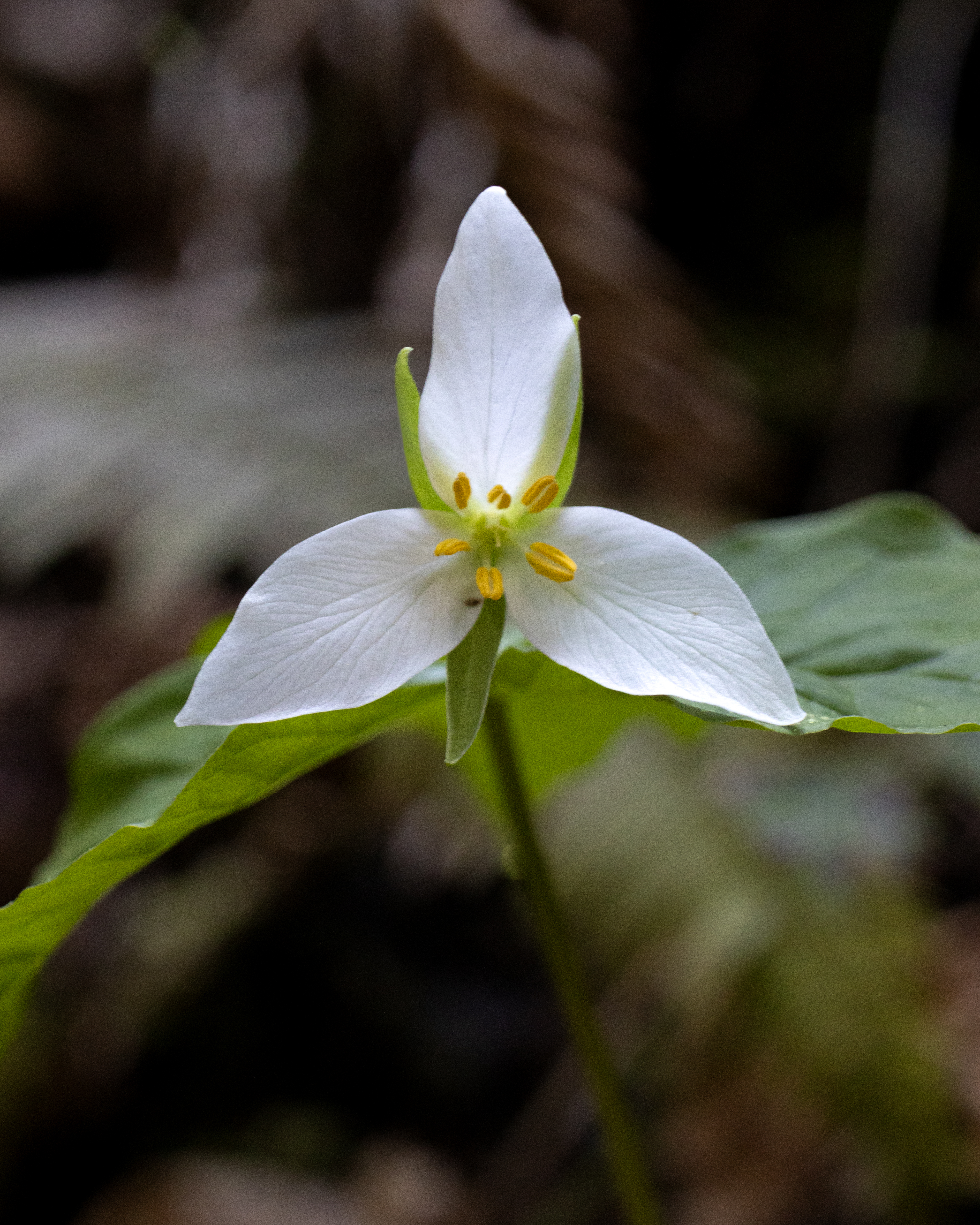
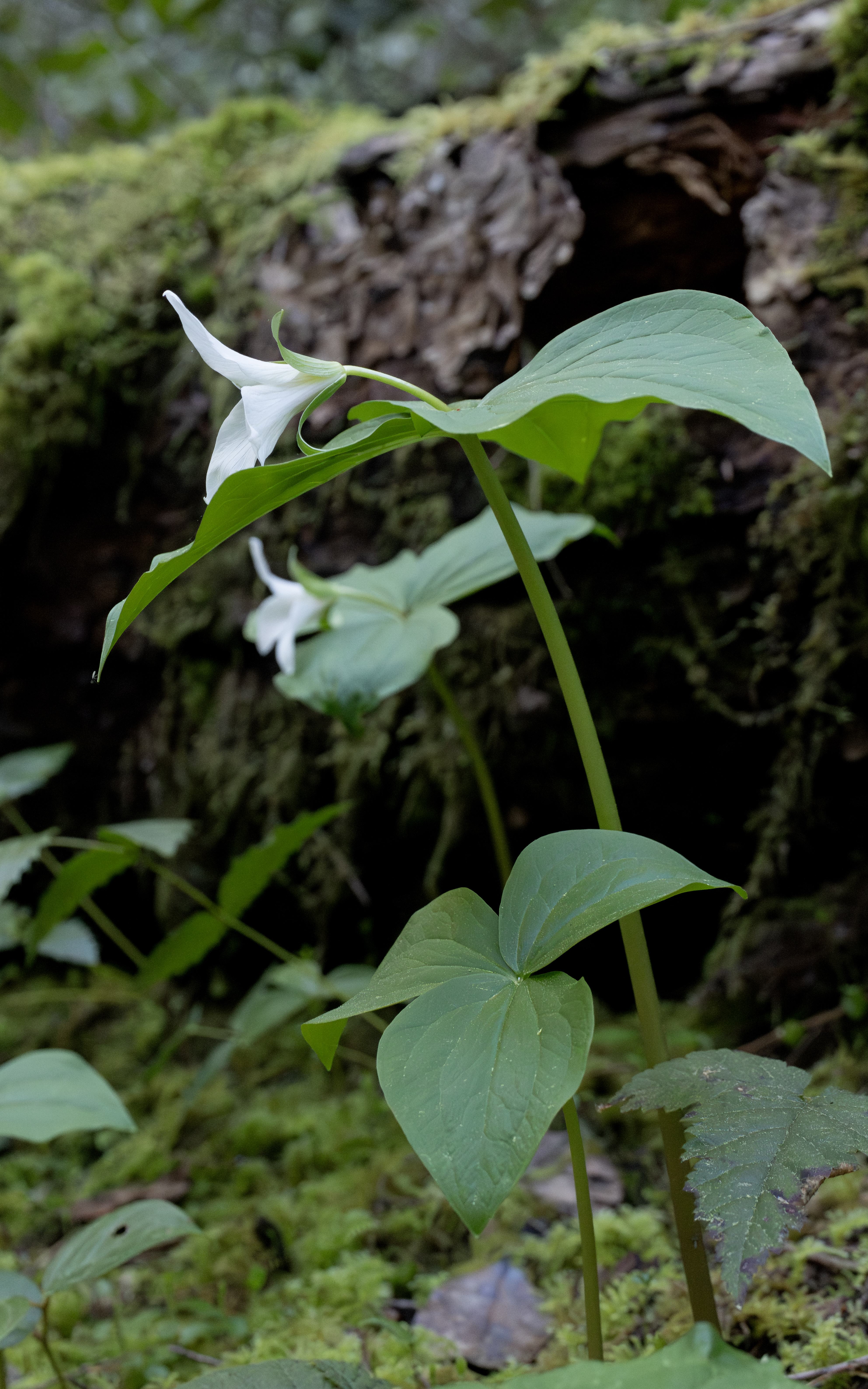
Trillium ovatum, also known as Pacific trillium or western Trillium, is a widespread trillium species abundant in Western North America. Its flowers are nearly indistinguishable from T. grandiflorum, with which it is closely related. Thankfully, they have distinct natural ranges and can easily be told apart from where you encounter them!

Western Trillium is a perennial herb spreading through underground rhizomes, preferring to grow in shaded forests.

Life cycles of Trilliums are quite interesting, as they take a long time to reach maturity. From wiki

“The life-cycle stages of T. ovatum include a cotyledon stage, a one-leaf vegetative stage, a three-leaf vegetative (juvenile) stage, a three-leaf reproductive (flowering) stage, and a three-leaf nonflowering regressive stage. An example of the latter involves a transition from the three-leaf flowering stage to a three-leaf nonflowering regressive stage.”

In the previous years, I have seen many Trillium plants, most either past floewring, or too young to flower. Seattle finally broke my Trillium curse, and how!

Cercis canadensis (eastern redbud)

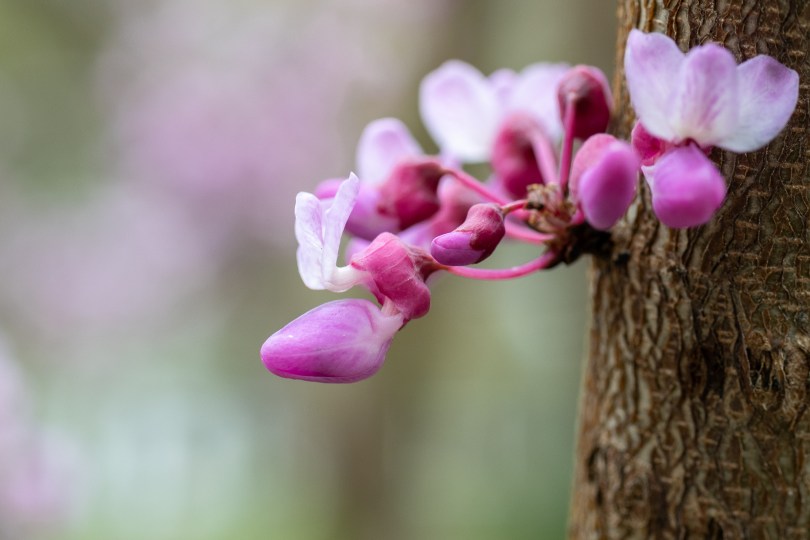
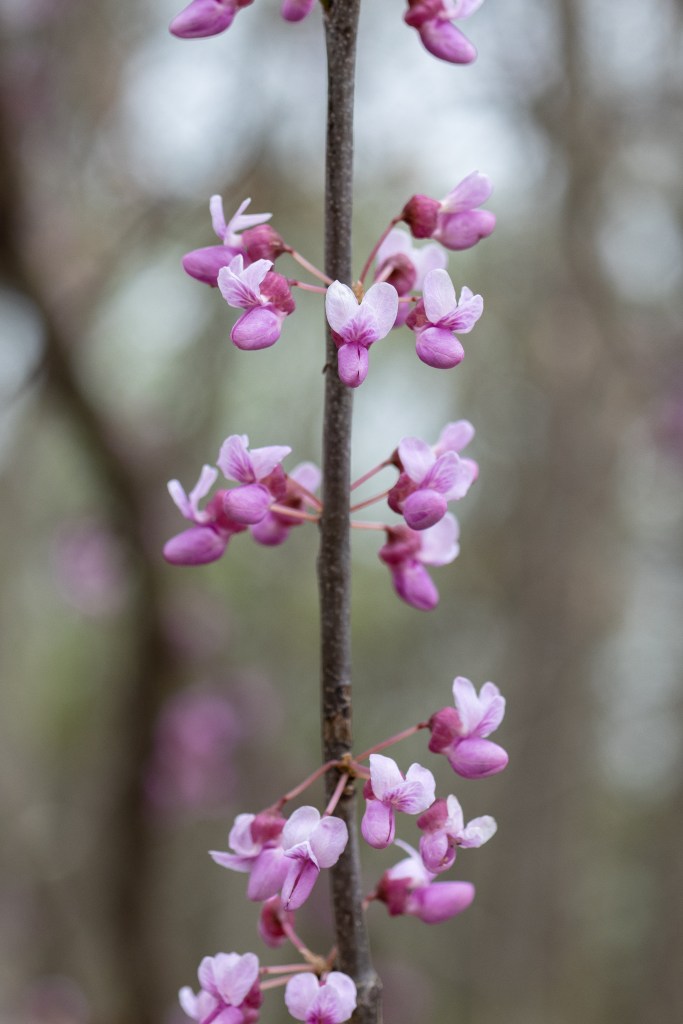
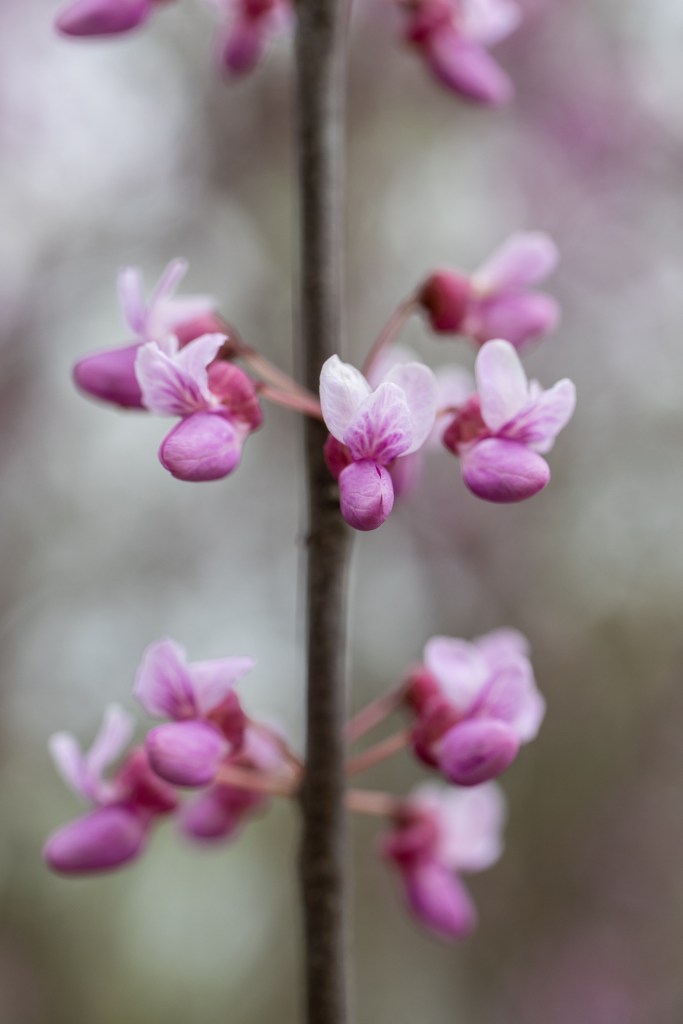
As spring rolls in, the north east is filled with colorful flowering trees. Most of which aren’t native. But one small tree stands out, the redbuds. A native large shrub/small tree, the redbuds are covered in magenta pink flowers that occur in clumps right on the tree branch, or sometimes on the trunk itself. It is pollinated by long-tongued bees.

As the flower shape suggests, the redbuds belong to the Fabaceae family, also known as the pea/legume family.

The showy and long lasting flowers are why this plant is common in cultivation and is used in gardens and homes to add color to their spring gardens. Because its native, it also helps native bee population in the early months of spring and summer.

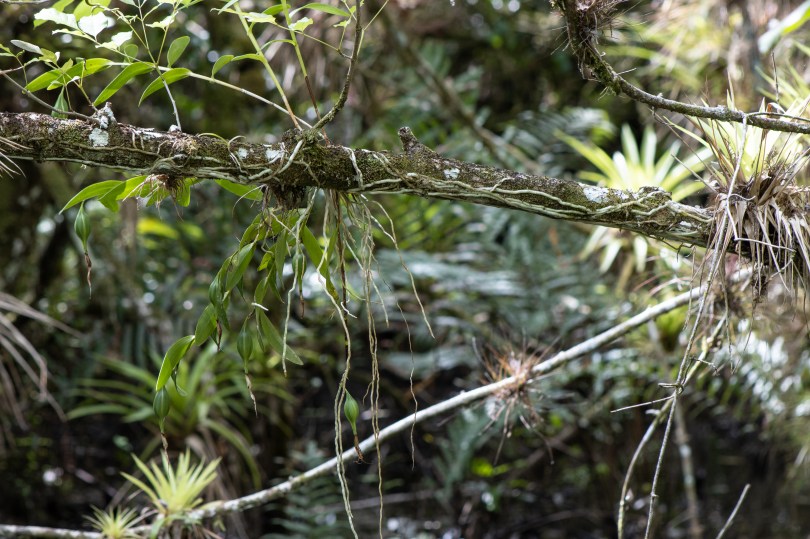
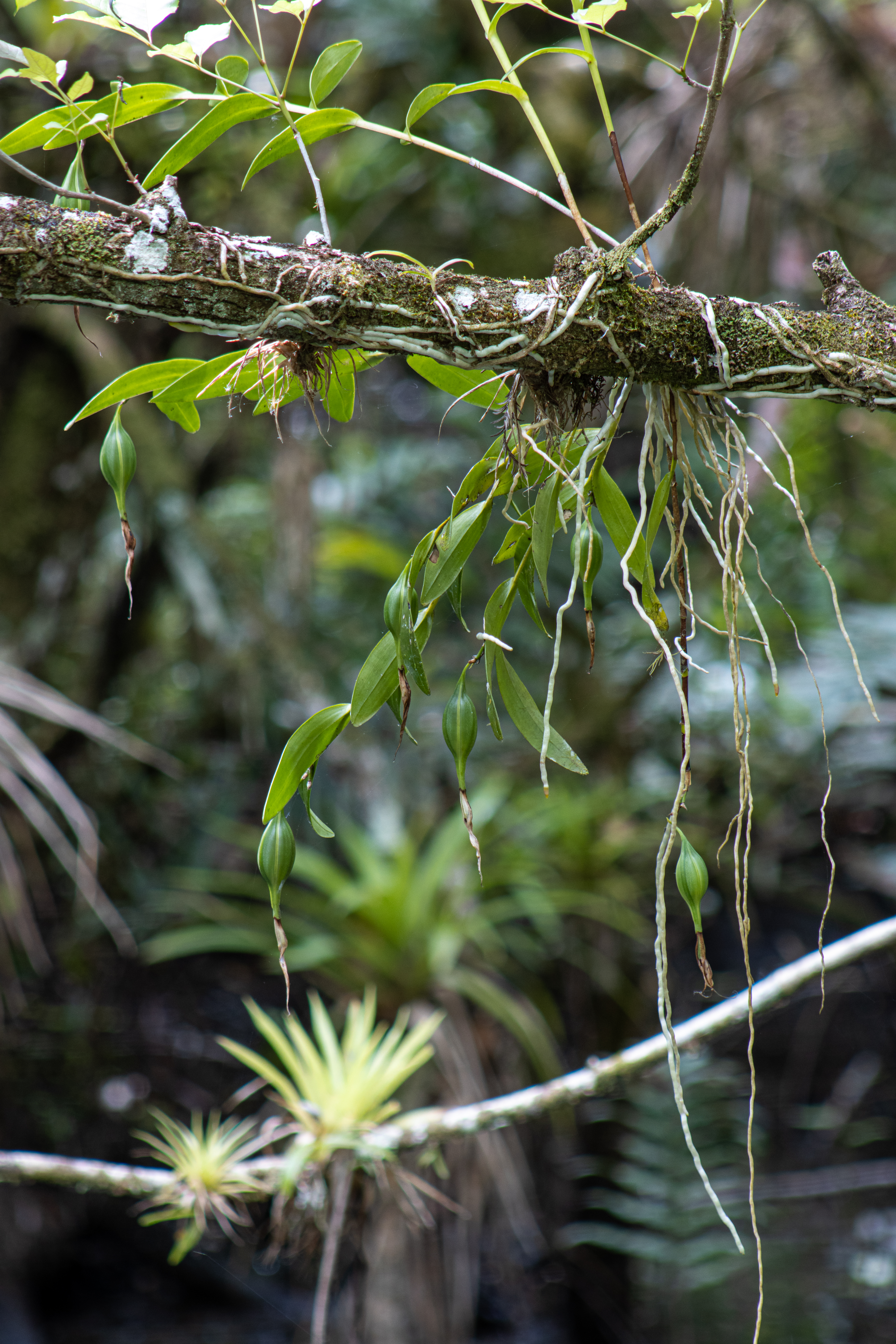
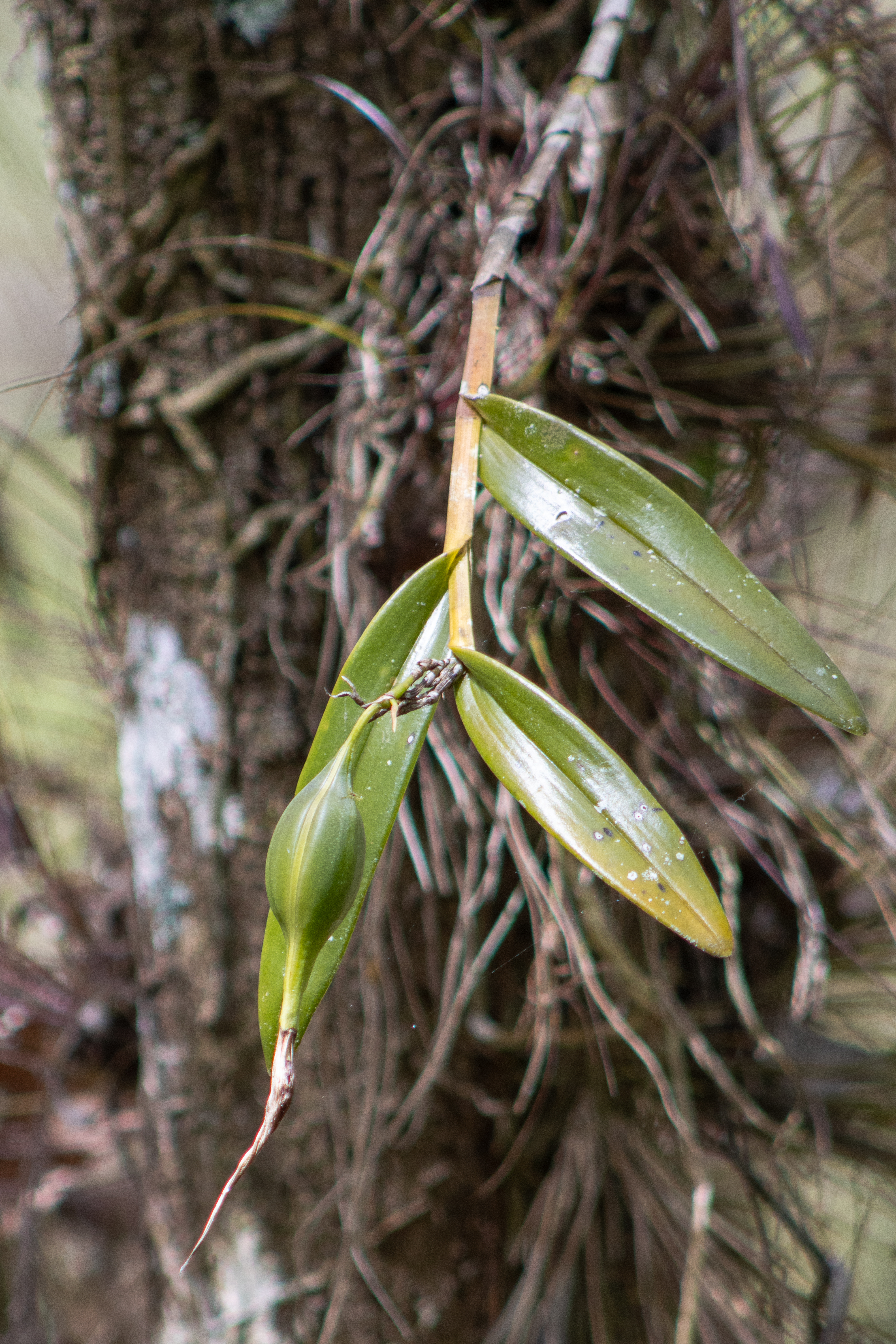
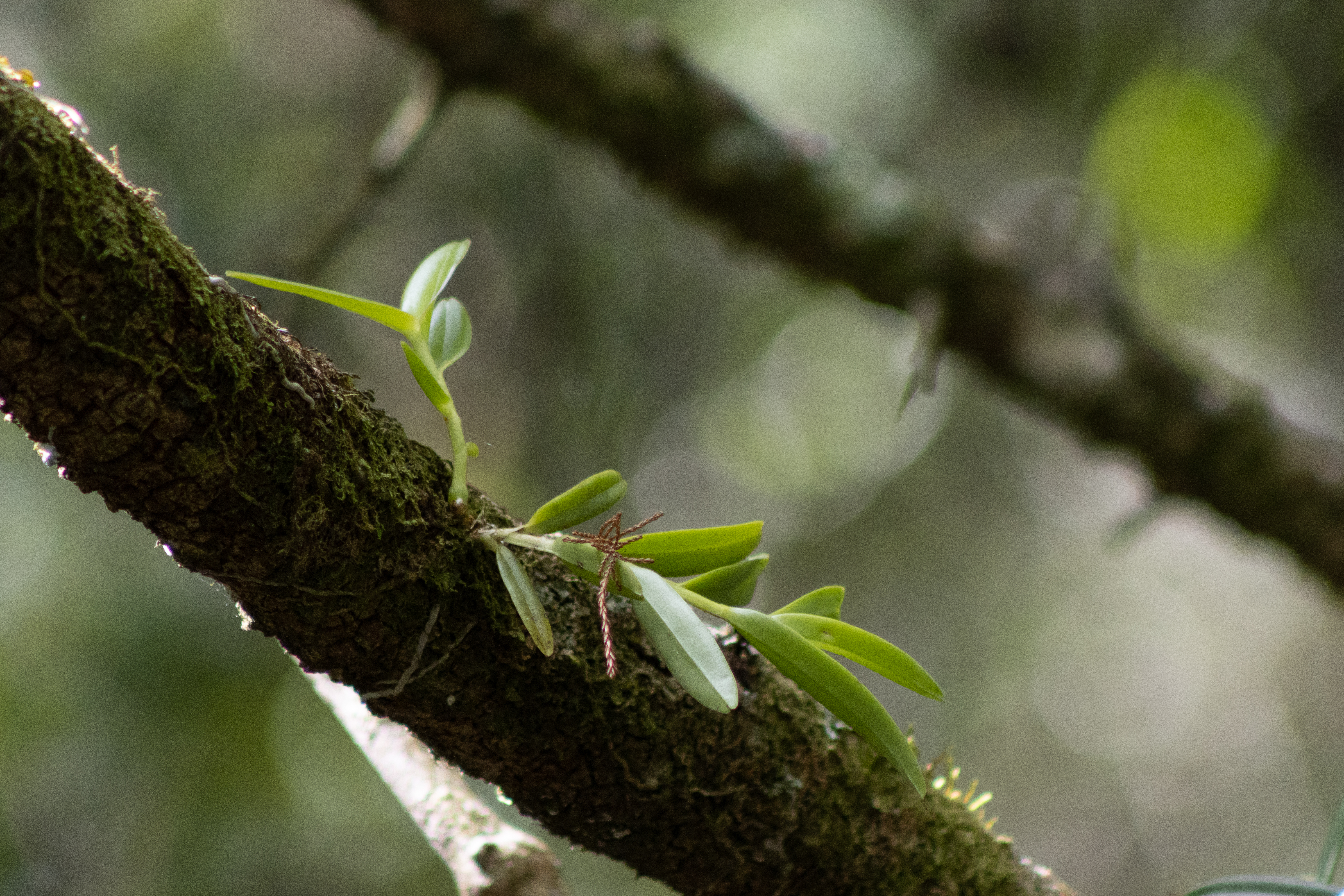
Epidendrum nocturnum (night scented orchid)

Epidendrum nocturnum, the night-scented Epidendrum, is the largest species of Epidendrum found in Florida. It is more common in Central America and the west indies. 

This orchid is very rare in Florida but is globally secure. In Florida, if you know where to find it, it is locally common, but due to habitat destruction, it is endangered in Florida. The flowering period is July-January, but it can flower all year long. Most of the flowers never even open. As the name suggests, when they do open, they are very fragrant after the sun goes down. Unlike most orchids, the night-scented Epidendrum can self-pollinate and does not require insect pollinators. It is also common in the orchid trade.

A young Epidendrum.

‘Ohi’a lehua (Metrosideros polymorpha)

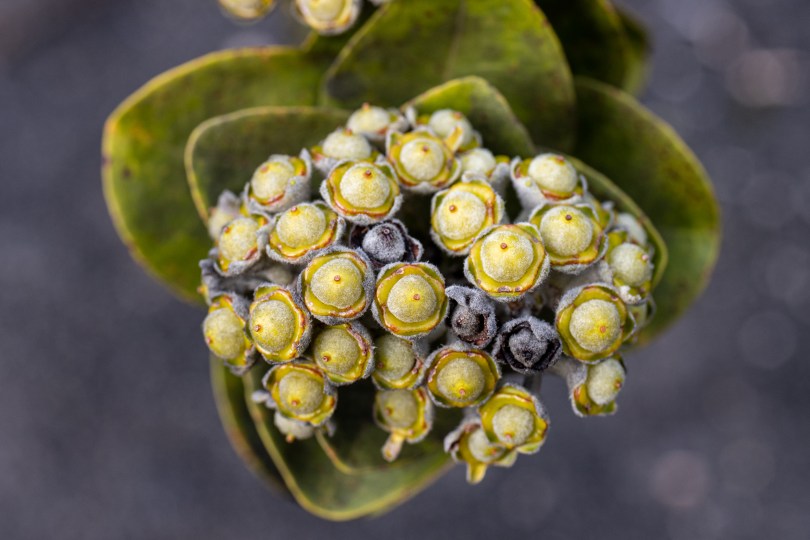
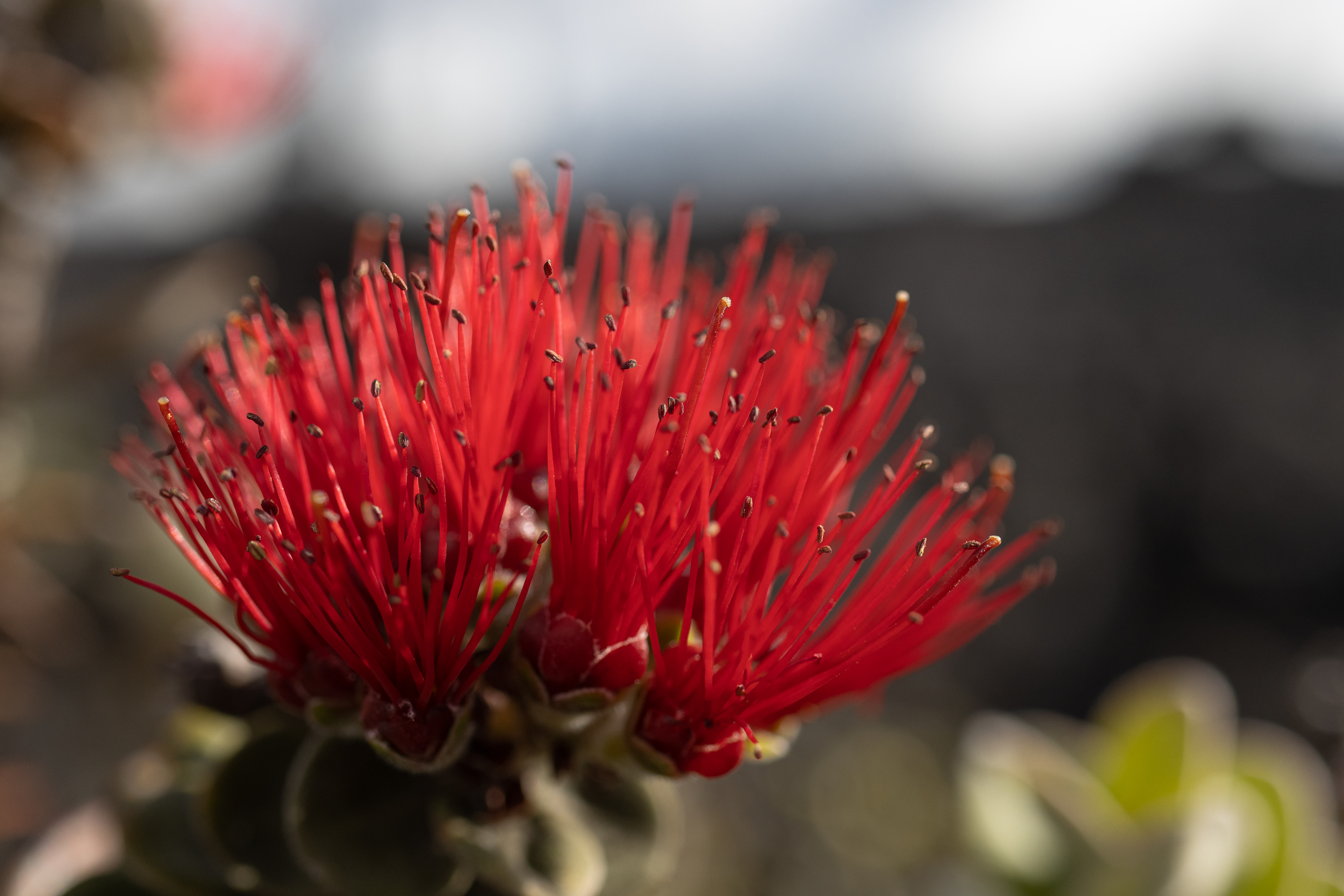
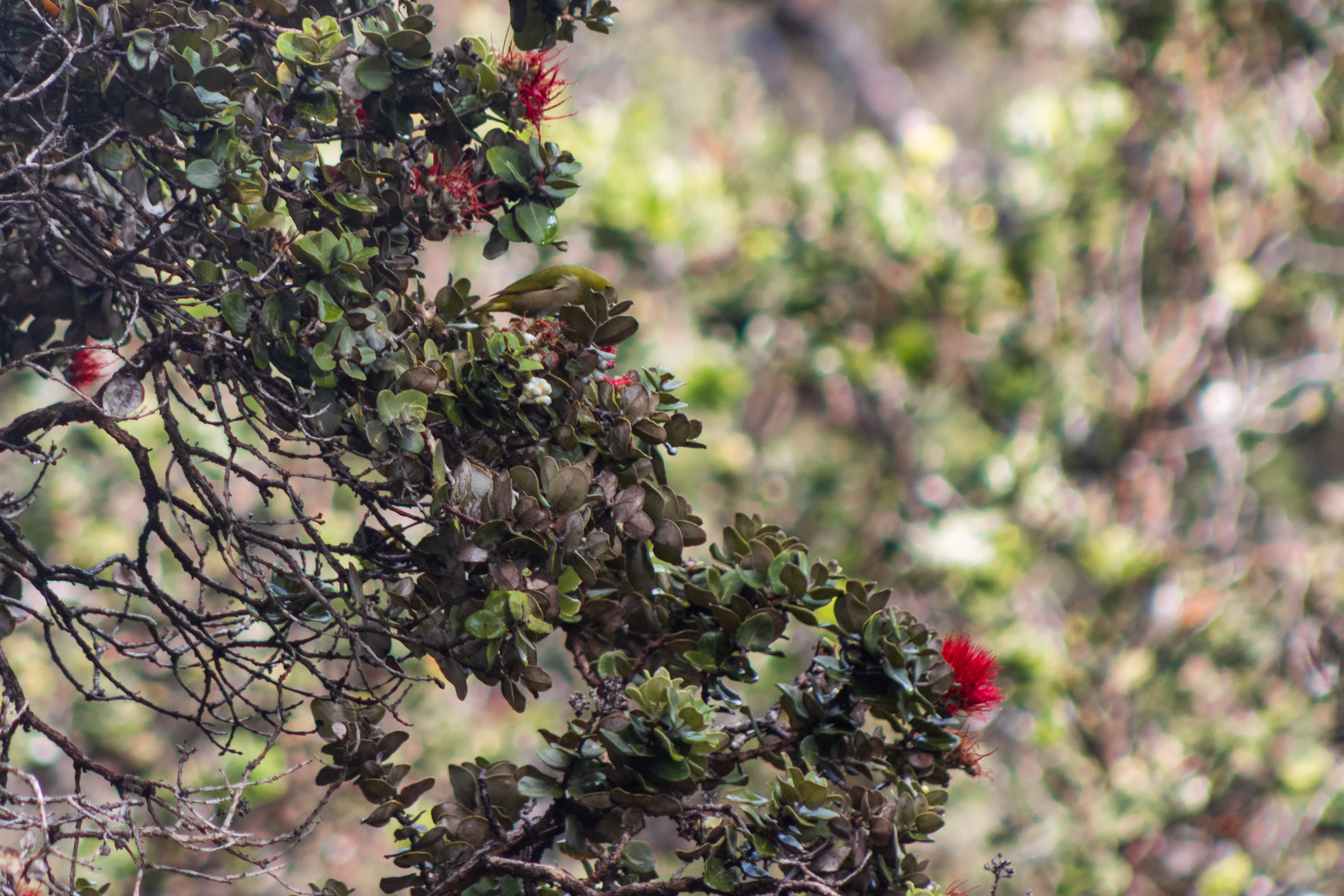
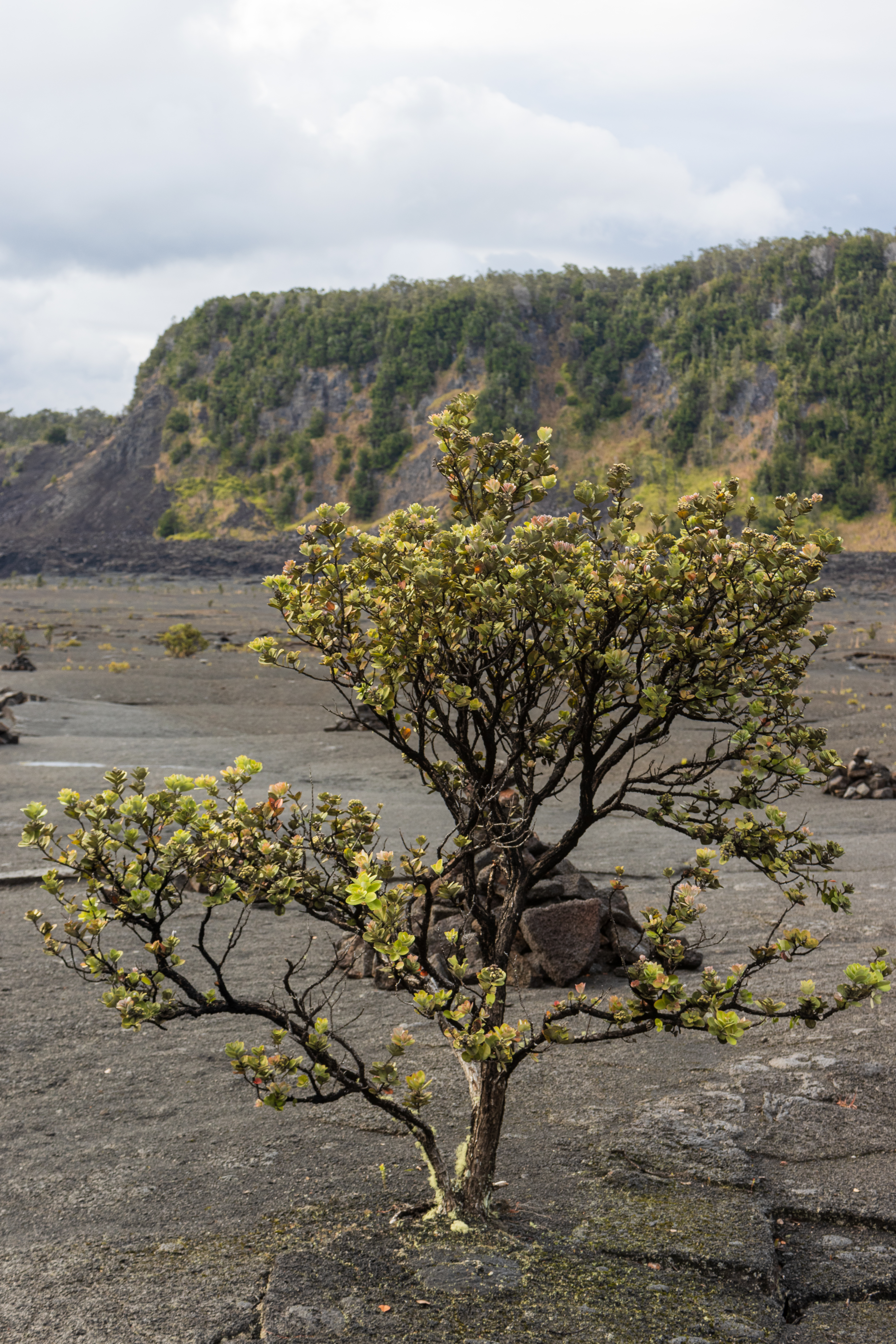
Search for native Hawaii plants to look for, and undoubtedly the name of ‘Ohi’a lehua will show up on the list. This charismatic plant is the most common native tree found in Hawaii. It is an evergreen, highly variable tree found on the six major islands. Its flowers are showy and come in various colors ranging from yellow to red, red being the most common variation. Flowers are produced as inflorescence made up of a mass of long stamens. Ohia lehua forests are essential habitats for various native birds as it is one of the few Hawaiian plants capable of producing nectar. They host both native and introduced birds. To the right is a ʻApapane (top) and a Japanese white-eye bird move around a vast ‘Ohi’a tree.
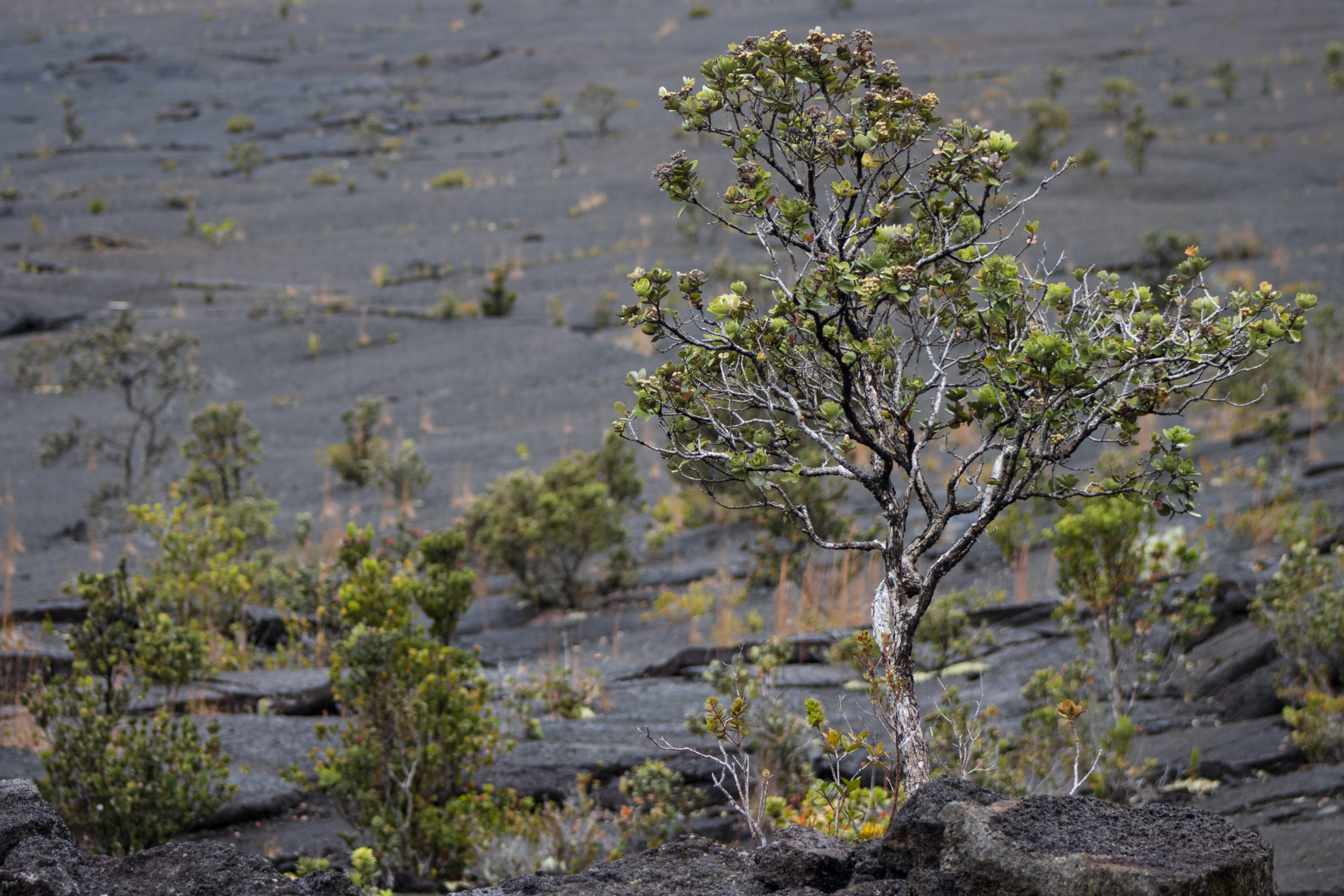
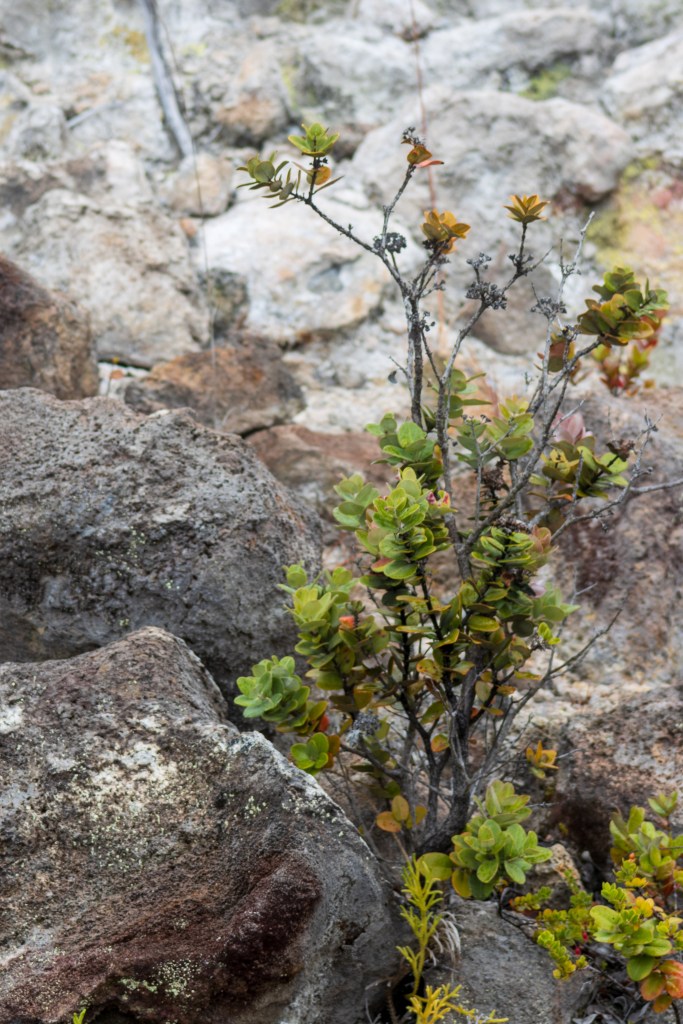
The Ohia lehua is a crucial early colonizing species that grows straight out of basalt. It is among the first trees that are growing on recent lava flows. It is even tolerant of extreme sulfur content found along sulfur banks on the big island. A sign along the trail mentions the severe conditions on the banks and the possibility of the ‘Ohi’a colony evolving into a distinct subspecies over generations.

Its tolerance to various growing media leads to extreme tree size variations. In favorable soil, in rainforests, it can grow to be more than 80 feet tall, while when growing in boggy ground or on freshly cooled igneous rocks, it grows as a small prostrate shrub. In wetter conditions, Ohia branches drop down aerial roots that stay suspended and absorb moisture from the air. Shown here is an enormous specimen of Ohia lehua.

Current preservation efforts for the ‘Ohi’a have faced various issues, including the curse of introduced species like ornamental/livestock feed grasses that quickly take over ‘Ohi’a forests, climate change, and the latest fungal pandemic afflicting these plants, the rapid ‘Ohi’a death. First reported in the big island of Hawaii, mitigations efforts have been taken to help stop the spread of the fungus, including closing down of forests to visitors. Humans can carry these pathogens on their shoes as they walk through the forest floor. To avoid spreading the disease, visitors should use the shoe cleaners placed along trails. Please be mindful of your presence as an outsider when you visit these unique habitats.

‘Ama’uma’u fern (Sadleria cyatheoides)

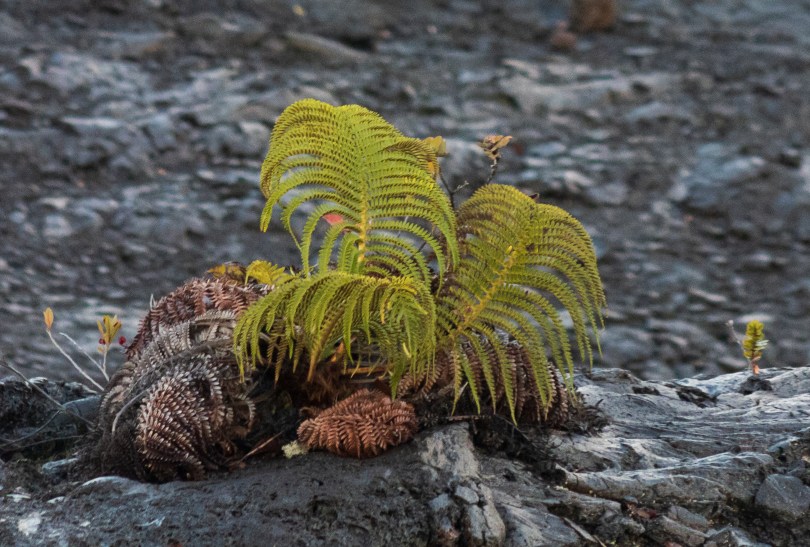
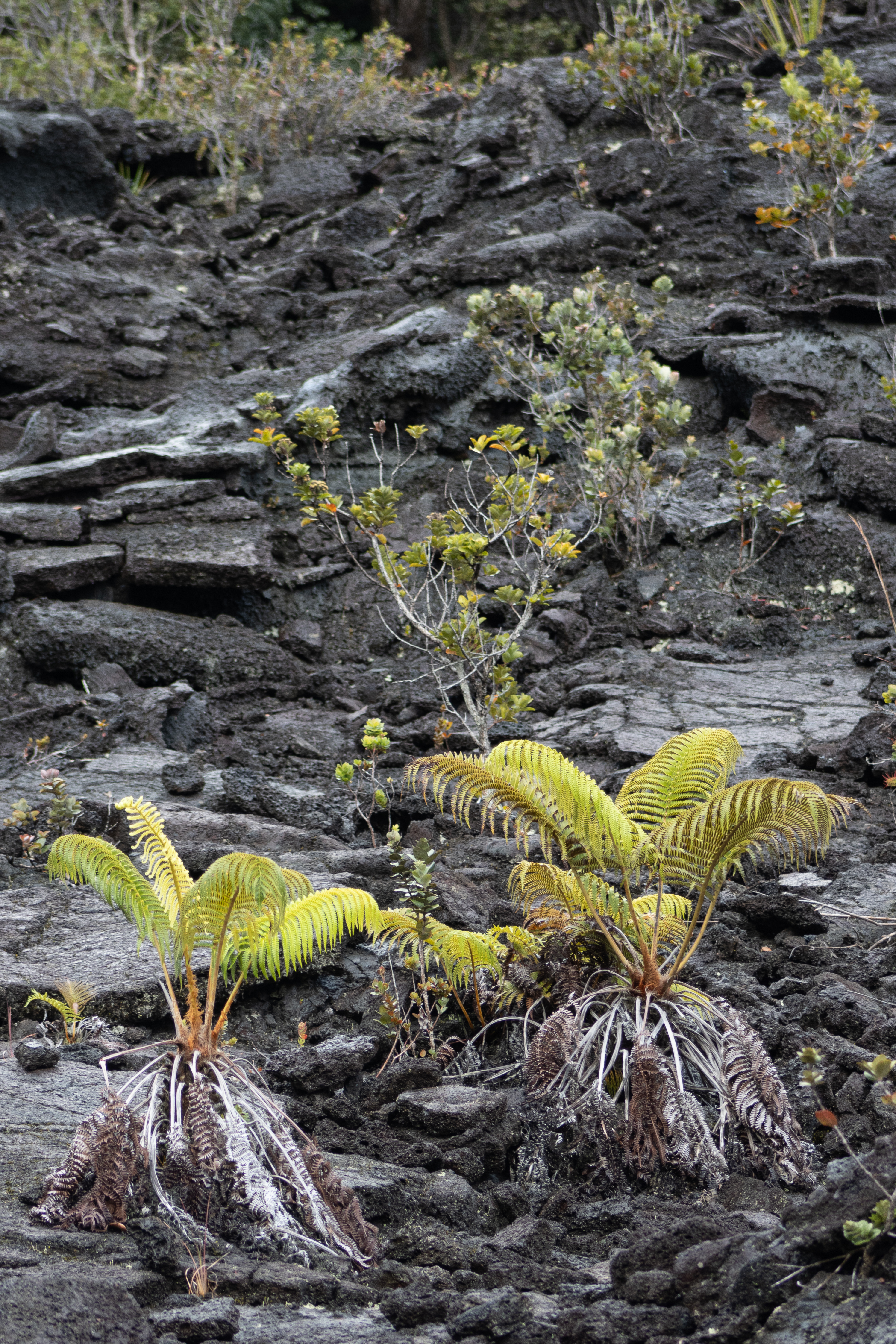
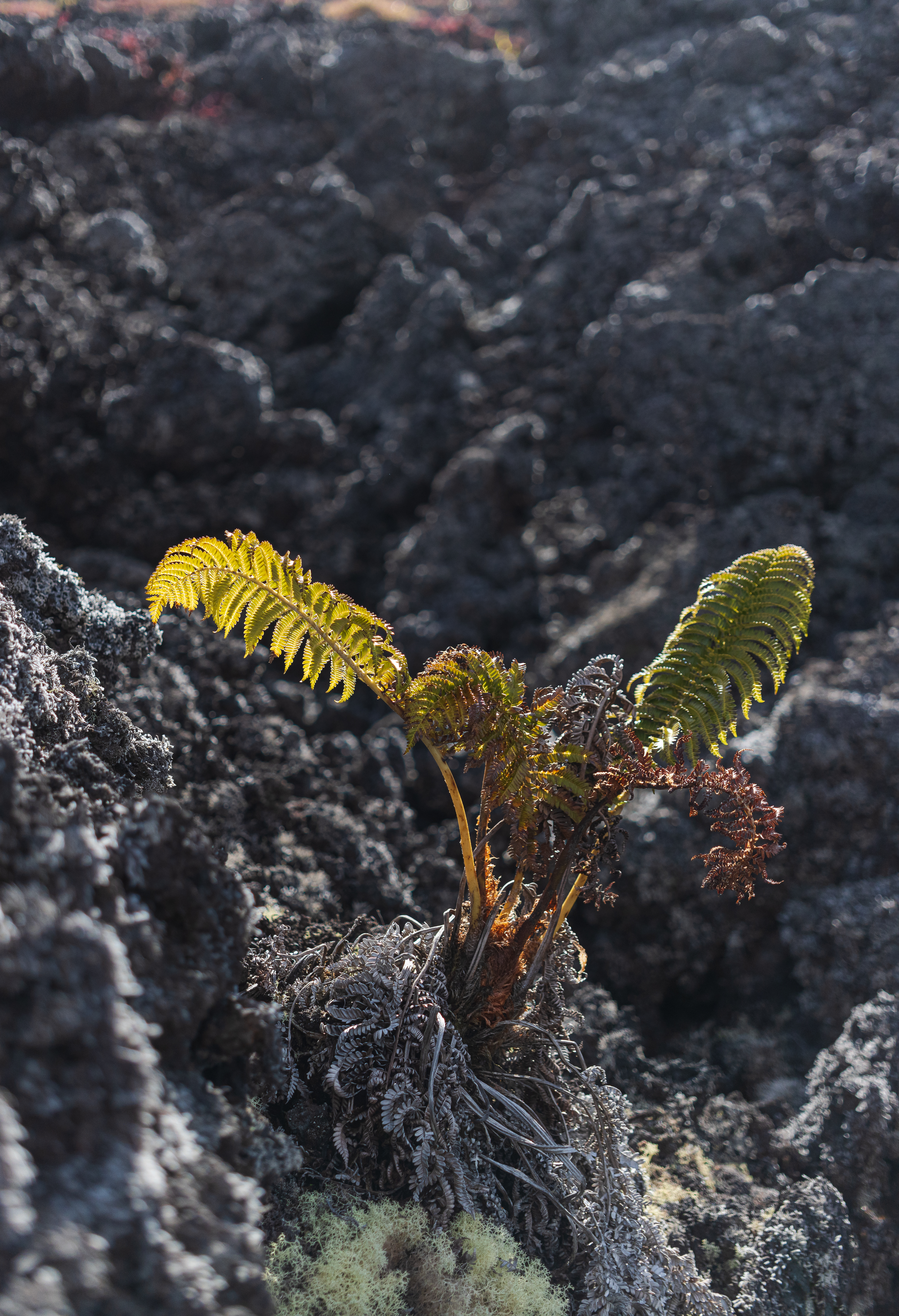
Five Amaumau fern grow on lava flows created in the early 20th century with other pioneer species like ‘Ohi’a lehua.

Driving through the big island of Hawaii on the saddle road, the scenery changes drastically from vegetation introduced by ranches to hard lava rocks with little to no soil. Growing on it are some of the most versatile and hardy species of plants. These pioneer species are the first to inhabit rocky lava beds after the erupted magma cools down. Among those species is the Amaumau fern. The first time I saw this fern, I assumed it belonged to the more common fern order of tree ferns. I was pleasantly surprised to learn more about this fantastic fern. For now, it has taken the spot of my favorite species of ferns!

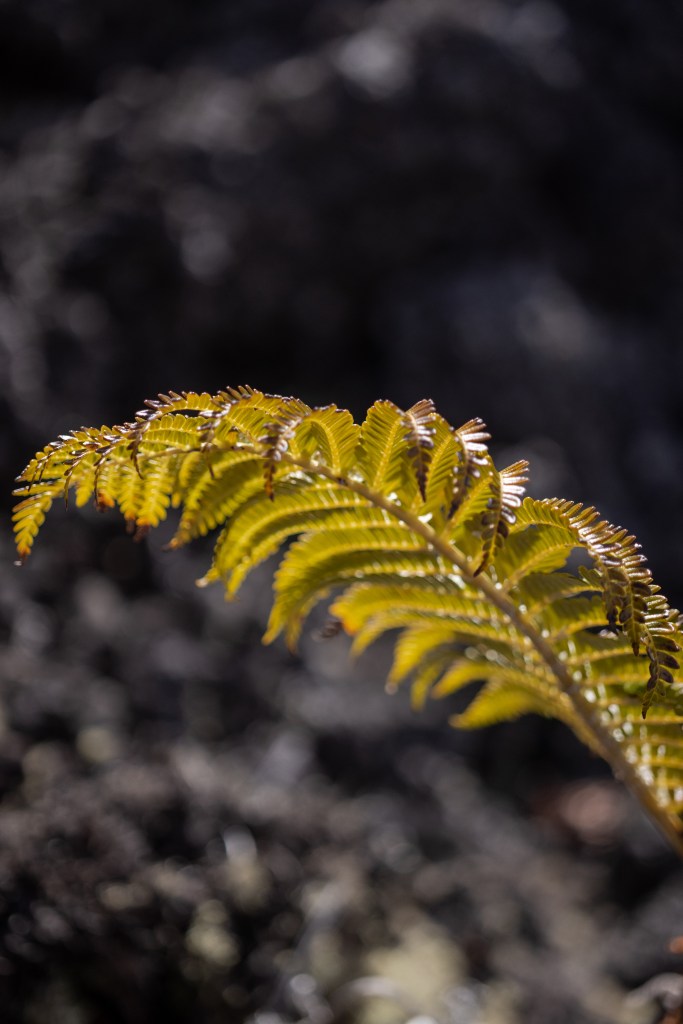
Amaumau fern belongs to the endemic genus Sadleria. It is found in all major islands of Hawaii and grows on lava flows, open spaces, and wet forests. The fern can tolerate extreme heat and direct sunlight, which gives its leaves a red tinge. The plant can grow vertically, like a small tree fern, or horizontally with its rhizomes covered with silver-colored dead leaves. 

The crater Halemaʻumaʻu, home to the goddess of fire and volcanoes, Pele, derives its name from this fern. Halemaʻumaʻu means “house of the ʻāmaʻu fern.”

Minuartia carolinana (Pine-barren sandwort)

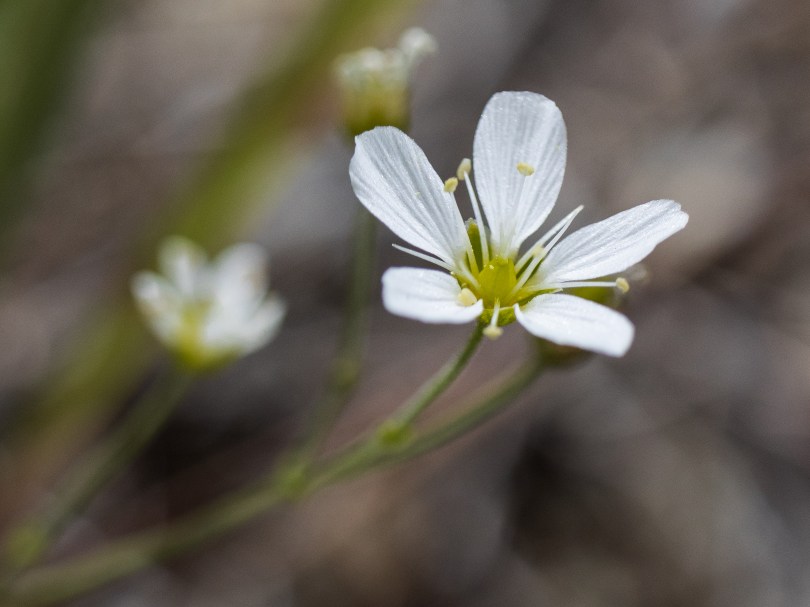
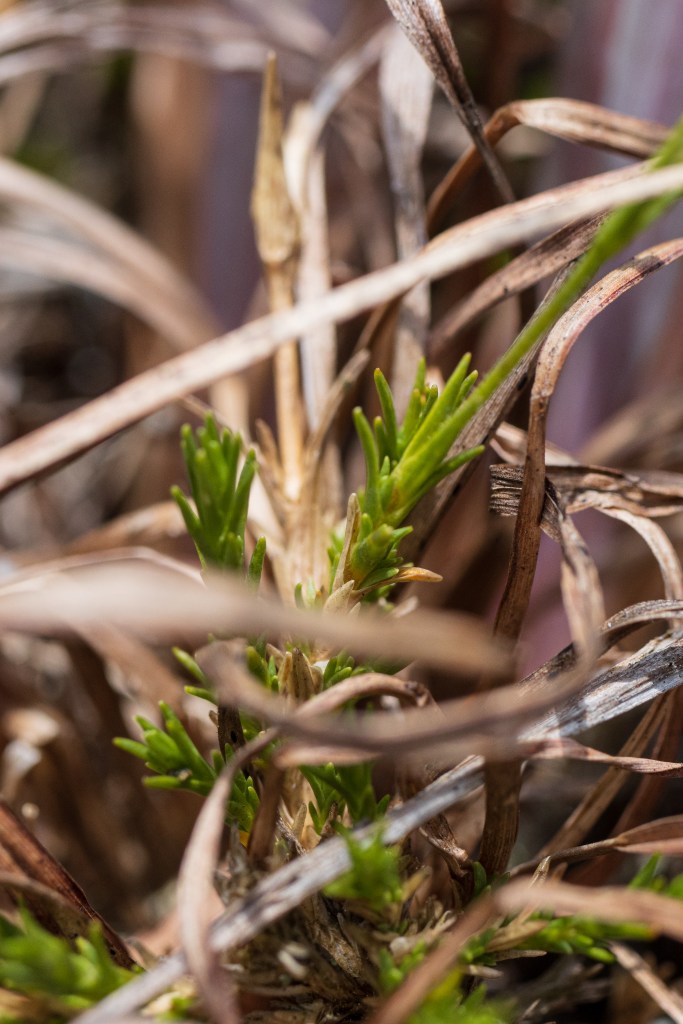
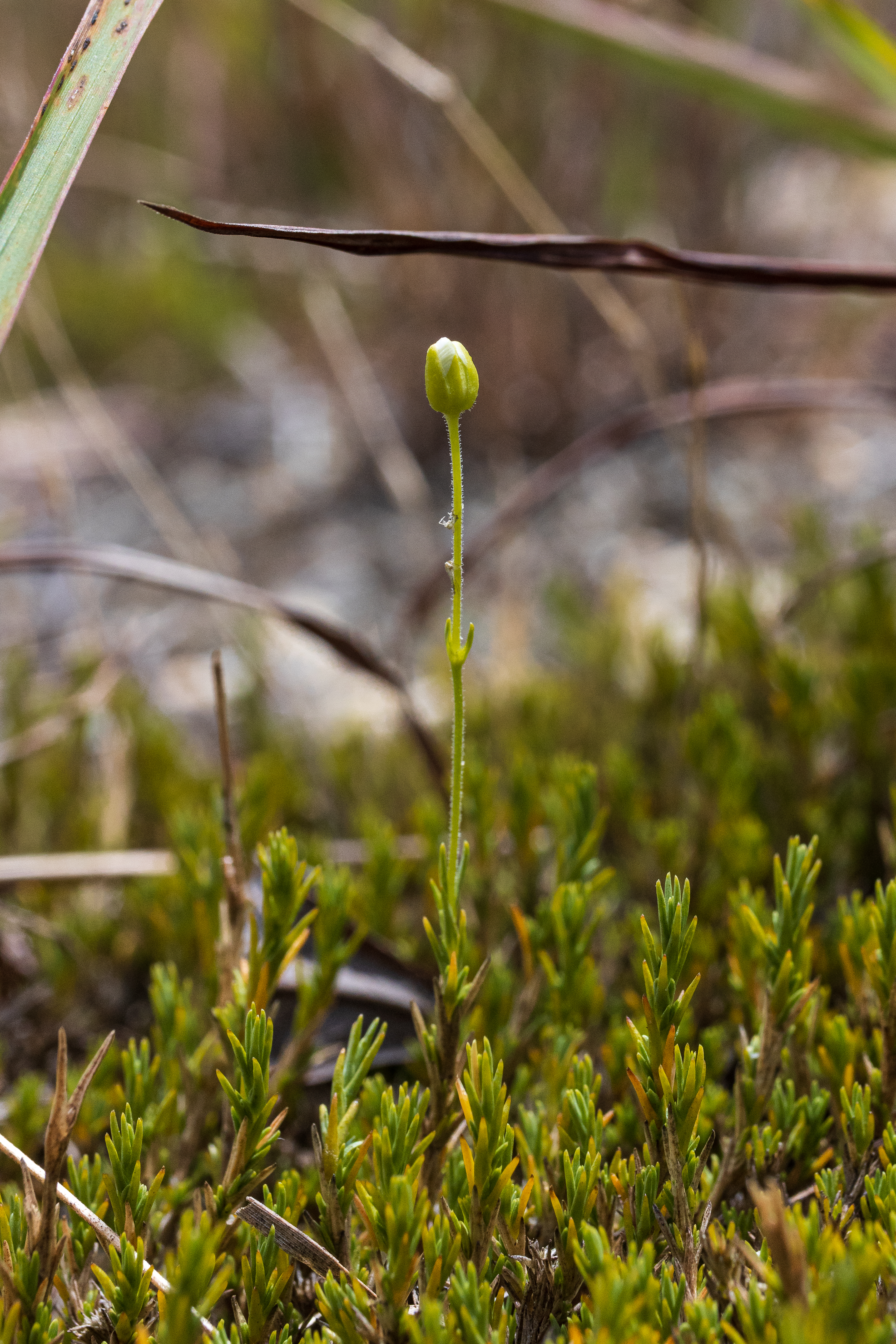
Minuartia carolinanana, or the Pine-barren sandwort is a small plant in the Pink family (Caryophyllaceae) native to the eastern coast of the US. They are found growing on white sands of pine barrens. They usually grow alone or with some grasses. The leaves are small and grow along the stem, resembling some moss species in both size and shape. The flowers grow out of these stems in long branches with five-petaled flowers that can grow longer than the stems supporting them.

To the left you can see the stem which shoots the flowering branch.

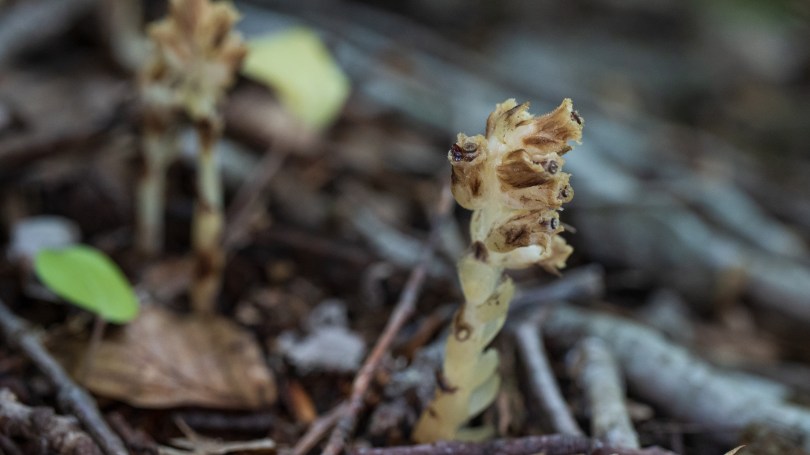
Monotropa hypopitys (Pinesap)

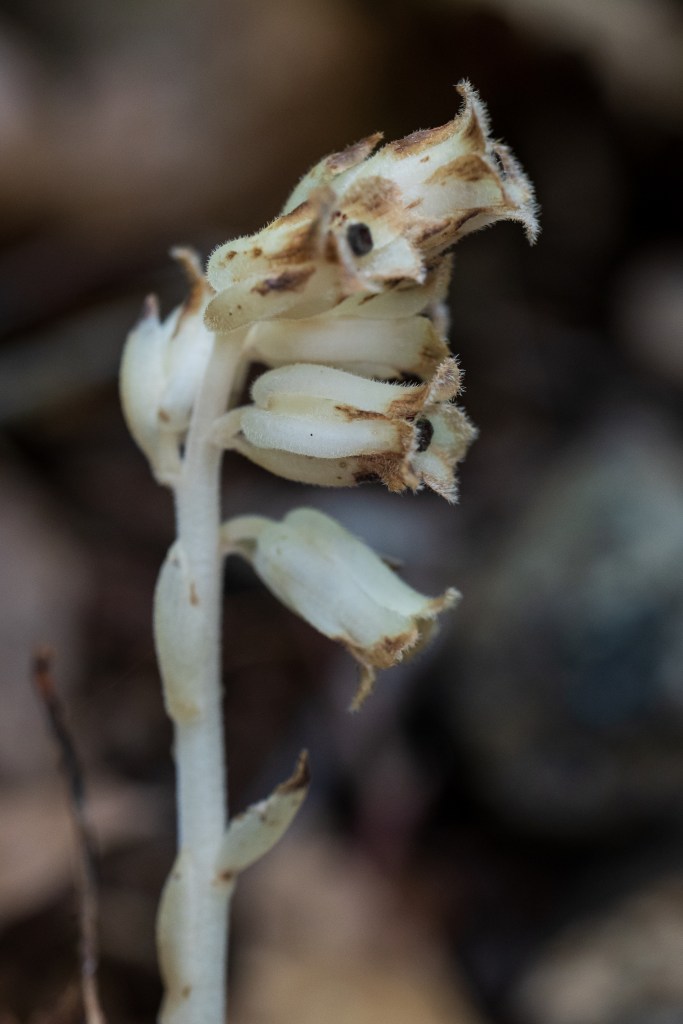
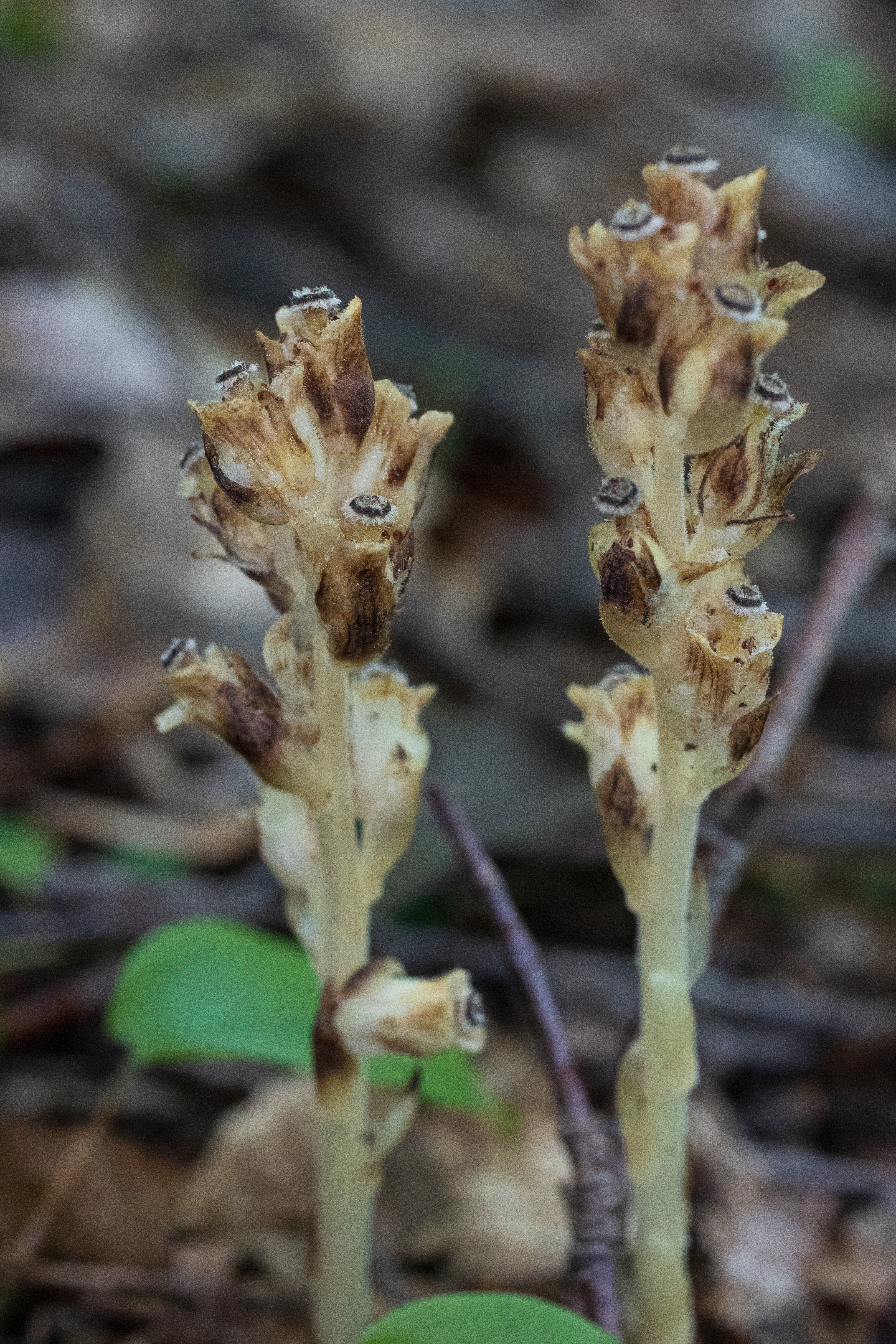
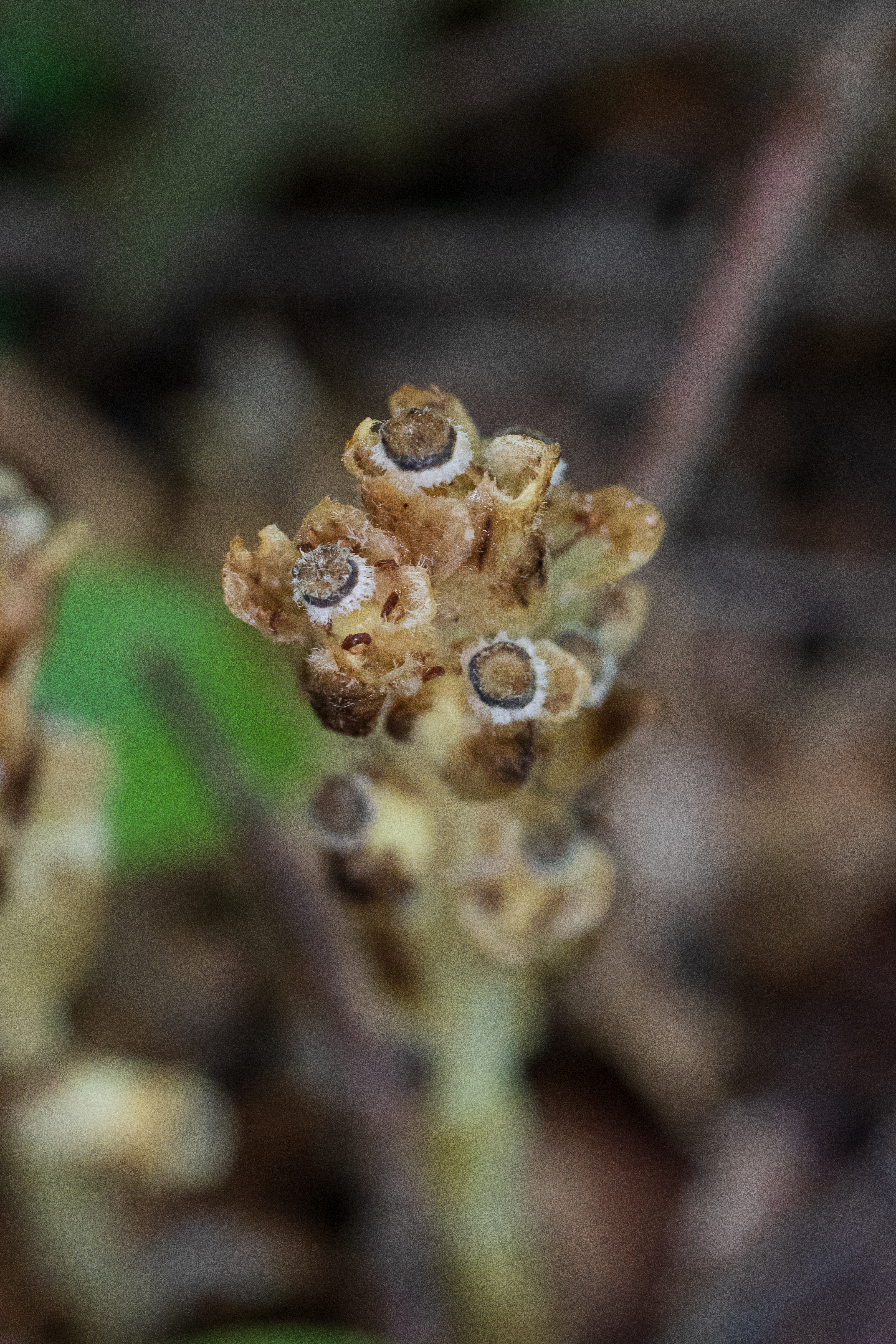
Monotropa hypopitys, or the pinesap, is a cousin of the more common ghost pipe. Both plants are parasitic depending on mycorrhizal fungi found in the forest floor. Unlike its cousin, Monotropa uniflora, pinesap flowers with multiple blooms on a single flowering stem. Like the ghost pipe, it can be found growing near oaks and pines.

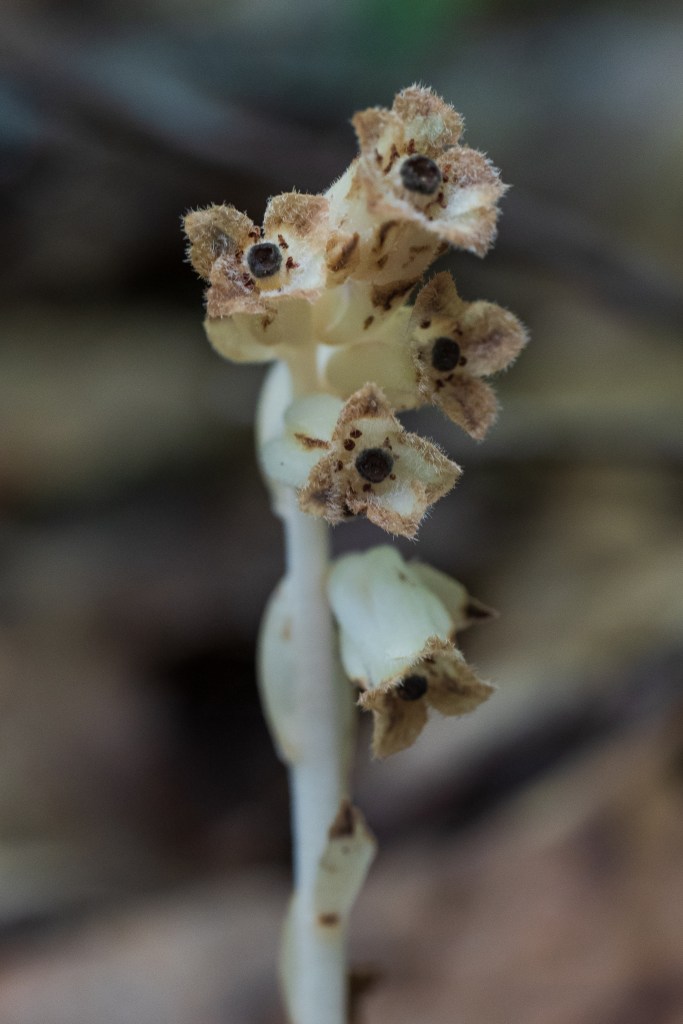
The flower colors are varid, from yellow to purple/red. This is a rare plant in New Jersey with few populations recorded. I was lucky enough to find at least three distinct populations growing in a hilly portion of Jersey. One was flowering, while ther other was past its prime and beginning to fruit.

Melampyrum lineare (Narrowleaf cow-wheat)

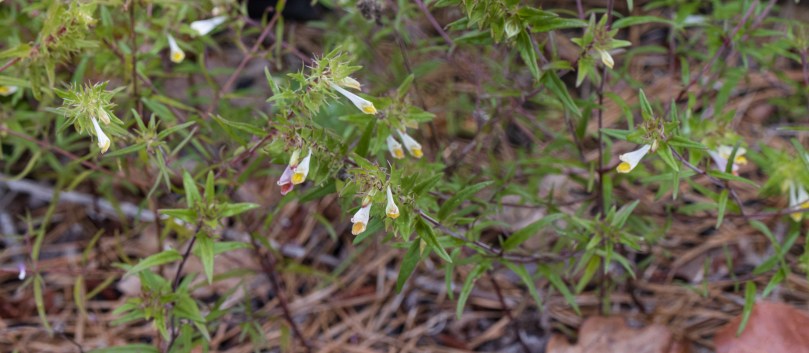
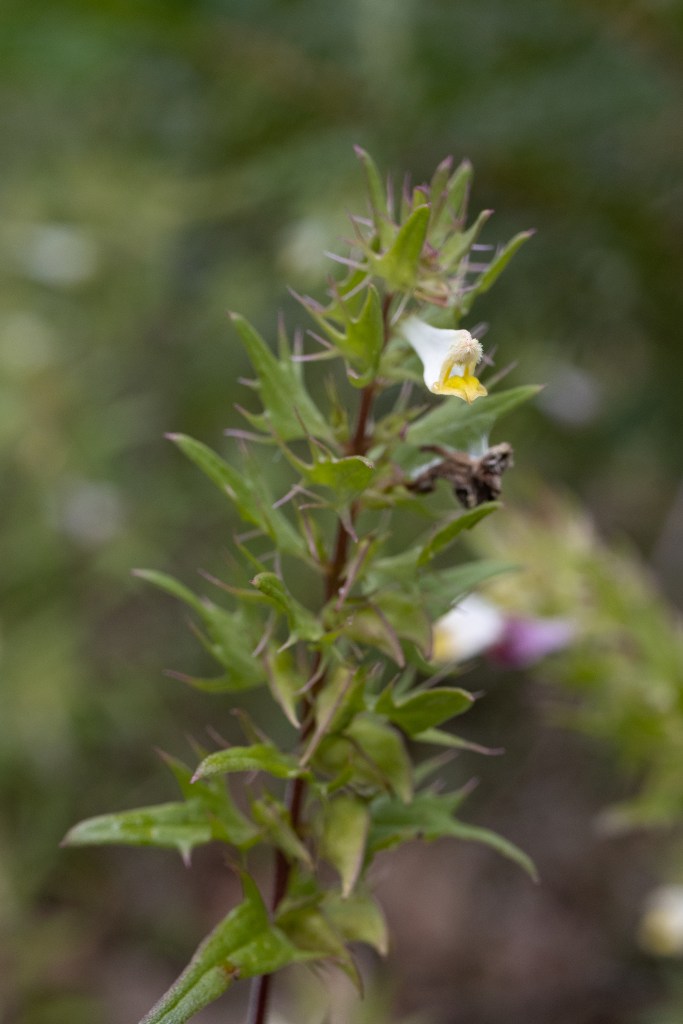
Narrowleaf cow-wheat is a native herbaceous hemiparasitic annual. Its root structure invades the roots of other plants and allows it to extract nutrients from them. Cow-wheat can be found in common well-draining parts of New Jersey. These were near a cranberry bog along a roadside.

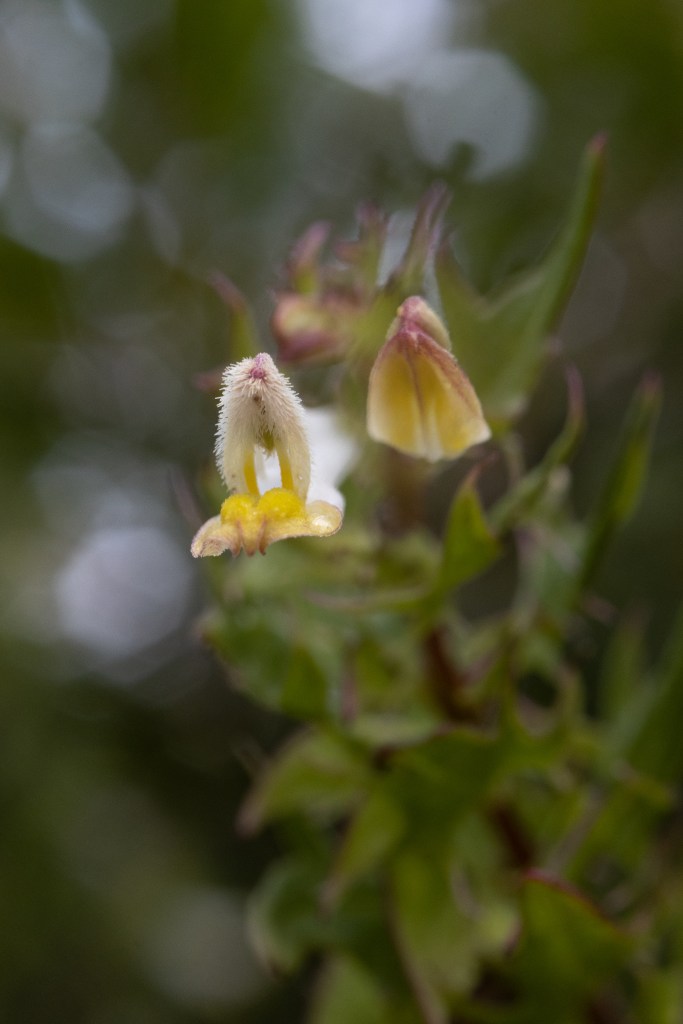
The flowers are interesting to look at, mainly because of their drawbridge-like bud opening! They are easy to miss if you don’t look for small flowers around you.