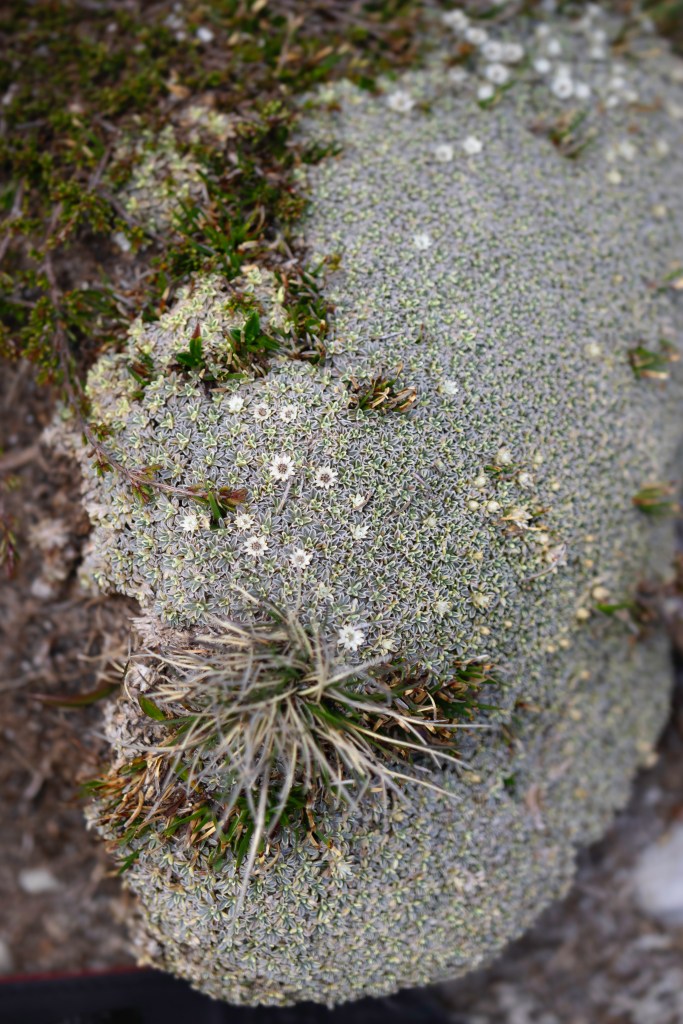
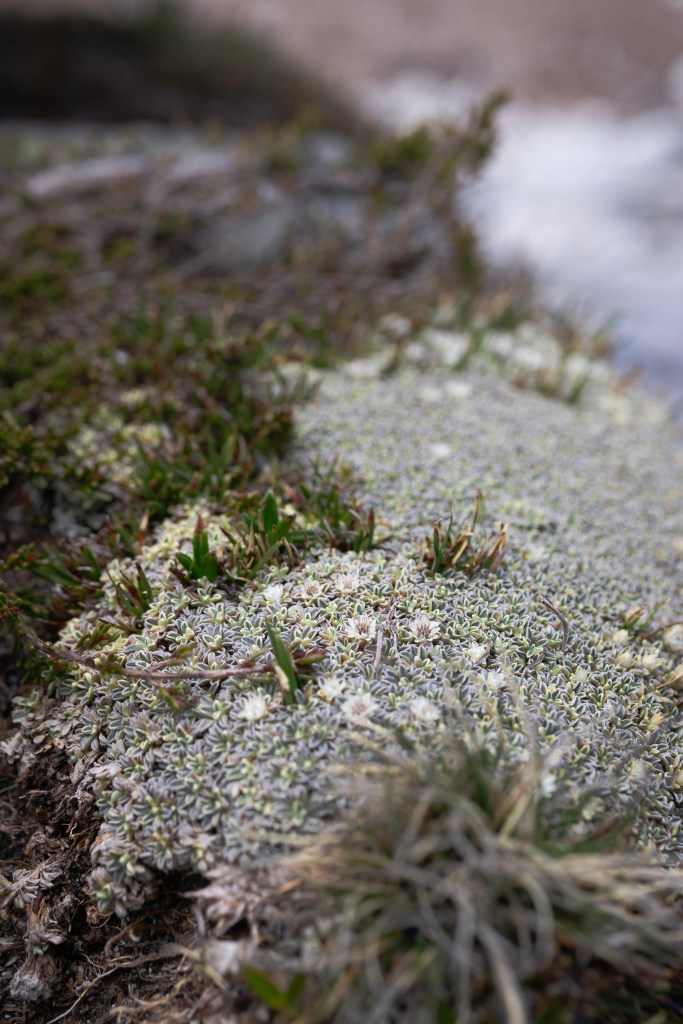
Ewartia meredithae (Rusty Cushion plant)

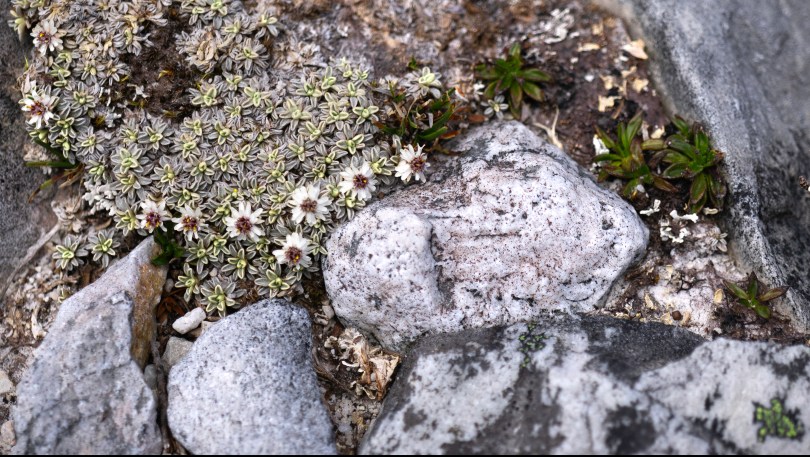
Now and then, you meet a plant that genuinely surprises you with its resiliency! Ewartia, or cushion plants, endemic to Tasmania, are compact, low-growing plants that form tightly packed stems. They grow hemispherical, which is characteristic of cushion plant species. It can spread a meter in diameter, creating adventitious roots along its branches! Tasmanian cushion plants evolutionarily converged due to wind activity at high altitudes. High winds blow anything away that grows too tall.
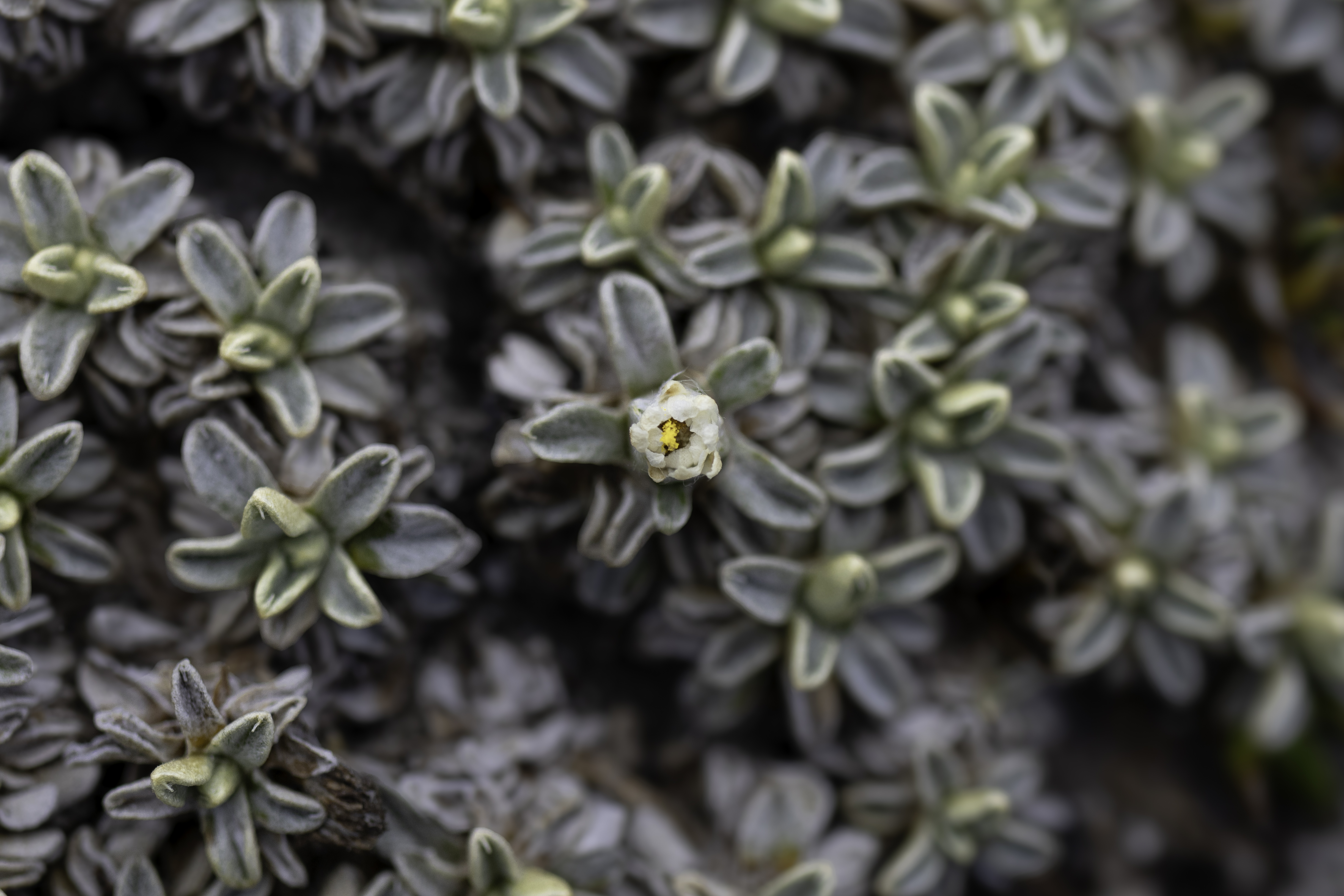
Cushion plants do not form a taxonomic group but describe an excellent example of convergent evolution. Plants growing in harsh environments have evolved similar adaptations of forming compact masses of closely spaced stems. They grow in environments with limited soil formations and low water retention. By developing close to the ground, they minimize wind-based water loss. Because they grow in harsh environments, they have little competition for sunlight and can afford to lose height.

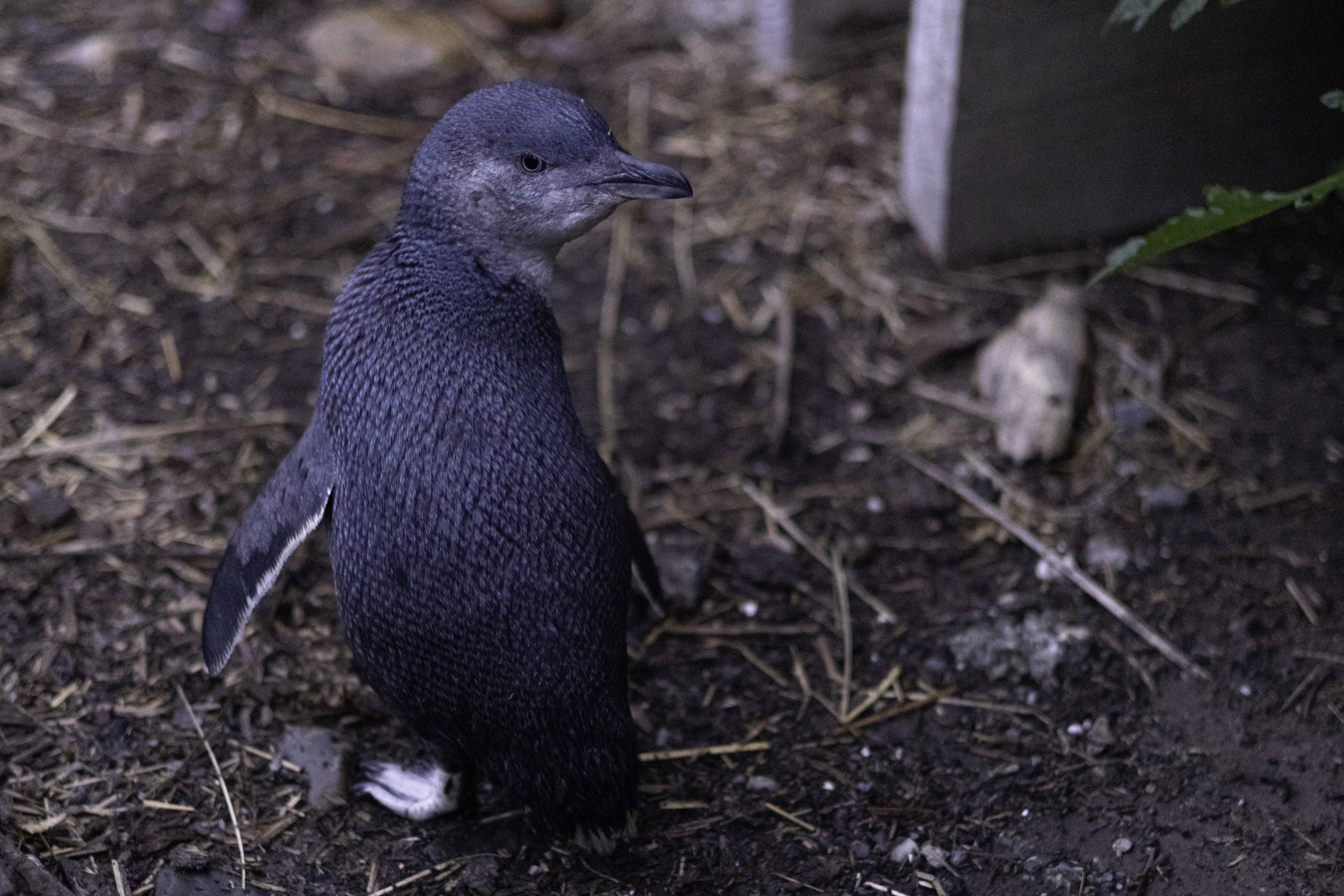
Eudyptula novaehollandiae (Australian little penguin)

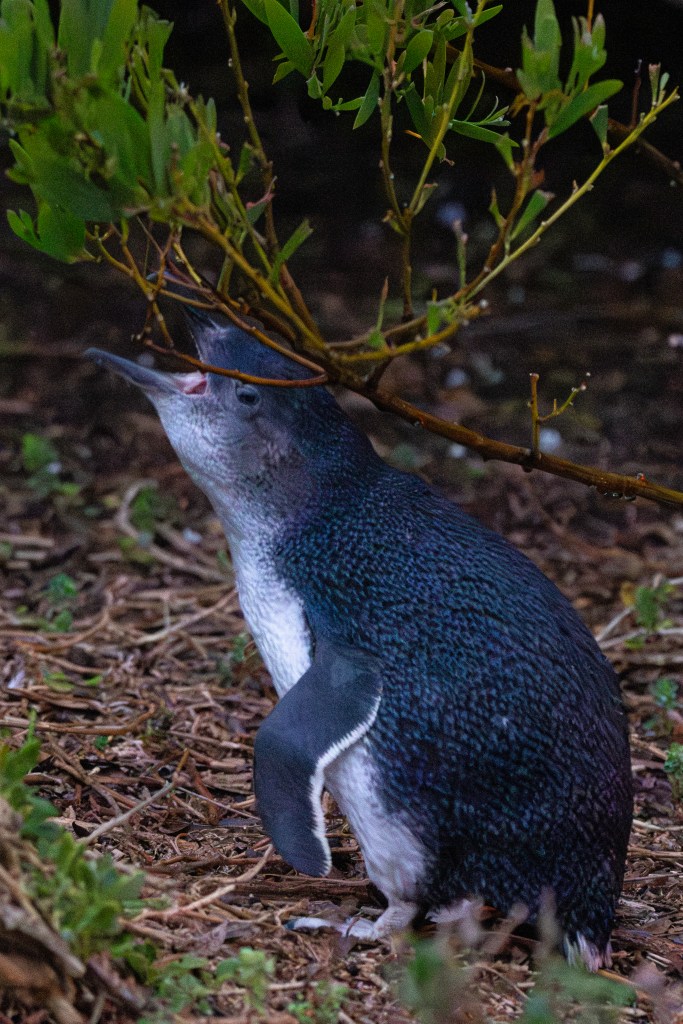
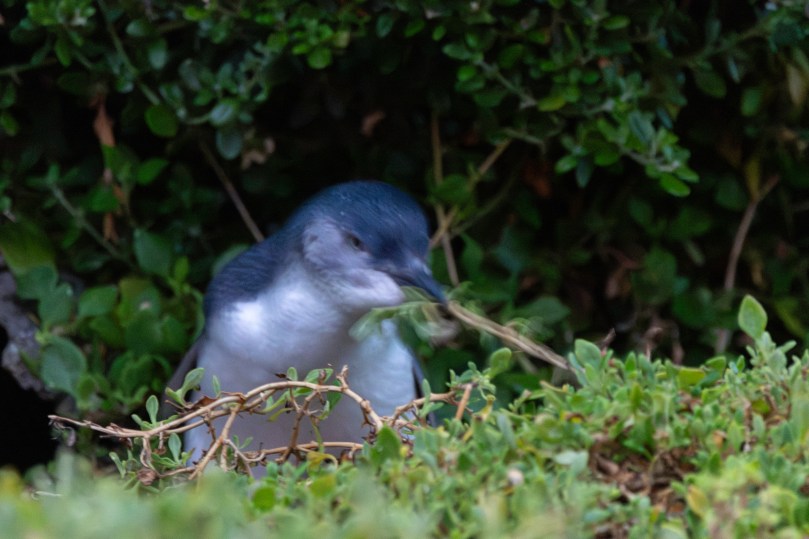
Australian little penguins, or blue penguins, are one of the smallest penguin species in the world, growing to about a foot. They were once considered a subspecies of the little penguin from New Zealand, but later, mtDNA revealed that the Australian little penguins are a species of their own. Other than their behavioral differences, a critical difference between the two little penguin species is the striking blue plumage of the Australian species.

Little penguins spend most of their day in the ocean. During breeding season, the adults leave their chicks in their nest for the day as they head out into the sea to forage, returning at night to feed their young. One behavioral difference between New Zealand and the Australian penguin is that the Australian blue penguins come ashore in small groups, possibly to protect against predatory marsupials that did not exist in New Zealand.

The blue penguin is native to southern Australia, including Tasmania, where these cranky juveniles were photographed waiting impatiently for their parents to return! They are also found in the Otago region of New Zealand.