Archilochus colubris (Ruby-throated Humming bird)

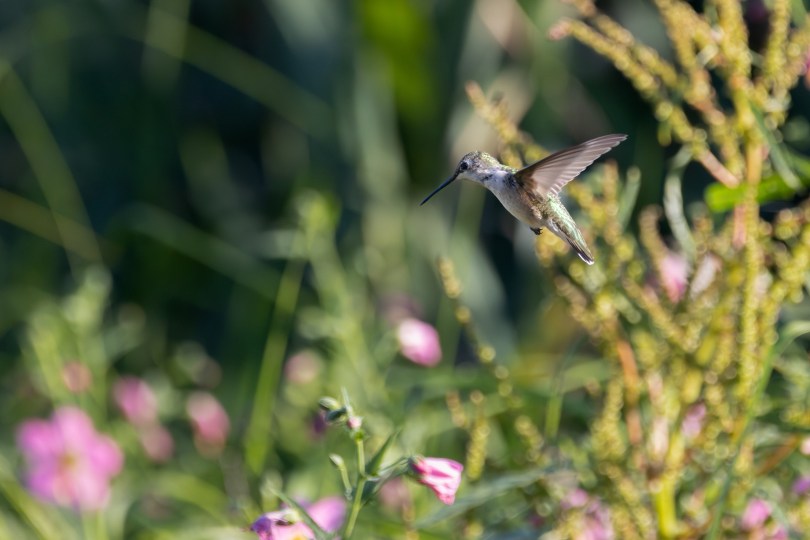
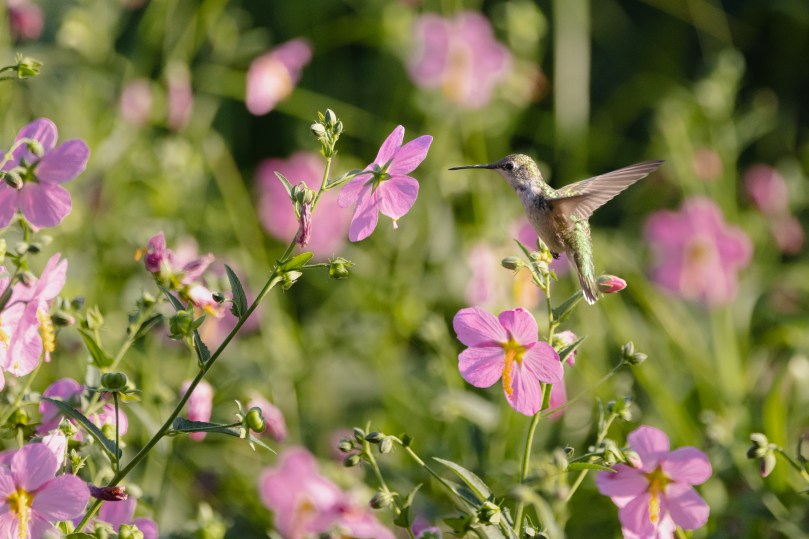
Every amateur nature photography enthusiast dreams of capturing a hummingbird, having a snack, or hovering between sips! These tiny, unique, buzzing birds can move incredibly fast, making them photograph slightly harder. I am so happy to have captured this female feasting on a field of Saltmarsh Mallow.
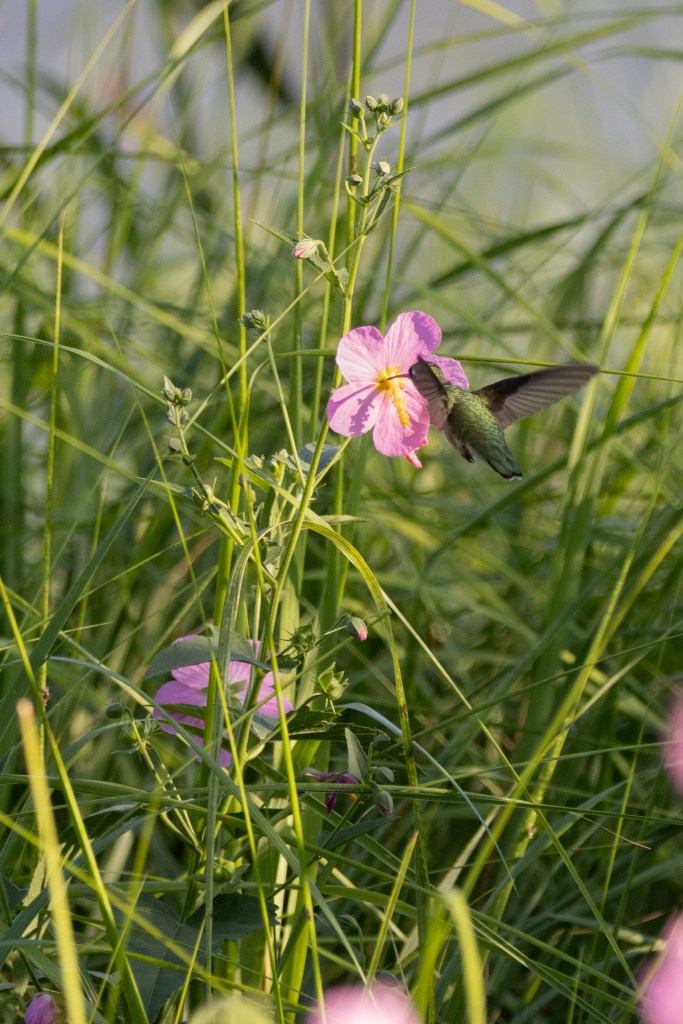
The ruby-throated Hummingbird (Archilochus colubris) is a small, beautifully colored bird native to North and Central America. Despite its tiny size, it is a migratory bird, migrating vast distances from central America to its breeding grounds in North America.

During migration, some birds living further south of Florida must migrate over 900 miles non-stop to cross over the Gulf of Mexico from Mexico into the eastern United States.
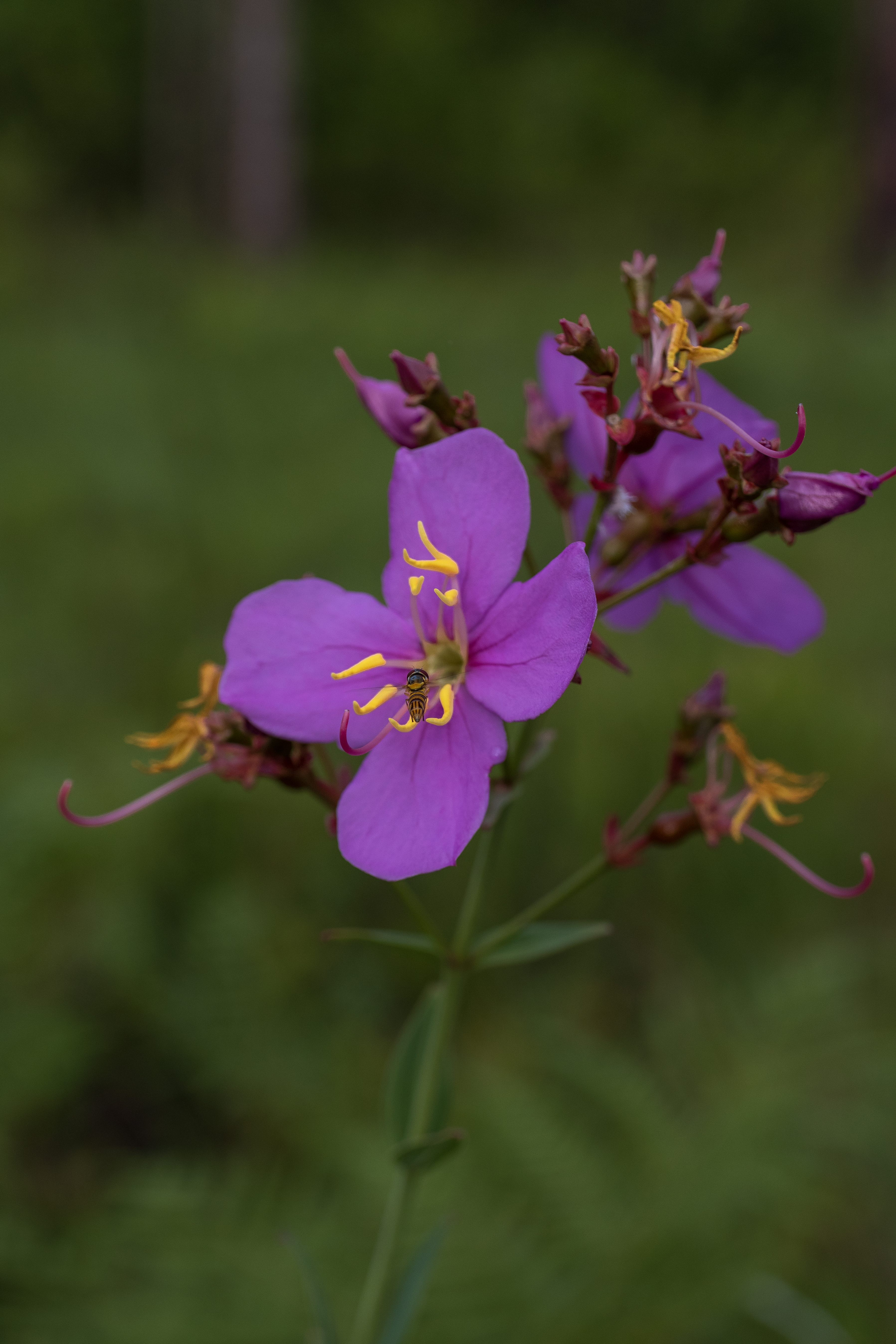
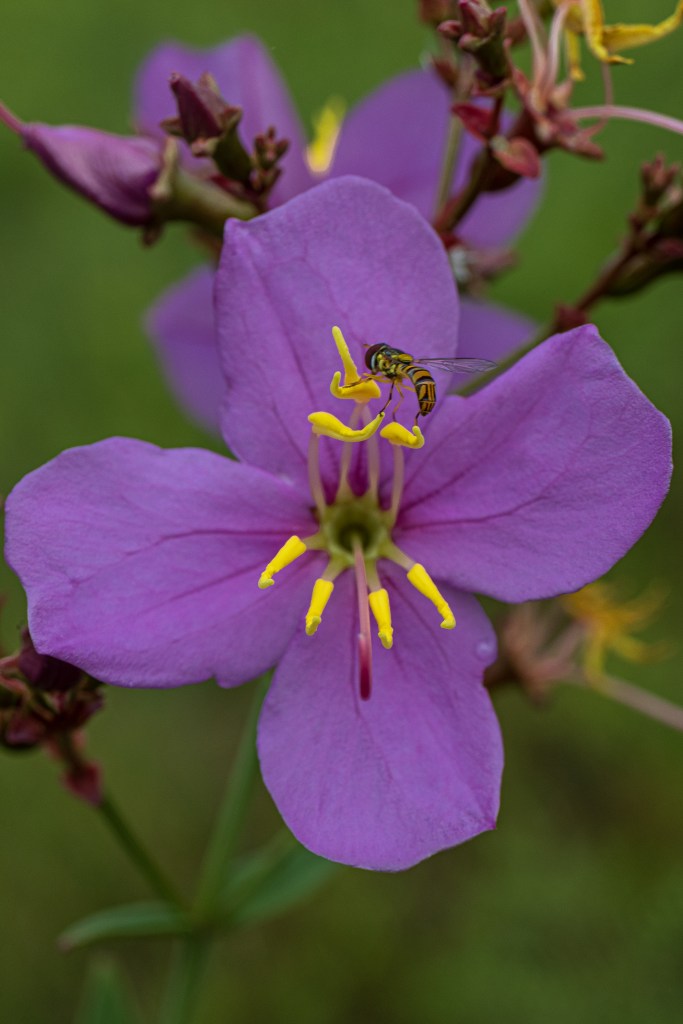
Rhexia alifanus (Savanna Meadow Beauty)

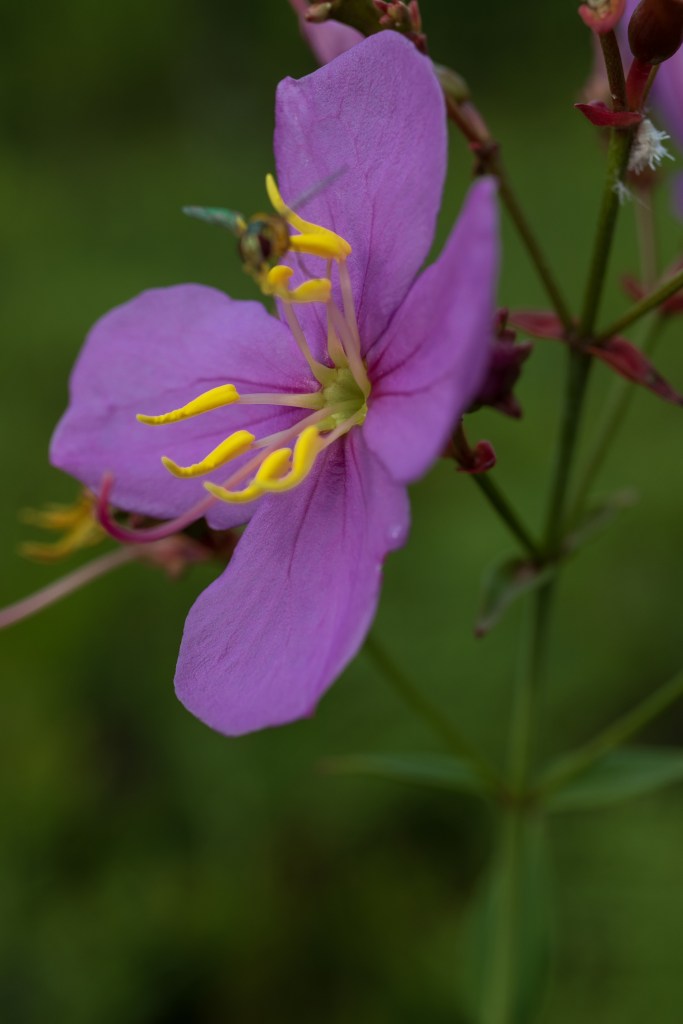
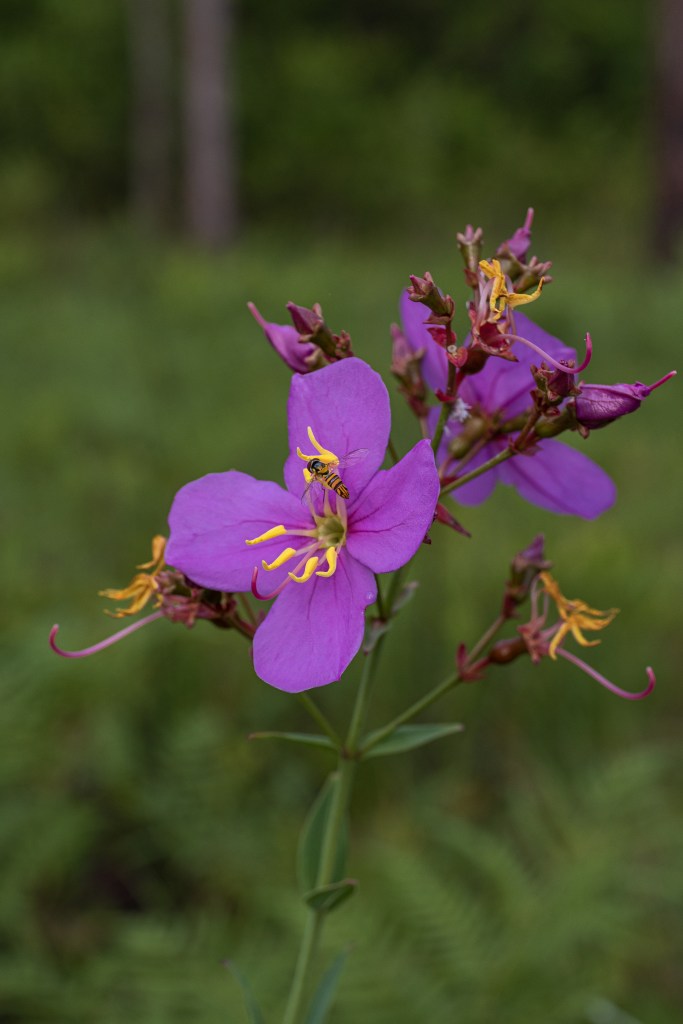
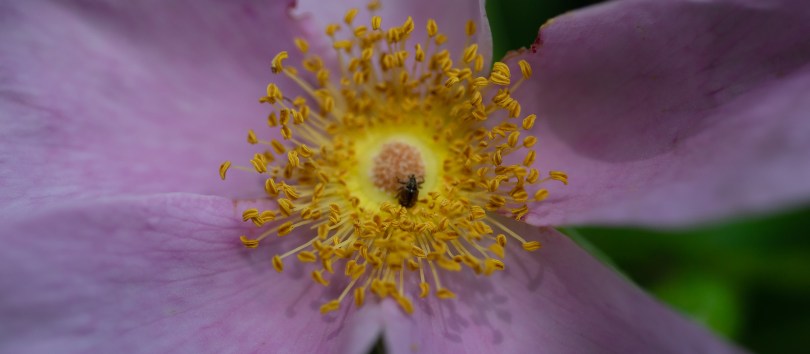
An Oblique Stripetail Hoverfly prepares to land on a Meadowbeauty.

Savanna Meadowbeauty is a striking wildflower found from North Carolina to Florida, and west to Texas. In North Carolina they grow near the coast, these were growing in the green swamp preserve alongside various carnviorous plants and orchids. The flowers are striking and attract pollinators. I was lucky enough to photograph an Oblique Stripetail Hoverfly flying around flowers searching for a reward. Swipe through them to see what the hoverfly was up to!

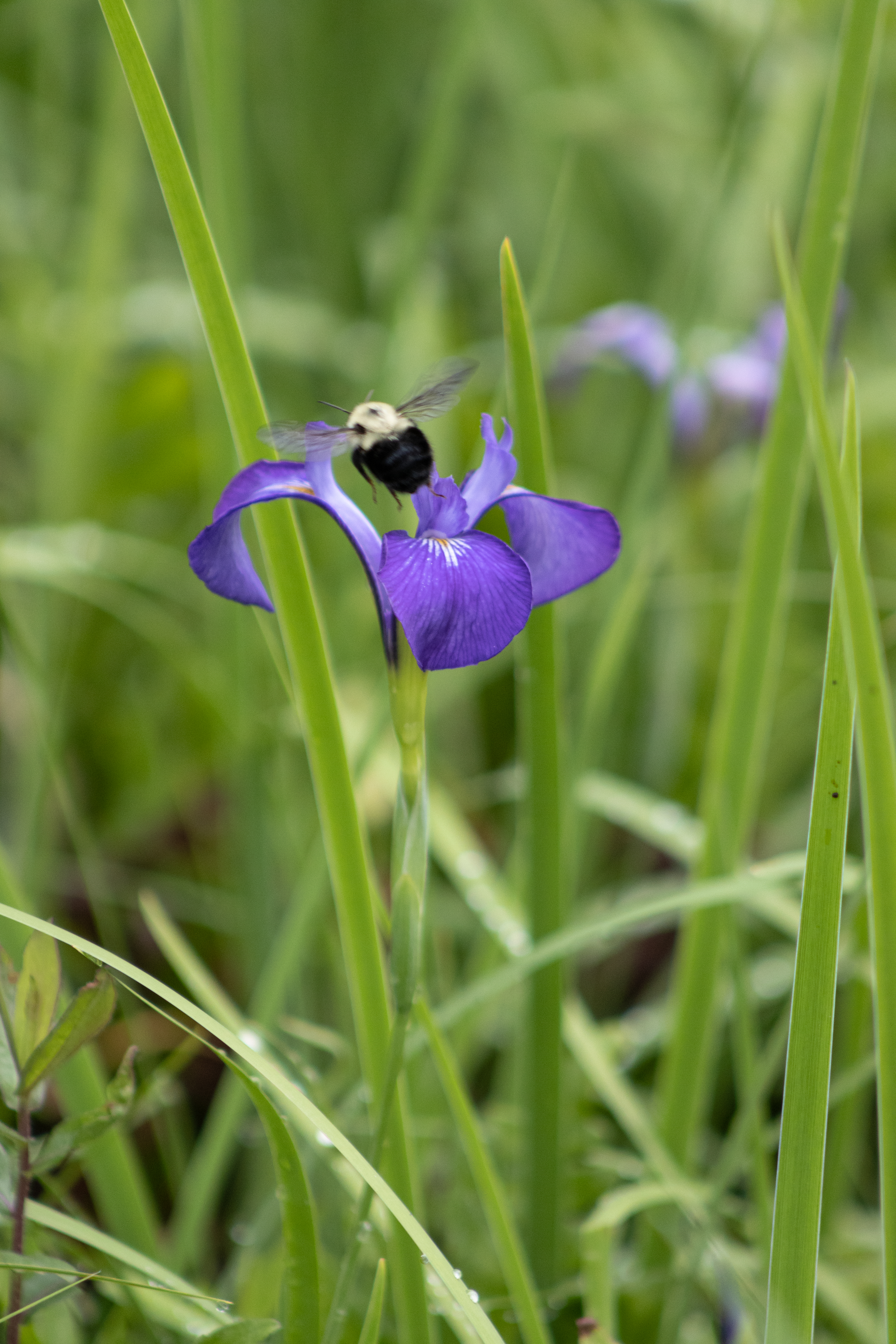
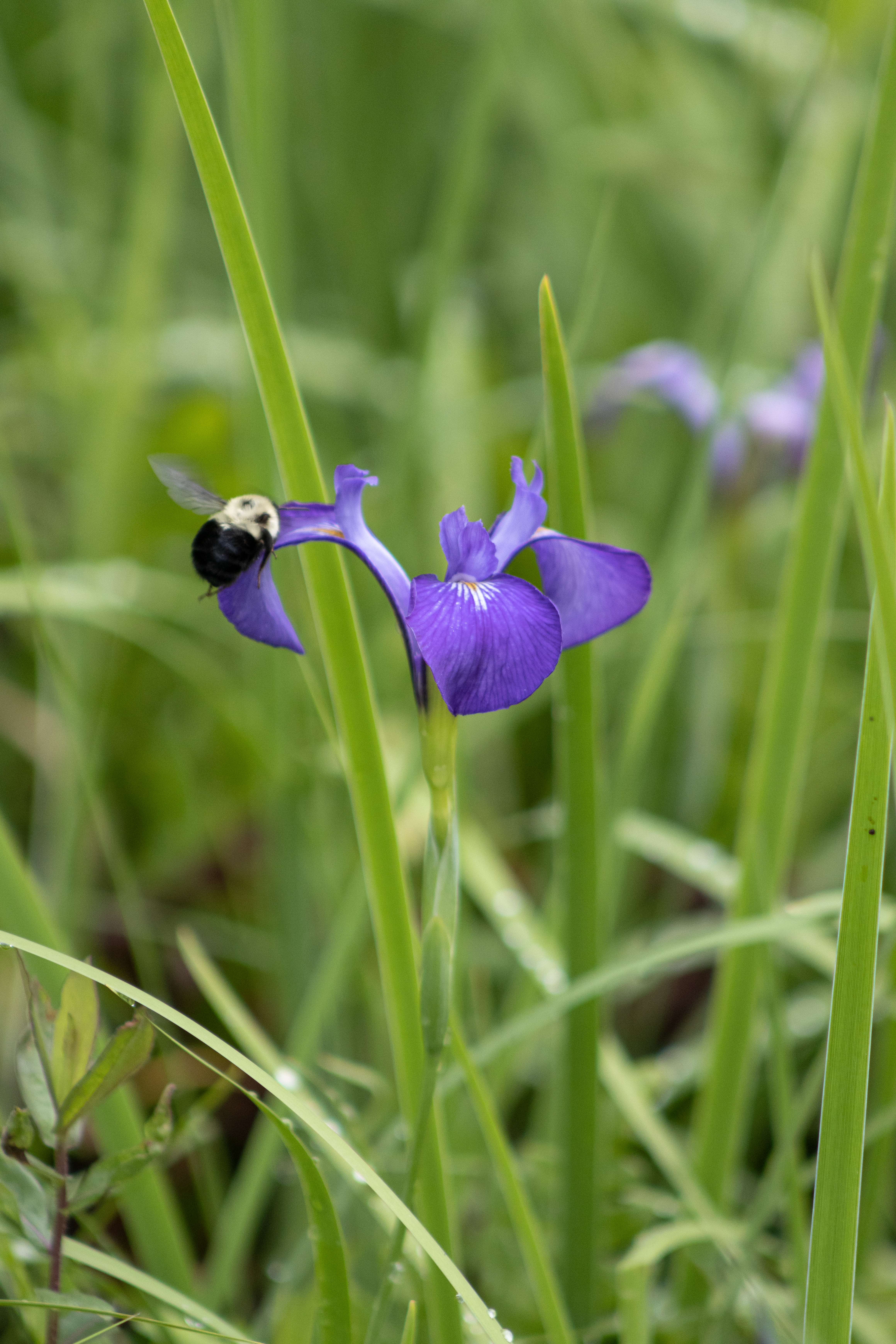
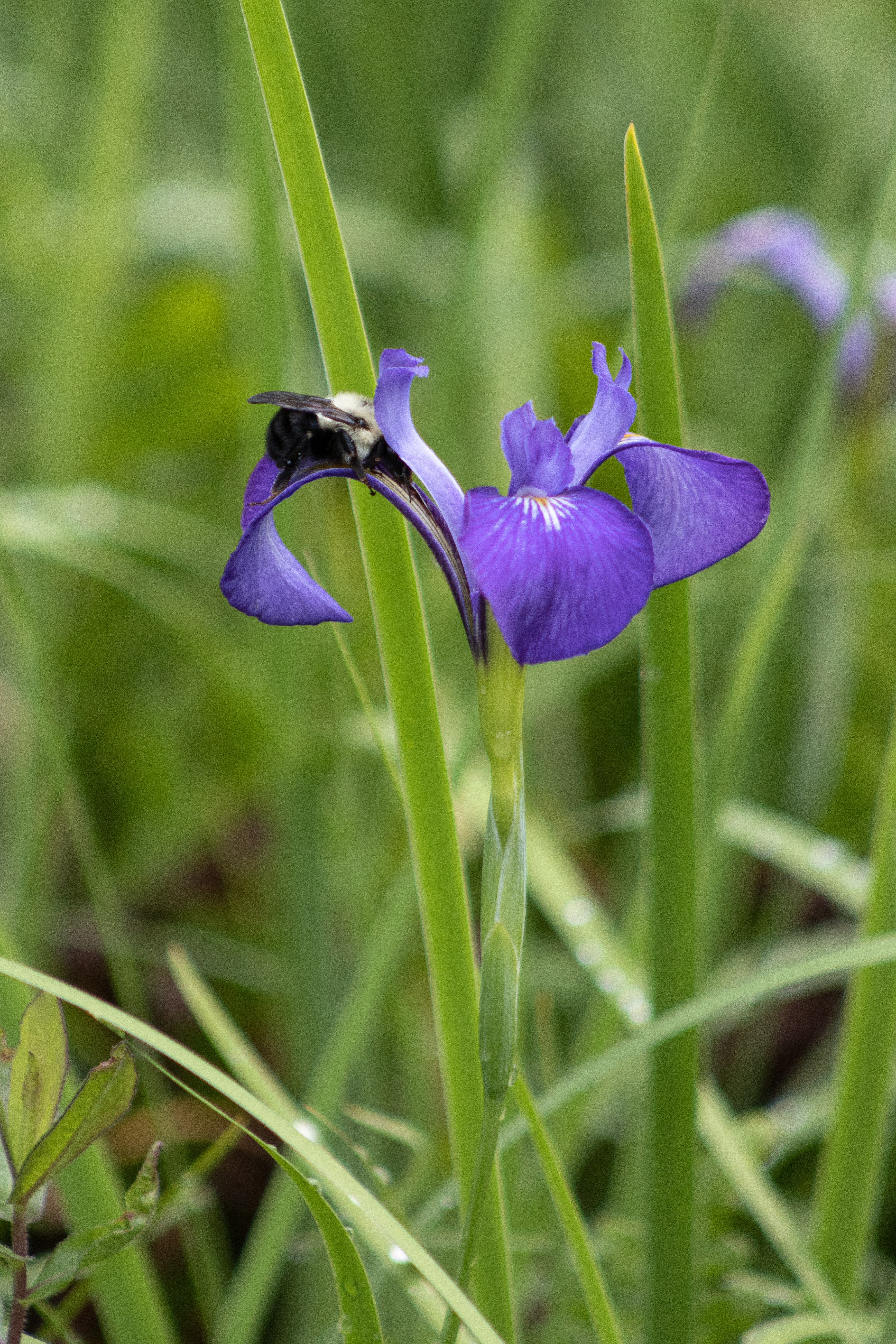
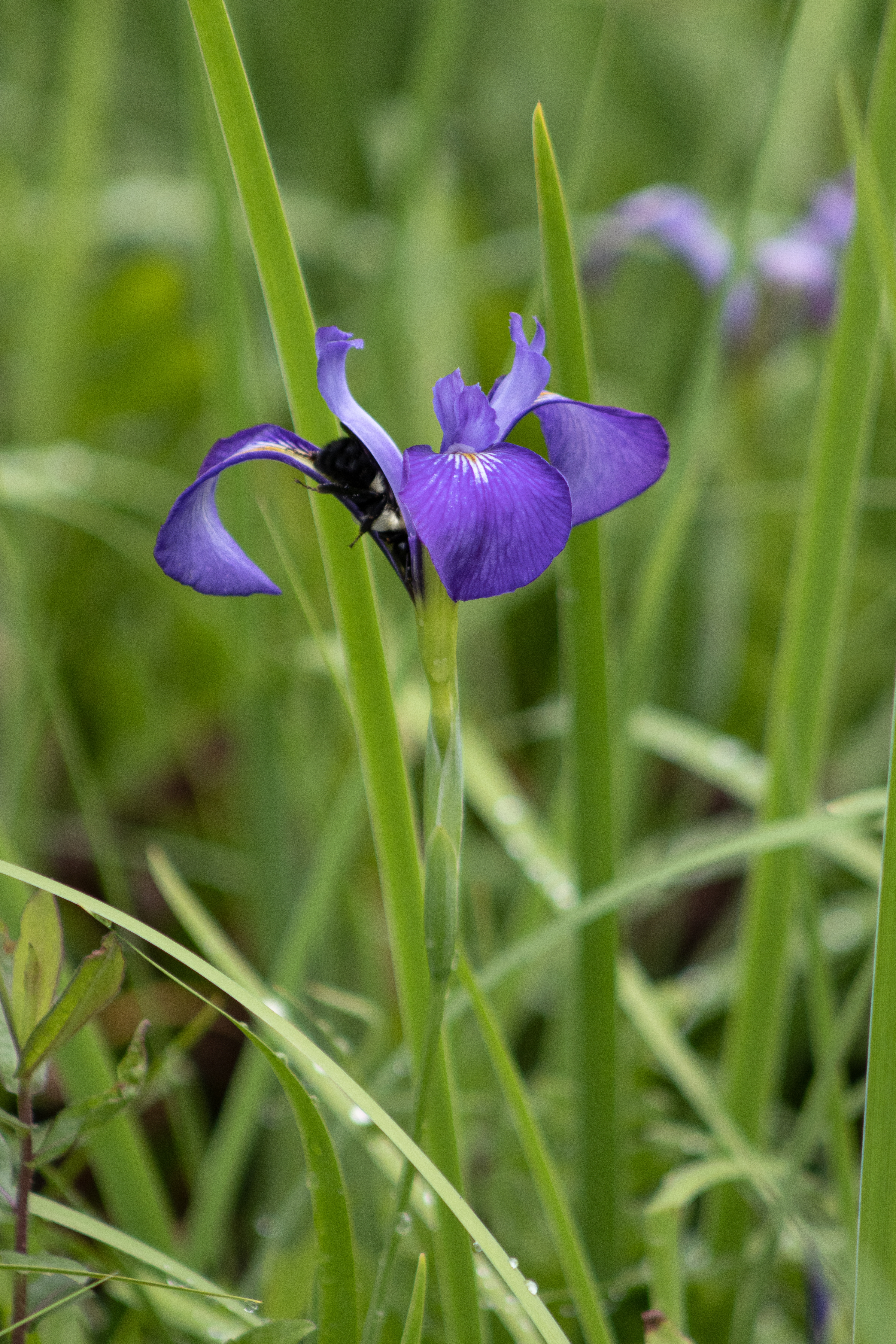
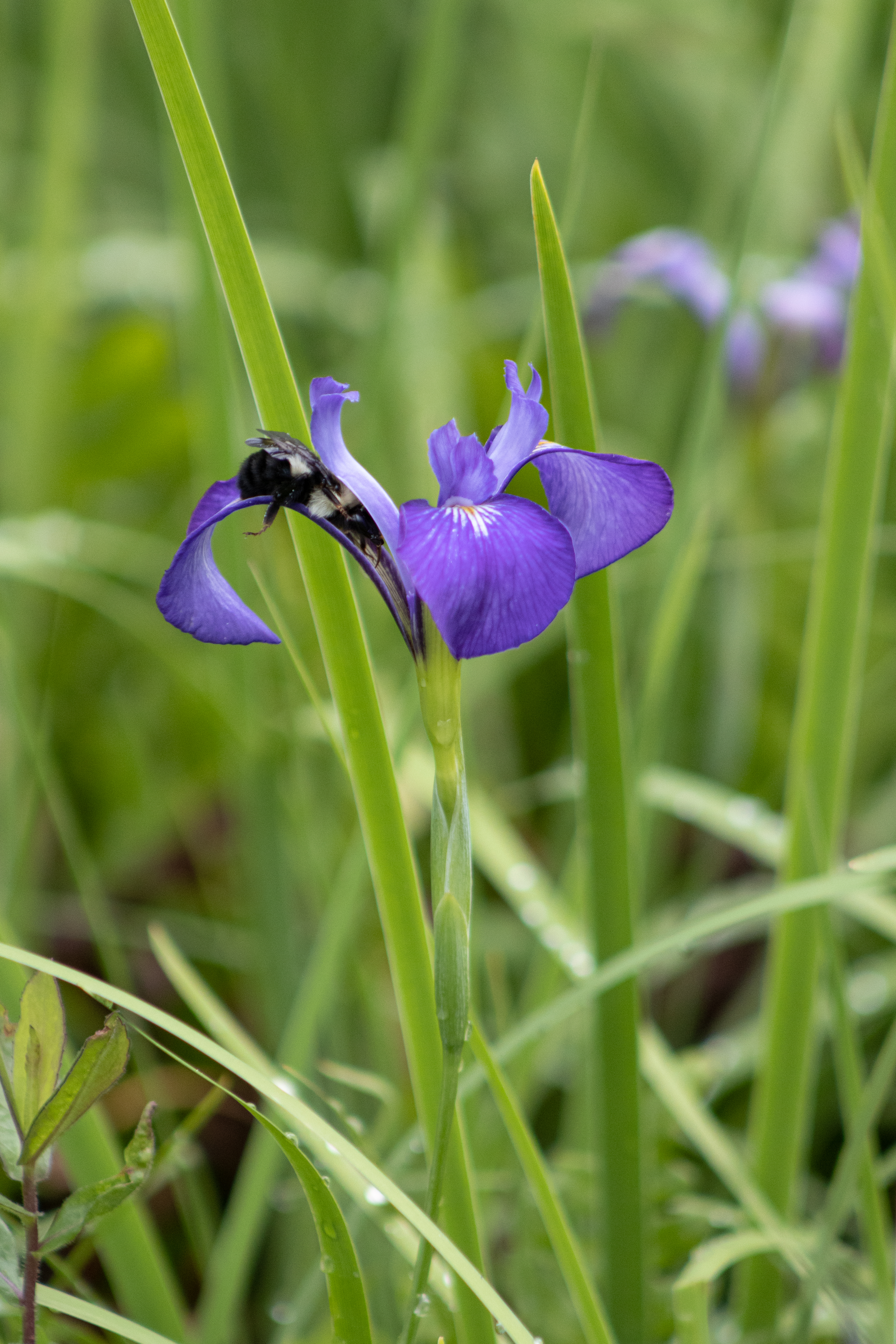
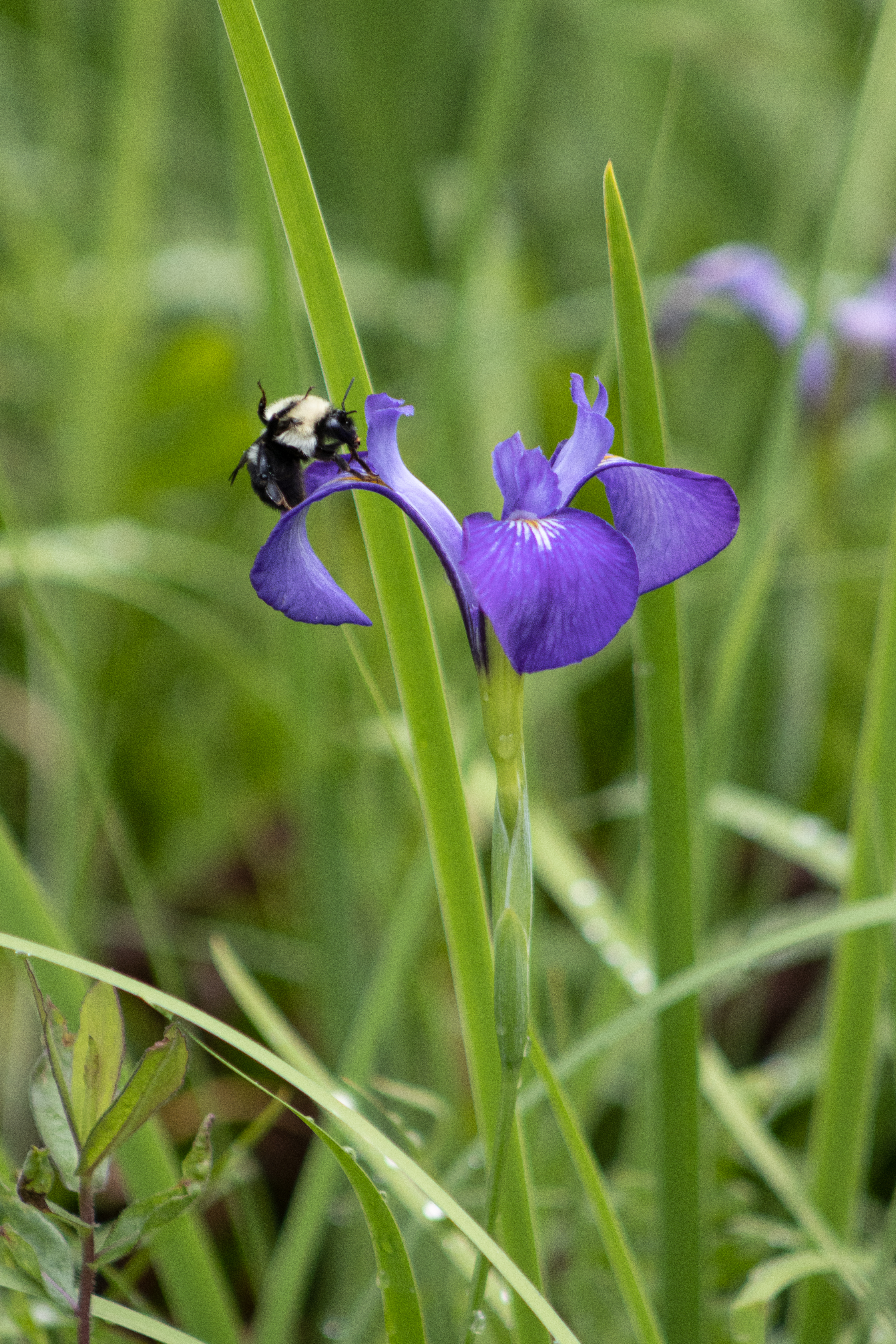
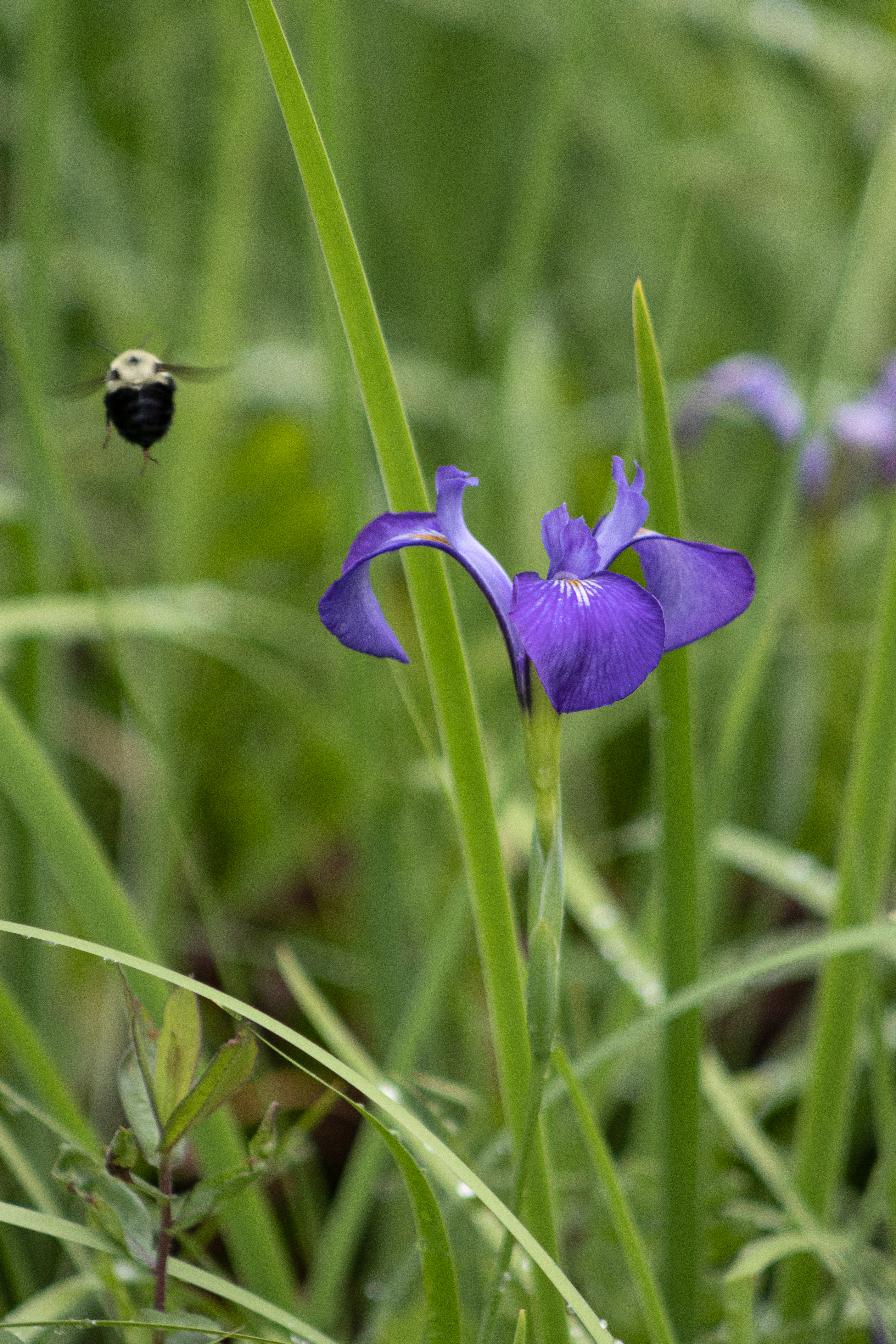
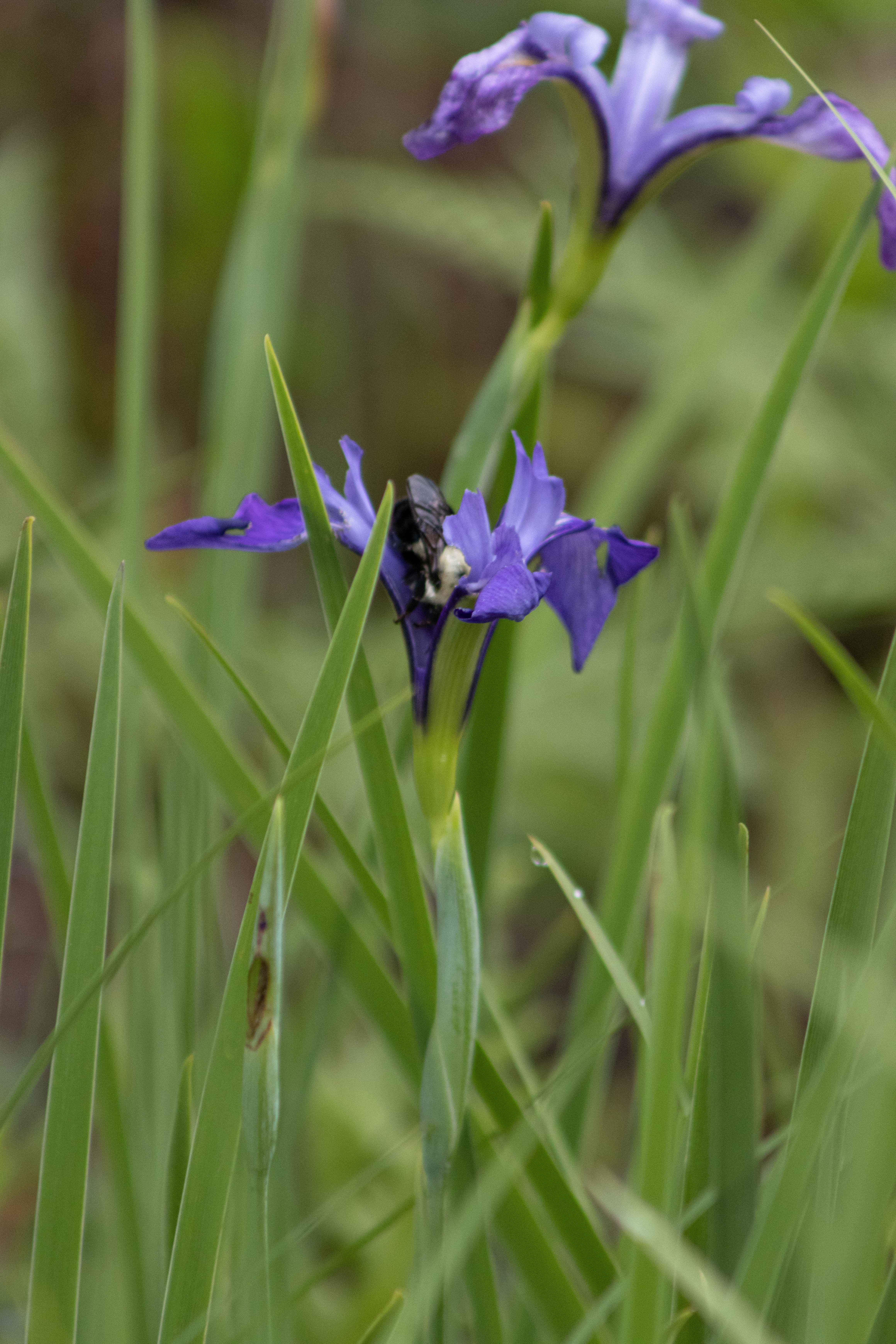
Pollination of Savanna Iris (Iris tridentata)

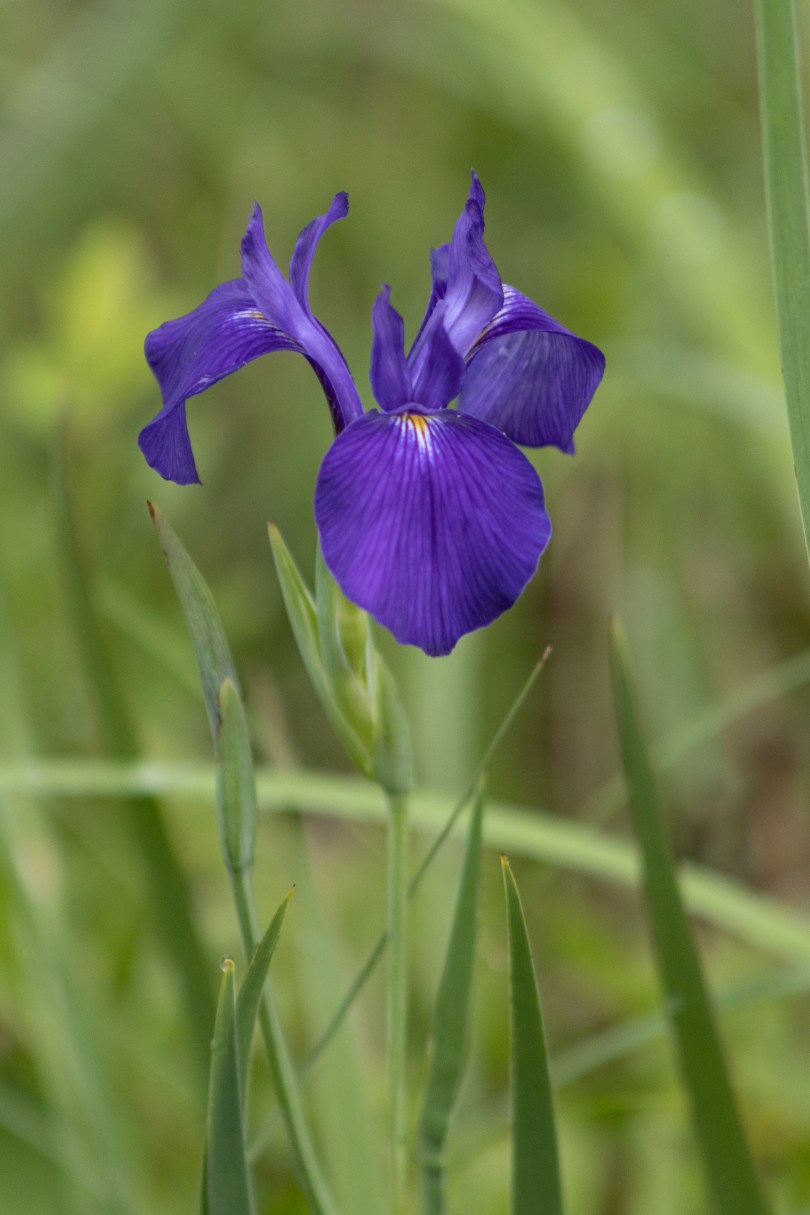
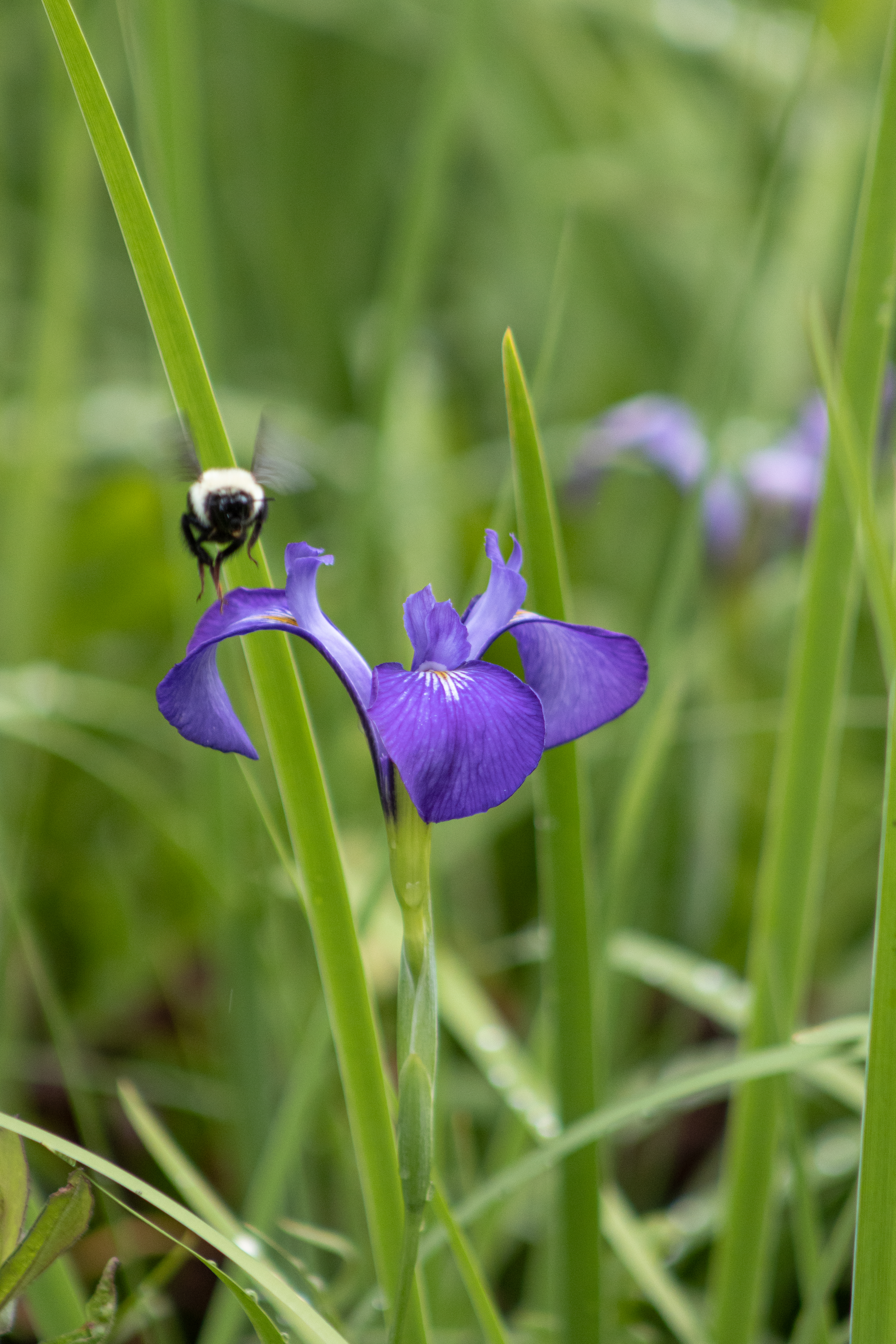
Previous version of this post had termed this Iris as the invasive “Siberian Iris”, but according to iNat, this is a native Iris species called Savanna Iris (Iris tridentata) . Besides plant life, I like to document the creatures that surround and depend on them, and this hard-working bumble bee deserves its give minutes of fame. I have previously also photographed a bee pollinating the grasspink orchid that you can see here.

As I was driving to the Green swamp preserve in North Carolina, I kept an eye on the roadside; some interesting plants grow by the side of roads inhabiting a disturbed space. Besides, ditches ran around the roads used to direct rainwater. The trenches thus provide a wet ecosystem for semi-aquatic plants to thrive. Driving by one of them, I saw a flash of blue that needed closer inspection. I had initially hoped it would be the native Irises like the ones I had documented earlier but turned out to be similar-looking Siberian Irises. I am glad to now know that I had actually seen a possible pollination event of the Savanna Iris.
Luckily for me, there were plenty of bees working on these flowers in the early cloudy summer morning, perfect for photography, lots of light for fast shutter speeds, but soft enough not to create contrast issues while editing! Enjoy the slideshow of the bee forcing itself inside the Iris!

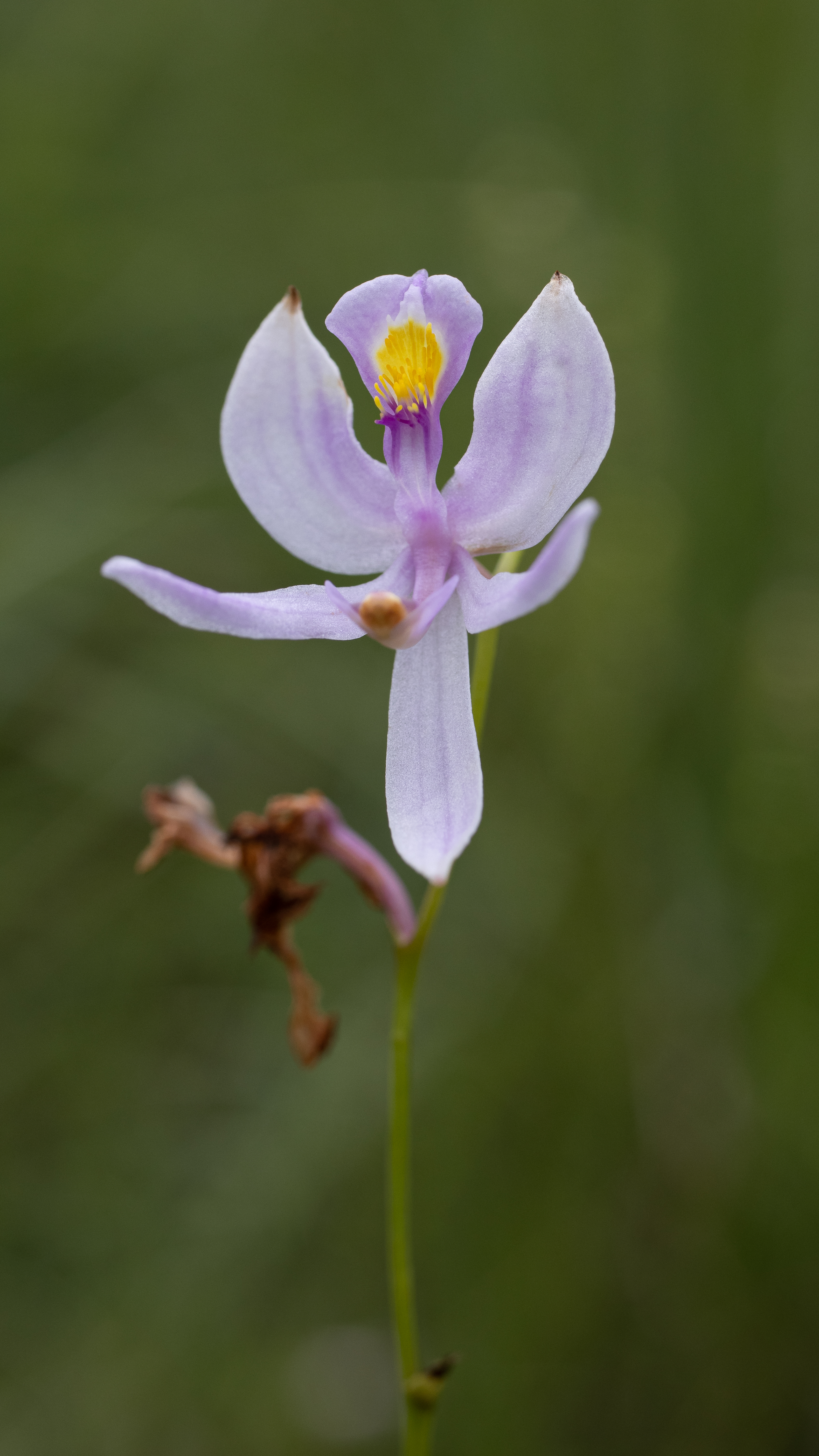
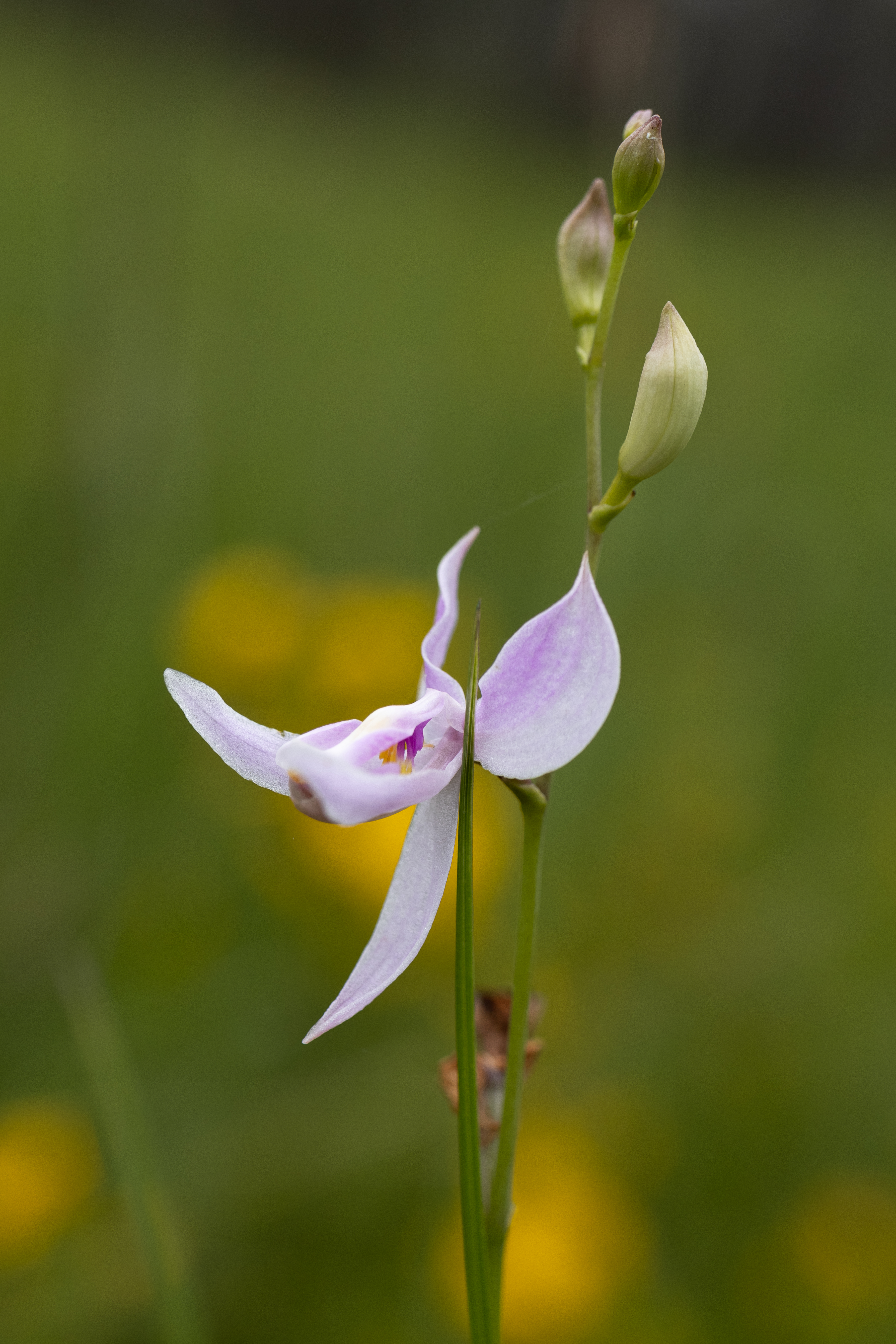
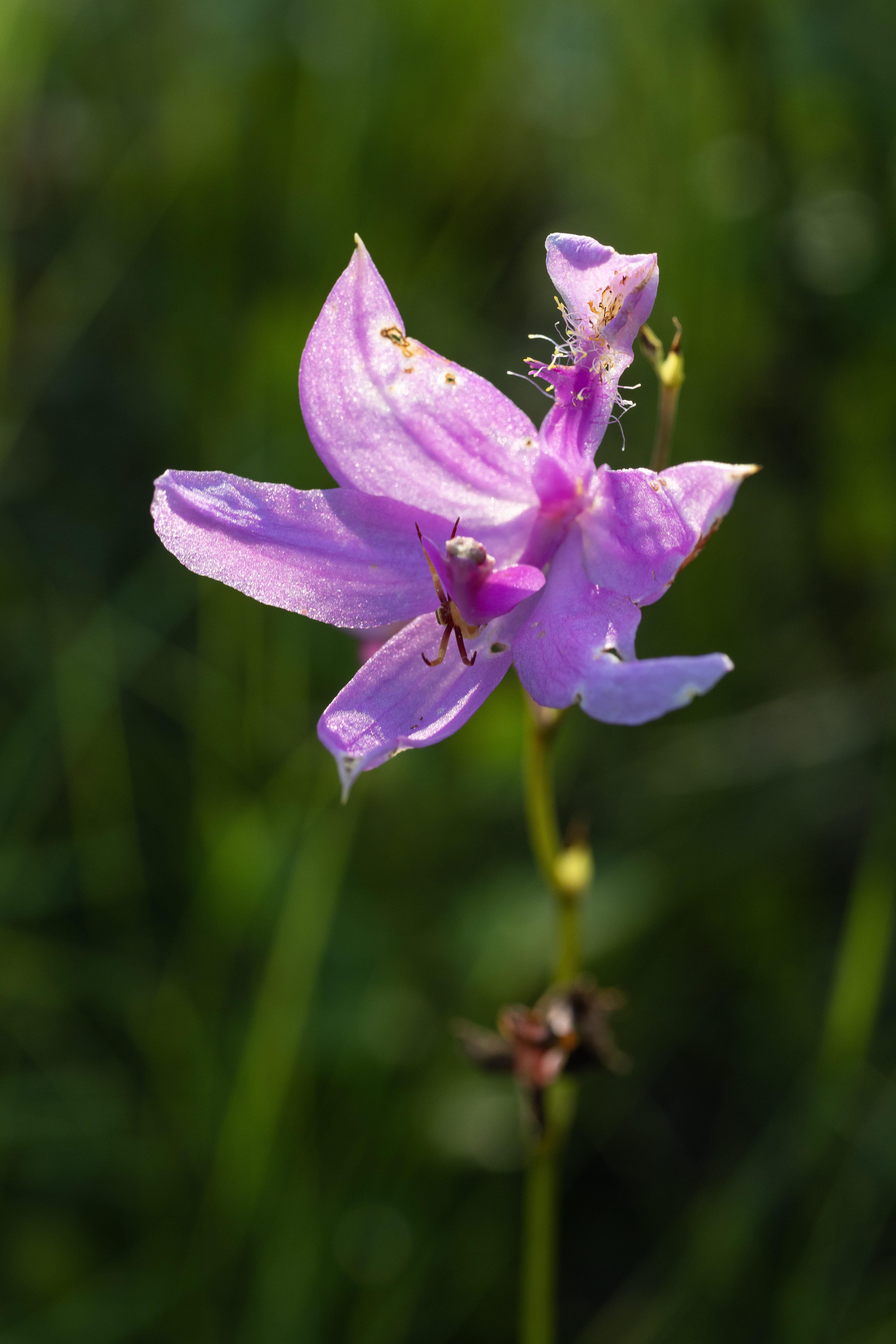
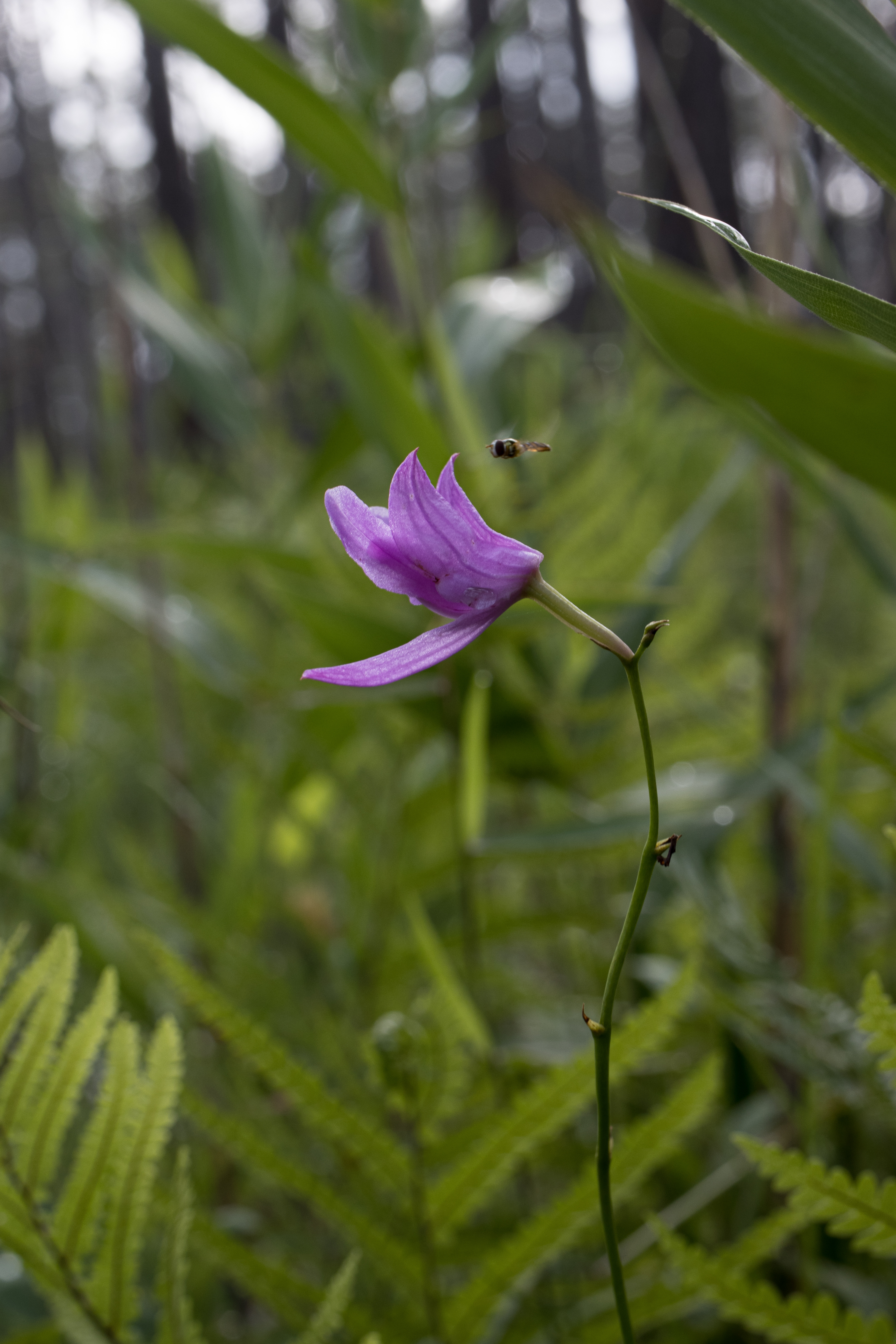
Calopogon (Grasspink orchid)

tuberous grass pink

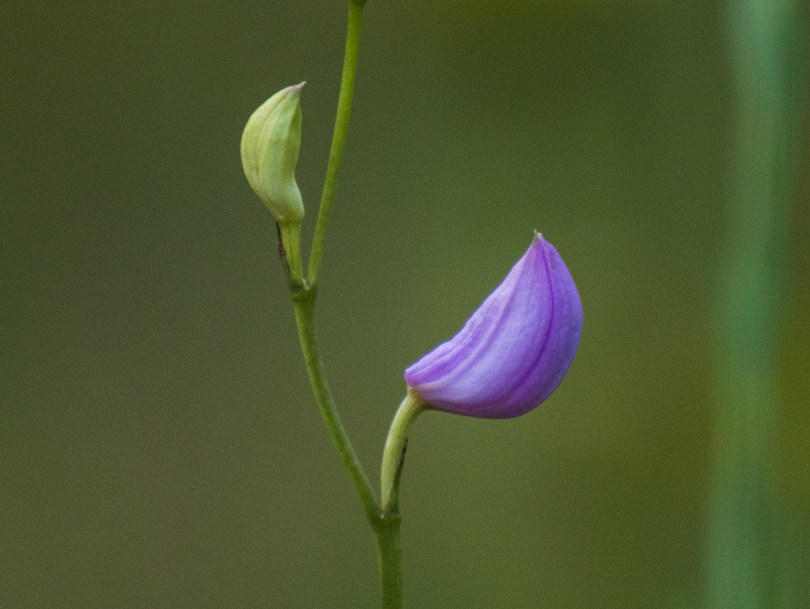
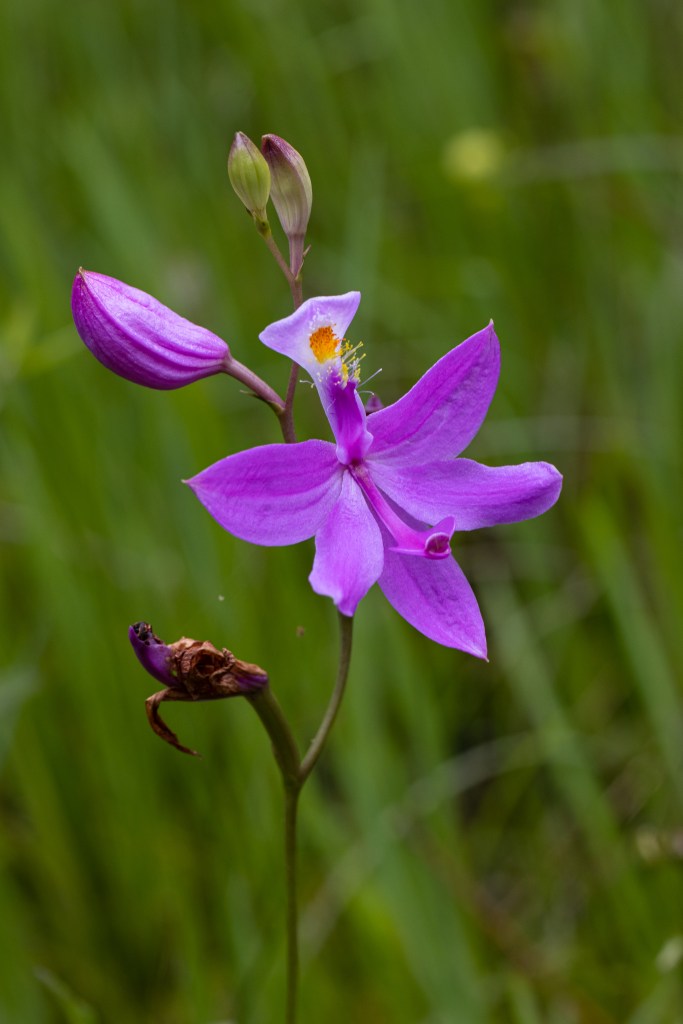
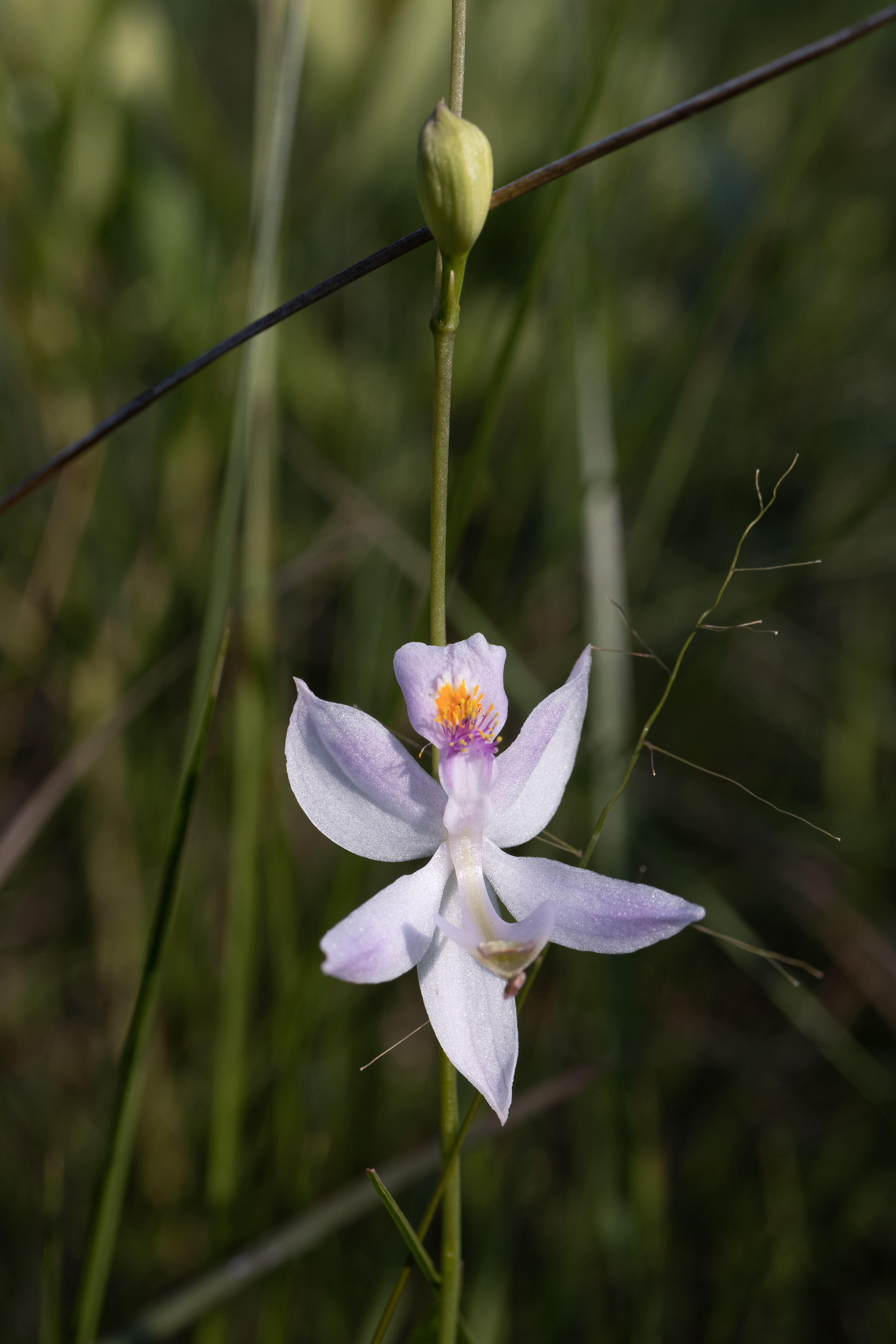
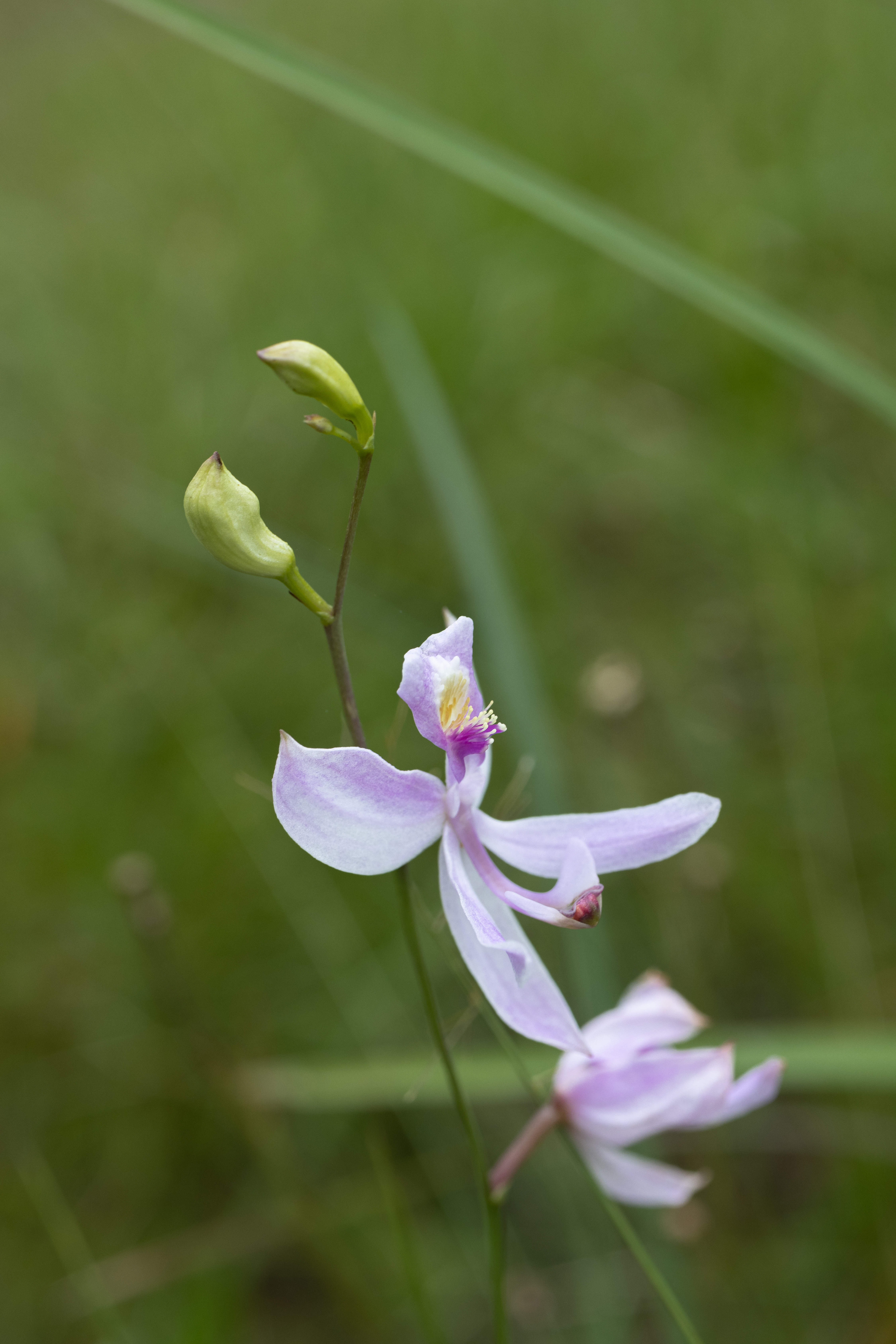
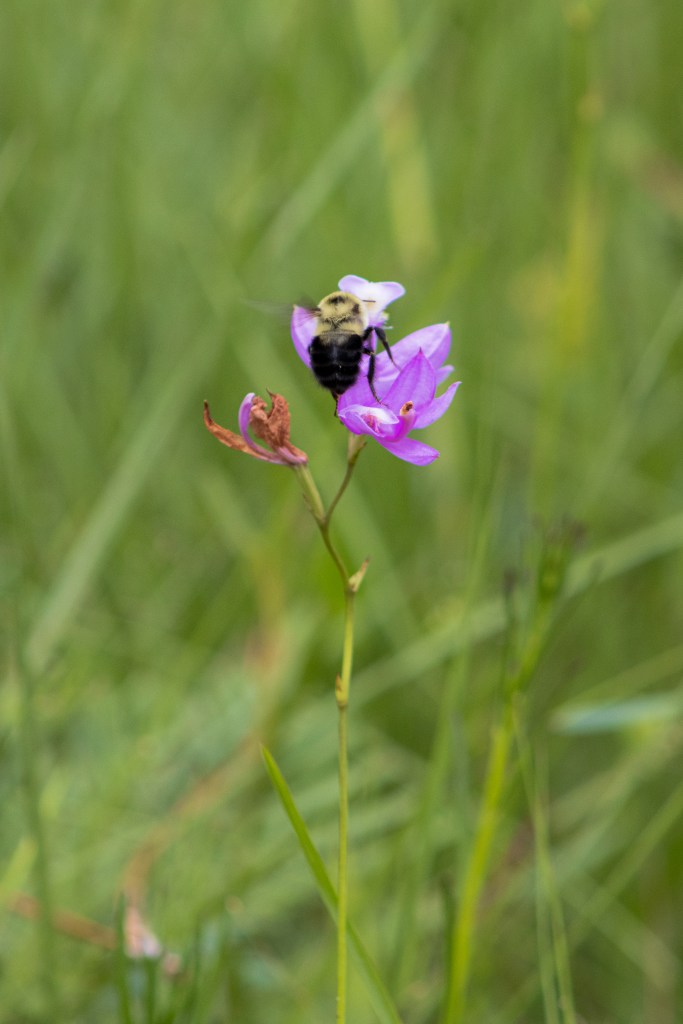
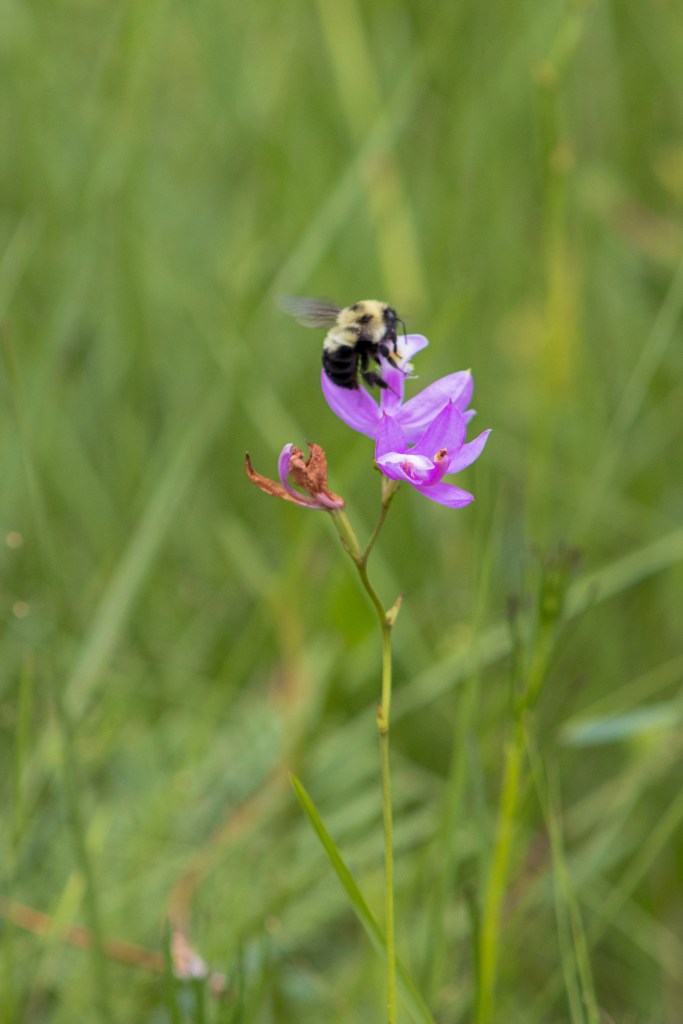
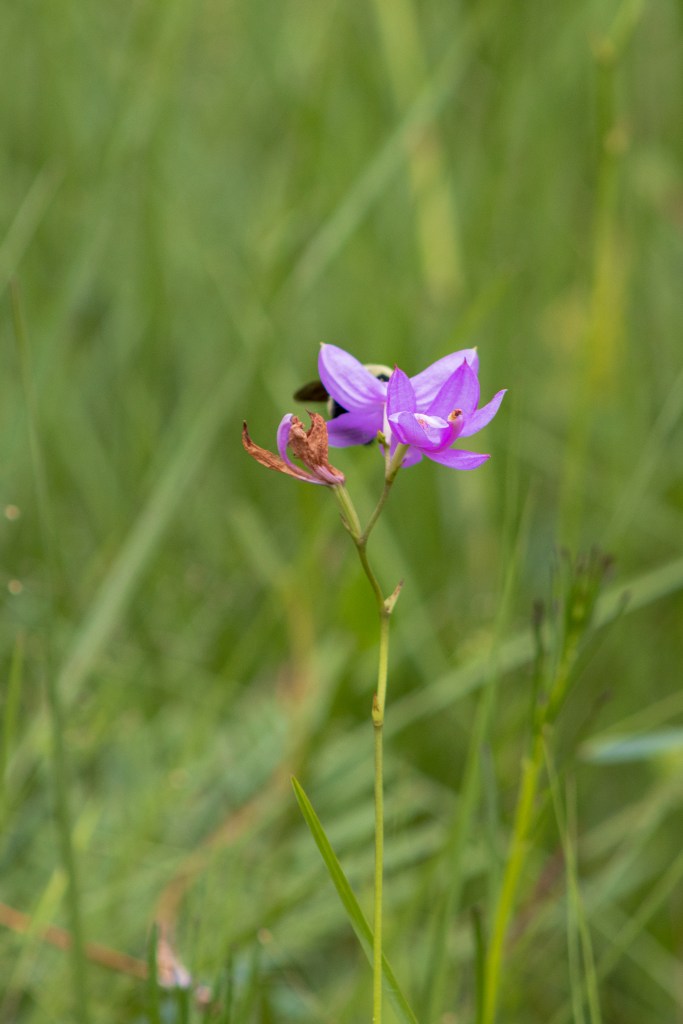
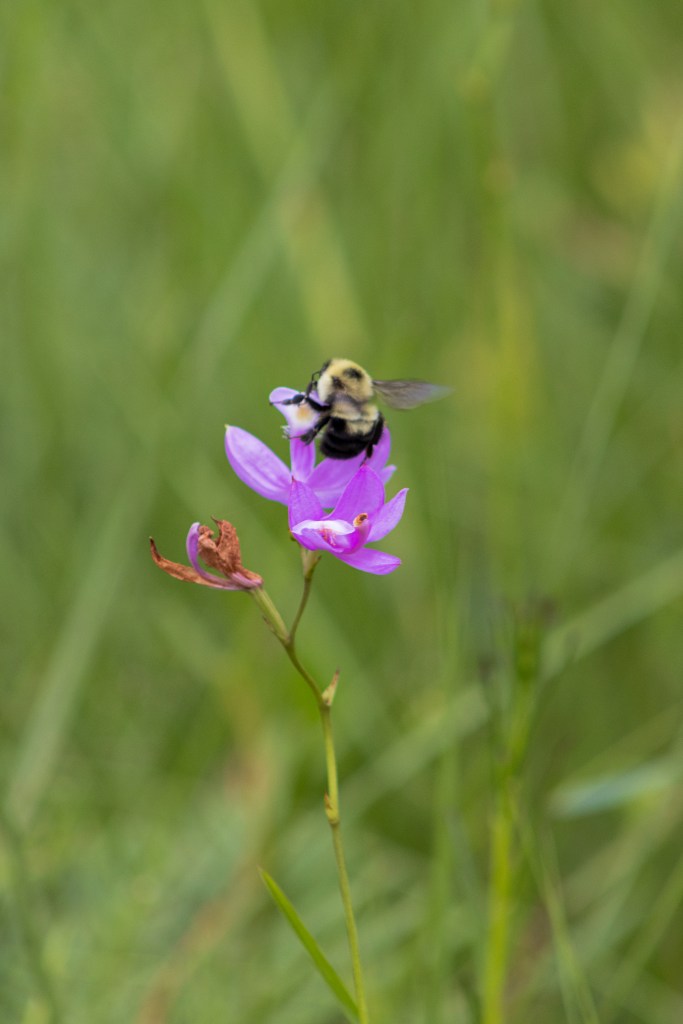
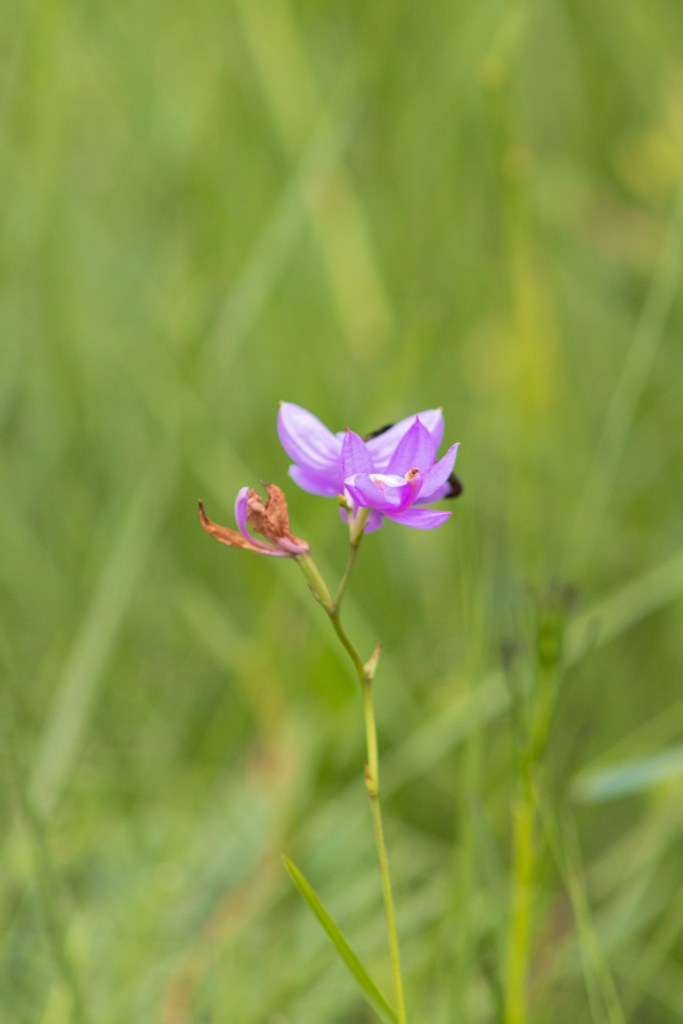
Calopogon, or the grasspink orchid, is a genus endemic to North America. The orchid is frequently found in wet, sunny bogs and marshy areas. The name is Greek and means “beautiful beard,” referring to the hairs found on its lips. Unlike most other orchids, the flowers of the Calopogon are non-resupinate

Found in my trip were the two grasspink species growing in North Carolina, the tuberous grasspink (Calopogon tuberosus), and the pale grasspink (Calopogon pallidus). The flowers within the species show considerable variation in color that made it hard for me to differentiate between the species, but iNaturalist was of much help. Shown here are more photos and their possible ids. Please correct me if they are wrong.

The flowers do not produce nectar or offer a reward to pollinators. Instead, the hairs on its lips trick bees into thinking there is pollen for the taking. From the bee’s weight, it falls onto the column letting the pollinia stick onto the bee. I was lucky enough to capture this poor bees misguided efforts to feed itself.

Helianthus decapetalus (thinleaf sunflower)

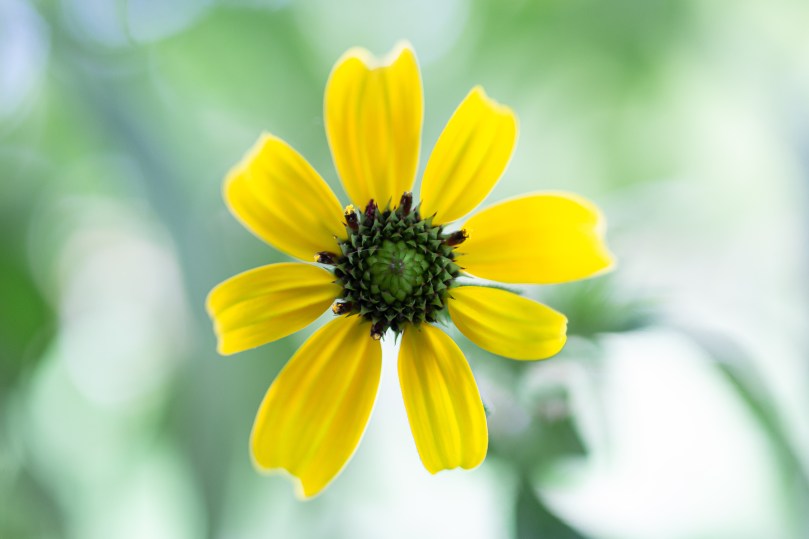
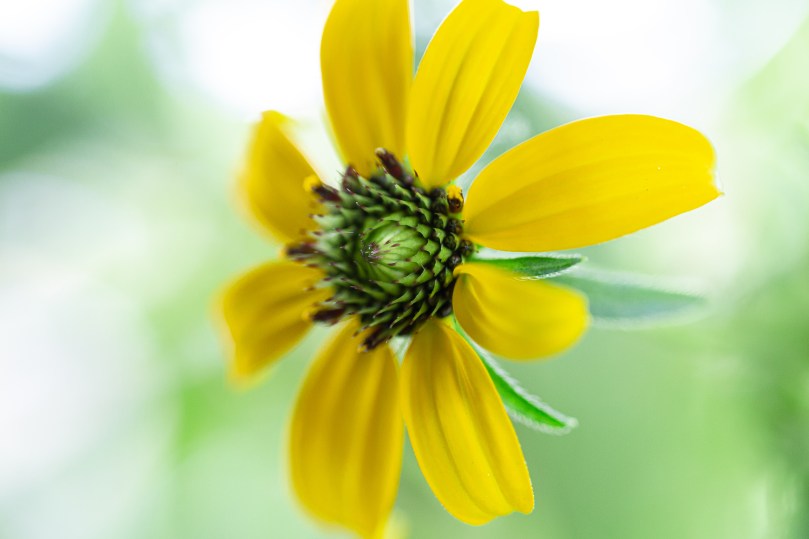
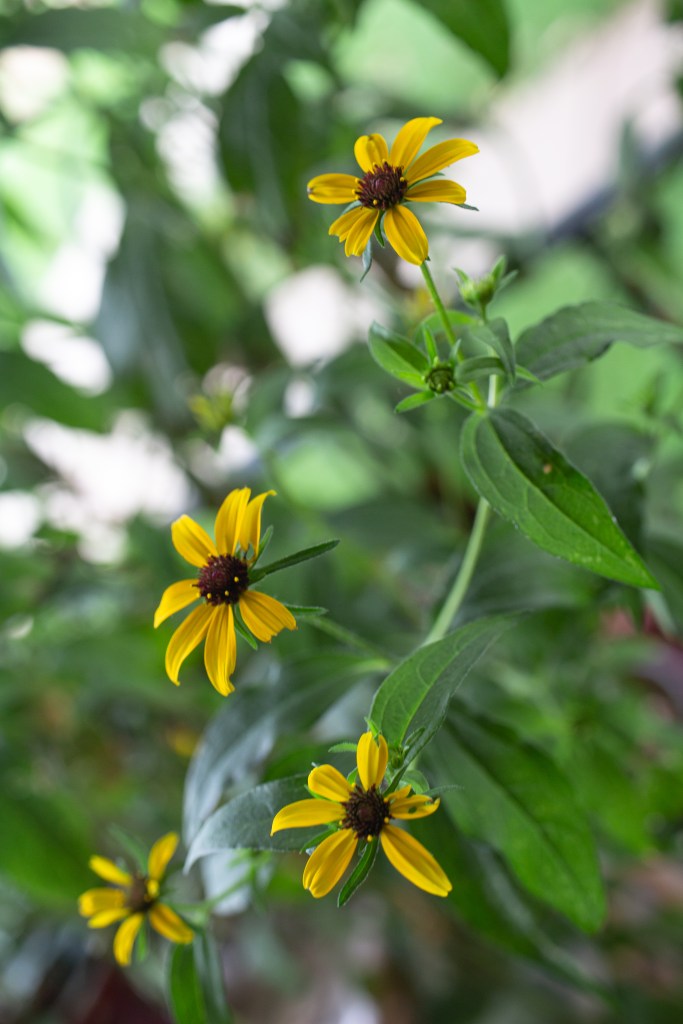
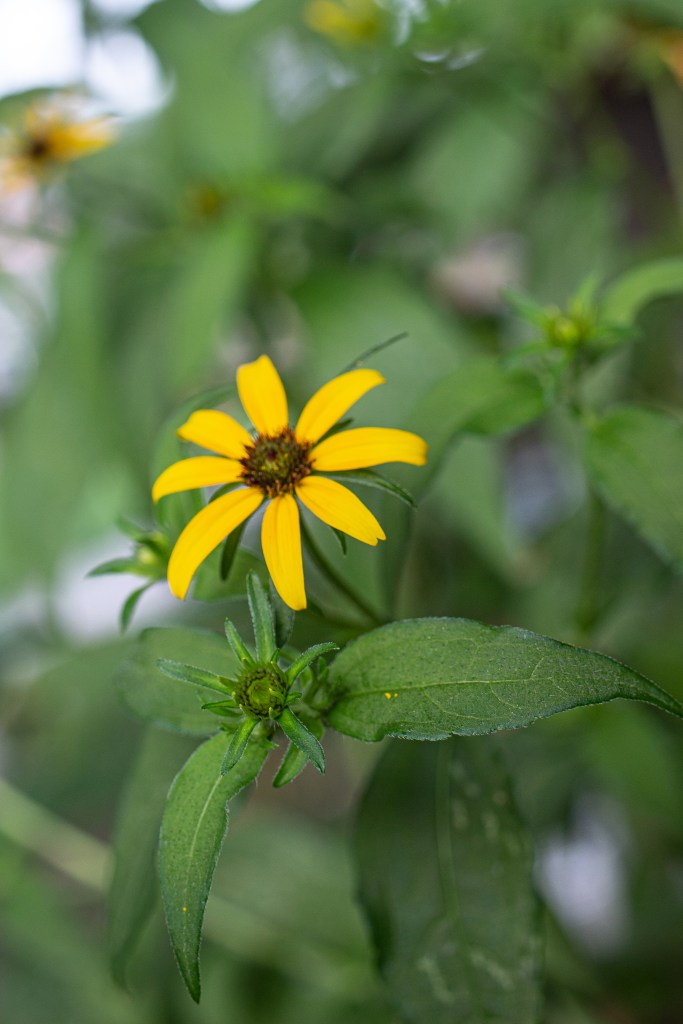
Helianthus decapetalus, commonly known as the thinleaf sunflower, is a common native plant in Eastern US. It belongs to the same genus as the garden variety sunflower (Helianathus), unlike the common sunflower, these plants are perennials. The commonly grown sunflower is an annual plant, gardeners have avoided growing perennial varieties of sunflowers because of their propensity to spread and become “invasive” rapidly.

The plant serves as a host and a food source for a diverse array of native bugs. The seeds produced are food for birds, and so are the insects that are attracted to the plant.

I would highly recommend the thinleaf sunflower to any new gardener. They bloom in late summer – early fall in a beautiful display lasts for a few weeks, with fresh flowers blooming every few days.

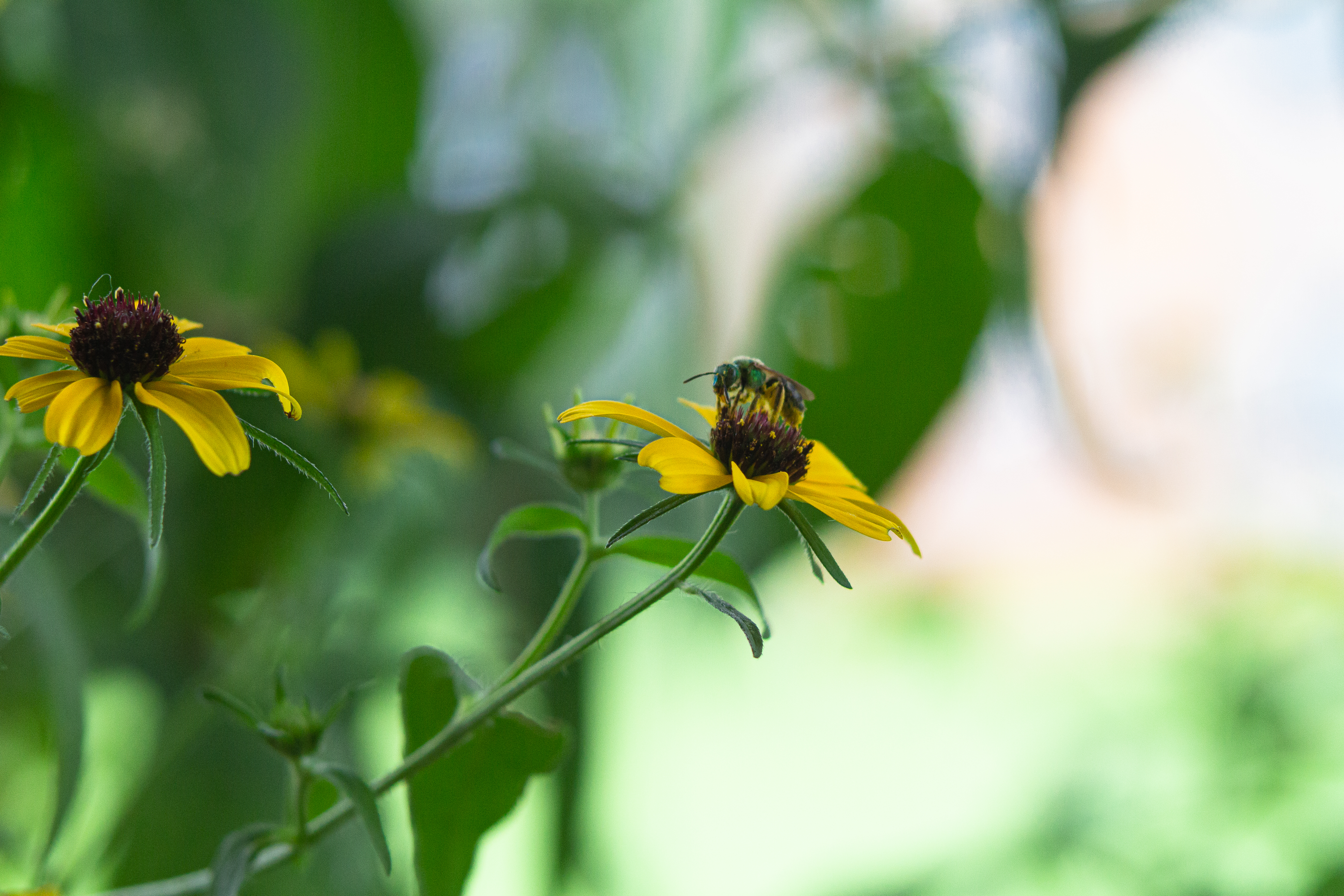
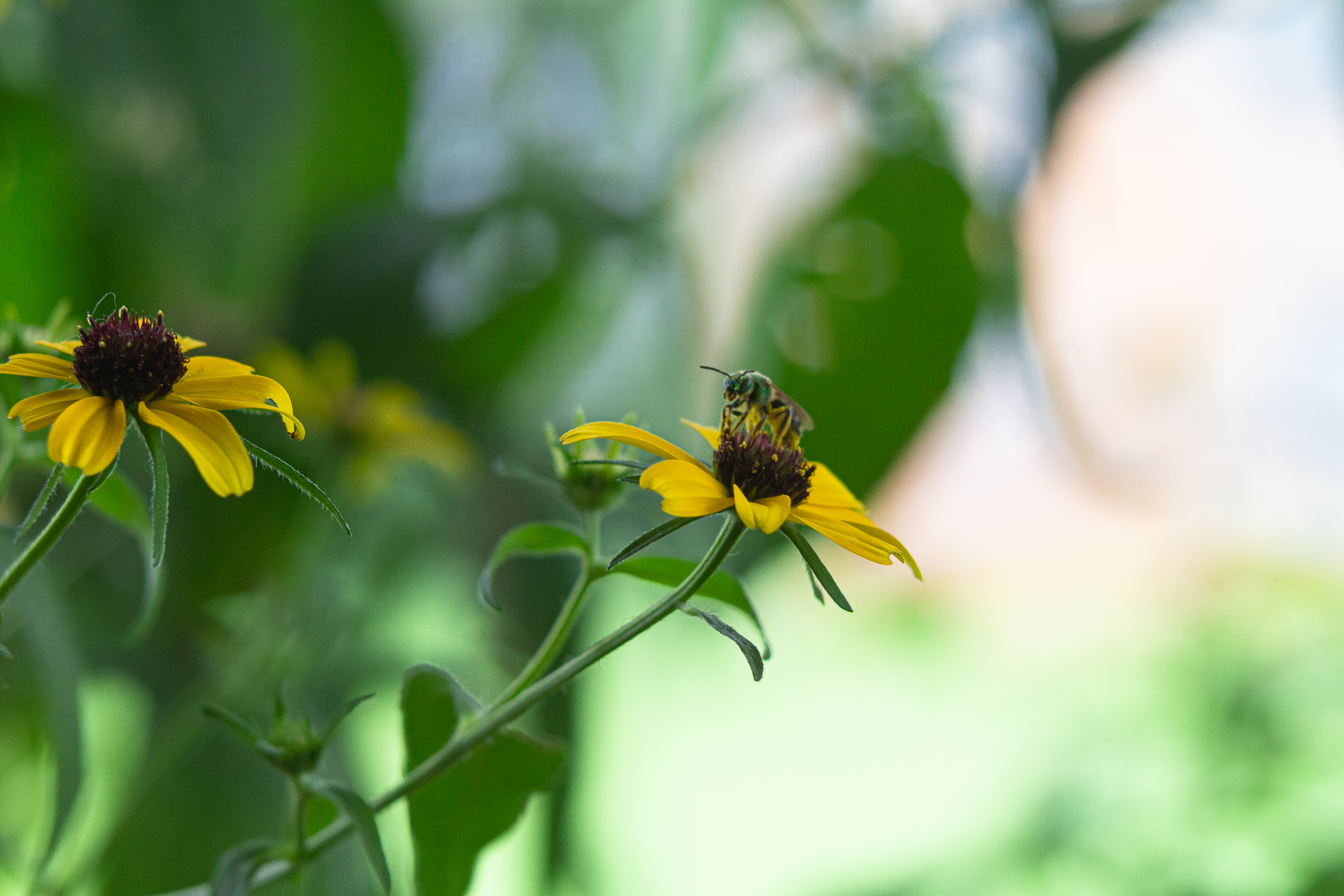
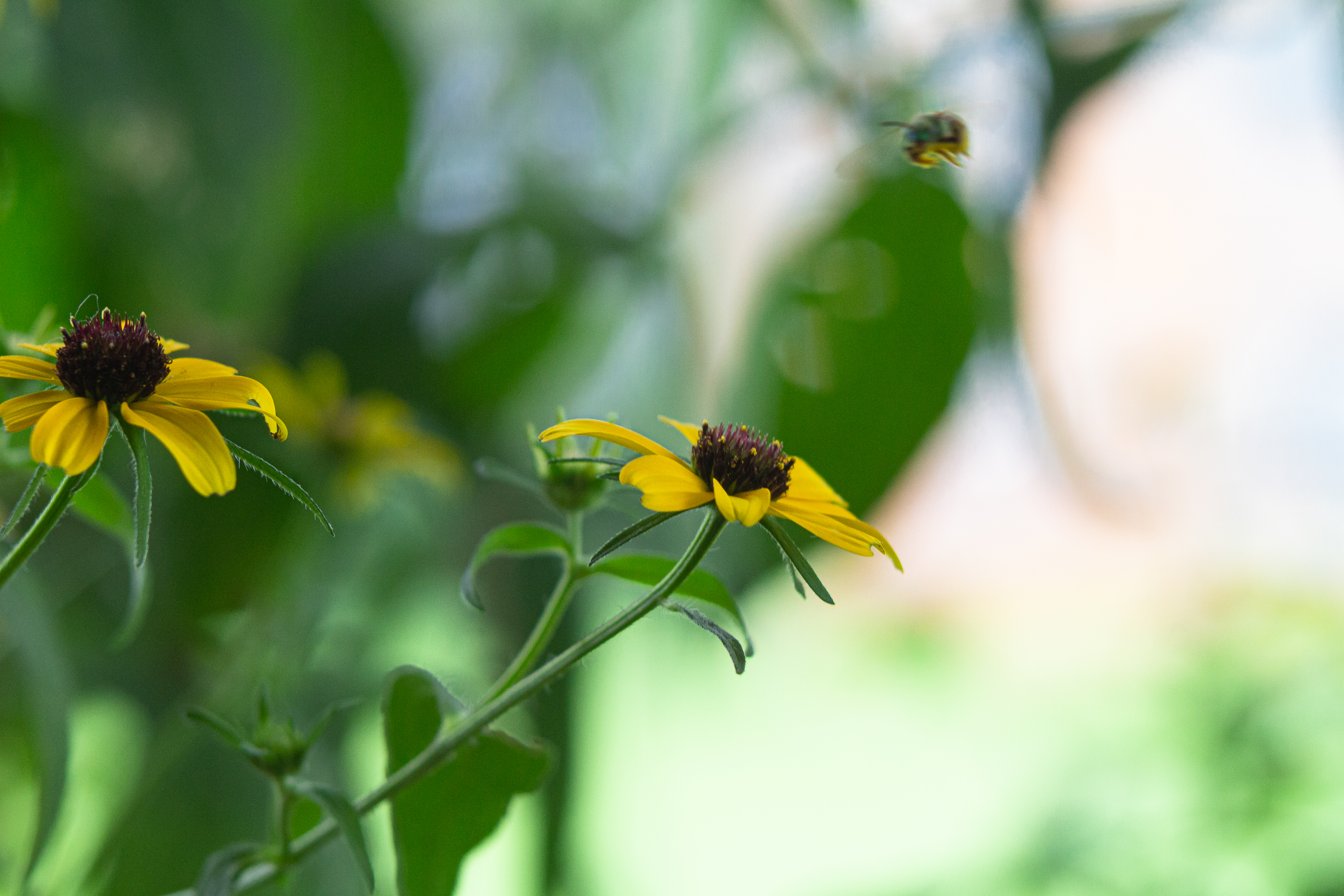
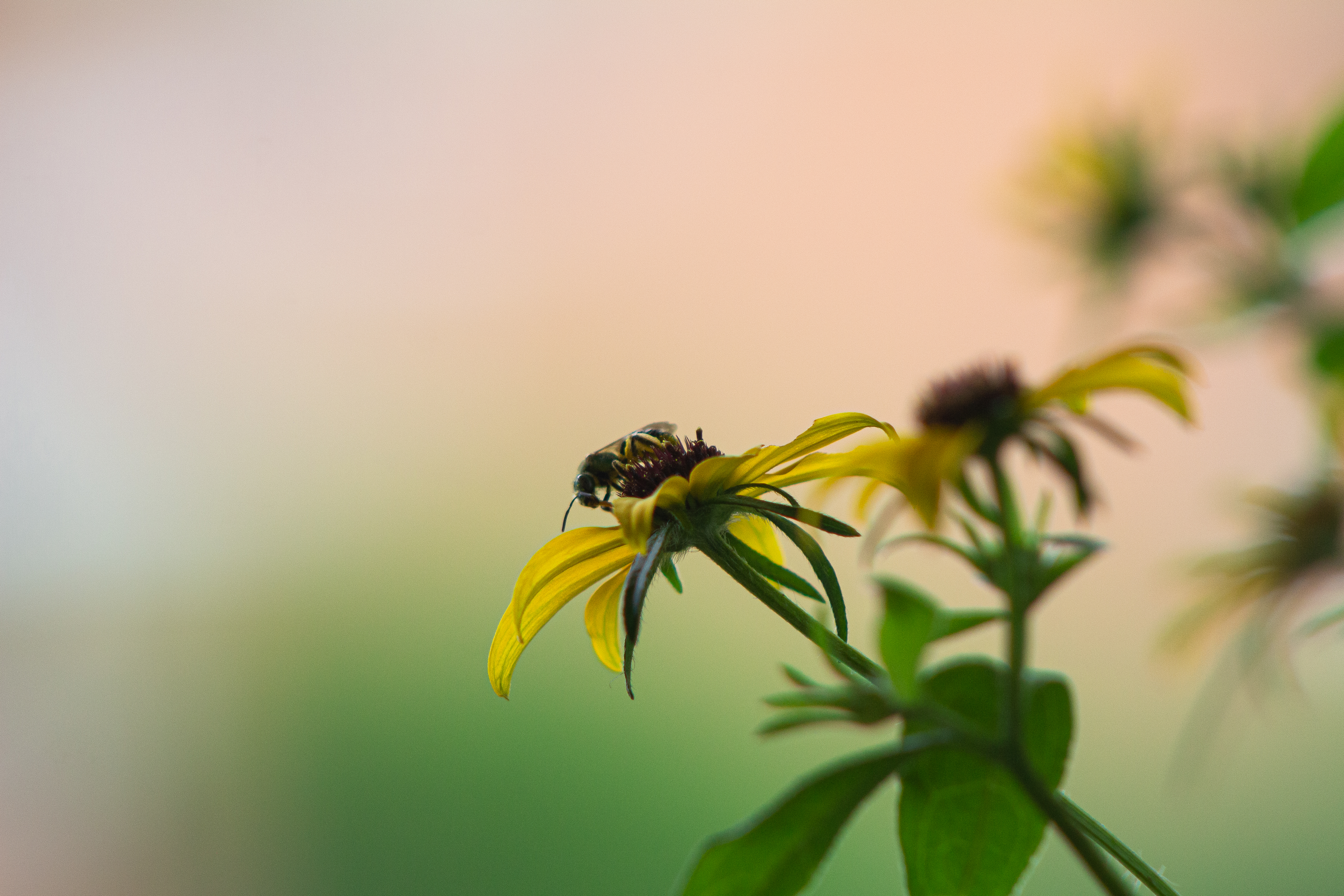
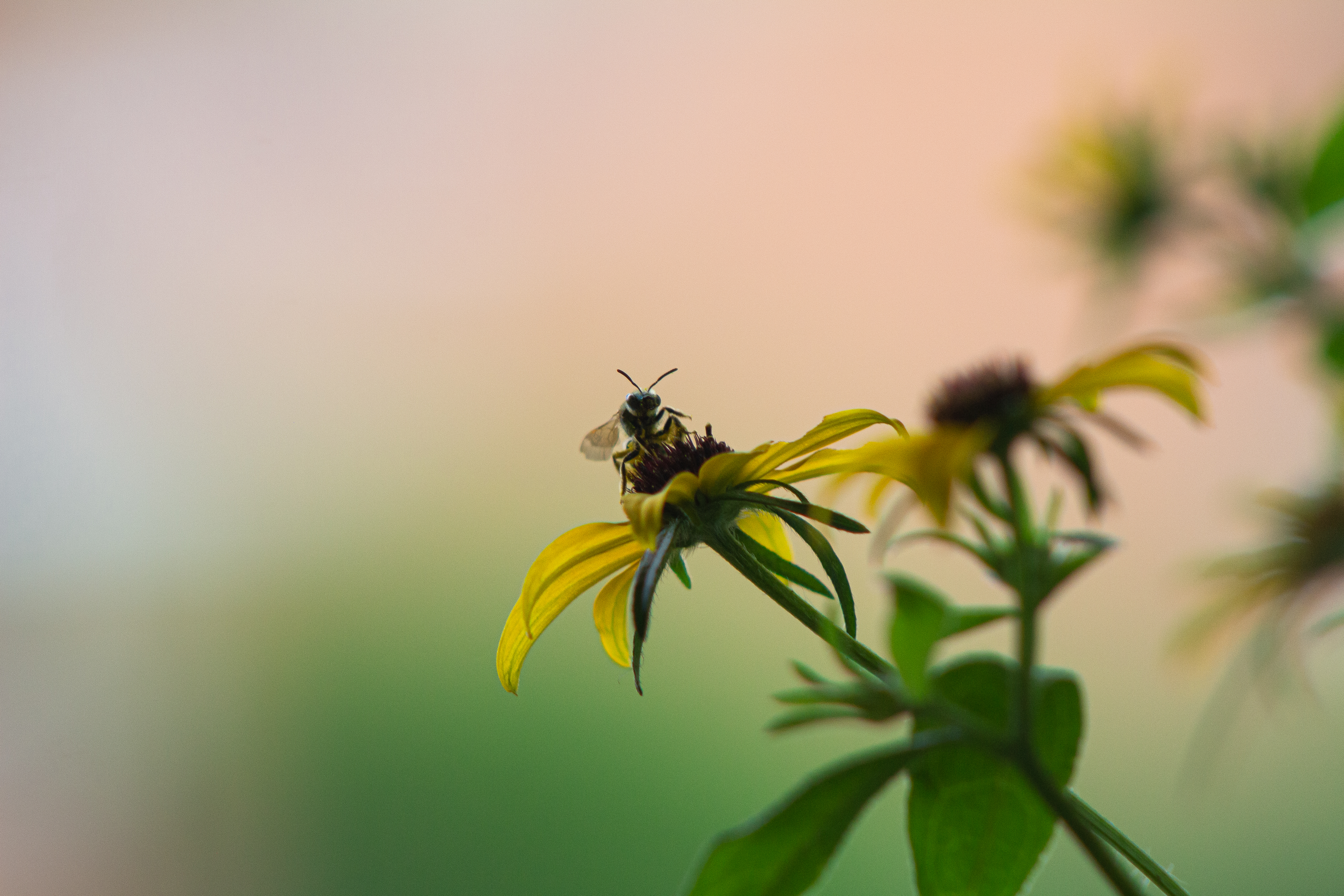
An advantage of growing native species, of course, is the insects that visit your garden. Photographed here is what I believe to be a Green sweat bee, covered in pollen, hopping from one flower to the next. Slide through these two slideshows to see a bee fly away.