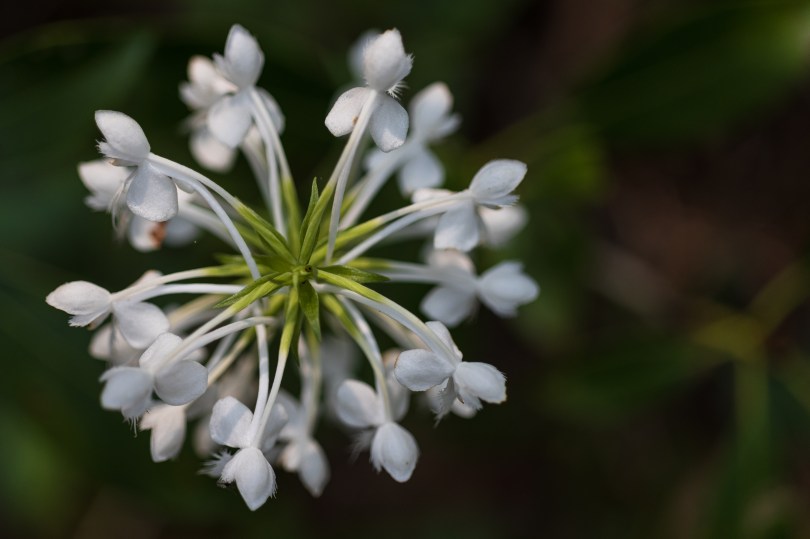
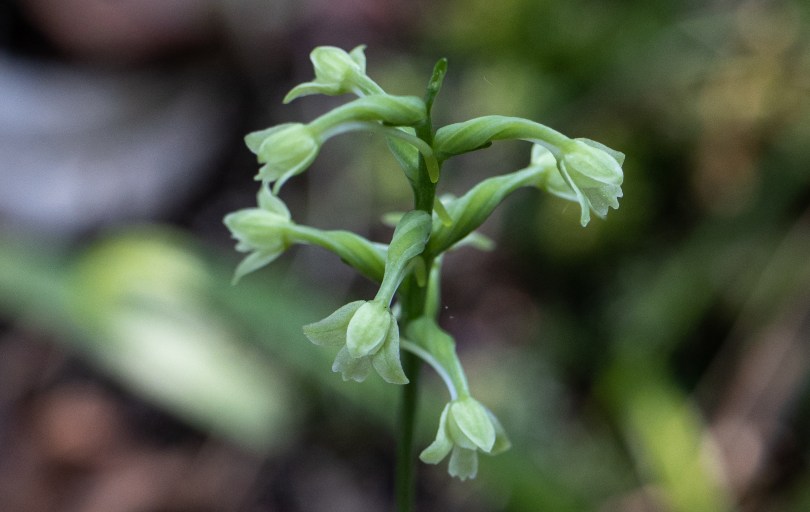
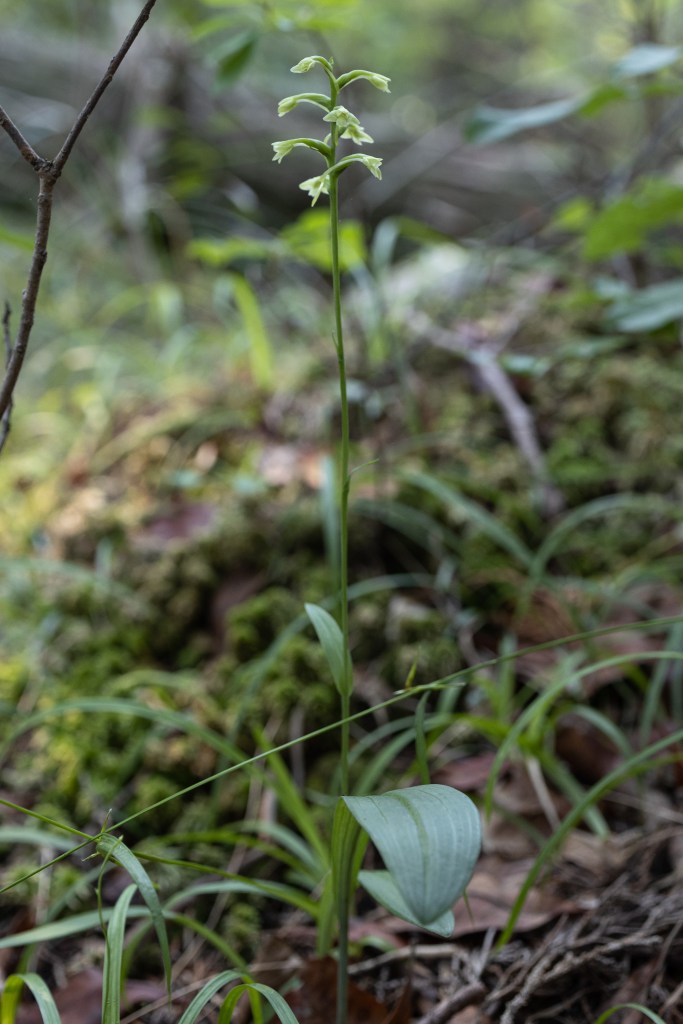
I am shocked that I have not uploaded these species and hybrids! Platanthera is by far my favorite genus of species. Several species of this genus can be found in New Jersey, including the white-fringed orchid (P. blephariglottis), the small green orchid (P. clavellata), and the orange-crested orchid (P. cristata), along with some hybrids like canby’s bog orchid (Platanthera × canbyi). I was first introduced to this genus by the photography of the amazing Jim Fowler.


There are three kinds of Platanthera orchids, all found in New Jersey’s pinelands! White-fringed orchid is one of the larger orchids with a beautiful inflorescence. It is found across much of the eastern US and Canada. Globally secure, the orchid faces threats in several states throughout its range. Habitat destruction being one of the main threats, these orchids also face difficulties when natural fire is suppressed. Like many orchid species found in the pinelands, they need regular wildfires to help maintain their habitat. The orchid prefers open sunny wetlands, and wildfires help keep larger woody trees at bay.


Orange-crested orchid is a smaller orchid with striking orange flowers, blooming in mid to late summer. It shares its habitat with the white-fringed orchid, both needing similar habitats to thrive. Like the white-fringed orchid, it faces several threats in the wild, including a lack of wildfires.
When populations of white-fringed orchid and orange-crested orchid intersect, they can readily hybridize to form Canby’s bog orchid. The hybrid is more resilient than its parents and has a color between the two species.


In conclusion, these orchids represent the best our pinelands have to offer. I look forward to their blooms every year, looking forward to the white flowers carpeting open meadows. Pinelands need our help to be preserved, and I hope future generations can continue to enjoy these beautiful wildflowers.
 Exploring Free Green Cascadia