Platanthera species and its hybrids

I am shocked that I have not uploaded these species and hybrids! Platanthera is by far my favorite genus of species. Several species of this genus can be found in New Jersey, including the white-fringed orchid (P. blephariglottis), the small green orchid (P. clavellata), and the orange-crested orchid (P. cristata), along with some hybrids like canby’s bog orchid (Platanthera × canbyi). I was first introduced to this genus by the photography of the amazing Jim Fowler.

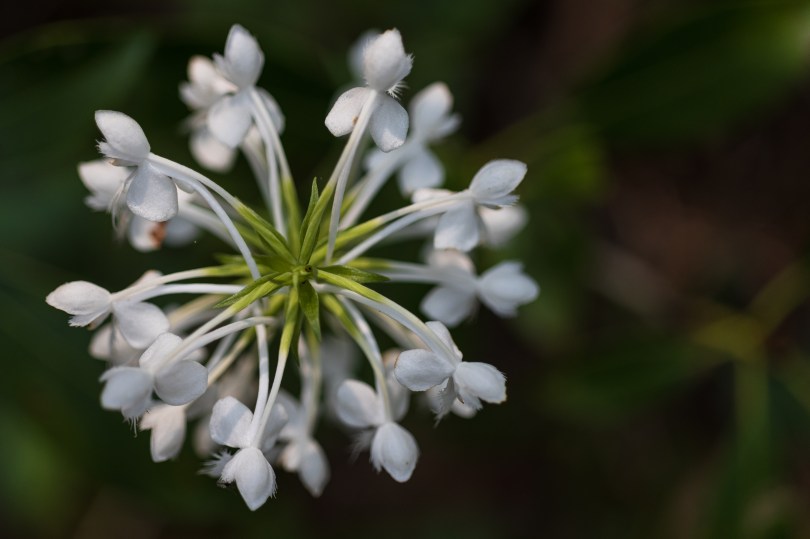
There are three kinds of Platanthera orchids, all found in New Jersey’s pinelands! White-fringed orchid is one of the larger orchids with a beautiful inflorescence. It is found across much of the eastern US and Canada. Globally secure, the orchid faces threats in several states throughout its range. Habitat destruction being one of the main threats, these orchids also face difficulties when natural fire is suppressed. Like many orchid species found in the pinelands, they need regular wildfires to help maintain their habitat. The orchid prefers open sunny wetlands, and wildfires help keep larger woody trees at bay.

Orange-crested orchid is a smaller orchid with striking orange flowers, blooming in mid to late summer. It shares its habitat with the white-fringed orchid, both needing similar habitats to thrive. Like the white-fringed orchid, it faces several threats in the wild, including a lack of wildfires.

When populations of white-fringed orchid and orange-crested orchid intersect, they can readily hybridize to form Canby’s bog orchid. The hybrid is more resilient than its parents and has a color between the two species.


In conclusion, these orchids represent the best our pinelands have to offer. I look forward to their blooms every year, looking forward to the white flowers carpeting open meadows. Pinelands need our help to be preserved, and I hope future generations can continue to enjoy these beautiful wildflowers.

Minuartia carolinana (Pine-barren sandwort)

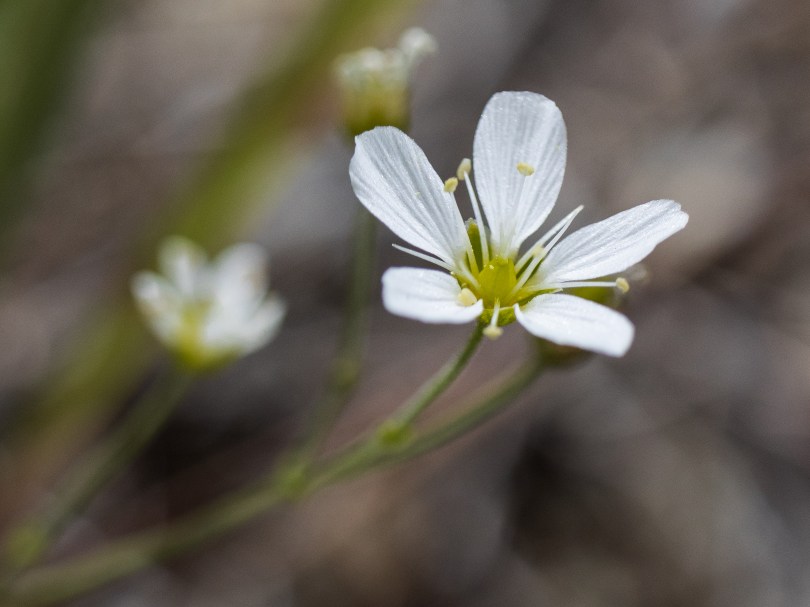
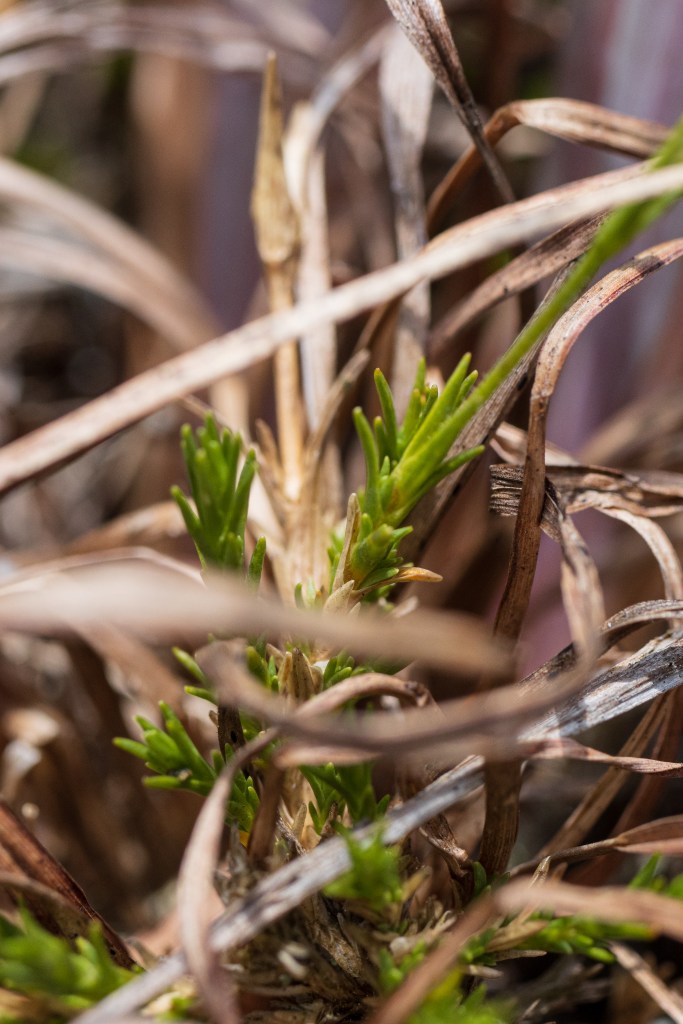
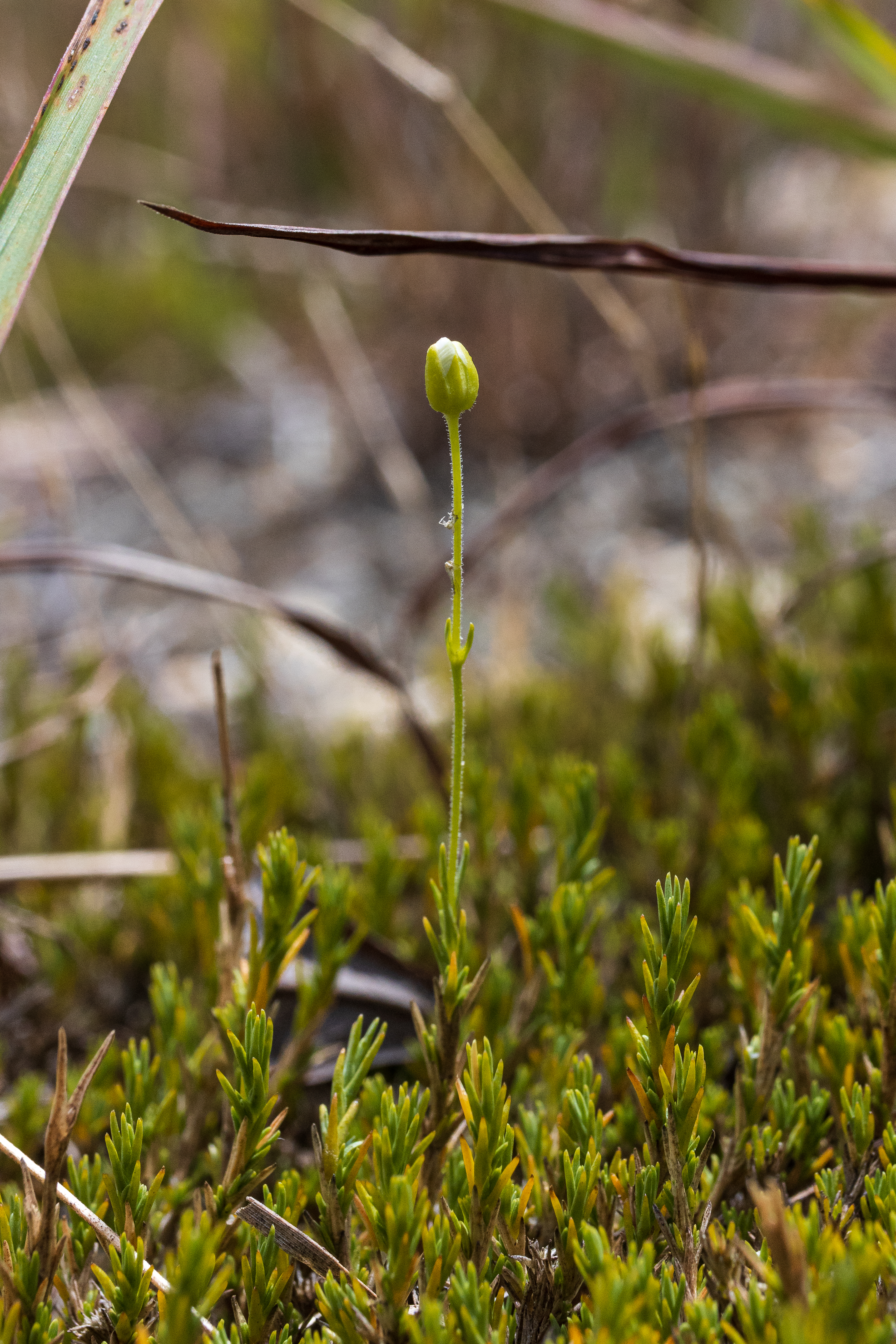
Minuartia carolinanana, or the Pine-barren sandwort is a small plant in the Pink family (Caryophyllaceae) native to the eastern coast of the US. They are found growing on white sands of pine barrens. They usually grow alone or with some grasses. The leaves are small and grow along the stem, resembling some moss species in both size and shape. The flowers grow out of these stems in long branches with five-petaled flowers that can grow longer than the stems supporting them.

To the left you can see the stem which shoots the flowering branch.

Melampyrum lineare (Narrowleaf cow-wheat)

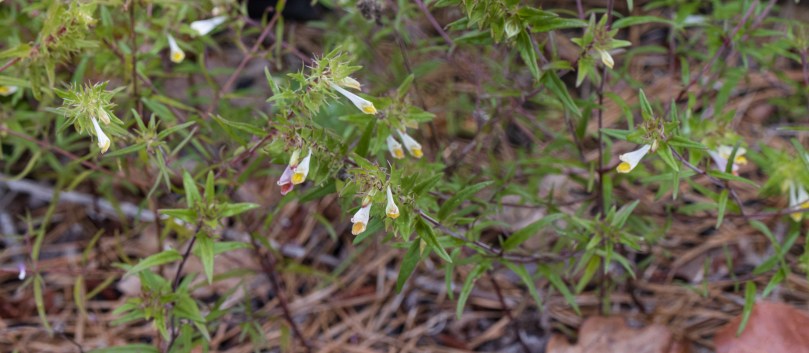
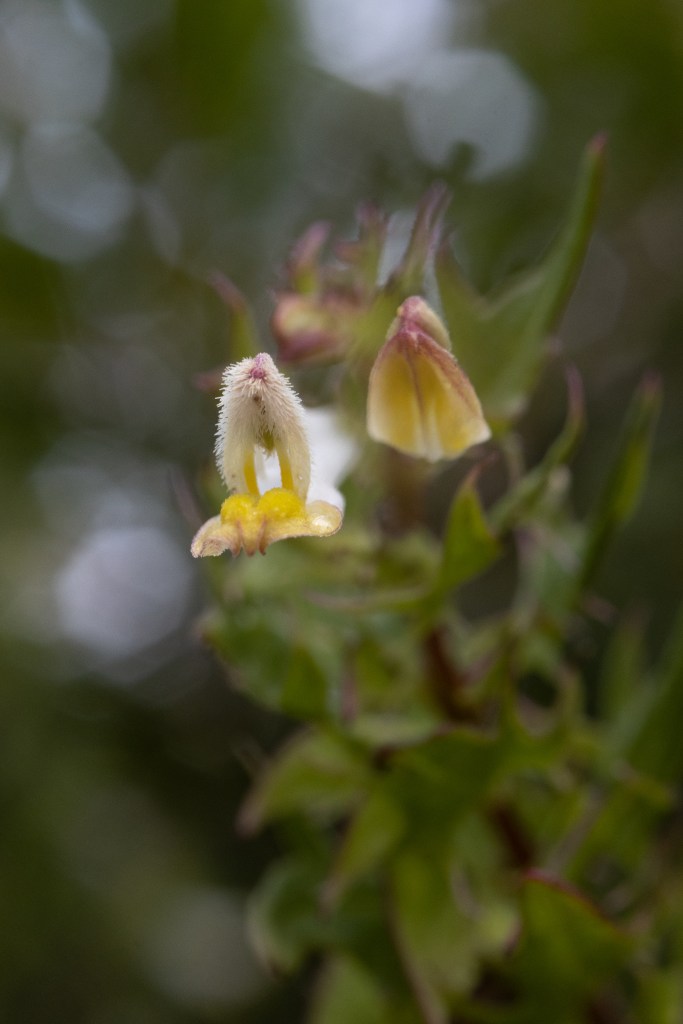
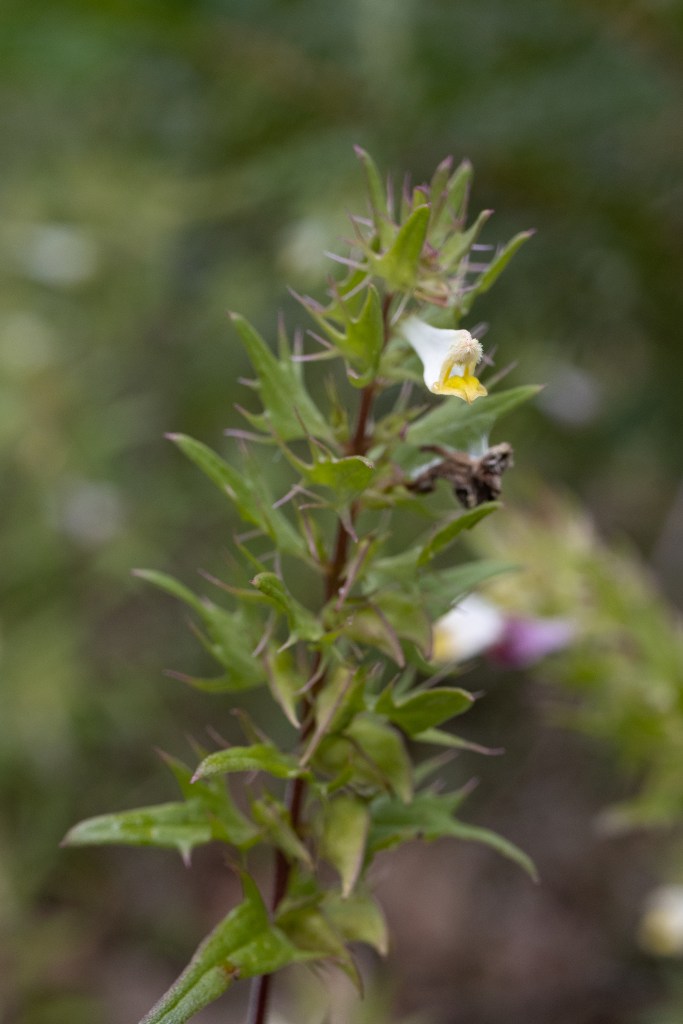
Narrowleaf cow-wheat is a native herbaceous hemiparasitic annual. Its root structure invades the roots of other plants and allows it to extract nutrients from them. Cow-wheat can be found in common well-draining parts of New Jersey. These were near a cranberry bog along a roadside.

The flowers are interesting to look at, mainly because of their drawbridge-like bud opening! They are easy to miss if you don’t look for small flowers around you.

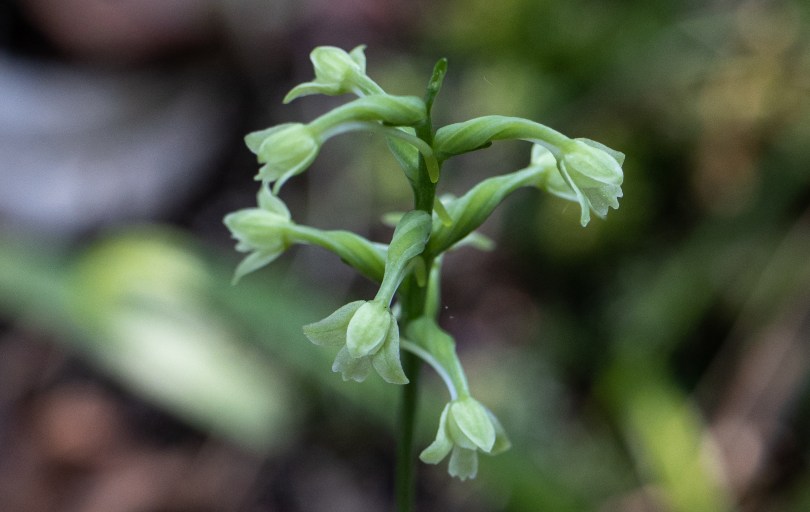
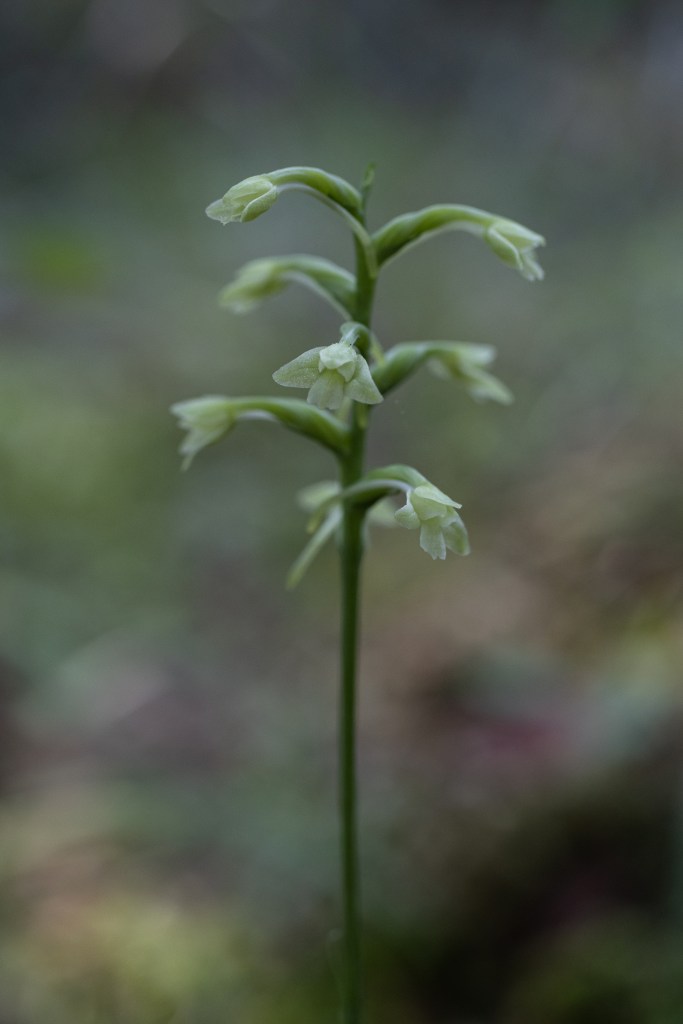
Platanthera clavellata (Small Green Wood Orchid)

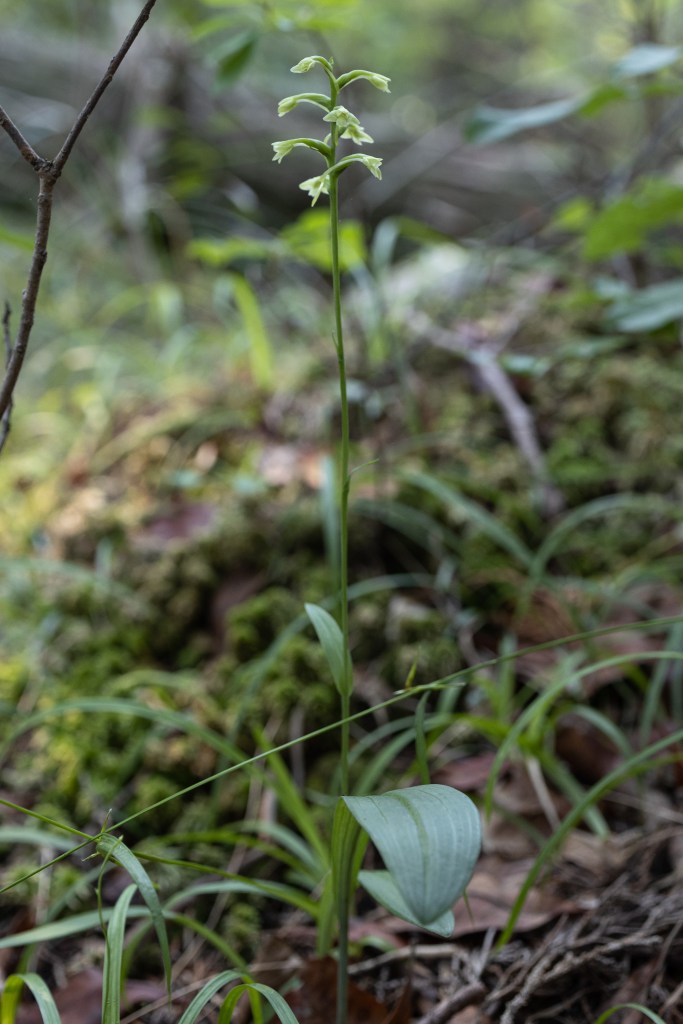
A less showy cousin of the much larger and showier white-fringed orchid (they were growing near each other in pinelands of New Jersey.) The plant has but one large leaves with others being reduced to bracts along its stems. This particular plant was a youngling that was probably flowering for the first time.

There is some controversy regarding its inclusion into the Platanthera genus. I do not know enough about the morphology of the genus to elaborate further.

The spot I found this orchid seemed to have a healthy population of orchids that were reproducing. One thing that concerned me was the thickness of the understory. As this location was used by people and was near a park for human picnicking, the area hasn’t burnt enough. Pinelands is a fire ecology, and I worry about what thick understory would do to the local orchid population.

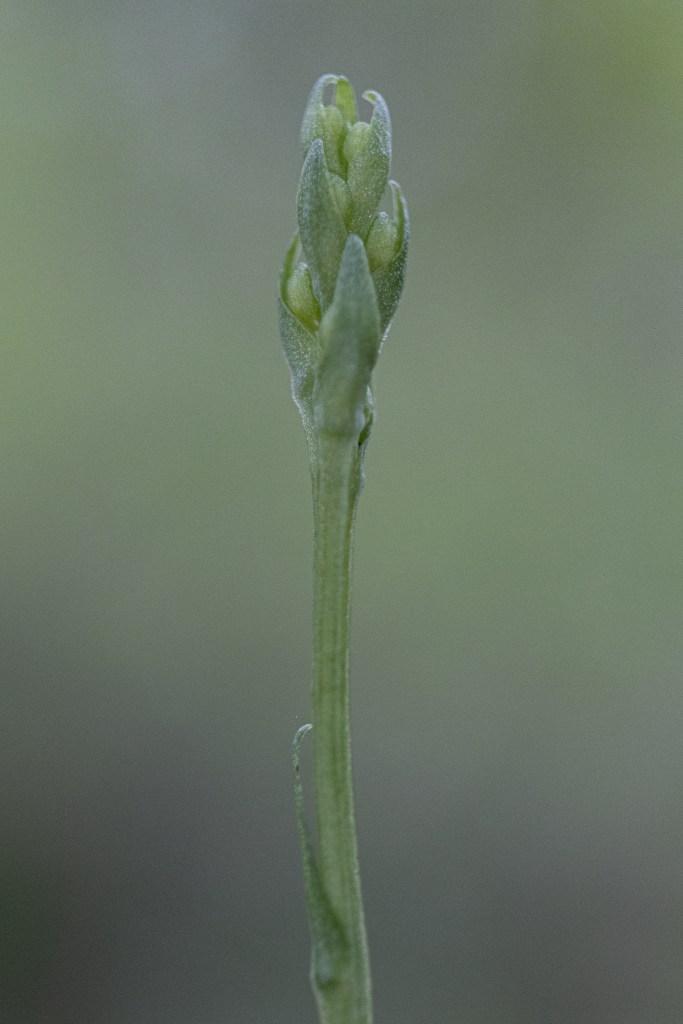
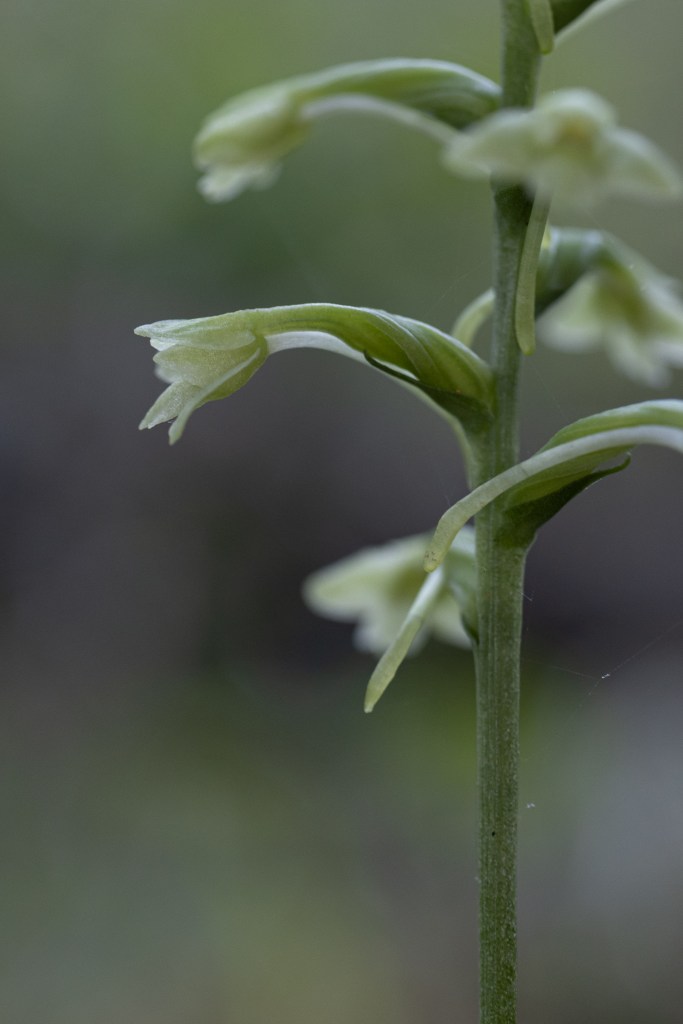
The flowers of these orchids are not as showy as some others in the Platanthera genus, but that allows us to have a clear look at the twist that results in the resupinate nature of orchid flowers. Most orchids go through this, with certain exceptions like CalopogonResupinate flowers are those that twist and turn upside down. As an orchid bud develops, the lip of the orchid is towards the flowering stem (as can be seen below), but as the bud begins to open, the flower twists till the tip point down. In this orchid, you can see the twist that each flower went through. 
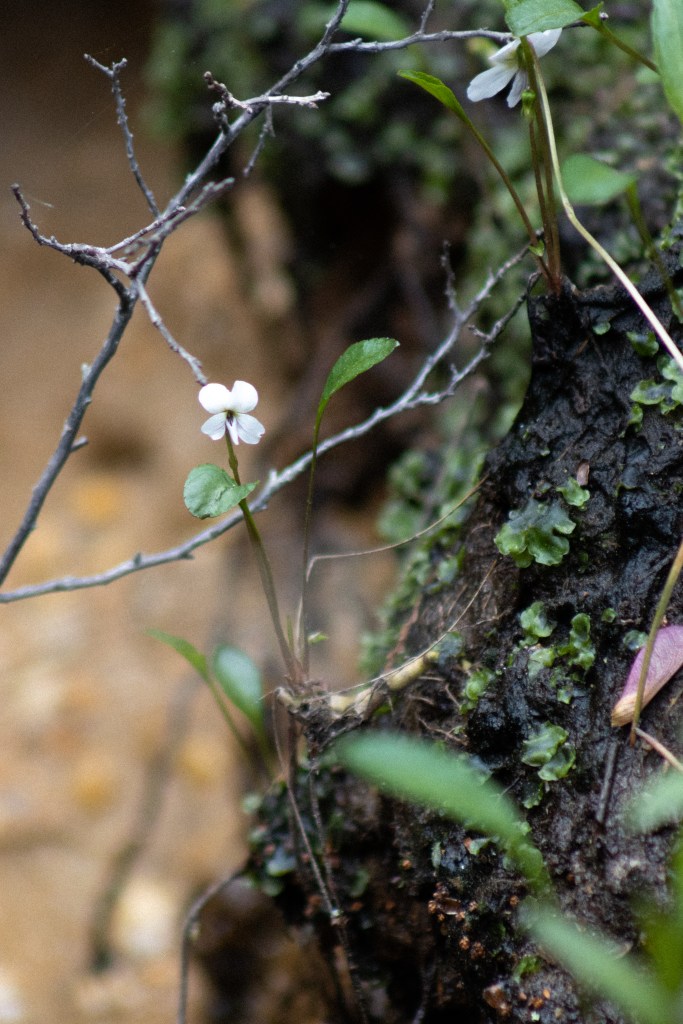
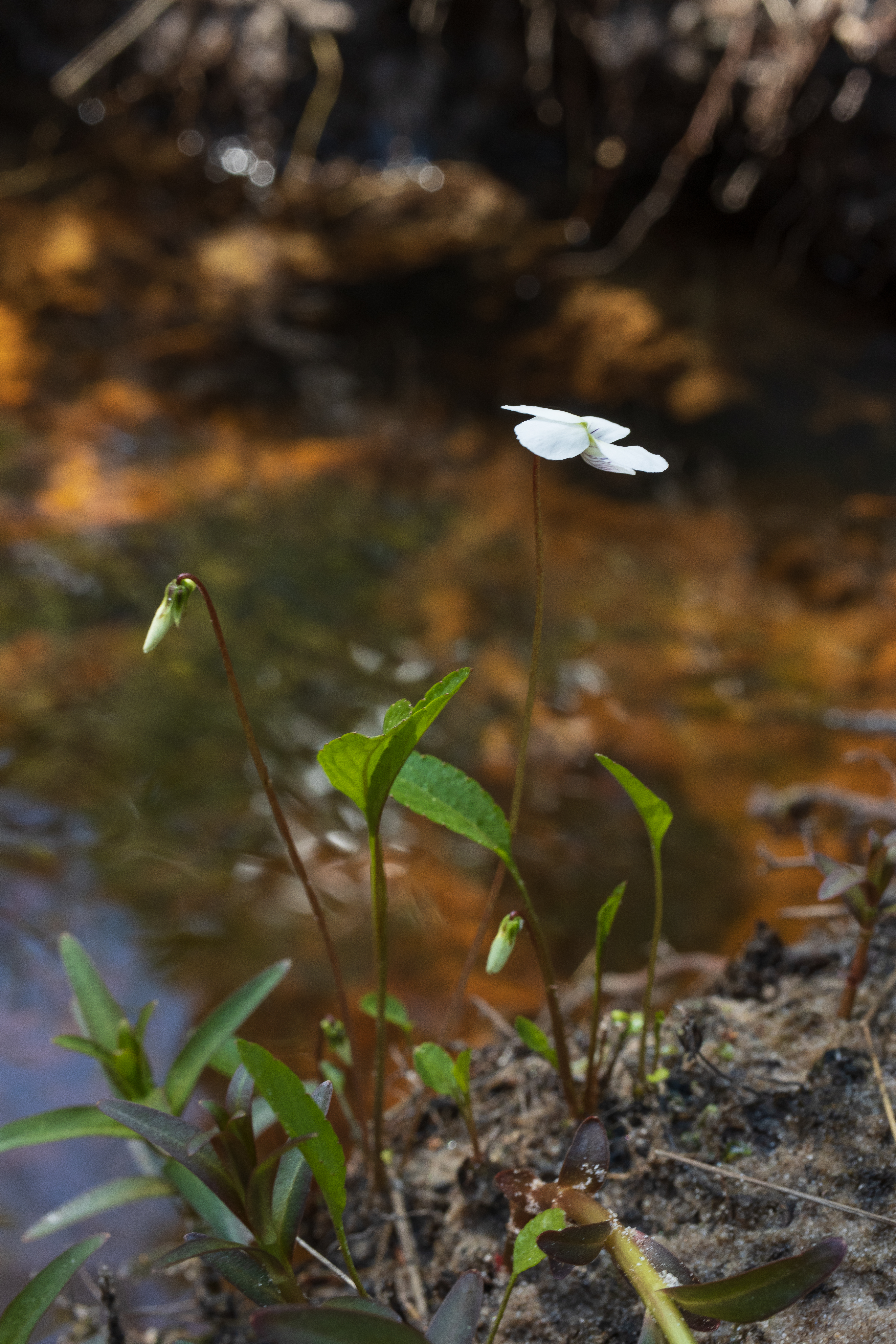
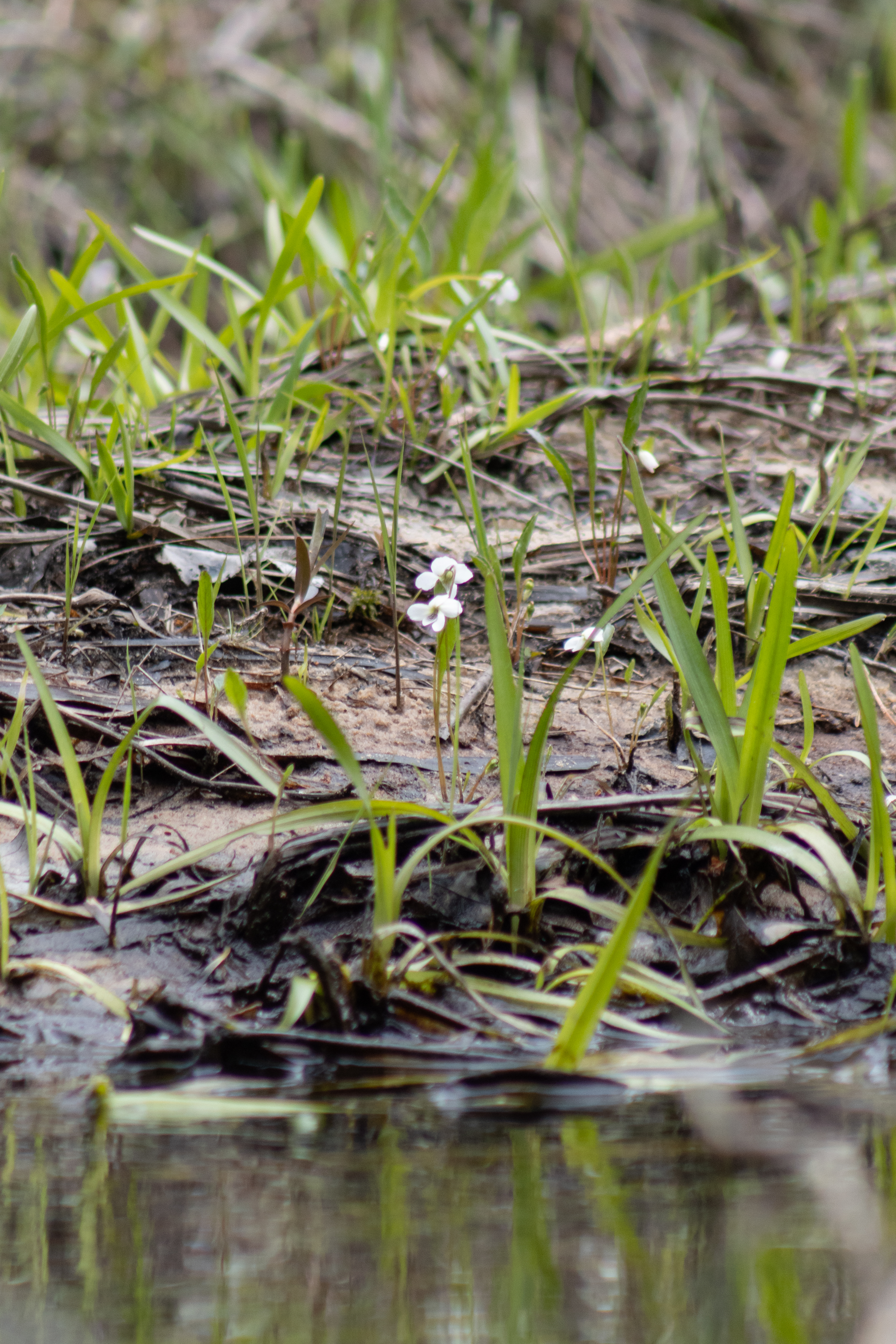
White bog violet (Viola lanceolata)

Like the common violet, the lance-leaved violet blooms early to mid spring. It is among the very few white stemless violets growing on man disturbed habitats, marshes, sandy shores and wetland margins. I observed them growing in high numbers along the river system in New Jersey pinelands.

These plants can be found growing anywhere along the river shore, on the left we see a violet growing on an eroded bank out of an exposed rhizome. The stemless violets are not truly without stem, but instead grow from a modified stem buried underground, a Rhizome.

The flowers are small as seen by the lichens growing next to it. I was able to take these photographs thanks to the awesome birthday gift my wife got me. A day kayaking through the pinelands! We used pineland adventures, they are awesome and will highly recommend them!

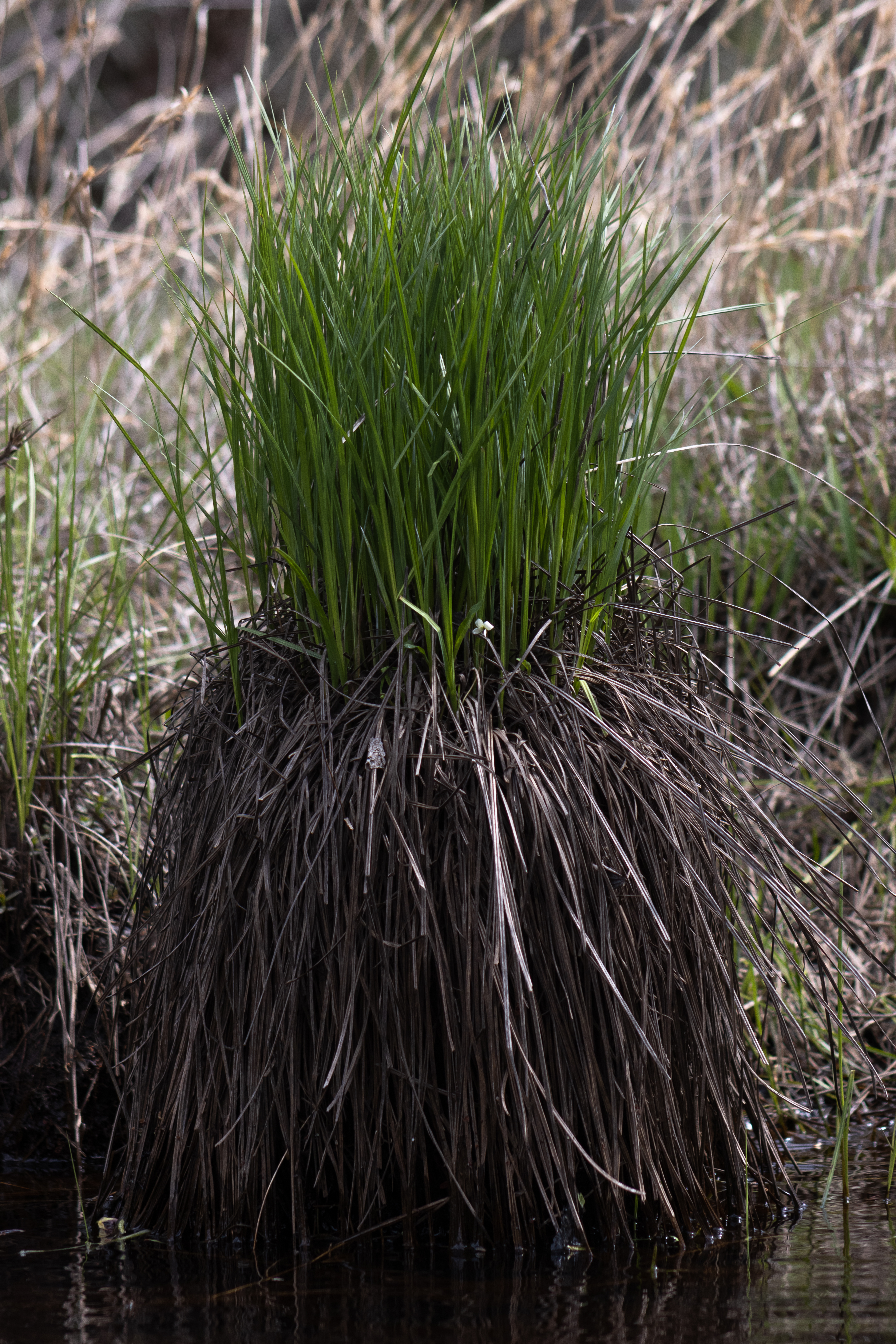
If you look closely at this sedge mound (possibly a tussock sedge) you can see a small bog violet growing out of it. This demonstrates clearly the need for ecosystem preservation. The sand next to the sedge roots has been eroded out by the rivers flow, but the roots of the plant are holding on to enough soil to allow other species of plants and animals to survive. Native grasses and sedges have deep roots and help vulnerable habitats. The aquifer under New Jersey depends on these ecosystems to replenish itself with clean water.

Orontium aquaticum (Golden Club)

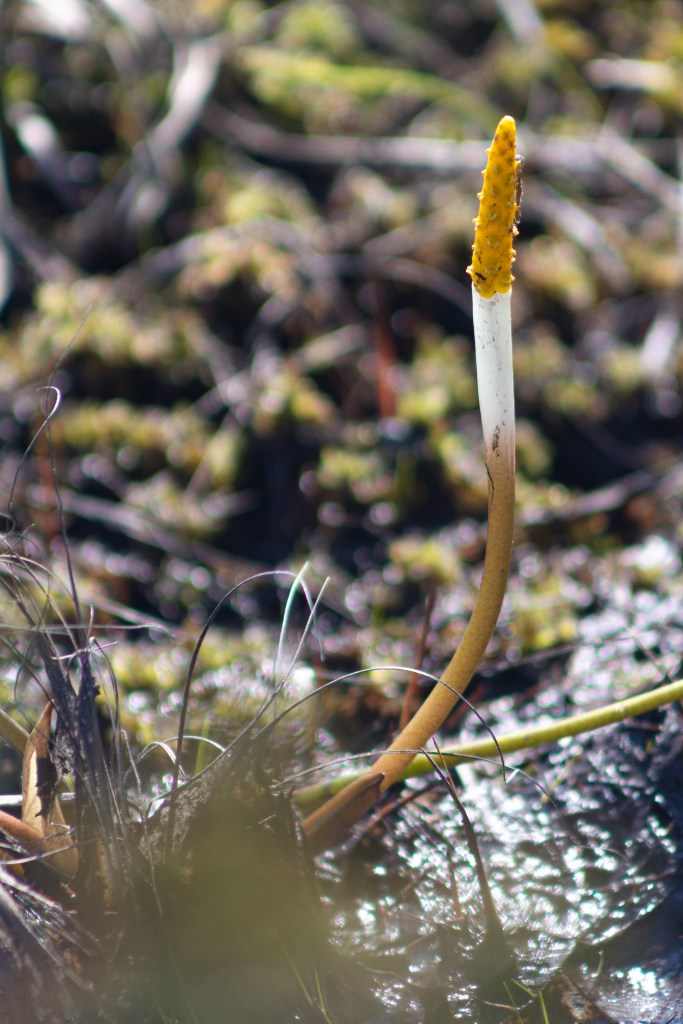
Golden club grows in a flooded bog in New Jersey.

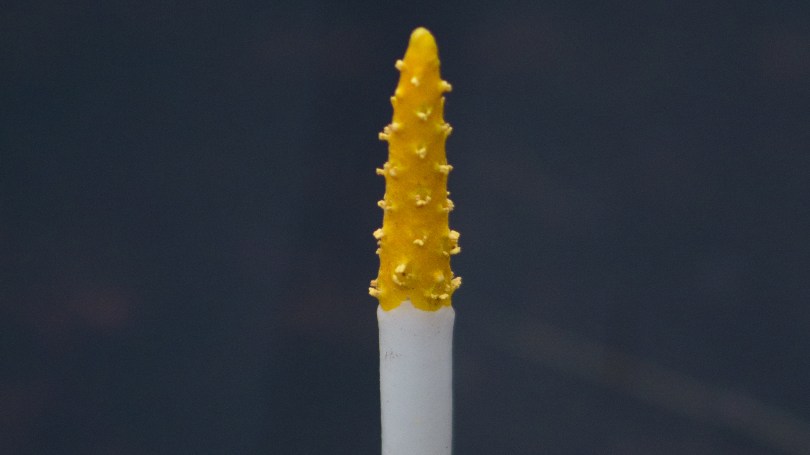
Orontium aquaticum, Golden Club, or the floating Arum is a plant species endemic to the Eastern United States. Its native habitat extends from as south as Florida, to New York State. It grows in ponds, slow streams, and bogs and swamps. 

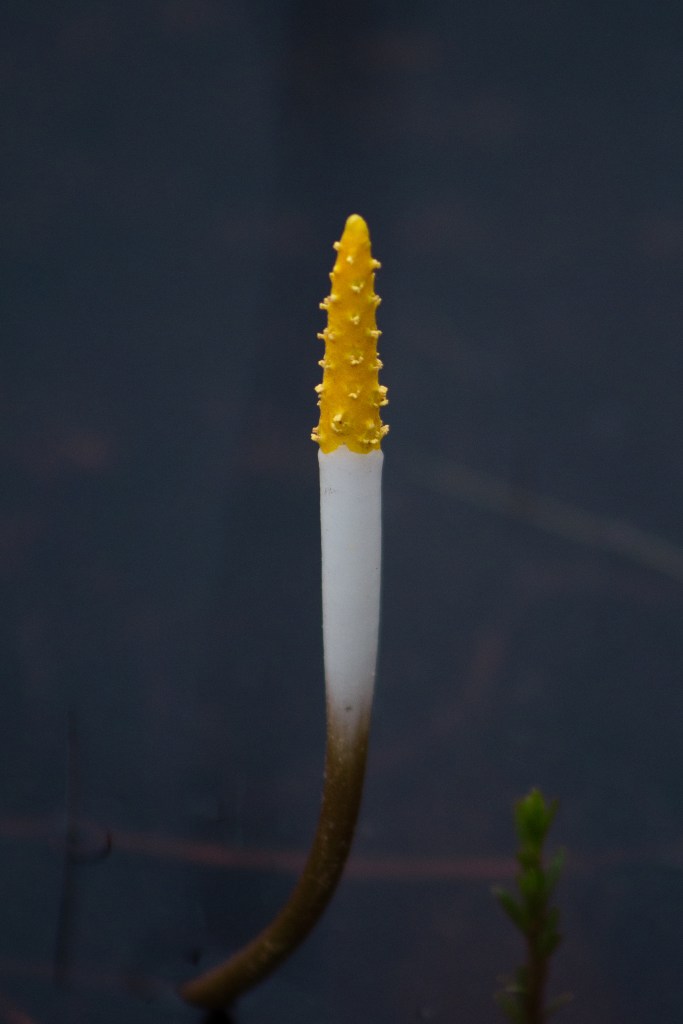
The plant belongs to the family Araceae, as is clear from its inflorescence. The golden color stands out in the mostly dormant landscape of a bog in spring—Photograph taken in the New Jersey pinelands.

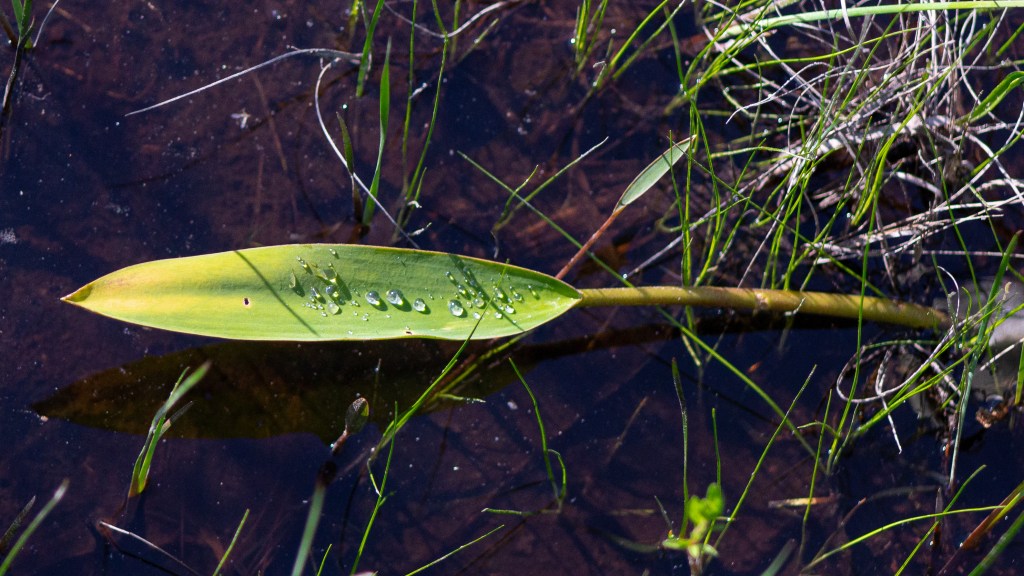
The plant is also called “never-wet.” As you can see here, the leaves are water repellent.

The plant has generated morphological confusion. If you are familiar with a peace lily, you would know that a modified leaf, a spathe surrounds an Arum inflorescence. The spathe is missing from the mature inflorescence. You may observe a green sheath early on in the development, which drops off as the spike matures. Engler had classified the structure as a spathe. We know now that that the small green enclosure was a sympodial leaf. The spathe is missing in this species.

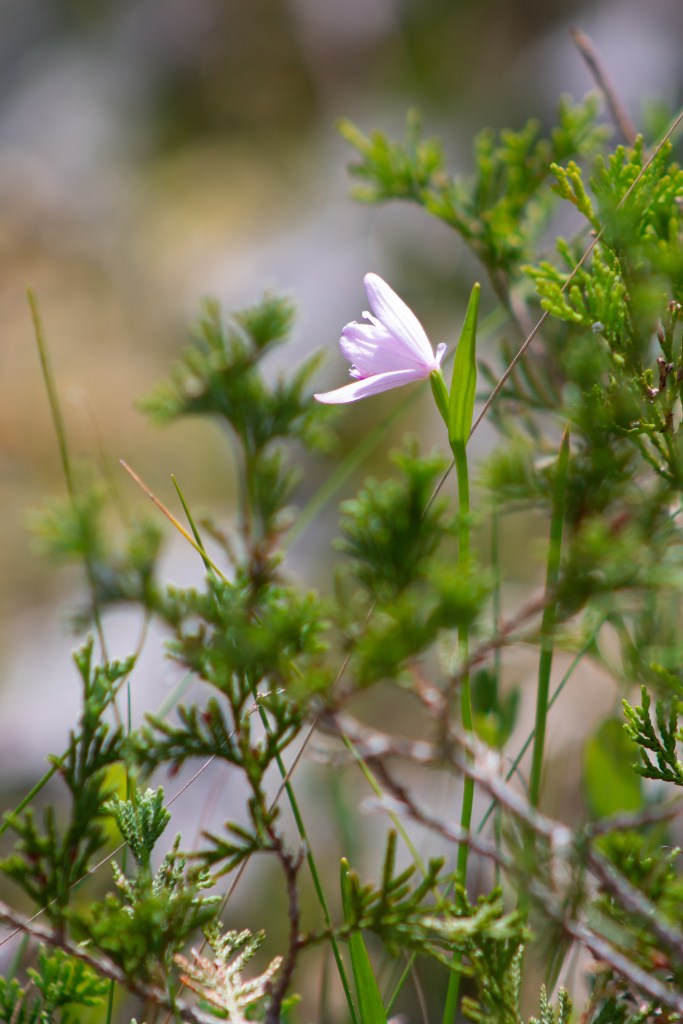
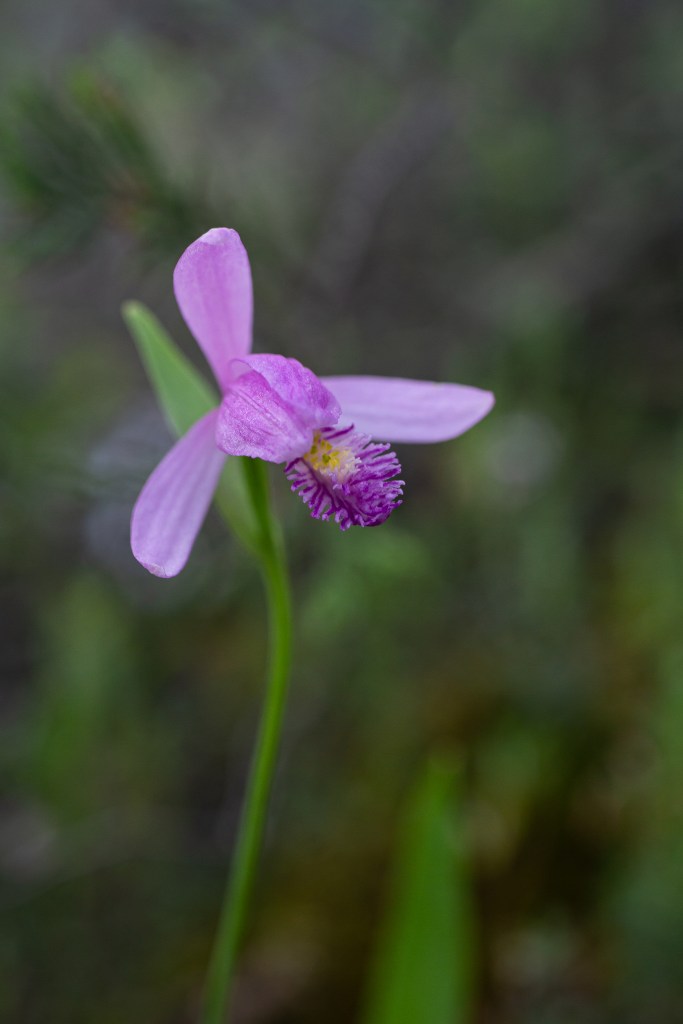
Pogonia ophioglossoides

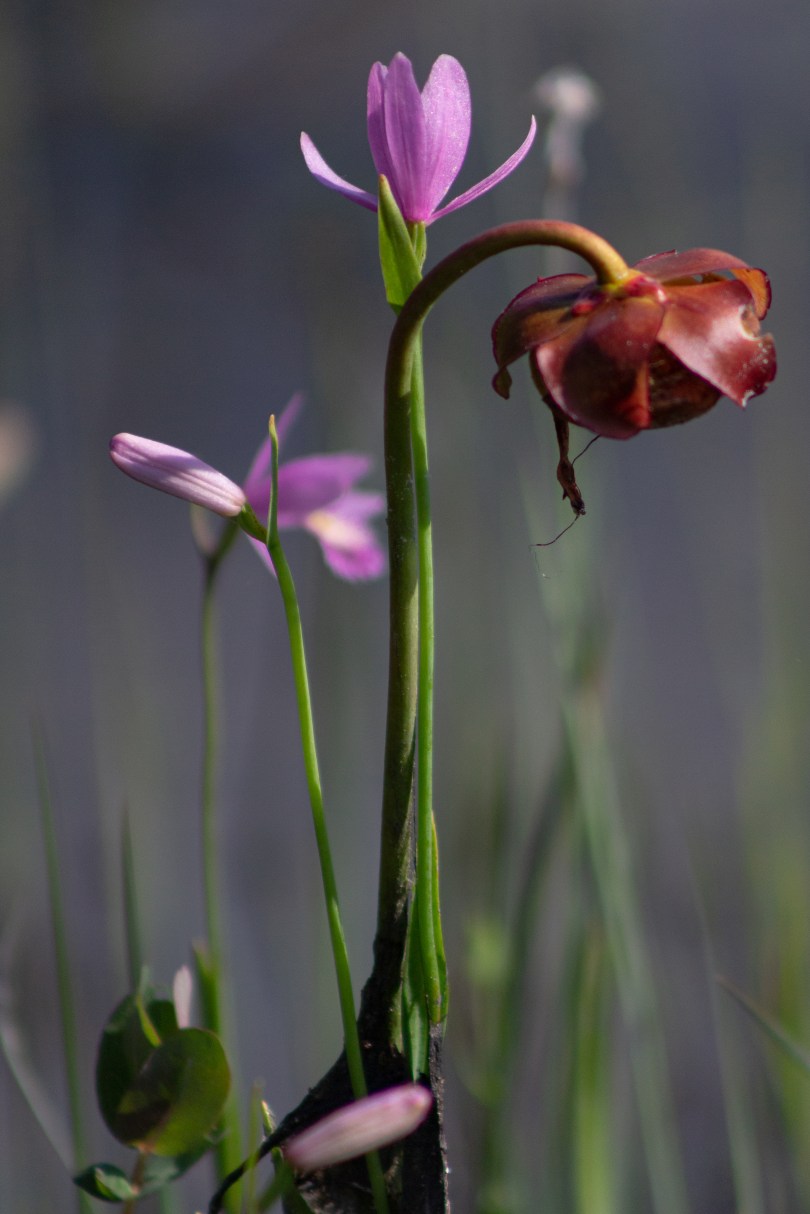
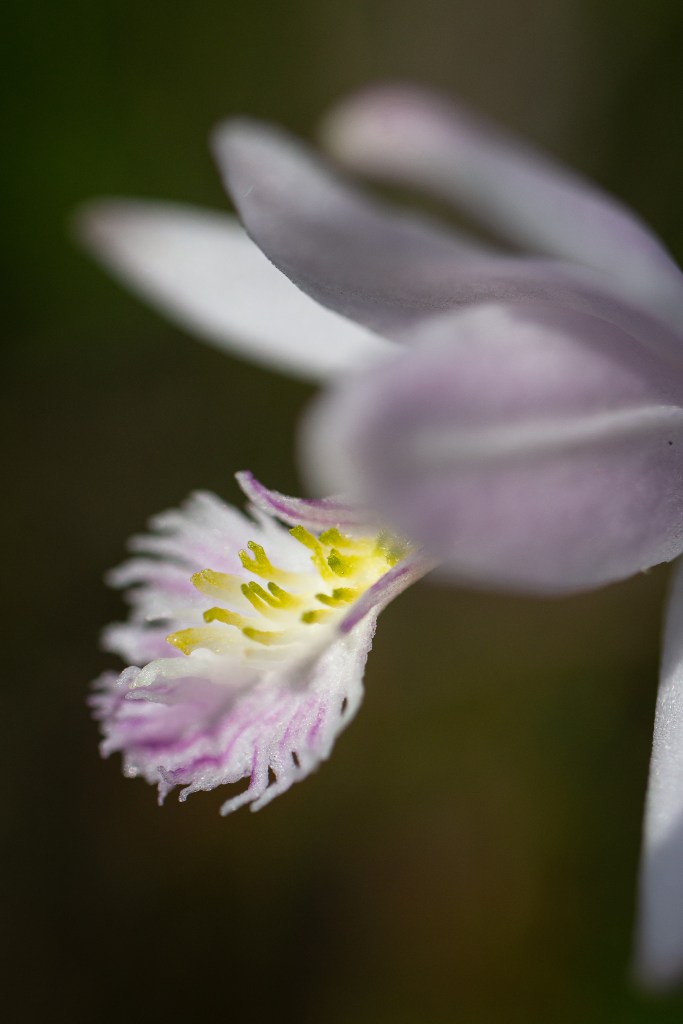
Pogonia ophioglossoides, better known by its common names, Rose Pogonia, or the snakemouthorchid. It is a terrestrial orchid found in wet areas along the East Coast, as north as Canada. It is pollinated by bees that it attracts by its sweet fragramce.

The scent of the orchid was put to words by Robert Frost in his poem titled “Rose Pogonias”, where he says – “stifling sweet/with the breath of many flowers…”

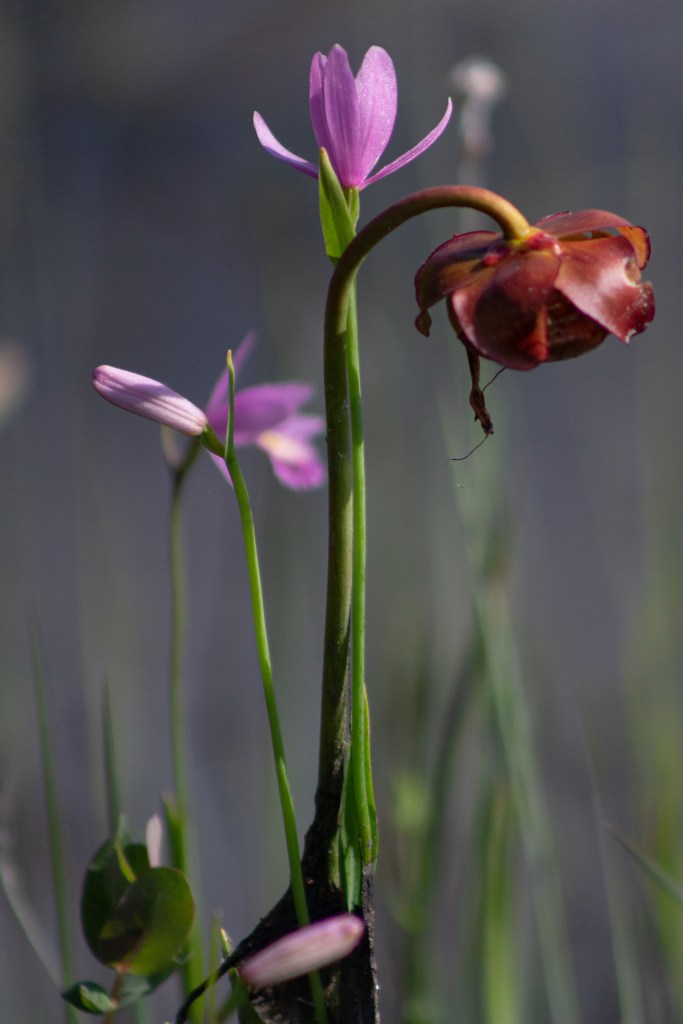
In New Jersey, these can be found in bogs or wetlands, even growing alongside carnivorous plants. As seen in the second photo, couple of orchids bloom alongside an old flower of a pitcher plant.