Chollas (Cylindropuntia)

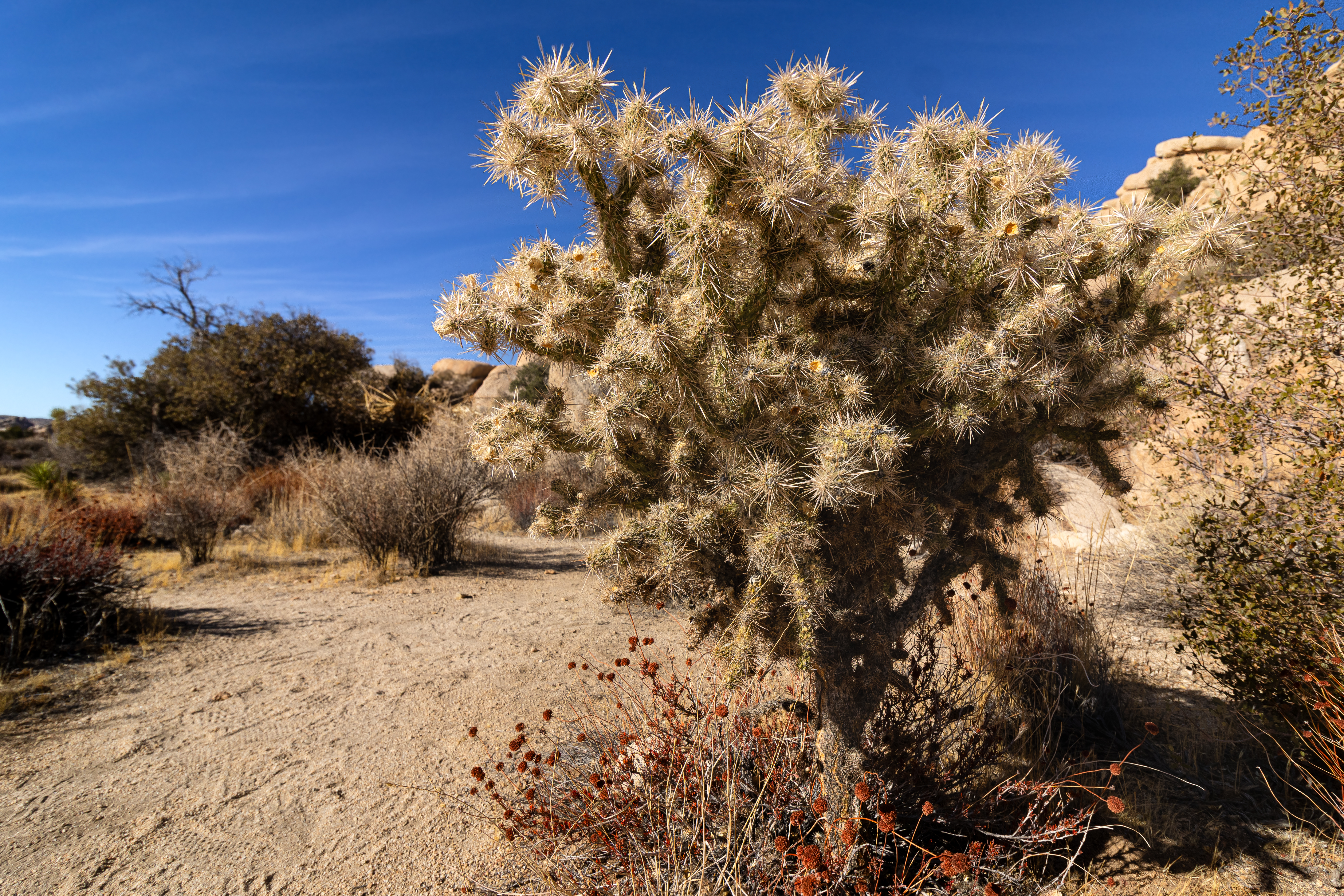
Giant Cholla specimen

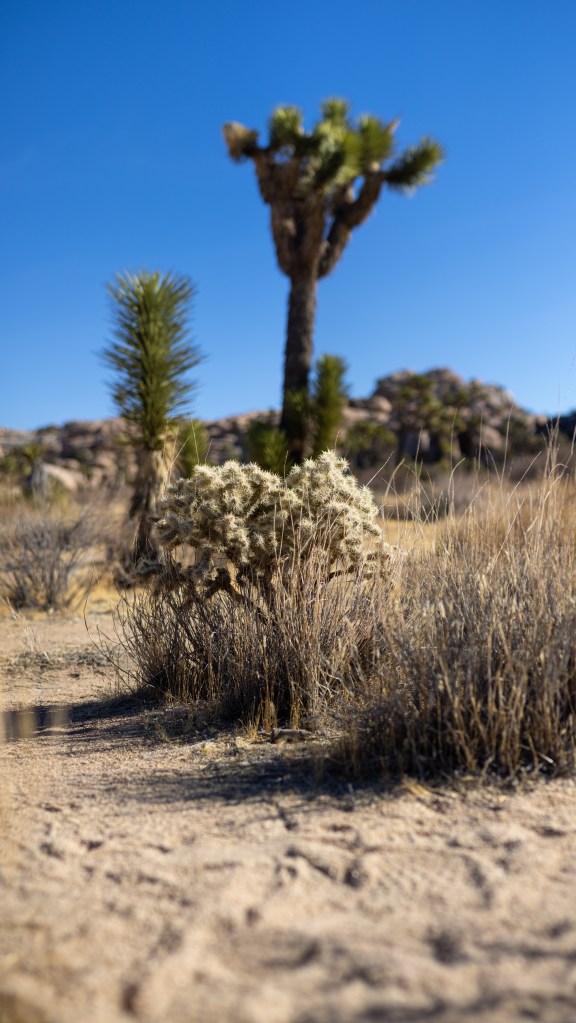
Cholla with Joshua Trees

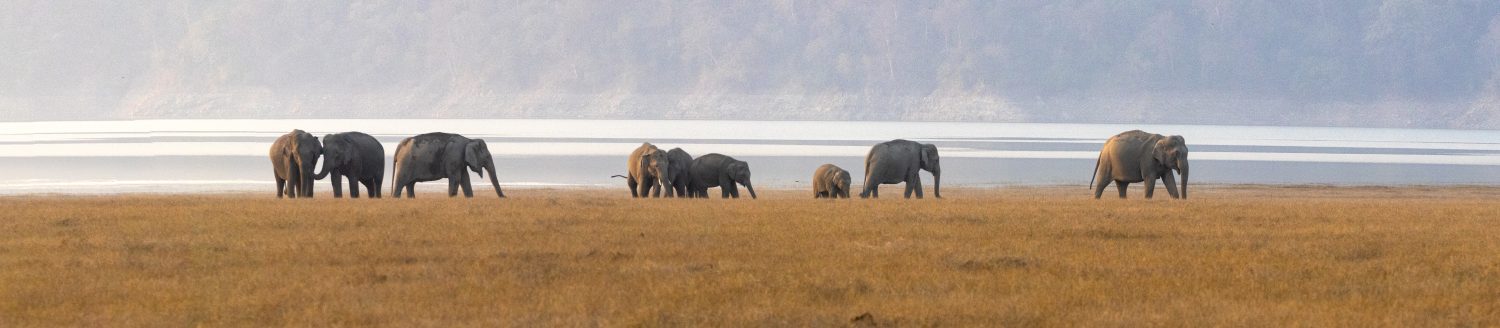
Chollas, not to be confused with the Chola dynasty, are a genus of cactus native to northern Mexico and southwestern United States. Known for their barbed spines, they will stick to your clothes/skin. Some species of Chollas form hollow driftwoods with holes along them which are used a lot in aquariums to provide shelter for fishes.
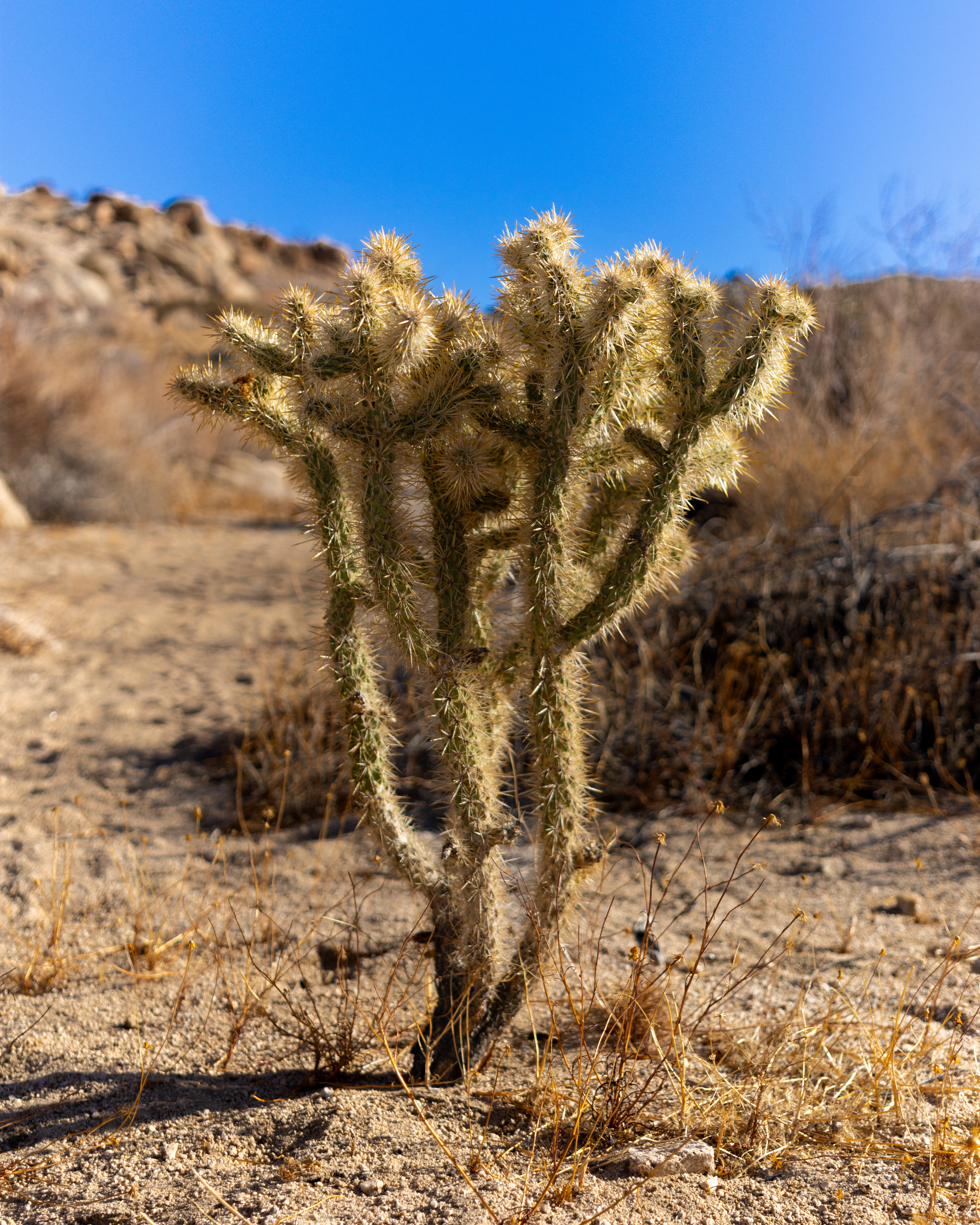
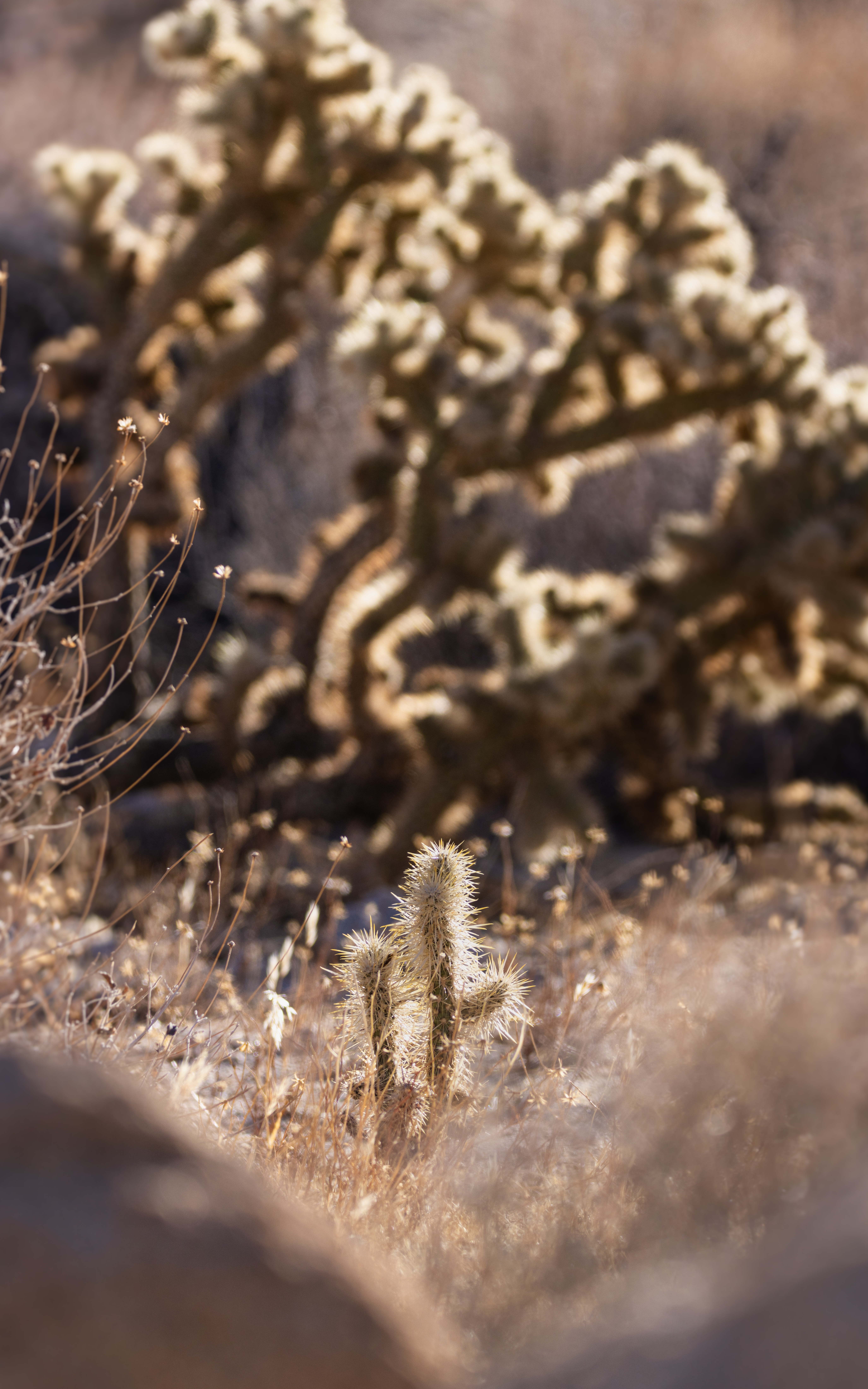
Cholla stands are called Cholla gardens, a particularly famous one can be found in Joshua Tree National Park. I was particularly excited to visit it, but I found the garden flooded by visitors casually walking off trail amongst the plants, destroying young plants and compacting soil, ensuring long-term damage. While I blame the visitors for the bad behaviour, the fact that NPS does not control crowds is a shame.

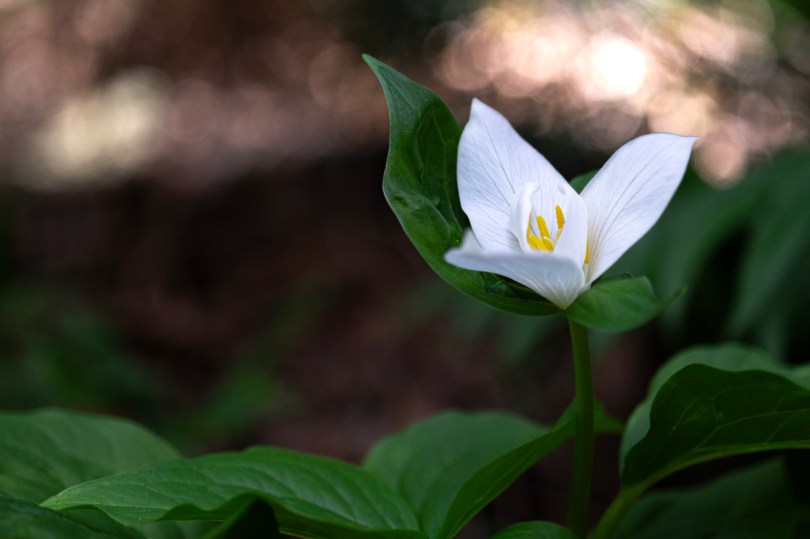
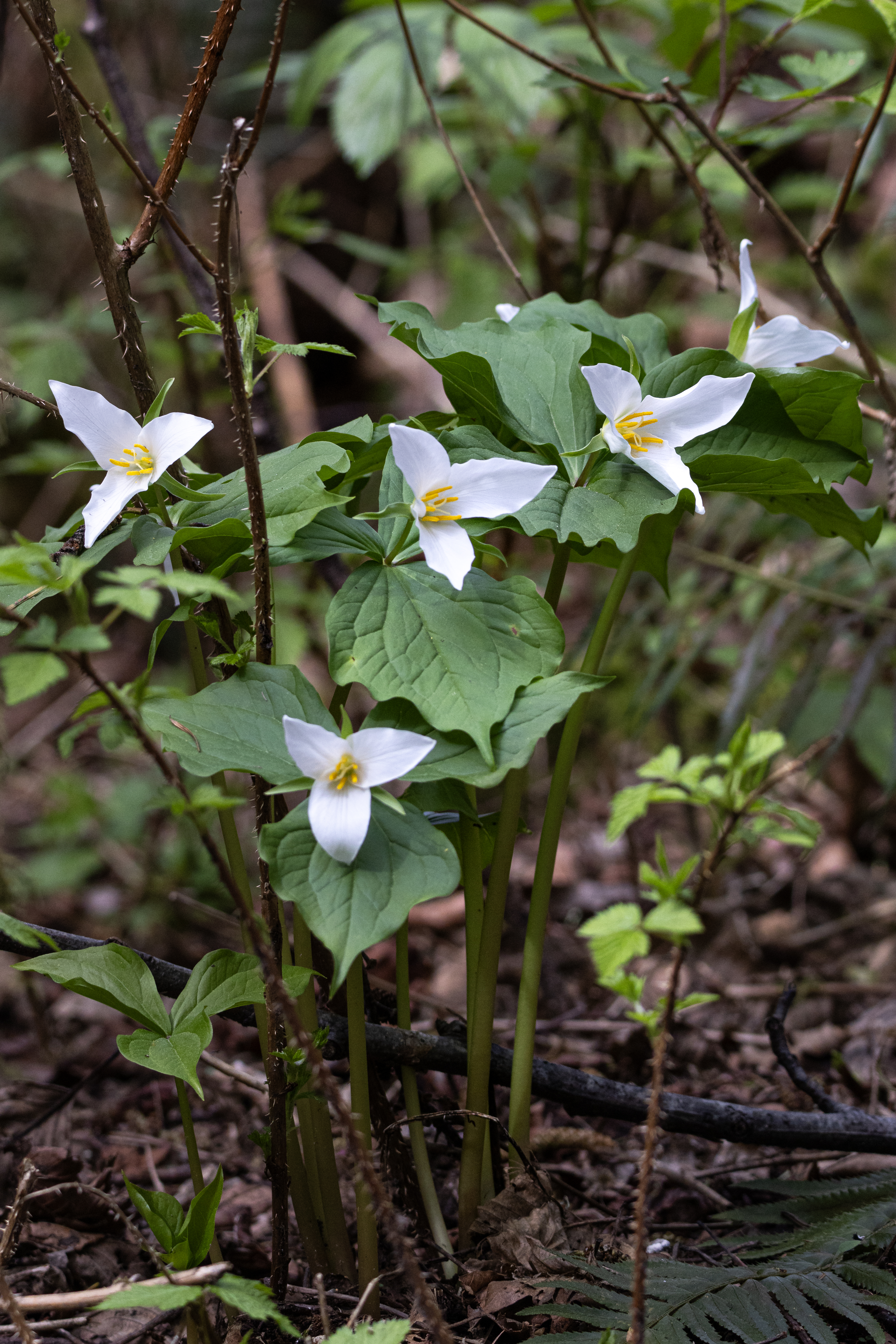
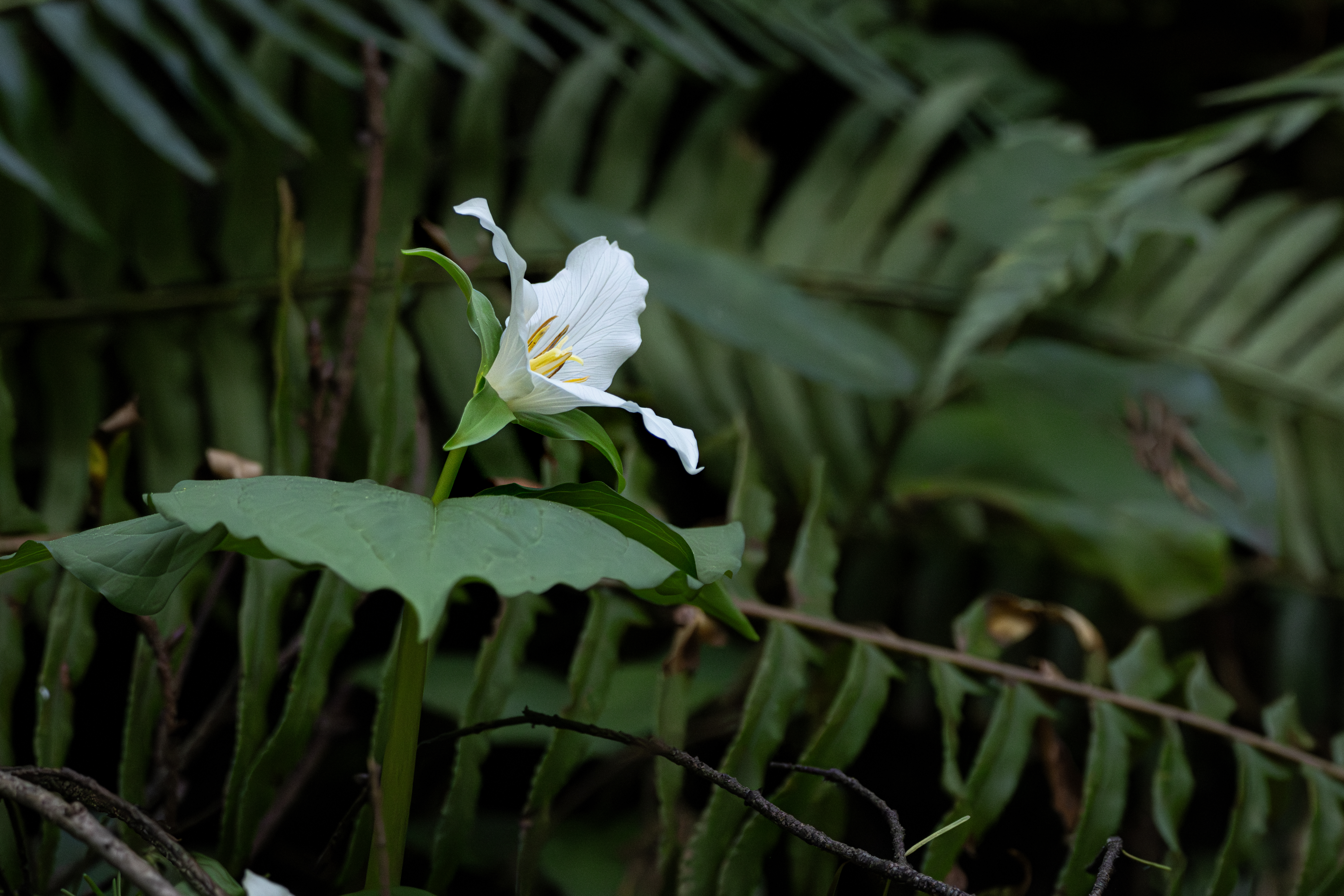
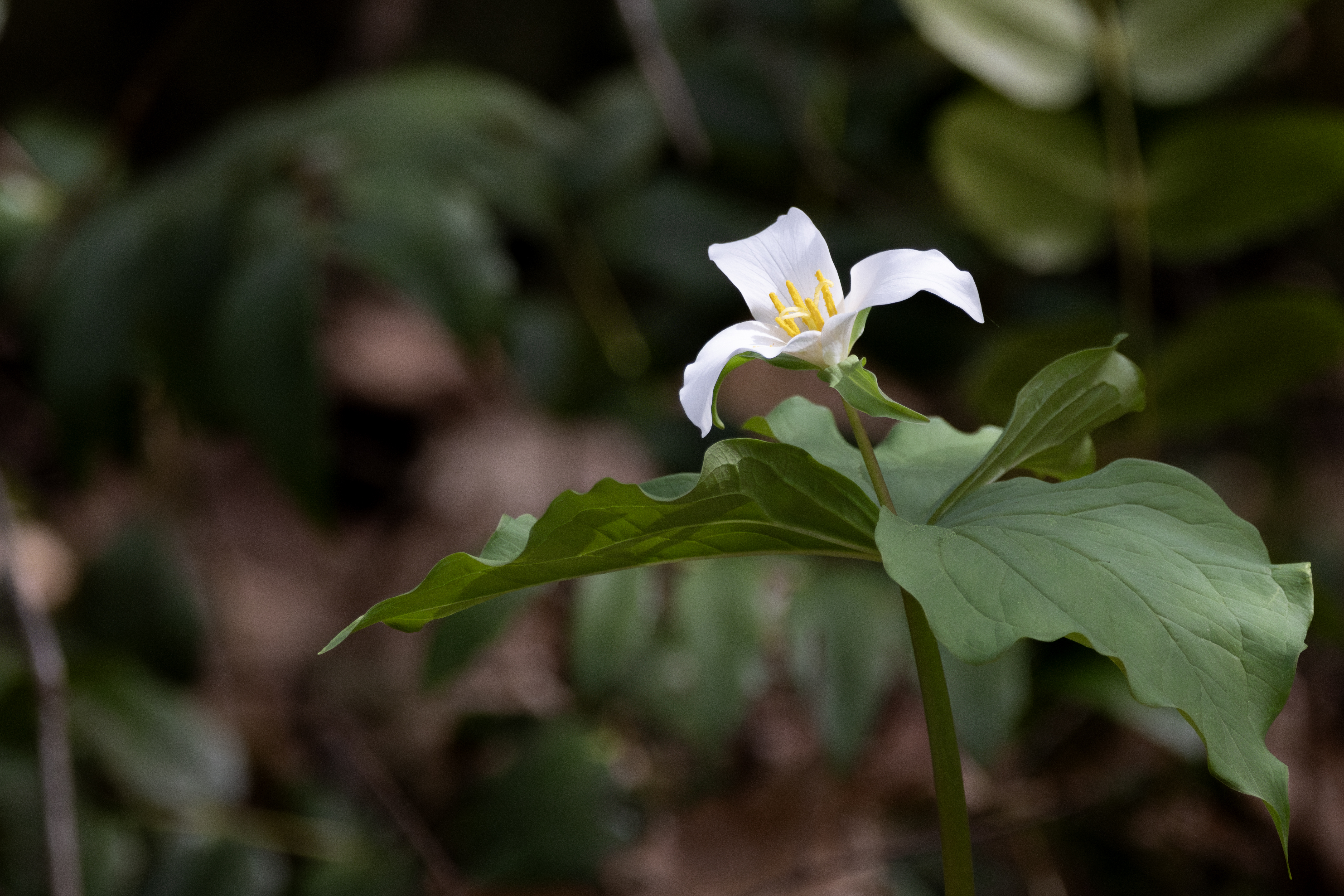
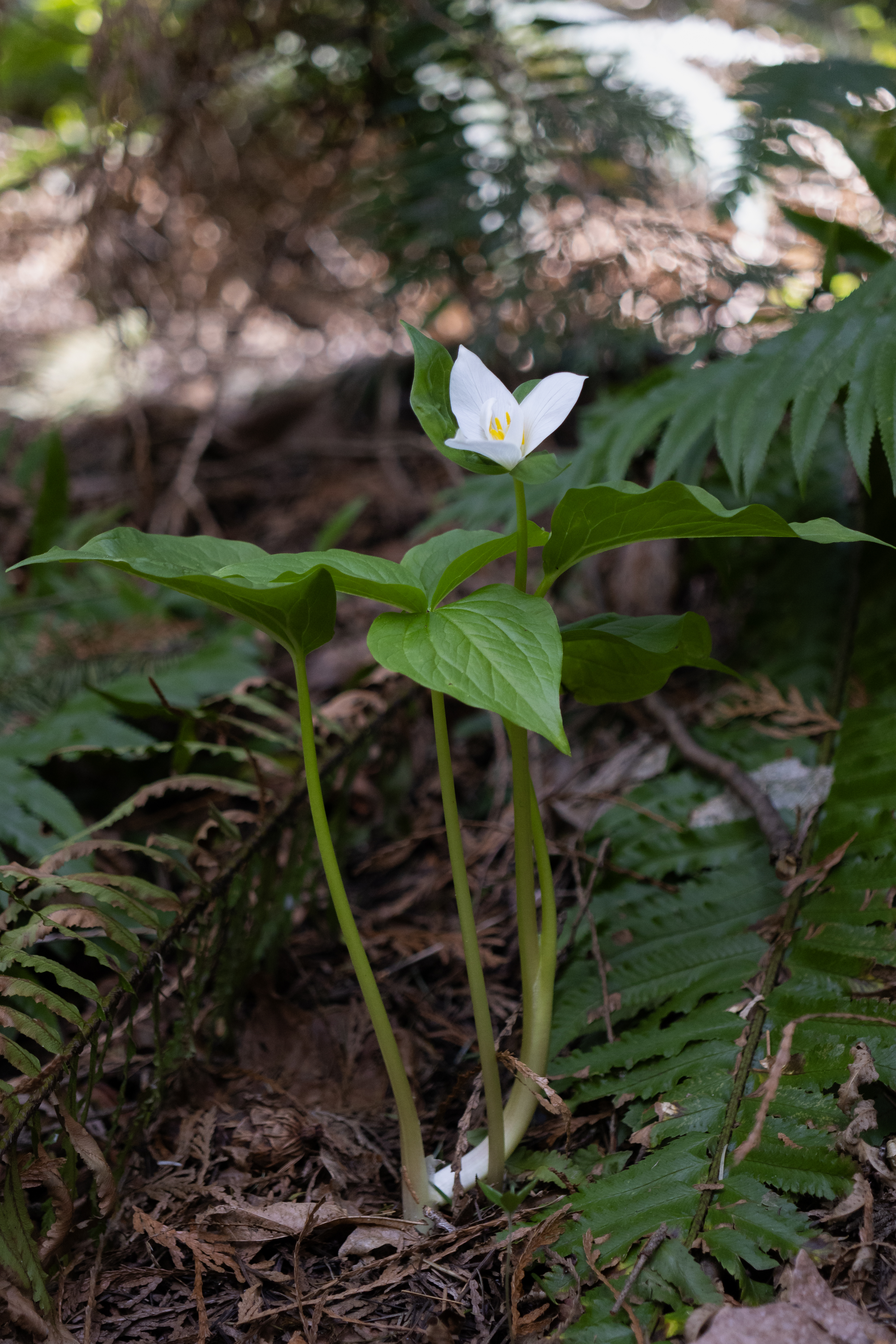
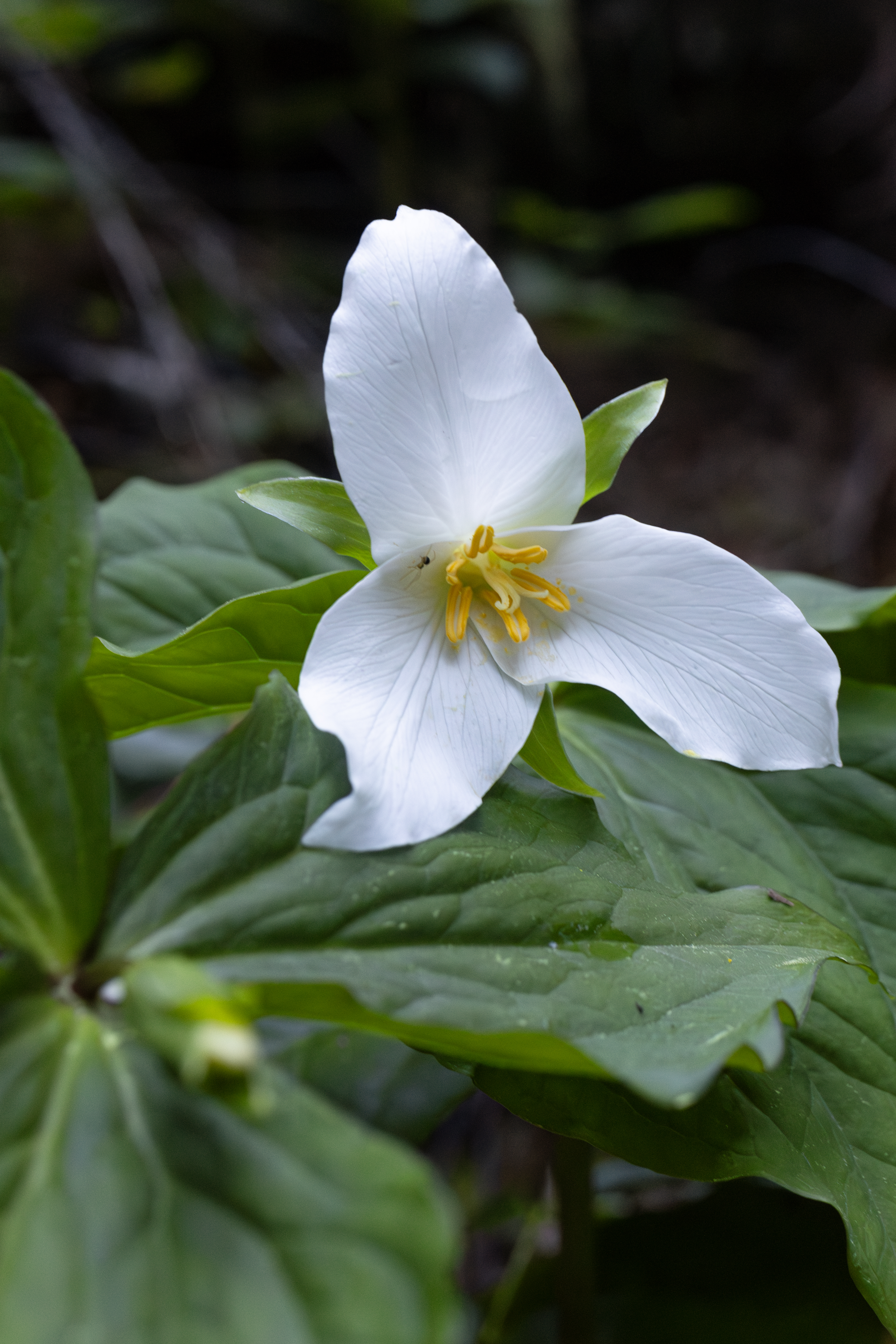
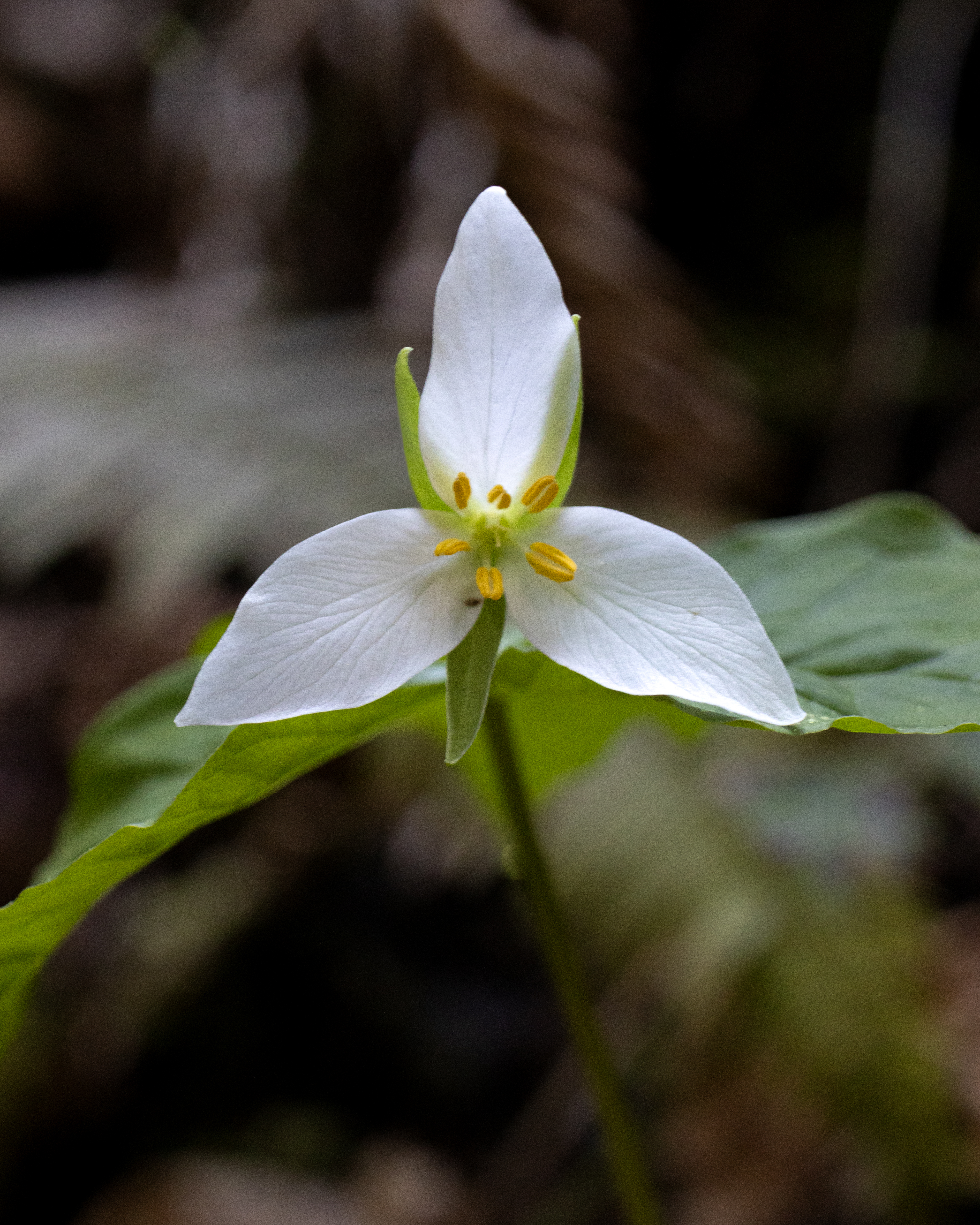
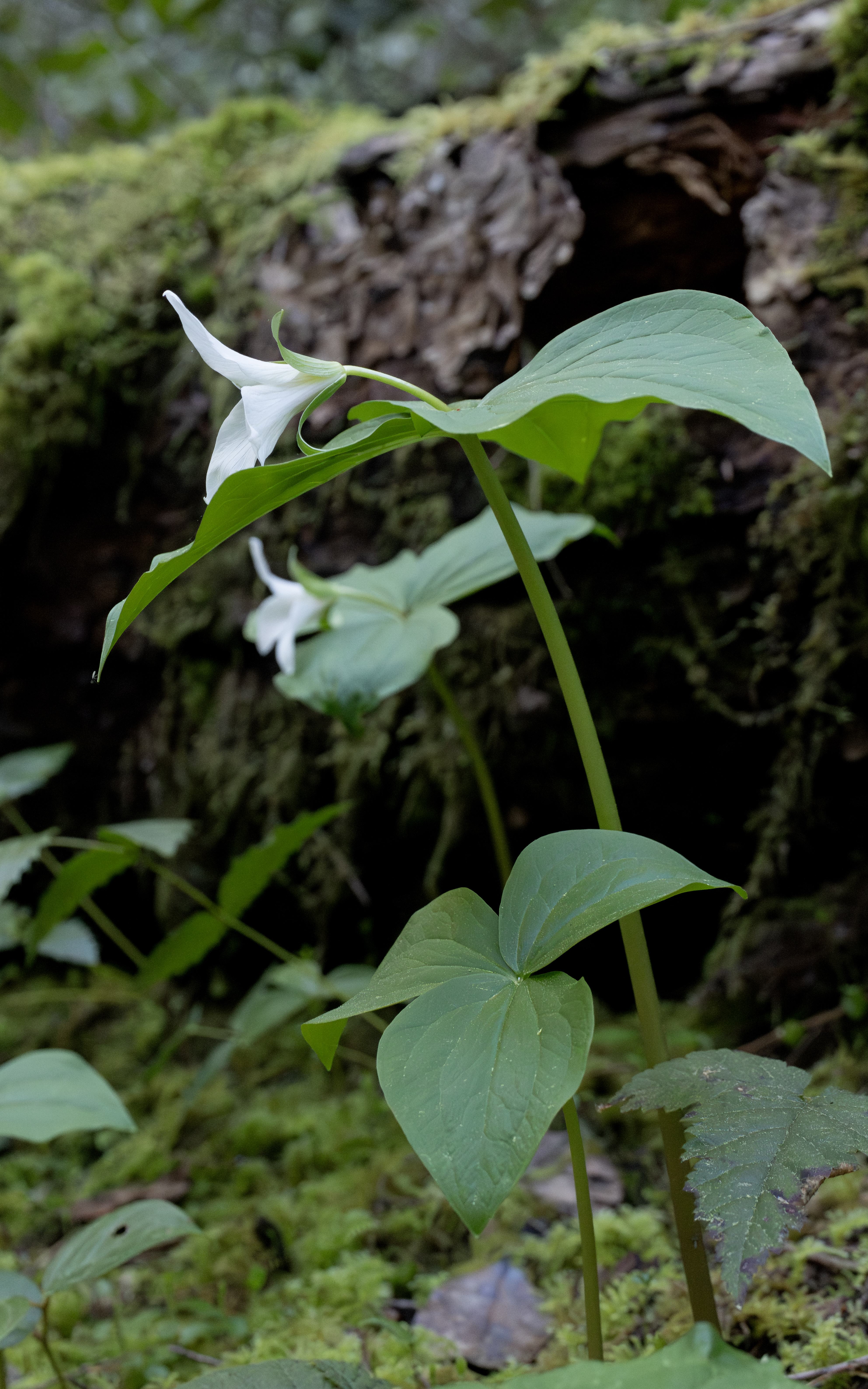
Trillium ovatum (Pacific Trillium)

Trillium ovatum, also known as Pacific trillium or western Trillium, is a widespread trillium species abundant in Western North America. Its flowers are nearly indistinguishable from T. grandiflorum, with which it is closely related. Thankfully, they have distinct natural ranges and can easily be told apart from where you encounter them!

Western Trillium is a perennial herb spreading through underground rhizomes, preferring to grow in shaded forests.

Life cycles of Trilliums are quite interesting, as they take a long time to reach maturity. From wiki

“The life-cycle stages of T. ovatum include a cotyledon stage, a one-leaf vegetative stage, a three-leaf vegetative (juvenile) stage, a three-leaf reproductive (flowering) stage, and a three-leaf nonflowering regressive stage. An example of the latter involves a transition from the three-leaf flowering stage to a three-leaf nonflowering regressive stage.”

In the previous years, I have seen many Trillium plants, most either past floewring, or too young to flower. Seattle finally broke my Trillium curse, and how!

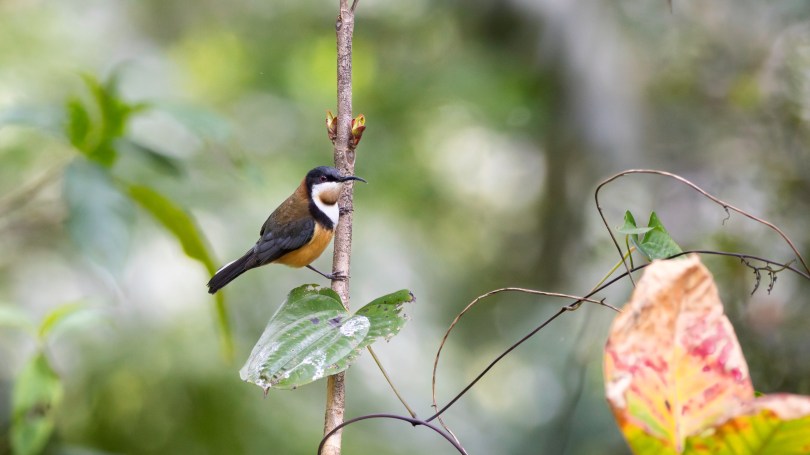
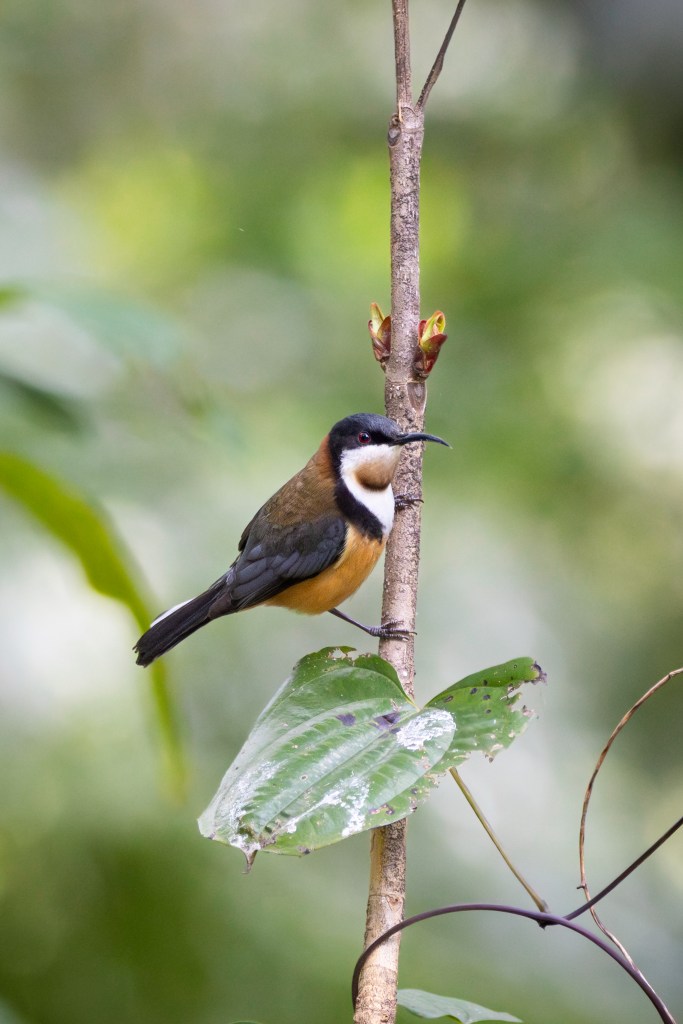
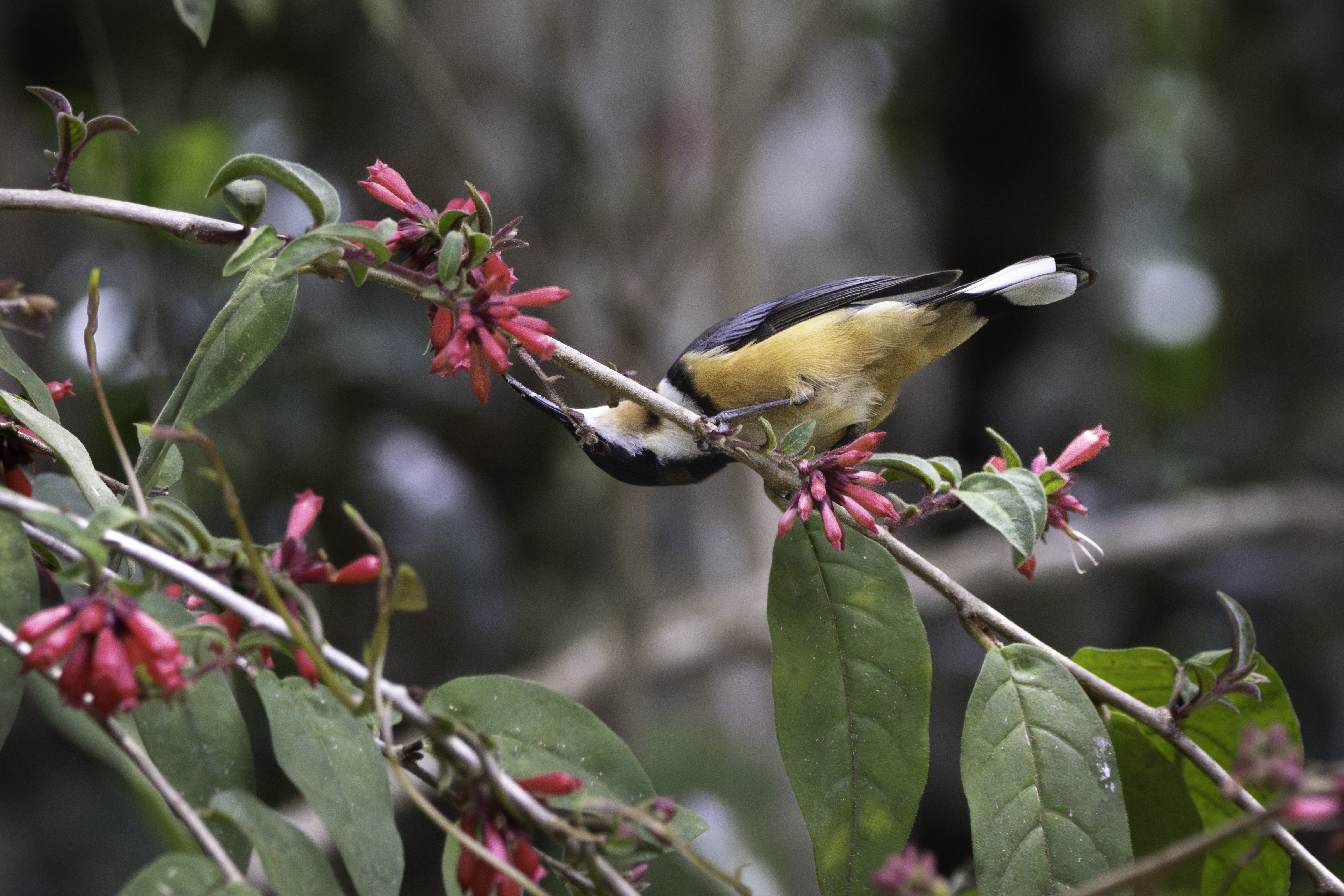
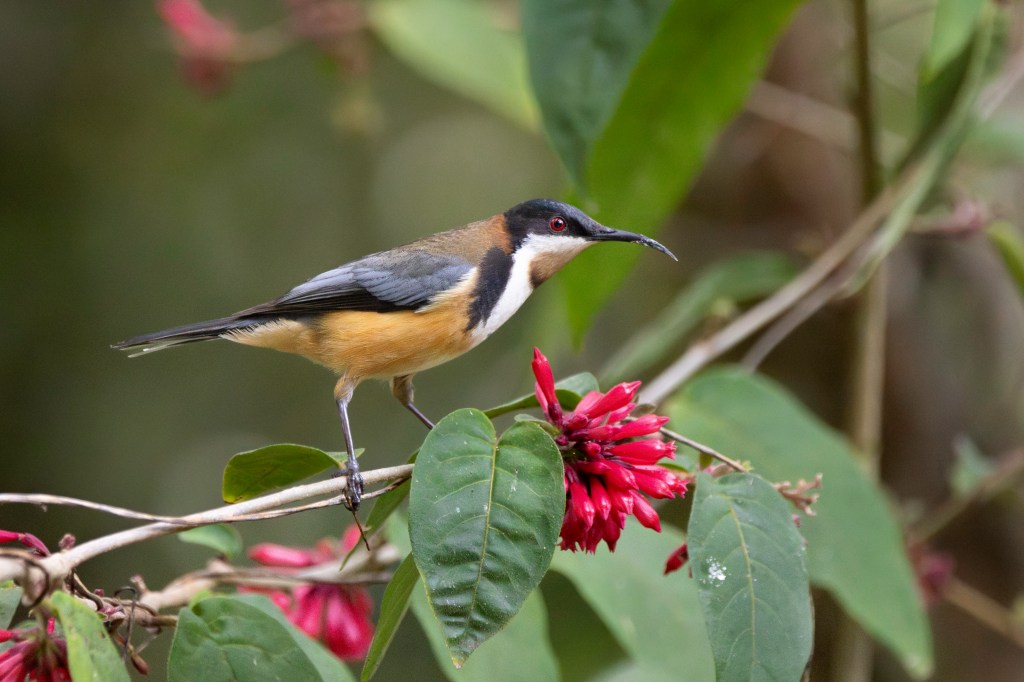
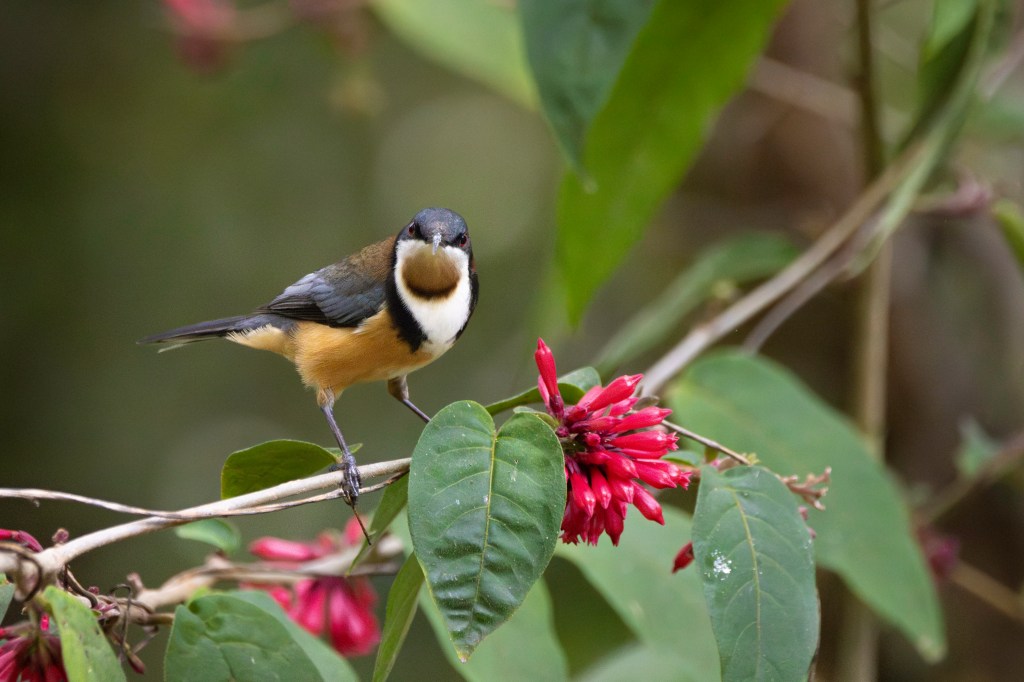
Acanthorhynchus tenuirostris (Eastern Spinebill)

Eastern spine bill is a beautiful honeyeater endemic to south-eastern Australia. The bird’s distinguishing feature is the long, needle-like bill, which adeptly extracts nectar from various flowering plants. This evolutionary feature independently evolves in many nectar-drinking species like I’iwi.

Vibrant colors adorn the male plumage, including a dark crown, a cinnamon-colored throat, and a contrasting white chest.

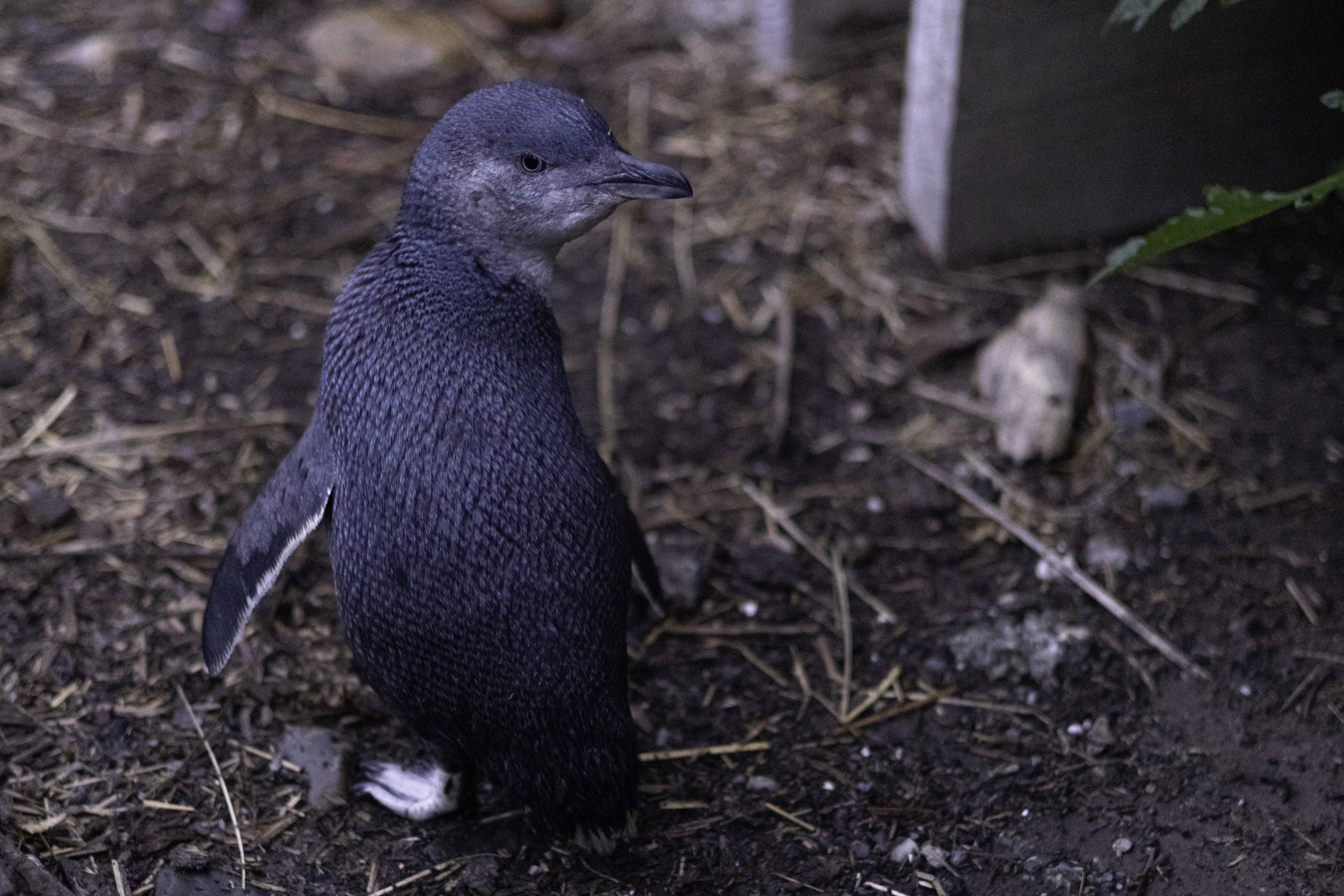
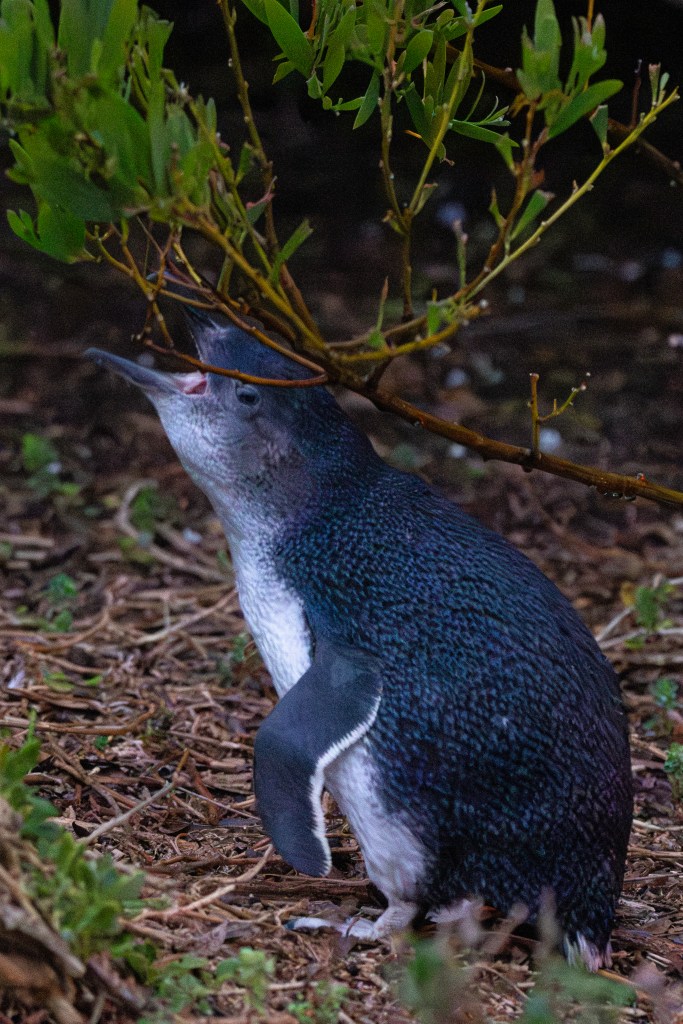
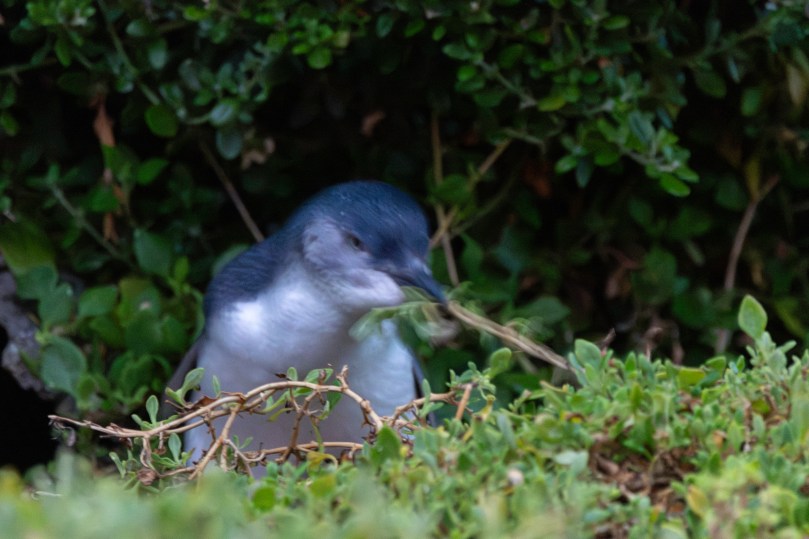
Eudyptula novaehollandiae (Australian little penguin)

Australian little penguins, or blue penguins, are one of the smallest penguin species in the world, growing to about a foot. They were once considered a subspecies of the little penguin from New Zealand, but later, mtDNA revealed that the Australian little penguins are a species of their own. Other than their behavioral differences, a critical difference between the two little penguin species is the striking blue plumage of the Australian species.

Little penguins spend most of their day in the ocean. During breeding season, the adults leave their chicks in their nest for the day as they head out into the sea to forage, returning at night to feed their young. One behavioral difference between New Zealand and the Australian penguin is that the Australian blue penguins come ashore in small groups, possibly to protect against predatory marsupials that did not exist in New Zealand.

The blue penguin is native to southern Australia, including Tasmania, where these cranky juveniles were photographed waiting impatiently for their parents to return! They are also found in the Otago region of New Zealand.