Platanthera species and its hybrids

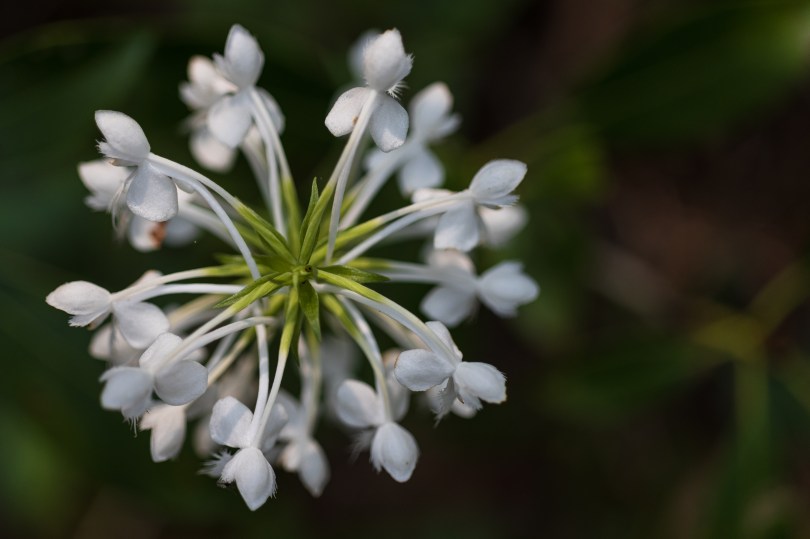
I am shocked that I have not uploaded these species and hybrids! Platanthera is by far my favorite genus of species. Several species of this genus can be found in New Jersey, including the white-fringed orchid (P. blephariglottis), the small green orchid (P. clavellata), and the orange-crested orchid (P. cristata), along with some hybrids like canby’s bog orchid (Platanthera × canbyi). I was first introduced to this genus by the photography of the amazing Jim Fowler.

There are three kinds of Platanthera orchids, all found in New Jersey’s pinelands! White-fringed orchid is one of the larger orchids with a beautiful inflorescence. It is found across much of the eastern US and Canada. Globally secure, the orchid faces threats in several states throughout its range. Habitat destruction being one of the main threats, these orchids also face difficulties when natural fire is suppressed. Like many orchid species found in the pinelands, they need regular wildfires to help maintain their habitat. The orchid prefers open sunny wetlands, and wildfires help keep larger woody trees at bay.

Orange-crested orchid is a smaller orchid with striking orange flowers, blooming in mid to late summer. It shares its habitat with the white-fringed orchid, both needing similar habitats to thrive. Like the white-fringed orchid, it faces several threats in the wild, including a lack of wildfires.

When populations of white-fringed orchid and orange-crested orchid intersect, they can readily hybridize to form Canby’s bog orchid. The hybrid is more resilient than its parents and has a color between the two species.


In conclusion, these orchids represent the best our pinelands have to offer. I look forward to their blooms every year, looking forward to the white flowers carpeting open meadows. Pinelands need our help to be preserved, and I hope future generations can continue to enjoy these beautiful wildflowers.

Setophaga discolor (Prairie Warbler)

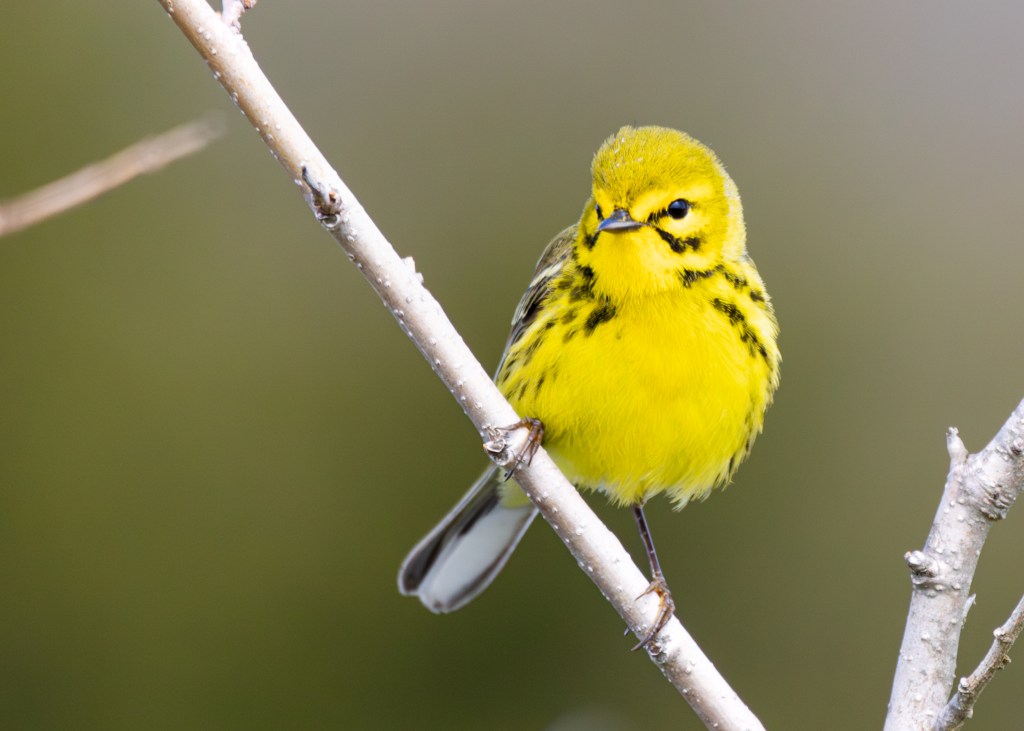
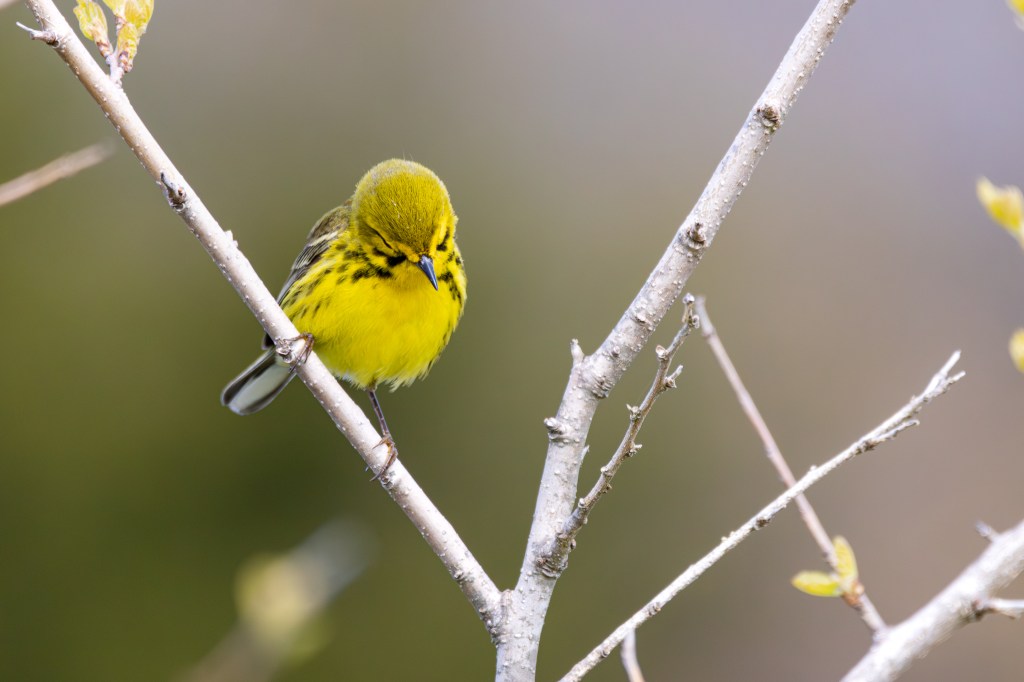
Setophaga discolor (Prairie Warbler), is a small songbird found in North America. A new world Warbler. Unlike what its name suggests, Prairie Warblers don’t actually live in prairies, but in young second growth shrubs.

A mostly migratory bird, a population of Prairie Warblers calls Florida home all year long. They are a separate subspecies that live in mangroves and are larger than the migratory kind. The migratory population can be found making its way north in spring and residing through the summer to breed. I caught this, most likely, male bird hopping around a shrub singing his heart out in Cape May, NJ. Hopefully, he was able to get a mate for the season!

Dryocopus pileatus (Pileated Woodpecker)

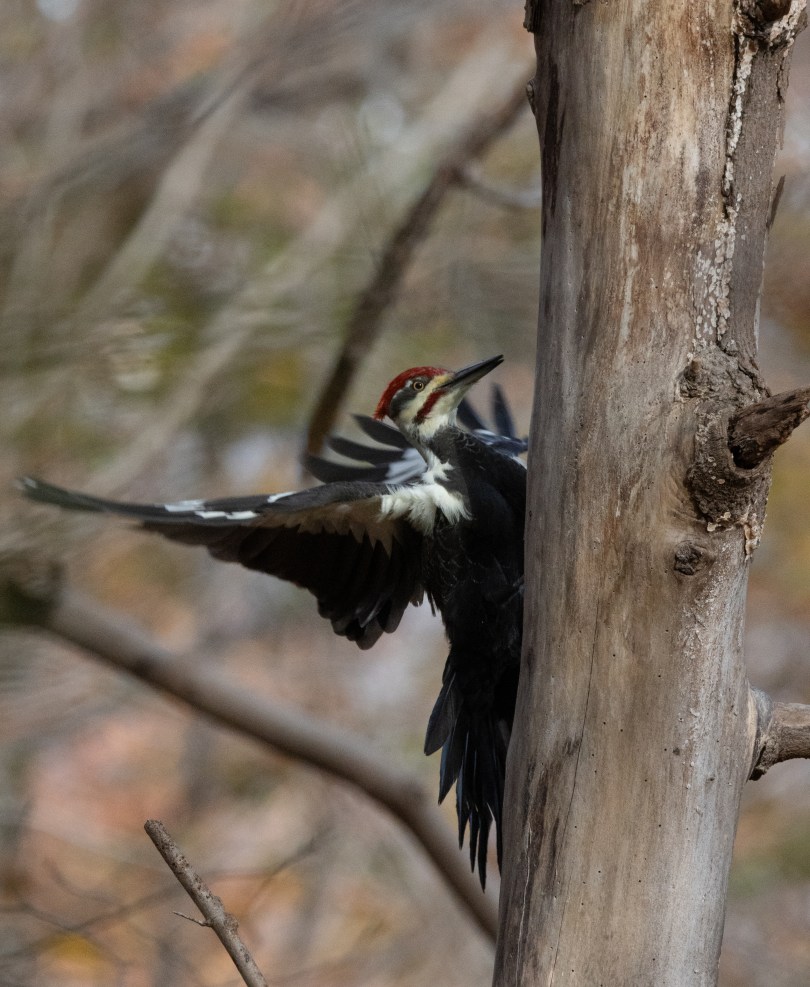
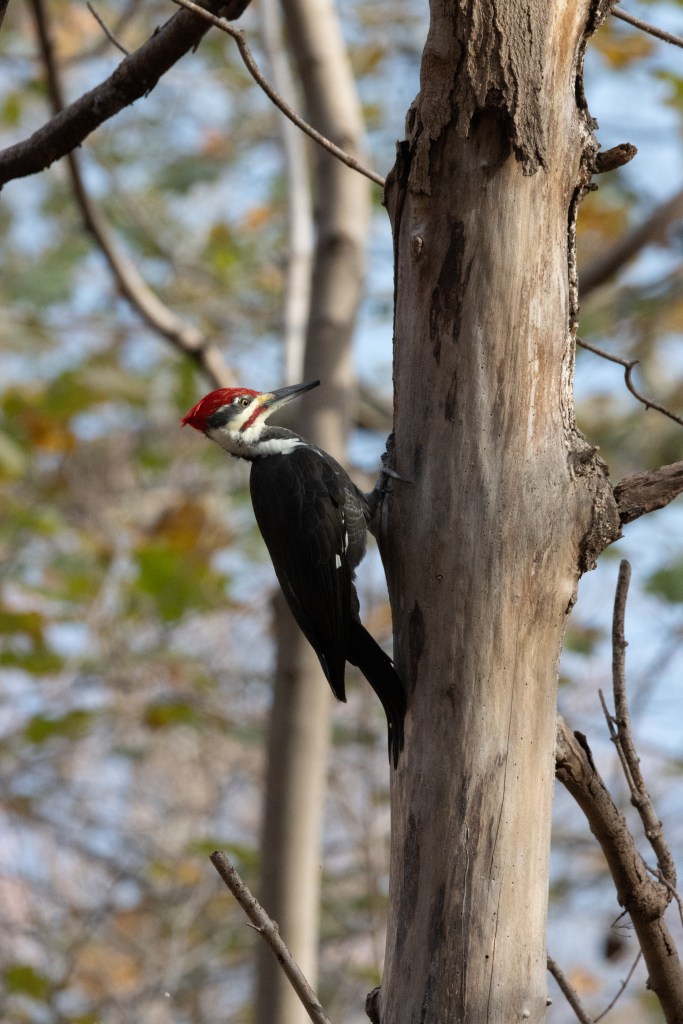
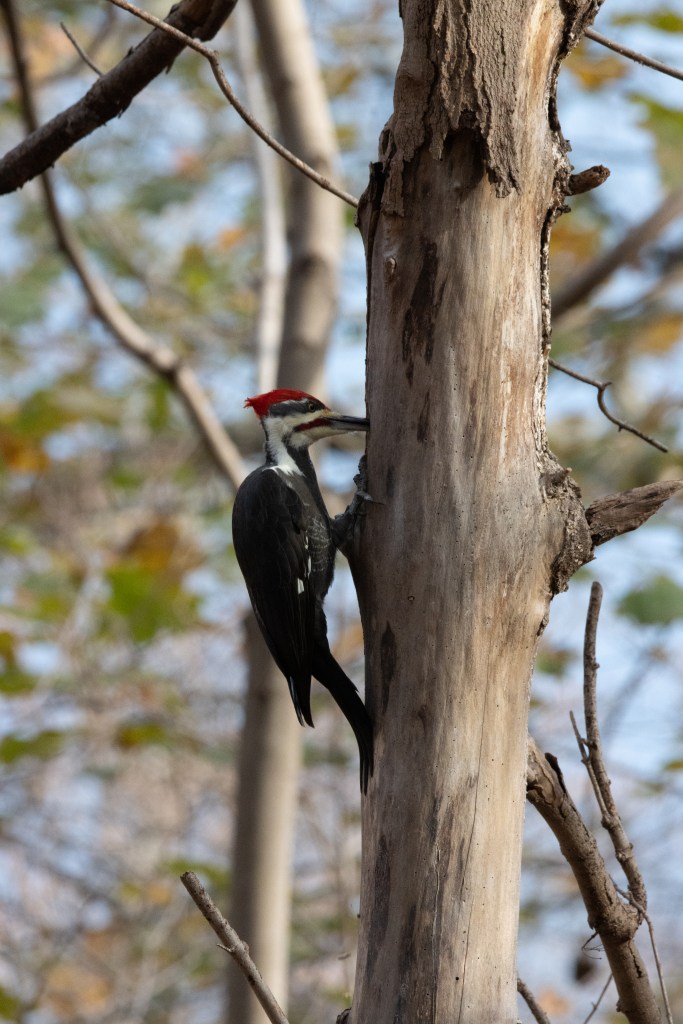
The Pileated Woodpecker is a large, striking bird throughout North America. Known for its distinctive appearance and powerful drumming, this woodpecker is familiar in forests and wooded areas. It is now the largest extant woodpecker species in North America since the reclassification of the ivory-billed woodpecker as extinct by the U.S. Fish and Wildlife Service. Unlike the larger and more specialized ivory-billed woodpecker, the Pileated woodpecker is more adaptable, allowing it to continue surviving in proximity to human habitation. The birds are essential in controlling the insect population, and even though some homeowners could consider them annoying, the disappearance of these woodpeckers could increase the tree beetle population, damaging forests. 

Below, a woodpecker rams into a tree at the Palisades interstate parkway.

Native and Invasive Irises (Iridaceae)

If there is one thing you can be sure of, as you learn more about plants and how to identify them, the clearer the destruction of native wildlands gets. Soon the beautiful flowers you see in a wild reserve turn up to be aggressive invasive species brought to the continent by people wanting a more European garden.

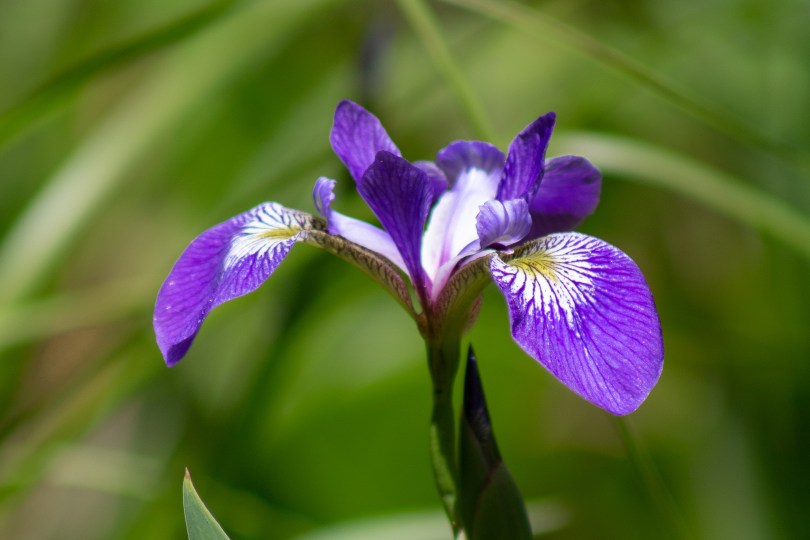
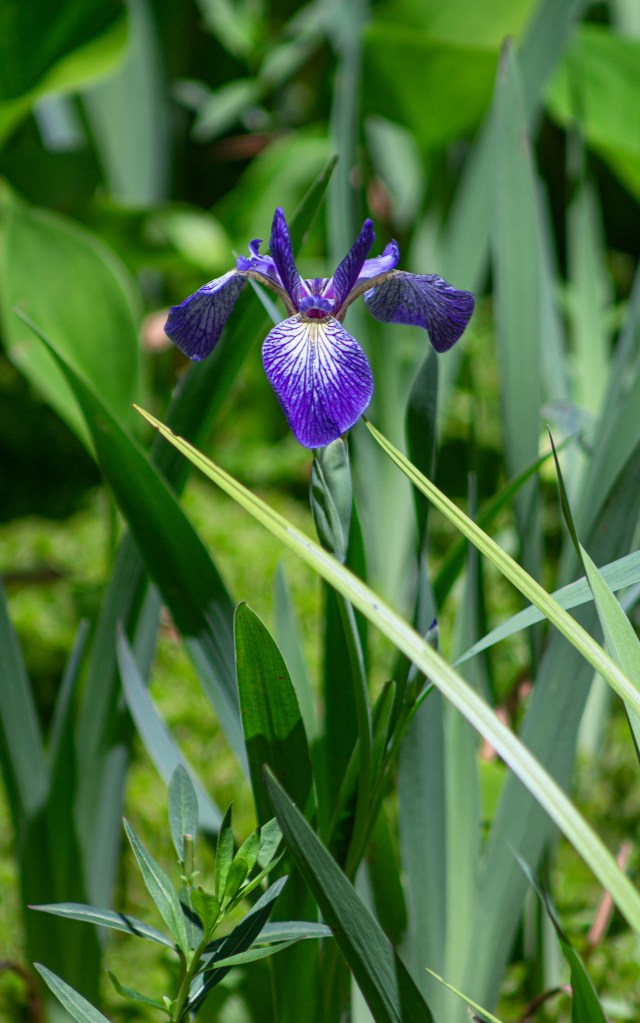
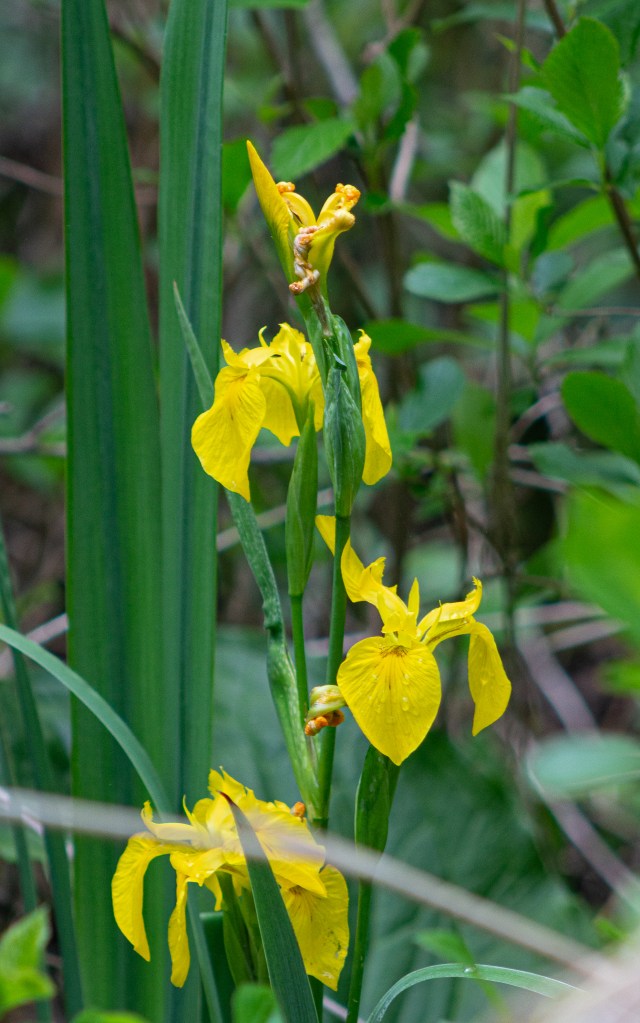
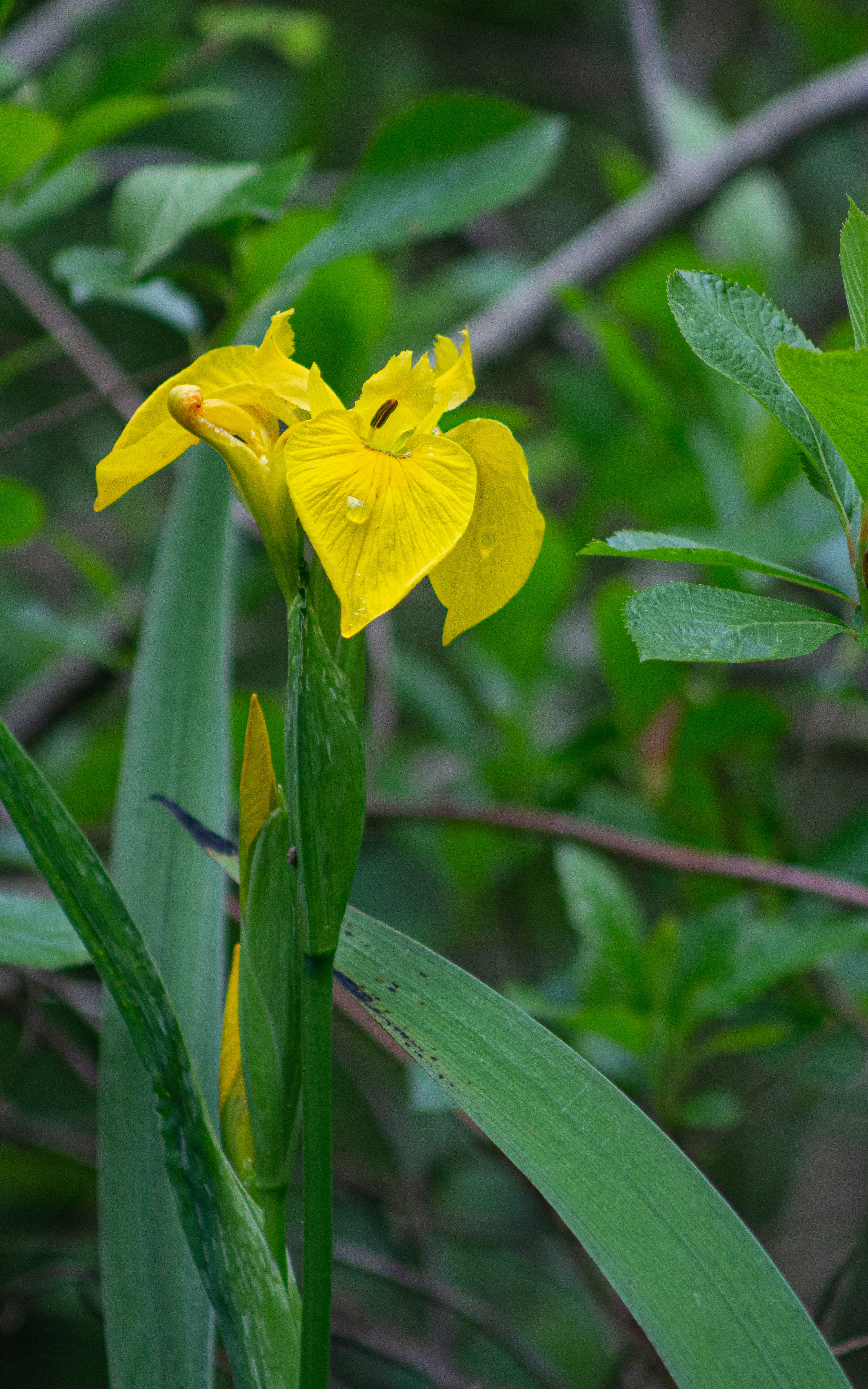
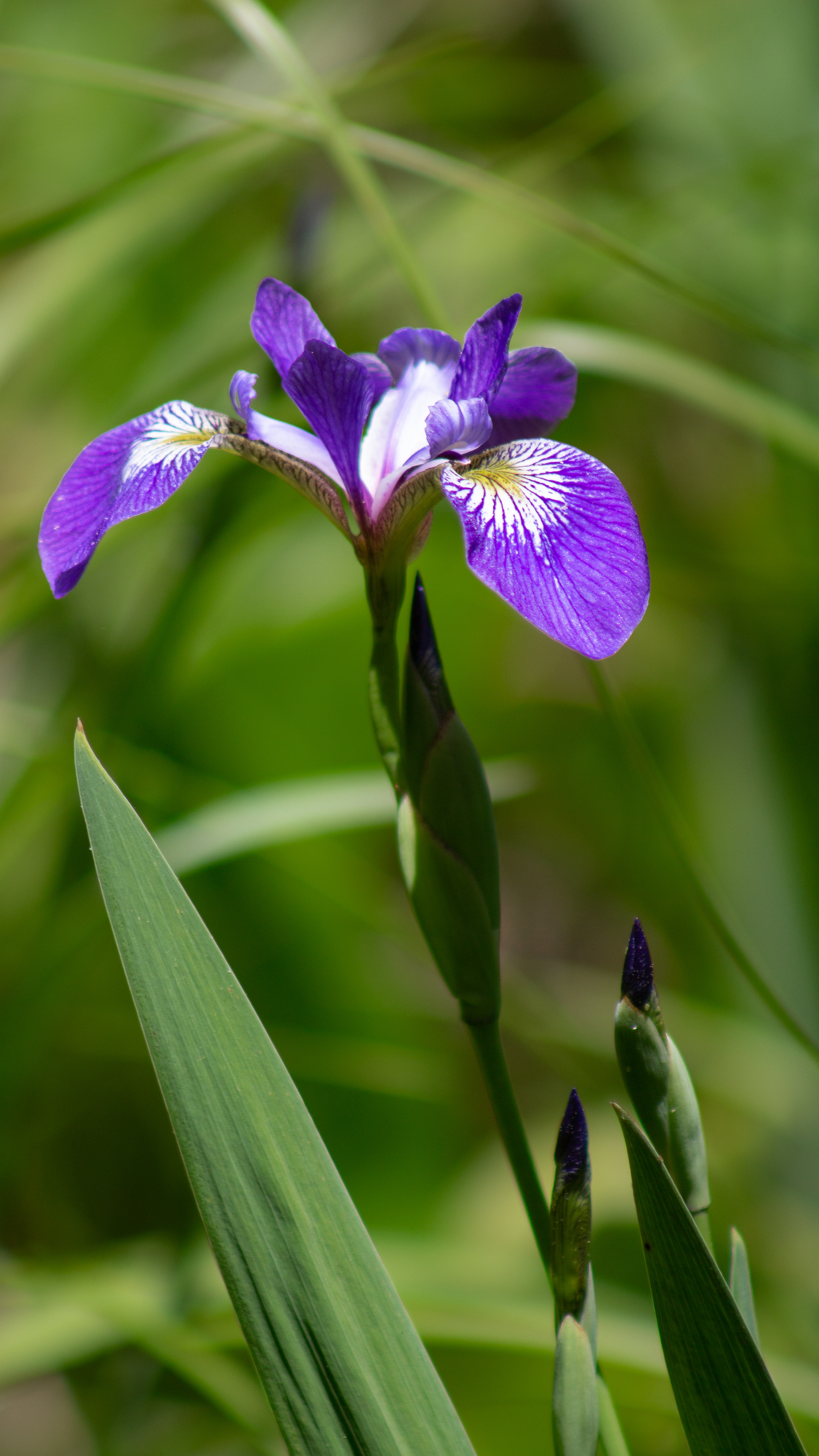
Today I want to show two species of Irises that can be found in New Jersey, North-Eastern America, Iris pseudacorus (Yellow-Flag Iris), and Iris versicolor (blue flag Iris). You can also compare the blandness of the Yellow-Flag Iris with another Native Iris, Savannah Iris

Both species look similar, but, in my personal opinion, the native Iris looks far better than its European cousin. But, as the yellow-flag were quite popular in Europe they were imported for their ornamental value.

Both species like wet conditions to grow in and are found growing near ponds or swamps. Yellow Flag Iris takes over aquatic habitat and out-competes native plants by forming thick clumps that are hard to remove.

Adding native plants to your garden has a lot of advantages. Besides making your yard look beautiful, they attract and provide shelter to native insects and help restore the land to its original splendor! You can find links to native gardening websites here.

Go ahead, slide between the two flowers, and tell me which one is prettier!

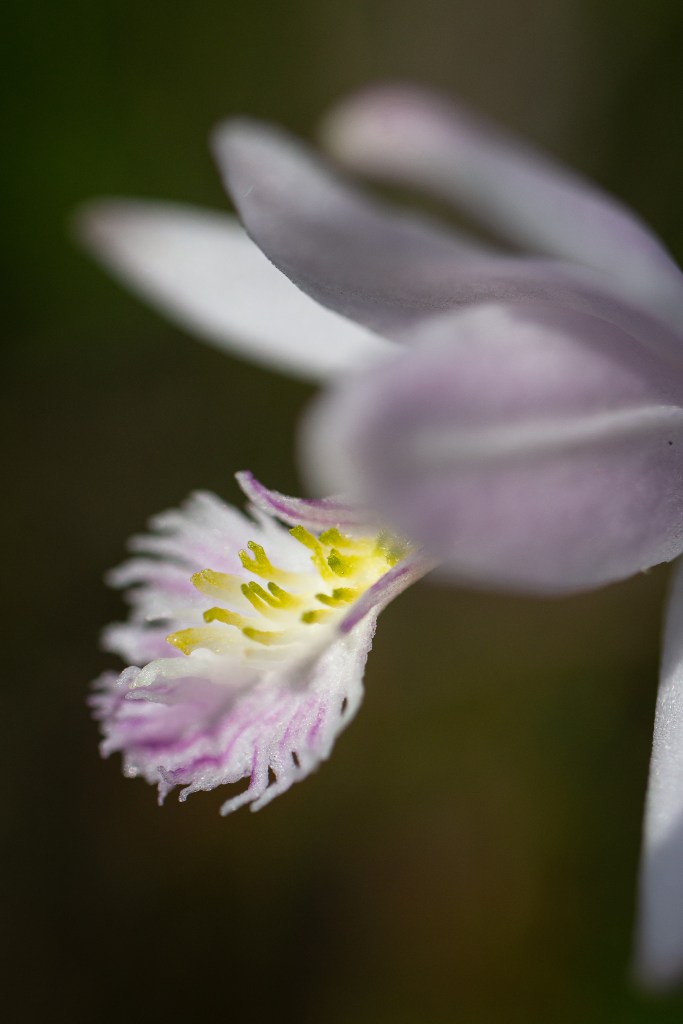
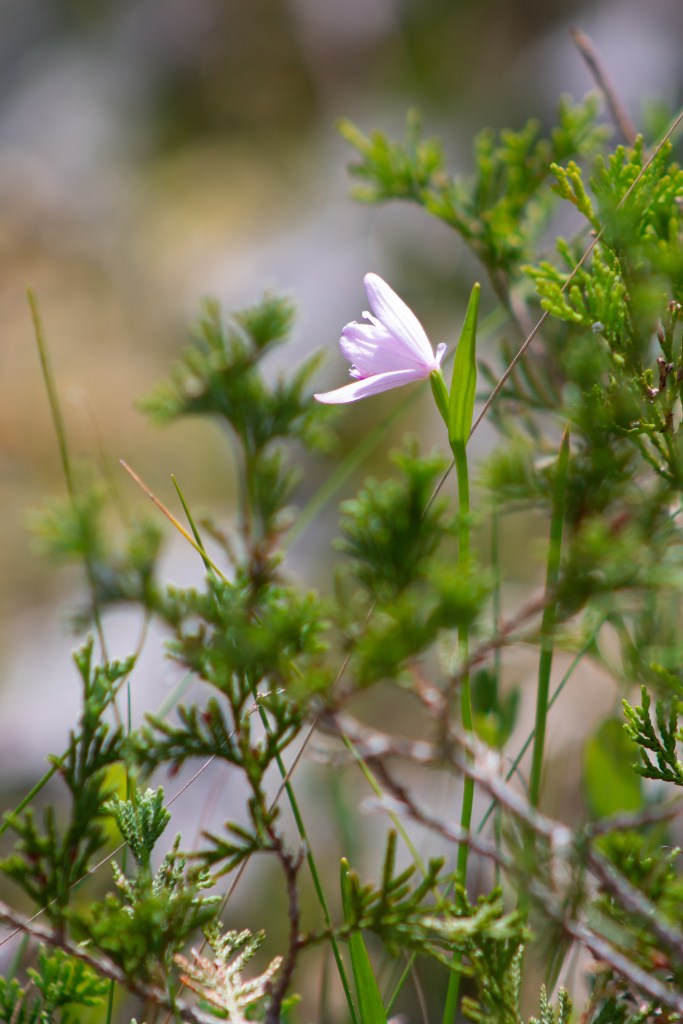
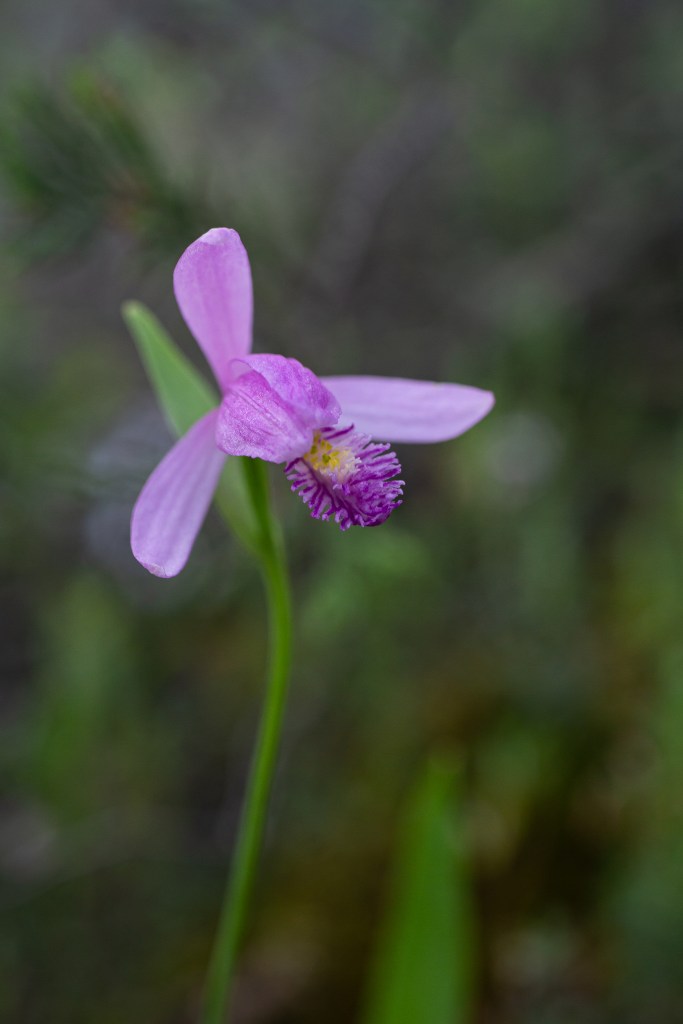
Pogonia ophioglossoides

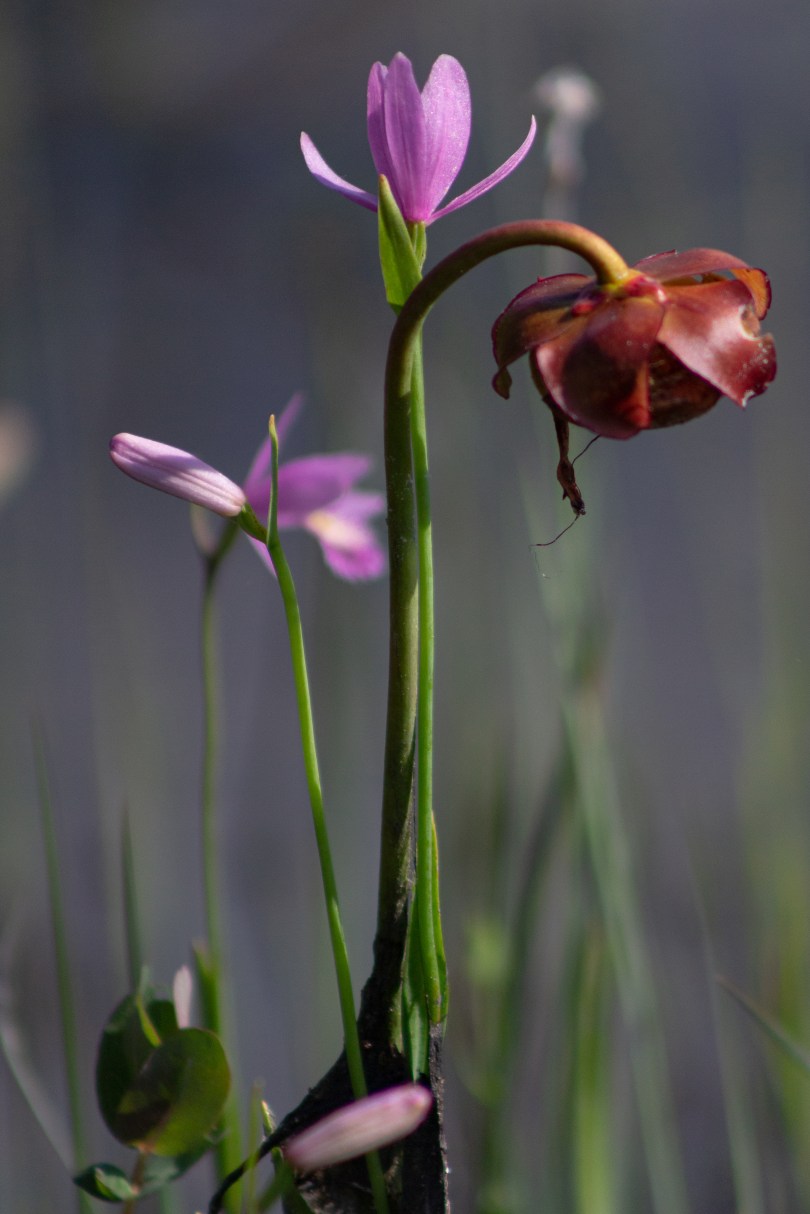
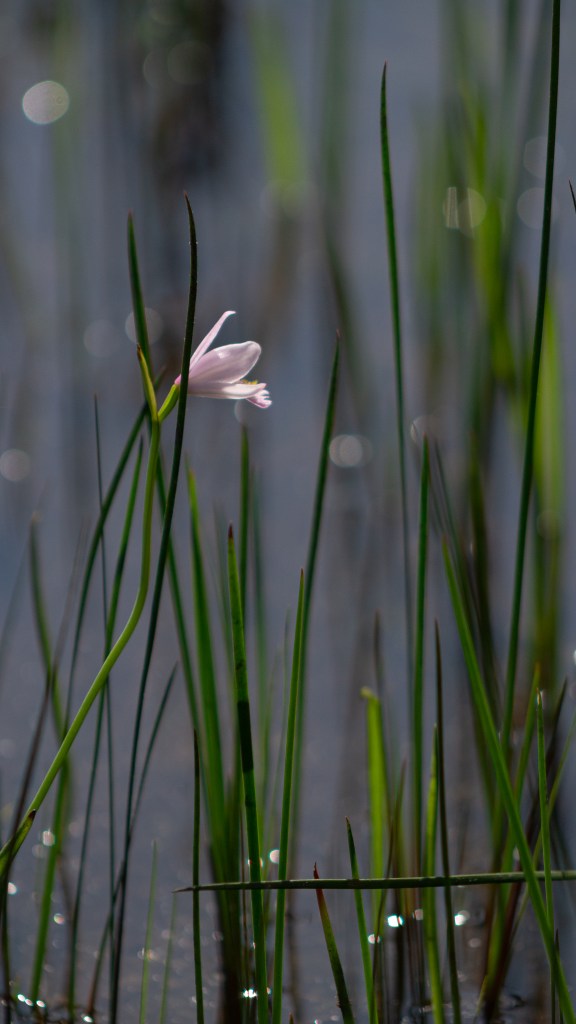
Pogonia ophioglossoides, better known by its common names, Rose Pogonia, or the snakemouthorchid. It is a terrestrial orchid found in wet areas along the East Coast, as north as Canada. It is pollinated by bees that it attracts by its sweet fragramce.

The scent of the orchid was put to words by Robert Frost in his poem titled “Rose Pogonias”, where he says – “stifling sweet/with the breath of many flowers…”

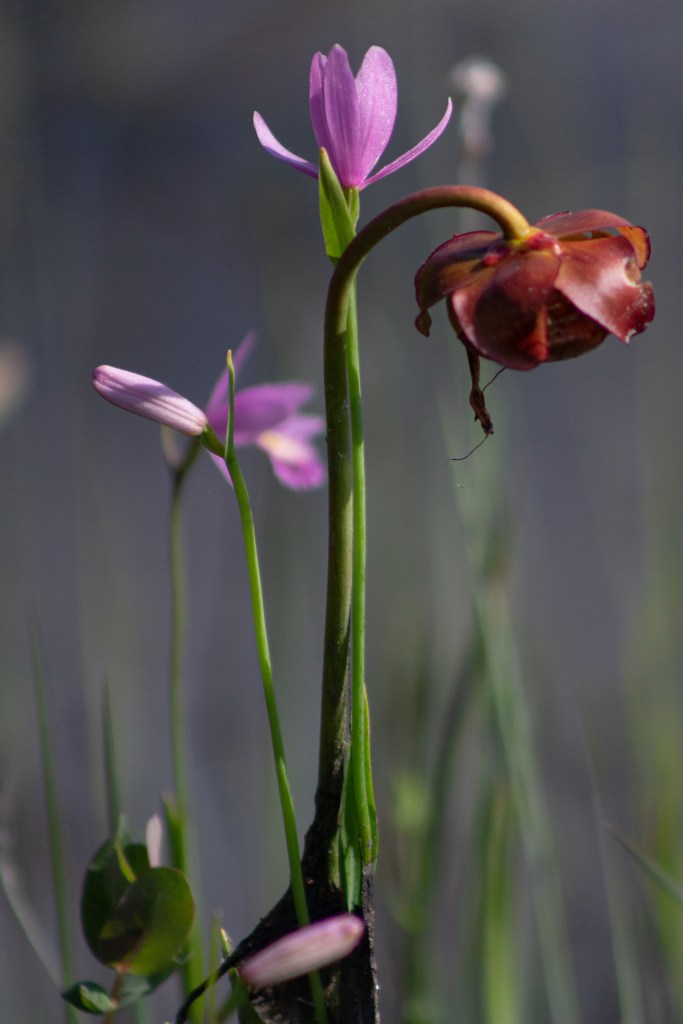
In New Jersey, these can be found in bogs or wetlands, even growing alongside carnivorous plants. As seen in the second photo, couple of orchids bloom alongside an old flower of a pitcher plant.

Eastern (Red-Spotted) Newt

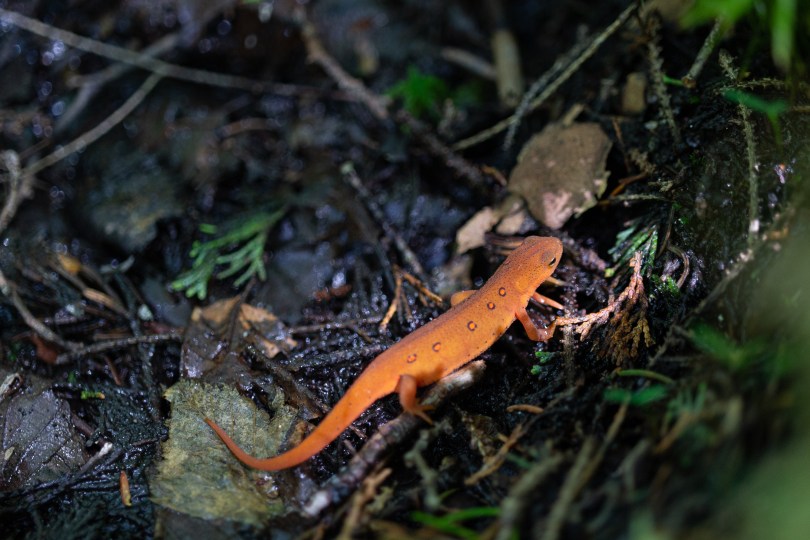
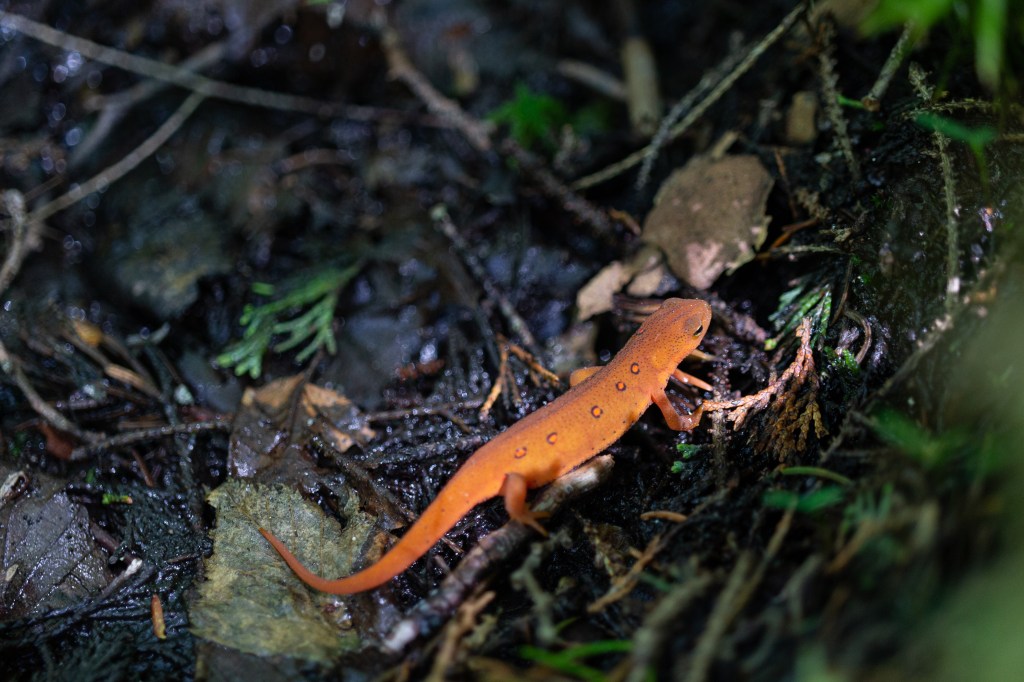
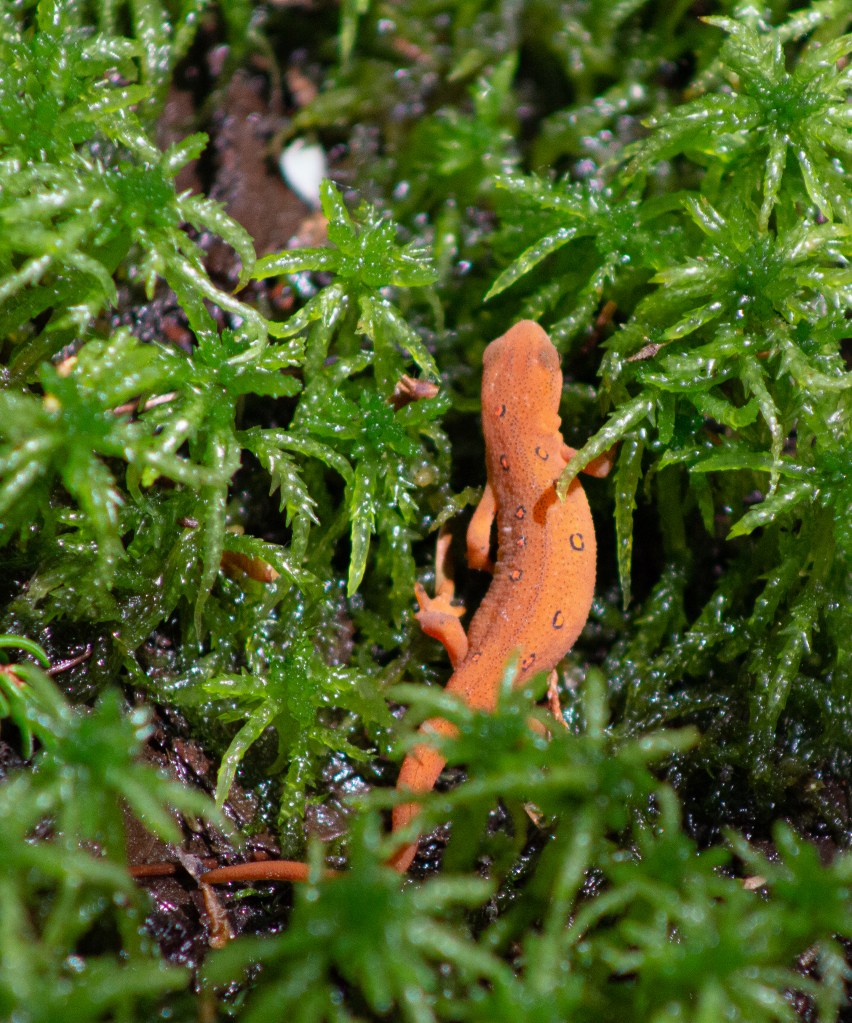
Notophthalmus viridescens,the eastern newt is a common newt found across eastern North America. The adults are not as striking as the juveniles (efts), which are brightly colored to warn you of their toxins.

Shown here is an individual eft we stumbled across in high point state park, New Jersey. The swamps of the High Point are unique and are biologically diverse. You can learn more about the bog here on this excellent blog that goes through its natural history and its unusual evolution.

Utricularia

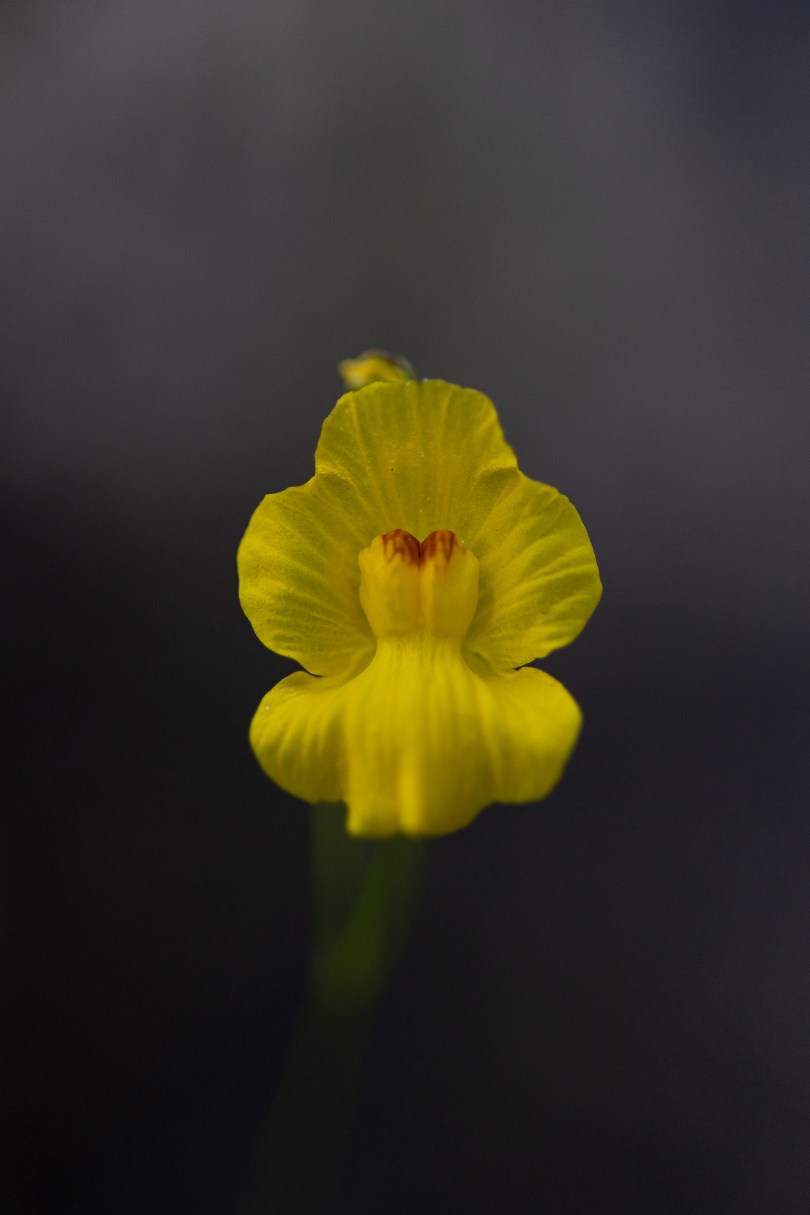
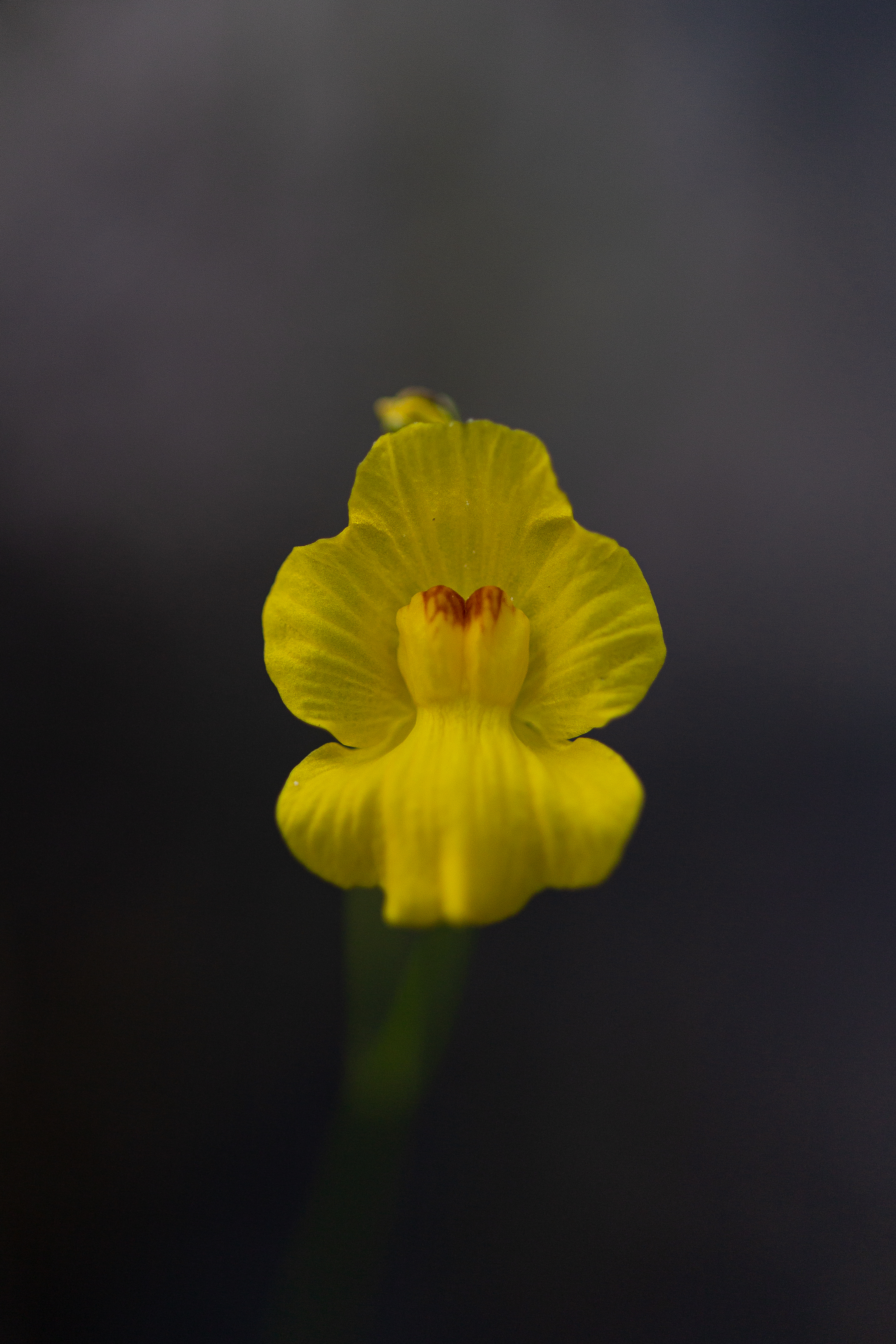
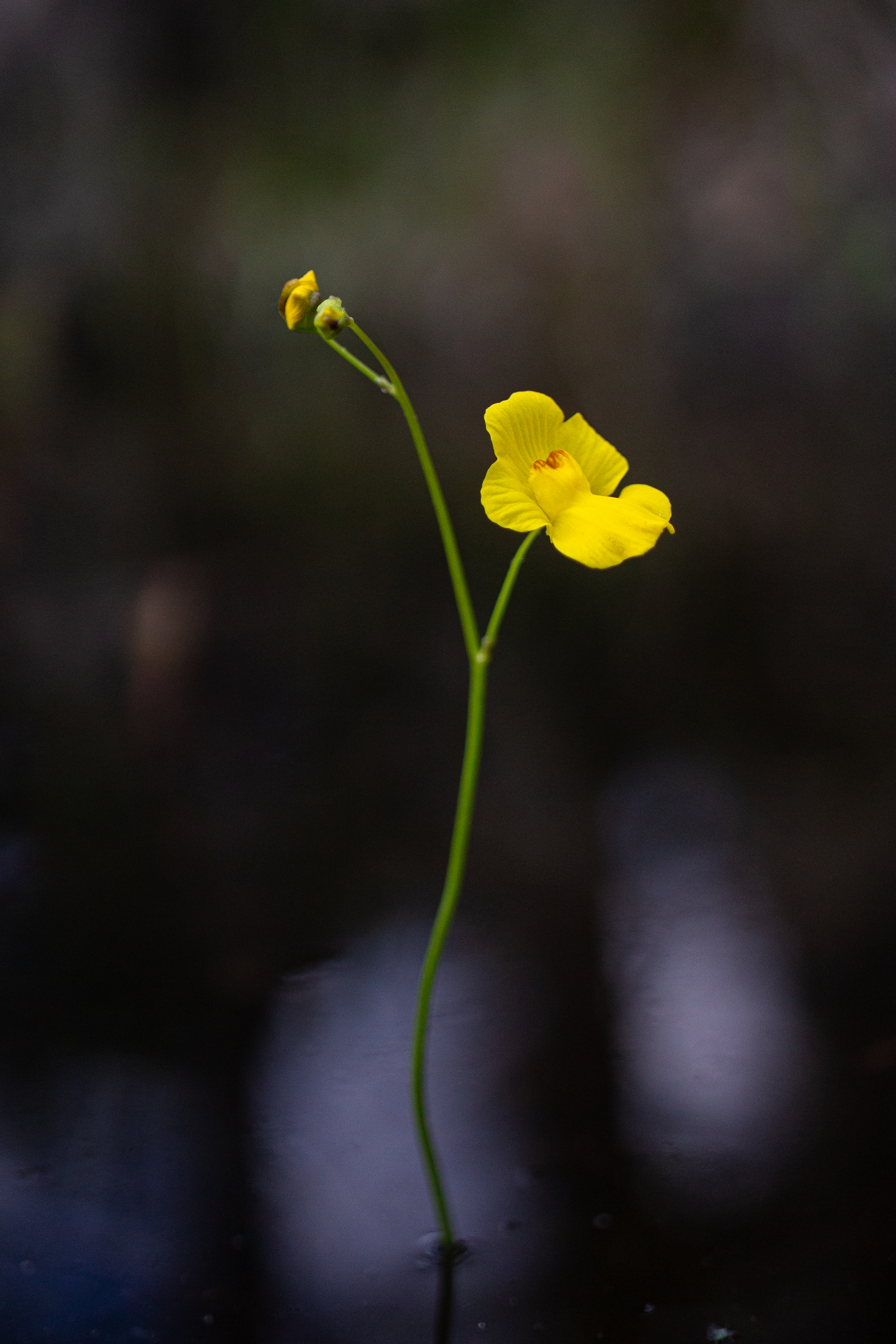
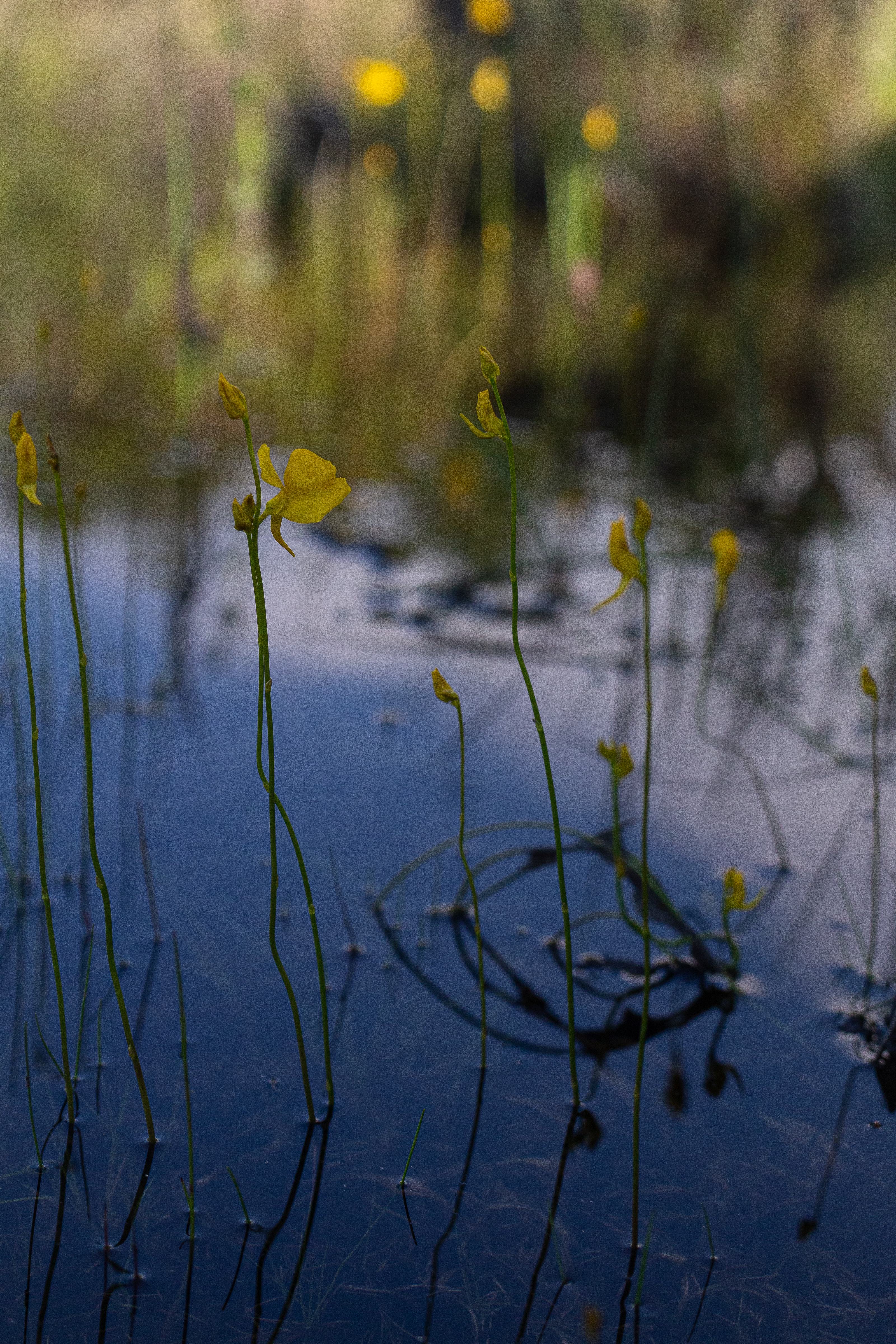
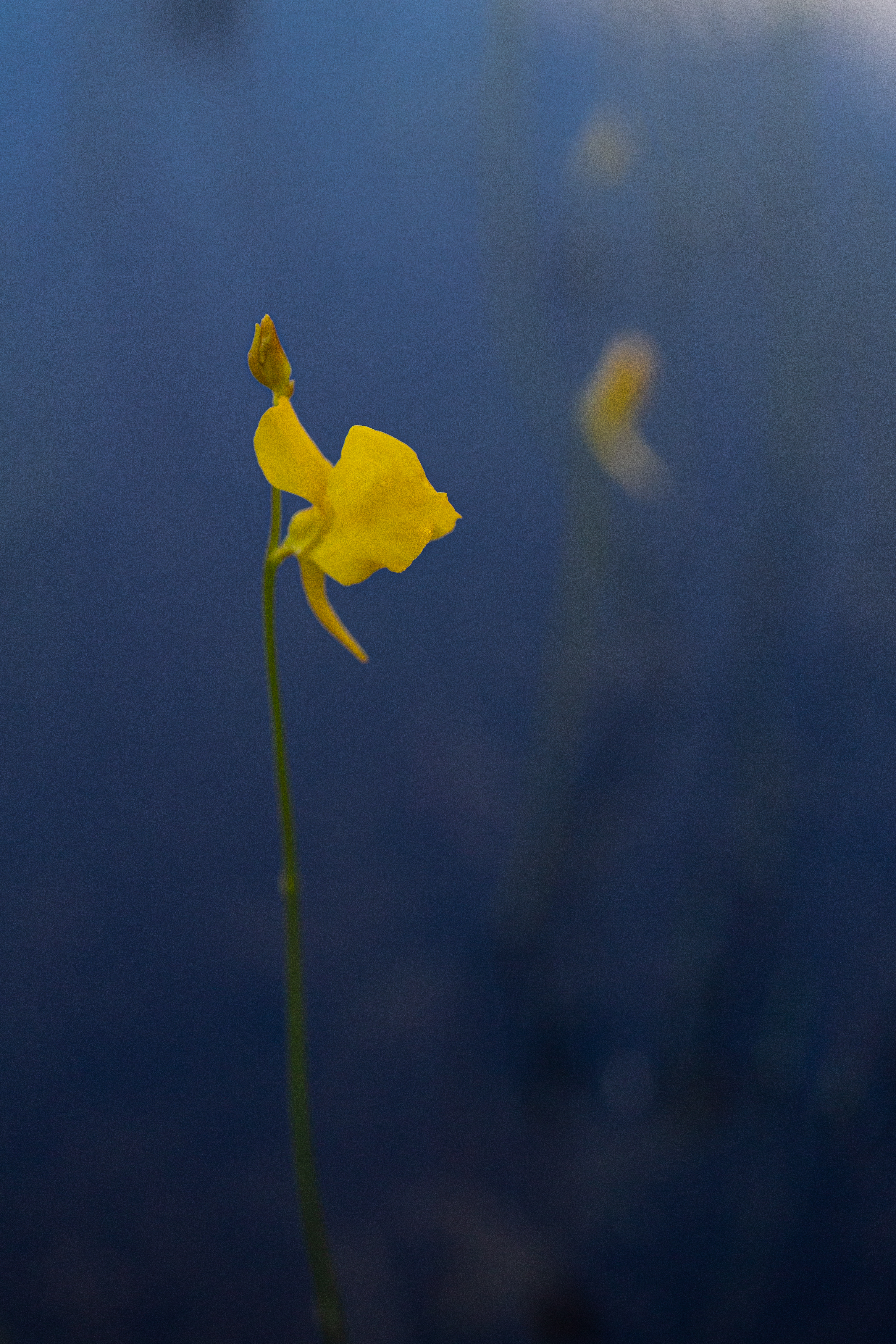
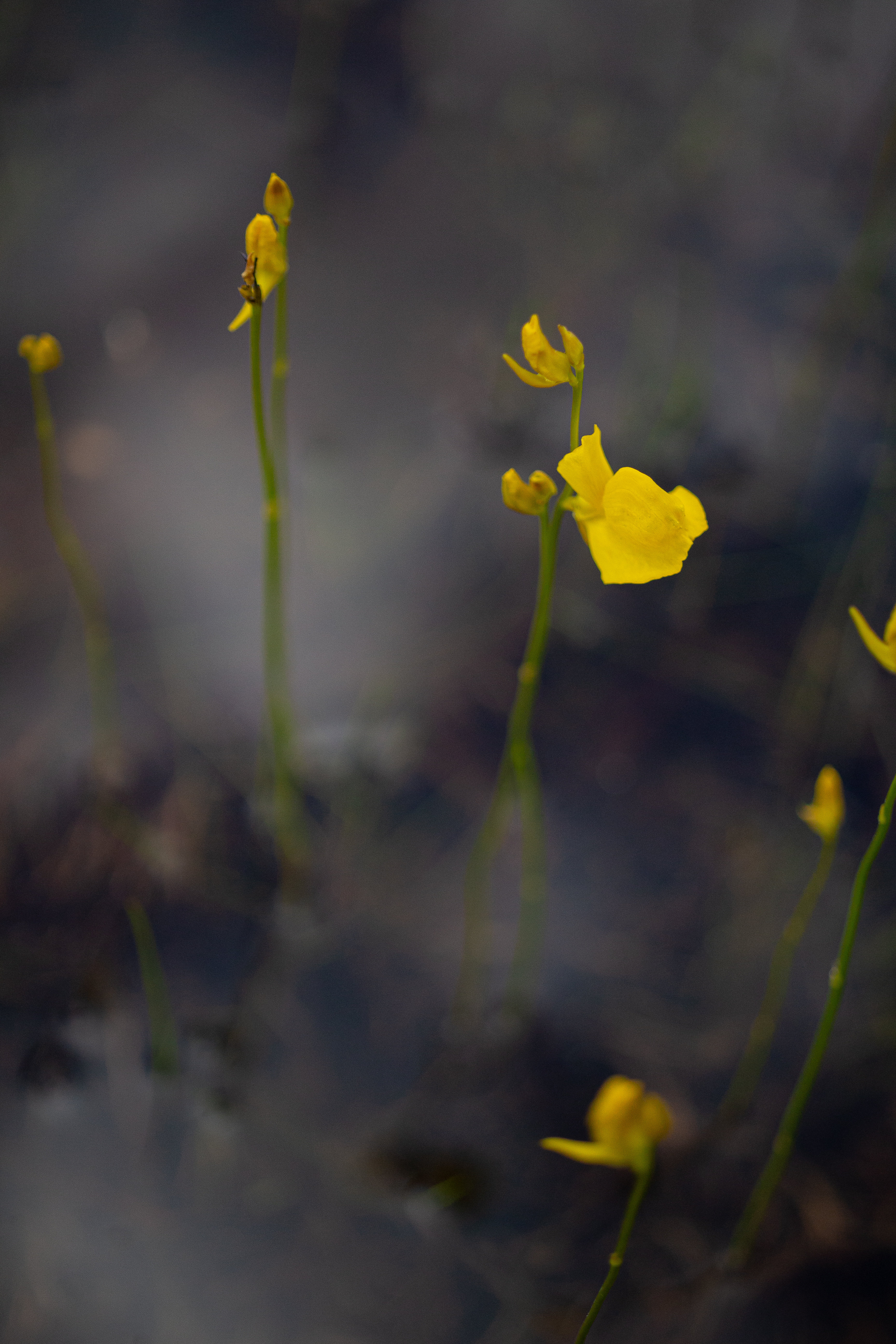
Utricularia, or more commonly known as Bladderwort, is a genus of carnivorous plants that are semi-aquatic to terrestrials. Their modified leaves underwater can catch small insects and even algae. Which technically makes them an omnivorous plant! You can find more information in this blog postInDefenceOfPlants is an excellent source of plant information. 

Shown above are two species I found in bloom, stripped bladderwort (Utricularia striata)[1 and 2] and the horned bladderwort (Utricularia cornuta) [3,4 and 5].

Here in New Jersey, you can find them growing in bogs. New Jersey hosts more than 10 species of bladderworts, some rare and threatened. They are hard to spot for most of the year, but in mid-summer, they pop out a pretty yellow flower blooming above the water surface. Clustered together, they put on quite a show.