Native and Invasive Irises (Iridaceae)

If there is one thing you can be sure of, as you learn more about plants and how to identify them, the clearer the destruction of native wildlands gets. Soon the beautiful flowers you see in a wild reserve turn up to be aggressive invasive species brought to the continent by people wanting a more European garden.

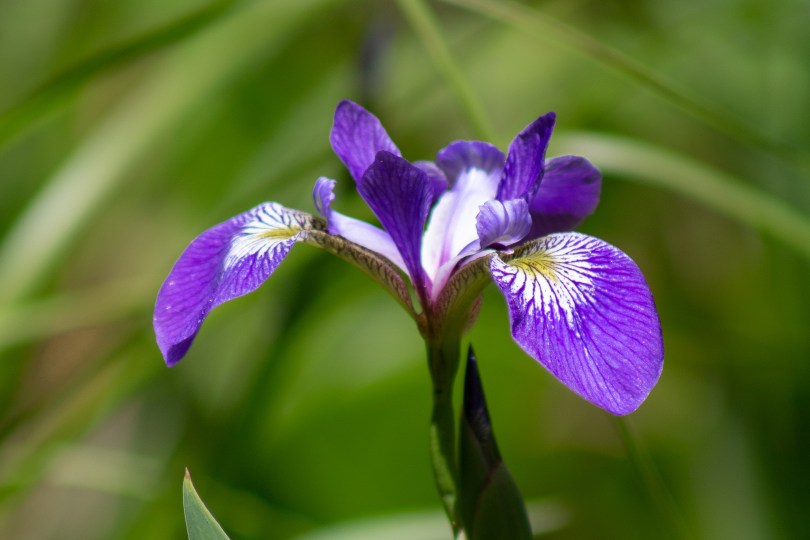
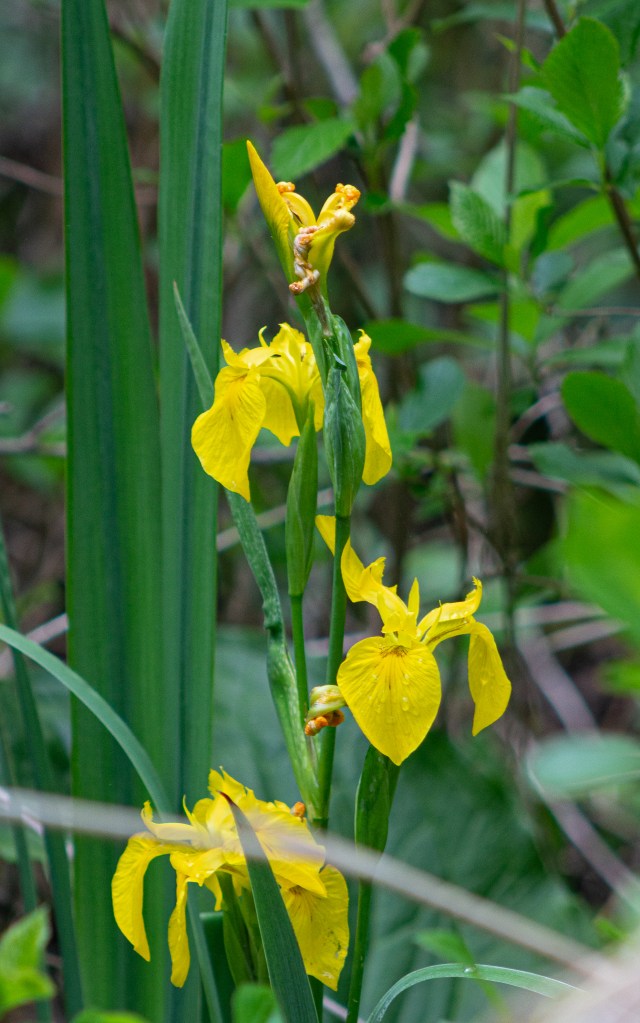
Today I want to show two species of Irises that can be found in New Jersey, North-Eastern America, Iris pseudacorus (Yellow-Flag Iris), and Iris versicolor (blue flag Iris). You can also compare the blandness of the Yellow-Flag Iris with another Native Iris, Savannah Iris
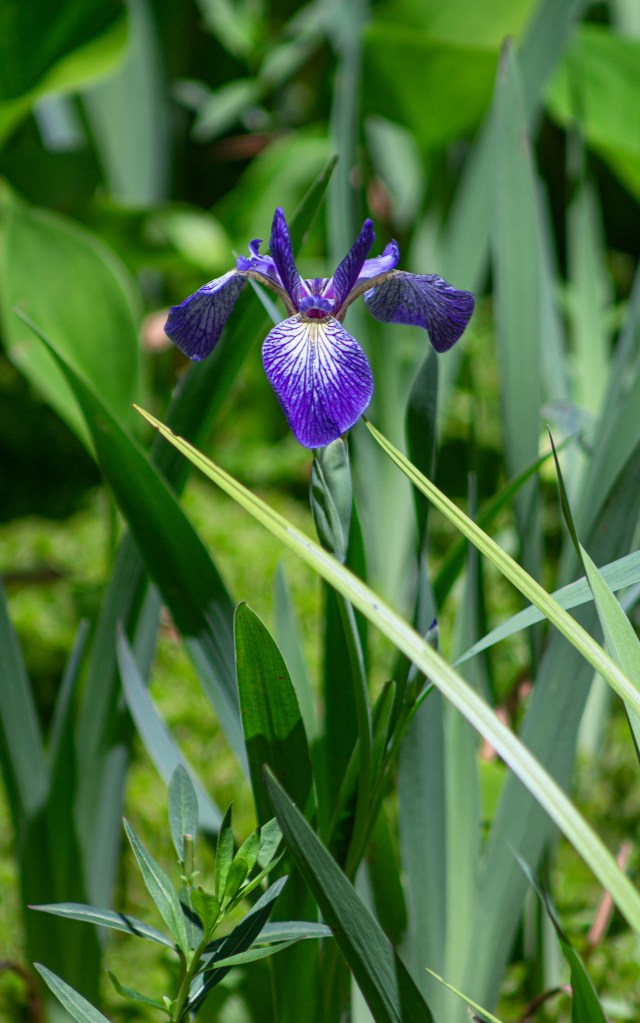
Both species look similar, but, in my personal opinion, the native Iris looks far better than its European cousin. But, as the yellow-flag were quite popular in Europe they were imported for their ornamental value.

Both species like wet conditions to grow in and are found growing near ponds or swamps. Yellow Flag Iris takes over aquatic habitat and out-competes native plants by forming thick clumps that are hard to remove.
Adding native plants to your garden has a lot of advantages. Besides making your yard look beautiful, they attract and provide shelter to native insects and help restore the land to its original splendor! You can find links to native gardening websites here.
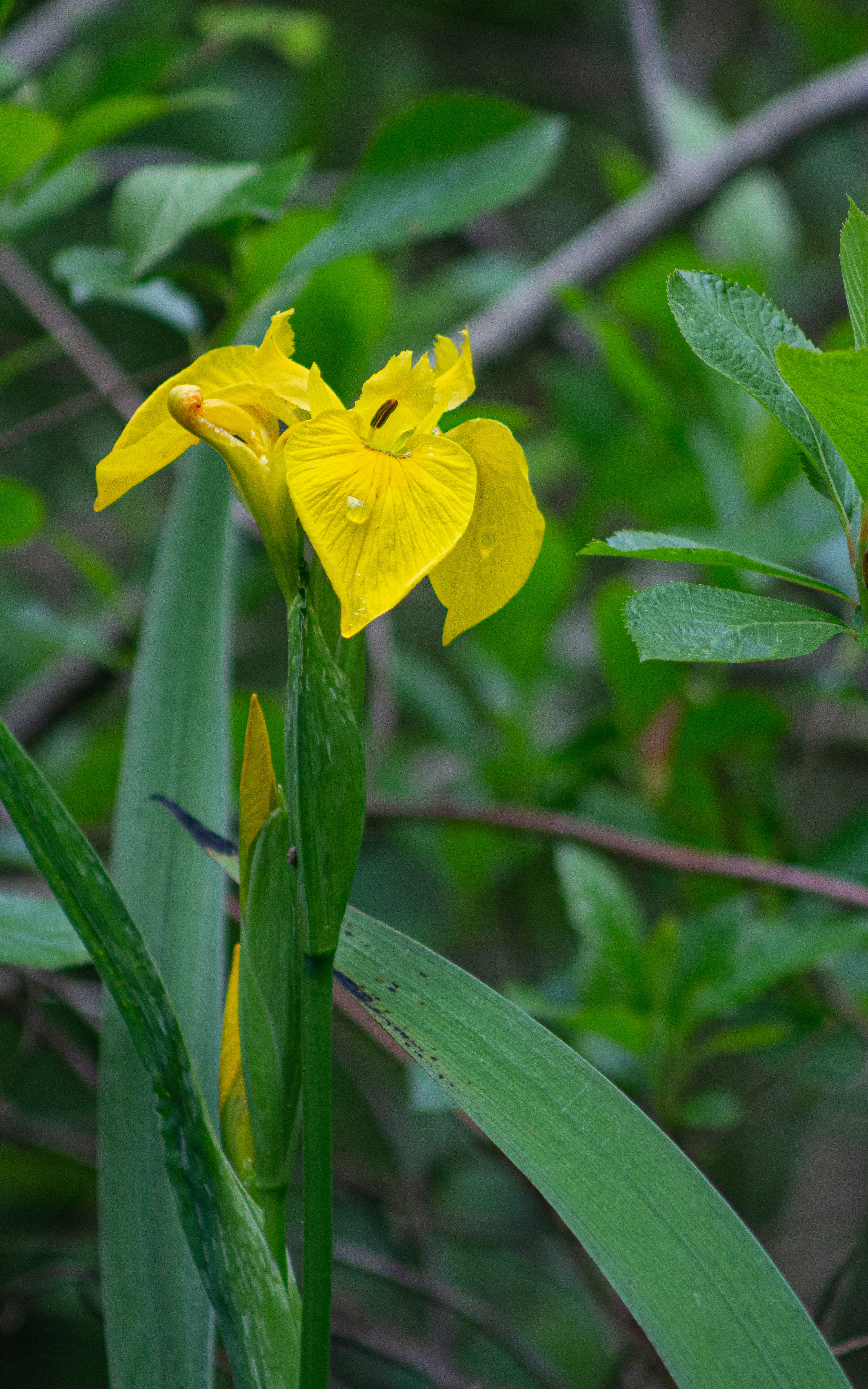
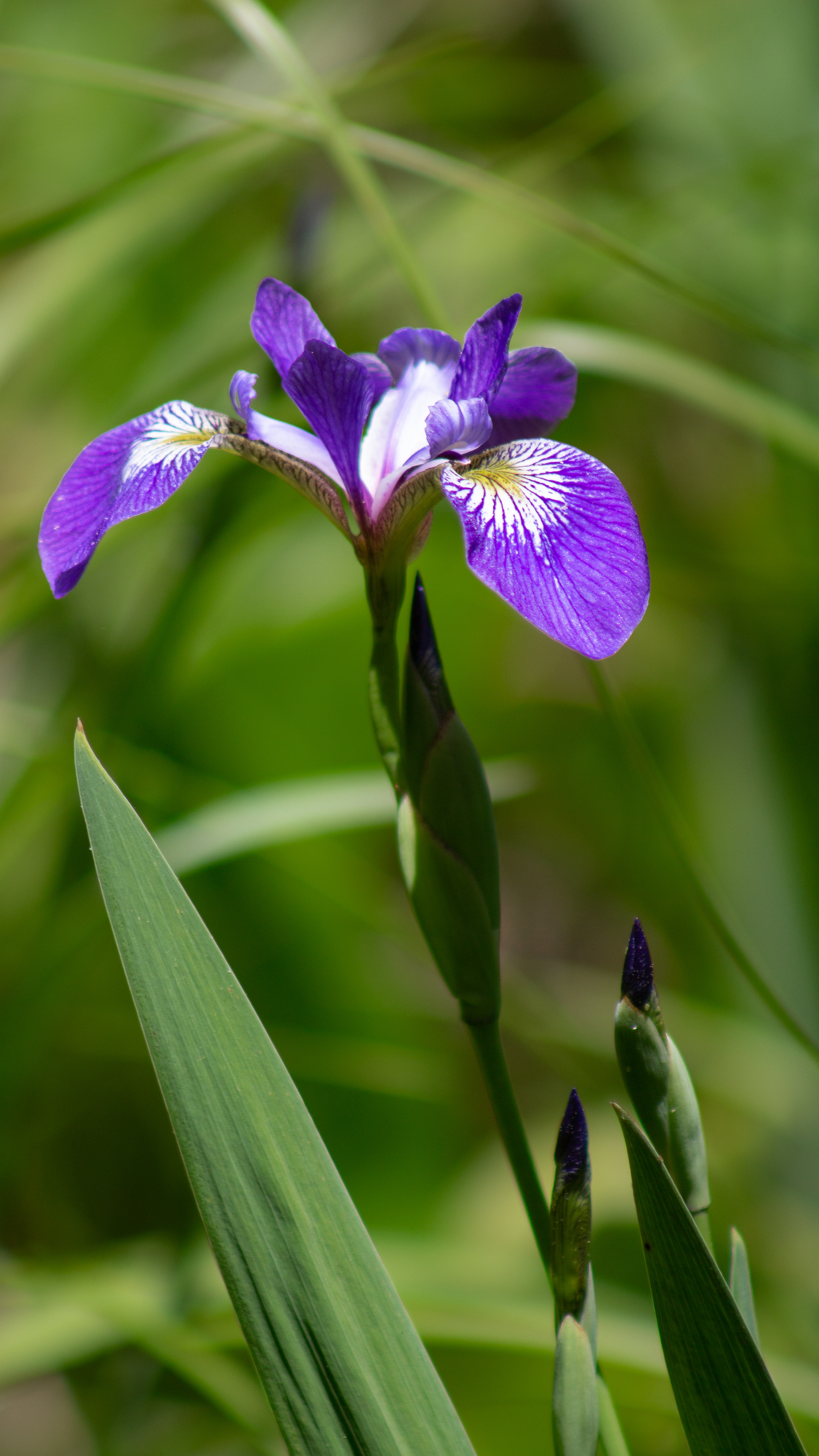
Go ahead, slide between the two flowers, and tell me which one is prettier!

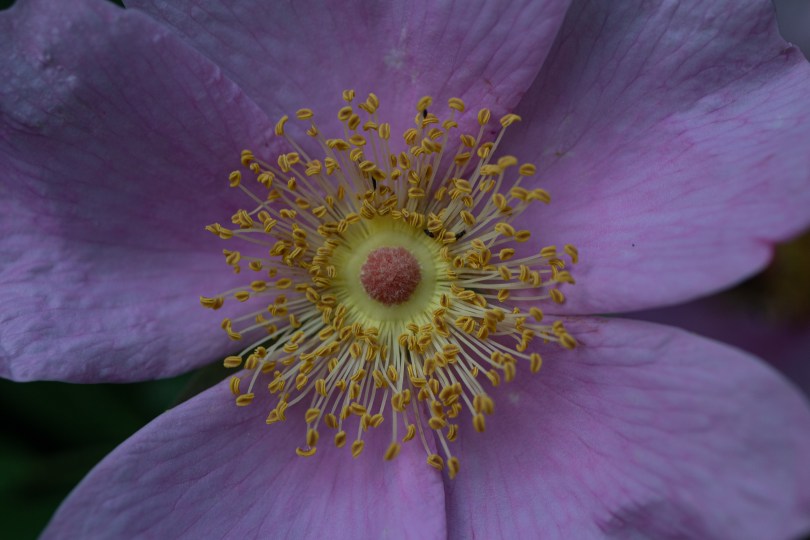
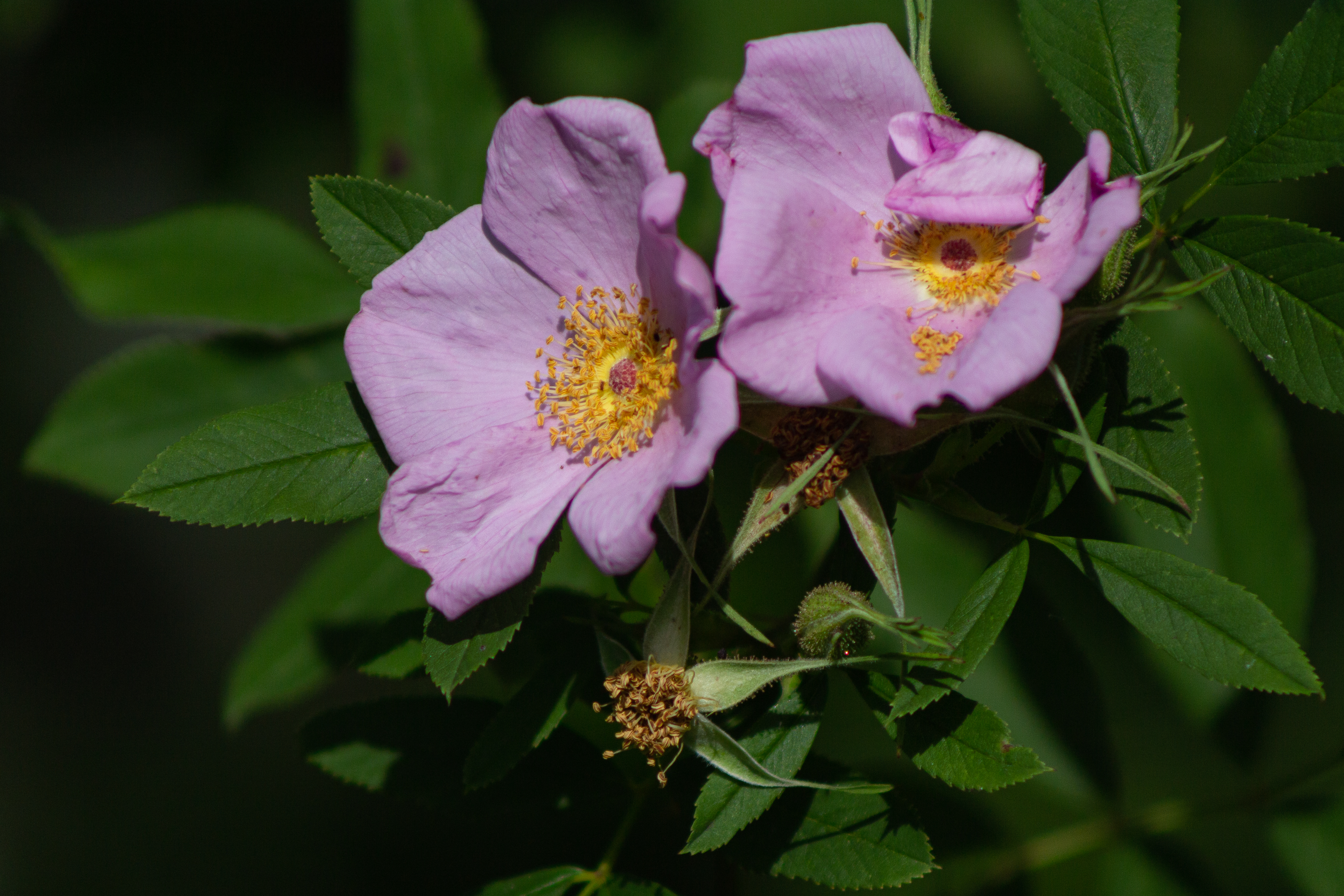
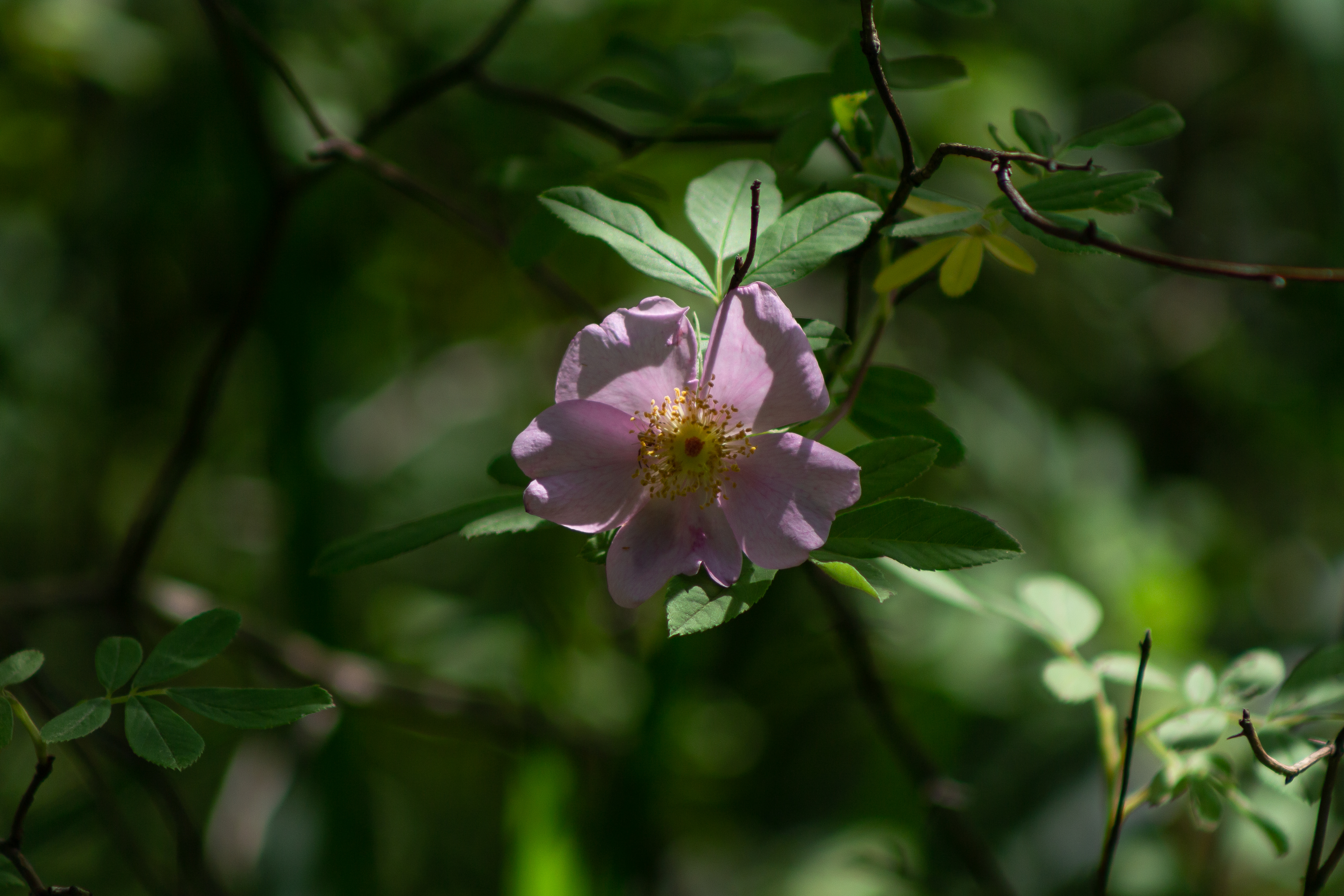
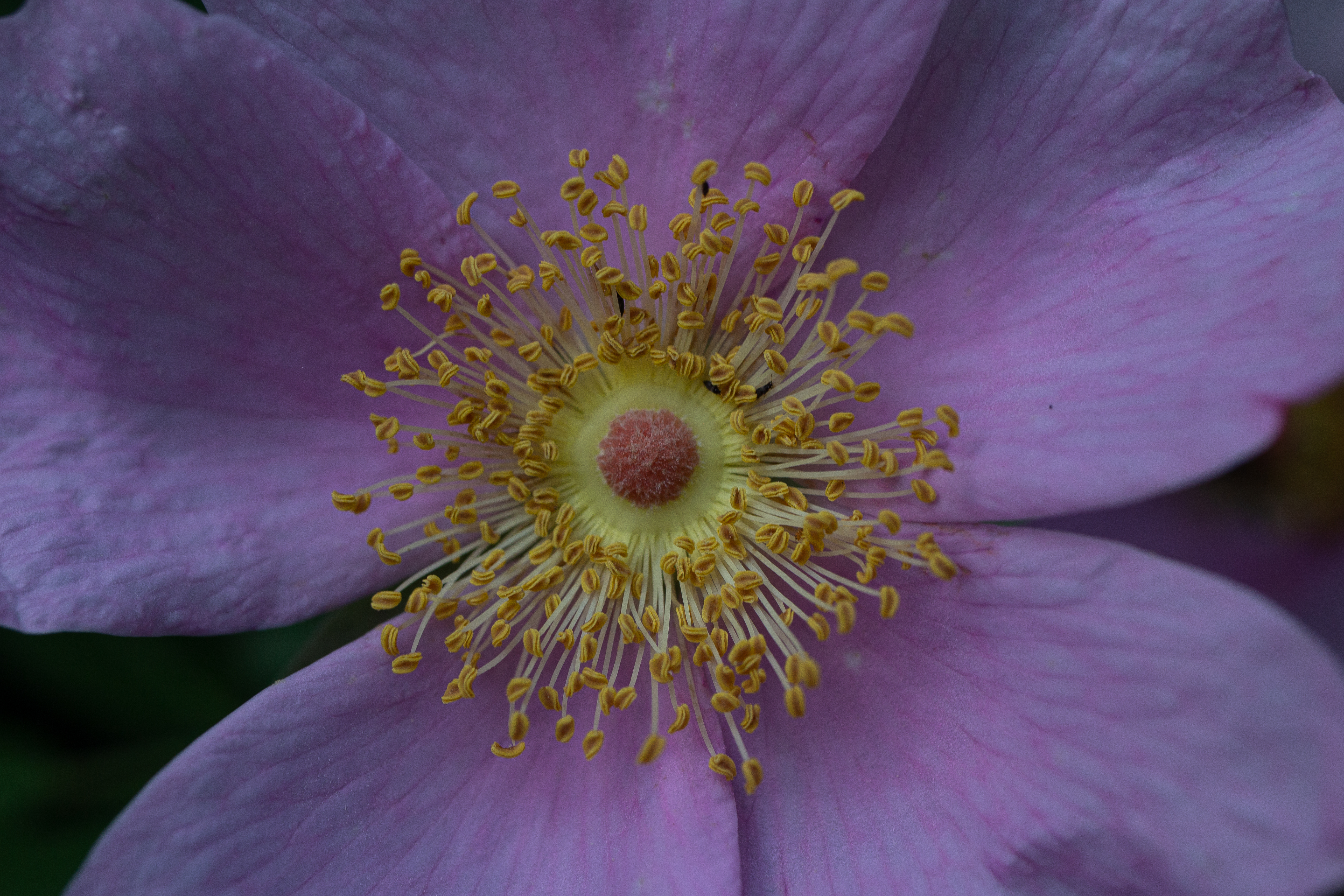
Rosa palustris (Swamp Rose)

Rosa palustris, or the Swamp Rose is a native rose species found in most of eastern North America. It grows along streams and swamps in lightly acidic wet to moist soil.

As you can see, the flower looks similar to our garden rose, but is certainly not showy. The number of petals are limited (5) and arranged blandly. It takes lots of selective breeding to go from a wild rose to our splendid garden roses.

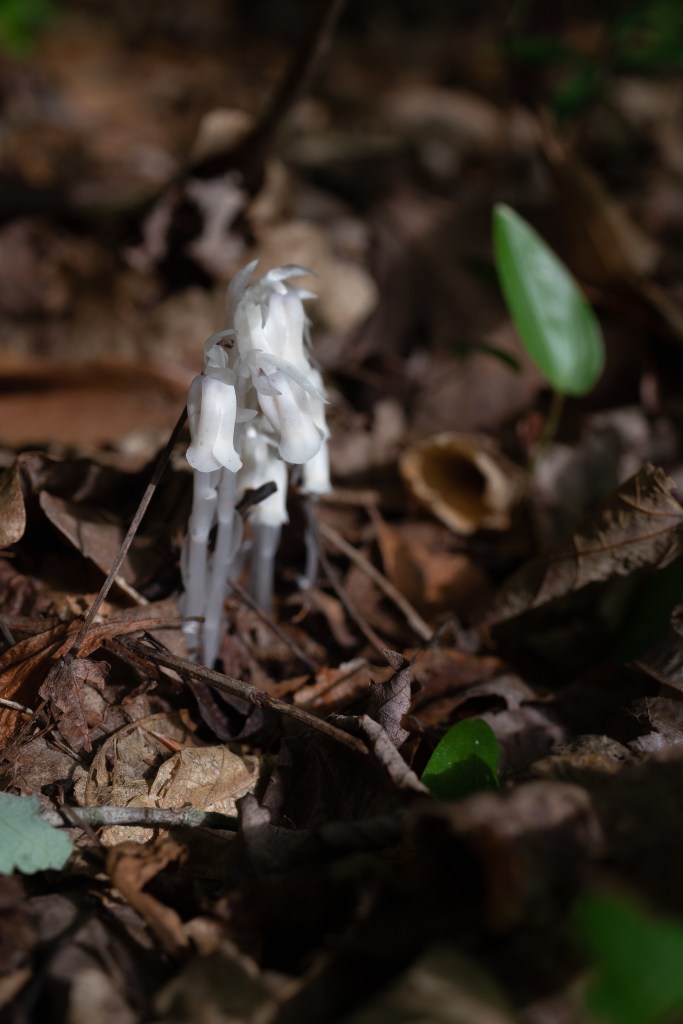
Monotropa uniflora, the ghost pipe

An interesting plant that spends its life primarily underground and is spotted thanks to its white flower spikes. The plant is an herbaceous parasite that lacks proper chlorophyll as it does not require sunlight to produce its energy. It can be found across the US, and in some parts of Asia. It flowers late summer and Autumn.

It is a mycoheterotrophic plant, which means it is a parasite on fungi that traditionally are in a symbiotic relationship with other plants/trees. Plants and fungi interact with each other in complex ways. Some, like most orchids, depend on fungi for germination and adult life. The relationship is called a Mycorrhiza. It is believed that plants, like the ghost pipe, evolved to only take from the fungi it was in a mutualistic relationship with, thus becoming a parasite. 

Effectively these plants are parasites on other trees/plants in a mutualistic relationship with the fungi. This form of parasitism is not uncommon, and a specific description can be found in Tom Volk’s Fungus of the Month.

There is another method, though, something that’s far more exciting! In the second half of the twentieth century, countries (US and USSR) were conducting nuclear tests. These tests released a plume of carbon isotopes (C-13), causing an increase in its prevalence in plant material alive around that time. Thus plant material decaying from before the tests and plants active during the tests have a different carbon signature. This difference has been exploited to distinguish between saprotrophs and mycoheterotrophs

The flower spike grows next to a Canadian mayflower.

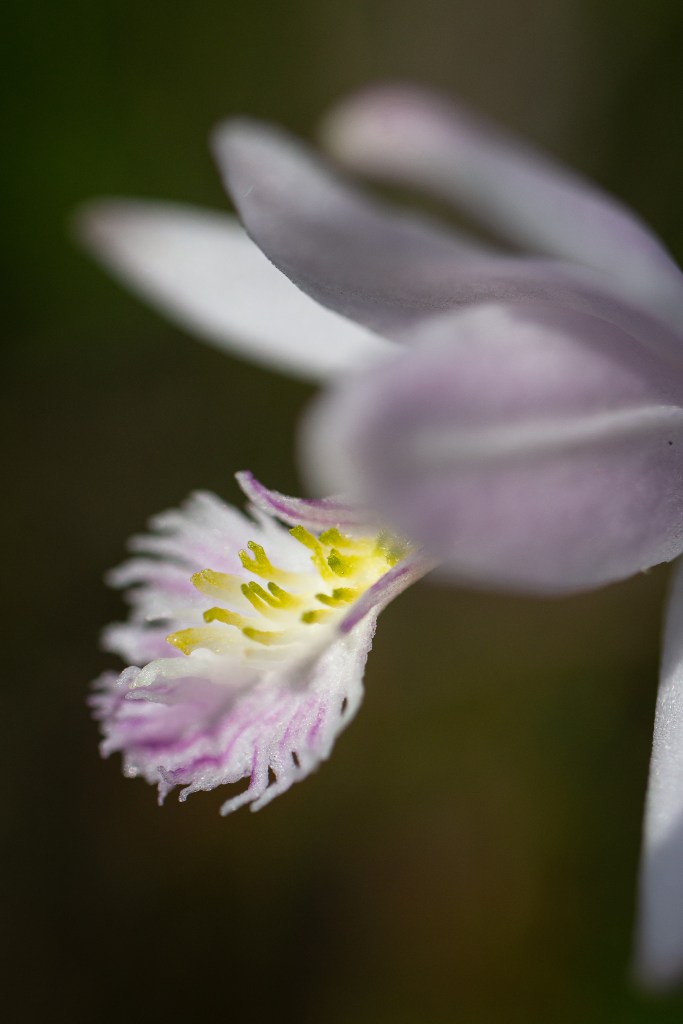
Pogonia ophioglossoides

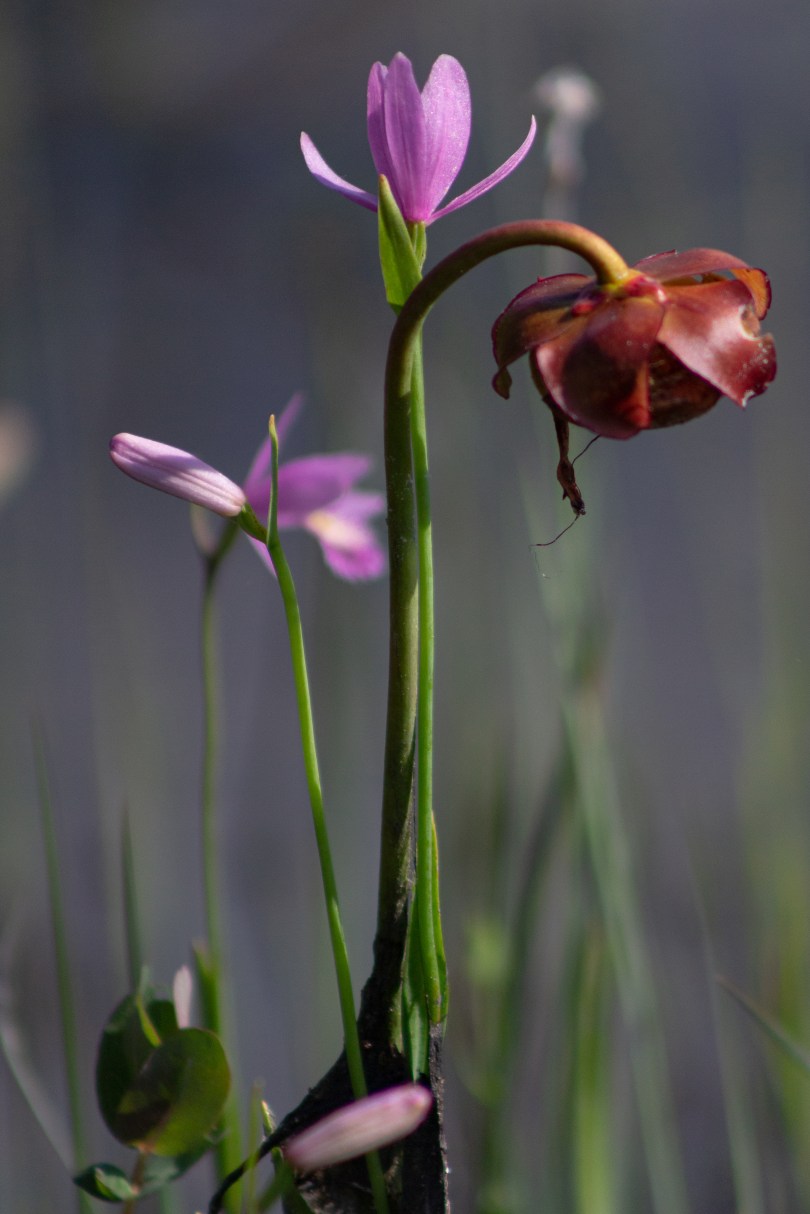
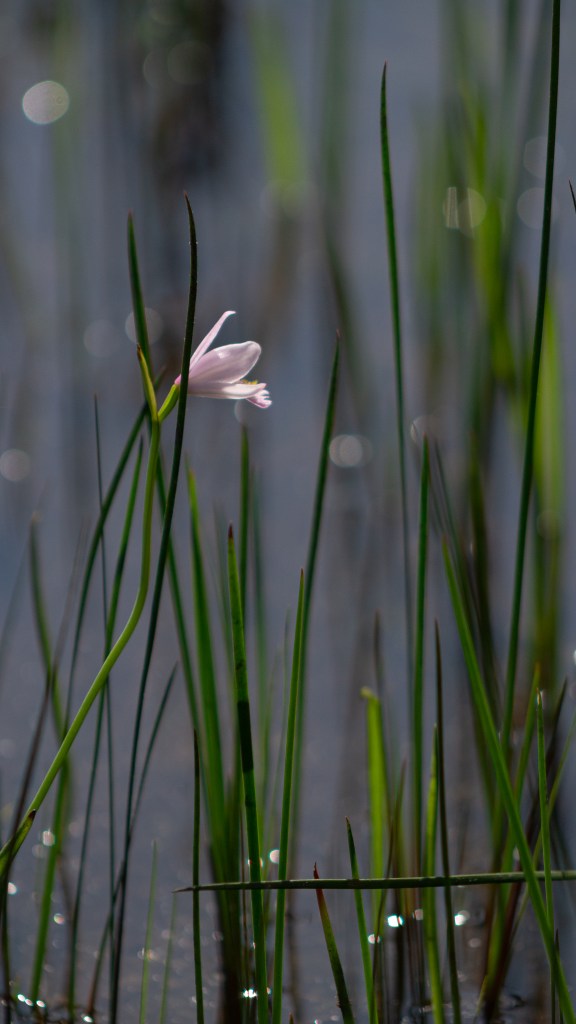
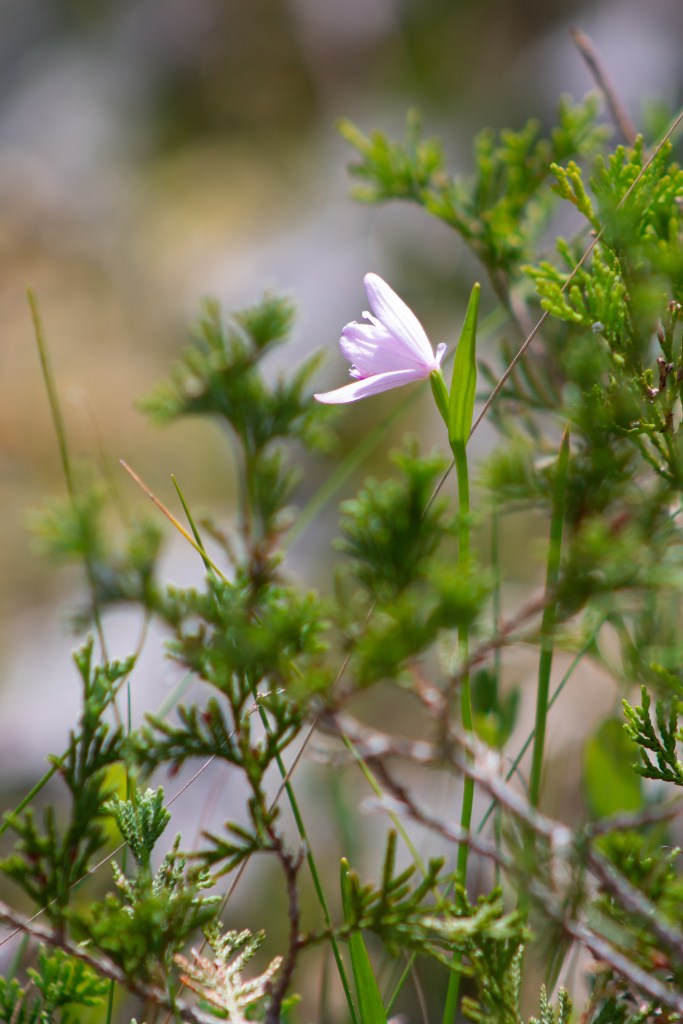
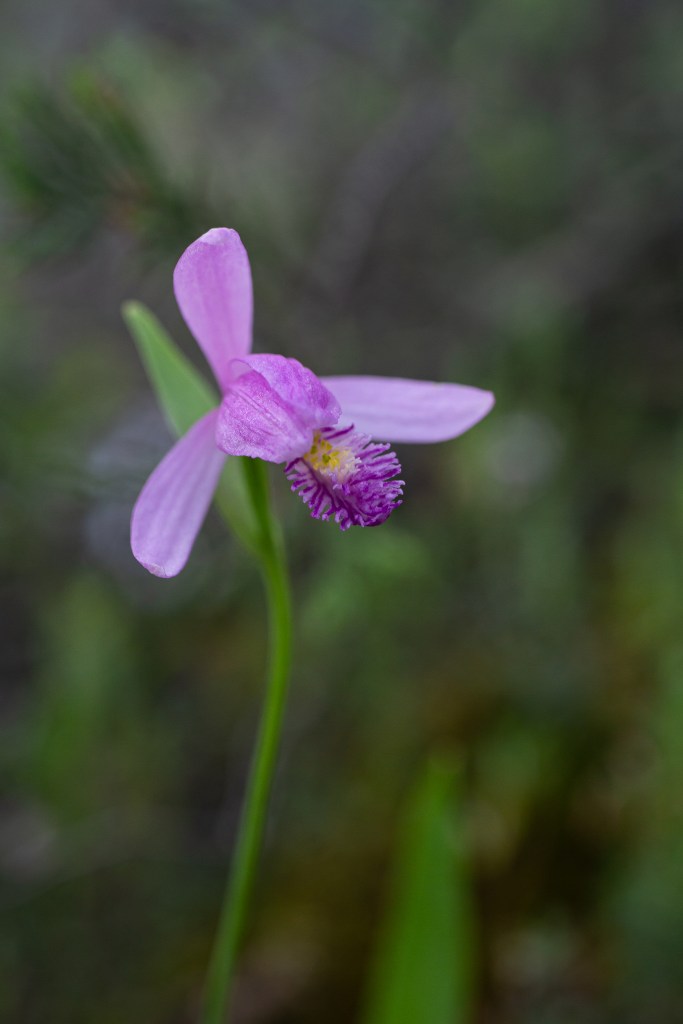
Pogonia ophioglossoides, better known by its common names, Rose Pogonia, or the snakemouthorchid. It is a terrestrial orchid found in wet areas along the East Coast, as north as Canada. It is pollinated by bees that it attracts by its sweet fragramce.

The scent of the orchid was put to words by Robert Frost in his poem titled “Rose Pogonias”, where he says – “stifling sweet/with the breath of many flowers…”

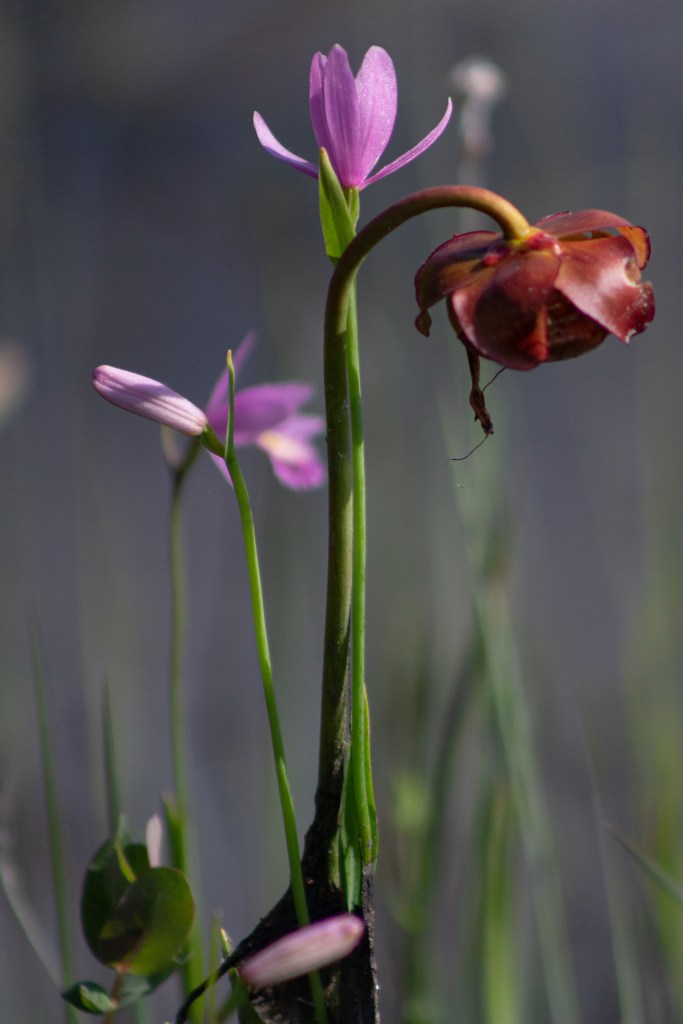
In New Jersey, these can be found in bogs or wetlands, even growing alongside carnivorous plants. As seen in the second photo, couple of orchids bloom alongside an old flower of a pitcher plant.

Utricularia

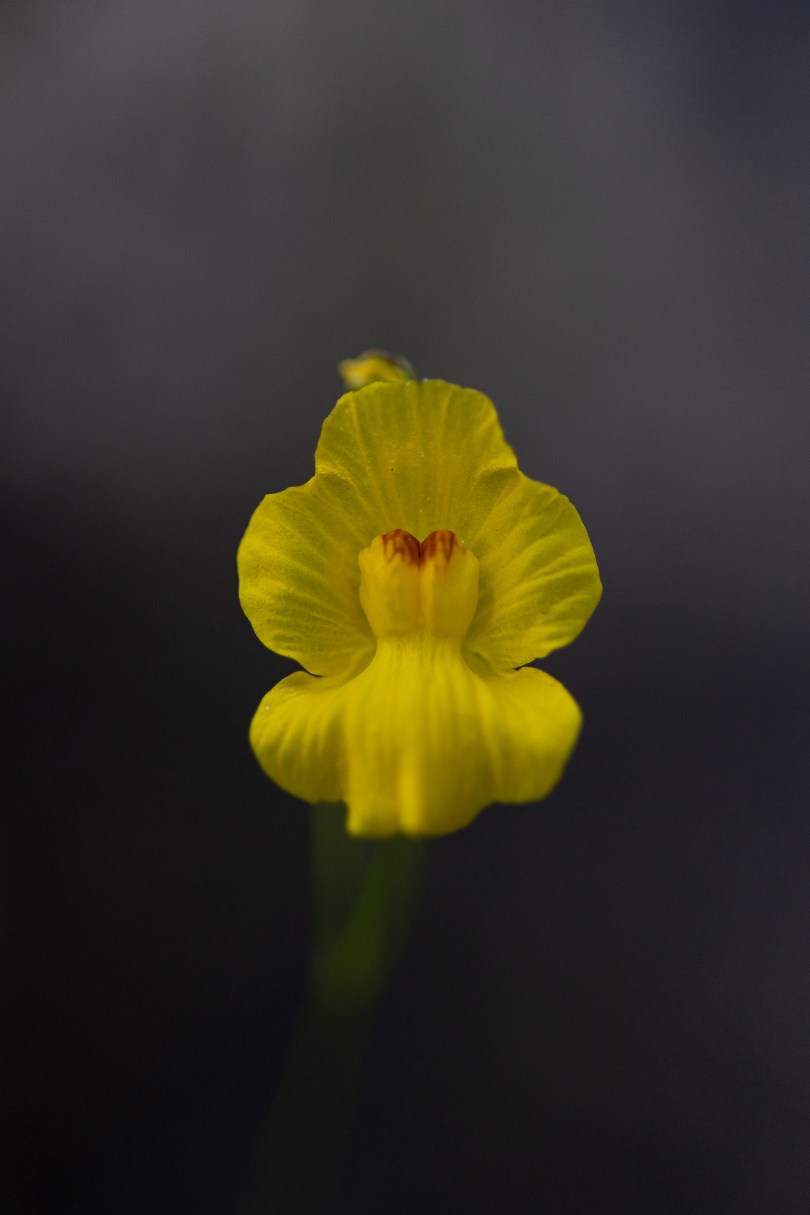
Utricularia, or more commonly known as Bladderwort, is a genus of carnivorous plants that are semi-aquatic to terrestrials. Their modified leaves underwater can catch small insects and even algae. Which technically makes them an omnivorous plant! You can find more information in this blog postInDefenceOfPlants is an excellent source of plant information. 

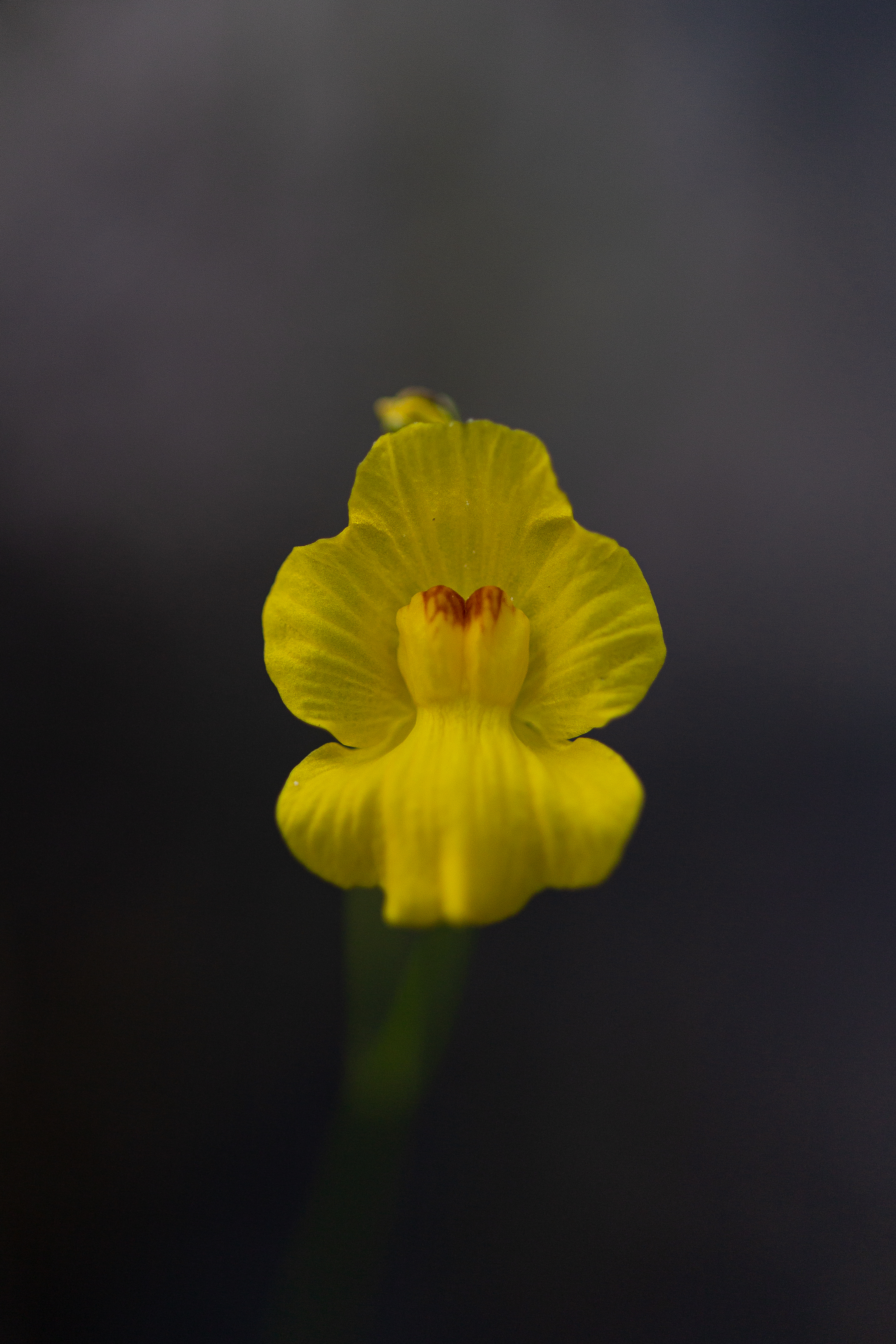
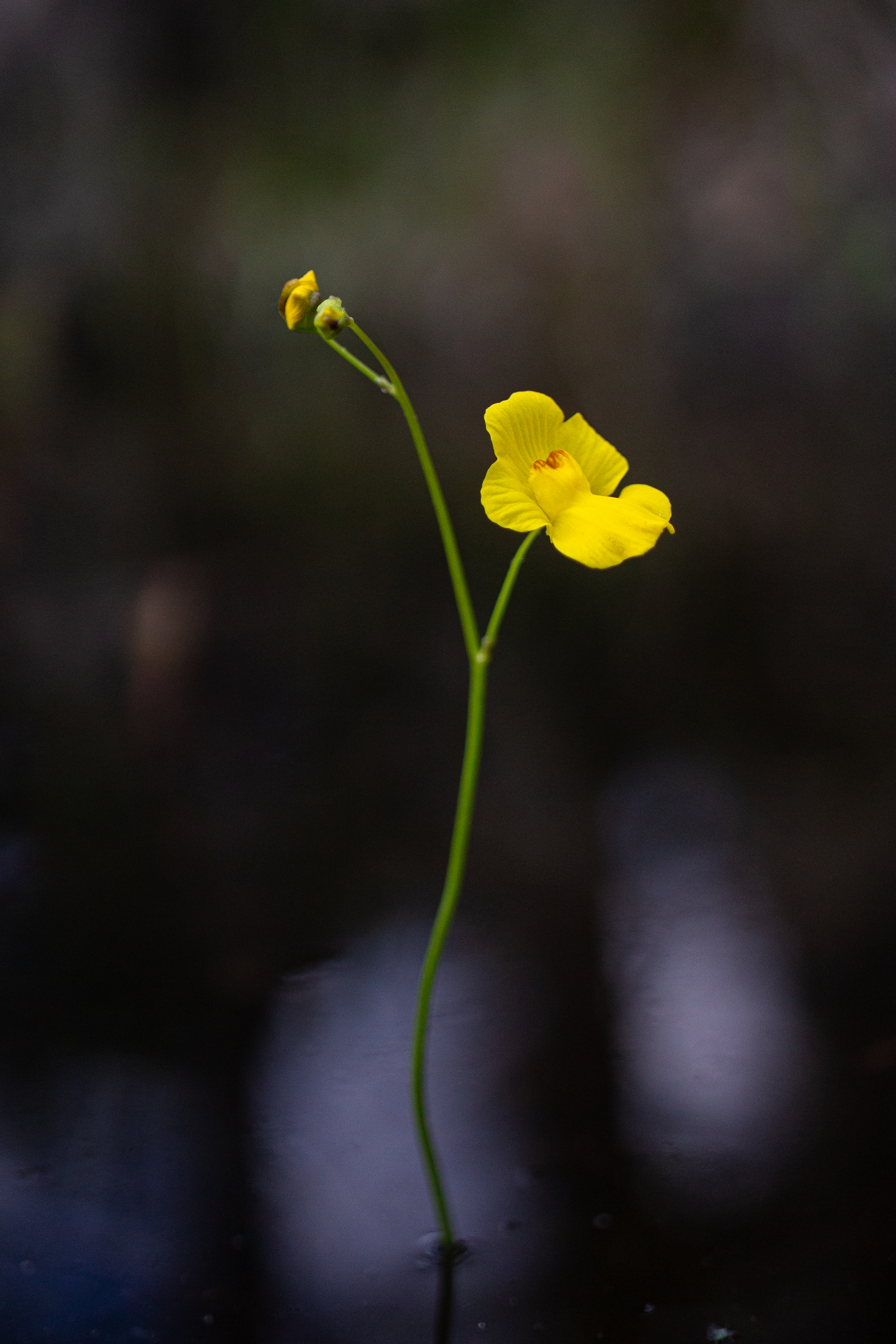
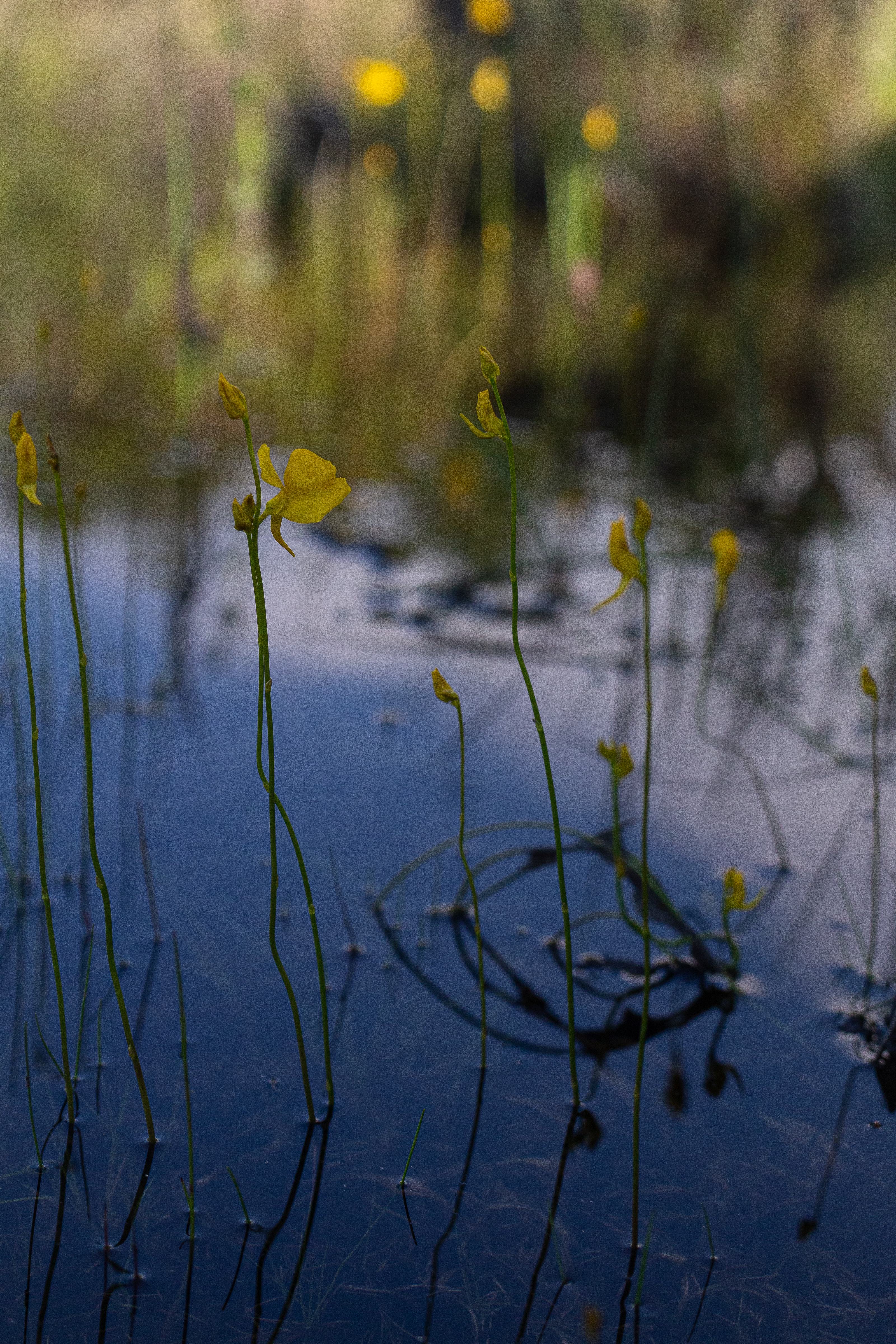
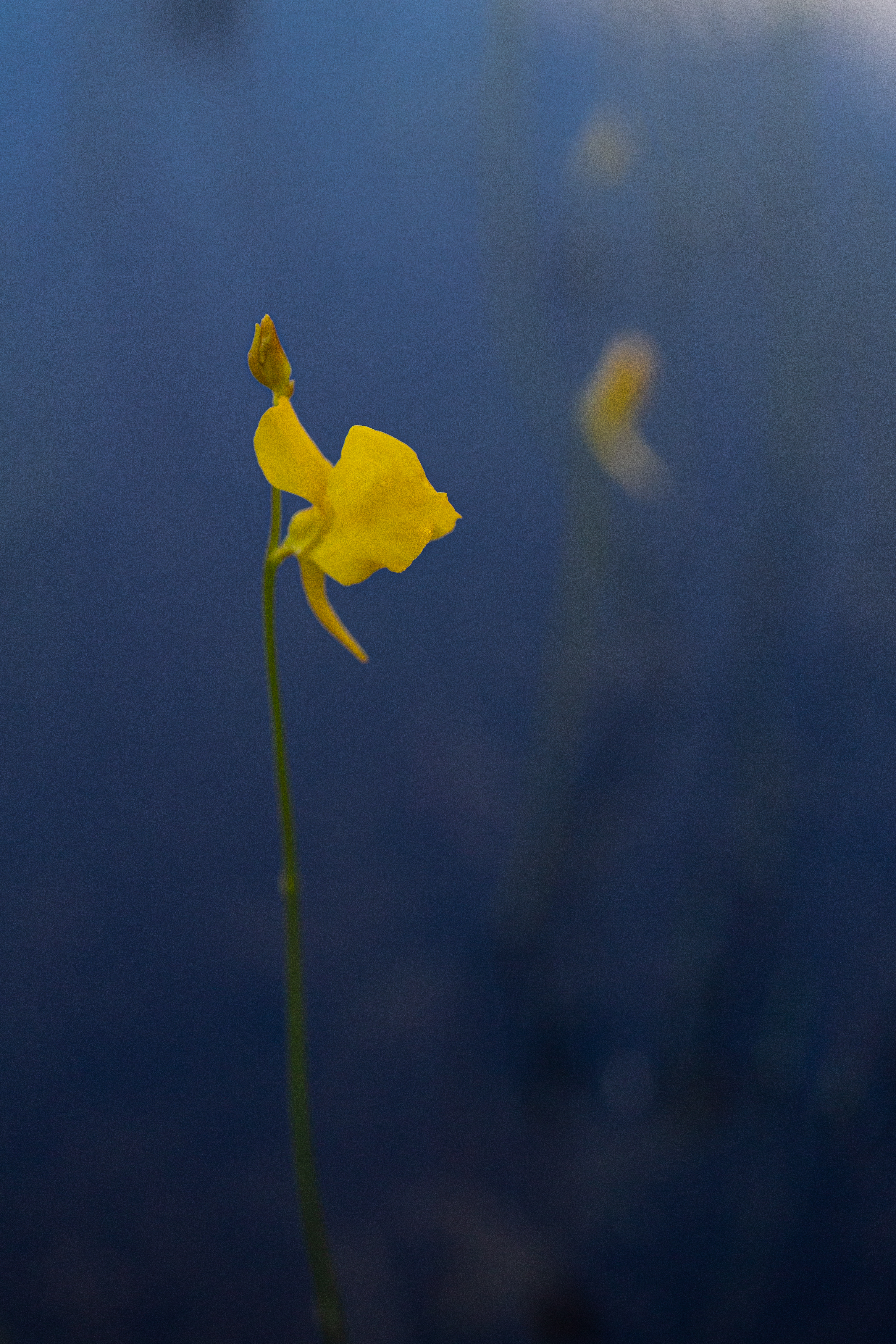
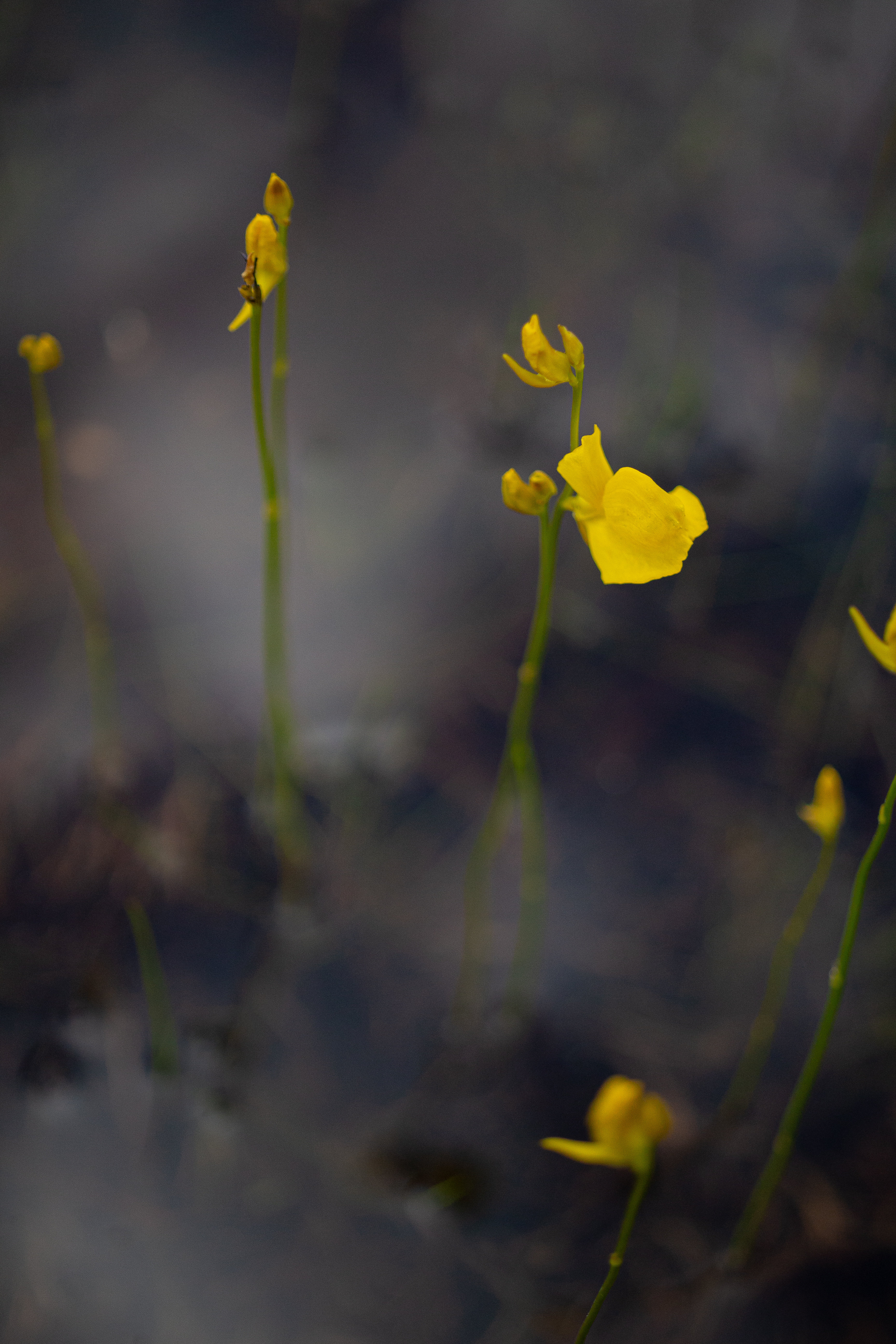
Shown above are two species I found in bloom, stripped bladderwort (Utricularia striata)[1 and 2] and the horned bladderwort (Utricularia cornuta) [3,4 and 5].

Here in New Jersey, you can find them growing in bogs. New Jersey hosts more than 10 species of bladderworts, some rare and threatened. They are hard to spot for most of the year, but in mid-summer, they pop out a pretty yellow flower blooming above the water surface. Clustered together, they put on quite a show.