Platanthera species and its hybrids

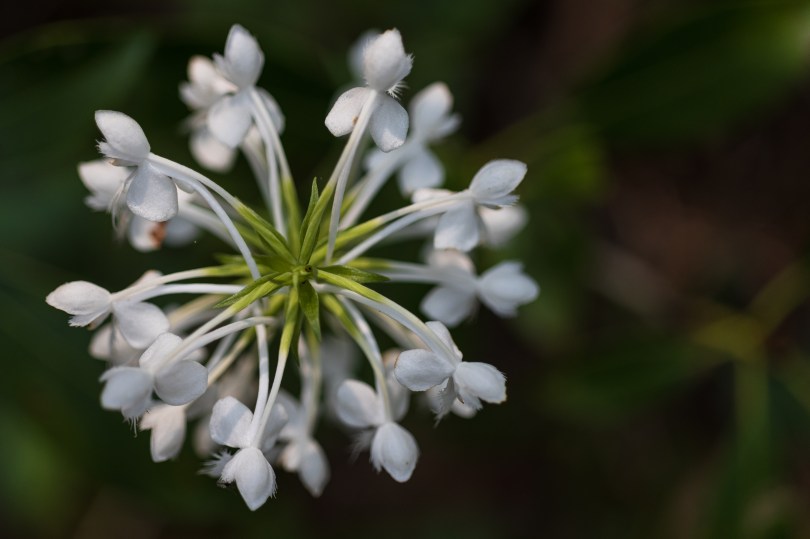
I am shocked that I have not uploaded these species and hybrids! Platanthera is by far my favorite genus of species. Several species of this genus can be found in New Jersey, including the white-fringed orchid (P. blephariglottis), the small green orchid (P. clavellata), and the orange-crested orchid (P. cristata), along with some hybrids like canby’s bog orchid (Platanthera × canbyi). I was first introduced to this genus by the photography of the amazing Jim Fowler.

There are three kinds of Platanthera orchids, all found in New Jersey’s pinelands! White-fringed orchid is one of the larger orchids with a beautiful inflorescence. It is found across much of the eastern US and Canada. Globally secure, the orchid faces threats in several states throughout its range. Habitat destruction being one of the main threats, these orchids also face difficulties when natural fire is suppressed. Like many orchid species found in the pinelands, they need regular wildfires to help maintain their habitat. The orchid prefers open sunny wetlands, and wildfires help keep larger woody trees at bay.

Orange-crested orchid is a smaller orchid with striking orange flowers, blooming in mid to late summer. It shares its habitat with the white-fringed orchid, both needing similar habitats to thrive. Like the white-fringed orchid, it faces several threats in the wild, including a lack of wildfires.

When populations of white-fringed orchid and orange-crested orchid intersect, they can readily hybridize to form Canby’s bog orchid. The hybrid is more resilient than its parents and has a color between the two species.


In conclusion, these orchids represent the best our pinelands have to offer. I look forward to their blooms every year, looking forward to the white flowers carpeting open meadows. Pinelands need our help to be preserved, and I hope future generations can continue to enjoy these beautiful wildflowers.
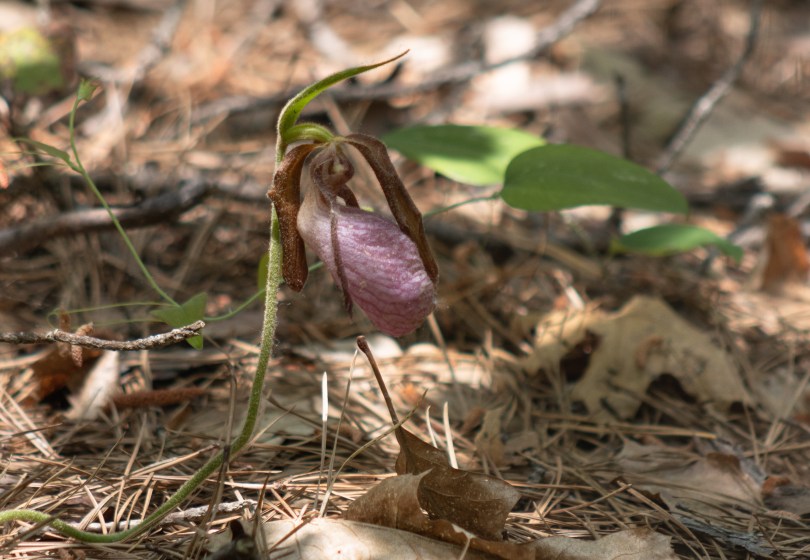
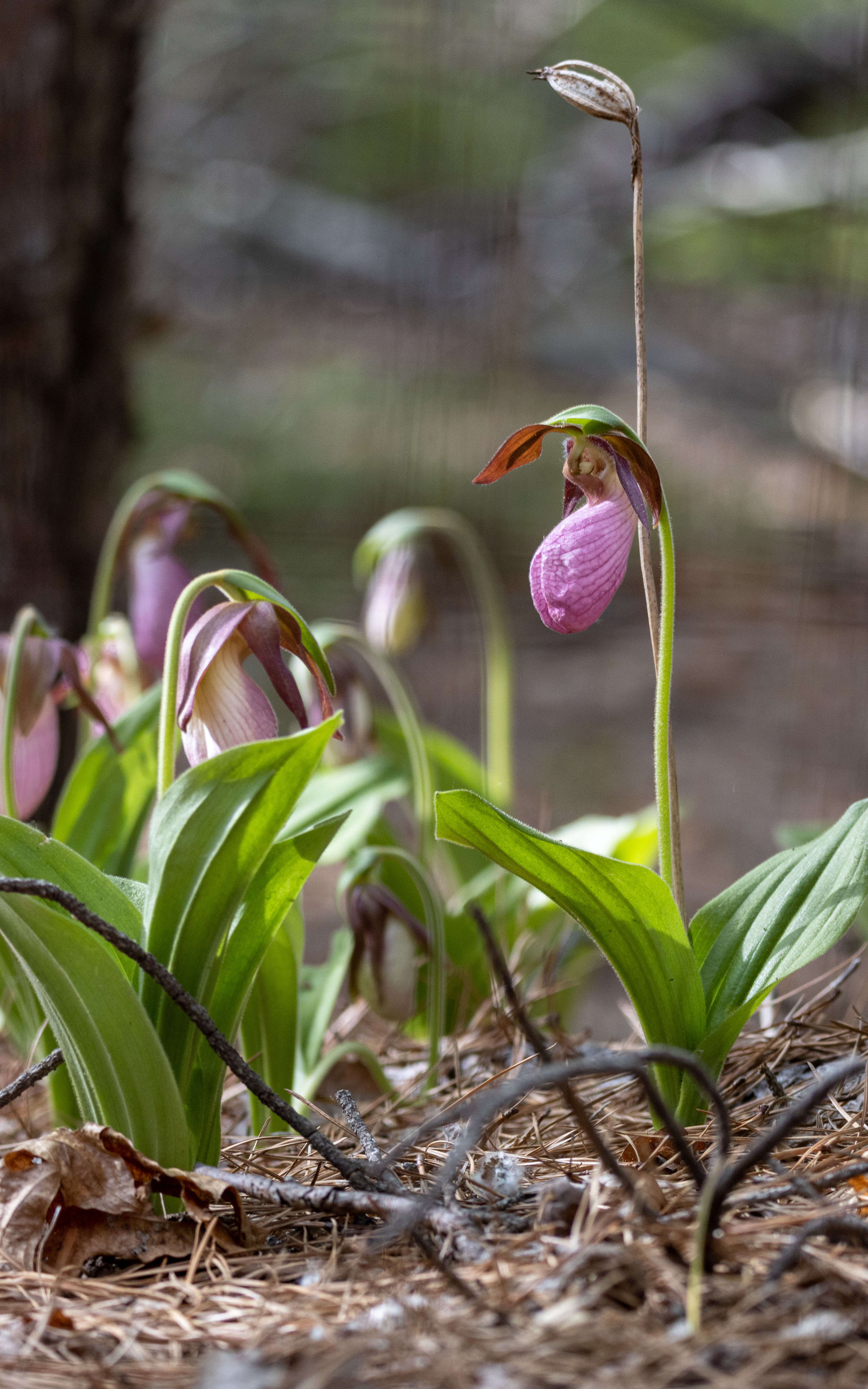
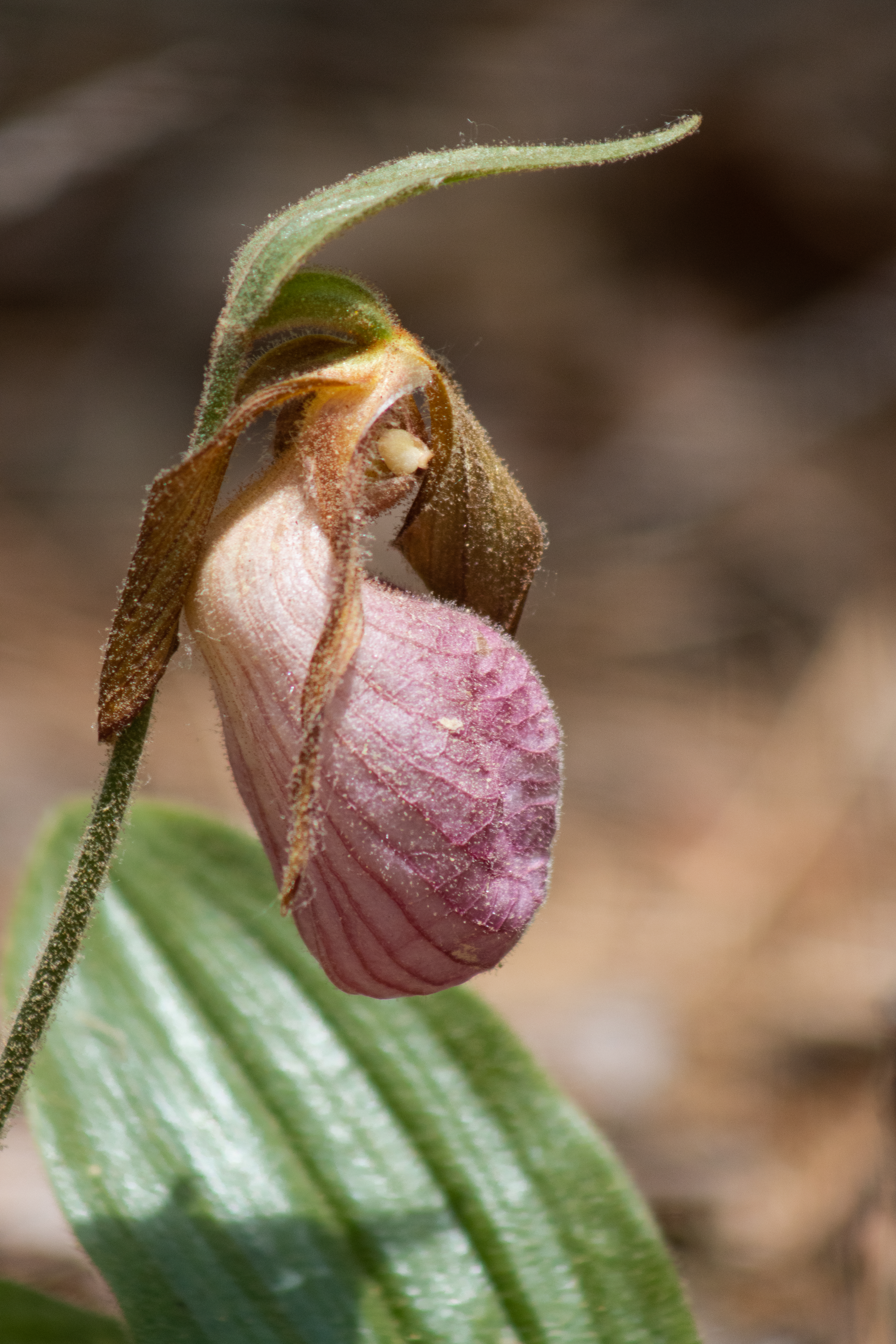
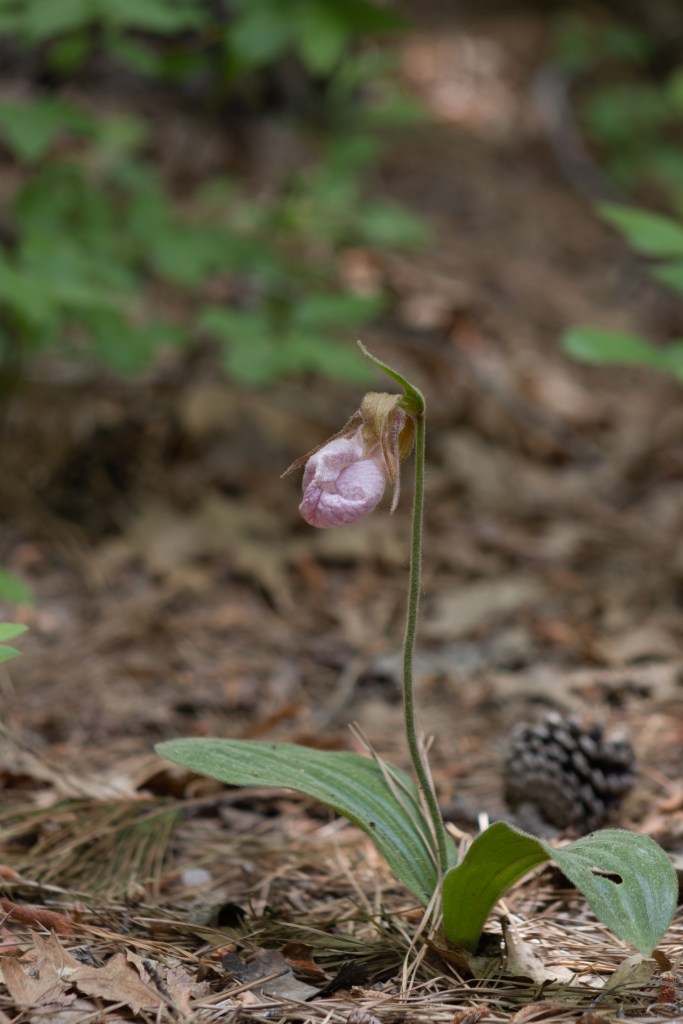
Cypripedium acaule (Pink Lady’s Slipper)

The pink lady’s slipper is a large orchid native to much of north Eastern America. It flowers every spring-early summer and is the most common orchid found in New Jersey. Despite their relative common occurrence, their numbers are threatened by habitat loss and illegal poaching. If you wish to grow a Cypripedium in your garden, please make sure to buy it from a reputable nursery like Plants Delights.

The Pink lady’s slipper requires acidic soil and tolerates shade and moisture. Like almost all orchid species, it needs the help of fungi species from the genus Rhizoctonia. Since most orchid seeds lack any food for the plant embryo, the fungi strands have to break open and attach themselves to the seed, providing it with the nutrients it needs to start growing. As the orchid matures and produces more energy, the fungi can extract nutrients from the plant.

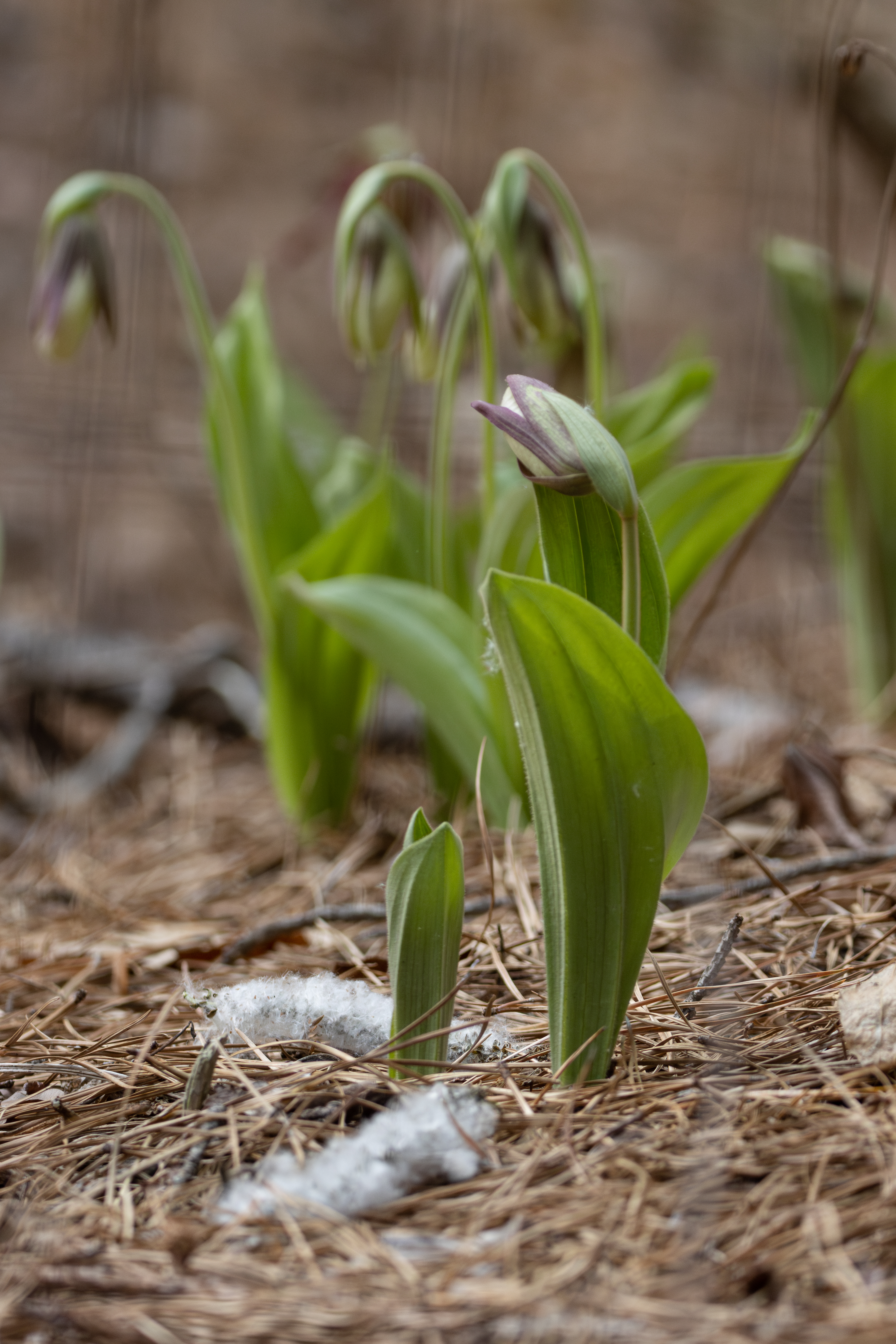
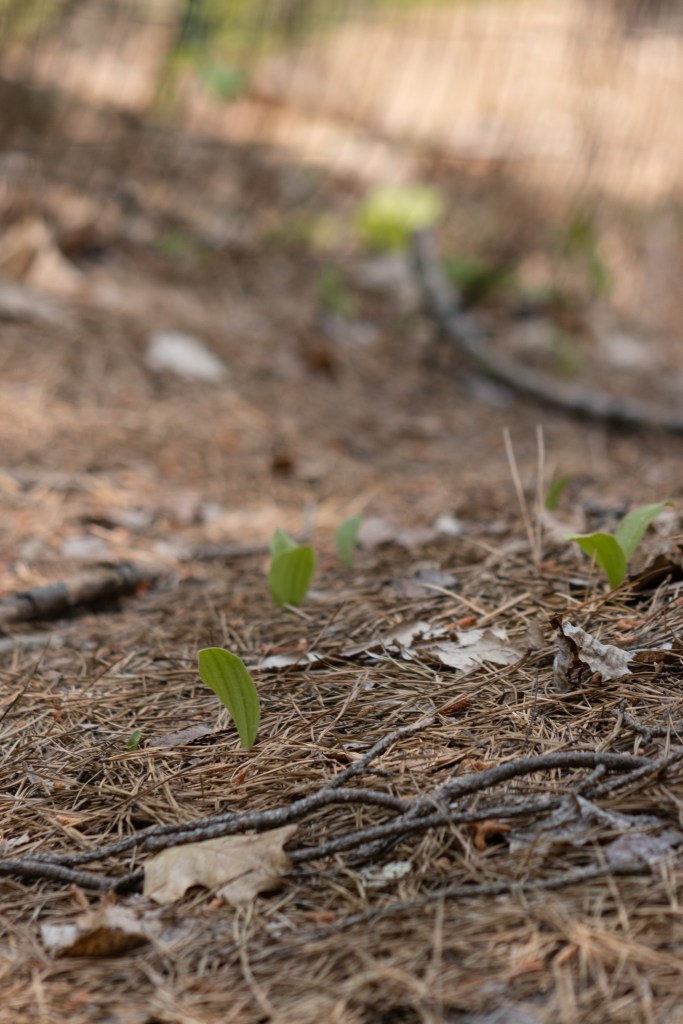
I found a large patch of these orchids growing in a state forest here in New Jersey. They were plentiful and were multiplying. Seen to the side is a patch of young seedlings still too young to flower. In the background, one can make out the fence used to fence in a large patch of these orchids. It’s necessary to fence them in because the growing deer population eats these orchids. Nevertheless, the seeds of these orchids are small enough to have been blown out of the fenced-off area. These orchids were growing in a piney forest beside a Blackjack Oak.

Cercis canadensis (eastern redbud)

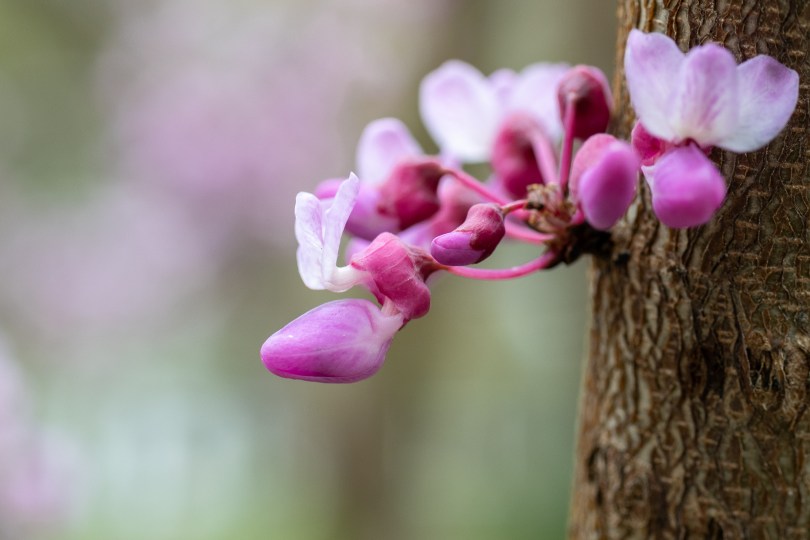
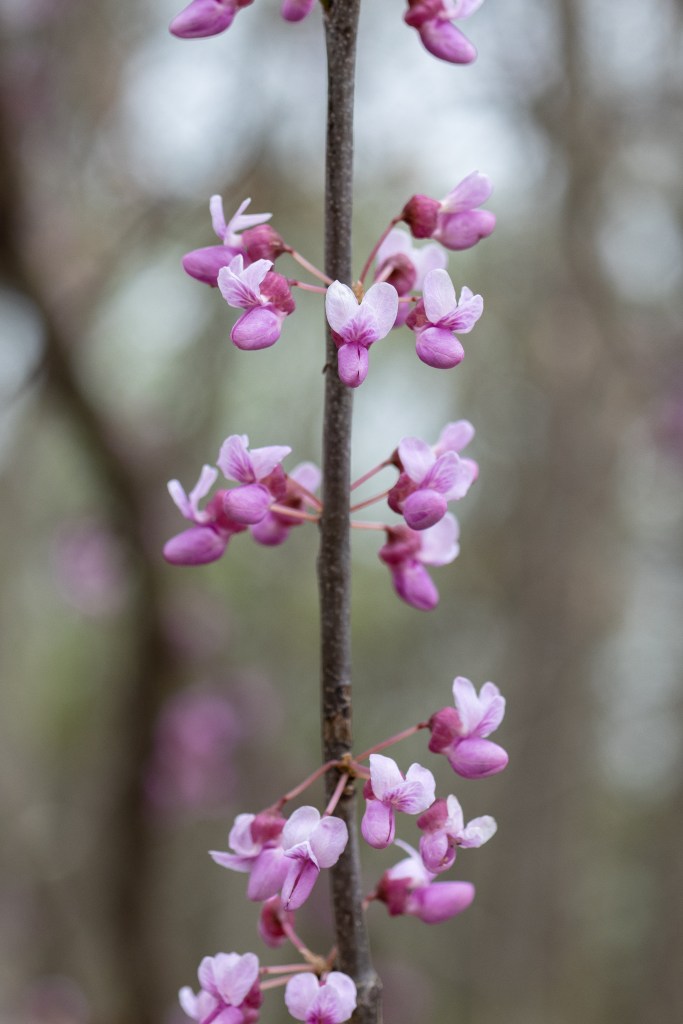
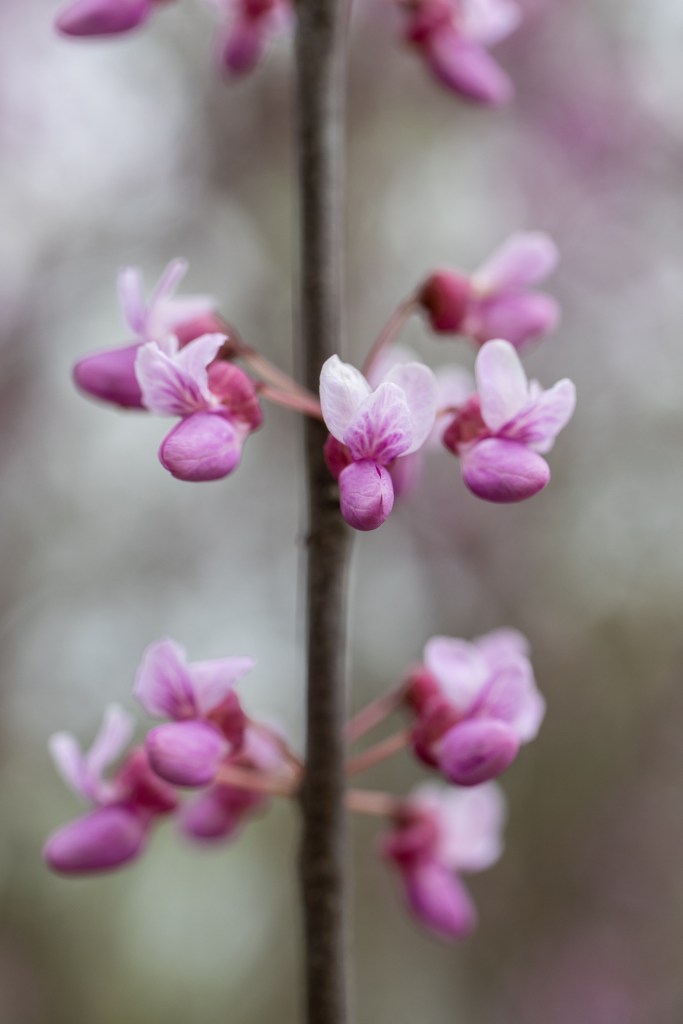
As spring rolls in, the north east is filled with colorful flowering trees. Most of which aren’t native. But one small tree stands out, the redbuds. A native large shrub/small tree, the redbuds are covered in magenta pink flowers that occur in clumps right on the tree branch, or sometimes on the trunk itself. It is pollinated by long-tongued bees.

As the flower shape suggests, the redbuds belong to the Fabaceae family, also known as the pea/legume family.

The showy and long lasting flowers are why this plant is common in cultivation and is used in gardens and homes to add color to their spring gardens. Because its native, it also helps native bee population in the early months of spring and summer.

Minuartia carolinana (Pine-barren sandwort)

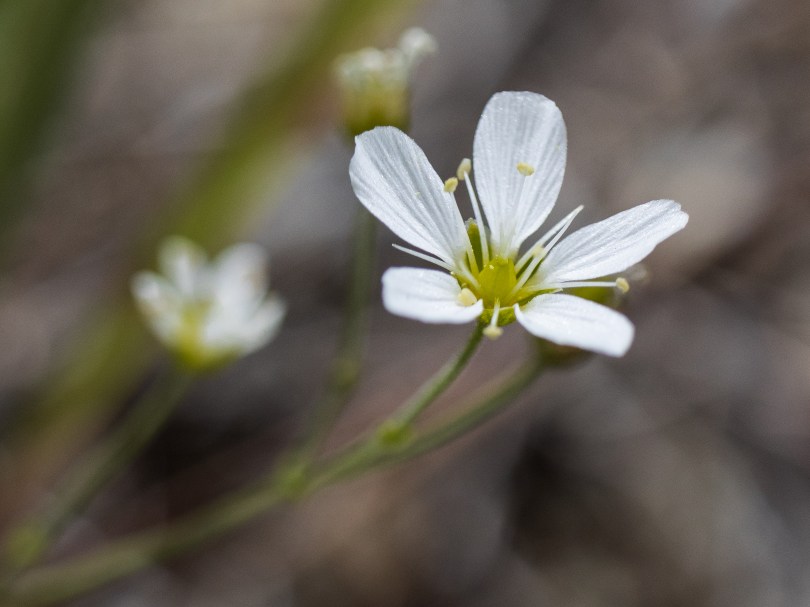
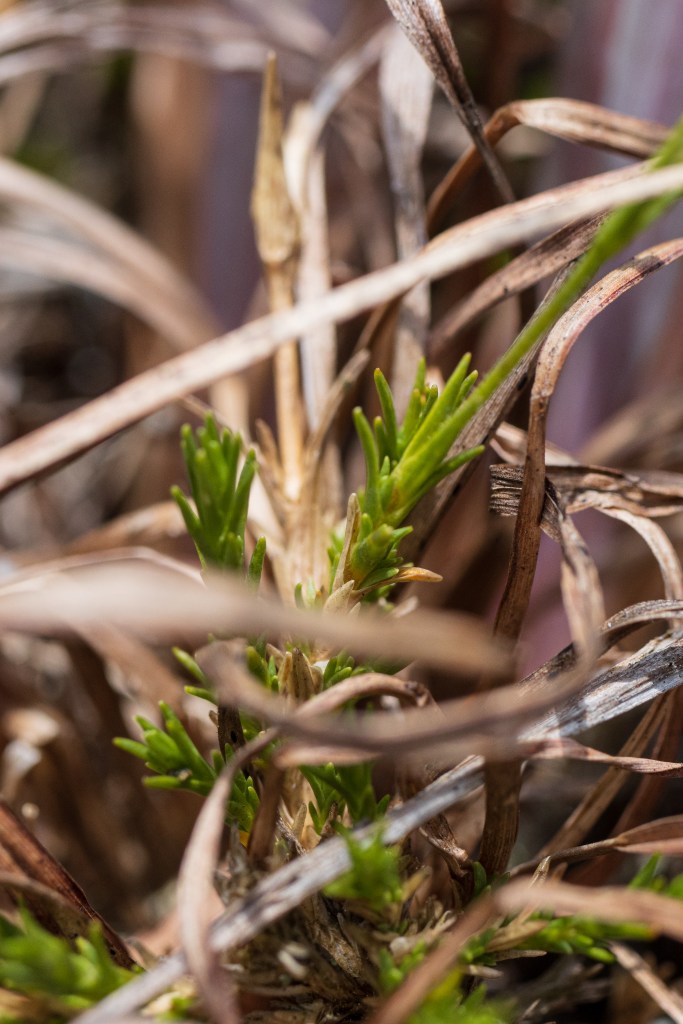
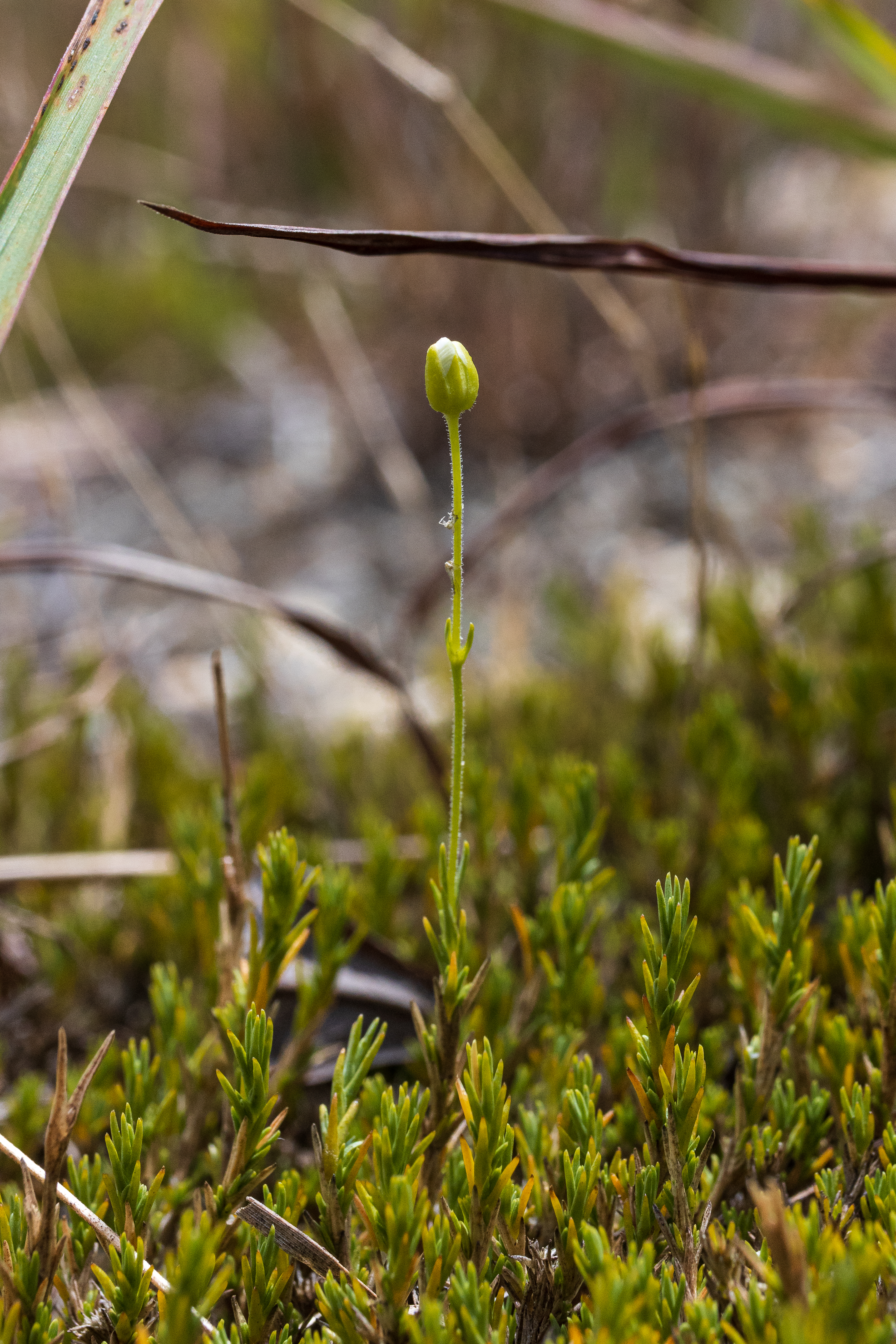
Minuartia carolinanana, or the Pine-barren sandwort is a small plant in the Pink family (Caryophyllaceae) native to the eastern coast of the US. They are found growing on white sands of pine barrens. They usually grow alone or with some grasses. The leaves are small and grow along the stem, resembling some moss species in both size and shape. The flowers grow out of these stems in long branches with five-petaled flowers that can grow longer than the stems supporting them.

To the left you can see the stem which shoots the flowering branch.

Monotropa hypopitys (Pinesap)

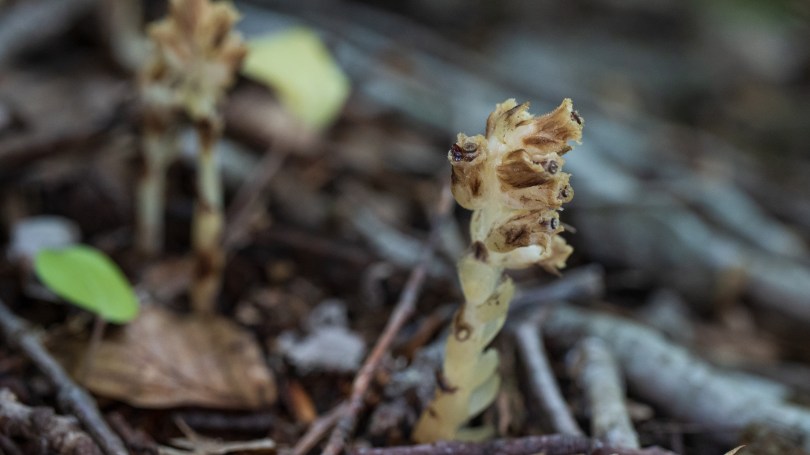
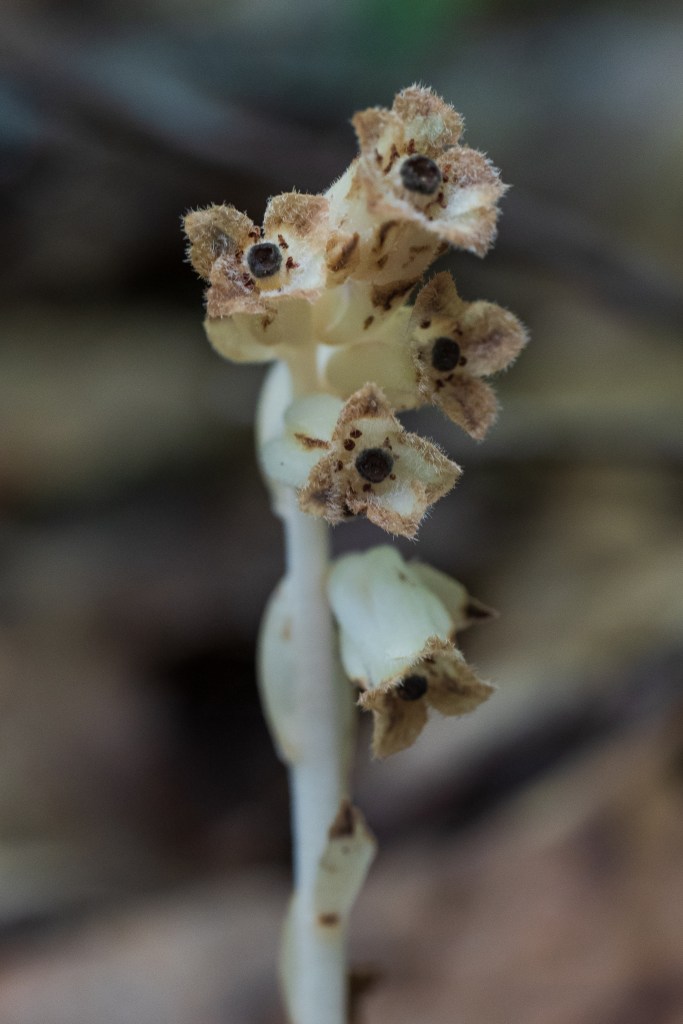
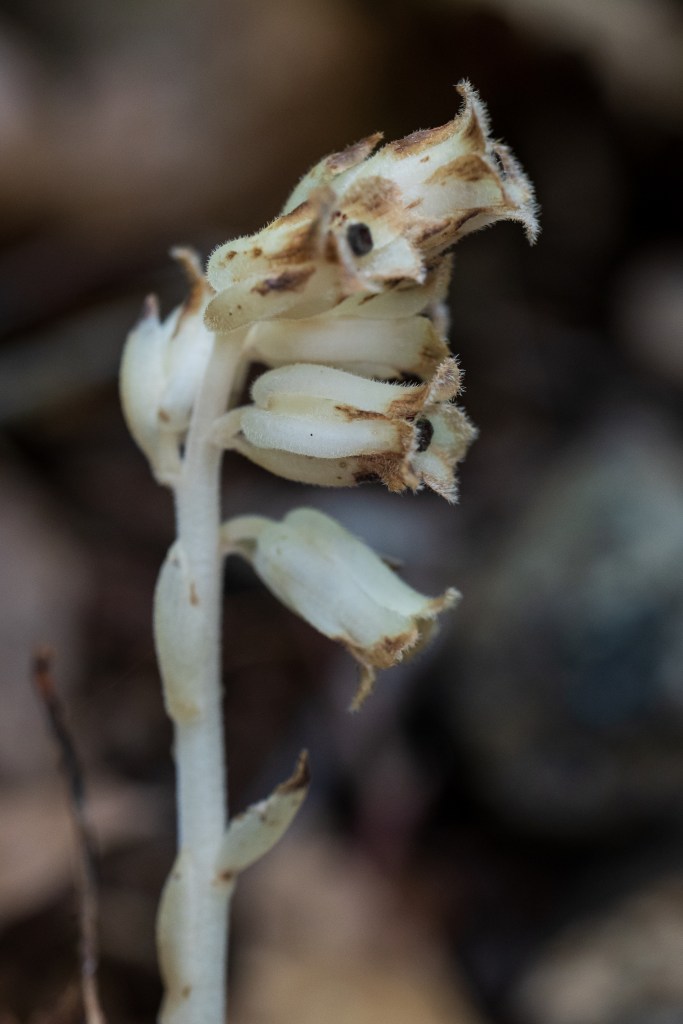
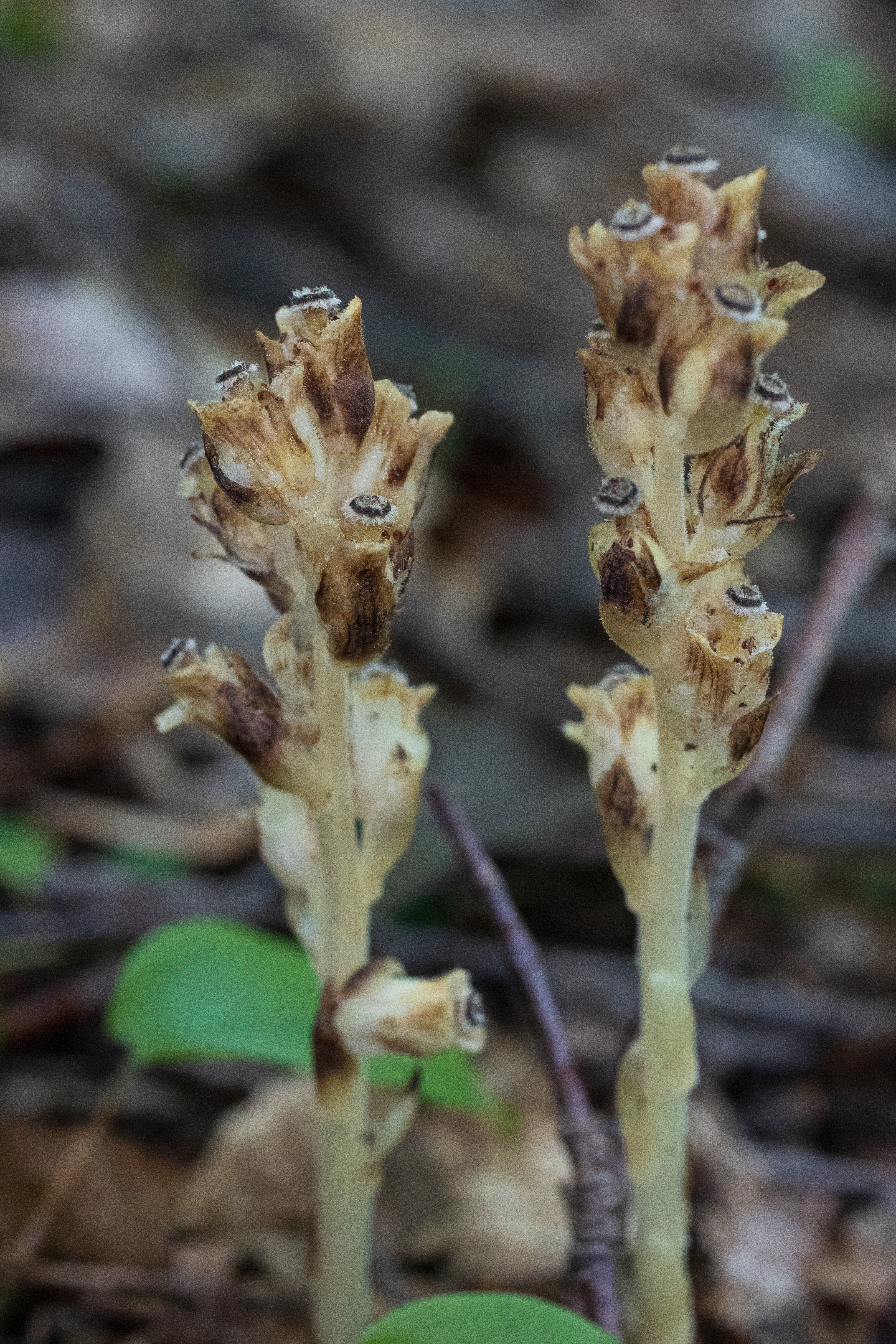
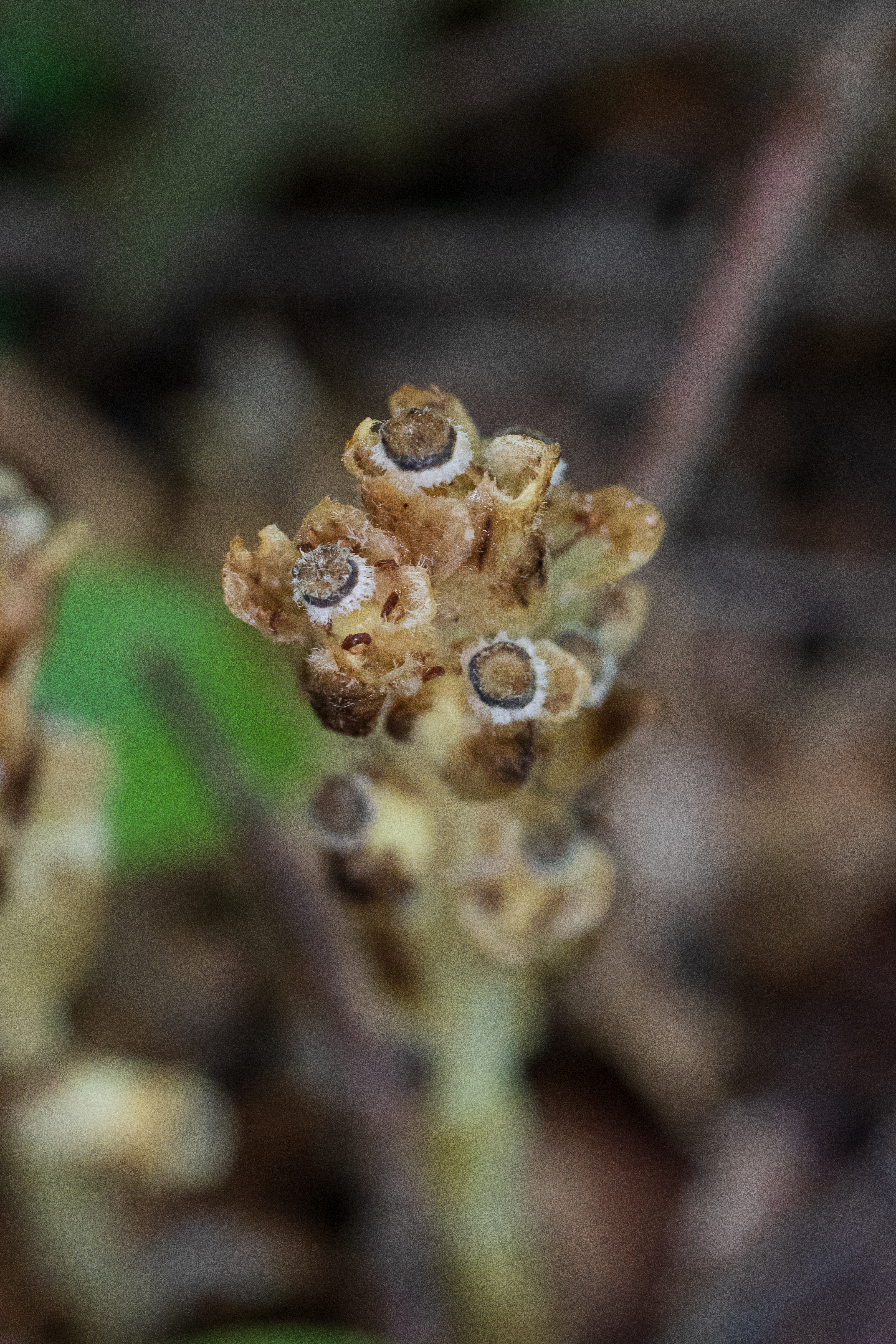
Monotropa hypopitys, or the pinesap, is a cousin of the more common ghost pipe. Both plants are parasitic depending on mycorrhizal fungi found in the forest floor. Unlike its cousin, Monotropa uniflora, pinesap flowers with multiple blooms on a single flowering stem. Like the ghost pipe, it can be found growing near oaks and pines.

The flower colors are varid, from yellow to purple/red. This is a rare plant in New Jersey with few populations recorded. I was lucky enough to find at least three distinct populations growing in a hilly portion of Jersey. One was flowering, while ther other was past its prime and beginning to fruit.

Melampyrum lineare (Narrowleaf cow-wheat)

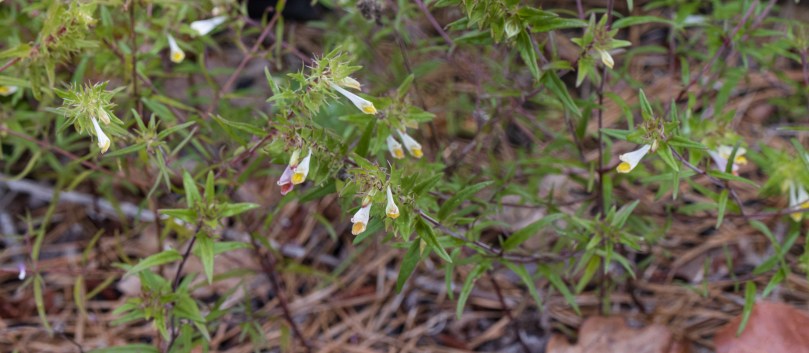
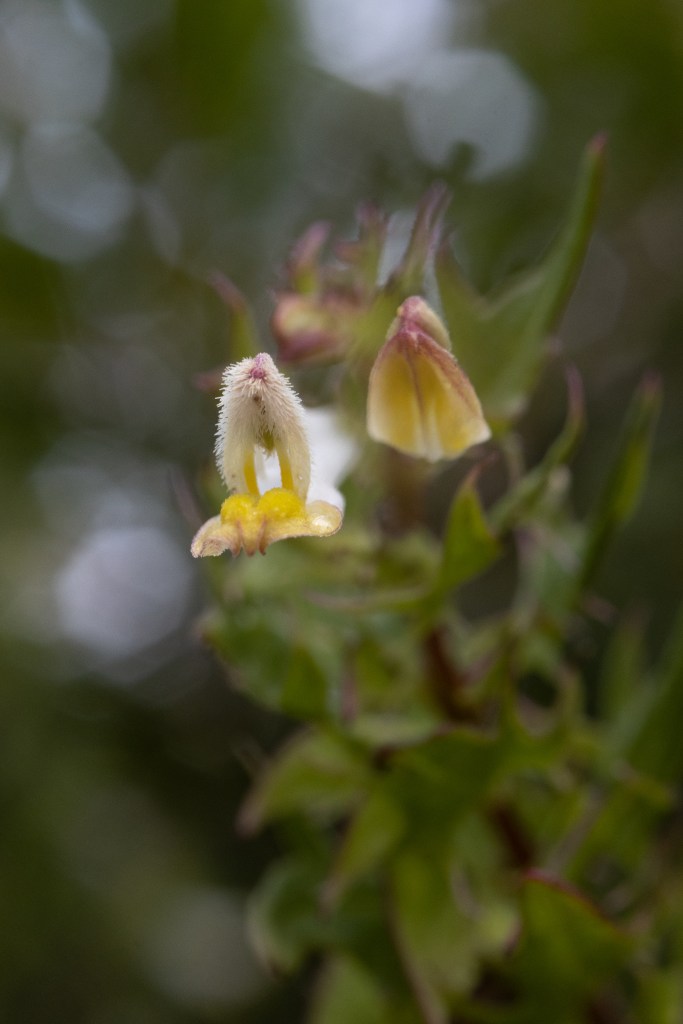
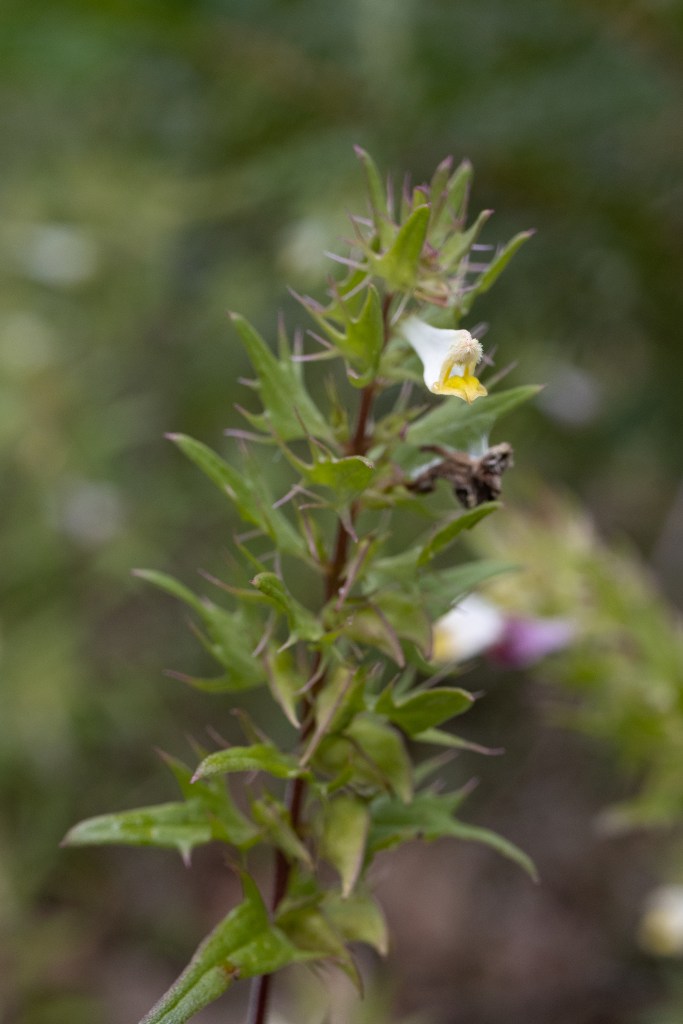
Narrowleaf cow-wheat is a native herbaceous hemiparasitic annual. Its root structure invades the roots of other plants and allows it to extract nutrients from them. Cow-wheat can be found in common well-draining parts of New Jersey. These were near a cranberry bog along a roadside.

The flowers are interesting to look at, mainly because of their drawbridge-like bud opening! They are easy to miss if you don’t look for small flowers around you.

Platanthera clavellata (Small Green Wood Orchid)

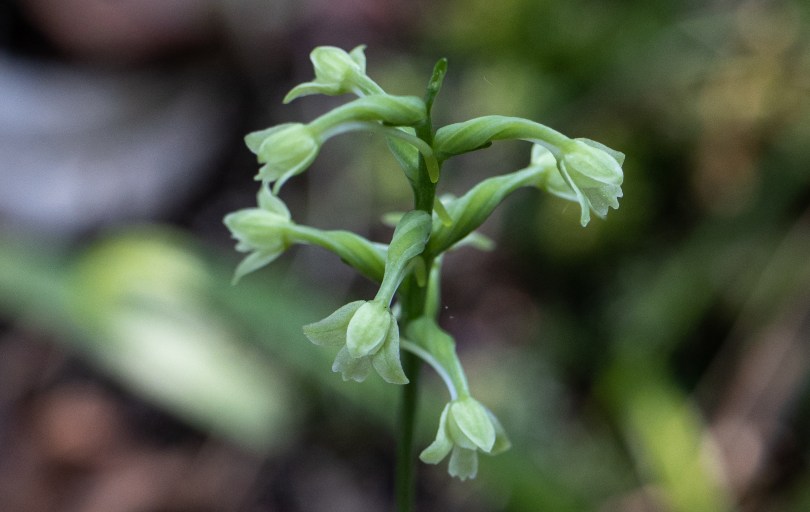
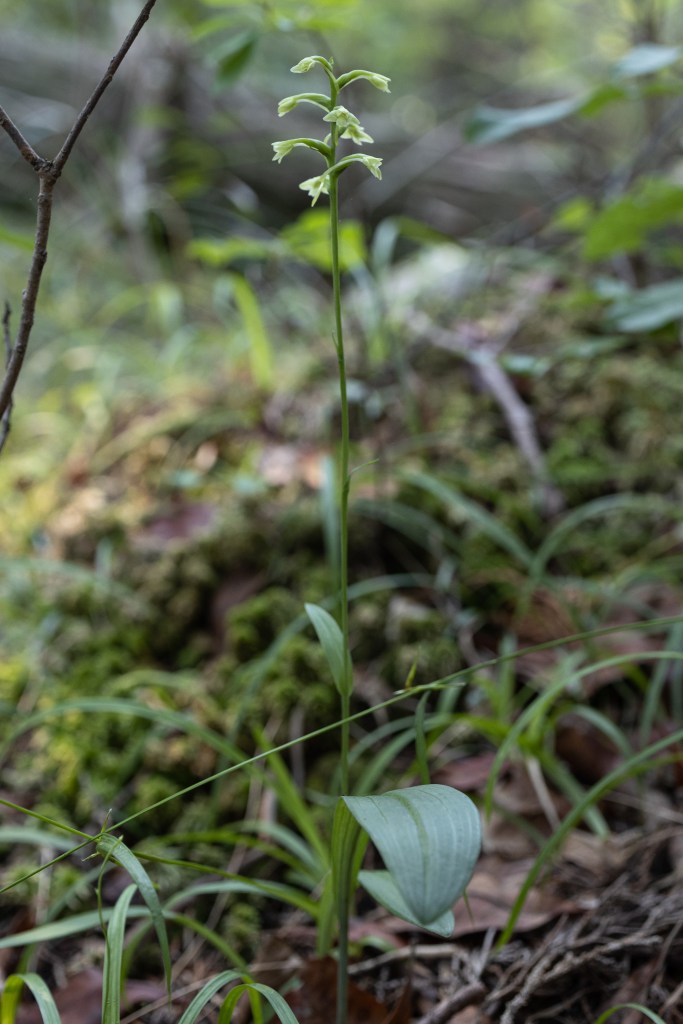
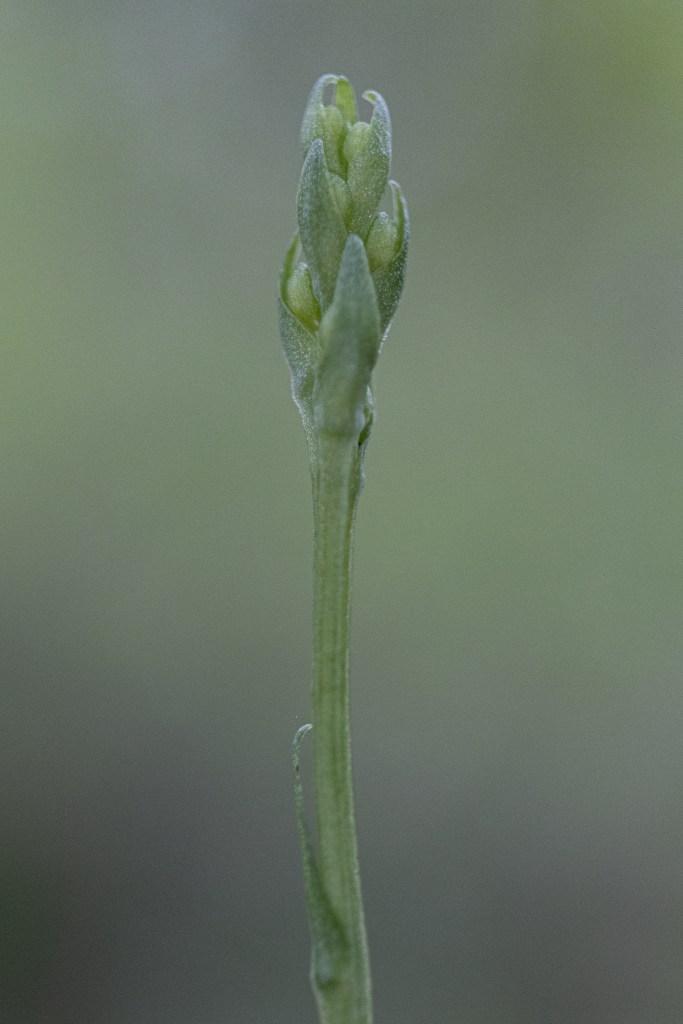
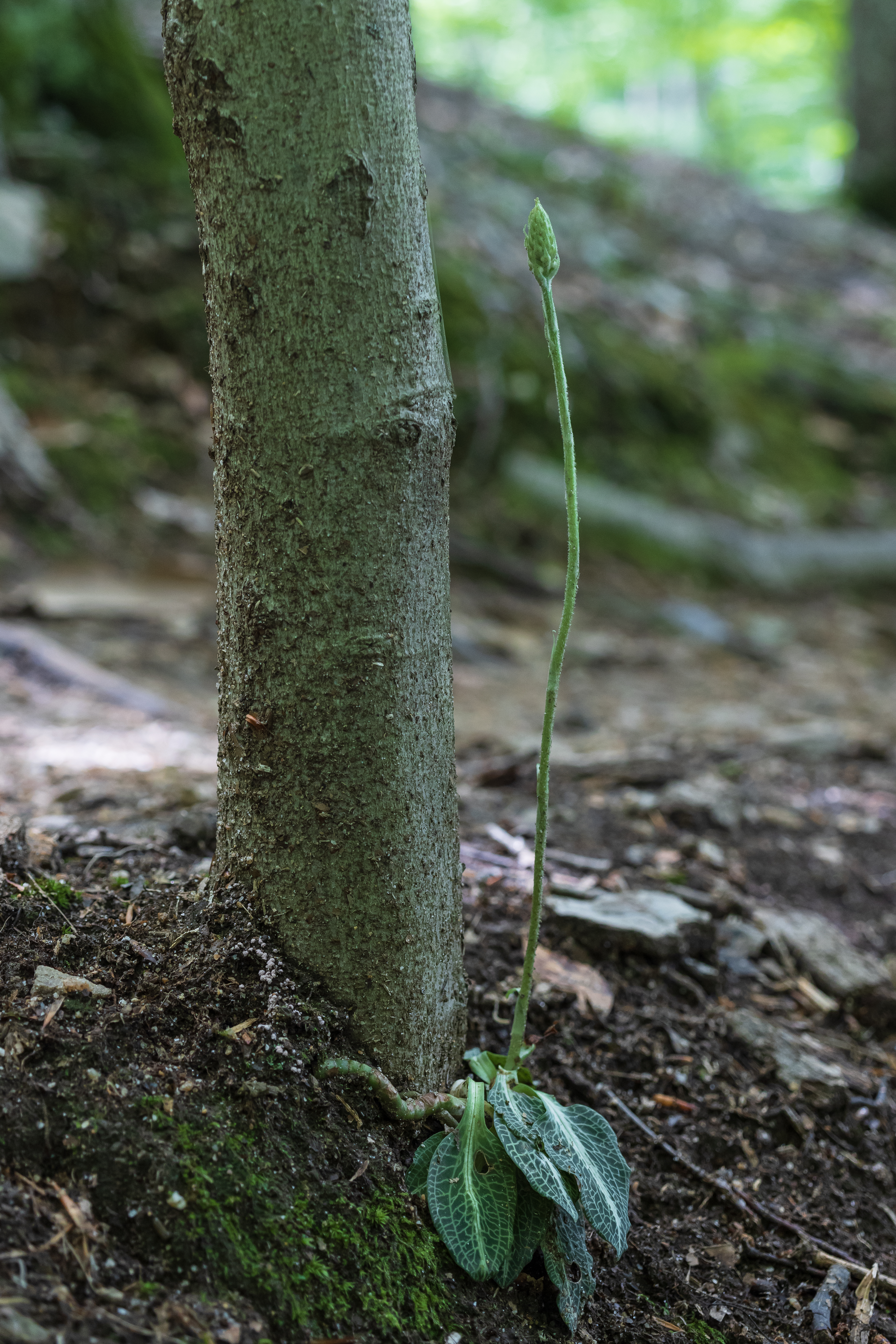
A less showy cousin of the much larger and showier white-fringed orchid (they were growing near each other in pinelands of New Jersey.) The plant has but one large leaves with others being reduced to bracts along its stems. This particular plant was a youngling that was probably flowering for the first time.

There is some controversy regarding its inclusion into the Platanthera genus. I do not know enough about the morphology of the genus to elaborate further.

The spot I found this orchid seemed to have a healthy population of orchids that were reproducing. One thing that concerned me was the thickness of the understory. As this location was used by people and was near a park for human picnicking, the area hasn’t burnt enough. Pinelands is a fire ecology, and I worry about what thick understory would do to the local orchid population.

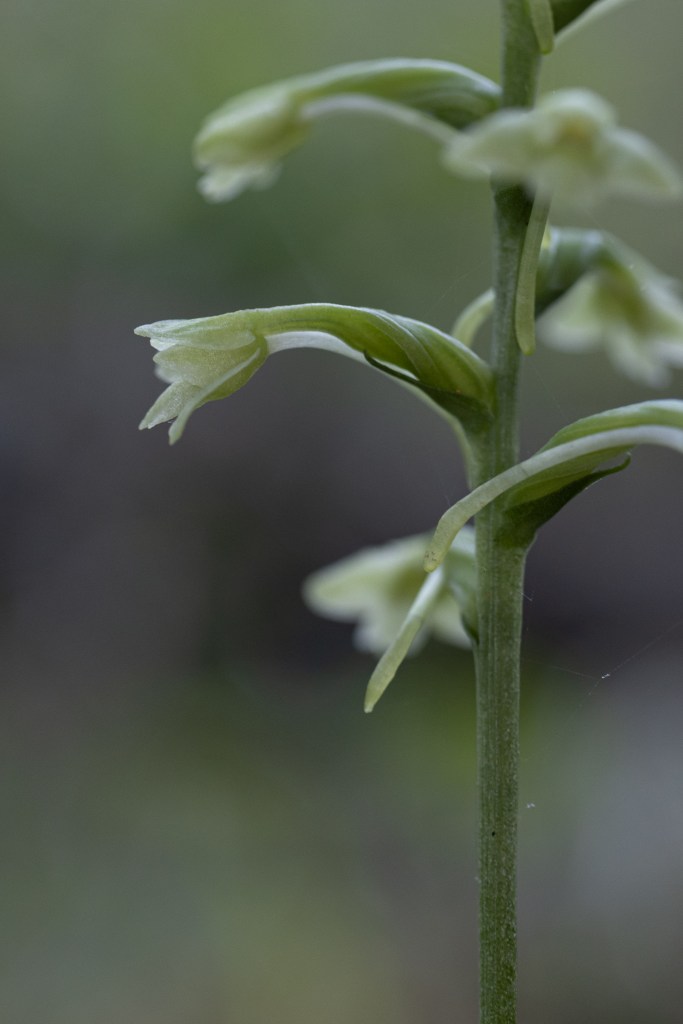
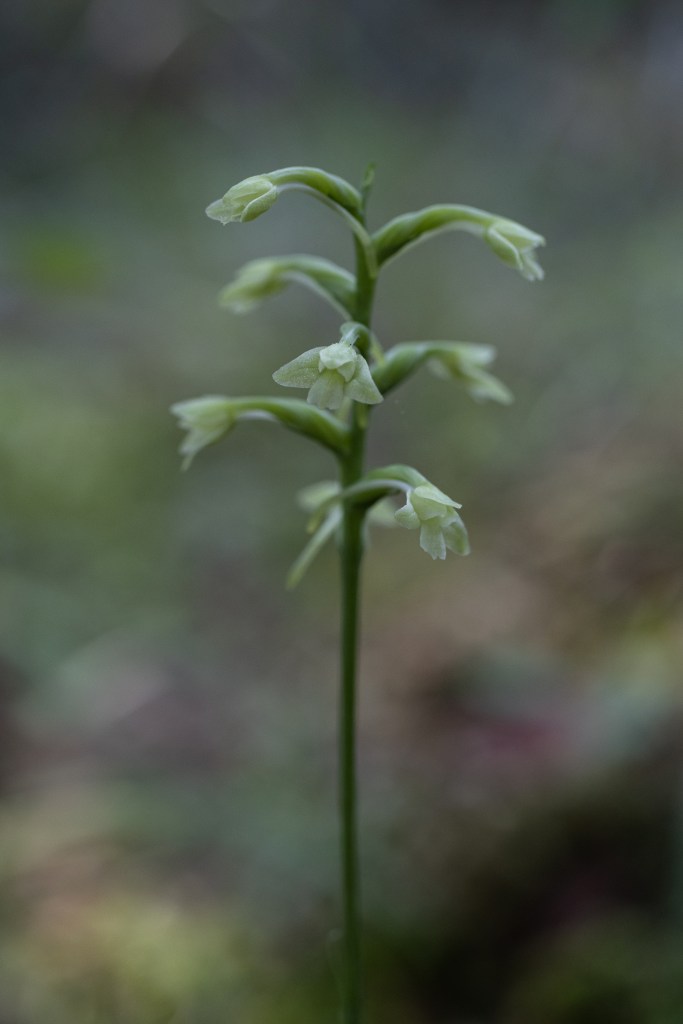
The flowers of these orchids are not as showy as some others in the Platanthera genus, but that allows us to have a clear look at the twist that results in the resupinate nature of orchid flowers. Most orchids go through this, with certain exceptions like CalopogonResupinate flowers are those that twist and turn upside down. As an orchid bud develops, the lip of the orchid is towards the flowering stem (as can be seen below), but as the bud begins to open, the flower twists till the tip point down. In this orchid, you can see the twist that each flower went through. 
Goodyera pubescens (Downy rattlesnake plantain)

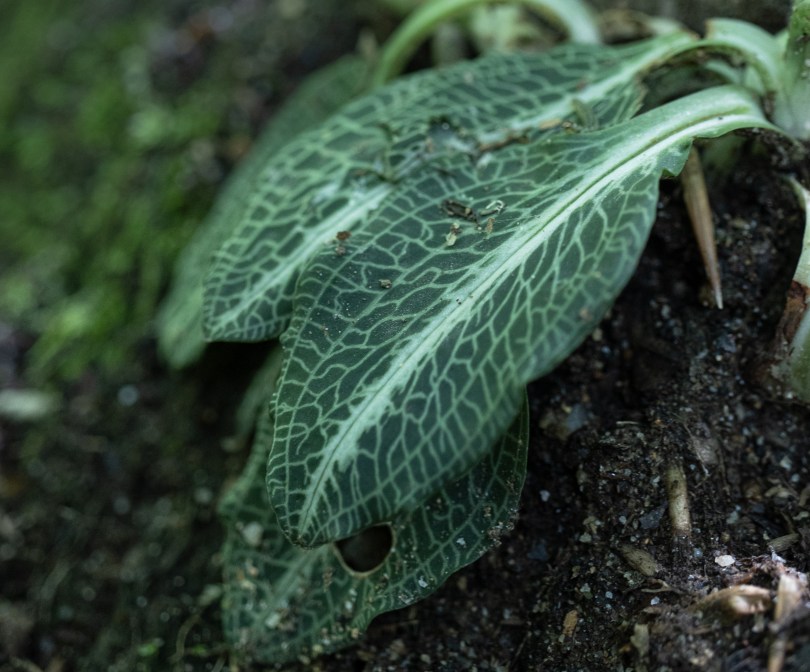
Goodyera pubescens, the downy rattlesnake plantain is one of the most common orchids found in the eastern North America. Despite its high numbers it can be hard to find. The variegated leaves allow it to blend in with the forest floor. It is a terrestrial orchid with fleshy rhizomes with basal evergreen leaves. The beautiful leaves and its evergreen nature allows it to be seen throughout the year for orchid enthusiasts.

Asclepias incarnata (Swamp Milkweed)

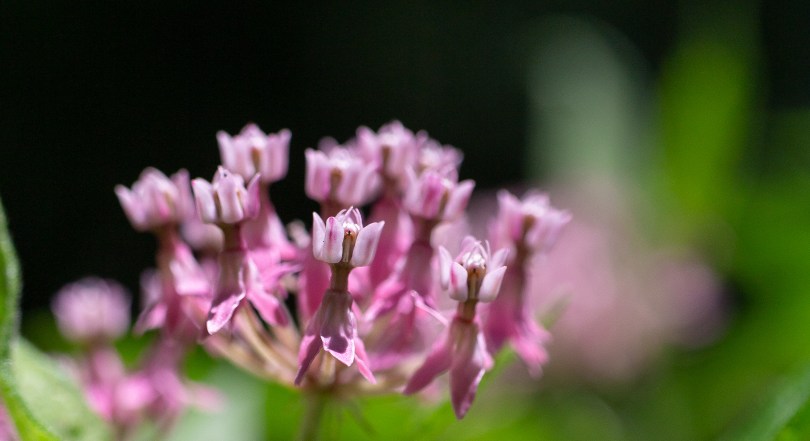
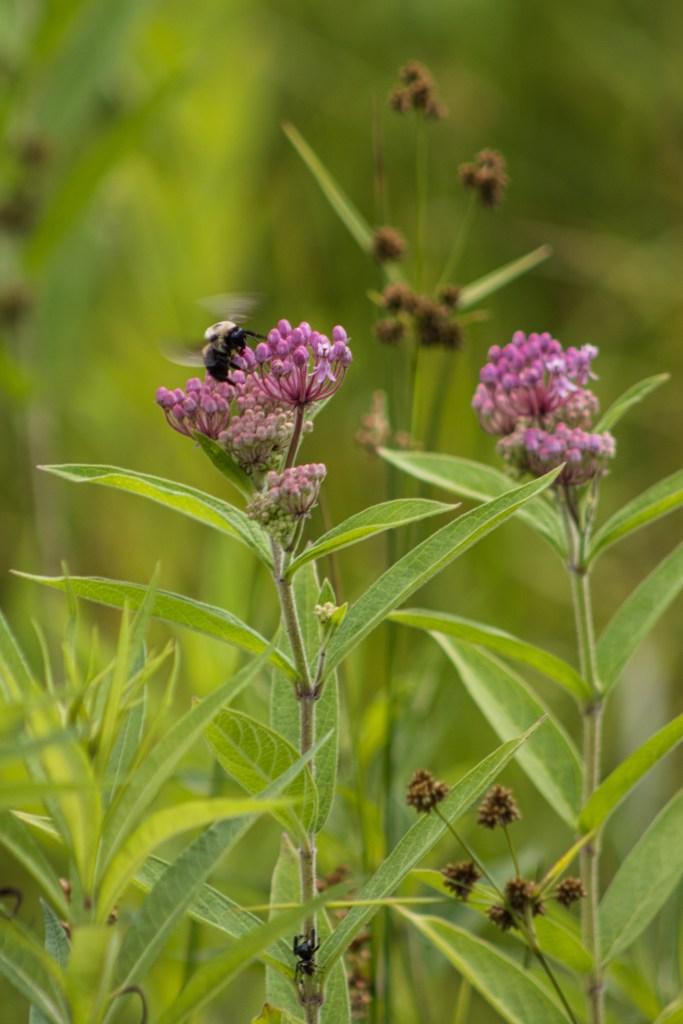
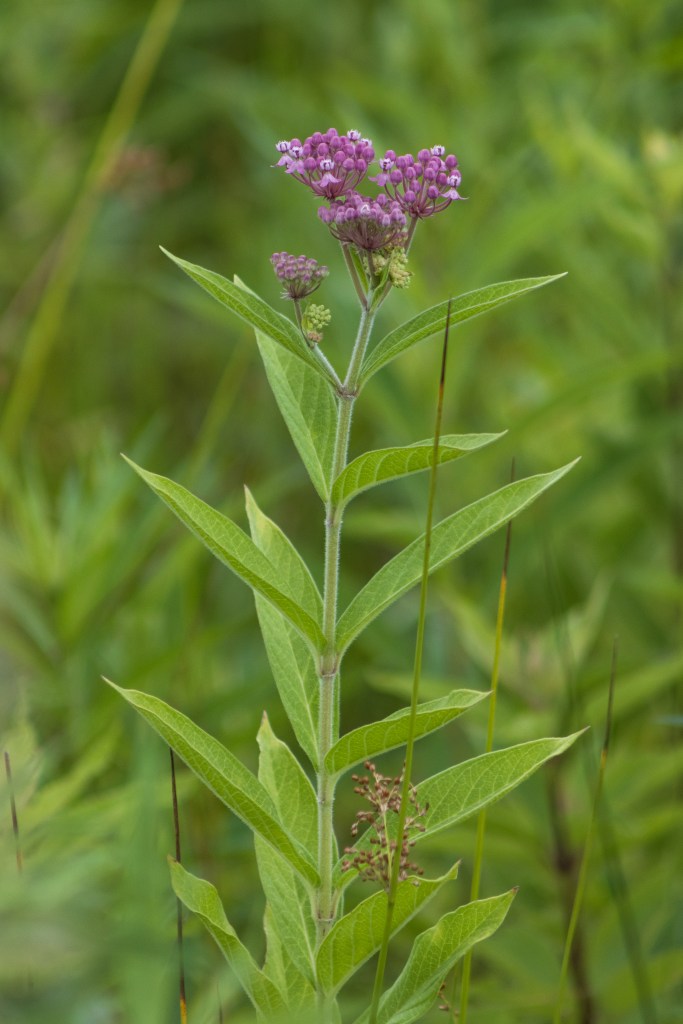
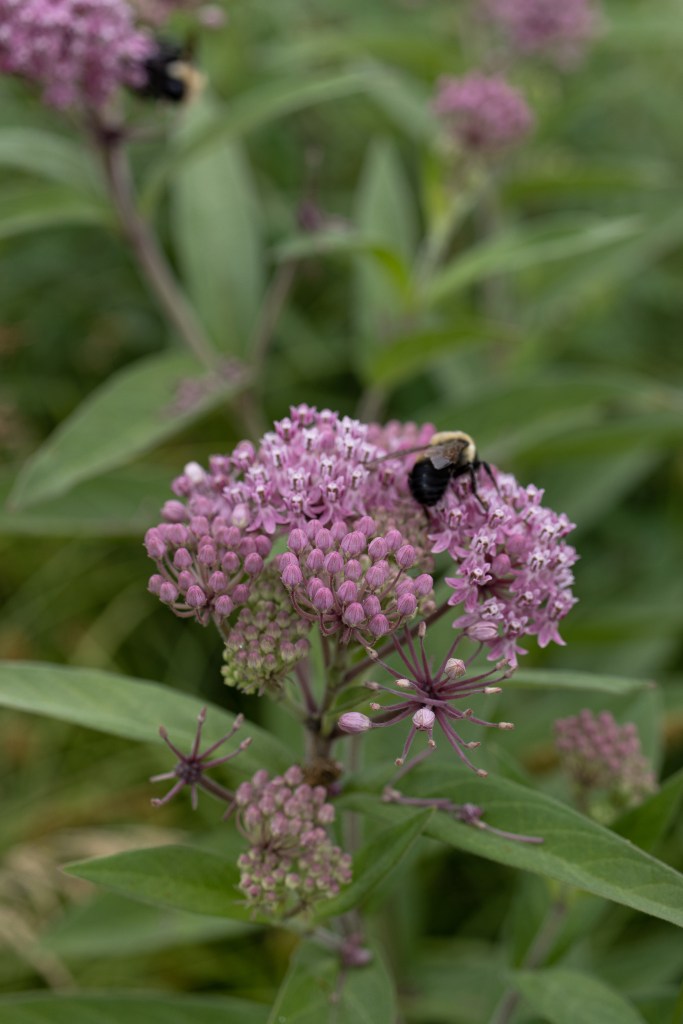
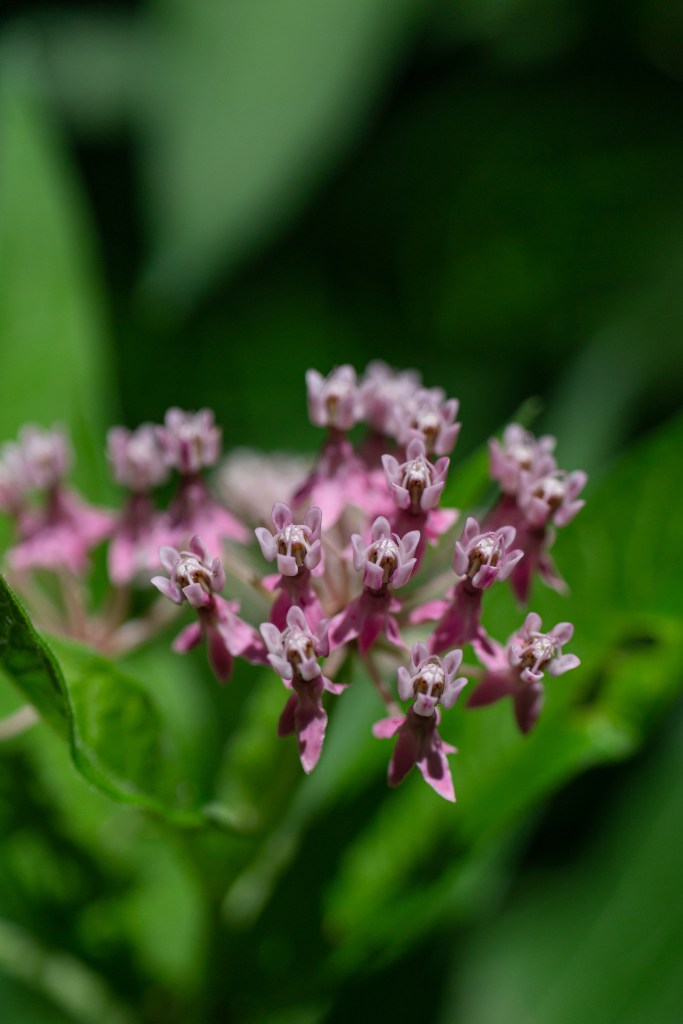
Swamp Milkweed is a tall moisture-loving plant found growing near bogs, swamps, fens, and streams. It prefers sunny spots where it flowers on a terminal spike in the summer. The flowers are showy pink to purple and carry nectar that attracts multiple pollinators. Shown here is a bumblebee trying to find its balance on swaying milkweed. It is a common species found across most of the continental US and into Canada. It is an excellent addition to any pollinator-friendly garden as its flowers are both showy and wonderfully scented.