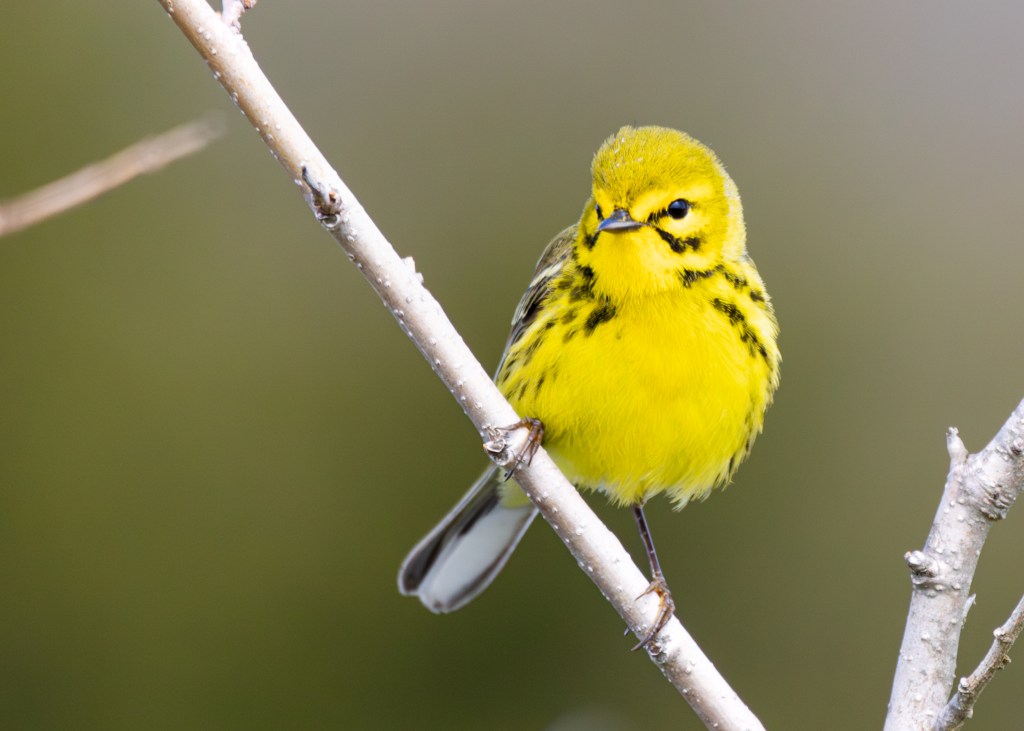
Setophaga discolor (Prairie Warbler)

Setophaga discolor (Prairie Warbler), is a small songbird found in North America. A new world Warbler. Unlike what its name suggests, Prairie Warblers don’t actually live in prairies, but in young second growth shrubs.

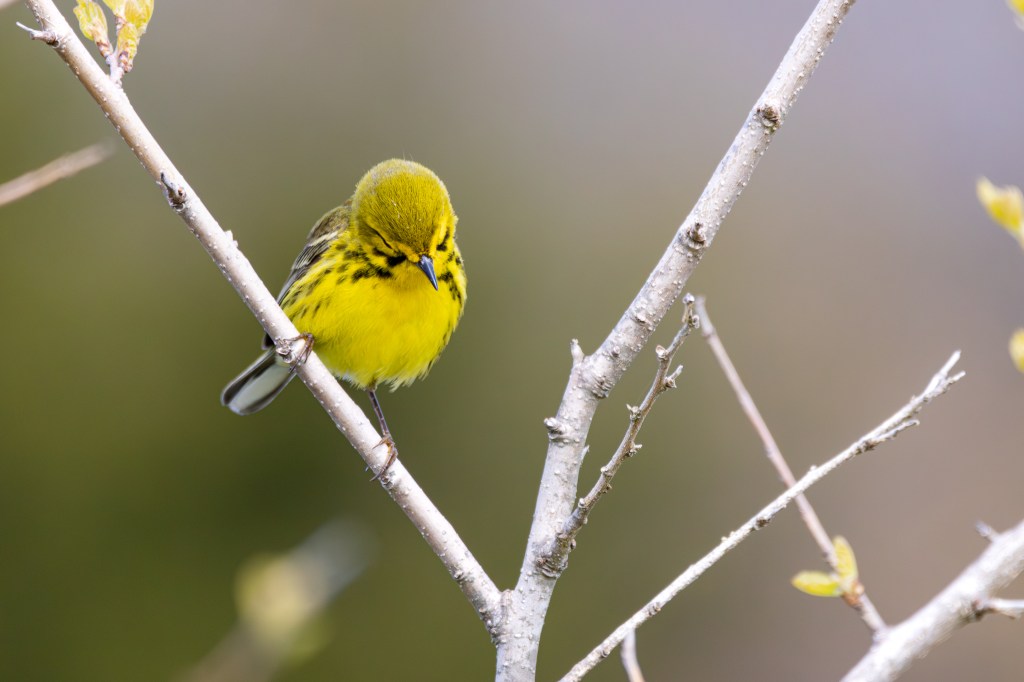
A mostly migratory bird, a population of Prairie Warblers calls Florida home all year long. They are a separate subspecies that live in mangroves and are larger than the migratory kind. The migratory population can be found making its way north in spring and residing through the summer to breed. I caught this, most likely, male bird hopping around a shrub singing his heart out in Cape May, NJ. Hopefully, he was able to get a mate for the season!
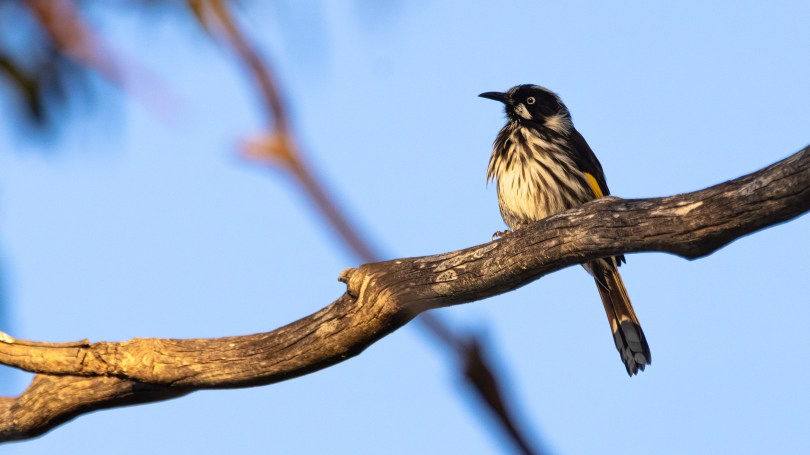
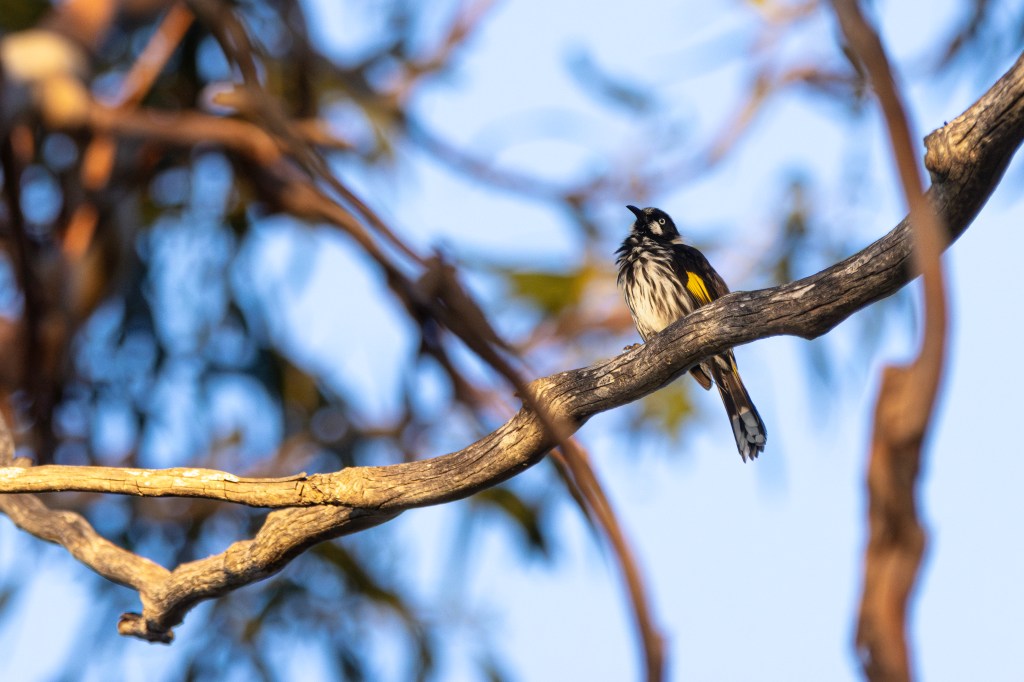
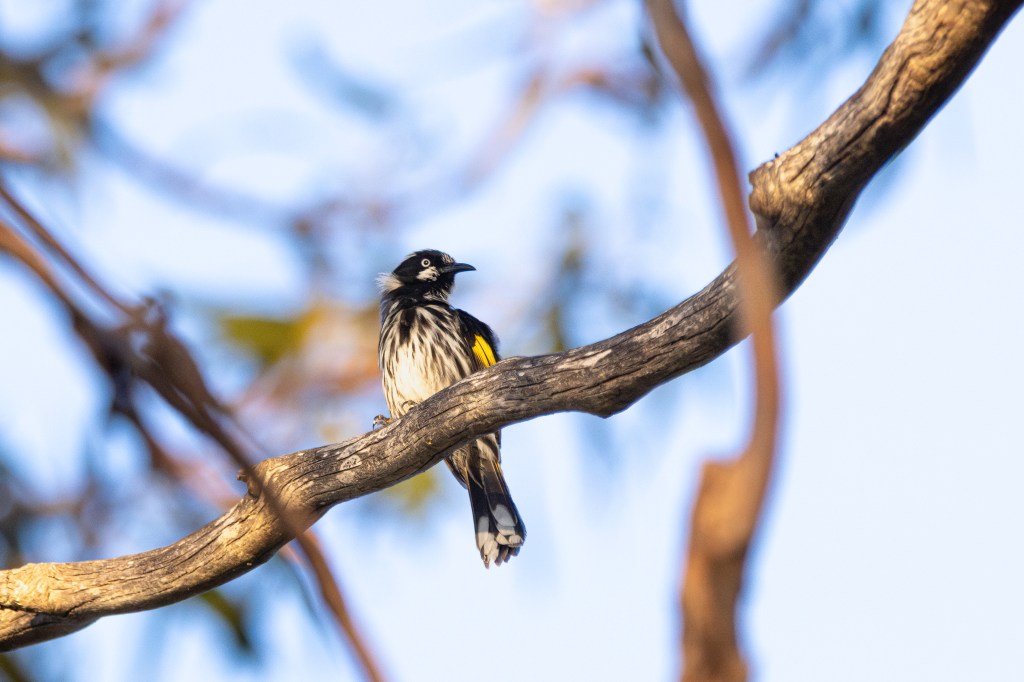
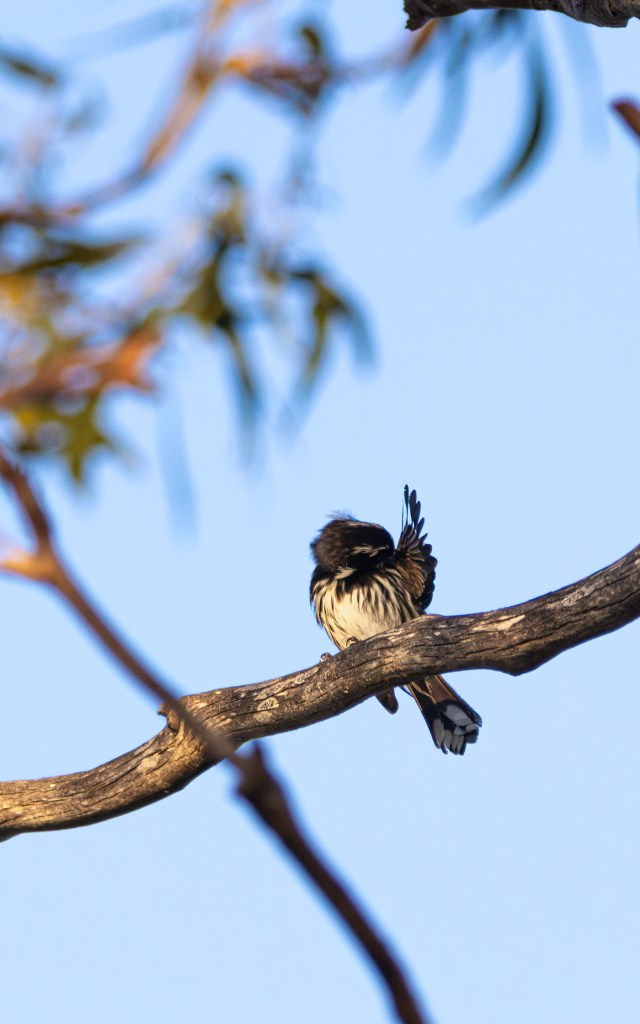
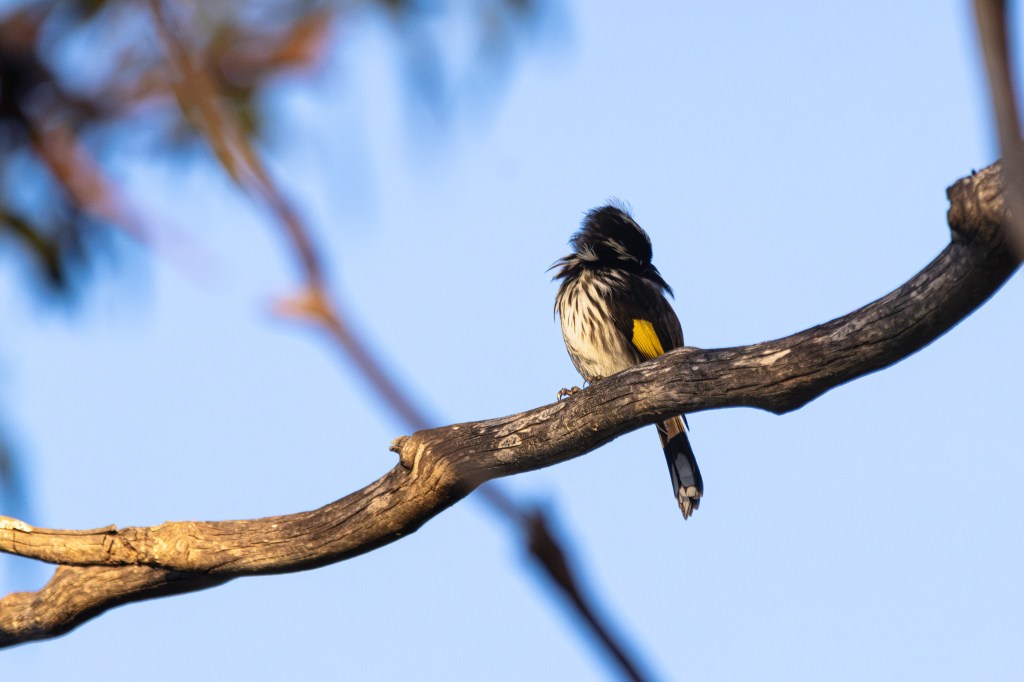
Phylidonyris novaehollandiae (New Holland Honeyeater)

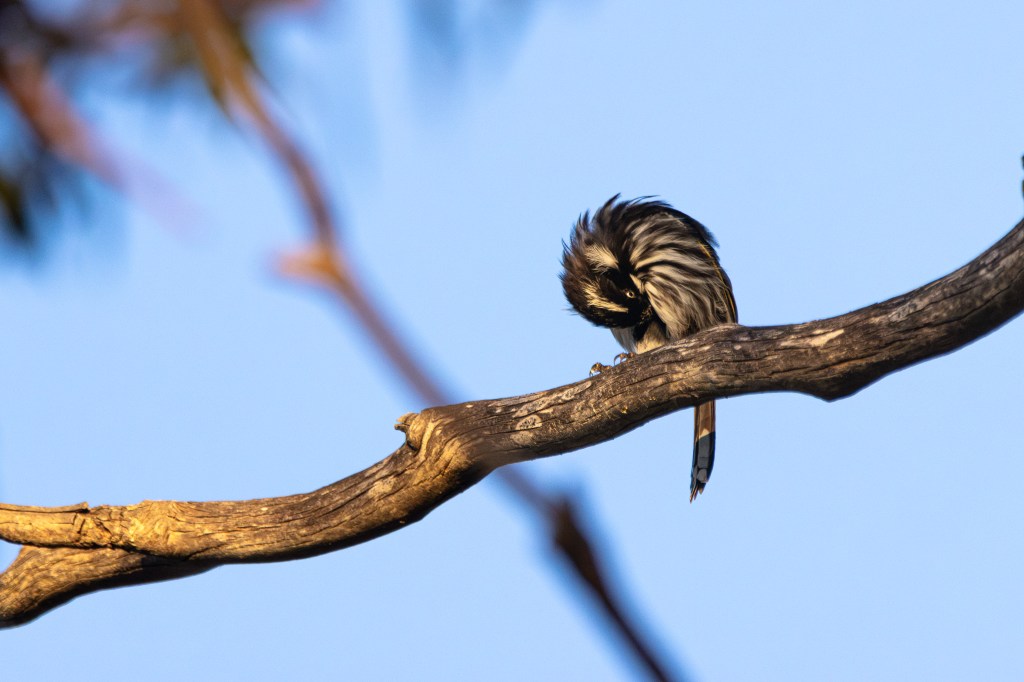
Phylidonyris novaehollandiae, New Holland Honeyeater, is a honeyeater species commonly found across southern Australia, including Tasmania. It is a striking-looking bird with a black body, white iris, and a large patch of yellow across its plumage. For protein, they eat insects and spiders. 

As the name suggests, honeyeaters obtain most of their carbohydrates from the nectar of flowers. Hence, they are vital pollinators for native plant species like Banksia. It is found in forests and woodlands where native flowers grow. 

Poecile (Chickadee)

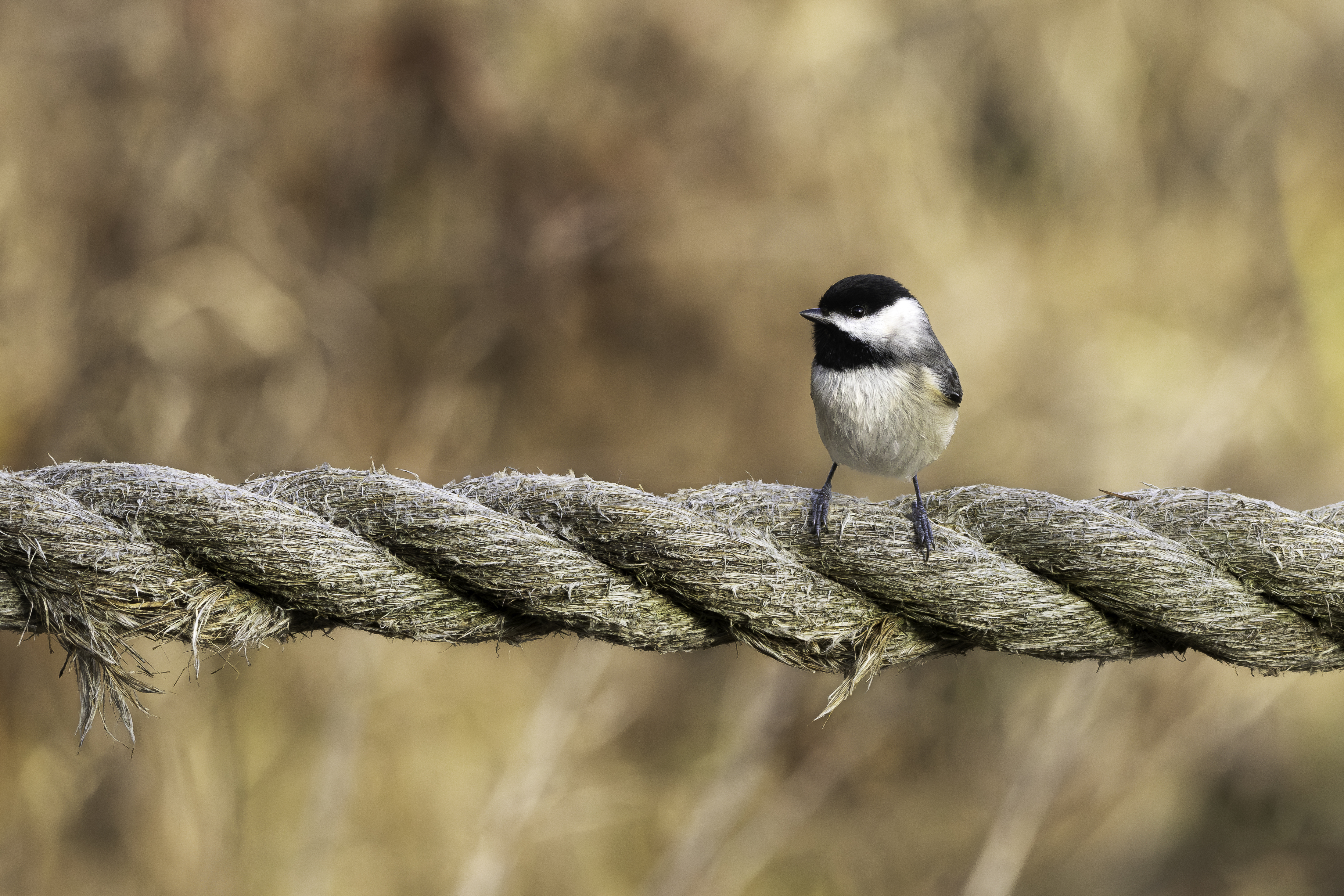
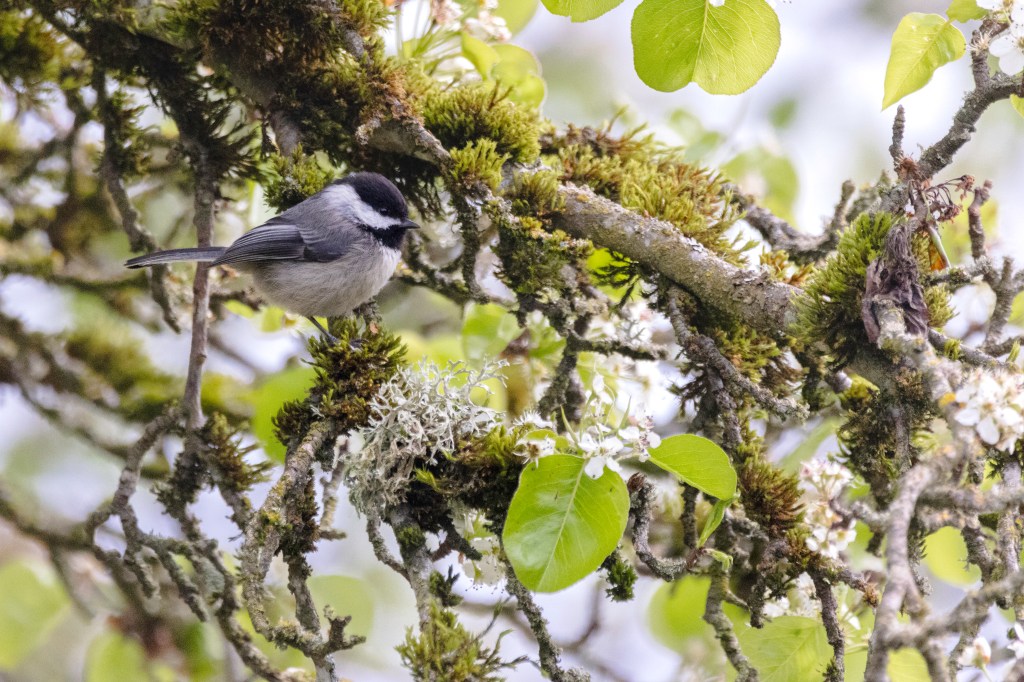
The Chickadees are a genus of small North American birds in the genus Poecile. Species in the genus from North America are called Chickadees, while species found elsewhere are called Tits. They have distinct, beautiful calls that lent them their name.

“Their name reputedly comes from the fact that their calls make a distinctive “chick-a-dee-dee-dee“, though their normal call is actually “fee-bee,” and the “chick-a-dee-dee-dee” call is an alarm call.”

I have managed to see three species and photograph two! The Carolina Chickadee, endemic to the US, is found in the eastern US. The black-capped Chickadee is found in the northern US and Canada. It is a common species along its range and can be easily found at feeding stations! 

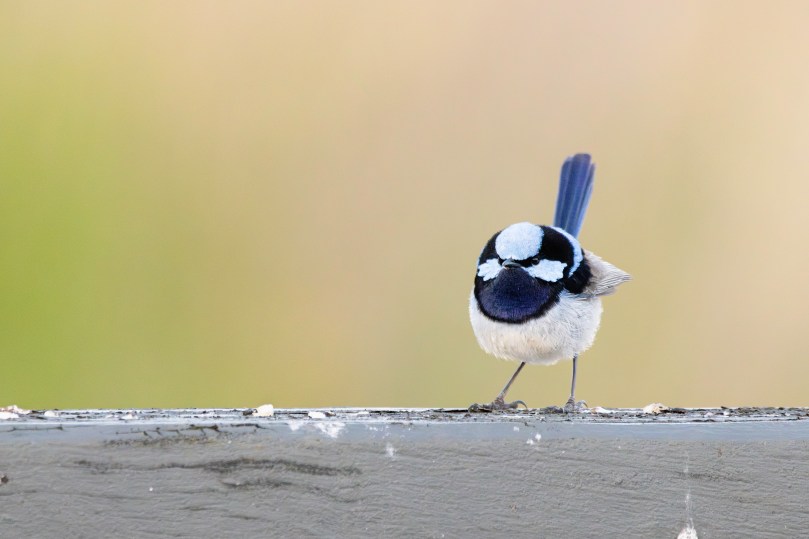
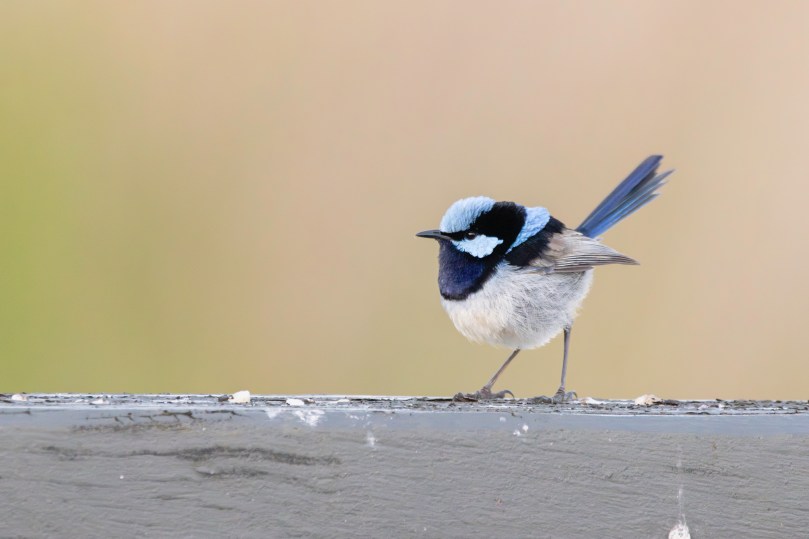
Malurus cyaneus (Superb Fairywren)

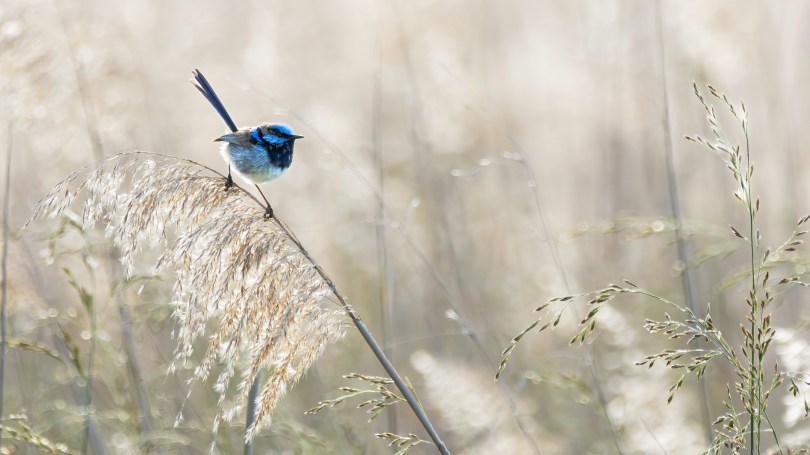
A striking bird that is common across the island of Tasmania, I saw one the day I landed in Australia and was stunned to find a bird so beautiful. Being color-blind, I generally cannot appreciate birds completely, but blue is the exception!

Like other fairywrens, Superb fairywrens exhibit sexual dimorphism, with the female exhibiting a fawn color. Immature males start with fawn-colored plumage but turn blue after their first breeding season. Some take longer, as seen in the cover photo.

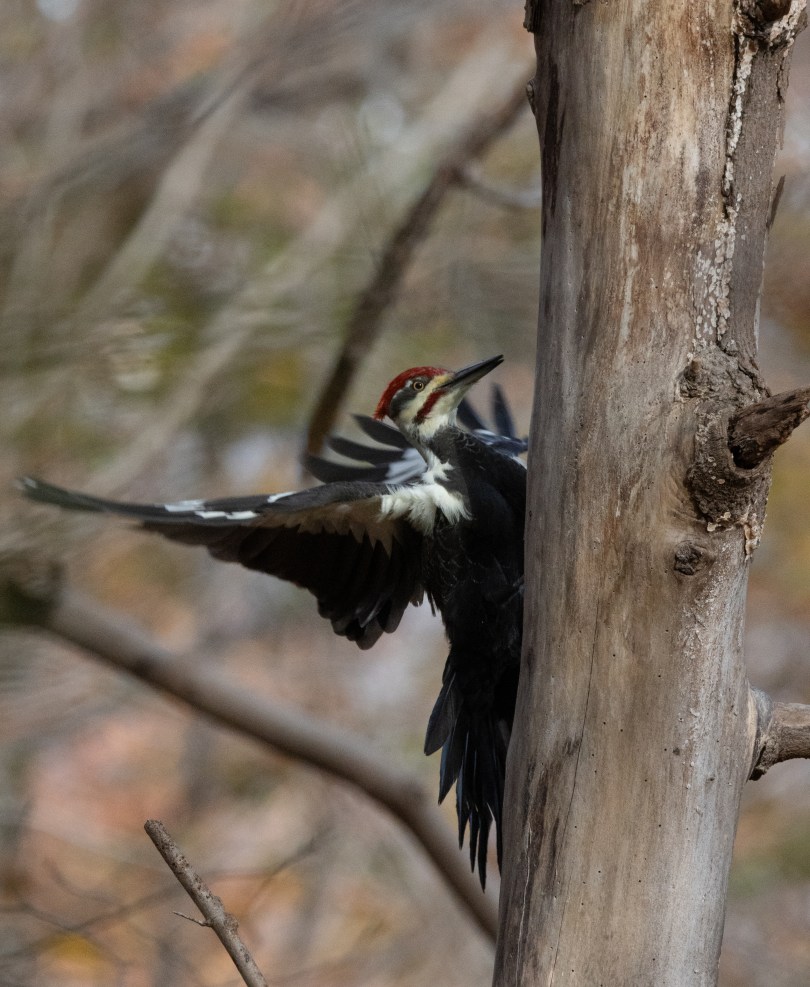
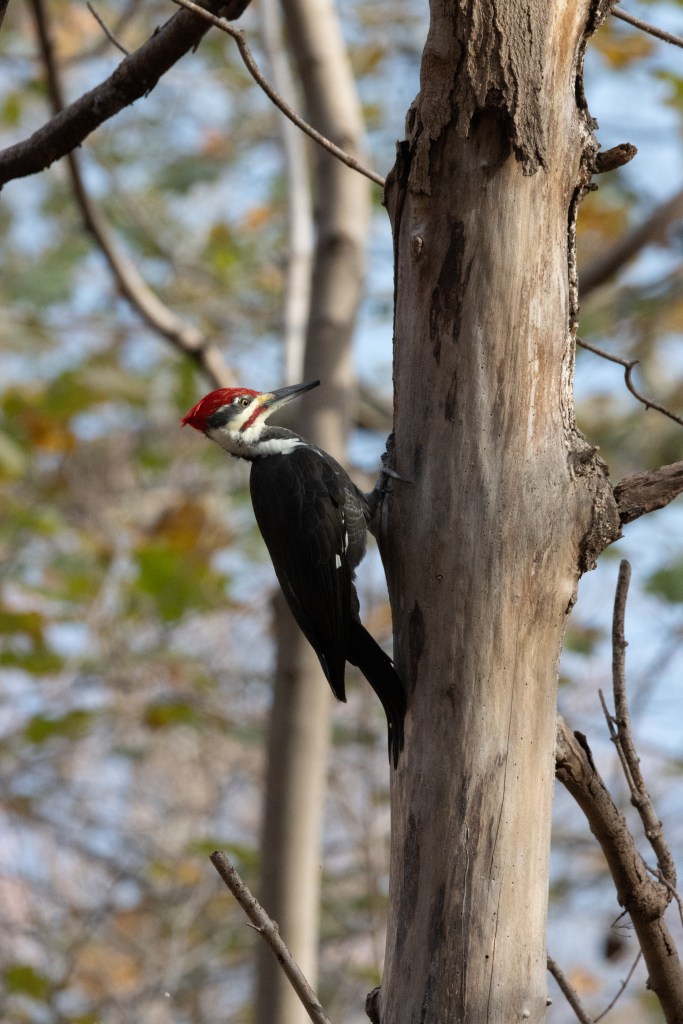
Dryocopus pileatus (Pileated Woodpecker)

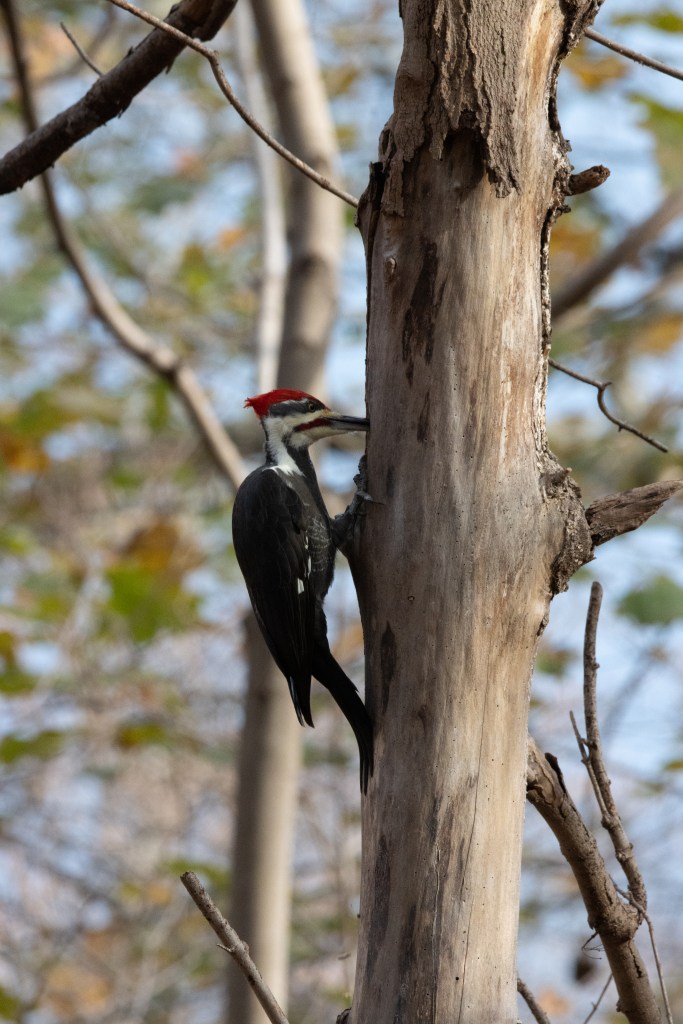
The Pileated Woodpecker is a large, striking bird throughout North America. Known for its distinctive appearance and powerful drumming, this woodpecker is familiar in forests and wooded areas. It is now the largest extant woodpecker species in North America since the reclassification of the ivory-billed woodpecker as extinct by the U.S. Fish and Wildlife Service. Unlike the larger and more specialized ivory-billed woodpecker, the Pileated woodpecker is more adaptable, allowing it to continue surviving in proximity to human habitation. The birds are essential in controlling the insect population, and even though some homeowners could consider them annoying, the disappearance of these woodpeckers could increase the tree beetle population, damaging forests. 

Below, a woodpecker rams into a tree at the Palisades interstate parkway.

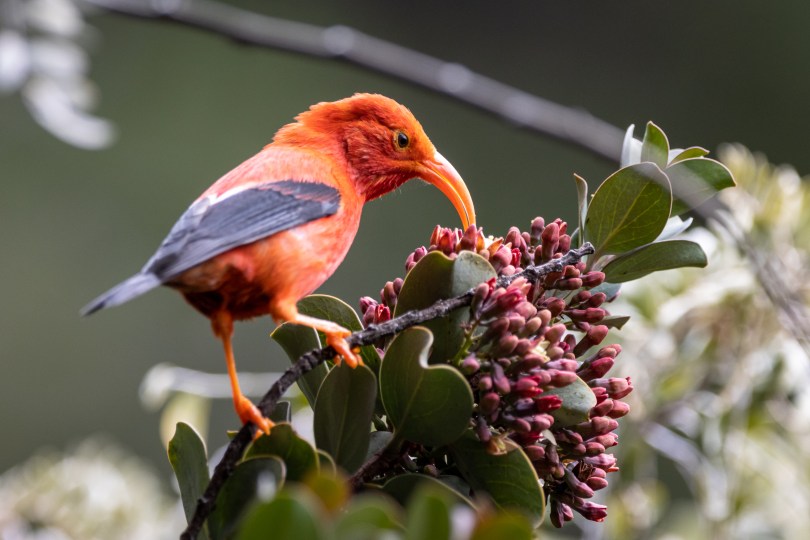
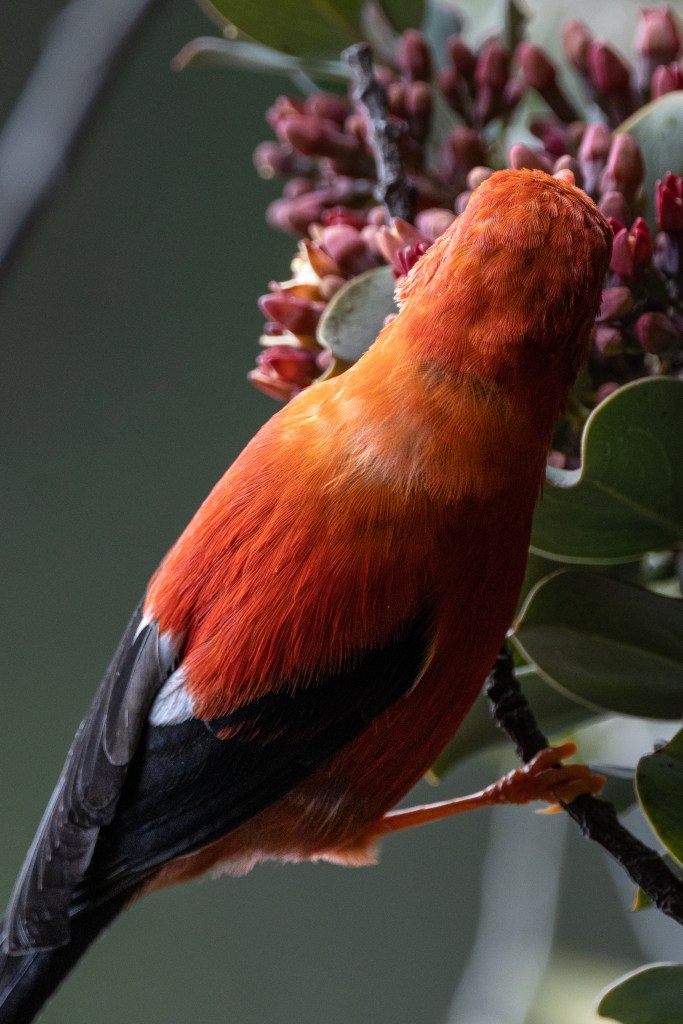
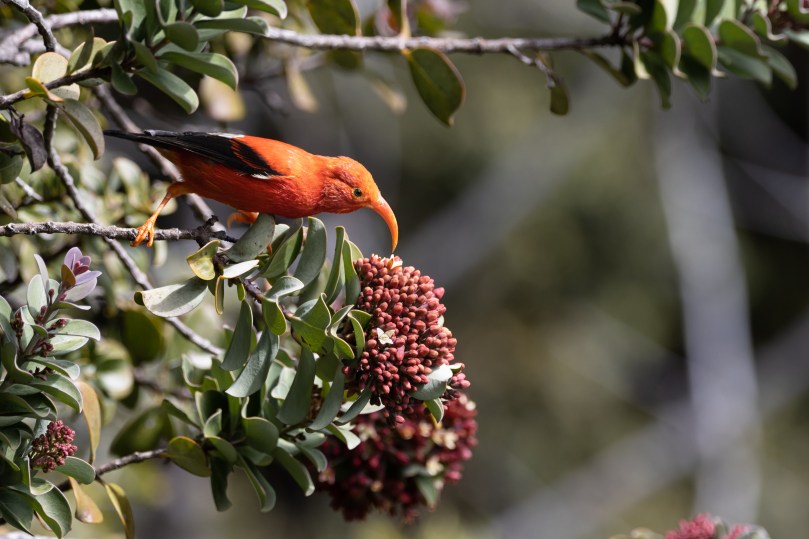
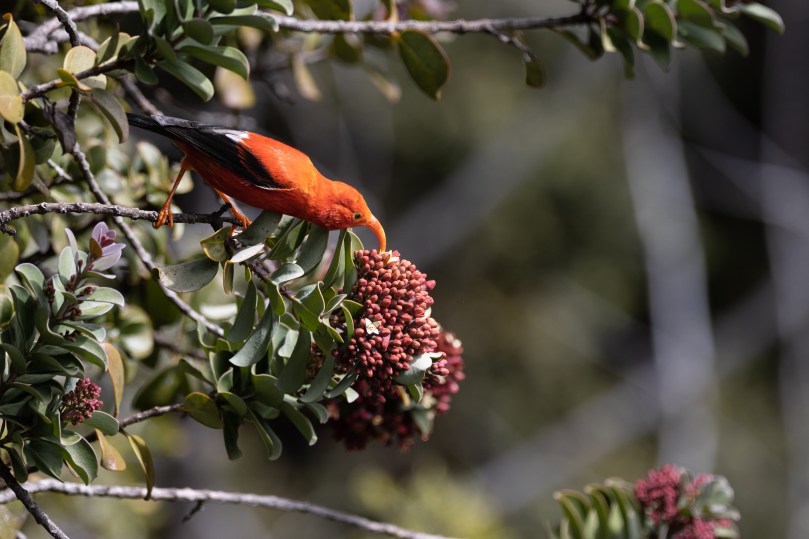
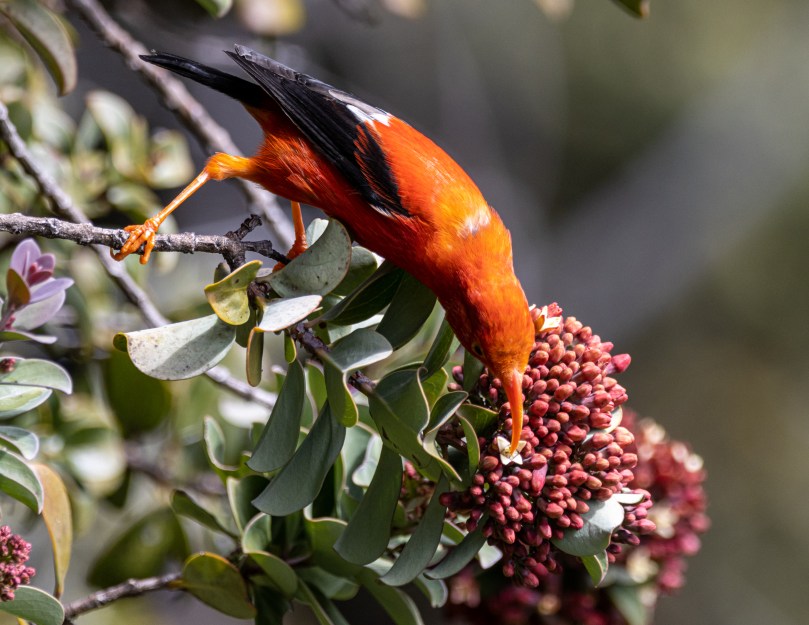
ʻIʻiwi (Drepanis coccinea, Scarlet honeycreeper)

Native Hawaiian birds have some of the sweetest songs I have ever heard. These honeycreepers are altitudinal migrants living in wet forests along the slopes of Hawaiian mountains. They follow the progress of blooms across altitudes as the weather changes. Despite being the third most common land bird in Hawai’i’, it is still considered threatened.

Widespread destruction of forests and the spread of avian malaria has caused drastic reduction in their population. They have lost 90% of their range and are being considered to be endangered species.

As their common english name suggests ‘I’iwi use their curved bills to extract nectar from flowers. Shown here an ‘I’wi tries its luck on a Haleakalā Sandalwood inflorescence.

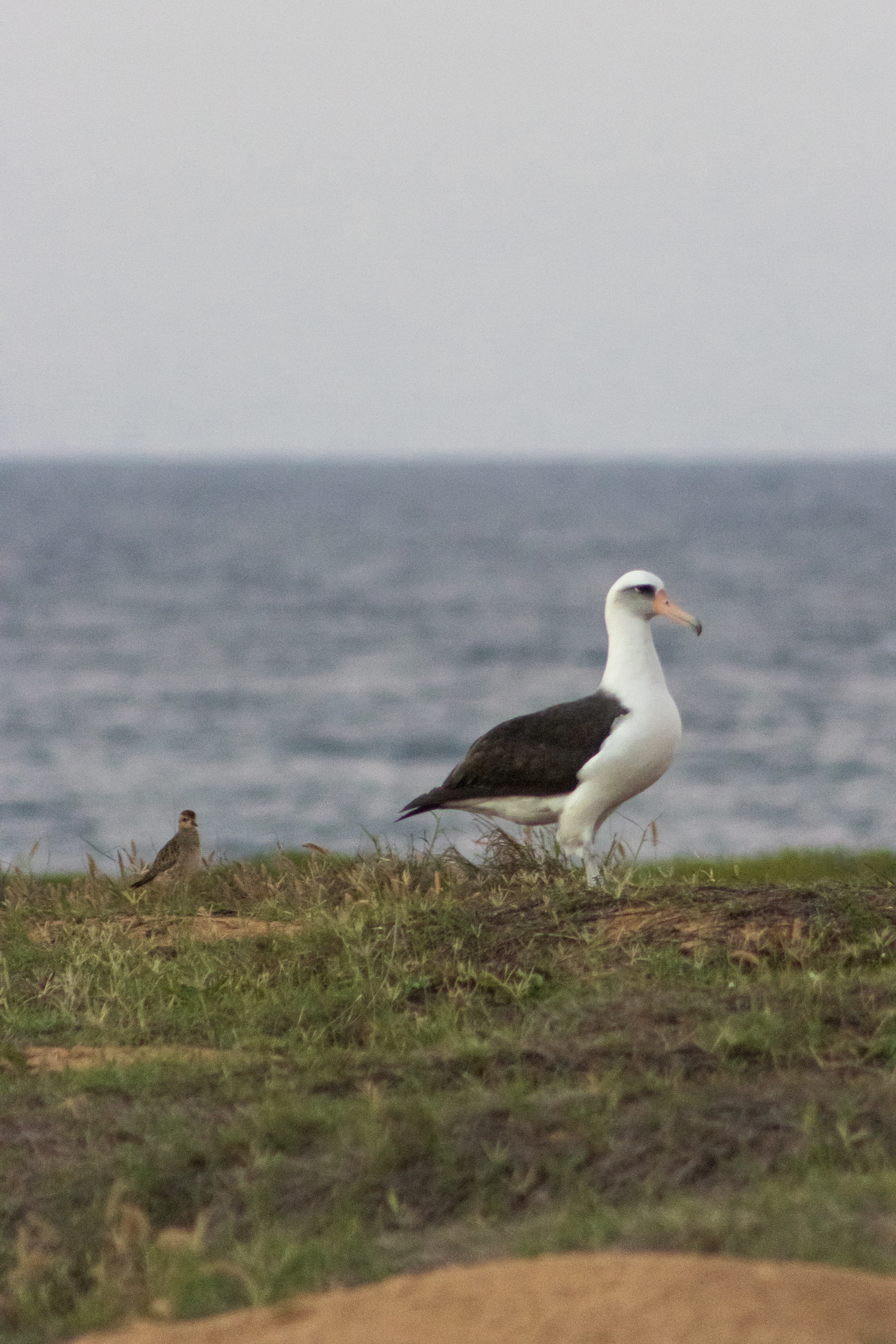
Phoebastria immumtabilis (Laysan Albatross)

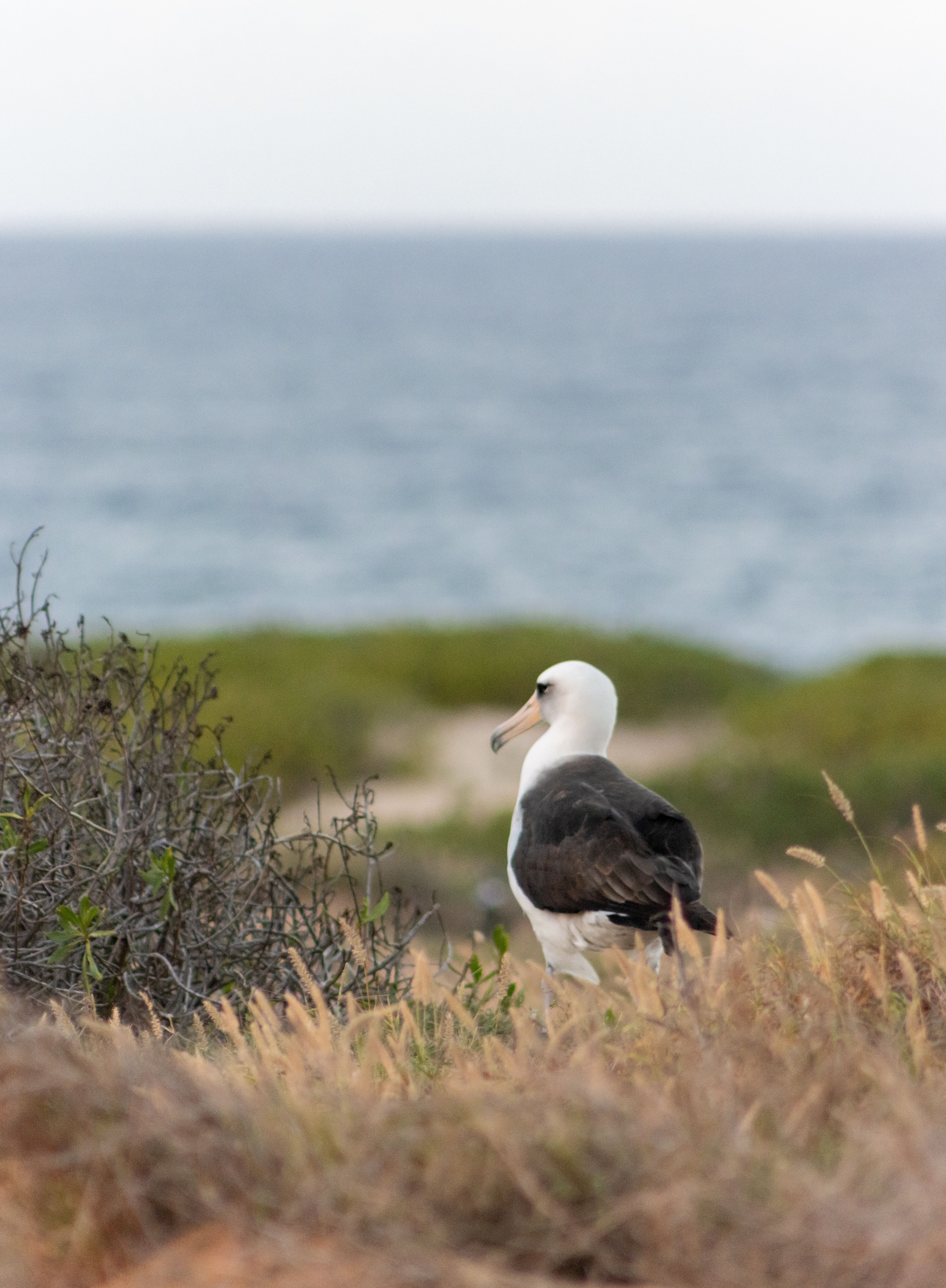
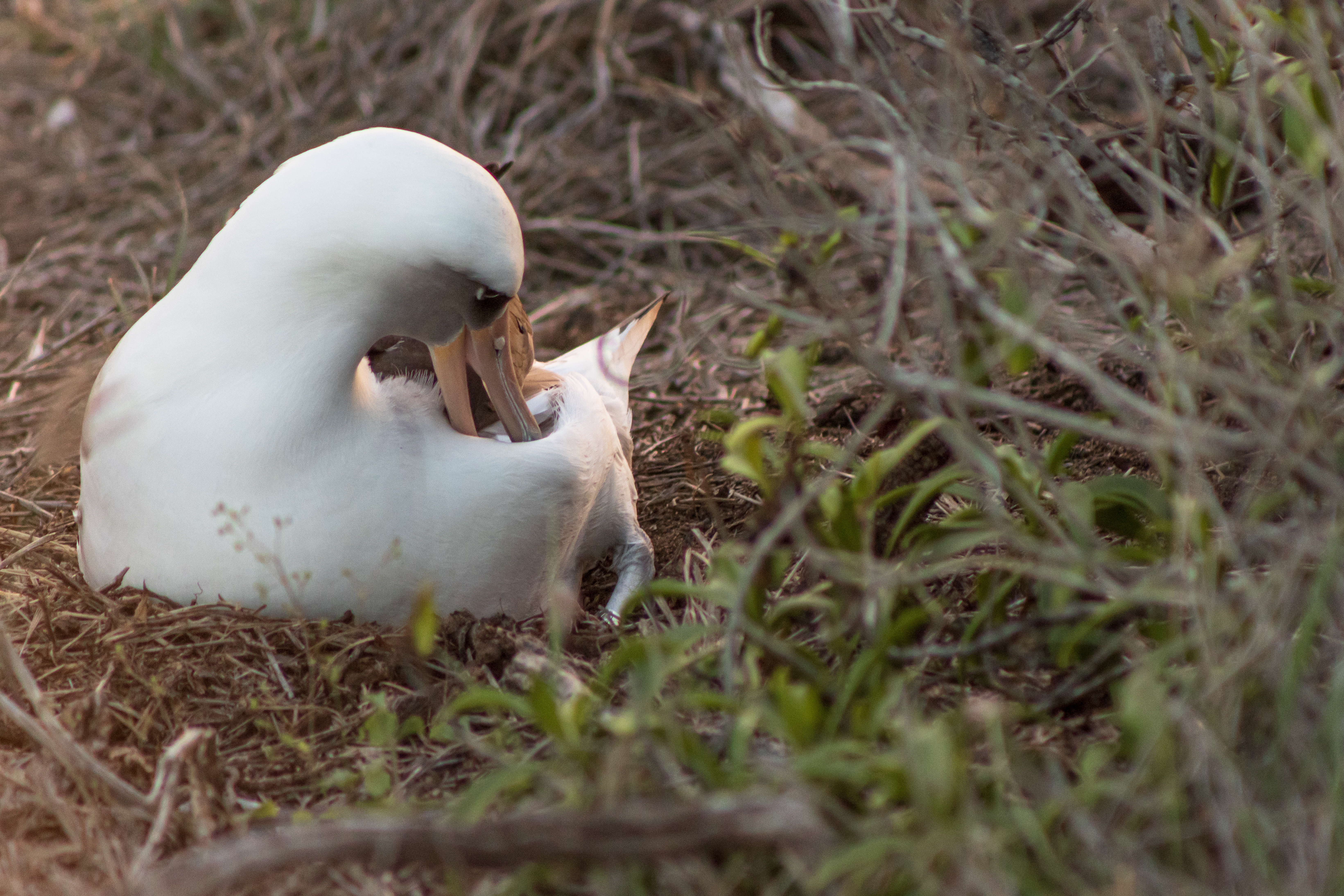
I was lucky enough to visit an Albatross breeding colony on the island of Oahu. A childhood dream come true!

The Laysan albatross is a large seabird that ranges across the North Pacific. More than 99% of the breeding population of the bird lives in the northern Hawaiian island, specifically in the midway atoll and Laysan islands. The species suffered a drastic population reduction in the early 1900s due to immense scale slaughter of populations for their feathers. The species is not recovering and is now classified as near threatened.

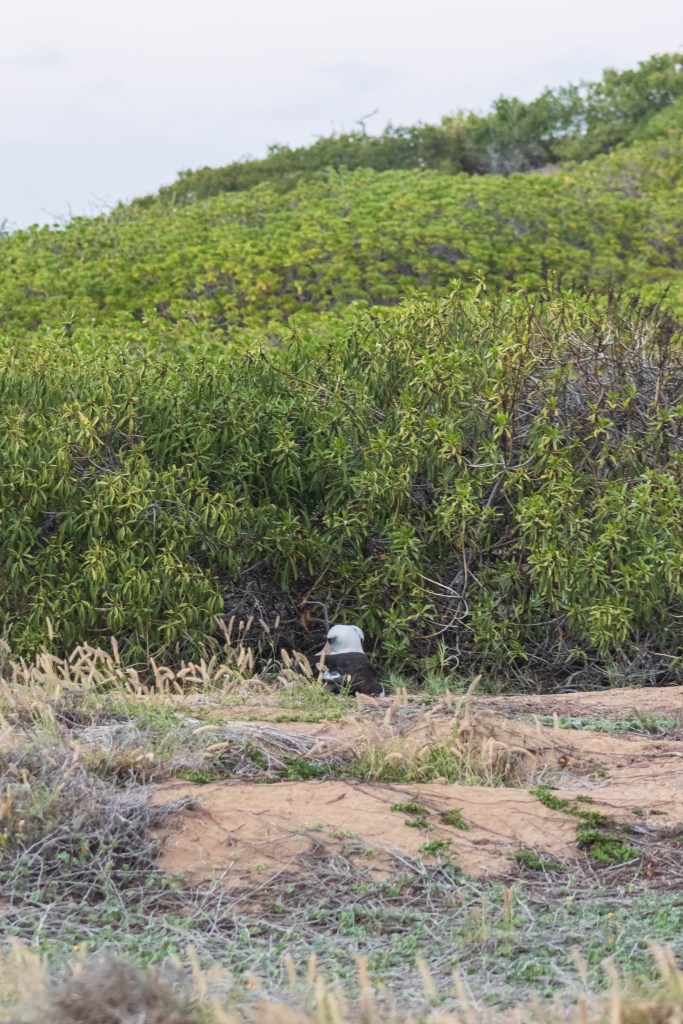
Albatross tend to bond for life. To the right is a pair of albatross settling in for the night in a grove of possible false sandalwood.


Occasionally, the birds form same-sex pairs consisting of two females. This has been observed in the colony on the Hawaiian island Oahu, where the sex ratio of male to female is 2 to 3 and 31% of all pairs are between females.