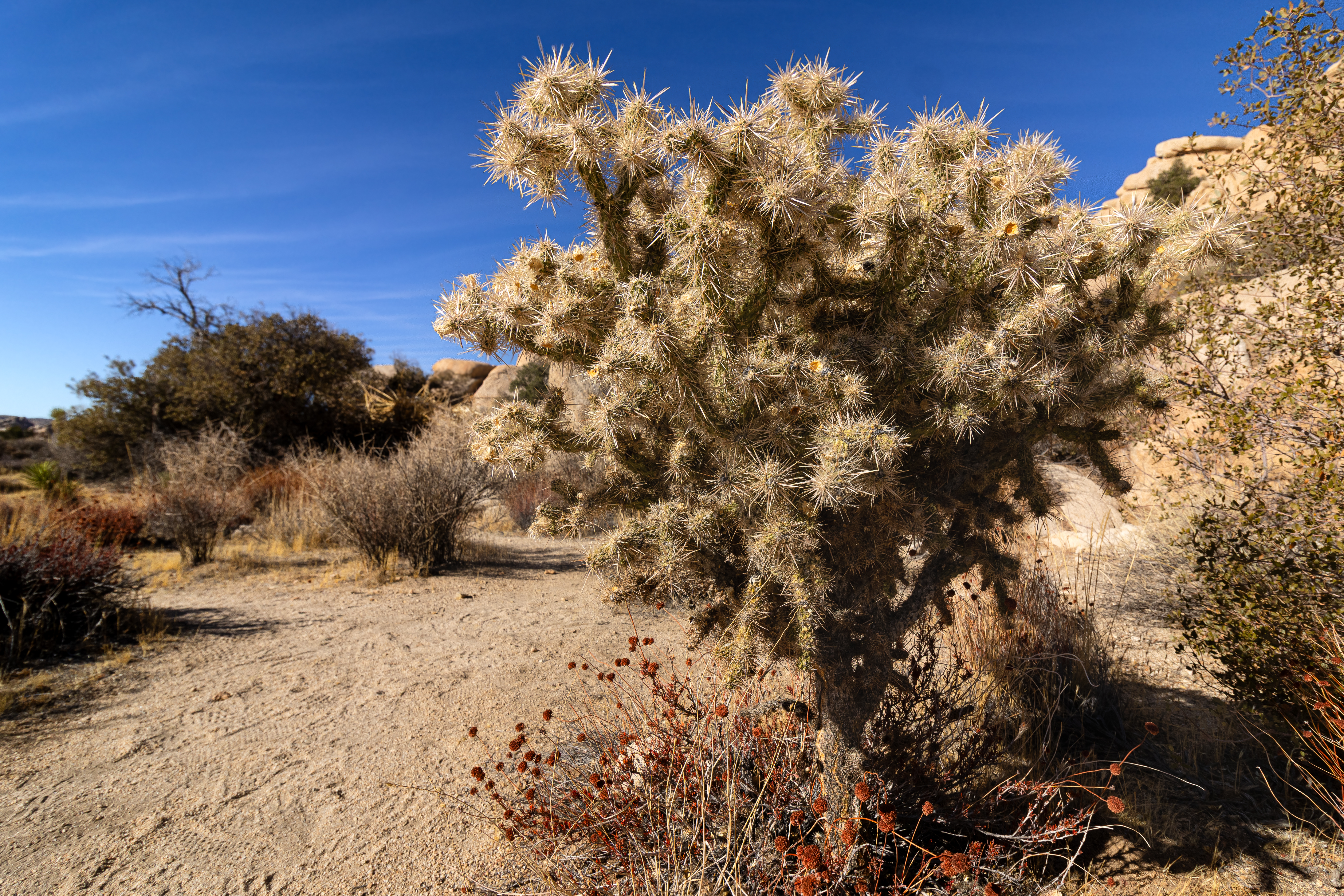
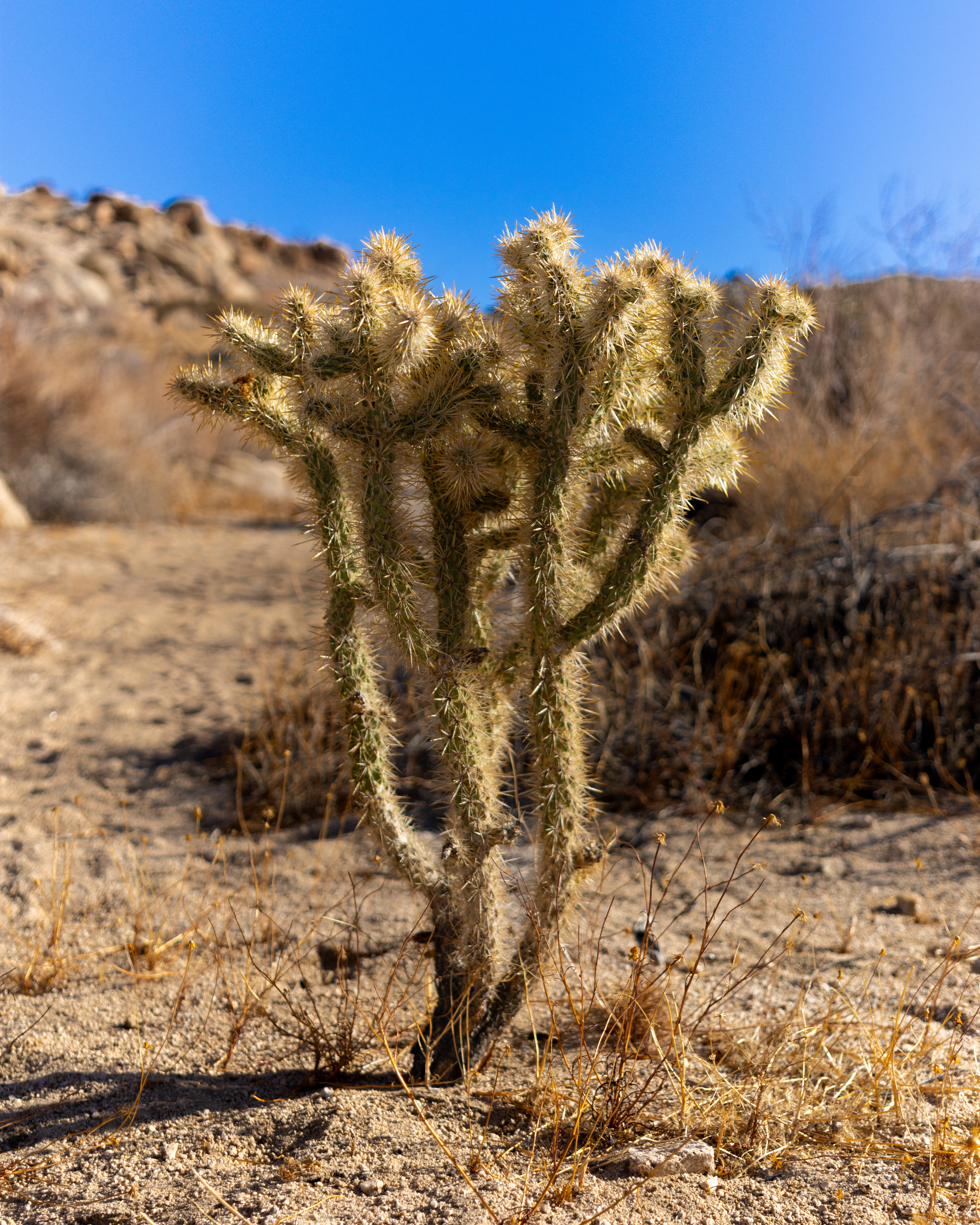
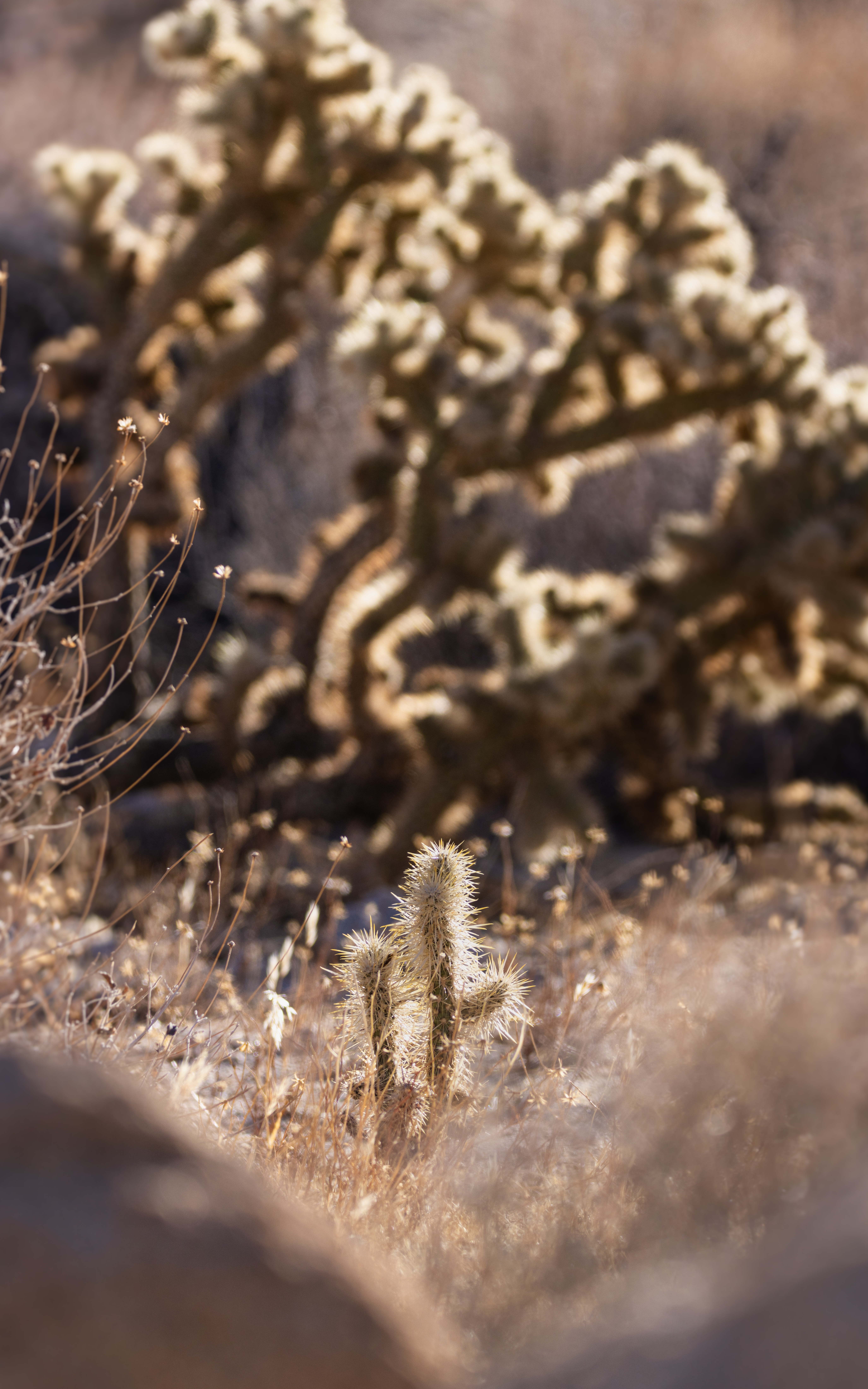
Chollas, not to be confused with the Chola dynasty, are a genus of cactus native to northern Mexico and southwestern United States. Known for their barbed spines, they will stick to your clothes/skin. Some species of Chollas form hollow driftwoods with holes along them which are used a lot in aquariums to provide shelter for fishes.
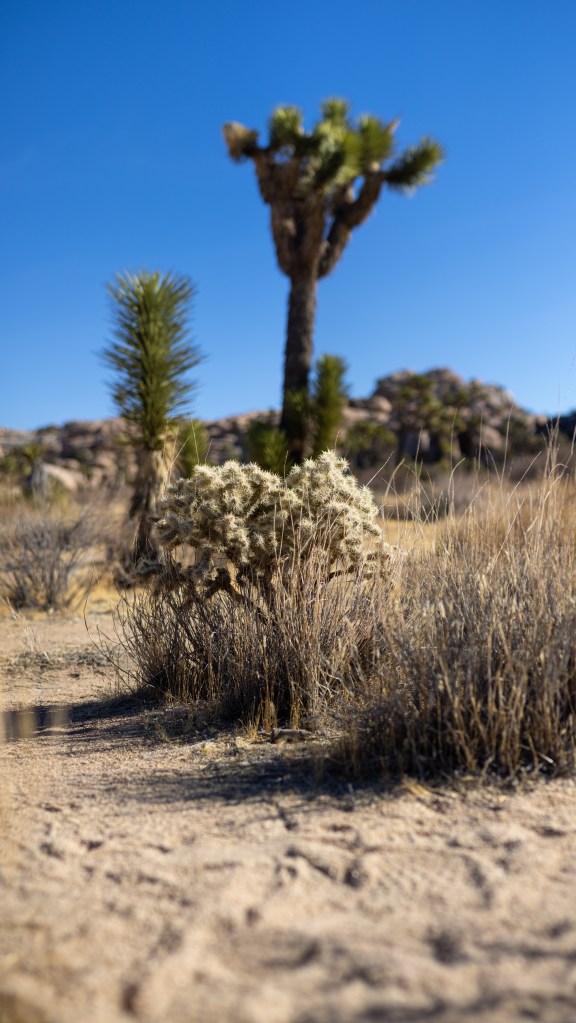
Big and little one
Cholla stands are called Cholla gardens, a particularly famous one can be found in Joshua Tree National Park. I was particularly excited to visit it, but I found the garden flooded by visitors casually walking off trail amongst the plants, destroying young plants and compacting soil, ensuring long-term damage. While I blame the visitors for the bad behaviour, the fact that NPS does not control crowds is a shame.
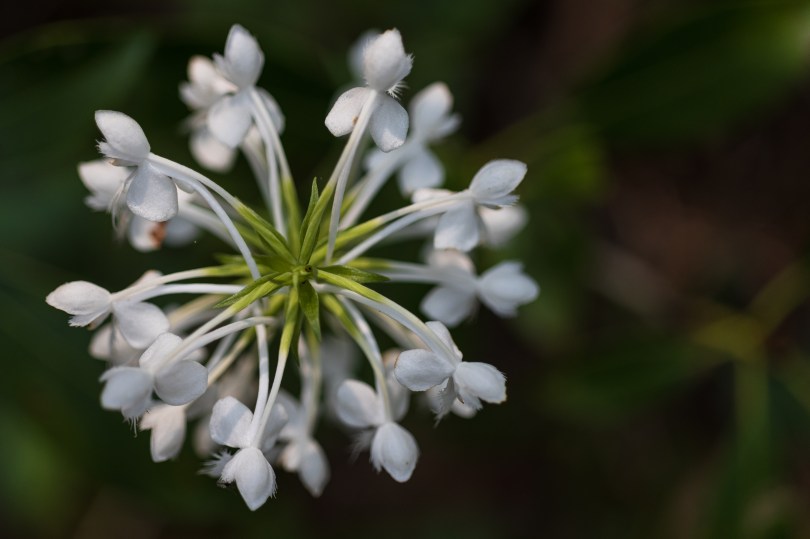
I am shocked that I have not uploaded these species and hybrids! Platanthera is by far my favorite genus of species. Several species of this genus can be found in New Jersey, including the white-fringed orchid (P. blephariglottis), the small green orchid (P. clavellata), and the orange-crested orchid (P. cristata), along with some hybrids like canby’s bog orchid (Platanthera × canbyi). I was first introduced to this genus by the photography of the amazing Jim Fowler.
There are three kinds of Platanthera orchids, all found in New Jersey’s pinelands! White-fringed orchid is one of the larger orchids with a beautiful inflorescence. It is found across much of the eastern US and Canada. Globally secure, the orchid faces threats in several states throughout its range. Habitat destruction being one of the main threats, these orchids also face difficulties when natural fire is suppressed. Like many orchid species found in the pinelands, they need regular wildfires to help maintain their habitat. The orchid prefers open sunny wetlands, and wildfires help keep larger woody trees at bay.
Orange-crested orchid is a smaller orchid with striking orange flowers, blooming in mid to late summer. It shares its habitat with the white-fringed orchid, both needing similar habitats to thrive. Like the white-fringed orchid, it faces several threats in the wild, including a lack of wildfires.
When populations of white-fringed orchid and orange-crested orchid intersect, they can readily hybridize to form Canby’s bog orchid. The hybrid is more resilient than its parents and has a color between the two species.
In conclusion, these orchids represent the best our pinelands have to offer. I look forward to their blooms every year, looking forward to the white flowers carpeting open meadows. Pinelands need our help to be preserved, and I hope future generations can continue to enjoy these beautiful wildflowers.
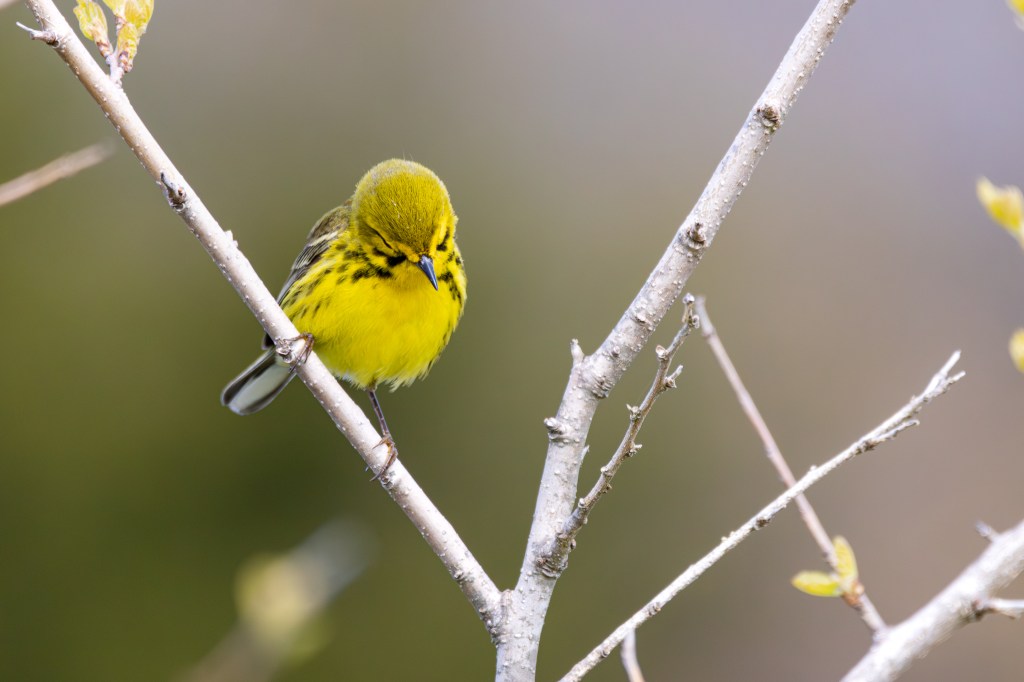
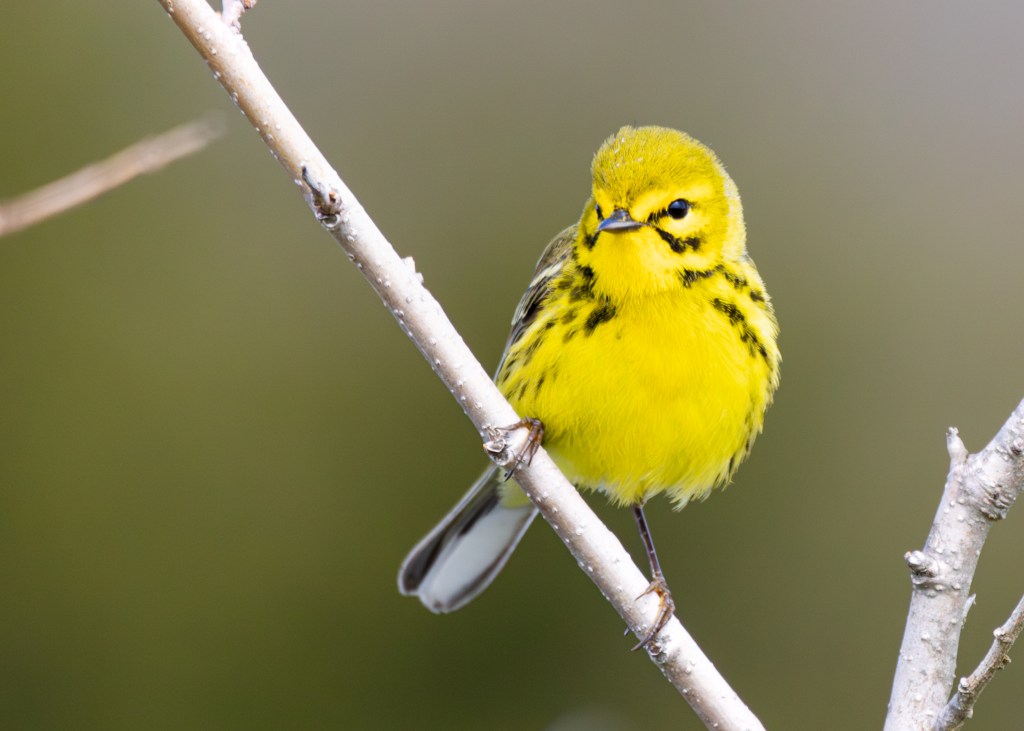
Setophaga discolor (Prairie Warbler), is a small songbird found in North America. A new world Warbler. Unlike what its name suggests, Prairie Warblers don’t actually live in prairies, but in young second growth shrubs.
A mostly migratory bird, a population of Prairie Warblers calls Florida home all year long. They are a separate subspecies that live in mangroves and are larger than the migratory kind. The migratory population can be found making its way north in spring and residing through the summer to breed. I caught this, most likely, male bird hopping around a shrub singing his heart out in Cape May, NJ. Hopefully, he was able to get a mate for the season!
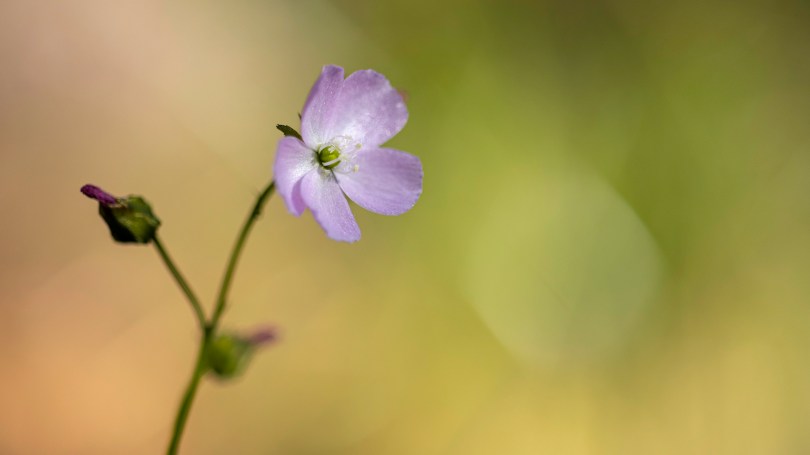
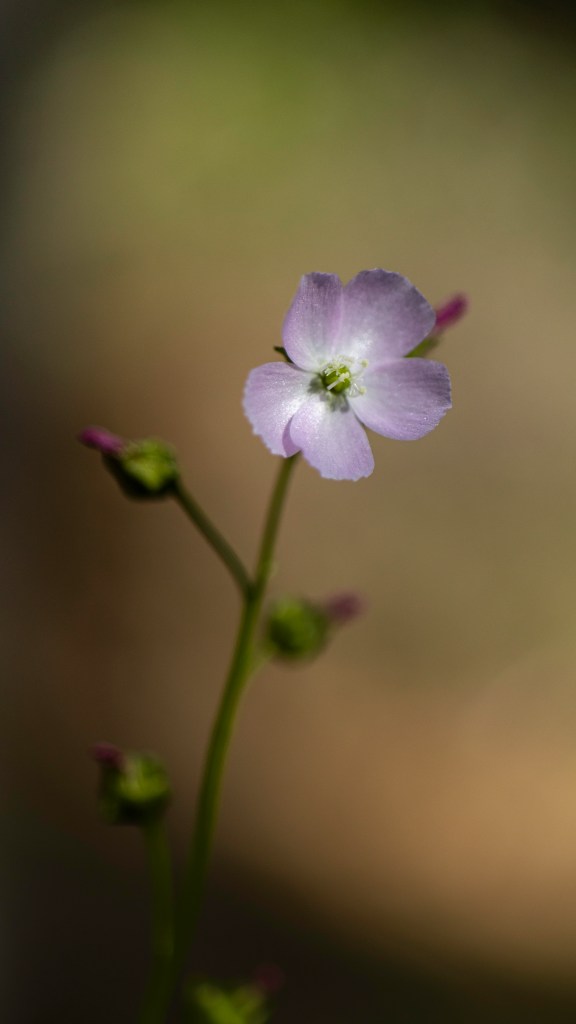
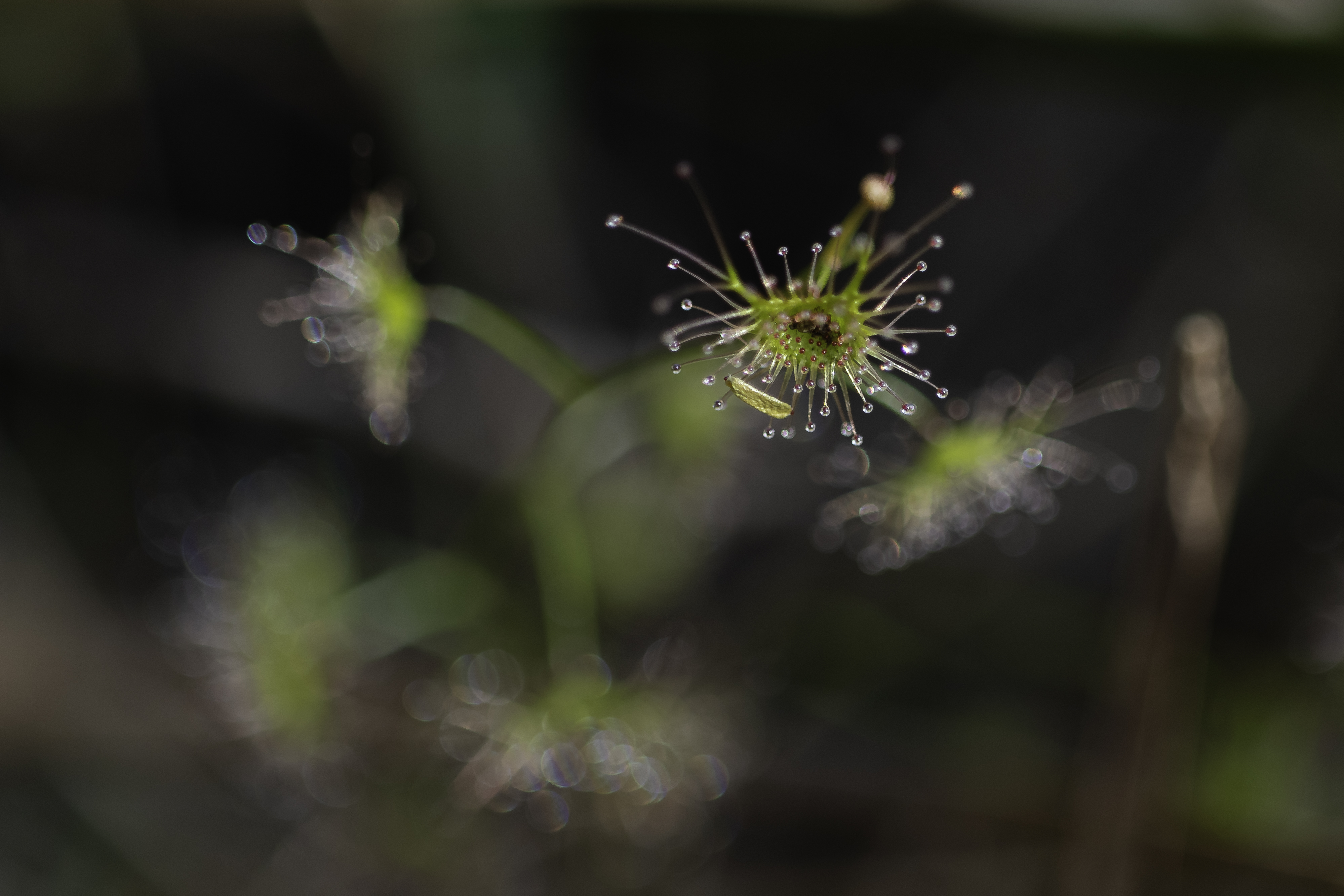
One species stands tall in the vast realm of carnivorous plants. Meet Drosera auriculata, commonly known as the Tall Sundew, unlike other drosera species that grow in low-lying rosettes. This captivating carnivorous plant has earned its name for its impressive height.
Tall sundews are recognized for their slender, elongated stems that can reach remarkable heights, often standing above other sundew species. The species can be found in both dry and damp places in Australia. The spot where I observed this species is the driest area I have ever seen a sundew in!
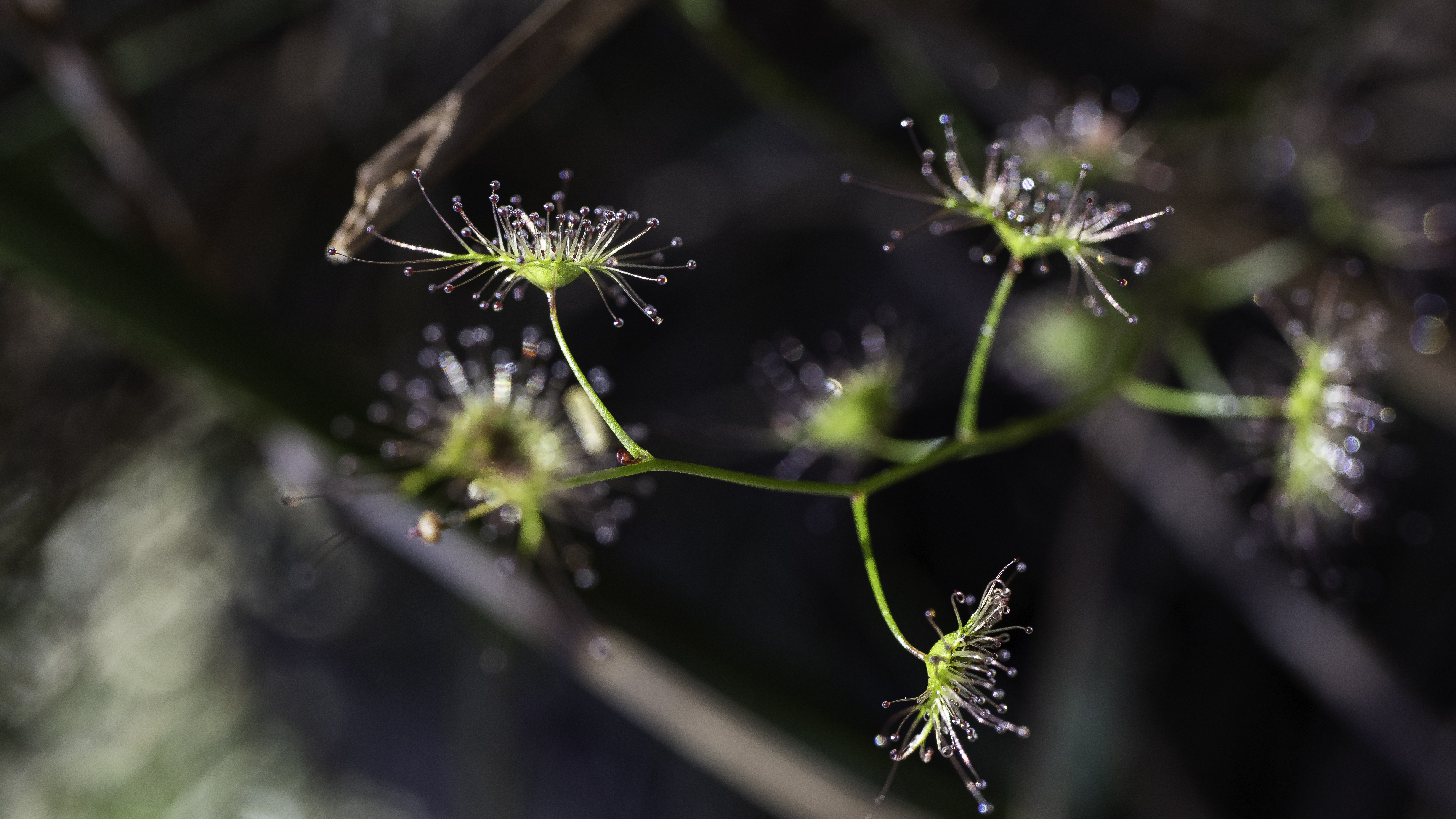
Like many sundew species, the tall sundew relies on both its sticky leaves, and a trigger response that envelopes the prey as it gets digested. A characteristics that is also utilized by its closely related species, the famous Venus-Fly trap! Below we see close-ups of leaves and their prey.
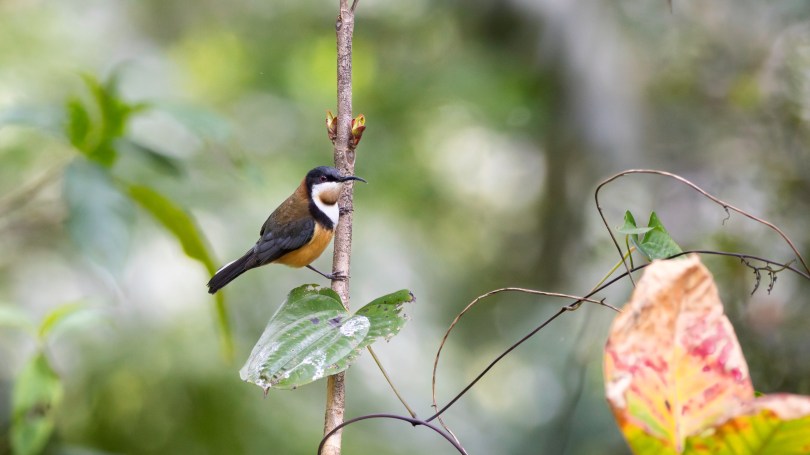
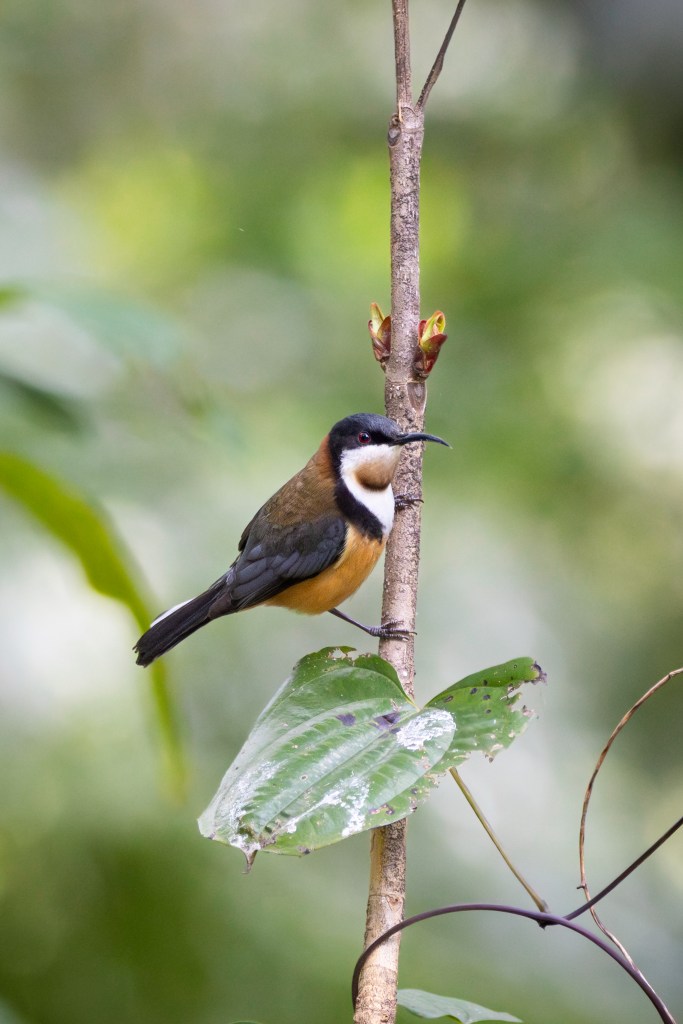
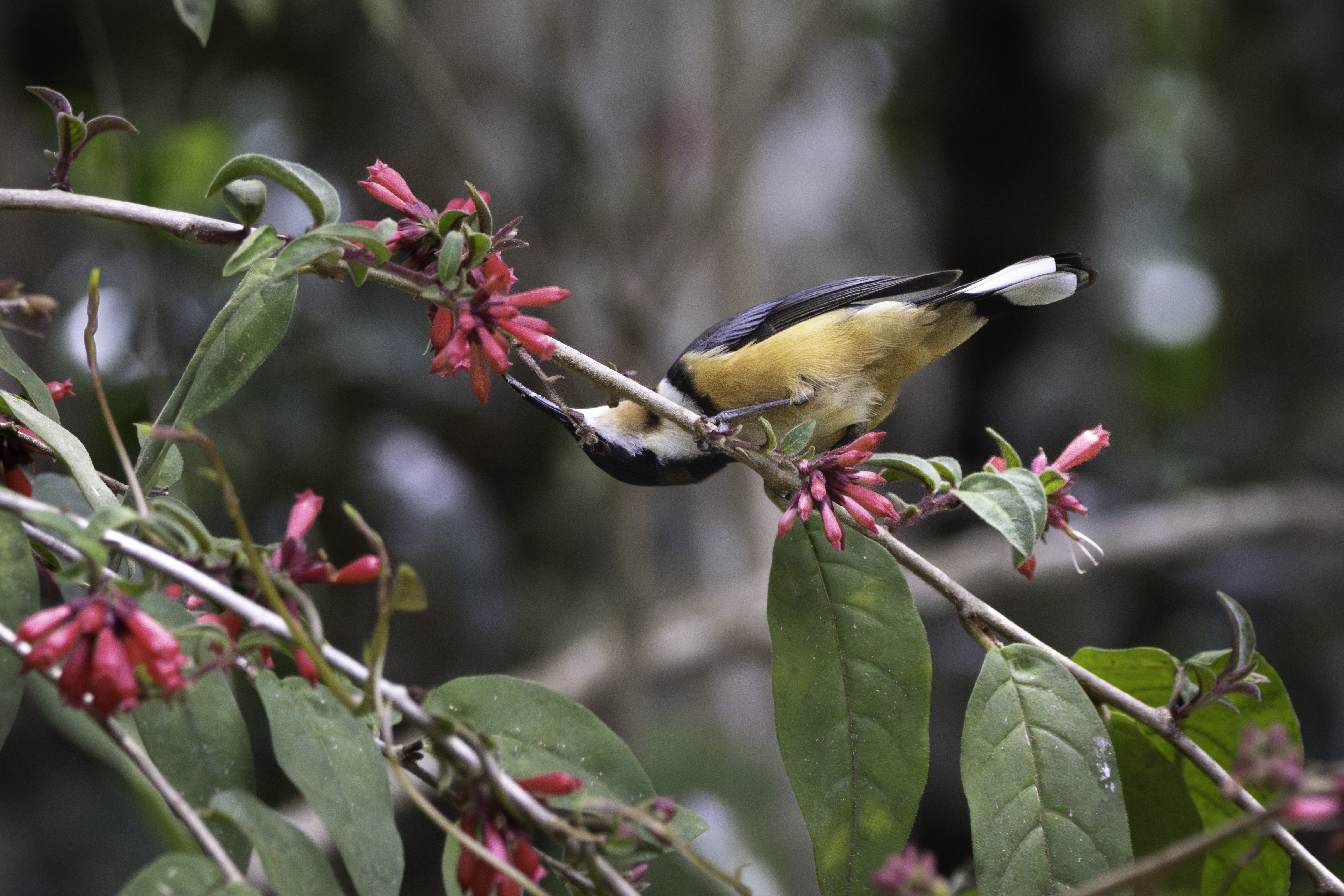
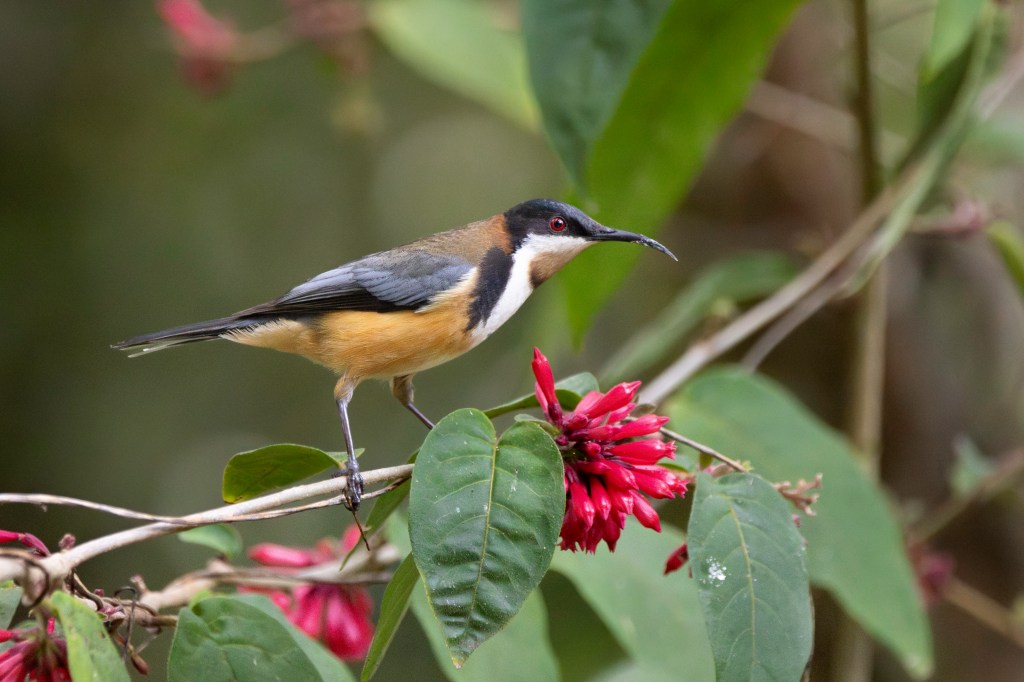
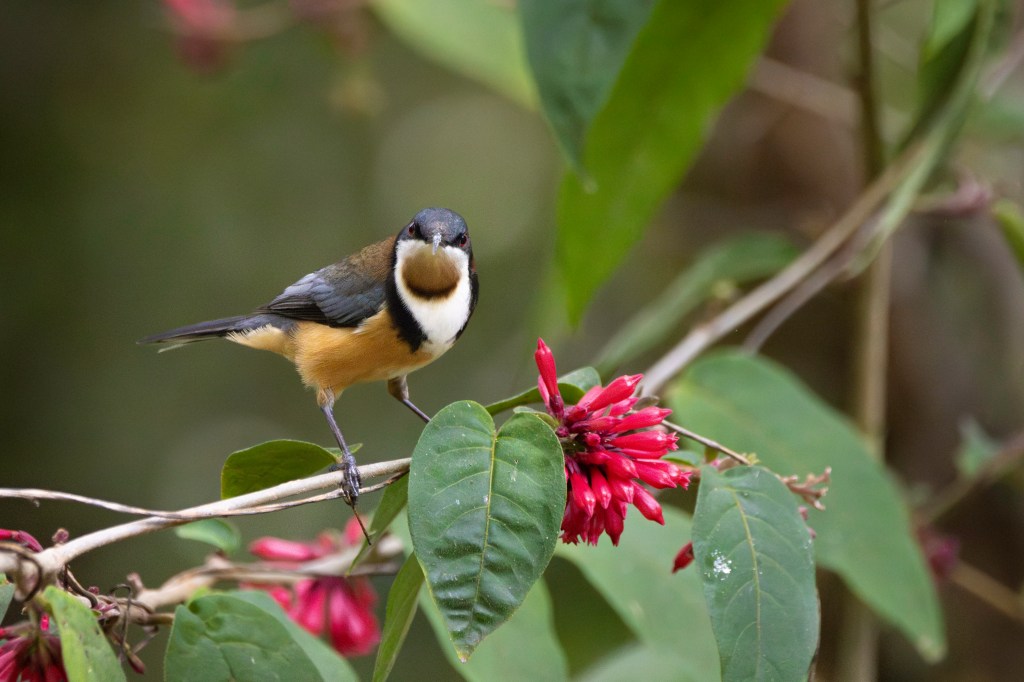
Eastern spine bill is a beautiful honeyeater endemic to south-eastern Australia. The bird’s distinguishing feature is the long, needle-like bill, which adeptly extracts nectar from various flowering plants. This evolutionary feature independently evolves in many nectar-drinking species like I’iwi.
Vibrant colors adorn the male plumage, including a dark crown, a cinnamon-colored throat, and a contrasting white chest.
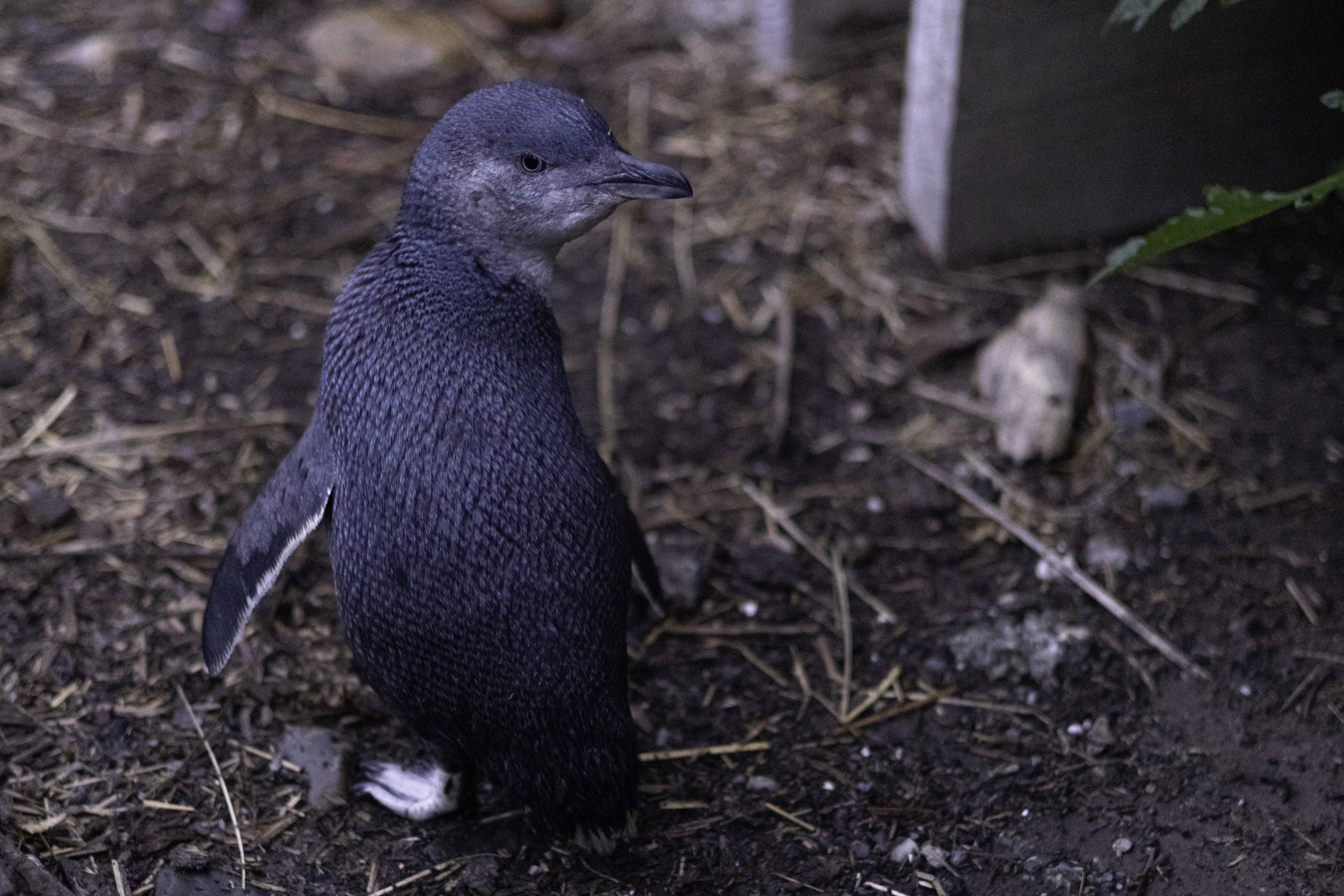
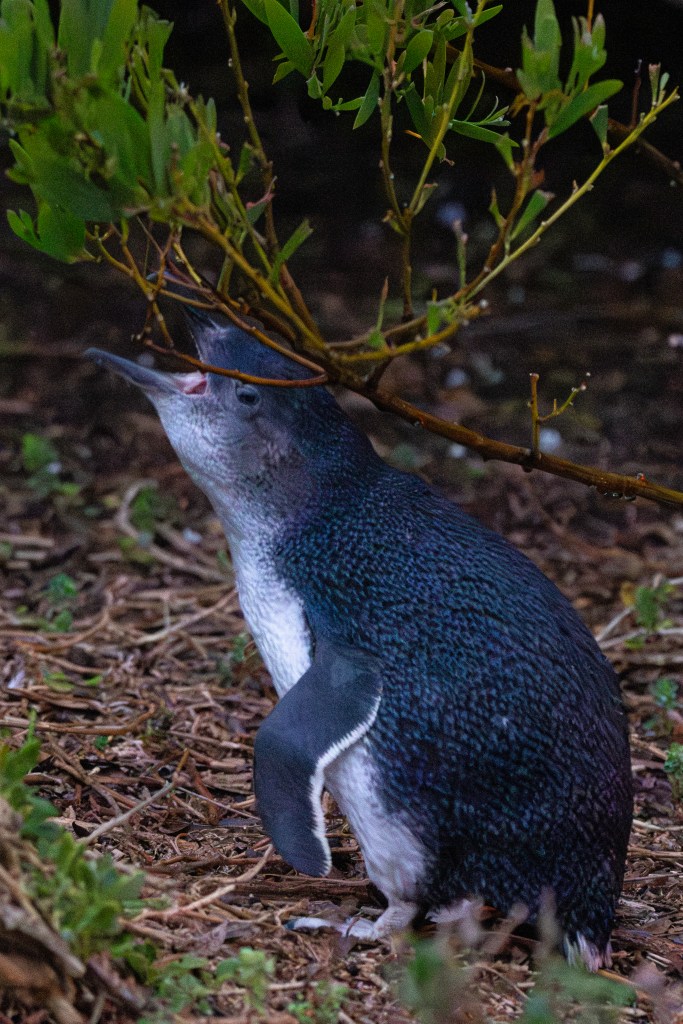
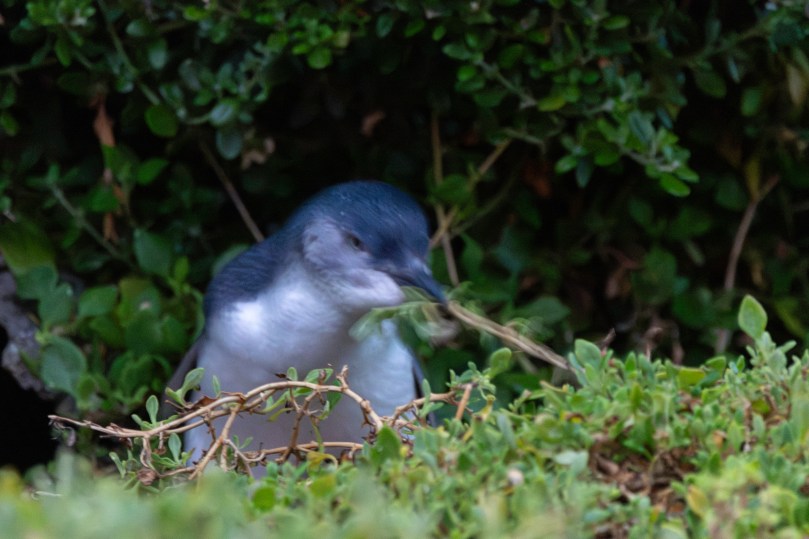
Australian little penguins, or blue penguins, are one of the smallest penguin species in the world, growing to about a foot. They were once considered a subspecies of the little penguin from New Zealand, but later, mtDNA revealed that the Australian little penguins are a species of their own. Other than their behavioral differences, a critical difference between the two little penguin species is the striking blue plumage of the Australian species.
Little penguins spend most of their day in the ocean. During breeding season, the adults leave their chicks in their nest for the day as they head out into the sea to forage, returning at night to feed their young. One behavioral difference between New Zealand and the Australian penguin is that the Australian blue penguins come ashore in small groups, possibly to protect against predatory marsupials that did not exist in New Zealand.
The blue penguin is native to southern Australia, including Tasmania, where these cranky juveniles were photographed waiting impatiently for their parents to return! They are also found in the Otago region of New Zealand.
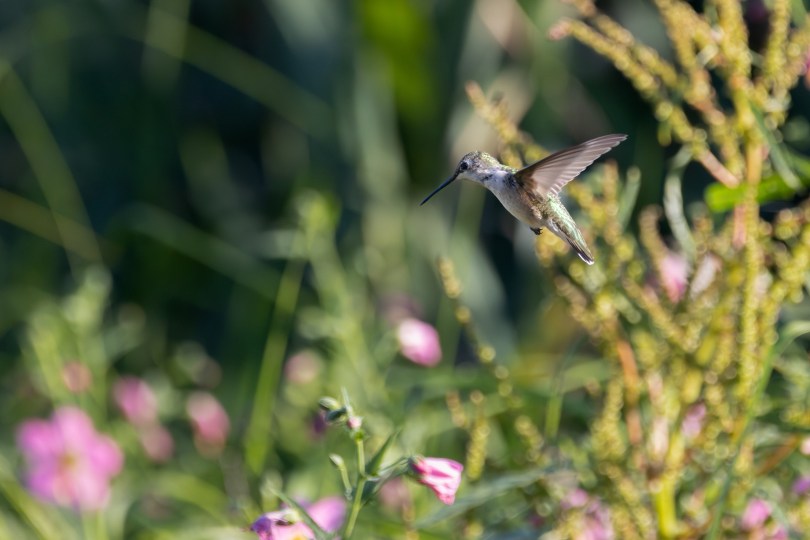
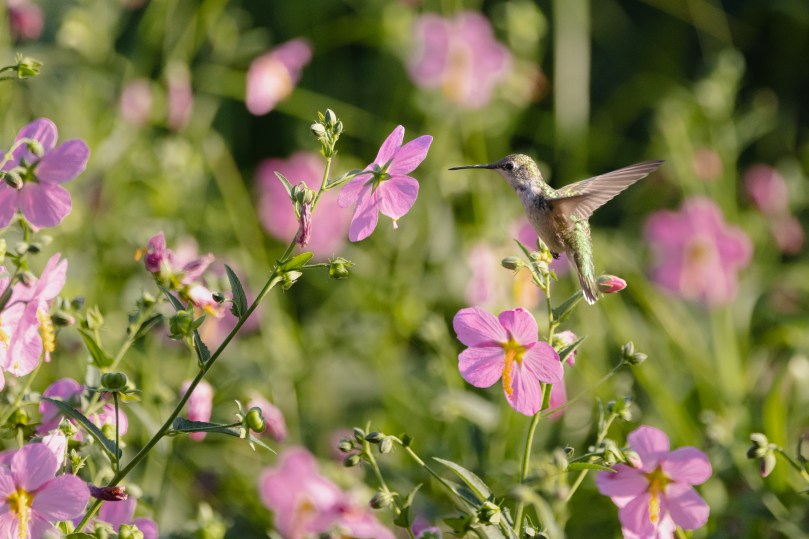
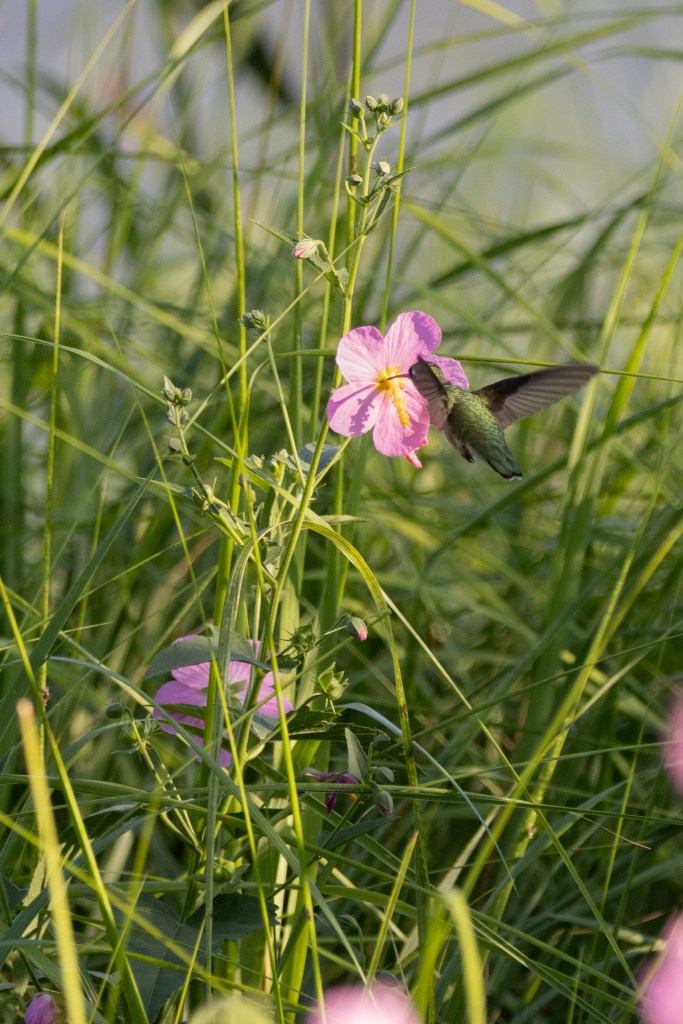
Every amateur nature photography enthusiast dreams of capturing a hummingbird, having a snack, or hovering between sips! These tiny, unique, buzzing birds can move incredibly fast, making them photograph slightly harder. I am so happy to have captured this female feasting on a field of Saltmarsh Mallow.
The ruby-throated Hummingbird (Archilochus colubris) is a small, beautifully colored bird native to North and Central America. Despite its tiny size, it is a migratory bird, migrating vast distances from central America to its breeding grounds in North America.
During migration, some birds living further south of Florida must migrate over 900 miles non-stop to cross over the Gulf of Mexico from Mexico into the eastern United States.
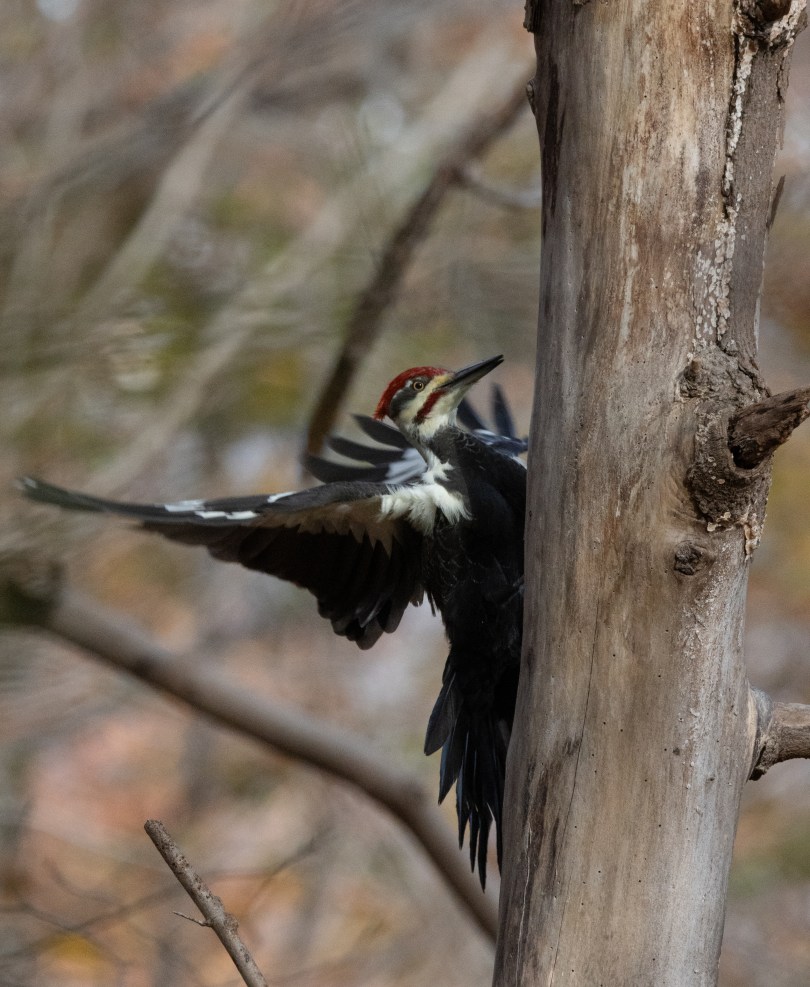
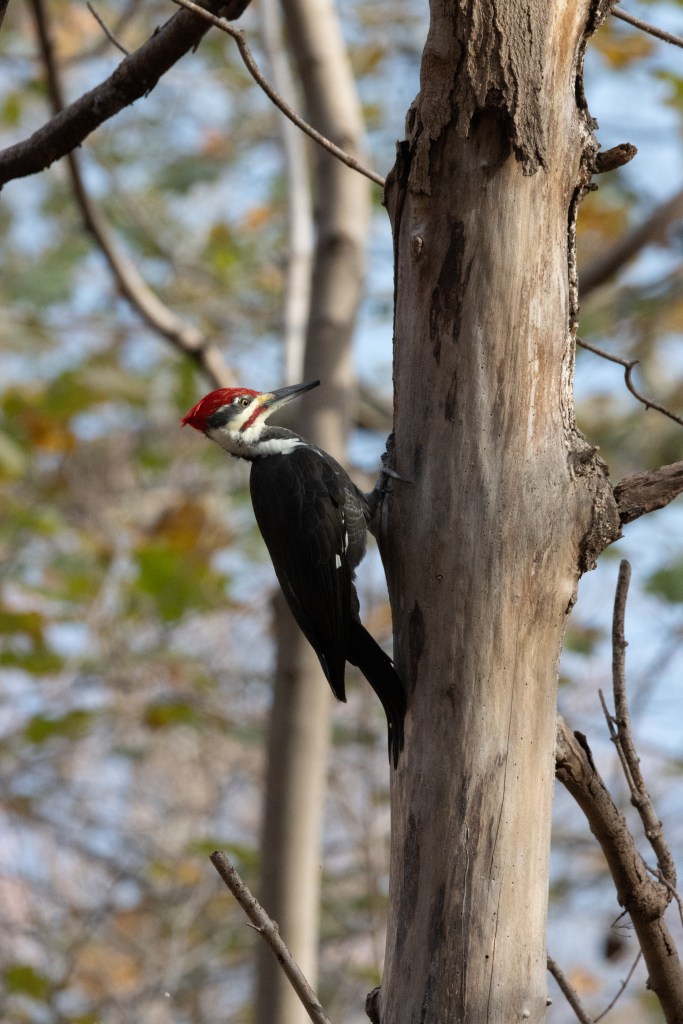
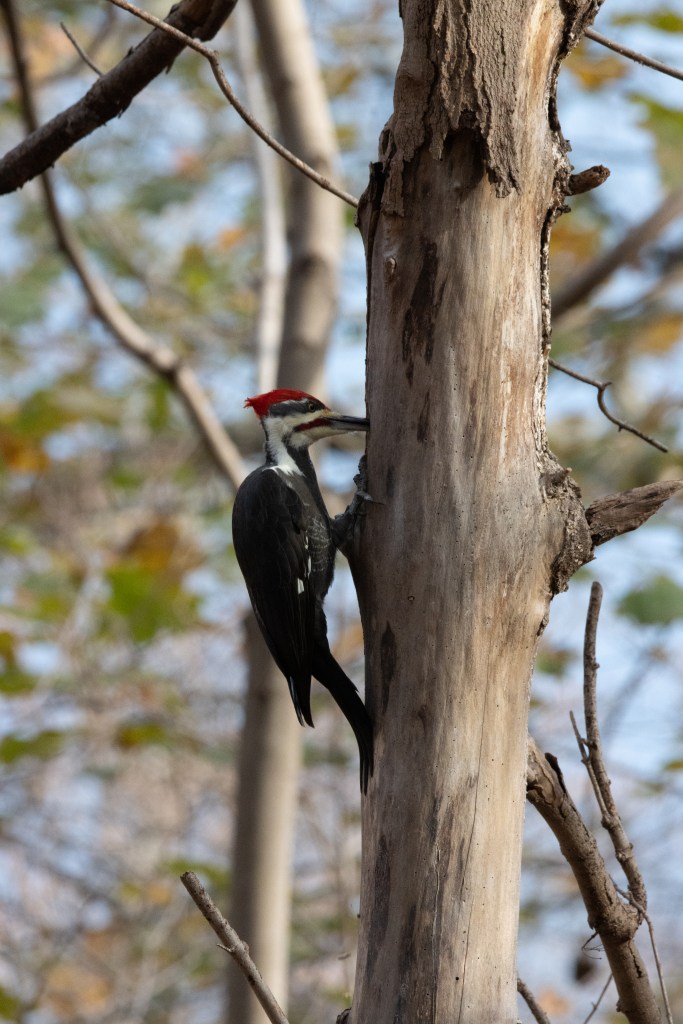
The Pileated Woodpecker is a large, striking bird throughout North America. Known for its distinctive appearance and powerful drumming, this woodpecker is familiar in forests and wooded areas. It is now the largest extant woodpecker species in North America since the reclassification of the ivory-billed woodpecker as extinct by the U.S. Fish and Wildlife Service. Unlike the larger and more specialized ivory-billed woodpecker, the Pileated woodpecker is more adaptable, allowing it to continue surviving in proximity to human habitation. The birds are essential in controlling the insect population, and even though some homeowners could consider them annoying, the disappearance of these woodpeckers could increase the tree beetle population, damaging forests.
Below, a woodpecker rams into a tree at the Palisades interstate parkway.
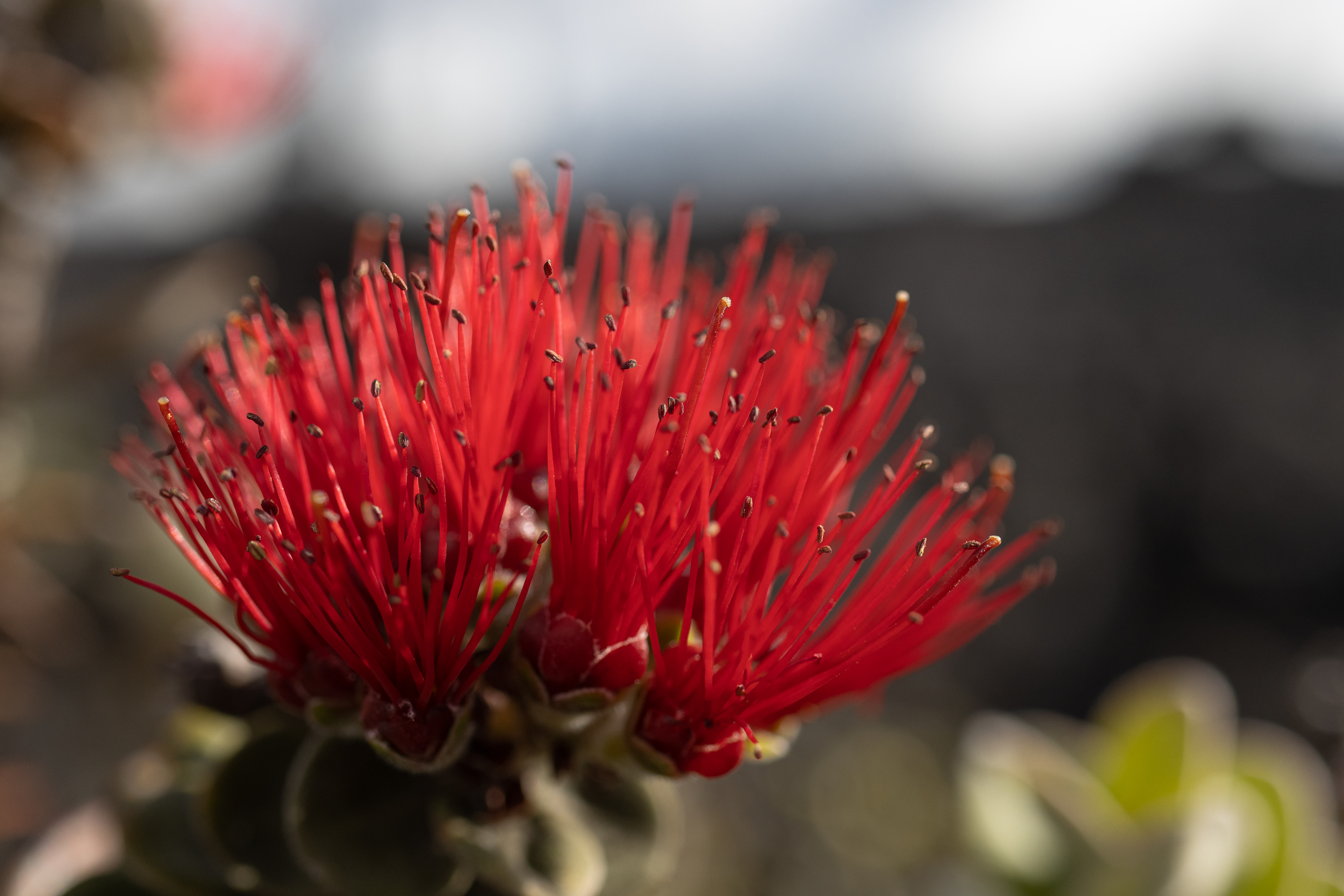
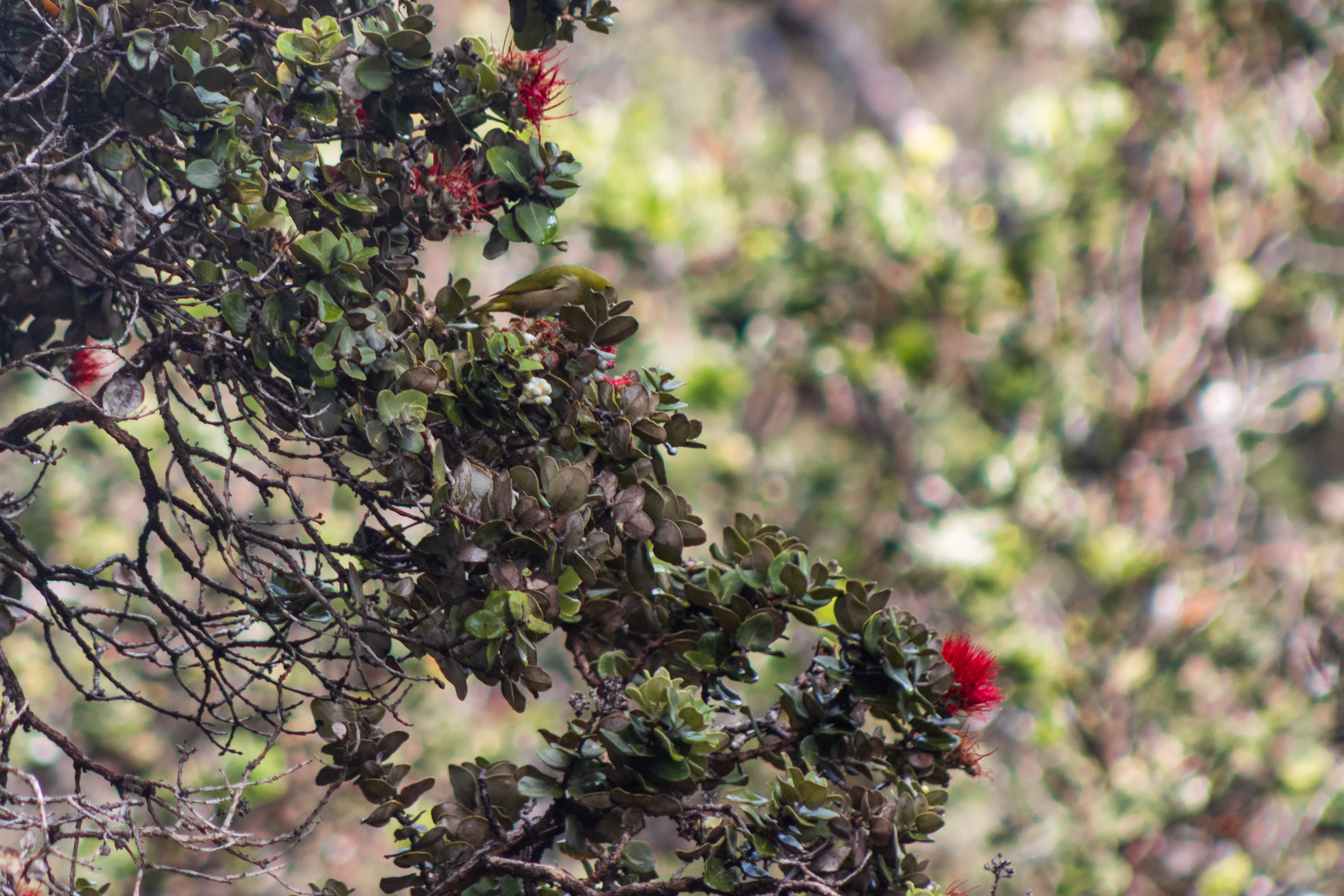
Search for native Hawaii plants to look for, and undoubtedly the name of ‘Ohi’a lehua will show up on the list. This charismatic plant is the most common native tree found in Hawaii. It is an evergreen, highly variable tree found on the six major islands. Its flowers are showy and come in various colors ranging from yellow to red, red being the most common variation. Flowers are produced as inflorescence made up of a mass of long stamens. Ohia lehua forests are essential habitats for various native birds as it is one of the few Hawaiian plants capable of producing nectar. They host both native and introduced birds. To the right is a ʻApapane (top) and a Japanese white-eye bird move around a vast ‘Ohi’a tree.
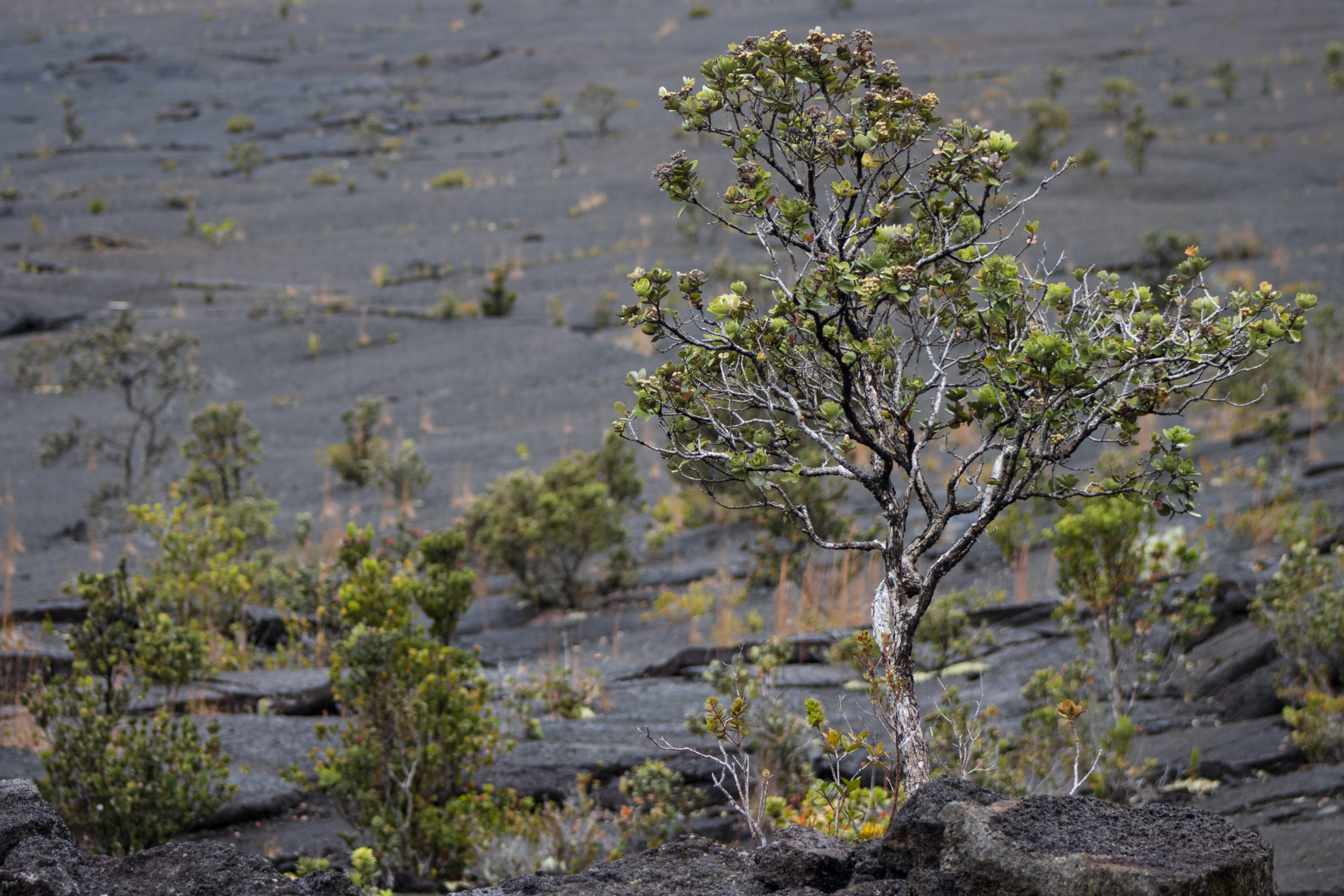
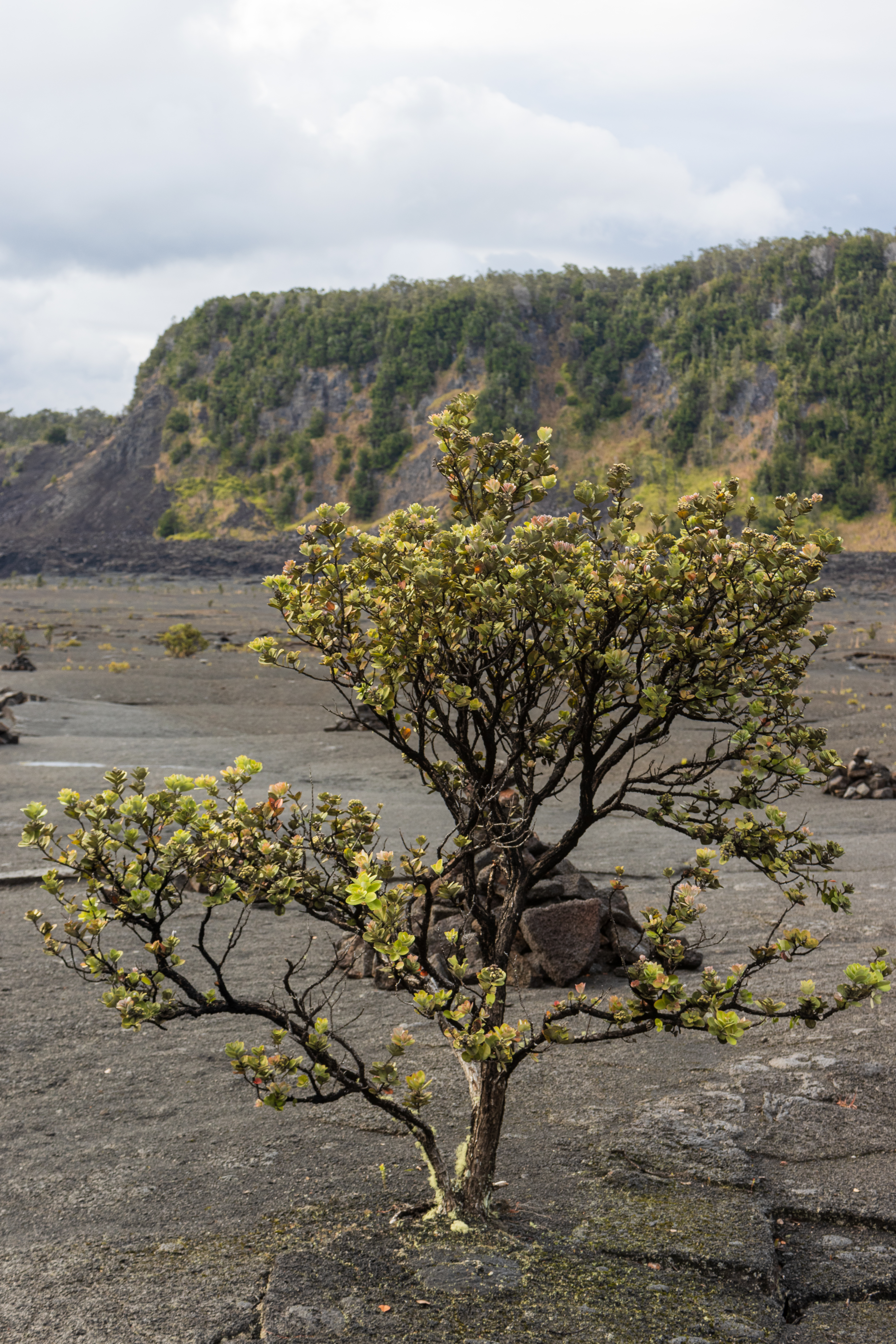
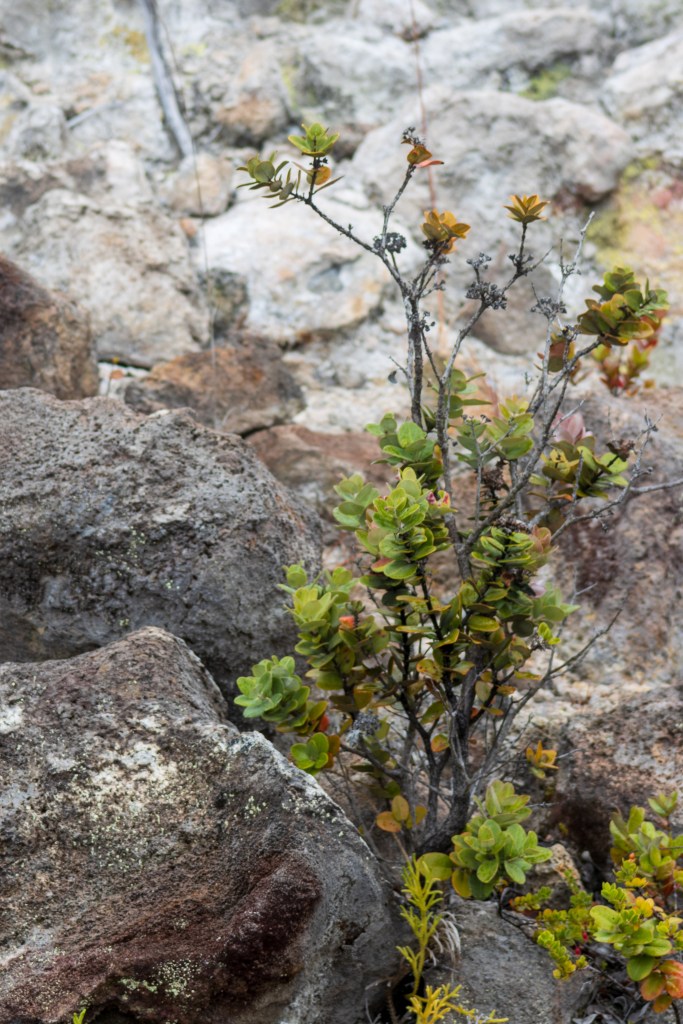
The Ohia lehua is a crucial early colonizing species that grows straight out of basalt. It is among the first trees that are growing on recent lava flows. It is even tolerant of extreme sulfur content found along sulfur banks on the big island. A sign along the trail mentions the severe conditions on the banks and the possibility of the ‘Ohi’a colony evolving into a distinct subspecies over generations.
Its tolerance to various growing media leads to extreme tree size variations. In favorable soil, in rainforests, it can grow to be more than 80 feet tall, while when growing in boggy ground or on freshly cooled igneous rocks, it grows as a small prostrate shrub. In wetter conditions, Ohia branches drop down aerial roots that stay suspended and absorb moisture from the air. Shown here is an enormous specimen of Ohia lehua.
Current preservation efforts for the ‘Ohi’a have faced various issues, including the curse of introduced species like ornamental/livestock feed grasses that quickly take over ‘Ohi’a forests, climate change, and the latest fungal pandemic afflicting these plants, the rapid ‘Ohi’a death. First reported in the big island of Hawaii, mitigations efforts have been taken to help stop the spread of the fungus, including closing down of forests to visitors. Humans can carry these pathogens on their shoes as they walk through the forest floor. To avoid spreading the disease, visitors should use the shoe cleaners placed along trails. Please be mindful of your presence as an outsider when you visit these unique habitats.
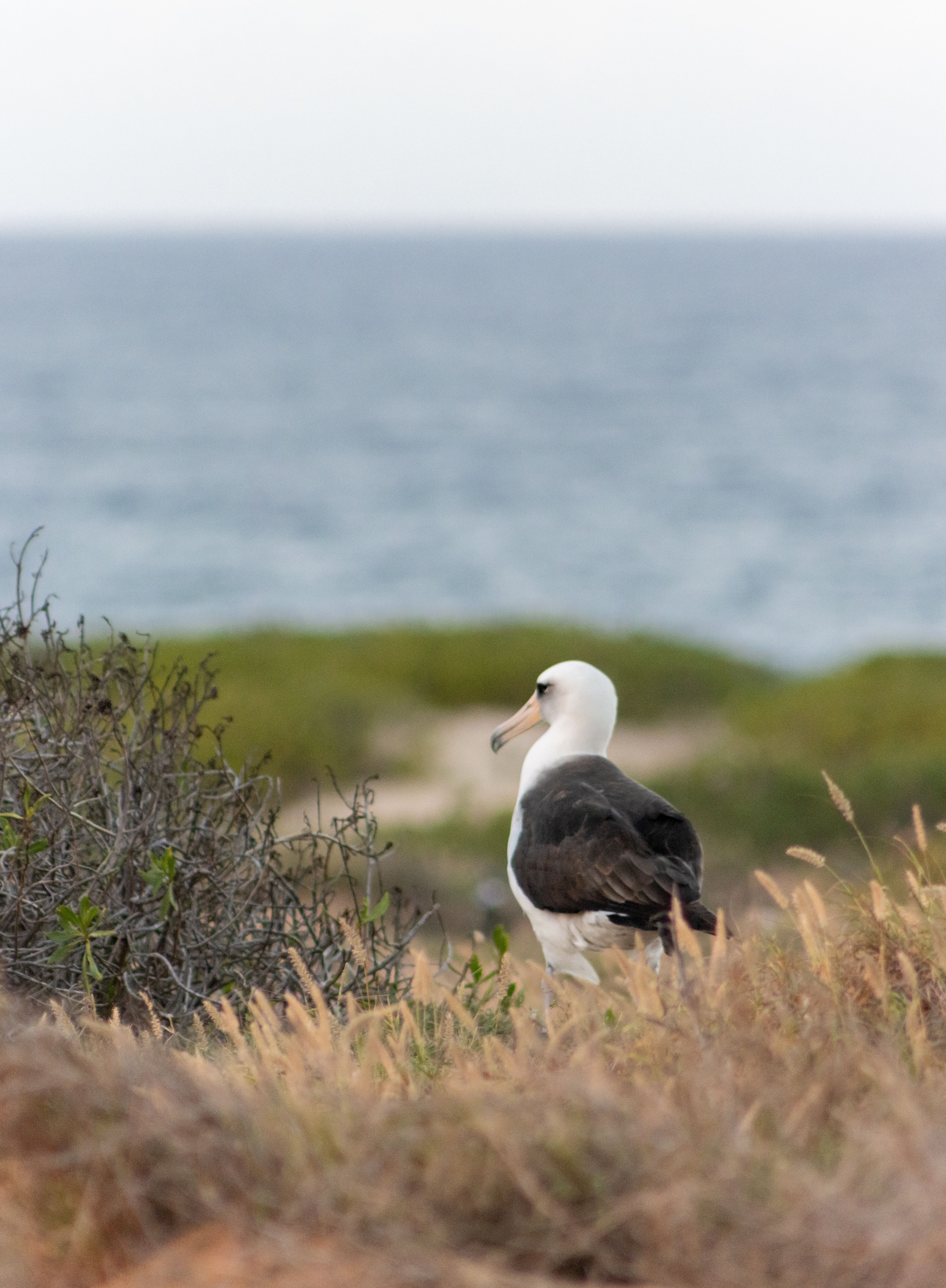
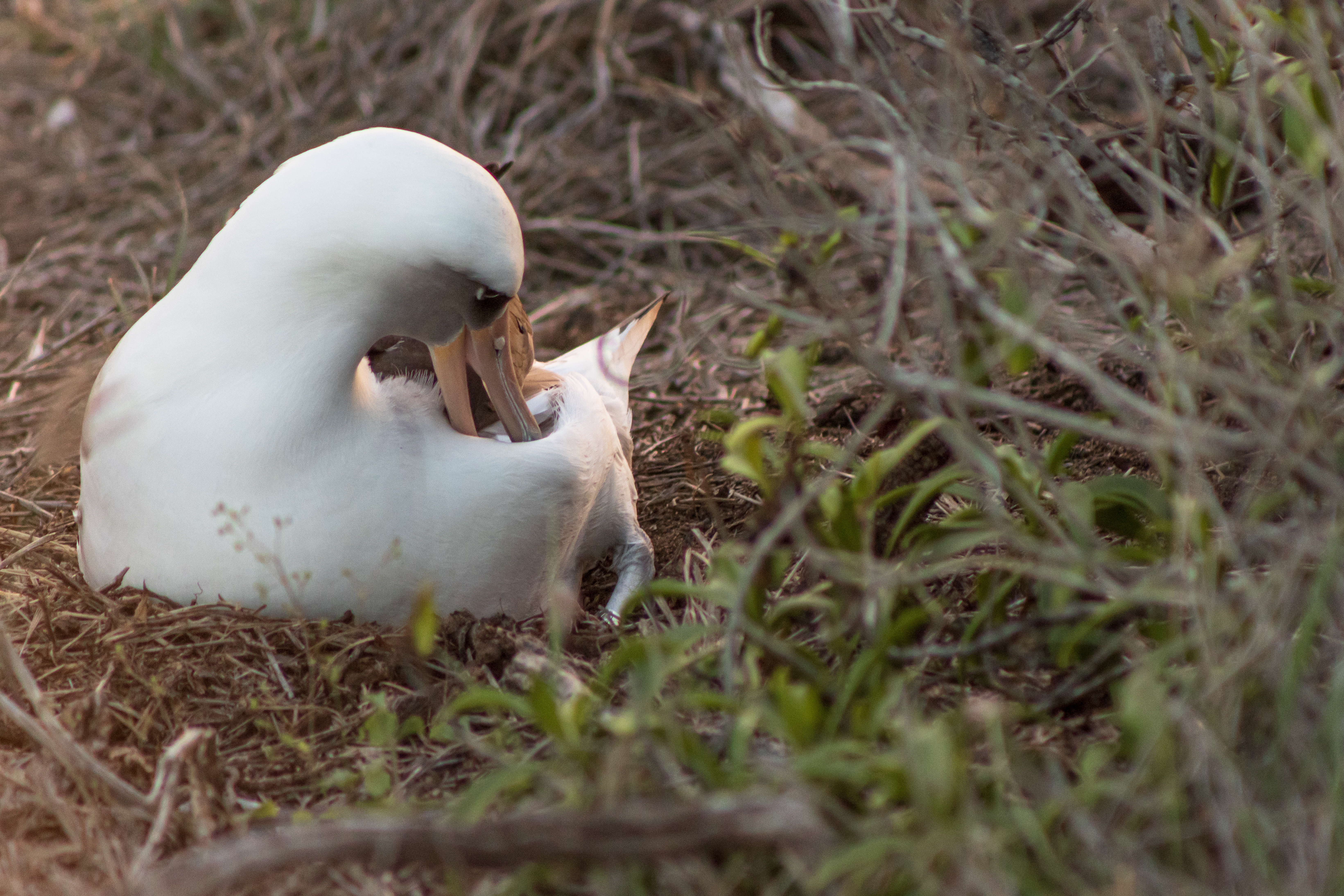
I was lucky enough to visit an Albatross breeding colony on the island of Oahu. A childhood dream come true!
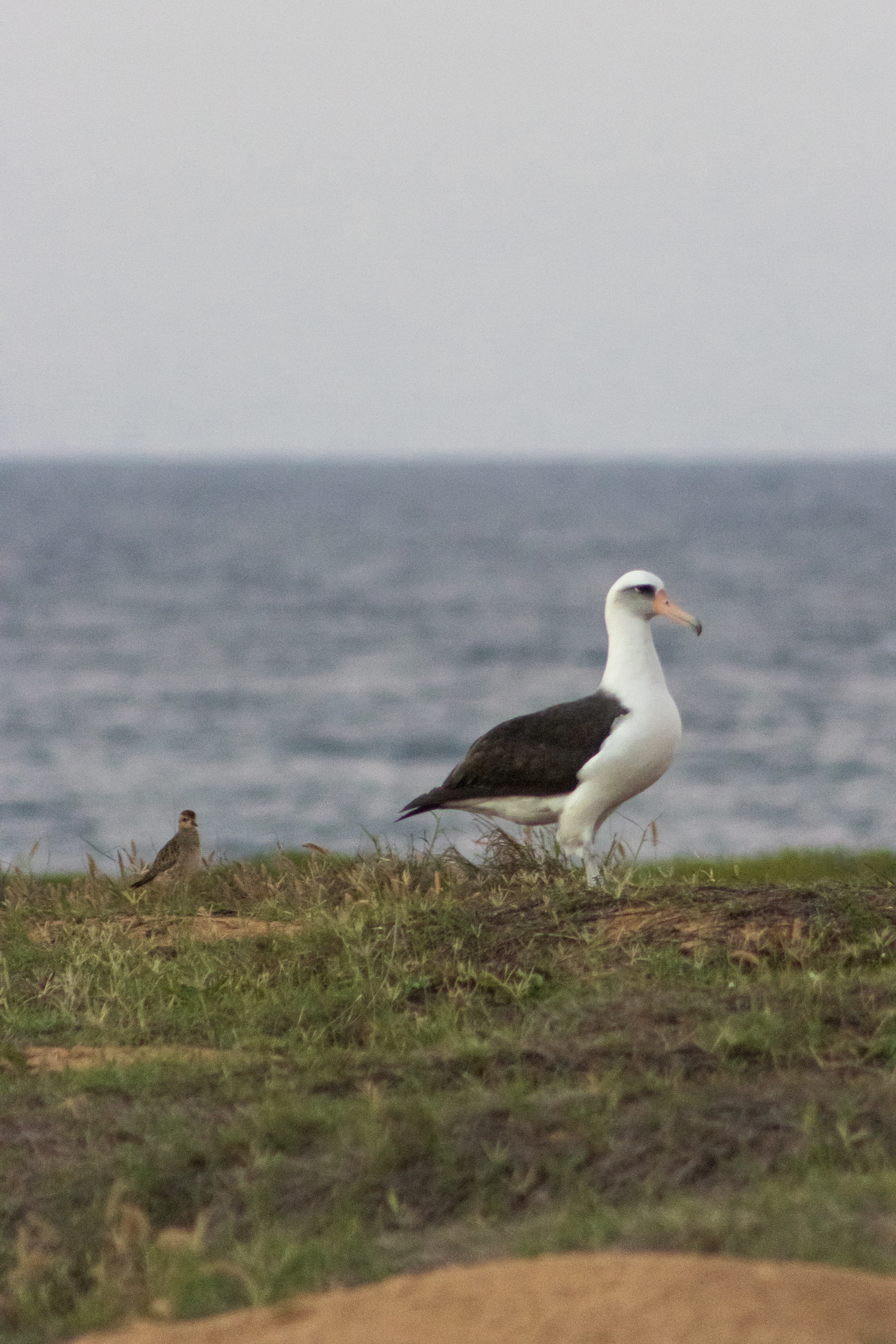
An albatross with a Pacific Golden-Plover. It really puts the size in perspectiveI was spotted.
The Laysan albatross is a large seabird that ranges across the North Pacific. More than 99% of the breeding population of the bird lives in the northern Hawaiian island, specifically in the midway atoll and Laysan islands. The species suffered a drastic population reduction in the early 1900s due to immense scale slaughter of populations for their feathers. The species is not recovering and is now classified as near threatened.
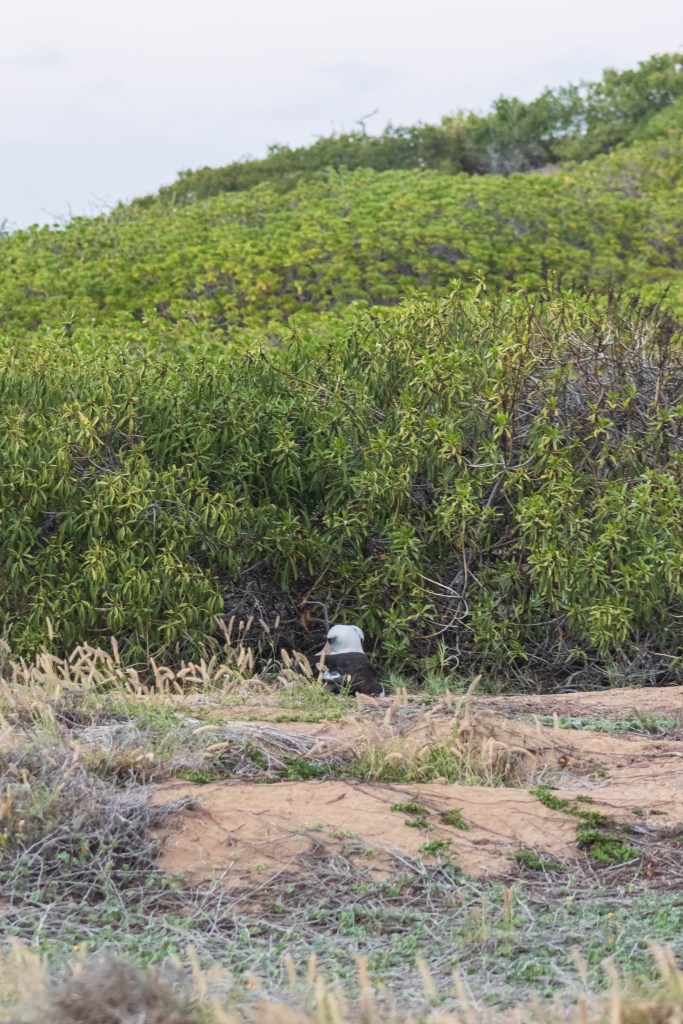
Albatross tend to bond for life. To the right is a pair of albatross settling in for the night in a grove of possible false sandalwood.
Occasionally, the birds form same-sex pairs consisting of two females. This has been observed in the colony on the Hawaiian island Oahu, where the sex ratio of male to female is 2 to 3 and 31% of all pairs are between females.











 Exploring Free Green Cascadia