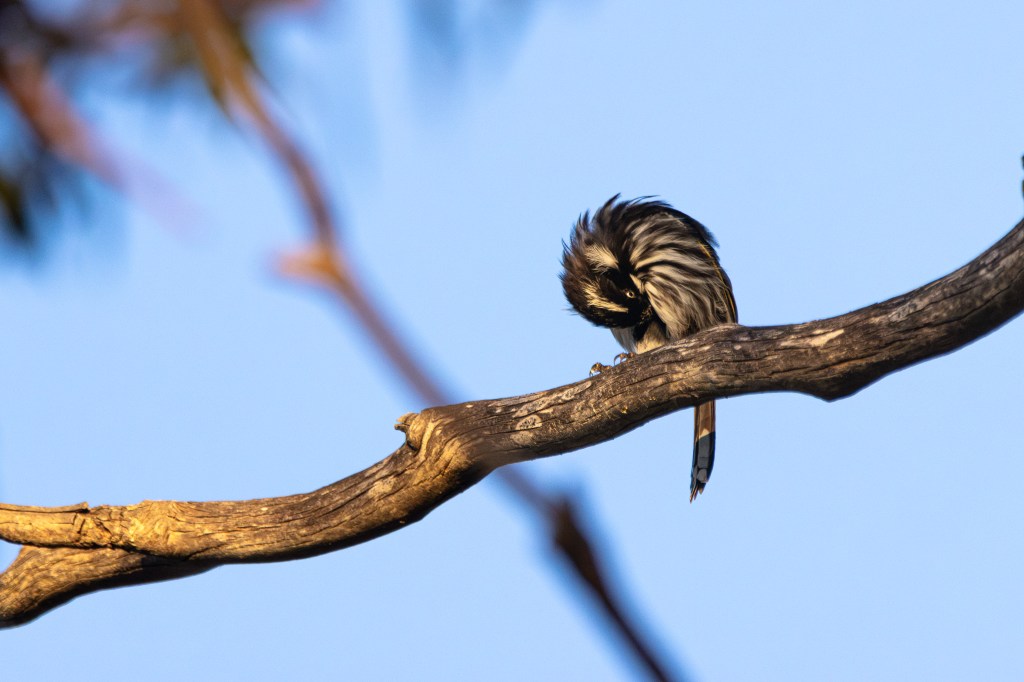
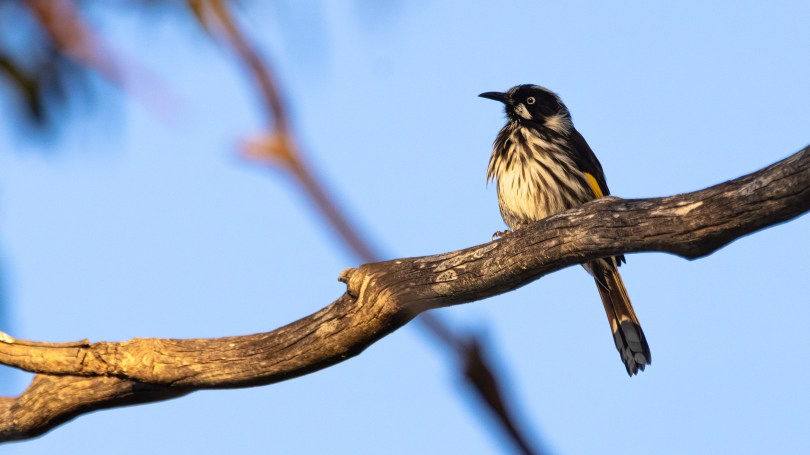
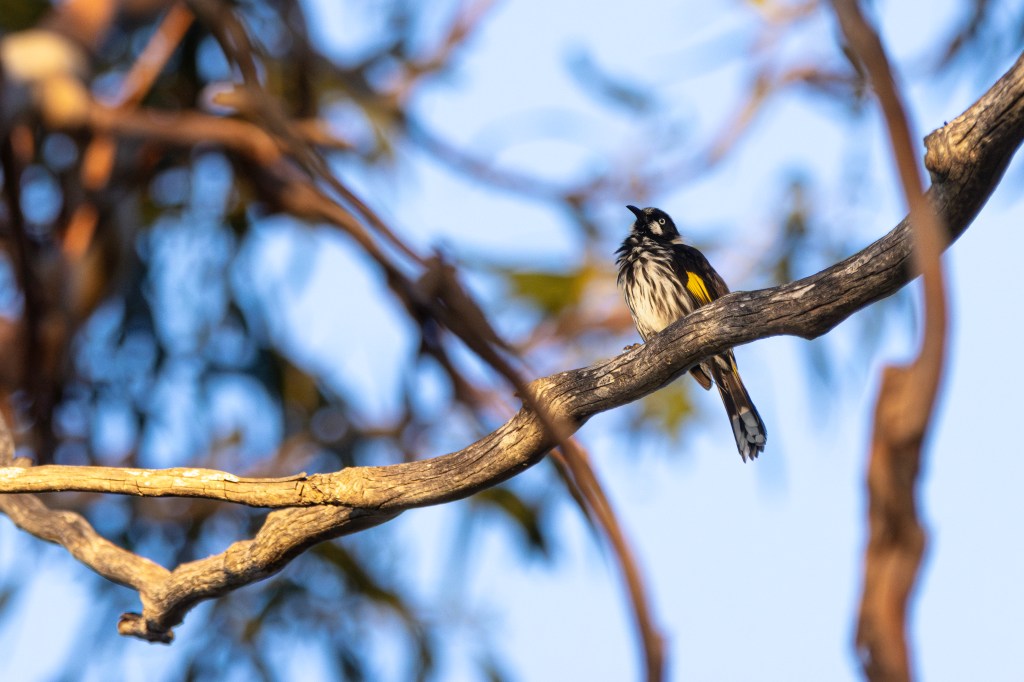
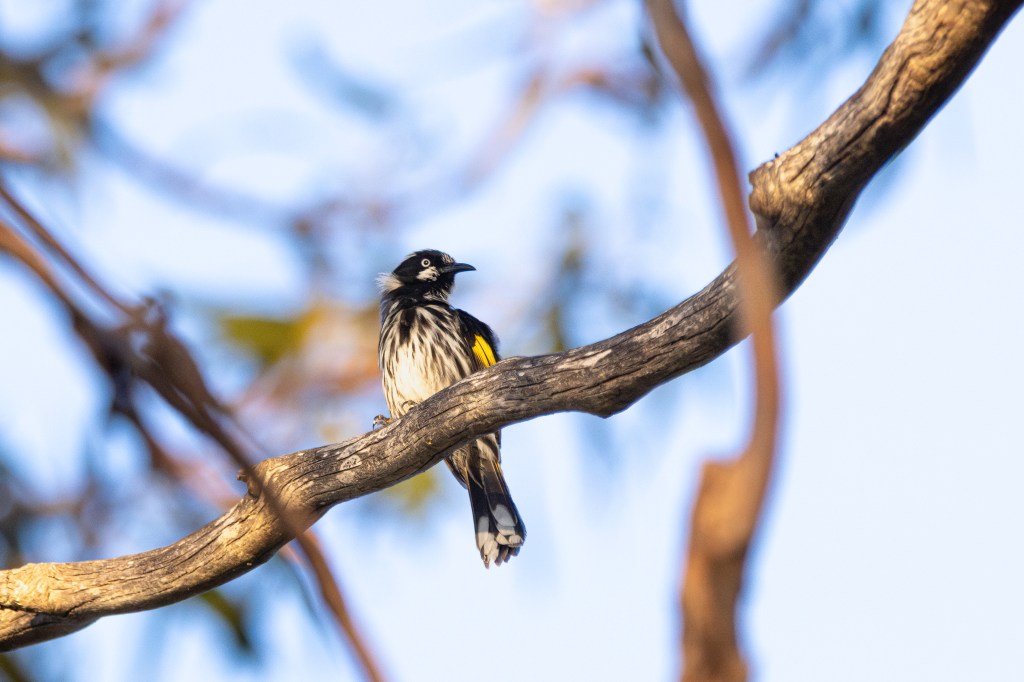
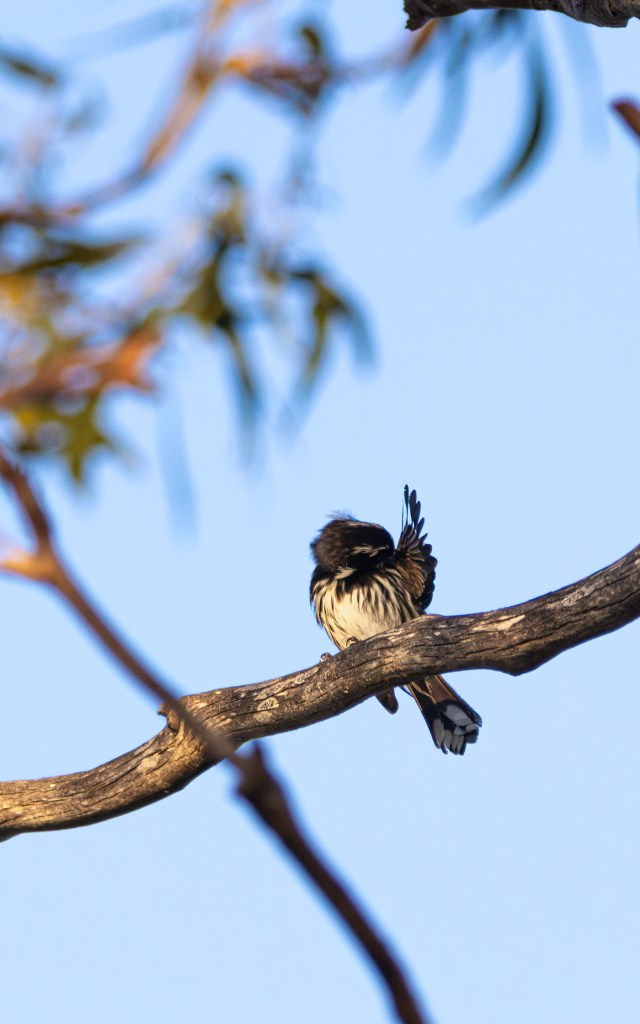
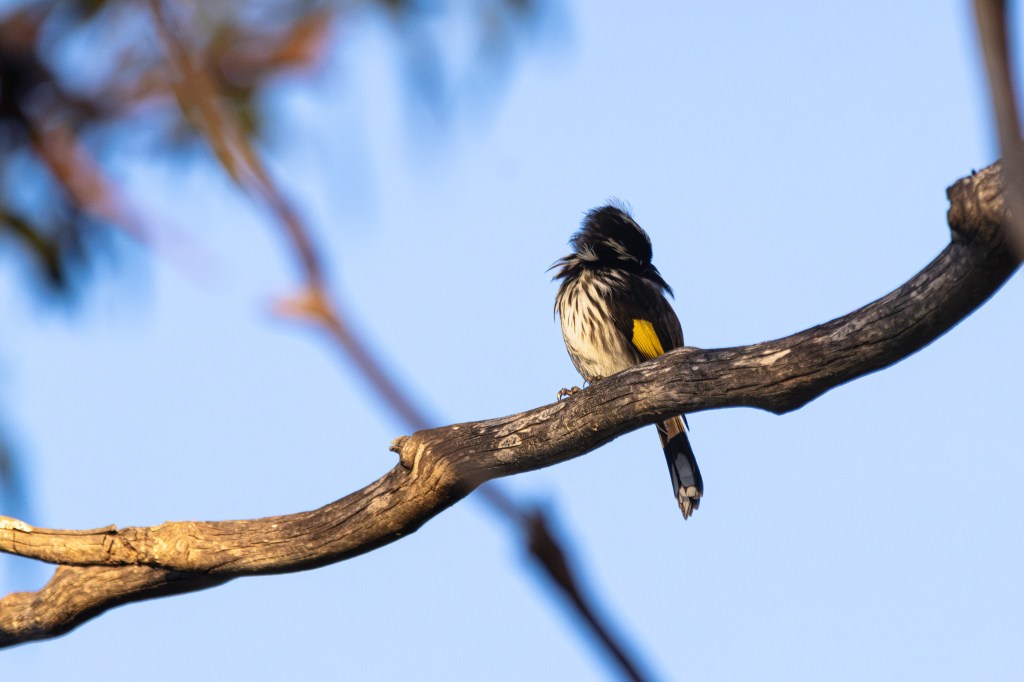
Phylidonyris novaehollandiae (New Holland Honeyeater)

Phylidonyris novaehollandiae, New Holland Honeyeater, is a honeyeater species commonly found across southern Australia, including Tasmania. It is a striking-looking bird with a black body, white iris, and a large patch of yellow across its plumage. For protein, they eat insects and spiders. 

As the name suggests, honeyeaters obtain most of their carbohydrates from the nectar of flowers. Hence, they are vital pollinators for native plant species like Banksia. It is found in forests and woodlands where native flowers grow. 
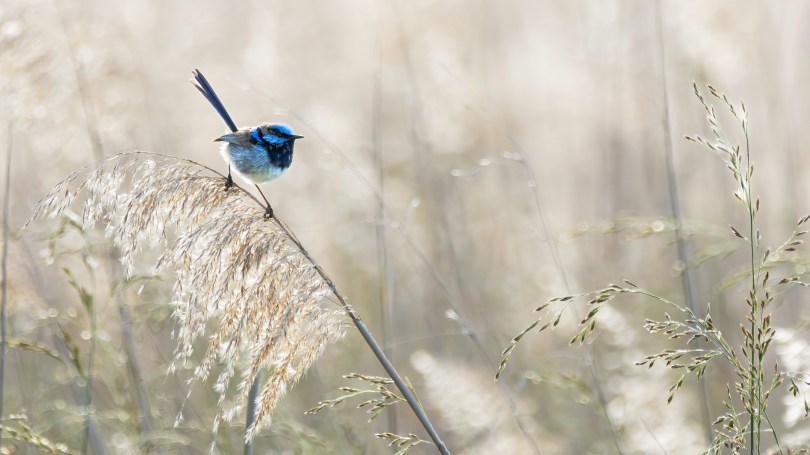
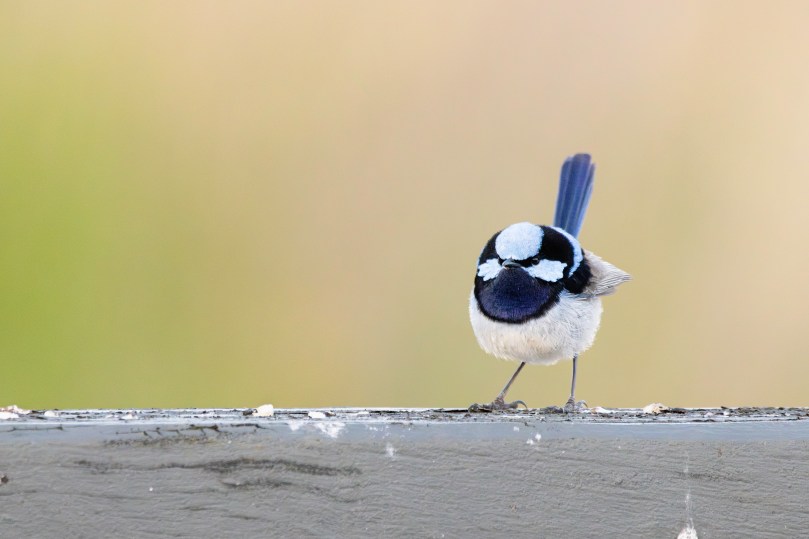
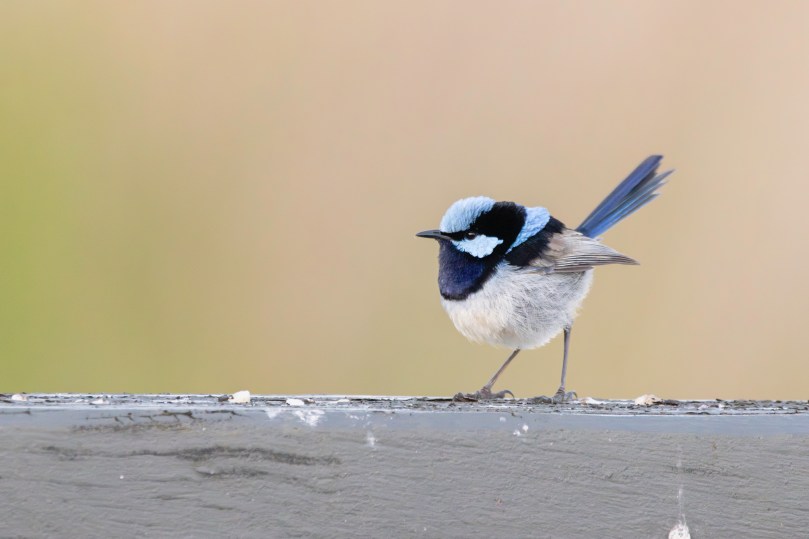
Malurus cyaneus (Superb Fairywren)

A striking bird that is common across the island of Tasmania, I saw one the day I landed in Australia and was stunned to find a bird so beautiful. Being color-blind, I generally cannot appreciate birds completely, but blue is the exception!

Like other fairywrens, Superb fairywrens exhibit sexual dimorphism, with the female exhibiting a fawn color. Immature males start with fawn-colored plumage but turn blue after their first breeding season. Some take longer, as seen in the cover photo.

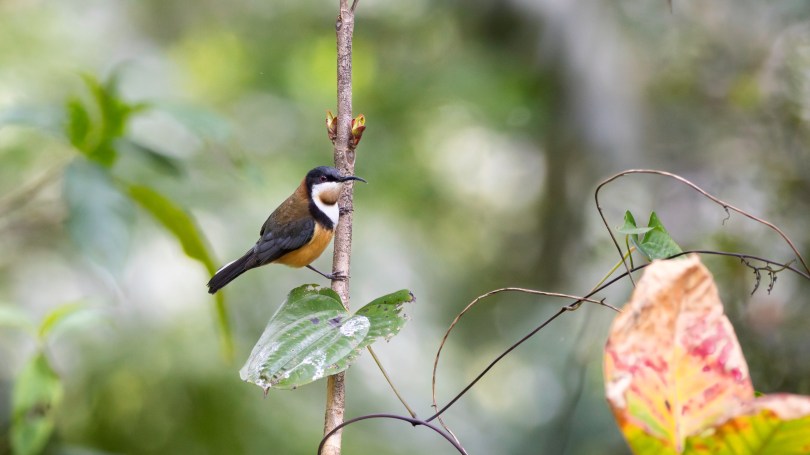
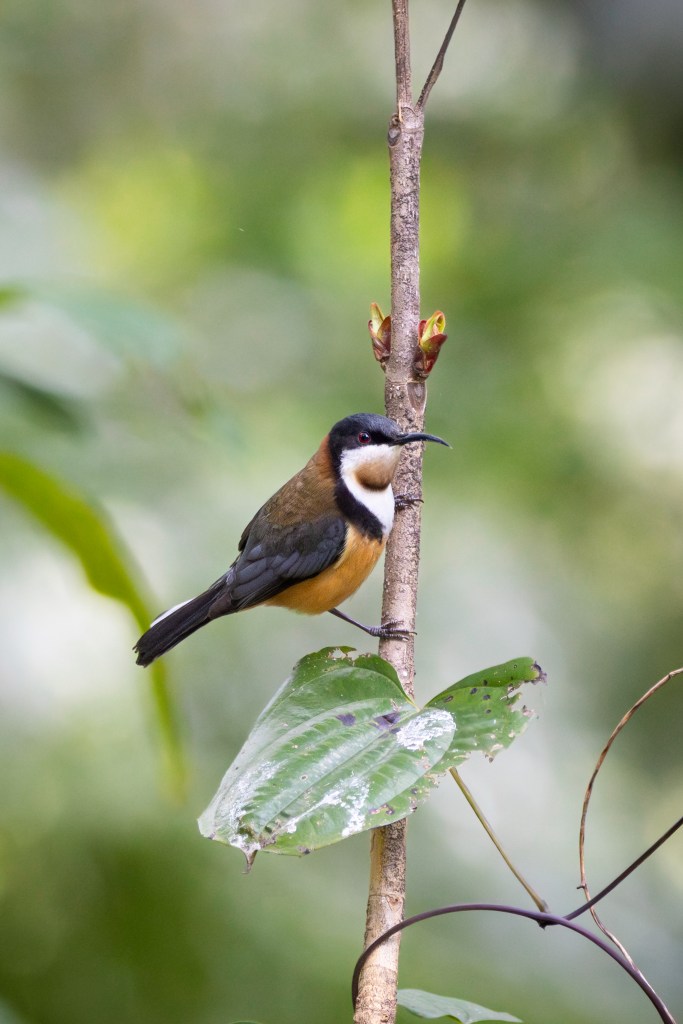
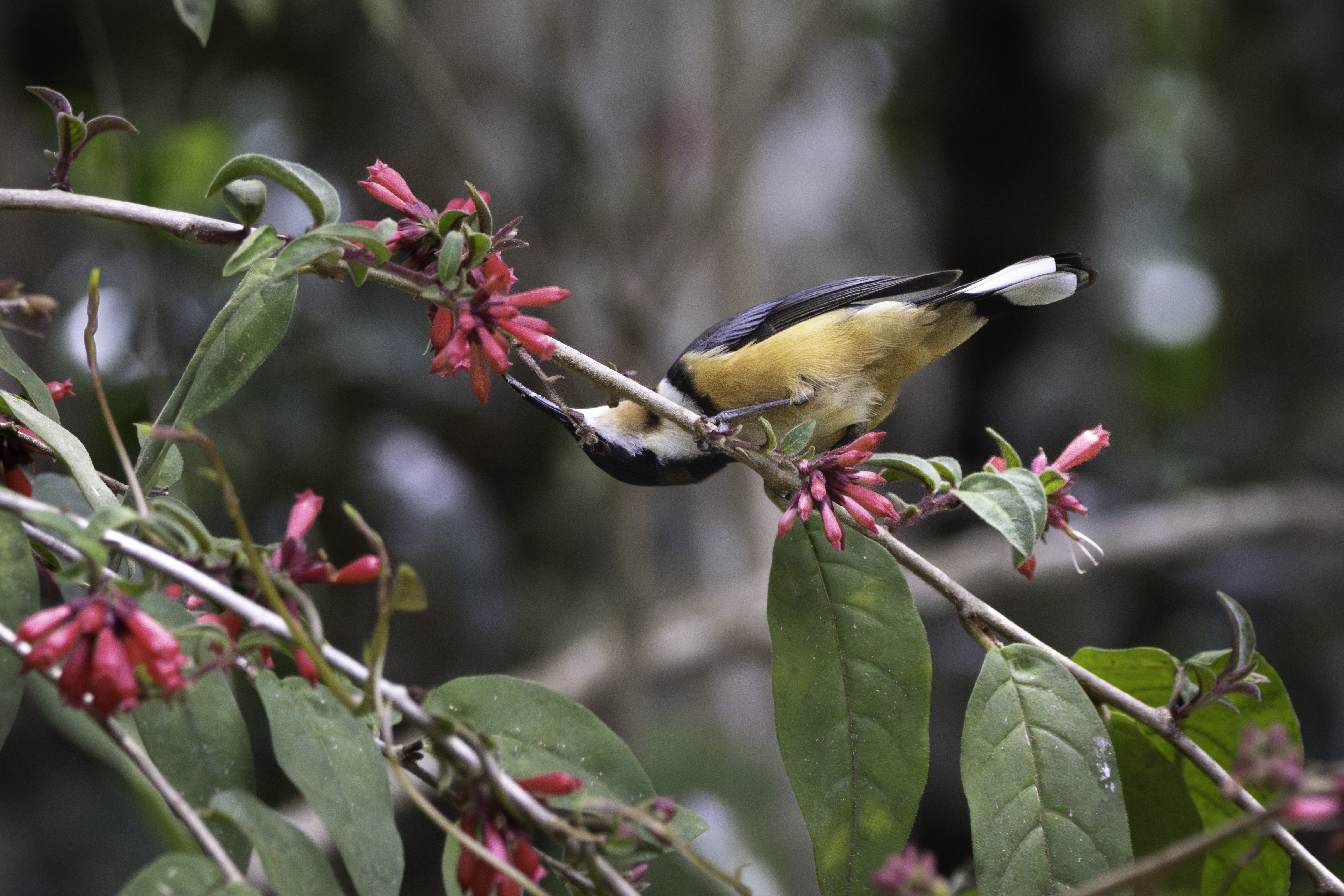
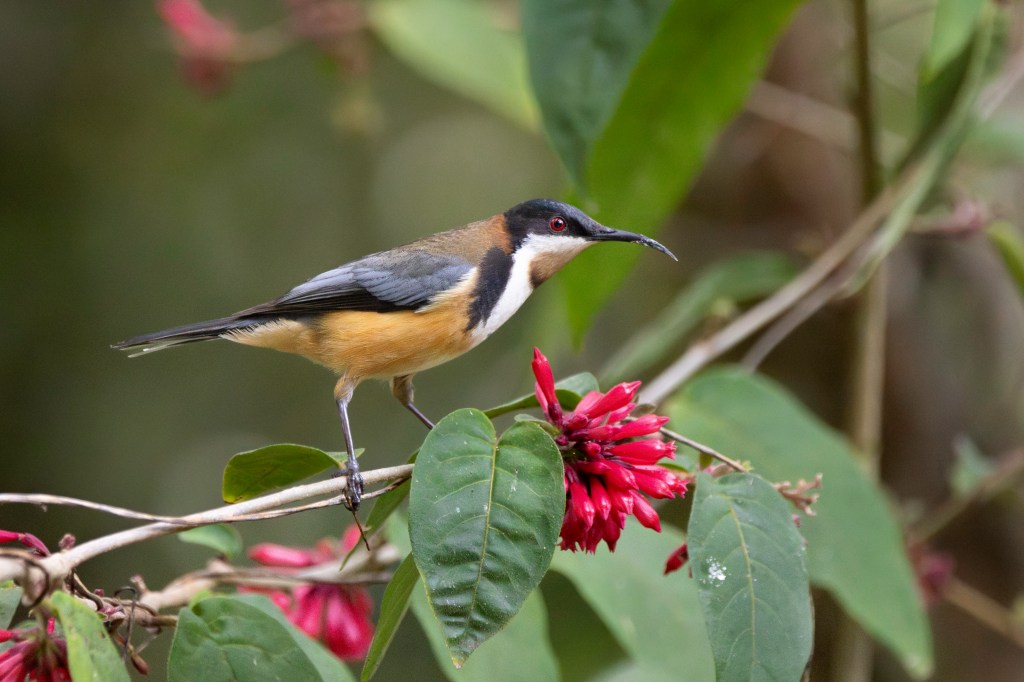
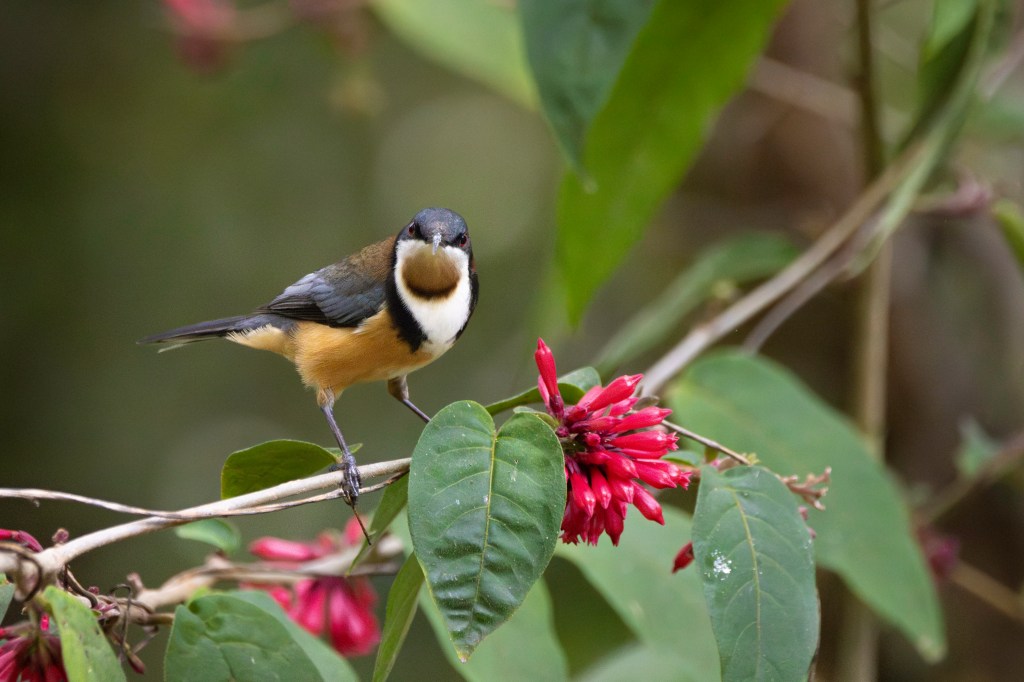
Acanthorhynchus tenuirostris (Eastern Spinebill)

Eastern spine bill is a beautiful honeyeater endemic to south-eastern Australia. The bird’s distinguishing feature is the long, needle-like bill, which adeptly extracts nectar from various flowering plants. This evolutionary feature independently evolves in many nectar-drinking species like I’iwi.

Vibrant colors adorn the male plumage, including a dark crown, a cinnamon-colored throat, and a contrasting white chest.

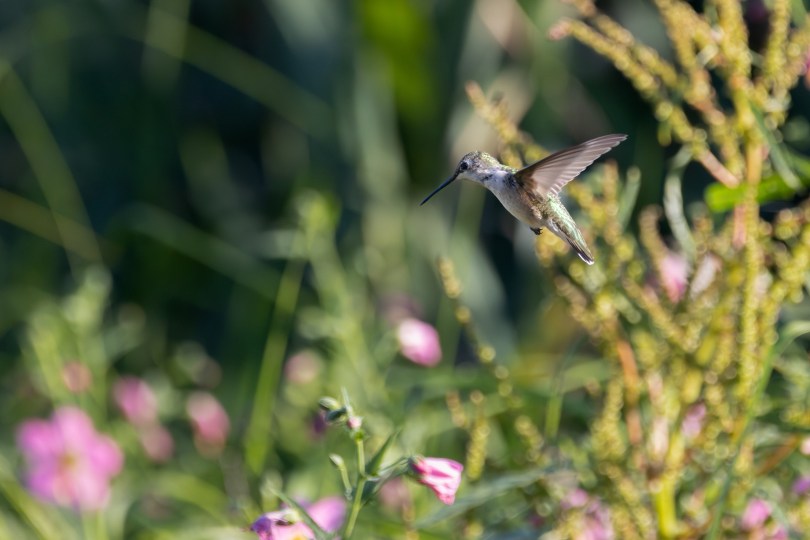
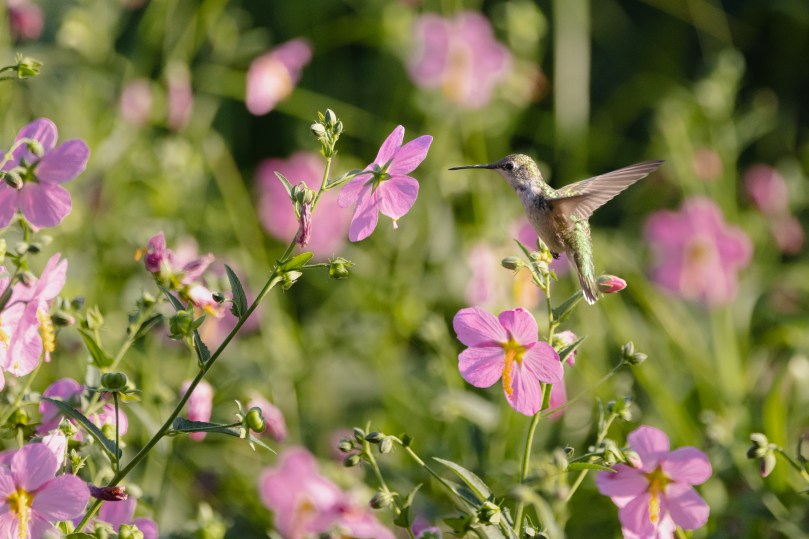
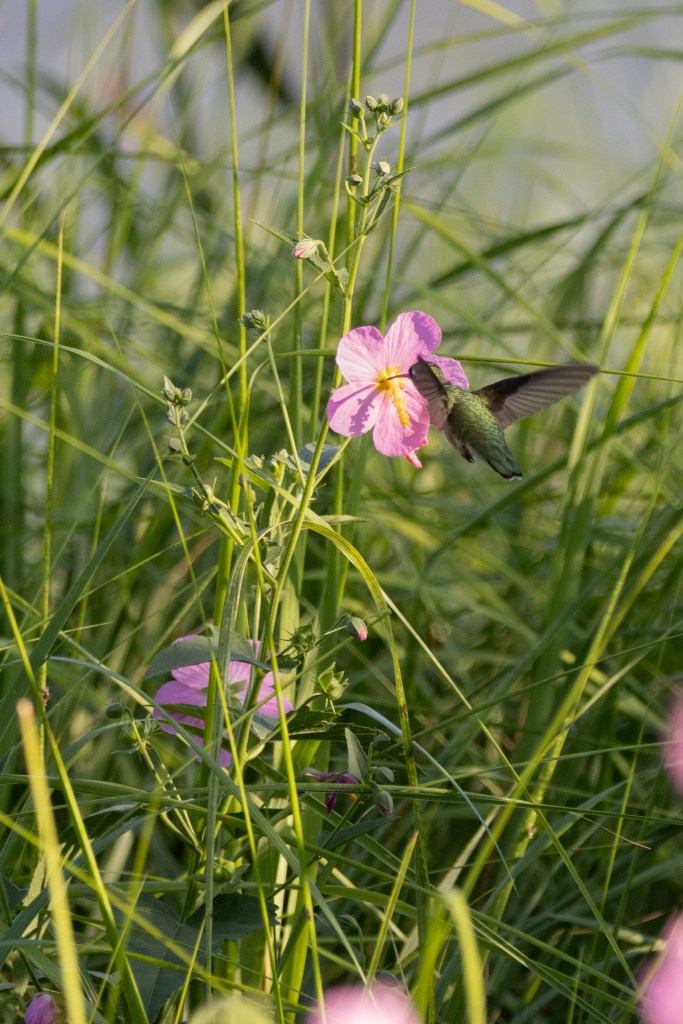
Archilochus colubris (Ruby-throated Humming bird)

Every amateur nature photography enthusiast dreams of capturing a hummingbird, having a snack, or hovering between sips! These tiny, unique, buzzing birds can move incredibly fast, making them photograph slightly harder. I am so happy to have captured this female feasting on a field of Saltmarsh Mallow.

The ruby-throated Hummingbird (Archilochus colubris) is a small, beautifully colored bird native to North and Central America. Despite its tiny size, it is a migratory bird, migrating vast distances from central America to its breeding grounds in North America.

During migration, some birds living further south of Florida must migrate over 900 miles non-stop to cross over the Gulf of Mexico from Mexico into the eastern United States.