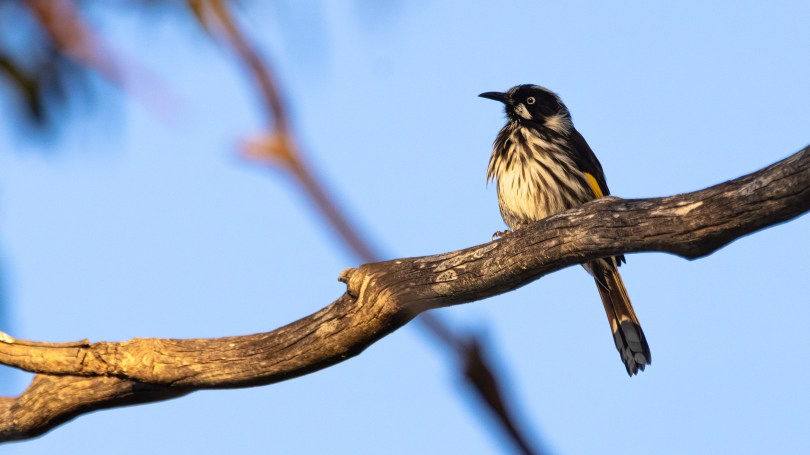
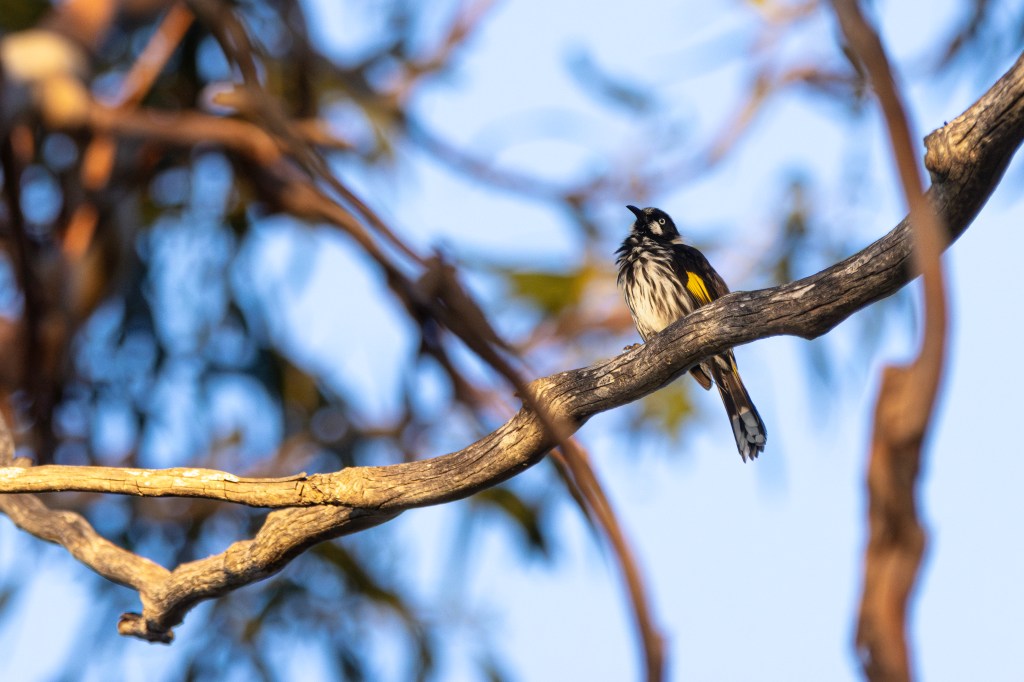
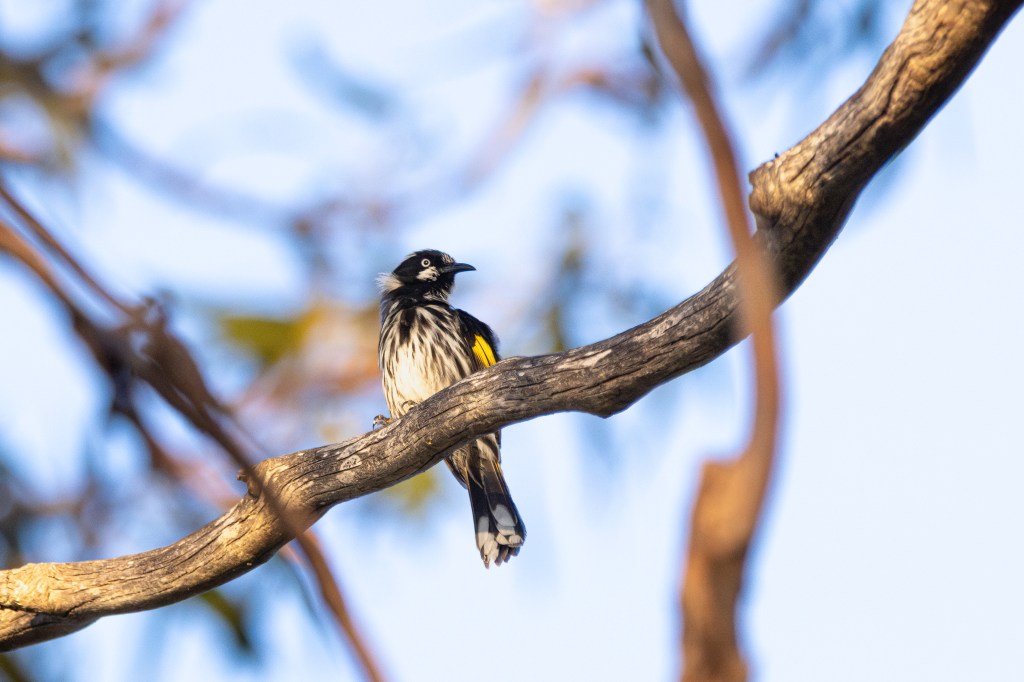
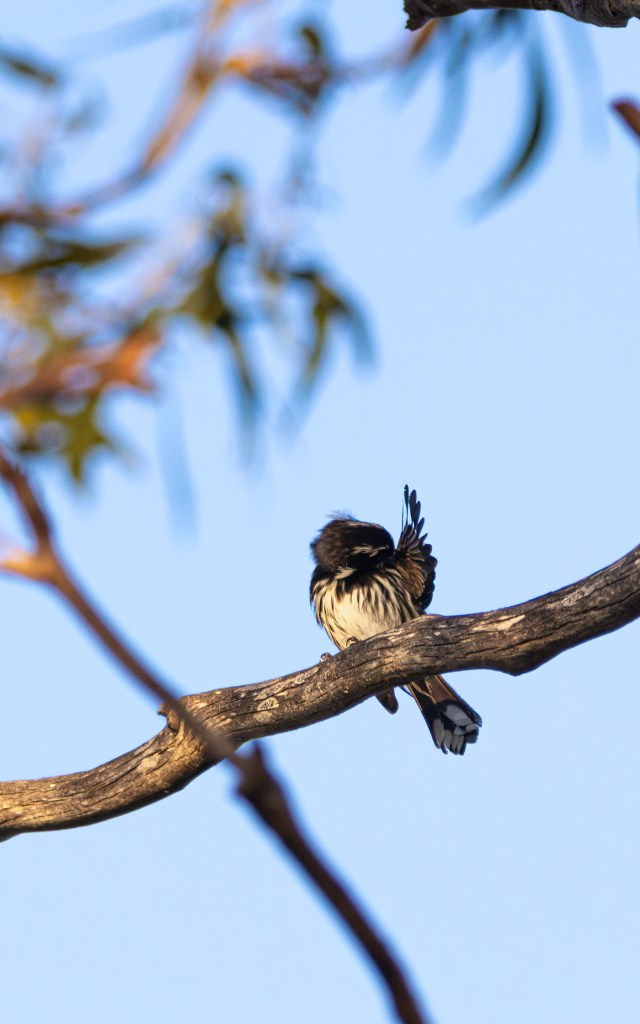
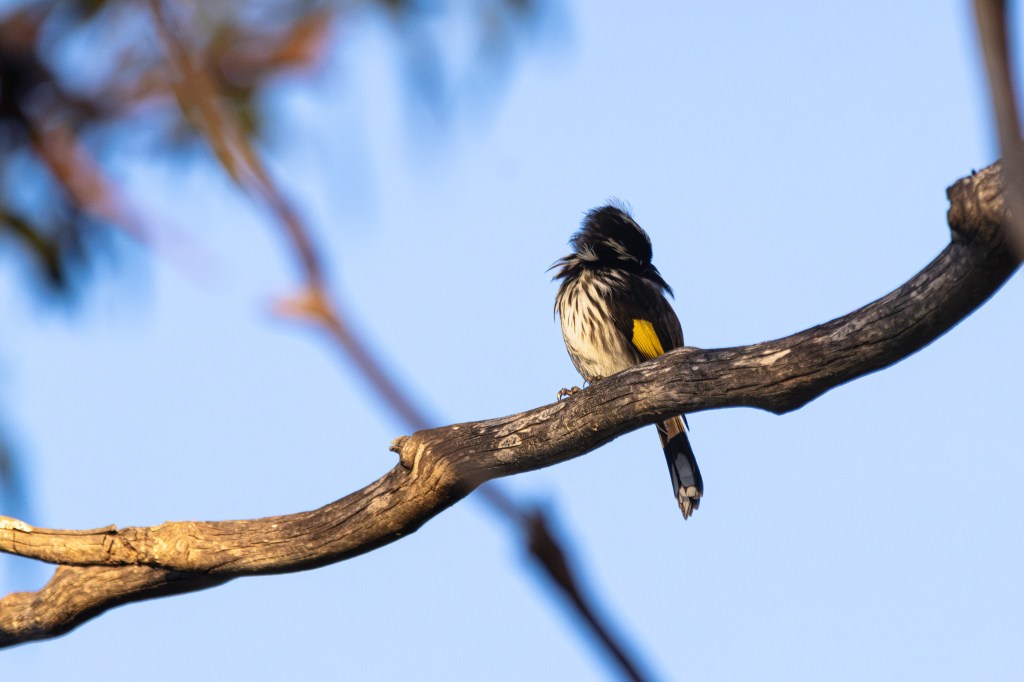
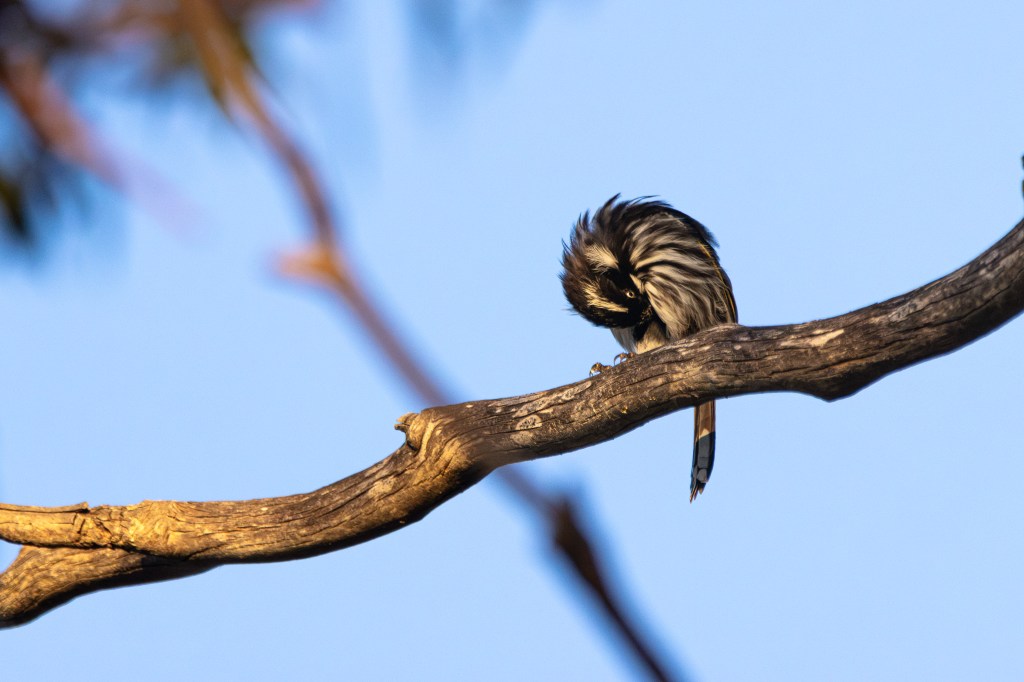
Phylidonyris novaehollandiae, New Holland Honeyeater, is a honeyeater species commonly found across southern Australia, including Tasmania. It is a striking-looking bird with a black body, white iris, and a large patch of yellow across its plumage. For protein, they eat insects and spiders.
As the name suggests, honeyeaters obtain most of their carbohydrates from the nectar of flowers. Hence, they are vital pollinators for native plant species like Banksia. It is found in forests and woodlands where native flowers grow.
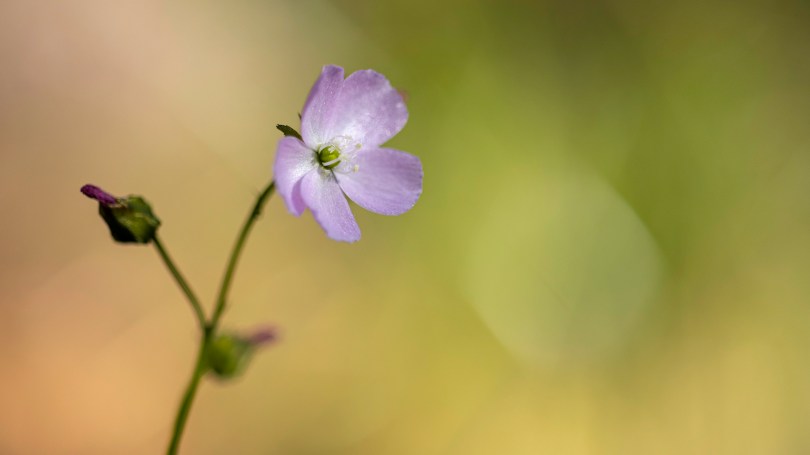
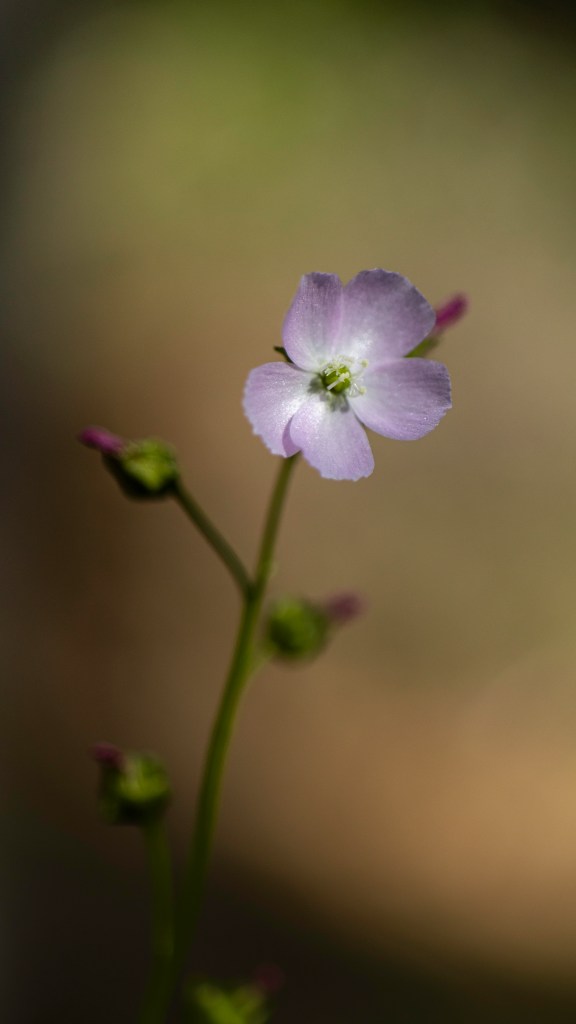
One species stands tall in the vast realm of carnivorous plants. Meet Drosera auriculata, commonly known as the Tall Sundew, unlike other drosera species that grow in low-lying rosettes. This captivating carnivorous plant has earned its name for its impressive height.
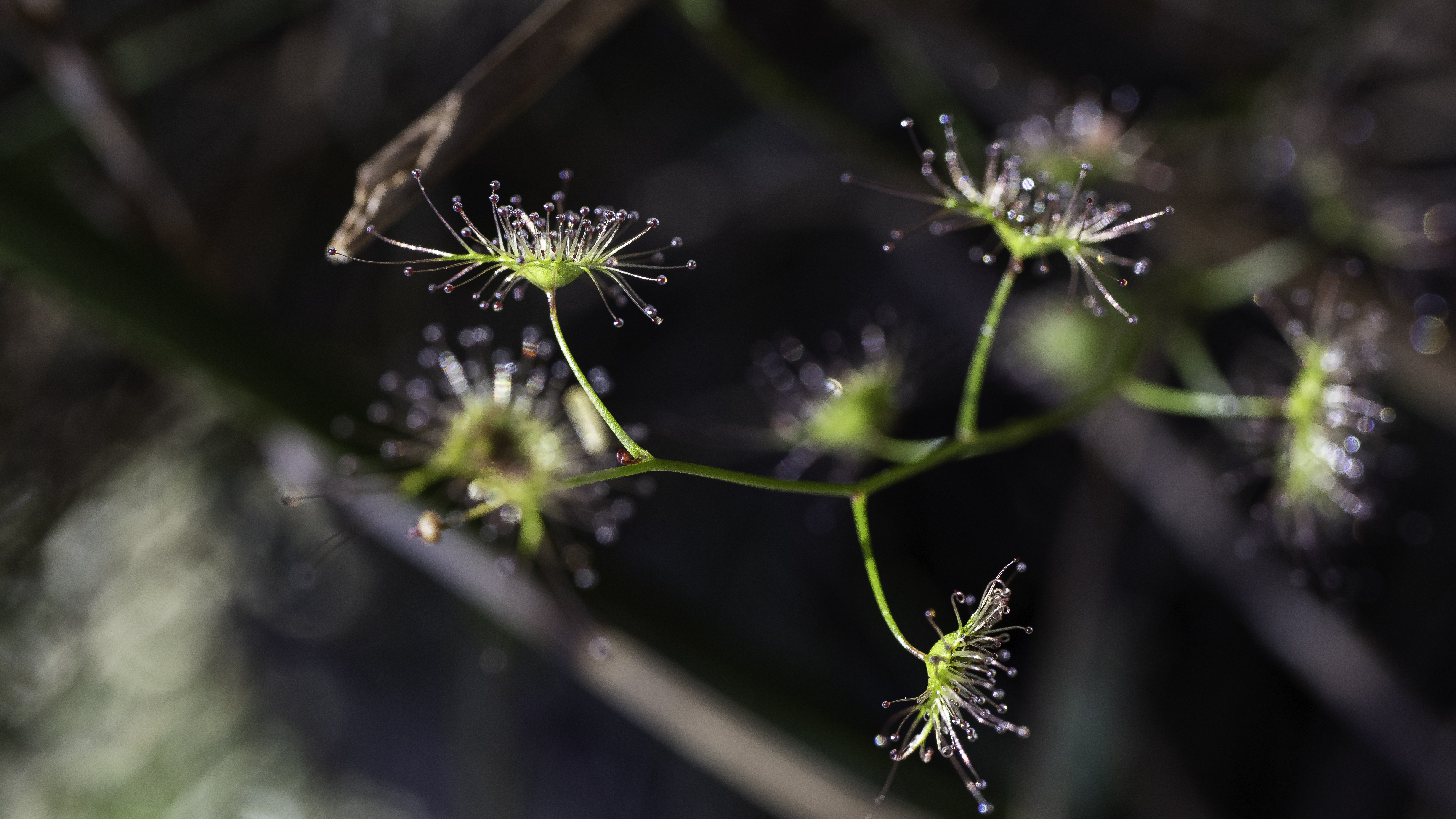
Tall sundews are recognized for their slender, elongated stems that can reach remarkable heights, often standing above other sundew species. The species can be found in both dry and damp places in Australia. The spot where I observed this species is the driest area I have ever seen a sundew in!
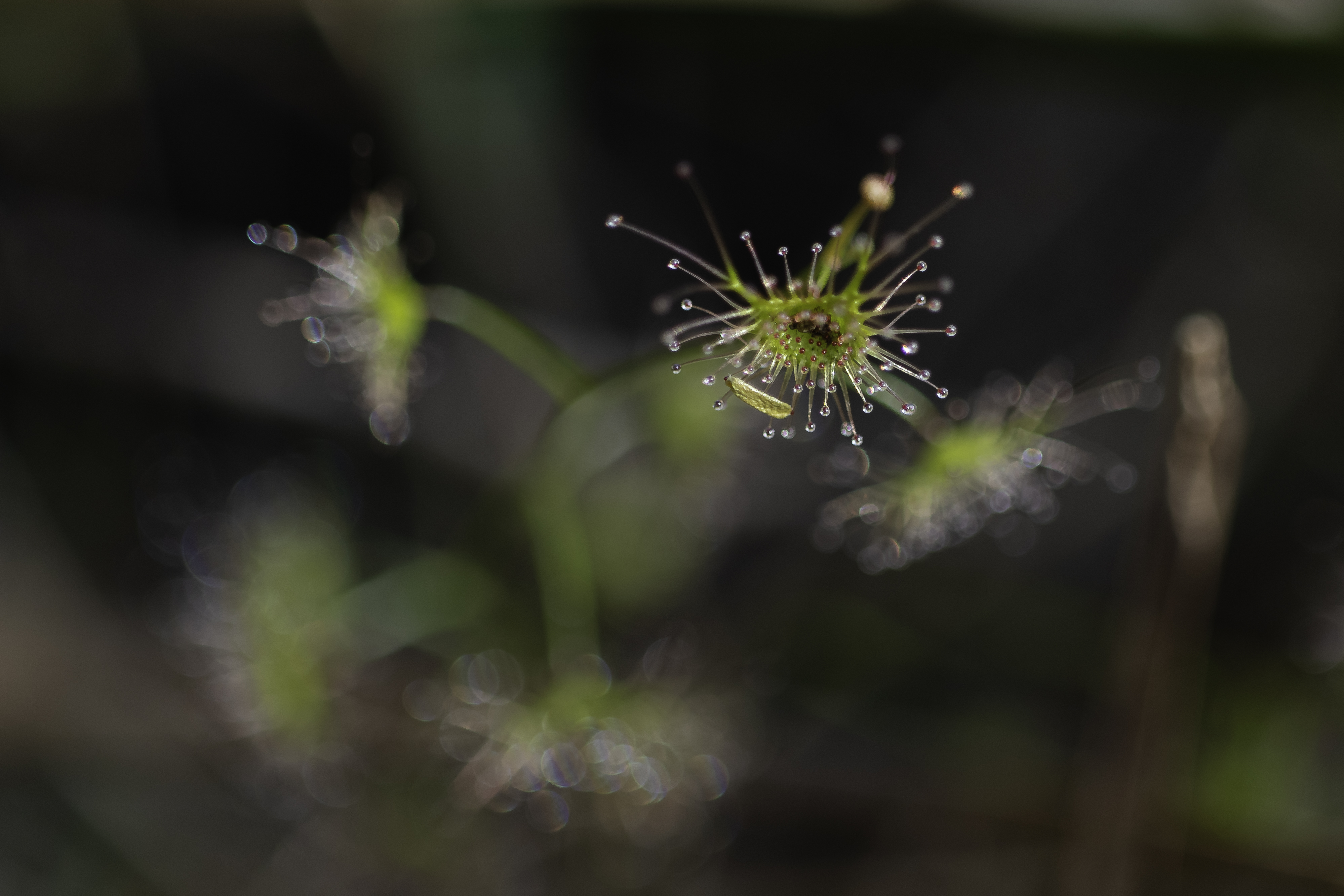
Like many sundew species, the tall sundew relies on both its sticky leaves, and a trigger response that envelopes the prey as it gets digested. A characteristics that is also utilized by its closely related species, the famous Venus-Fly trap! Below we see close-ups of leaves and their prey.
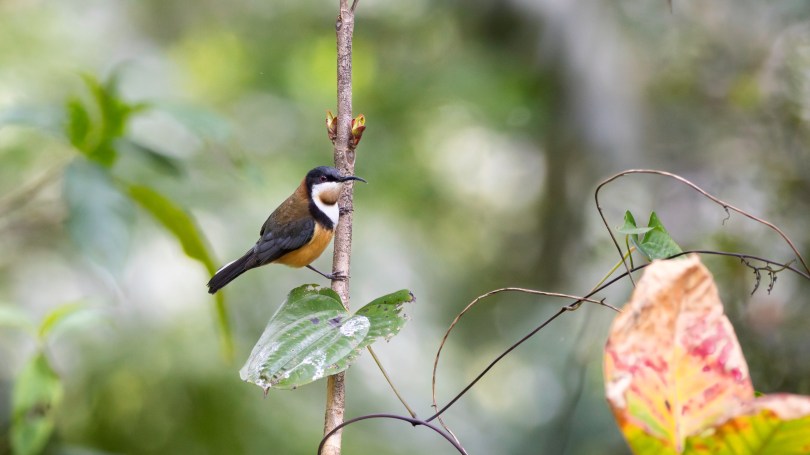
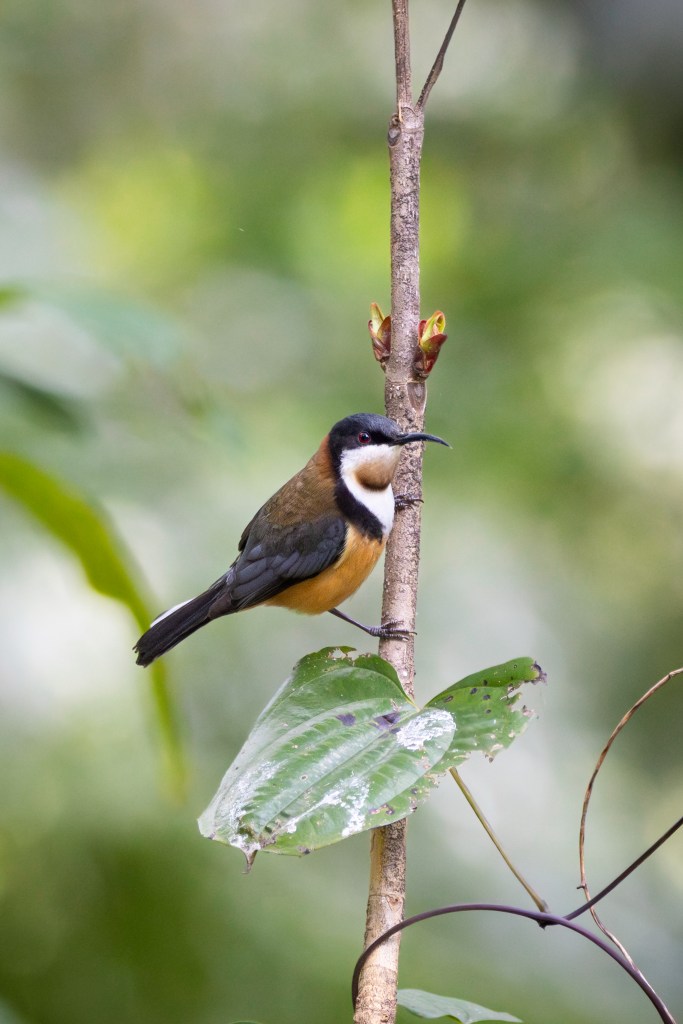
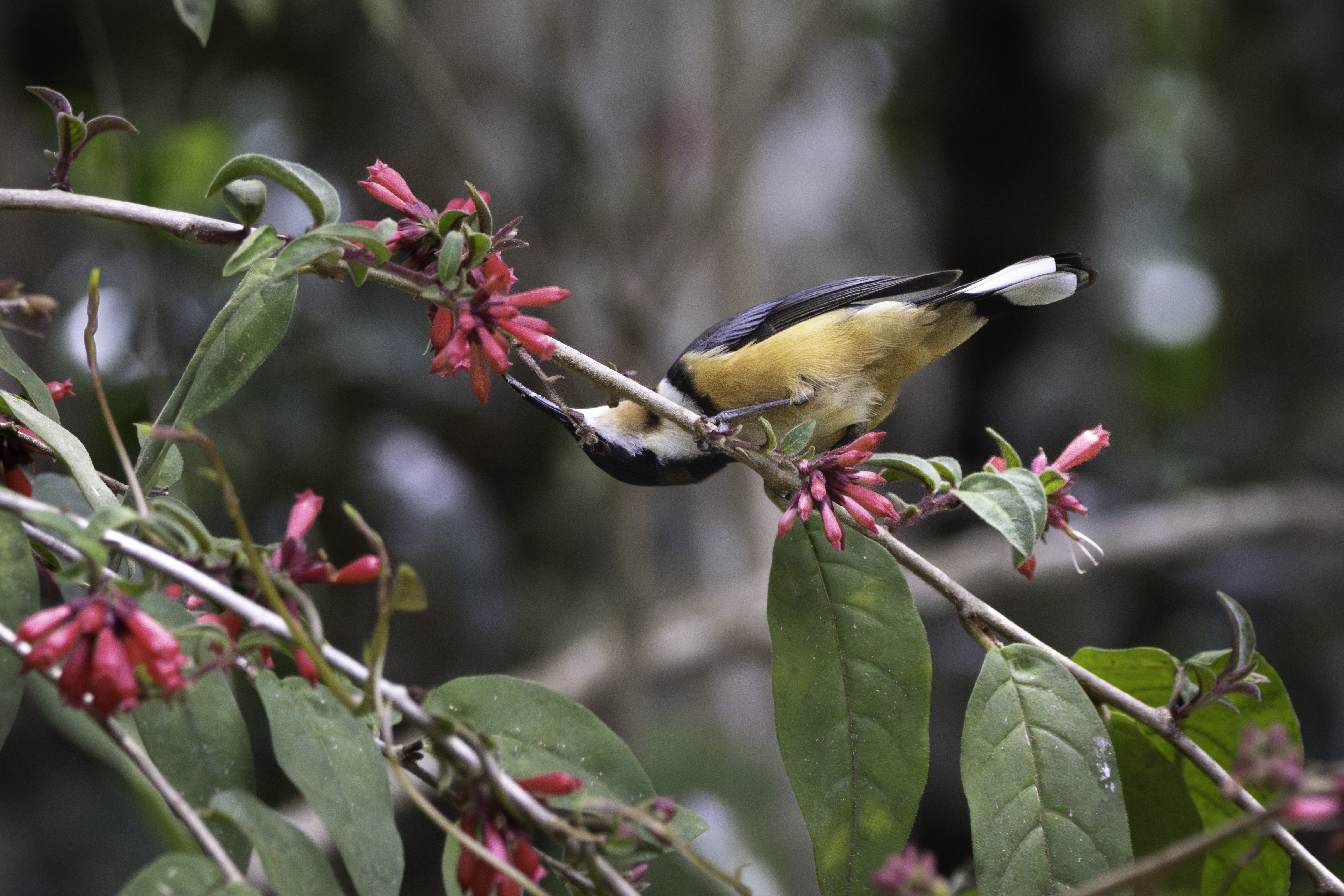
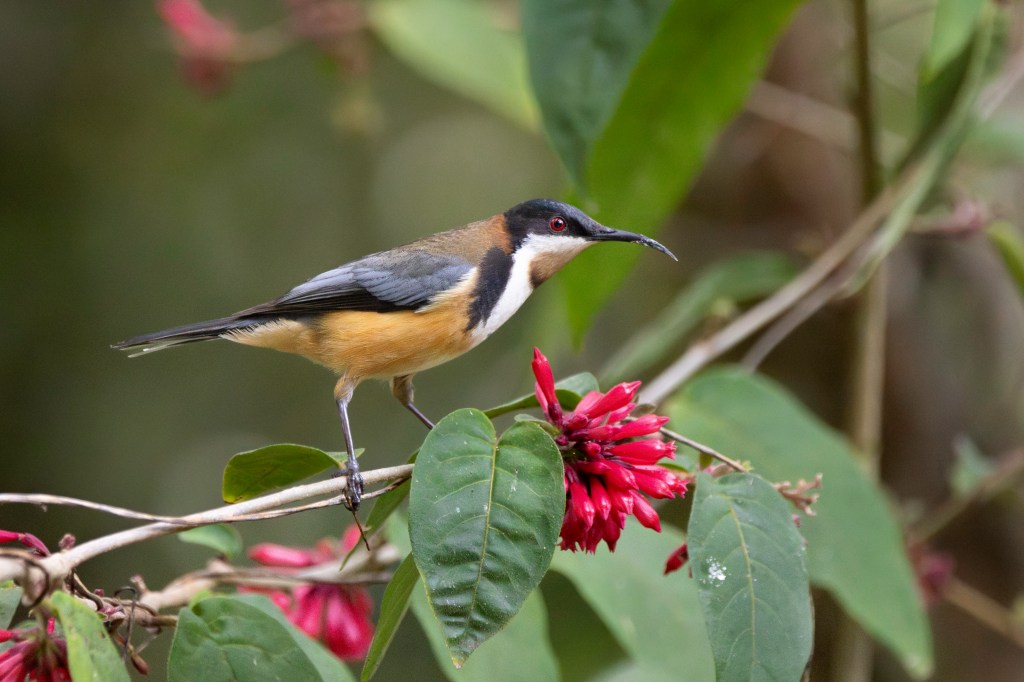
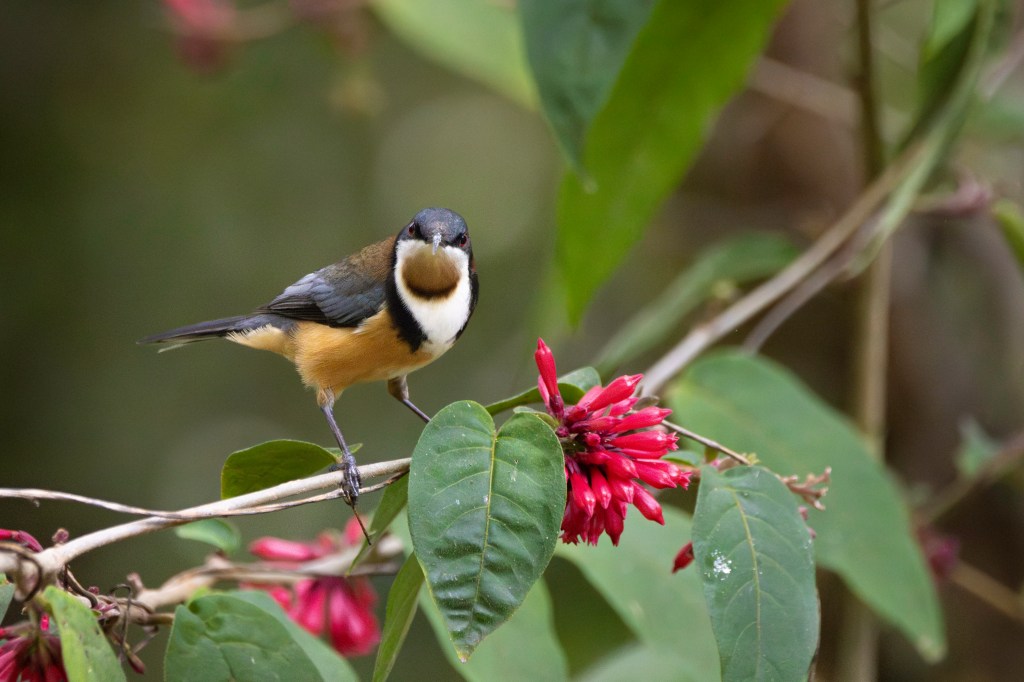
Eastern spine bill is a beautiful honeyeater endemic to south-eastern Australia. The bird’s distinguishing feature is the long, needle-like bill, which adeptly extracts nectar from various flowering plants. This evolutionary feature independently evolves in many nectar-drinking species like I’iwi.
Vibrant colors adorn the male plumage, including a dark crown, a cinnamon-colored throat, and a contrasting white chest.
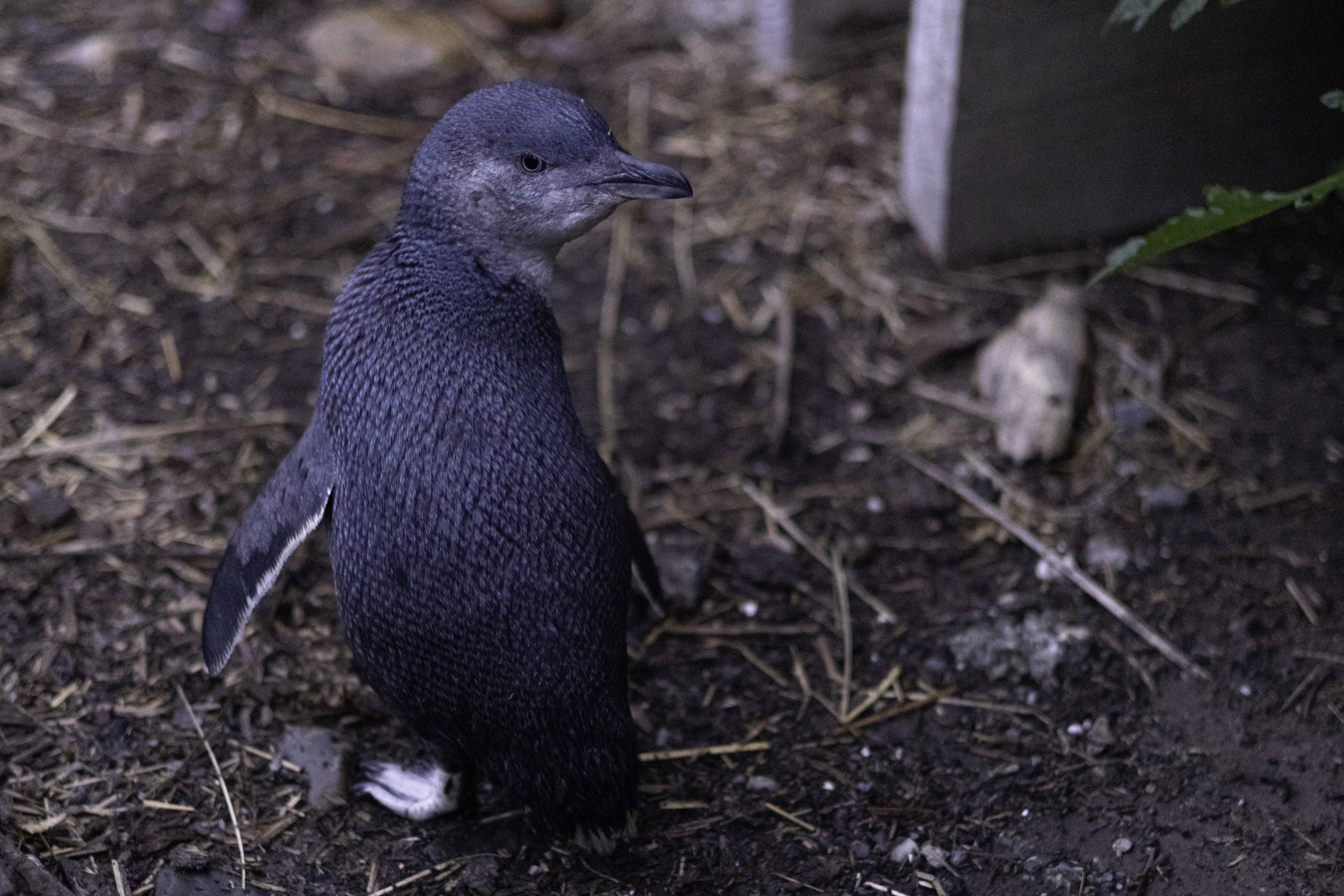
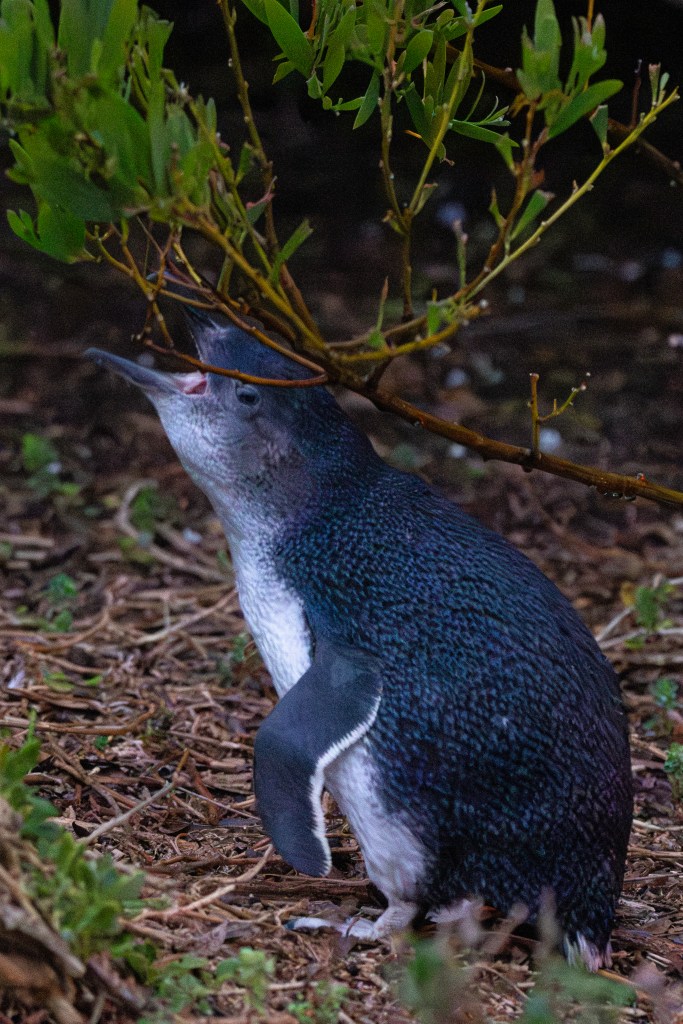
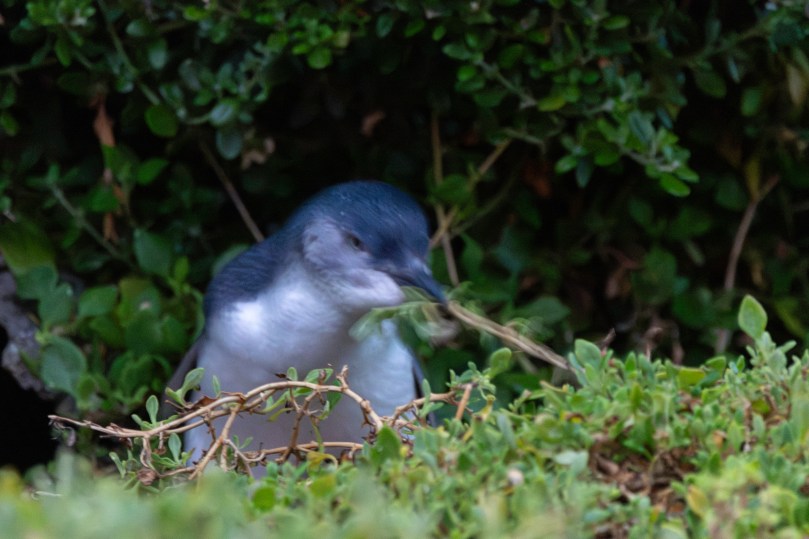
Australian little penguins, or blue penguins, are one of the smallest penguin species in the world, growing to about a foot. They were once considered a subspecies of the little penguin from New Zealand, but later, mtDNA revealed that the Australian little penguins are a species of their own. Other than their behavioral differences, a critical difference between the two little penguin species is the striking blue plumage of the Australian species.
Little penguins spend most of their day in the ocean. During breeding season, the adults leave their chicks in their nest for the day as they head out into the sea to forage, returning at night to feed their young. One behavioral difference between New Zealand and the Australian penguin is that the Australian blue penguins come ashore in small groups, possibly to protect against predatory marsupials that did not exist in New Zealand.
The blue penguin is native to southern Australia, including Tasmania, where these cranky juveniles were photographed waiting impatiently for their parents to return! They are also found in the Otago region of New Zealand.


 Exploring Free Green Cascadia