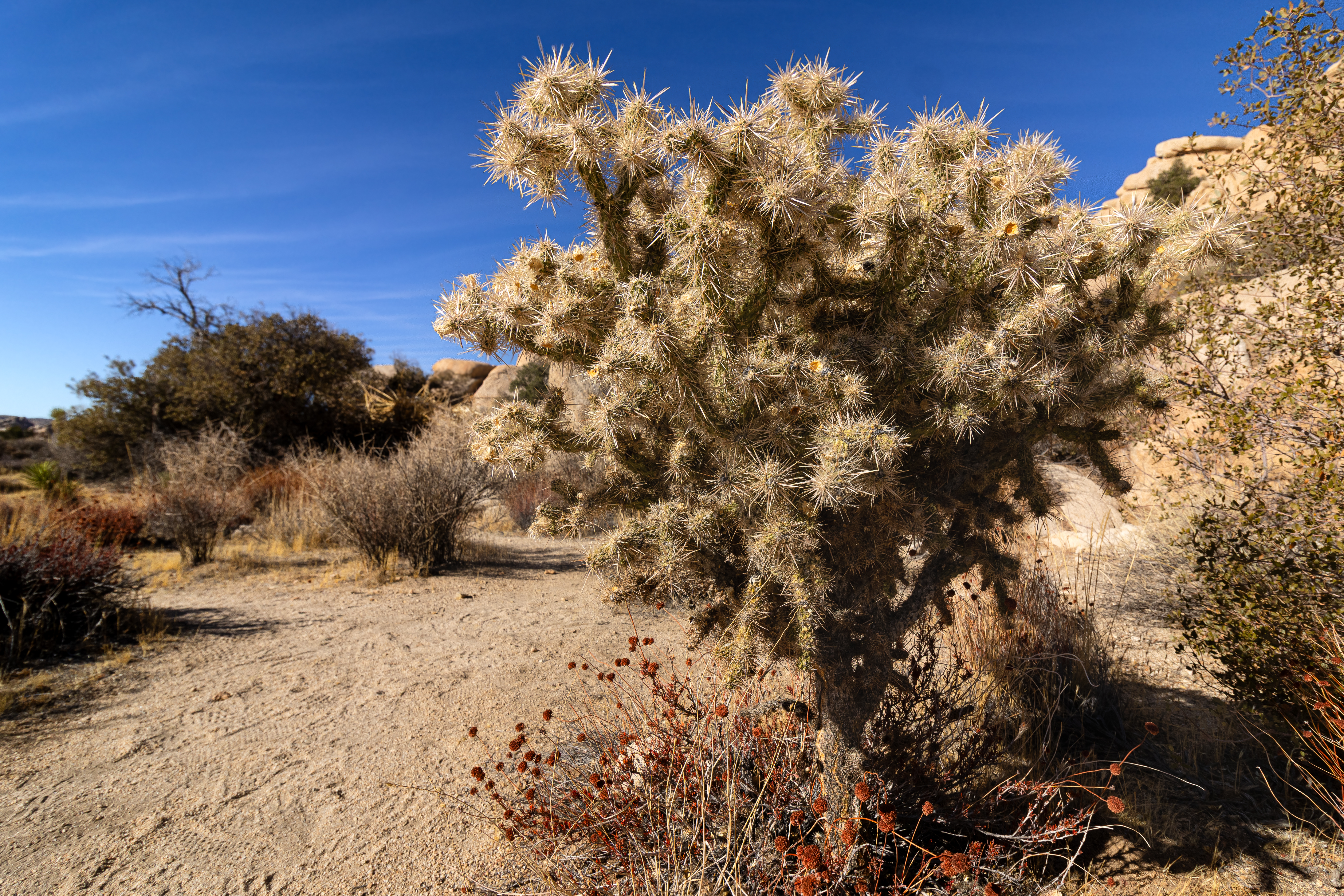
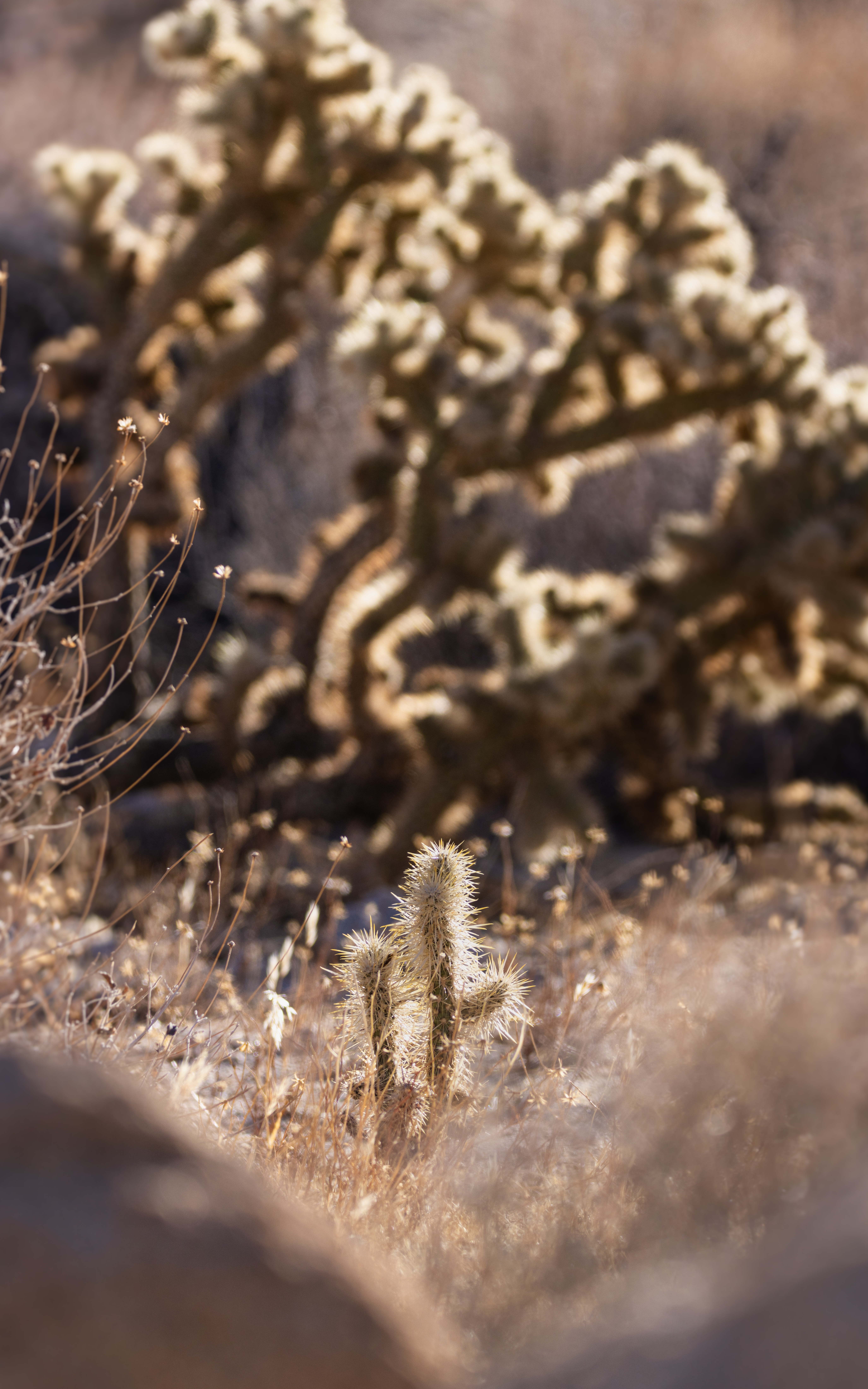
Chollas, not to be confused with the Chola dynasty, are a genus of cactus native to northern Mexico and southwestern United States. Known for their barbed spines, they will stick to your clothes/skin. Some species of Chollas form hollow driftwoods with holes along them which are used a lot in aquariums to provide shelter for fishes.
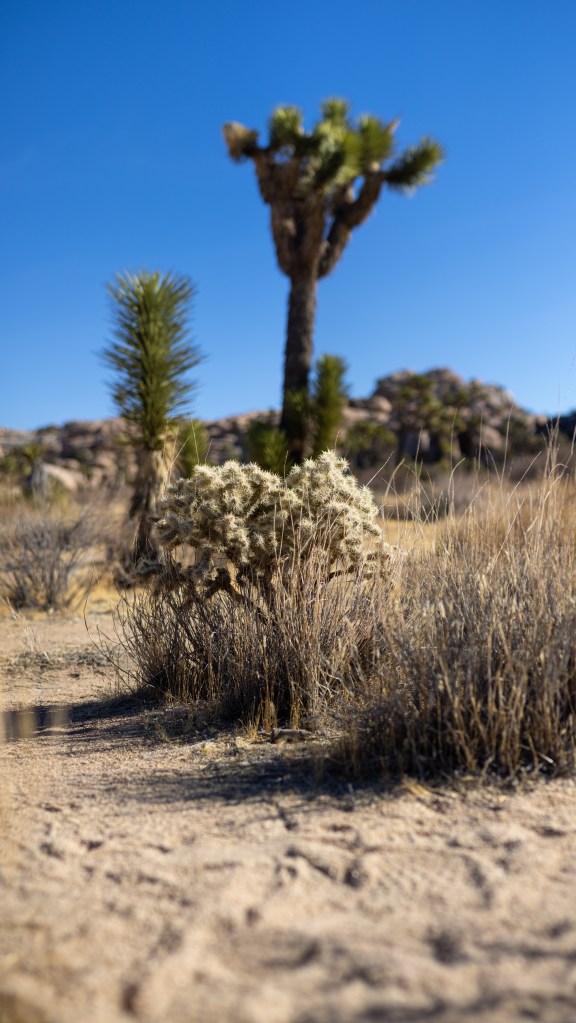
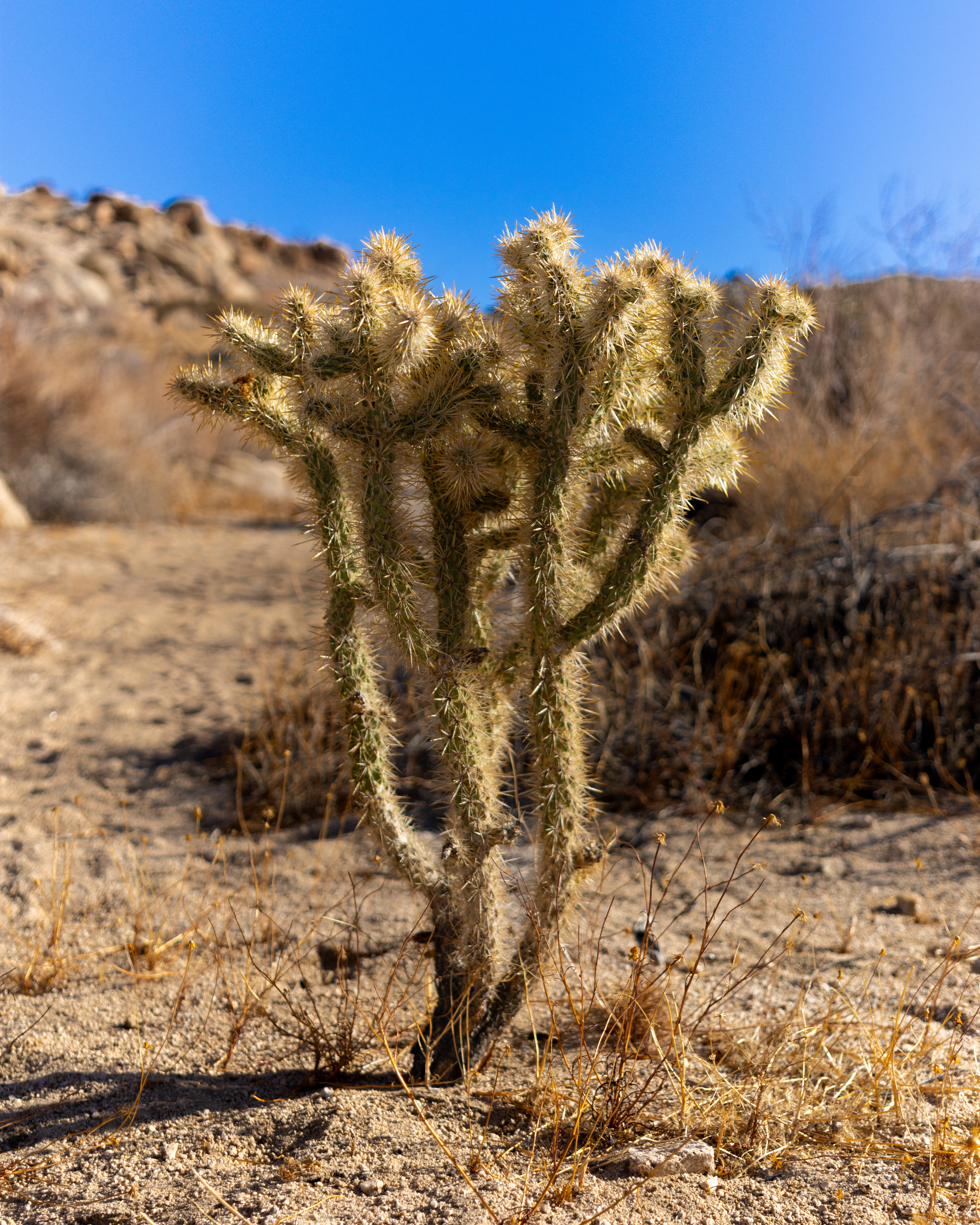
Big and little one
Cholla stands are called Cholla gardens, a particularly famous one can be found in Joshua Tree National Park. I was particularly excited to visit it, but I found the garden flooded by visitors casually walking off trail amongst the plants, destroying young plants and compacting soil, ensuring long-term damage. While I blame the visitors for the bad behaviour, the fact that NPS does not control crowds is a shame.
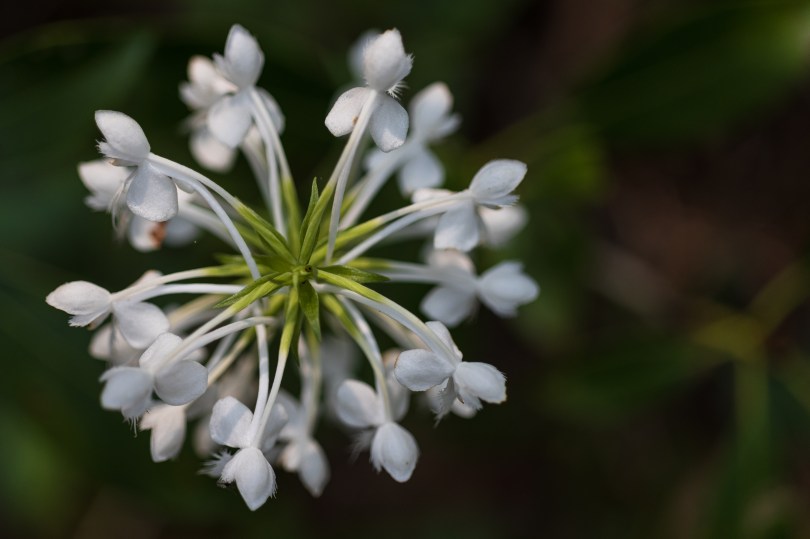
I am shocked that I have not uploaded these species and hybrids! Platanthera is by far my favorite genus of species. Several species of this genus can be found in New Jersey, including the white-fringed orchid (P. blephariglottis), the small green orchid (P. clavellata), and the orange-crested orchid (P. cristata), along with some hybrids like canby’s bog orchid (Platanthera × canbyi). I was first introduced to this genus by the photography of the amazing Jim Fowler.
There are three kinds of Platanthera orchids, all found in New Jersey’s pinelands! White-fringed orchid is one of the larger orchids with a beautiful inflorescence. It is found across much of the eastern US and Canada. Globally secure, the orchid faces threats in several states throughout its range. Habitat destruction being one of the main threats, these orchids also face difficulties when natural fire is suppressed. Like many orchid species found in the pinelands, they need regular wildfires to help maintain their habitat. The orchid prefers open sunny wetlands, and wildfires help keep larger woody trees at bay.
Orange-crested orchid is a smaller orchid with striking orange flowers, blooming in mid to late summer. It shares its habitat with the white-fringed orchid, both needing similar habitats to thrive. Like the white-fringed orchid, it faces several threats in the wild, including a lack of wildfires.
When populations of white-fringed orchid and orange-crested orchid intersect, they can readily hybridize to form Canby’s bog orchid. The hybrid is more resilient than its parents and has a color between the two species.
In conclusion, these orchids represent the best our pinelands have to offer. I look forward to their blooms every year, looking forward to the white flowers carpeting open meadows. Pinelands need our help to be preserved, and I hope future generations can continue to enjoy these beautiful wildflowers.
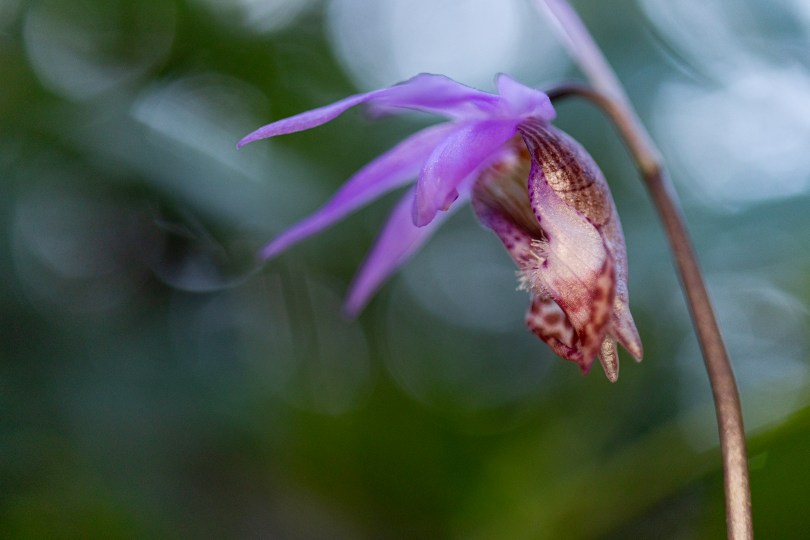
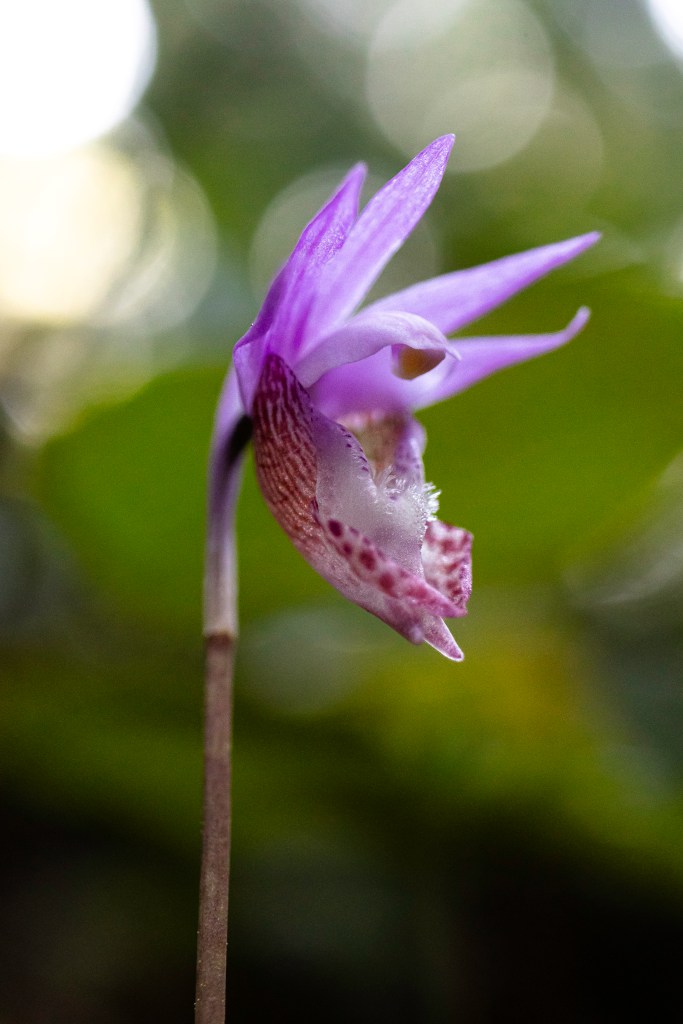
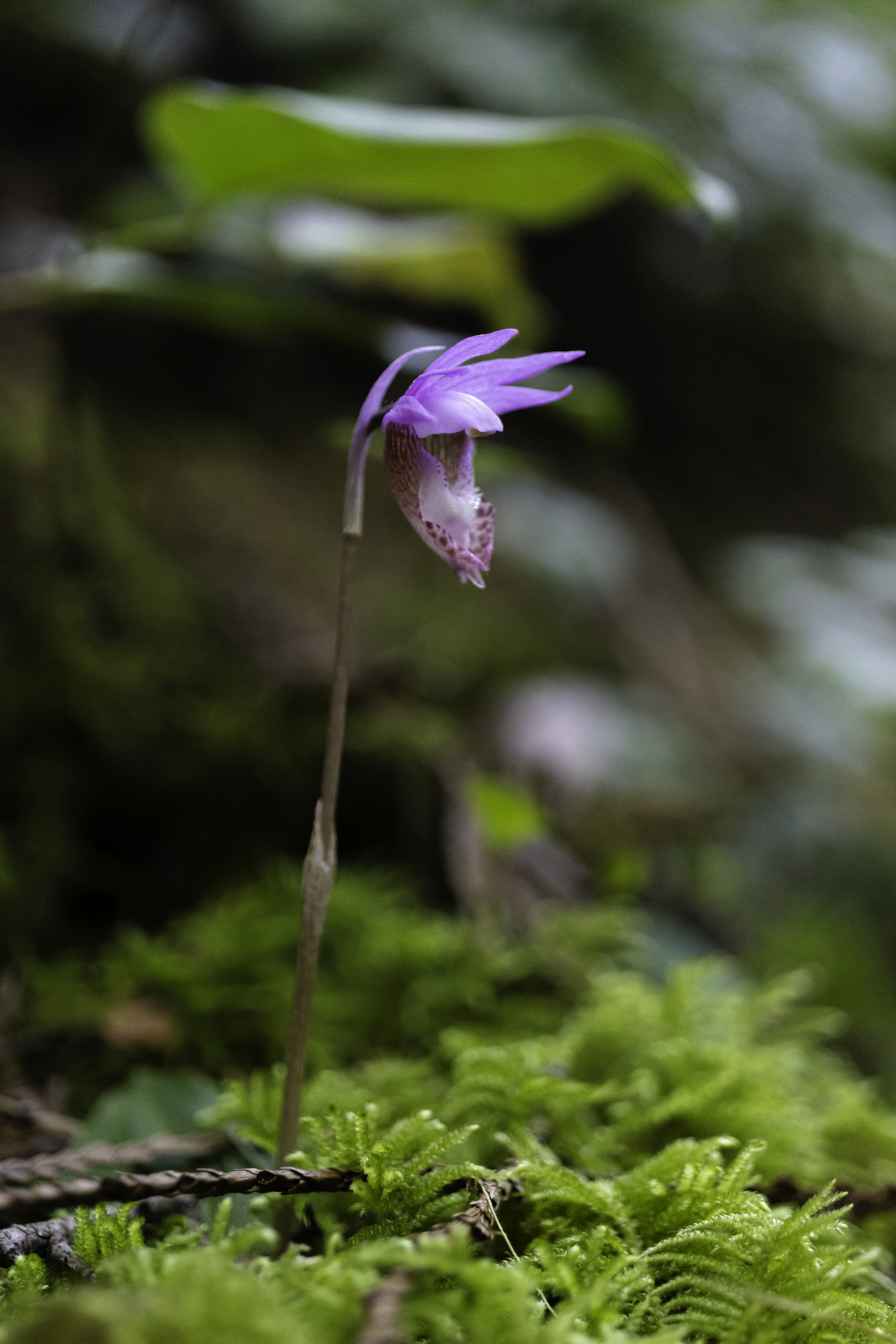
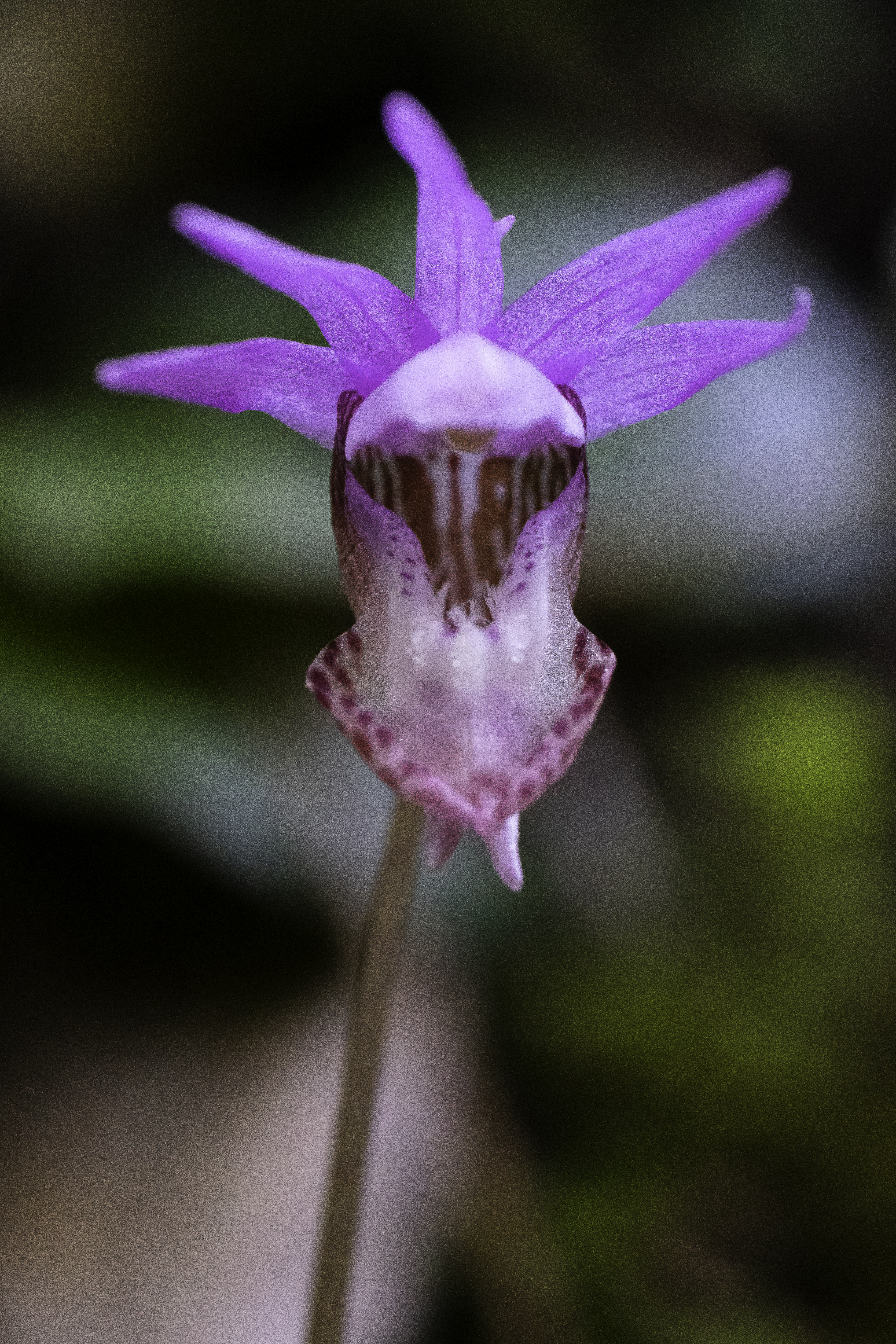
Calypso bulbosa, the sole member of the genus Calypso. Commonly known as fairy-slipper, photographed is the western variation of the orchid species photographed in Olympic national park.
The orchid is globally secure but rare in some states. As its name suggests, it is a tuberous orchid spreading underground. A small orchid, its beauty is best experience up close and personal!
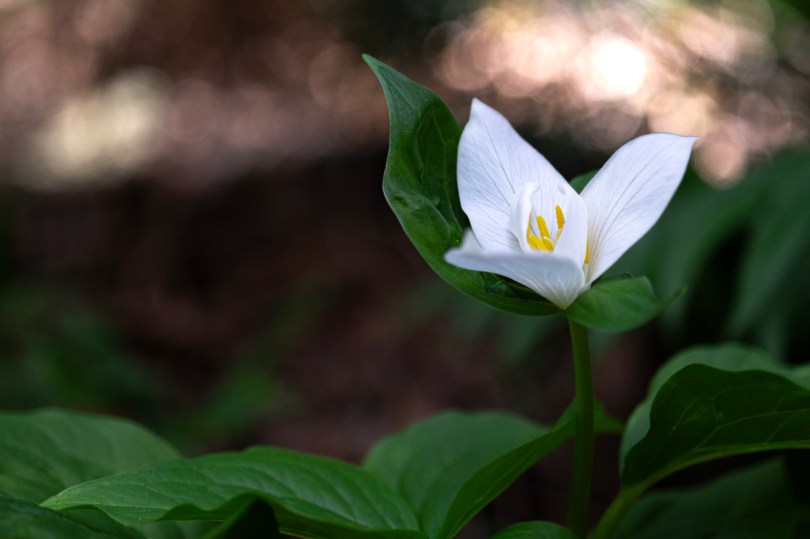
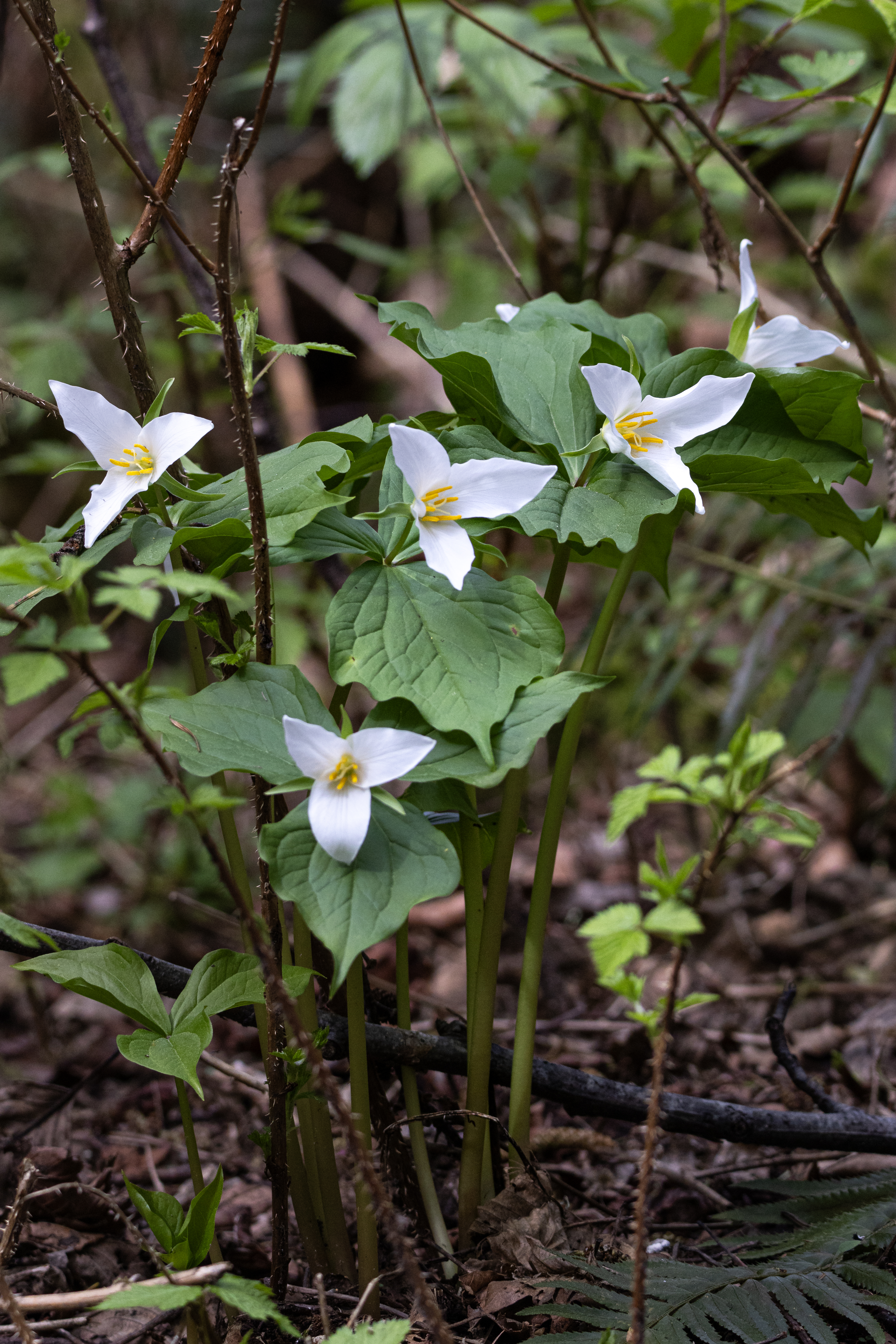
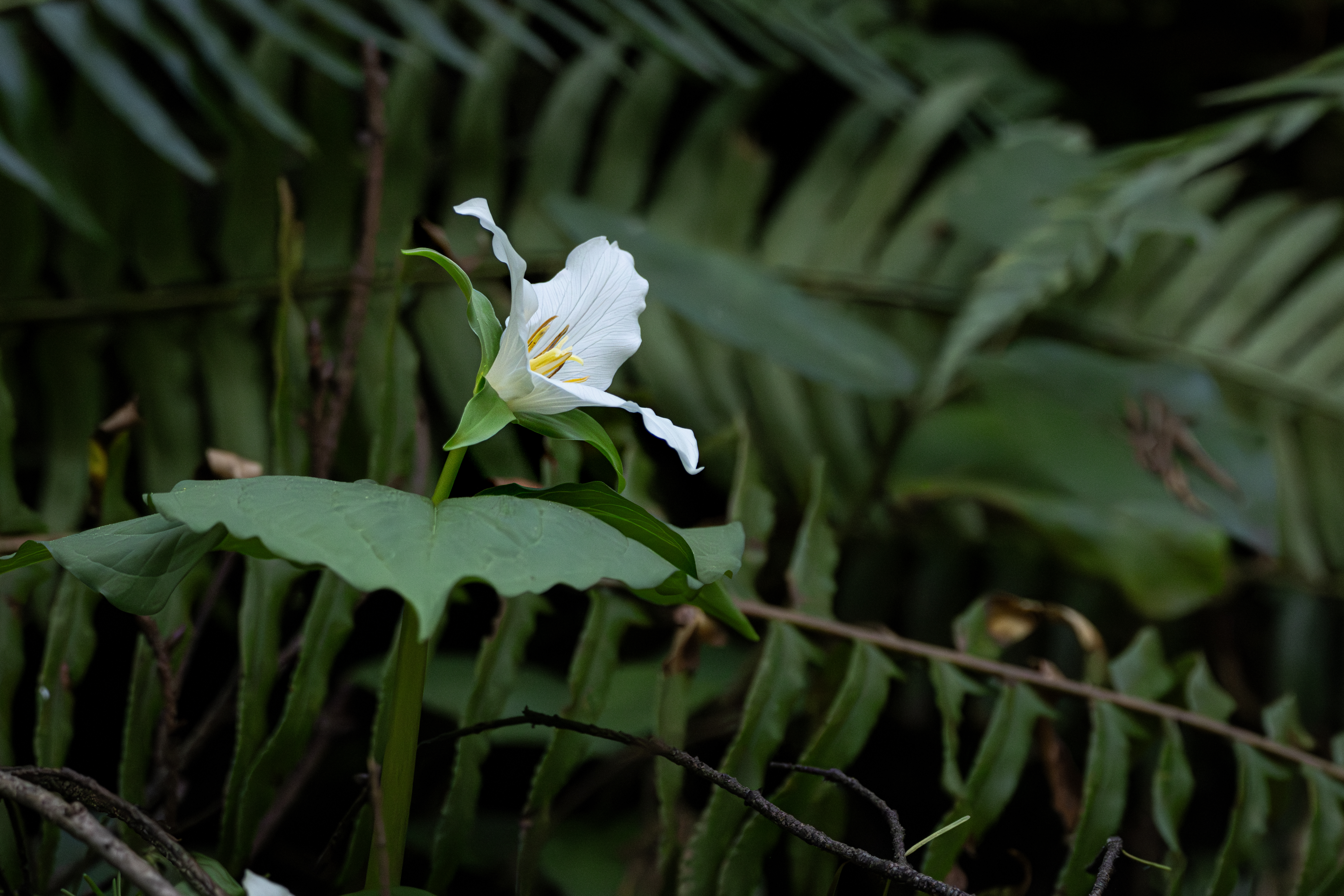
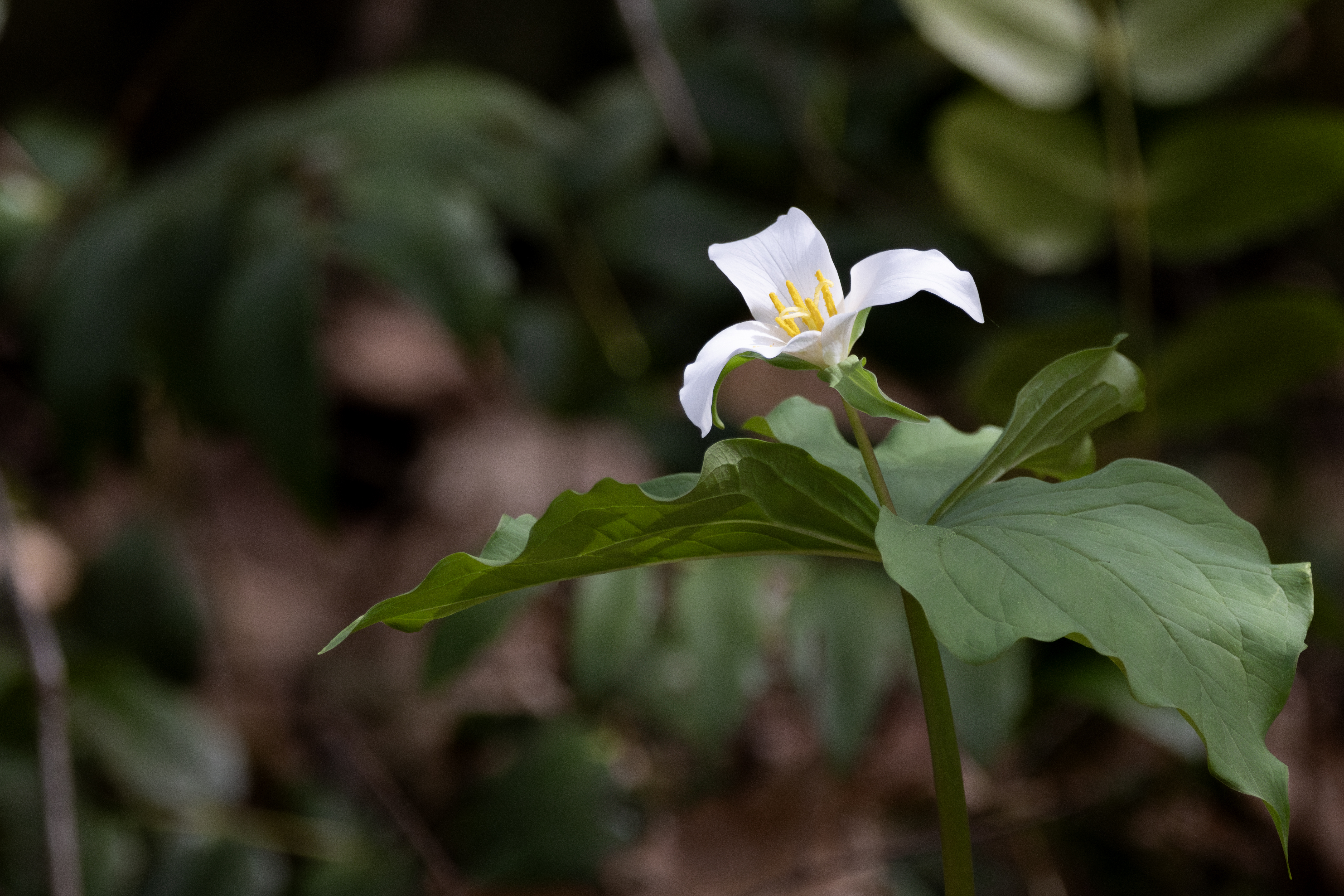
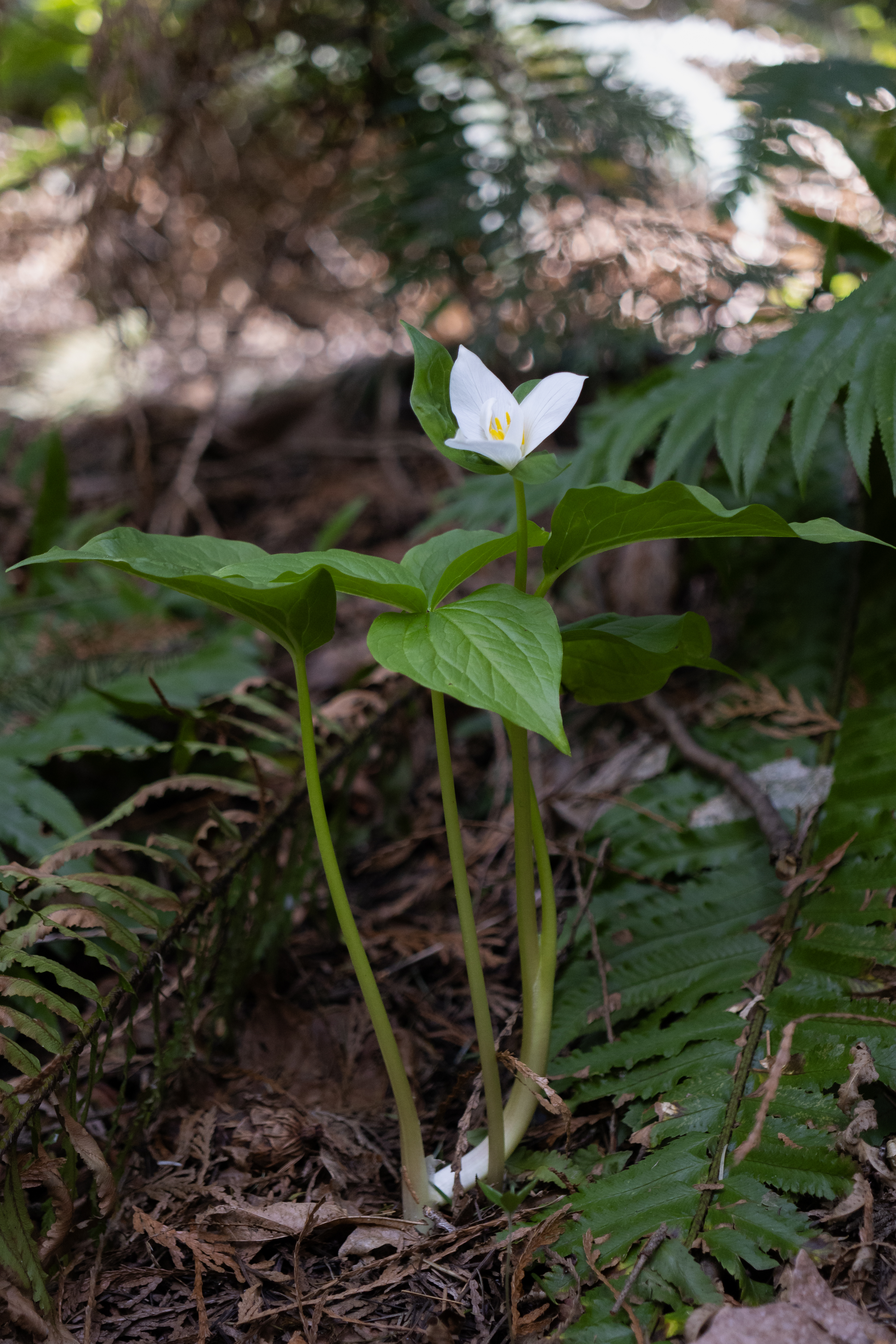
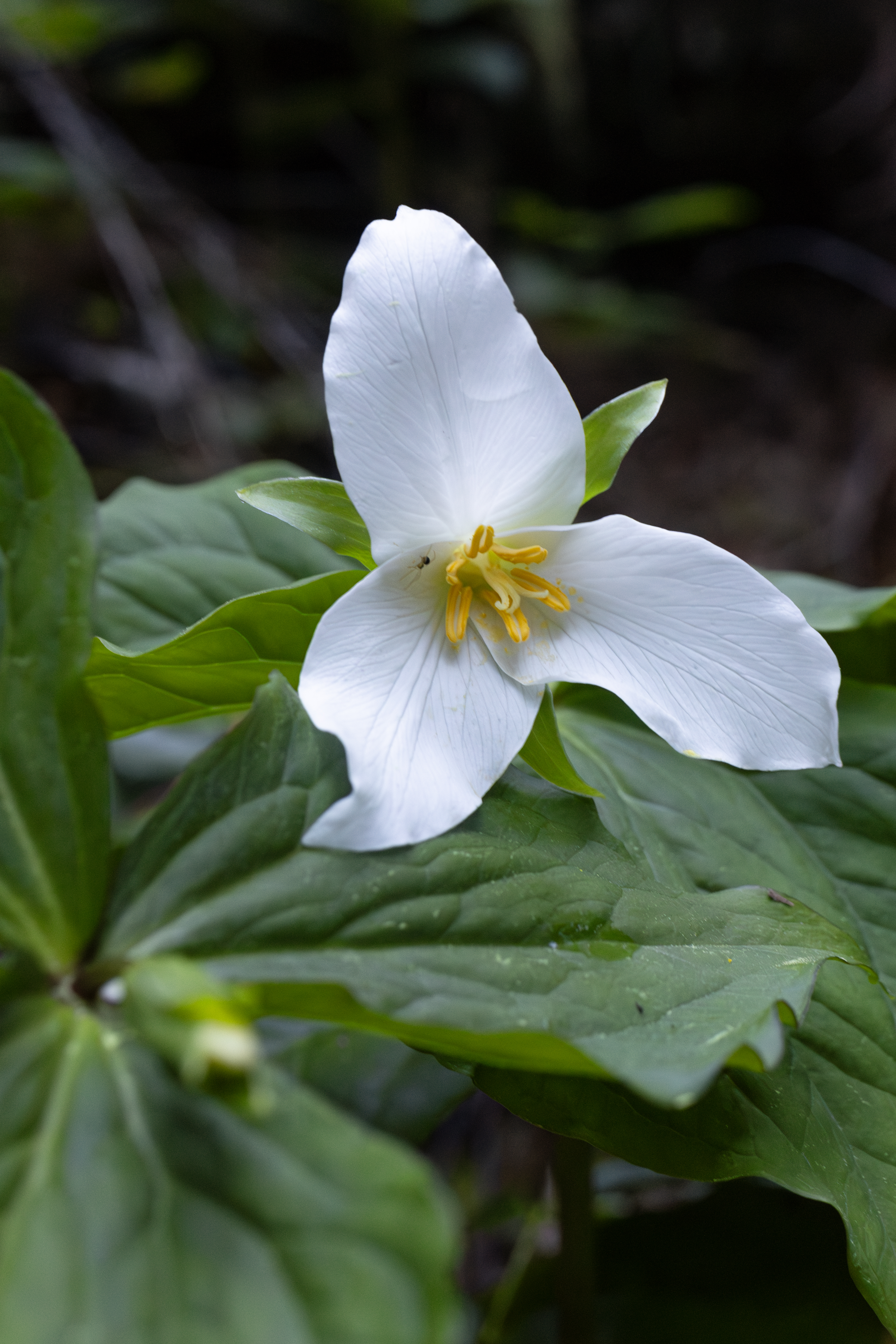
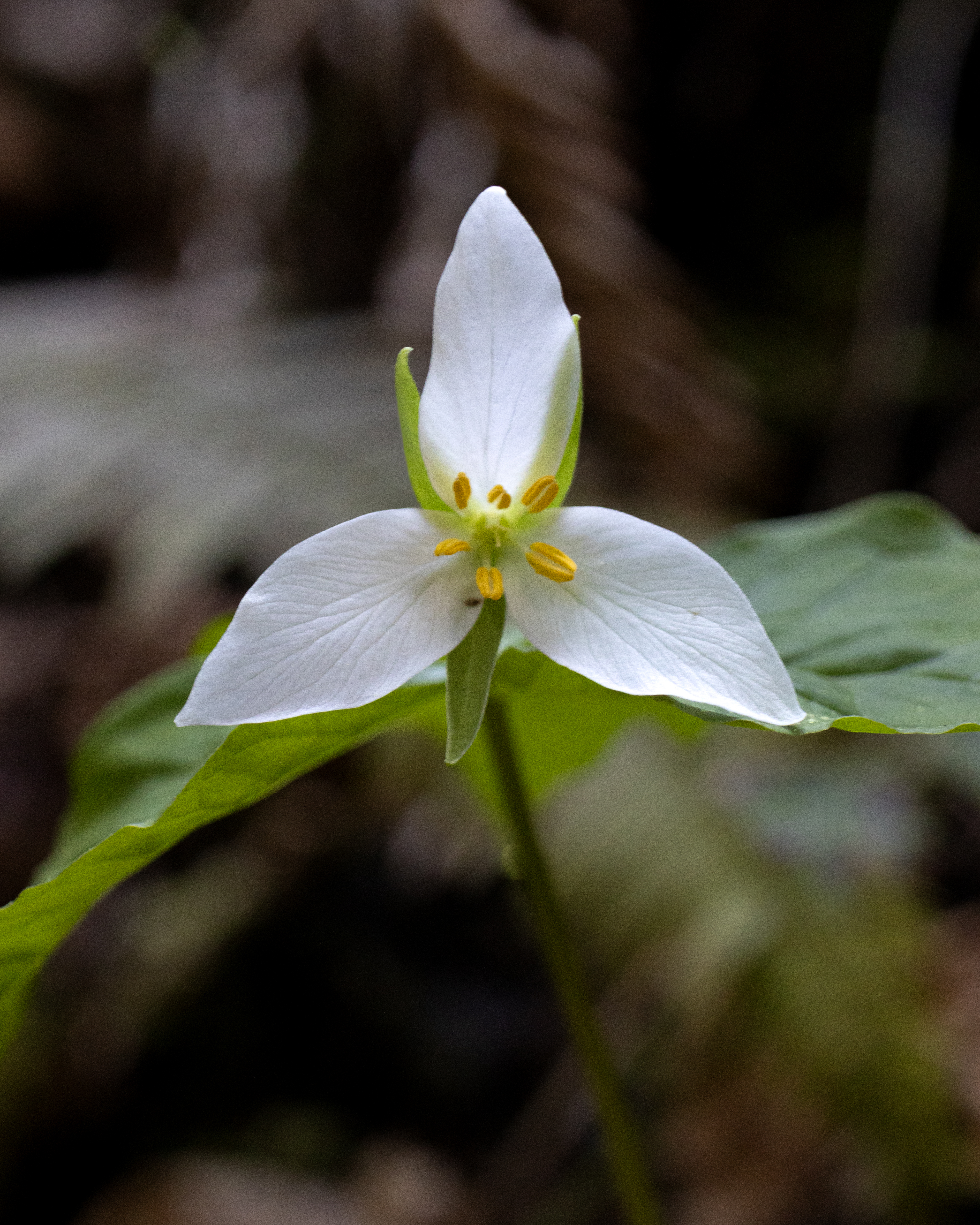
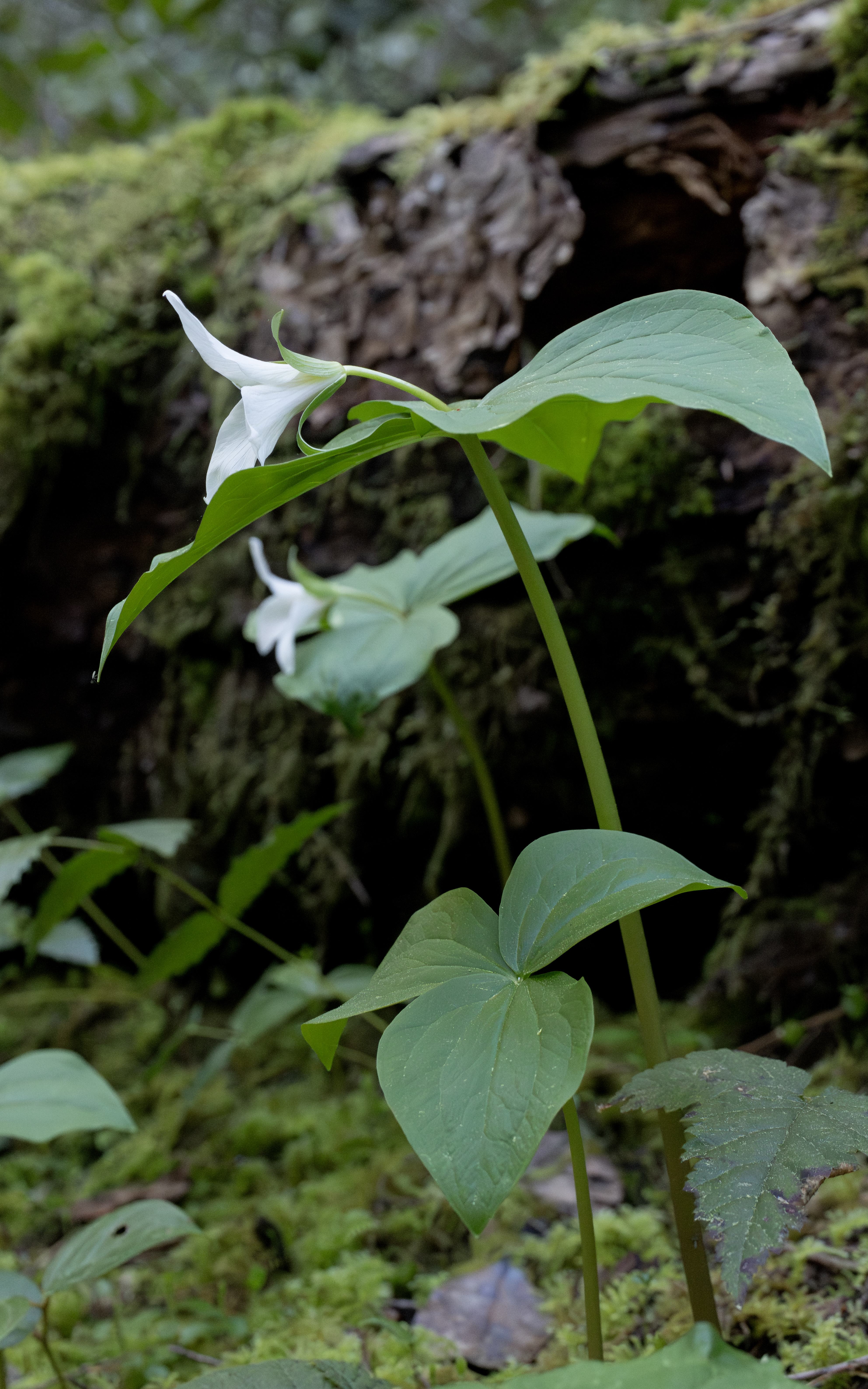
Trillium ovatum, also known as Pacific trillium or western Trillium, is a widespread trillium species abundant in Western North America. Its flowers are nearly indistinguishable from T. grandiflorum, with which it is closely related. Thankfully, they have distinct natural ranges and can easily be told apart from where you encounter them!
Western Trillium is a perennial herb spreading through underground rhizomes, preferring to grow in shaded forests.
Life cycles of Trilliums are quite interesting, as they take a long time to reach maturity. From wiki –
“The life-cycle stages of T. ovatum include a cotyledon stage, a one-leaf vegetative stage, a three-leaf vegetative (juvenile) stage, a three-leaf reproductive (flowering) stage, and a three-leaf nonflowering regressive stage. An example of the latter involves a transition from the three-leaf flowering stage to a three-leaf nonflowering regressive stage.”
In the previous years, I have seen many Trillium plants, most either past floewring, or too young to flower. Seattle finally broke my Trillium curse, and how!
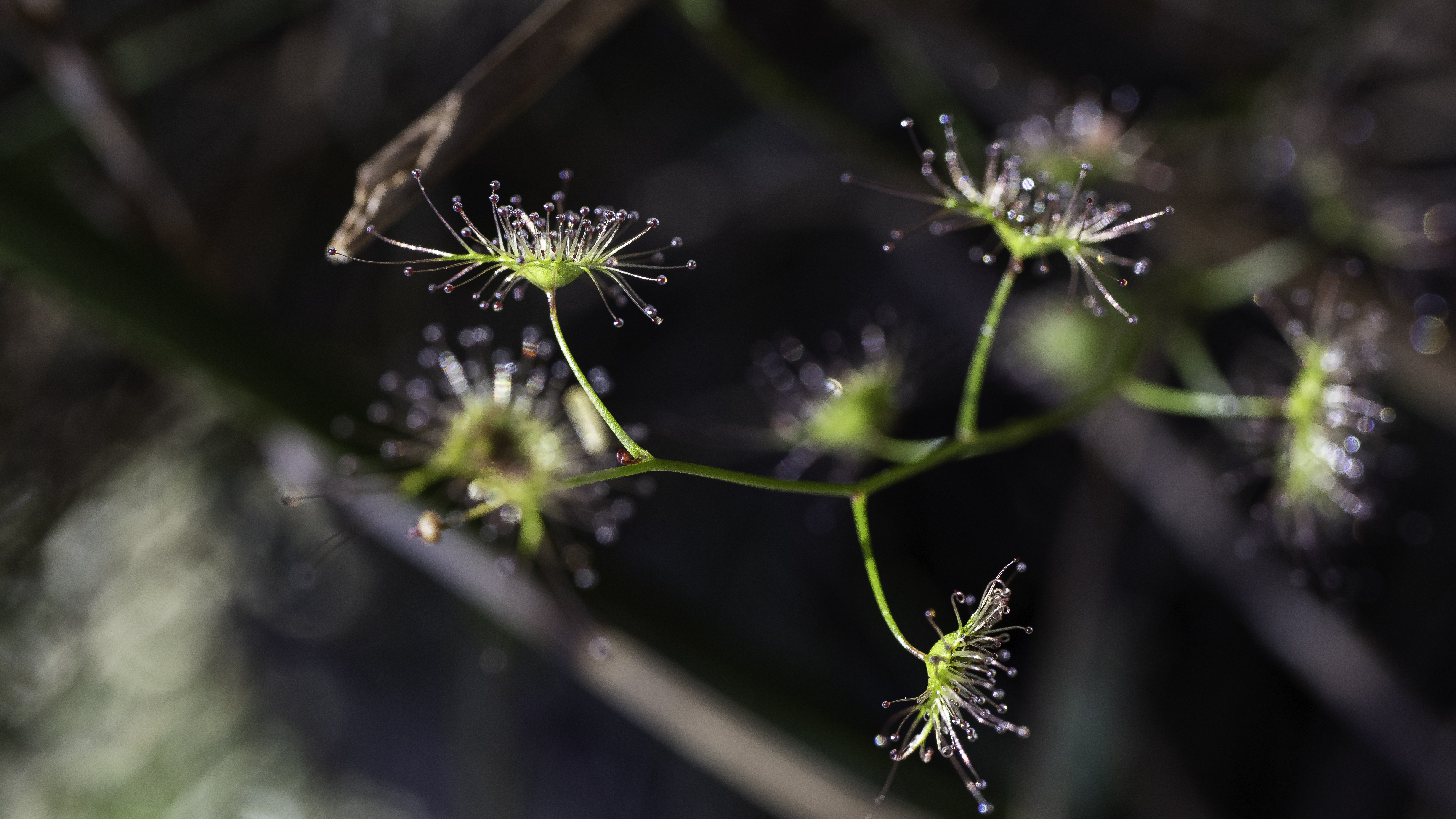
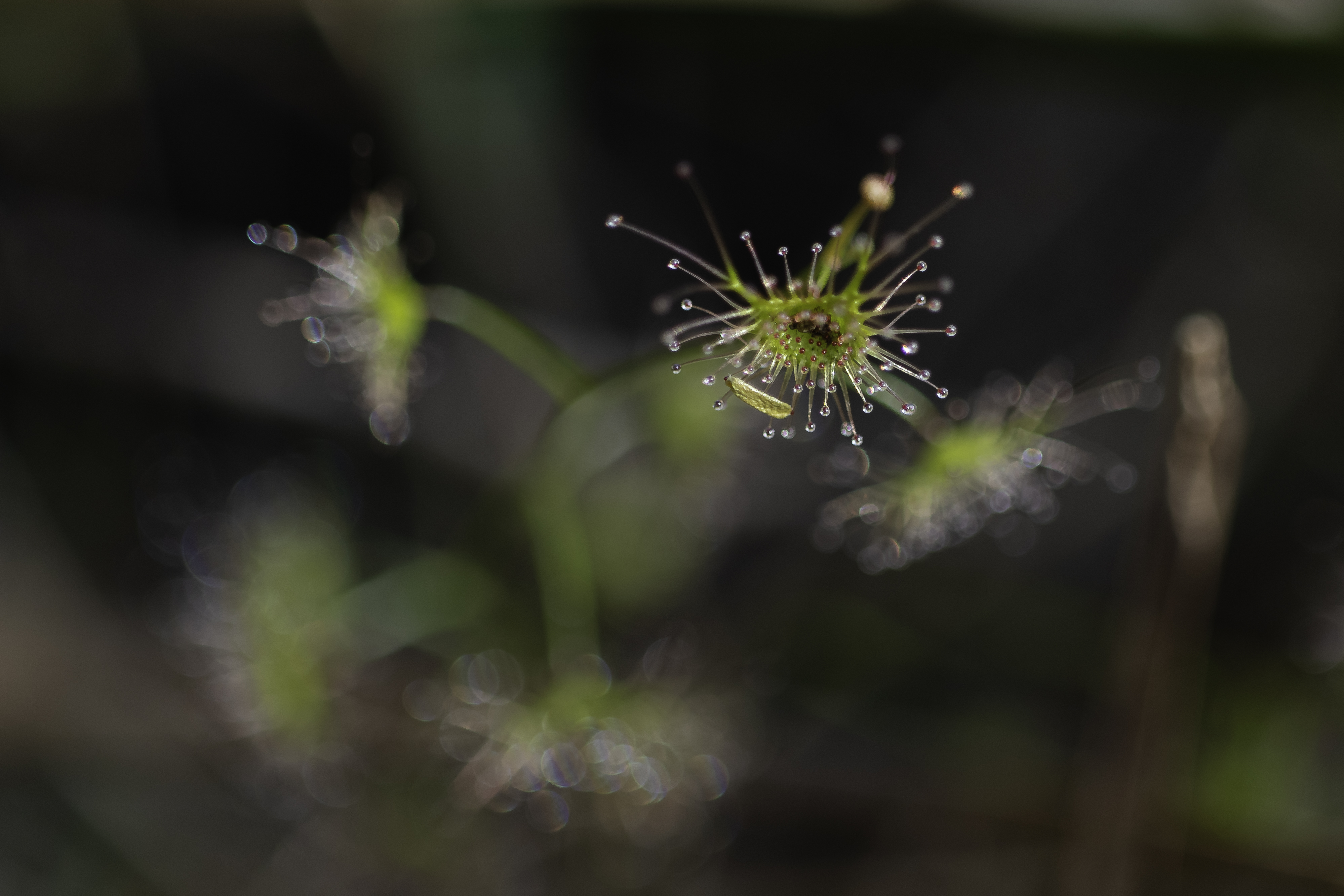
One species stands tall in the vast realm of carnivorous plants. Meet Drosera auriculata, commonly known as the Tall Sundew, unlike other drosera species that grow in low-lying rosettes. This captivating carnivorous plant has earned its name for its impressive height.
Tall sundews are recognized for their slender, elongated stems that can reach remarkable heights, often standing above other sundew species. The species can be found in both dry and damp places in Australia. The spot where I observed this species is the driest area I have ever seen a sundew in!
Like many sundew species, the tall sundew relies on both its sticky leaves, and a trigger response that envelopes the prey as it gets digested. A characteristics that is also utilized by its closely related species, the famous Venus-Fly trap! Below we see close-ups of leaves and their prey.
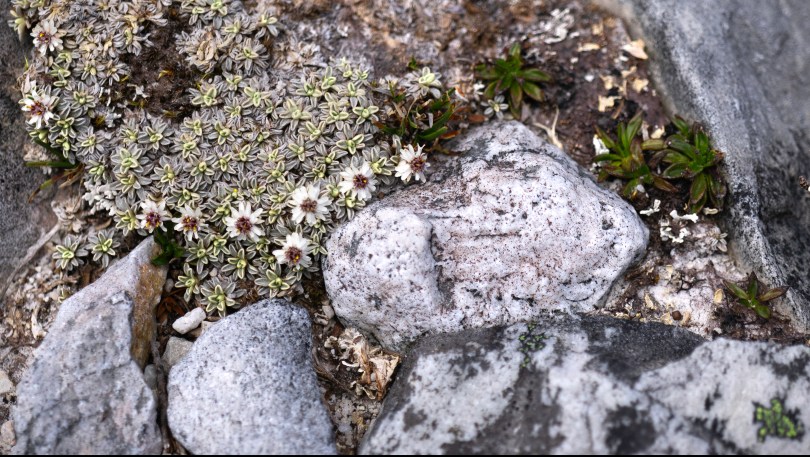
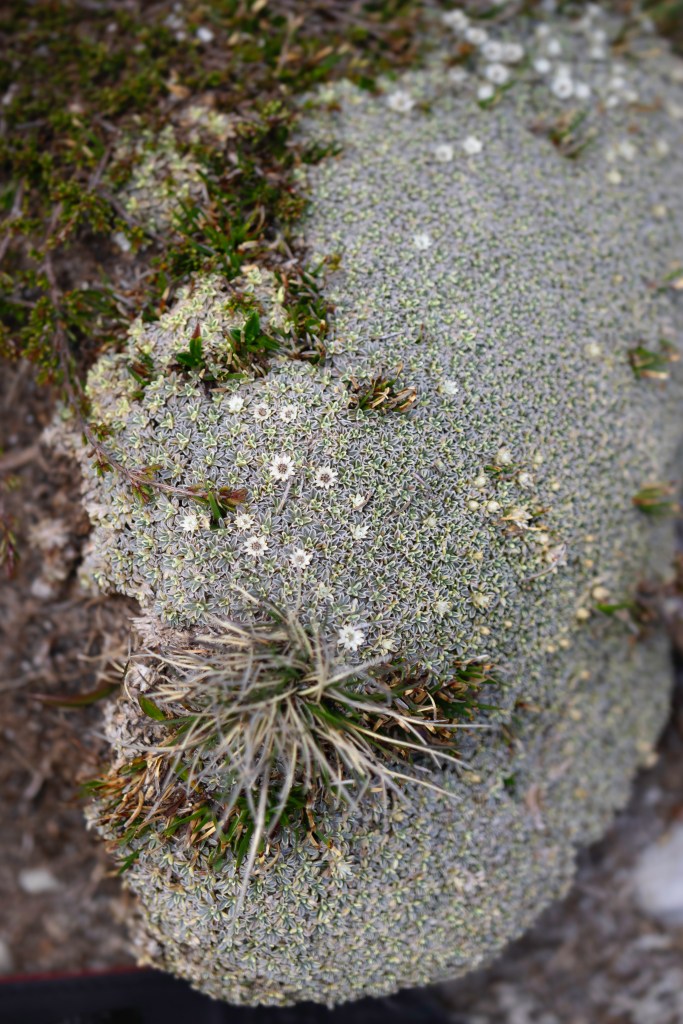
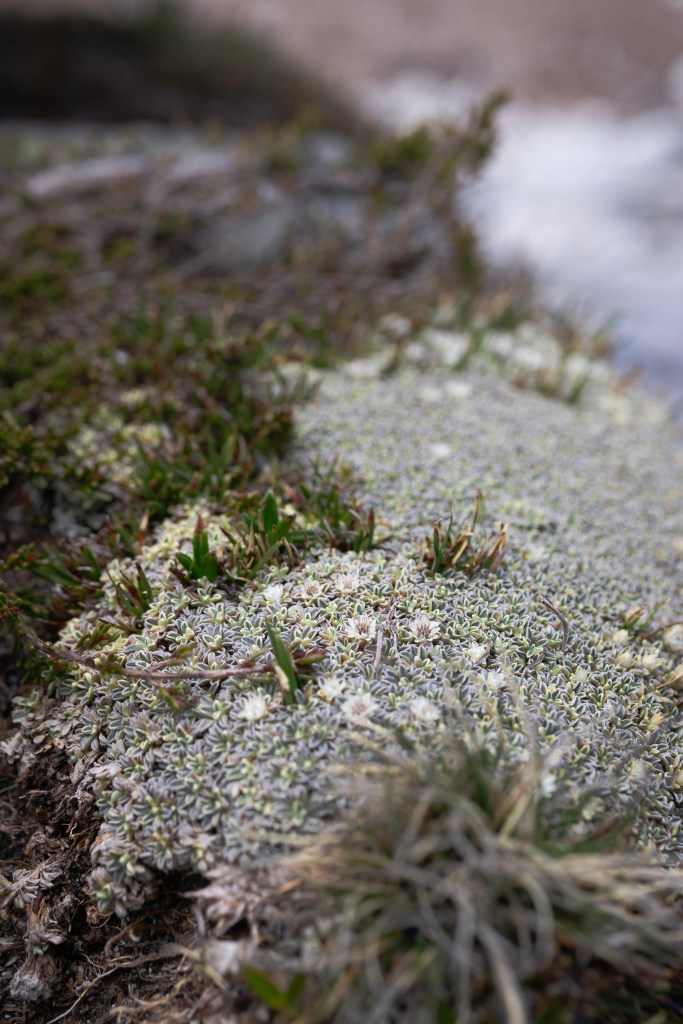
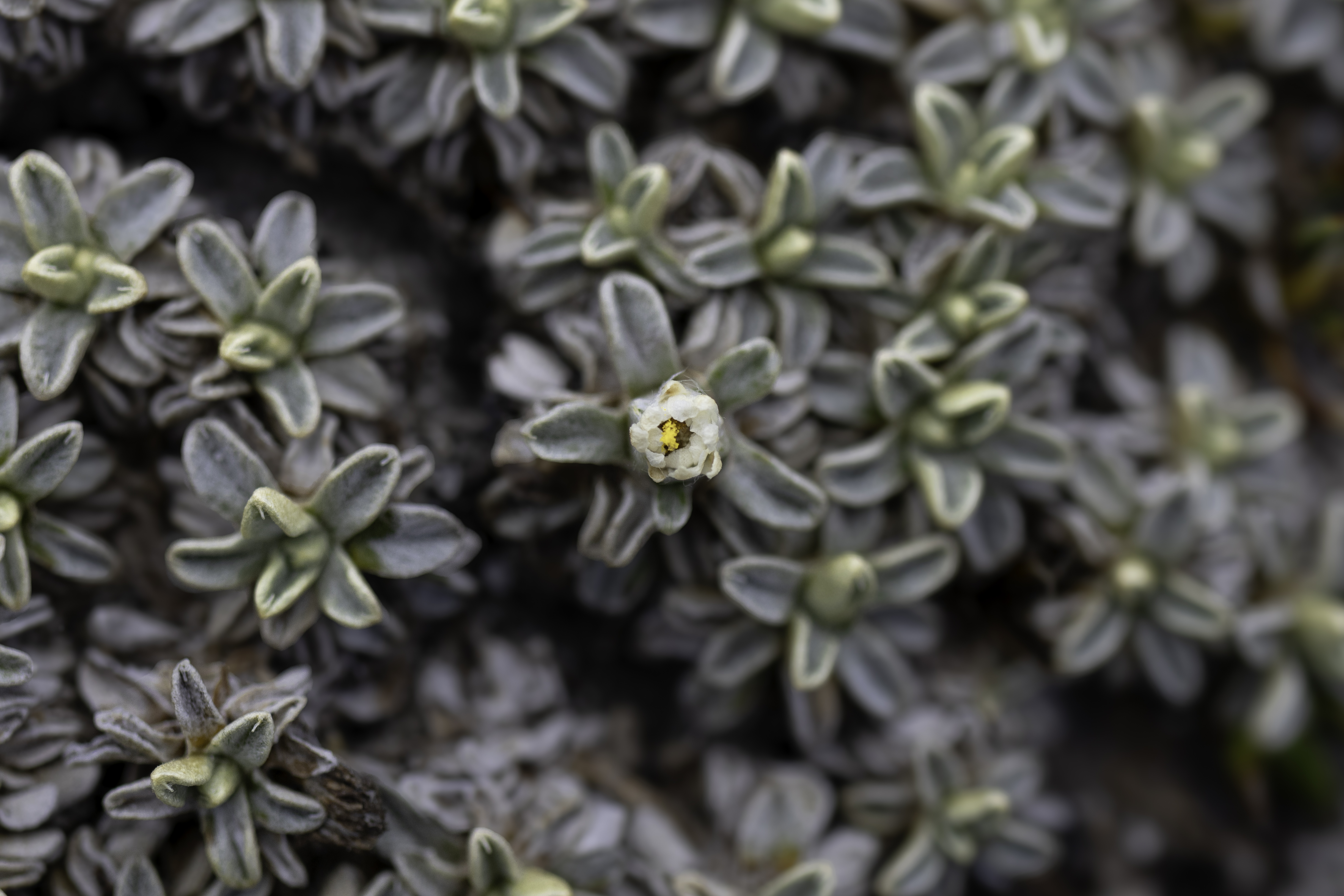
Now and then, you meet a plant that genuinely surprises you with its resiliency! Ewartia, or cushion plants, endemic to Tasmania, are compact, low-growing plants that form tightly packed stems. They grow hemispherical, which is characteristic of cushion plant species. It can spread a meter in diameter, creating adventitious roots along its branches! Tasmanian cushion plants evolutionarily converged due to wind activity at high altitudes. High winds blow anything away that grows too tall.
Cushion plants do not form a taxonomic group but describe an excellent example of convergent evolution. Plants growing in harsh environments have evolved similar adaptations of forming compact masses of closely spaced stems. They grow in environments with limited soil formations and low water retention. By developing close to the ground, they minimize wind-based water loss. Because they grow in harsh environments, they have little competition for sunlight and can afford to lose height.
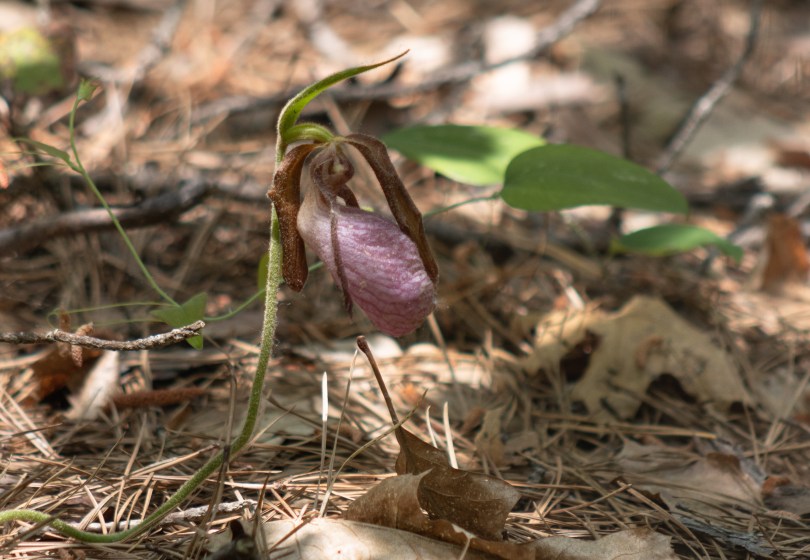
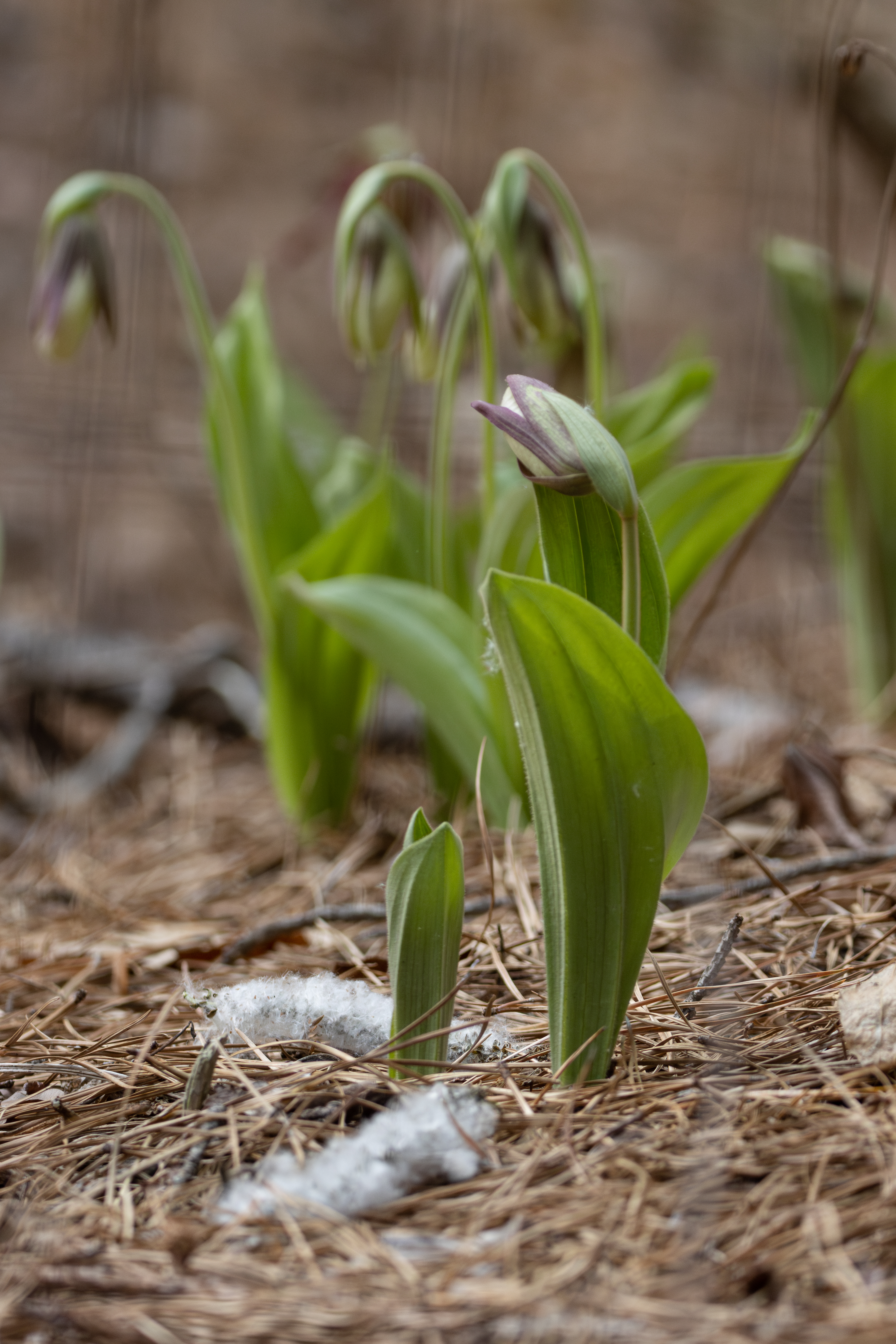
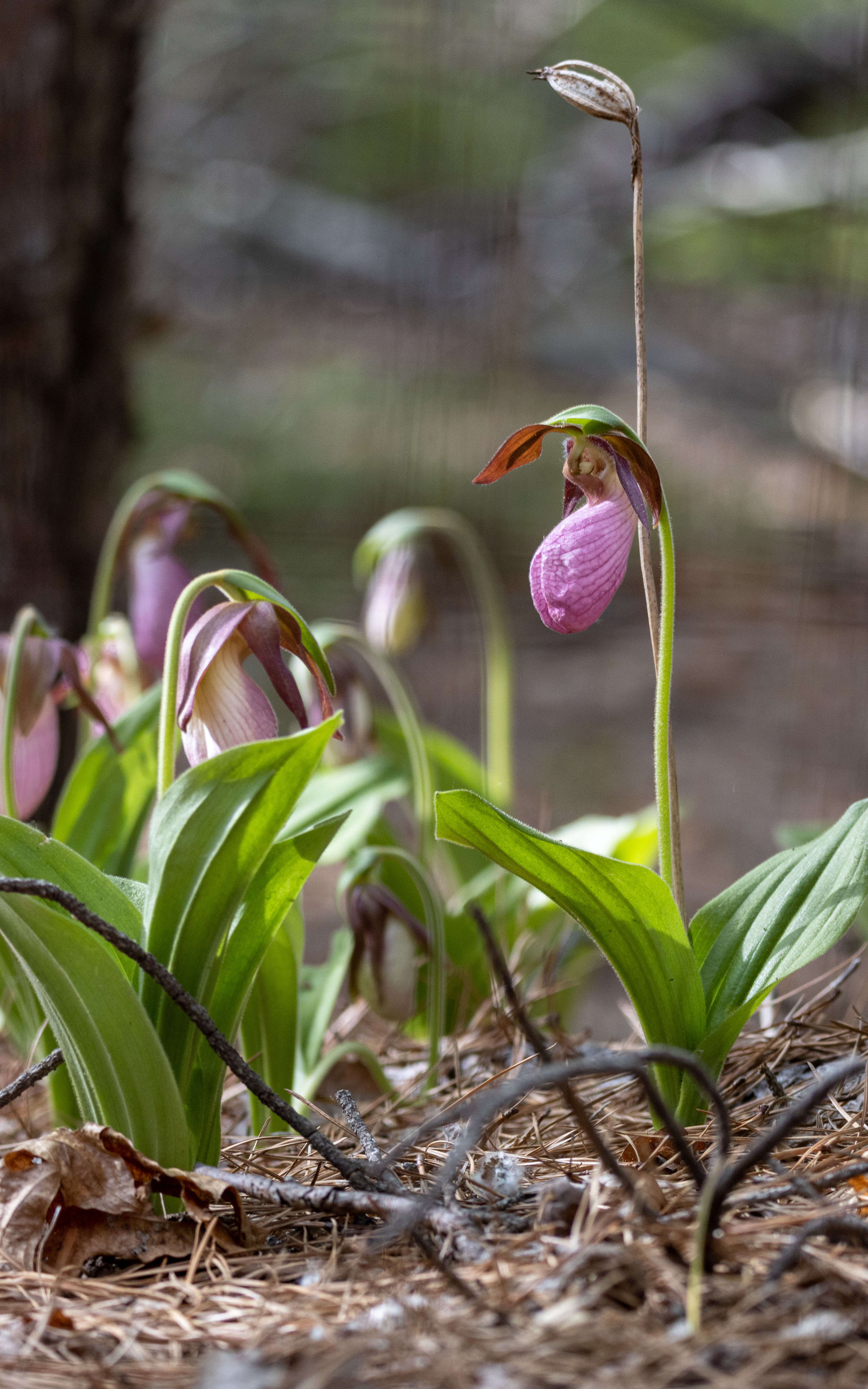
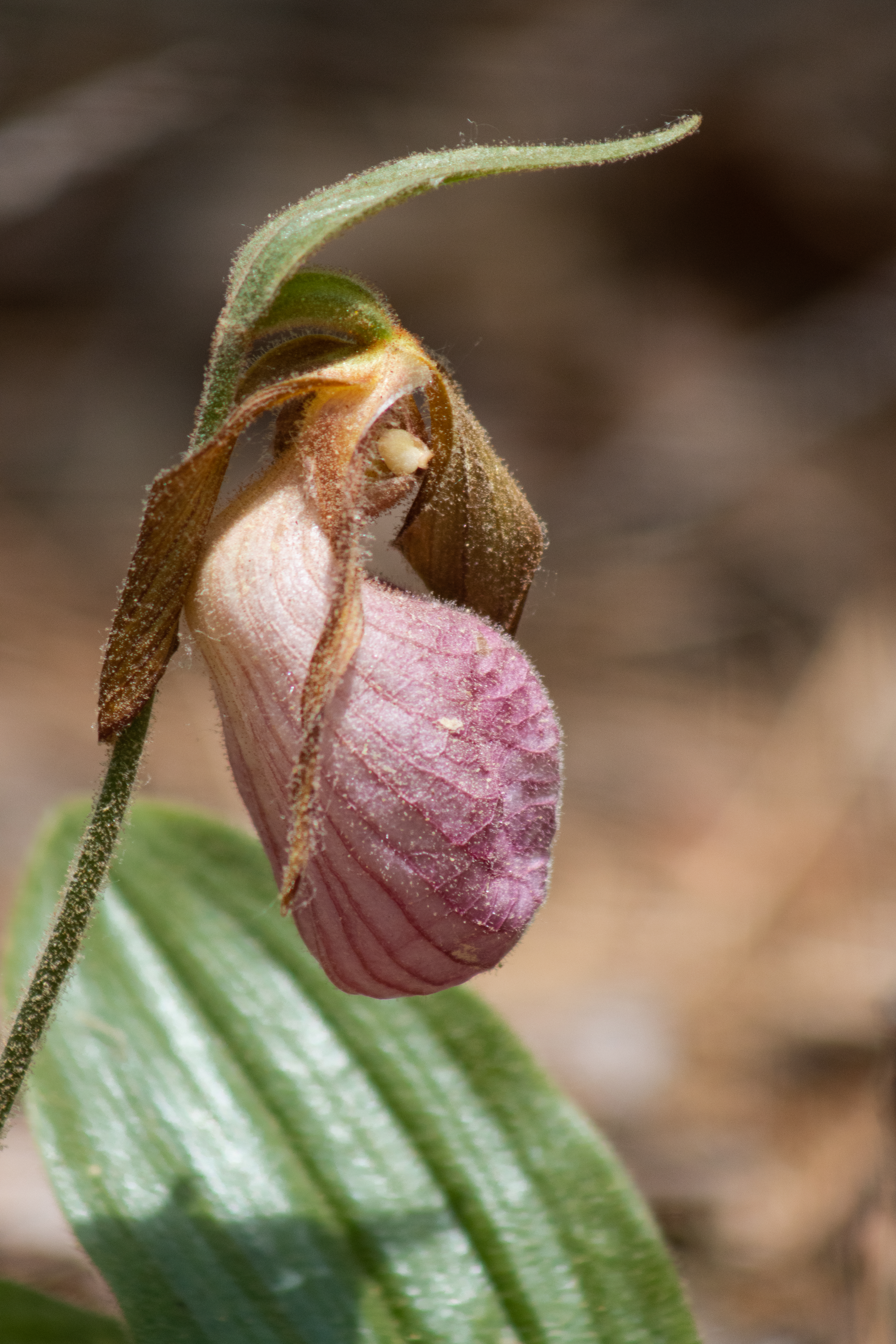
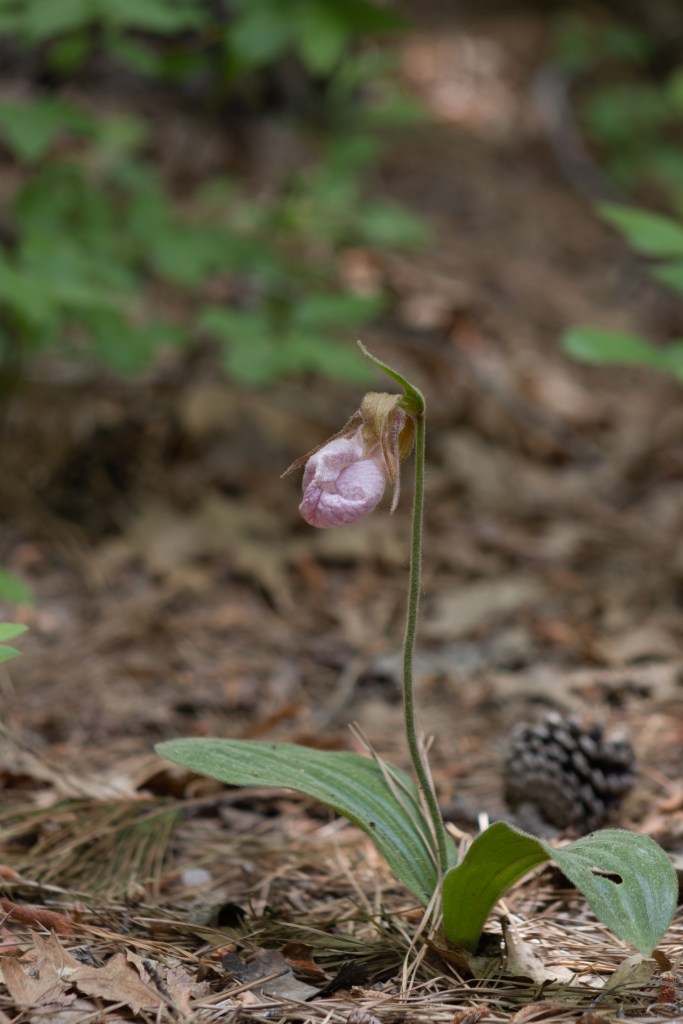
The pink lady’s slipper is a large orchid native to much of north Eastern America. It flowers every spring-early summer and is the most common orchid found in New Jersey. Despite their relative common occurrence, their numbers are threatened by habitat loss and illegal poaching. If you wish to grow a Cypripedium in your garden, please make sure to buy it from a reputable nursery like Plants Delights.
The Pink lady’s slipper requires acidic soil and tolerates shade and moisture. Like almost all orchid species, it needs the help of fungi species from the genus Rhizoctonia. Since most orchid seeds lack any food for the plant embryo, the fungi strands have to break open and attach themselves to the seed, providing it with the nutrients it needs to start growing. As the orchid matures and produces more energy, the fungi can extract nutrients from the plant.
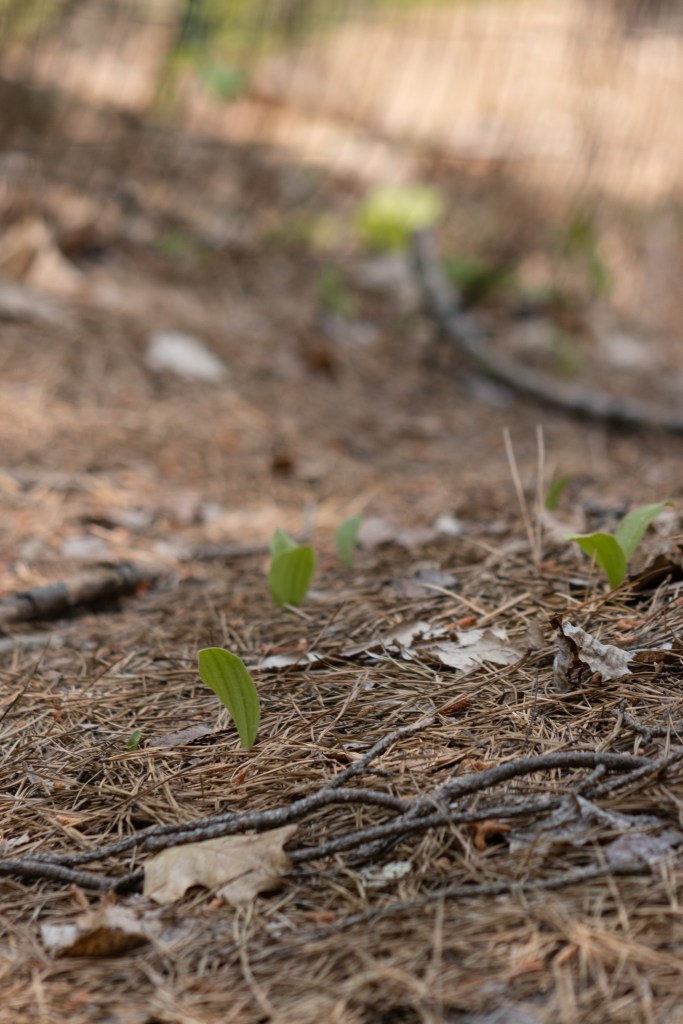
I found a large patch of these orchids growing in a state forest here in New Jersey. They were plentiful and were multiplying. Seen to the side is a patch of young seedlings still too young to flower. In the background, one can make out the fence used to fence in a large patch of these orchids. It’s necessary to fence them in because the growing deer population eats these orchids. Nevertheless, the seeds of these orchids are small enough to have been blown out of the fenced-off area. These orchids were growing in a piney forest beside a Blackjack Oak.
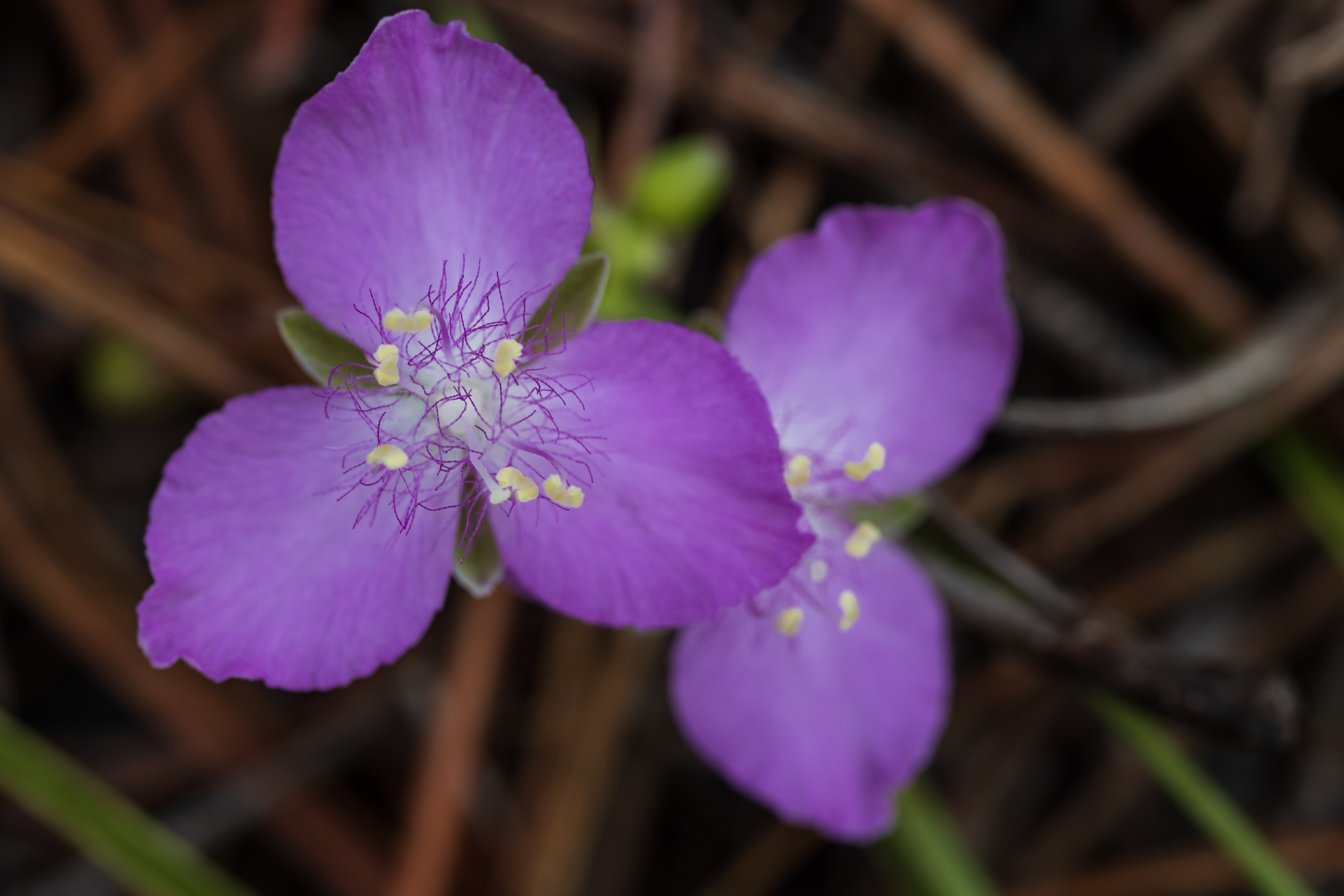
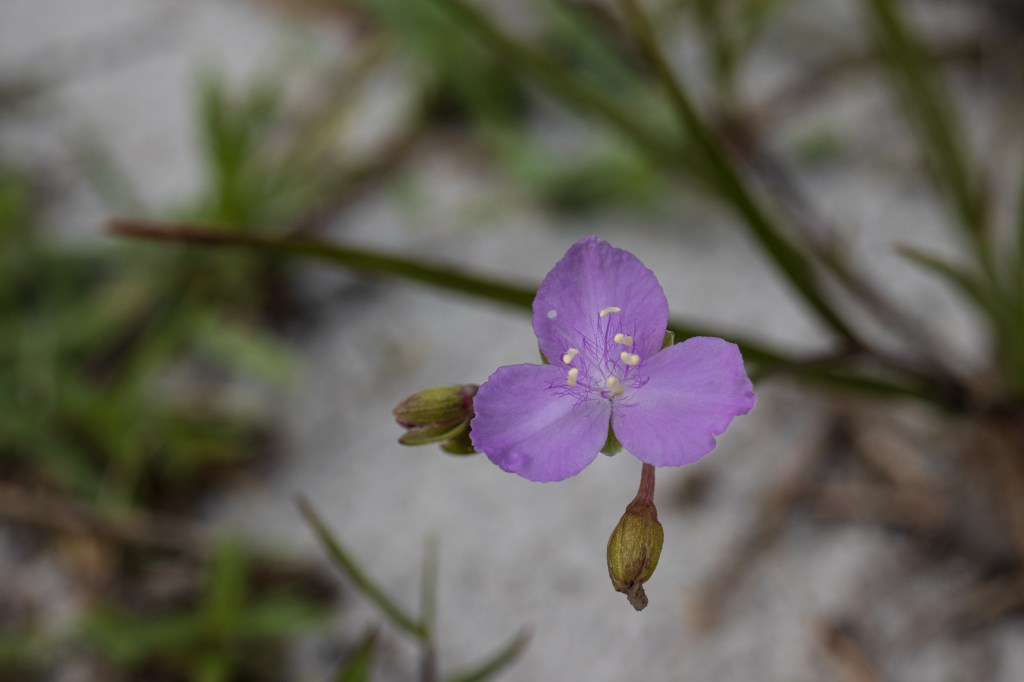
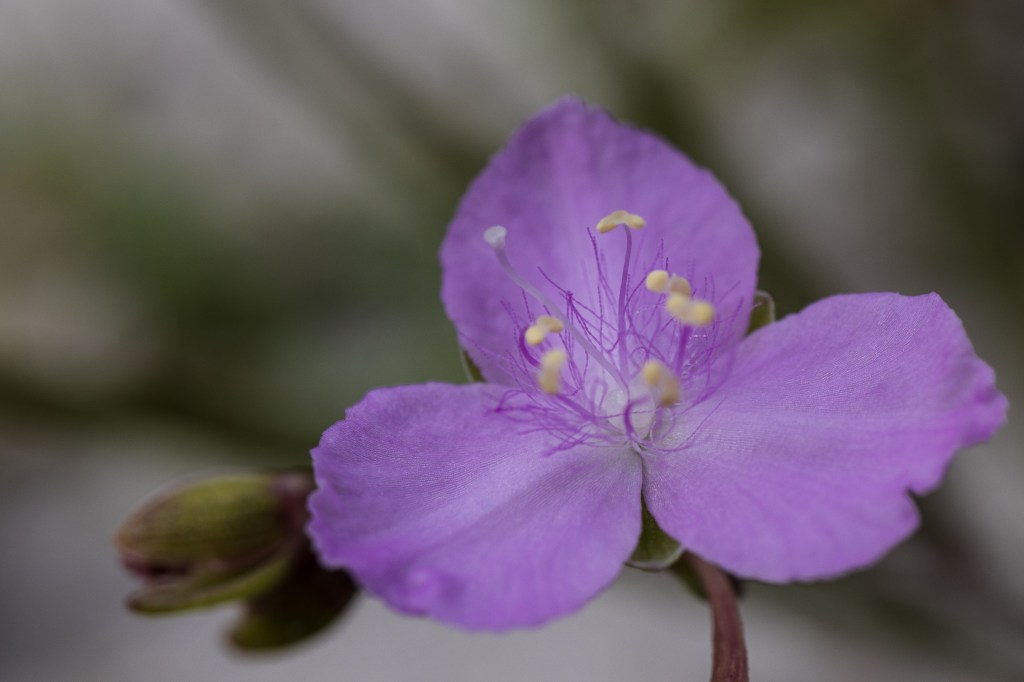
A bit of a throwback from last years trip to North Carolina. Callisia graminea, grasslead roseling is a plant species is endemic to the southeastern United states. It grows in sandy soil in pine barrens and disturbed regions. As the name suggests, it has grass like thin leaves and pink showy flowers.
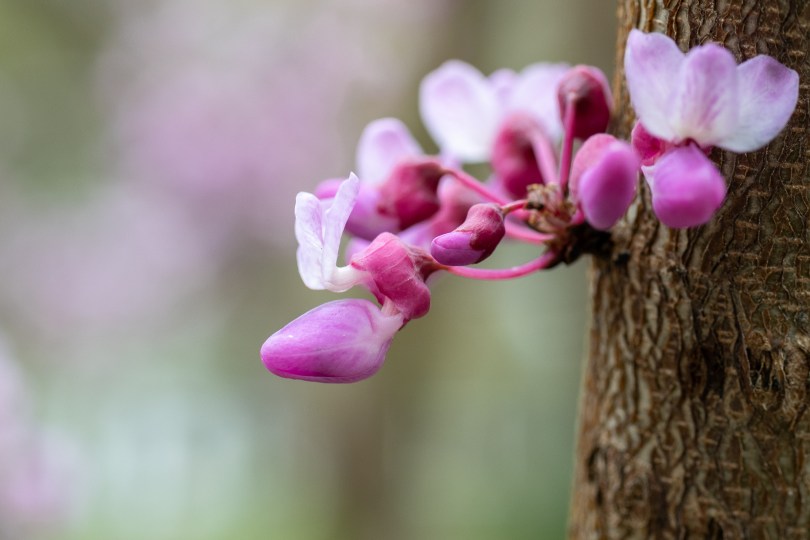
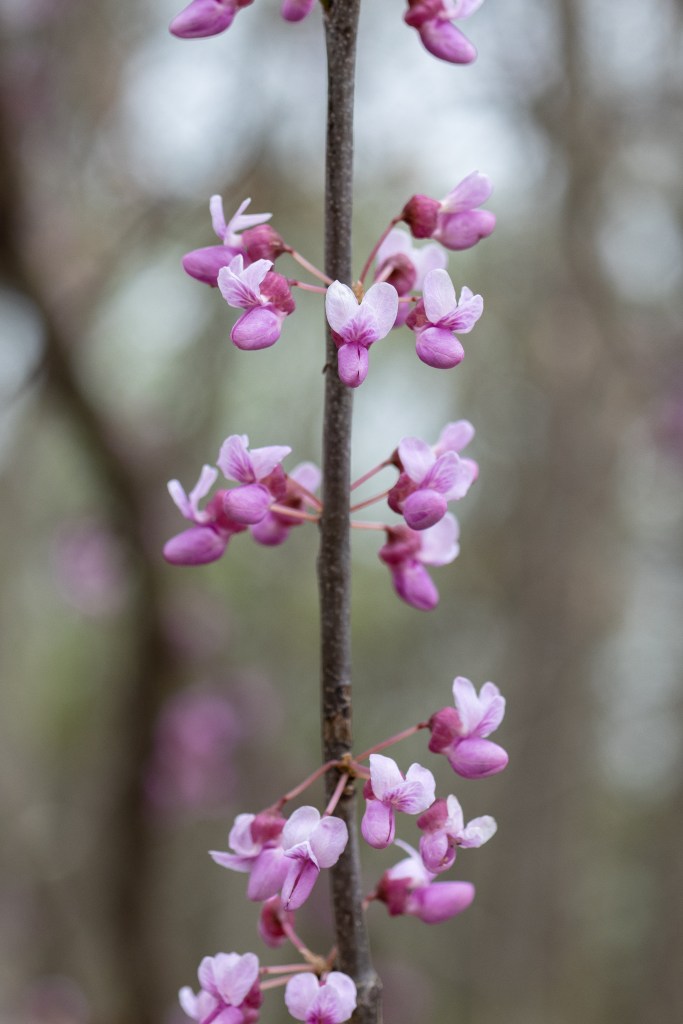
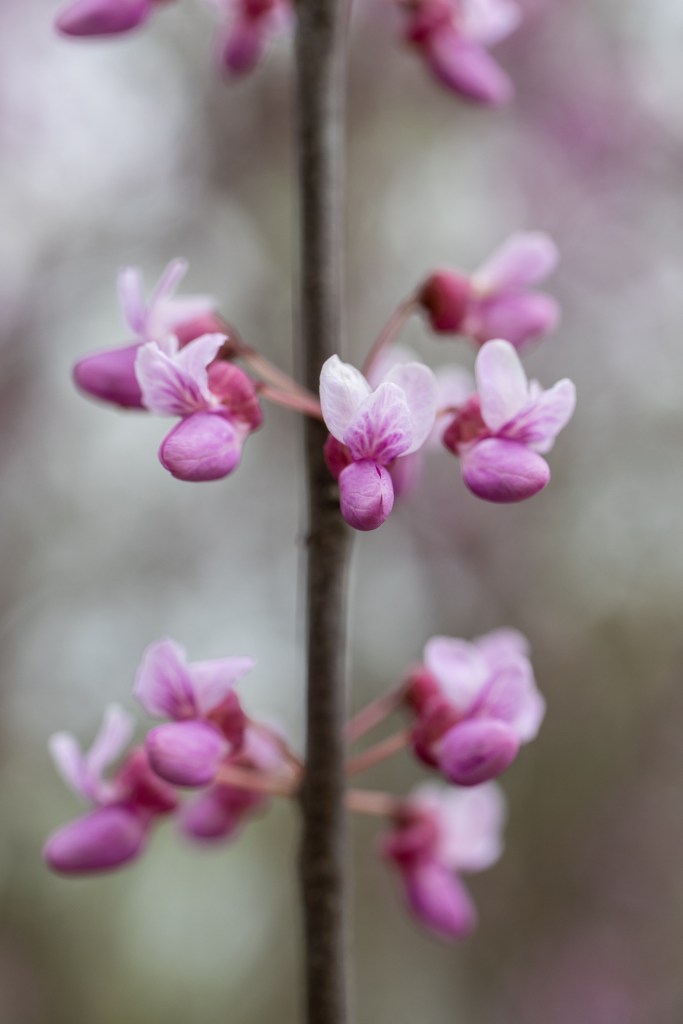
As spring rolls in, the north east is filled with colorful flowering trees. Most of which aren’t native. But one small tree stands out, the redbuds. A native large shrub/small tree, the redbuds are covered in magenta pink flowers that occur in clumps right on the tree branch, or sometimes on the trunk itself. It is pollinated by long-tongued bees.
As the flower shape suggests, the redbuds belong to the Fabaceae family, also known as the pea/legume family.
The showy and long lasting flowers are why this plant is common in cultivation and is used in gardens and homes to add color to their spring gardens. Because its native, it also helps native bee population in the early months of spring and summer.
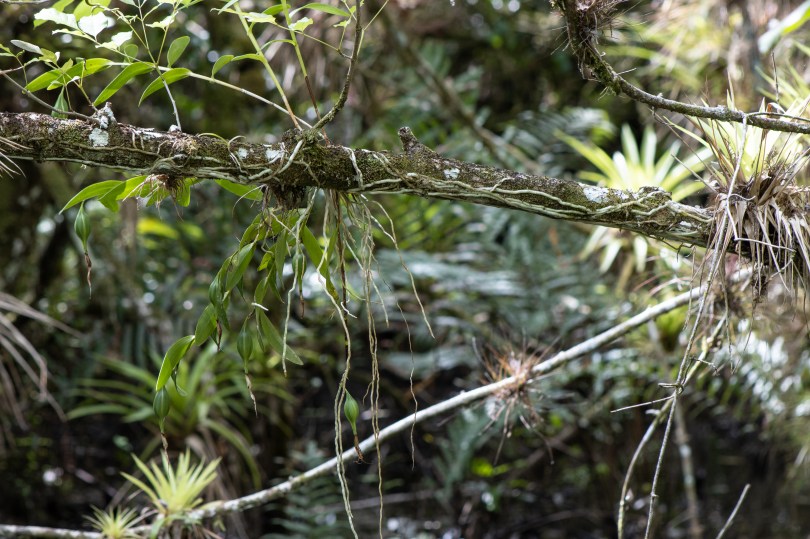
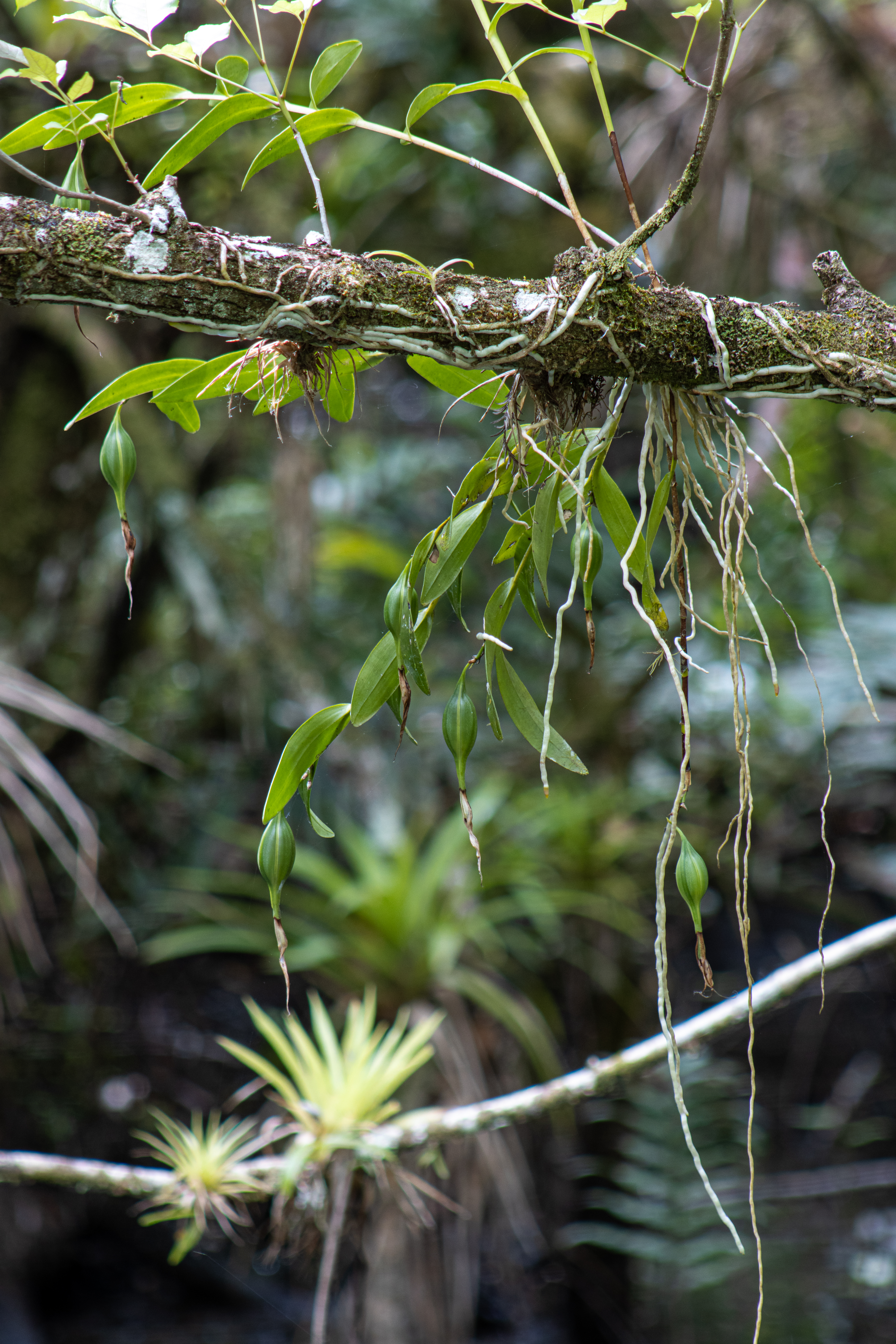
Epidendrum nocturnum, the night-scented Epidendrum, is the largest species of Epidendrum found in Florida. It is more common in Central America and the west indies.
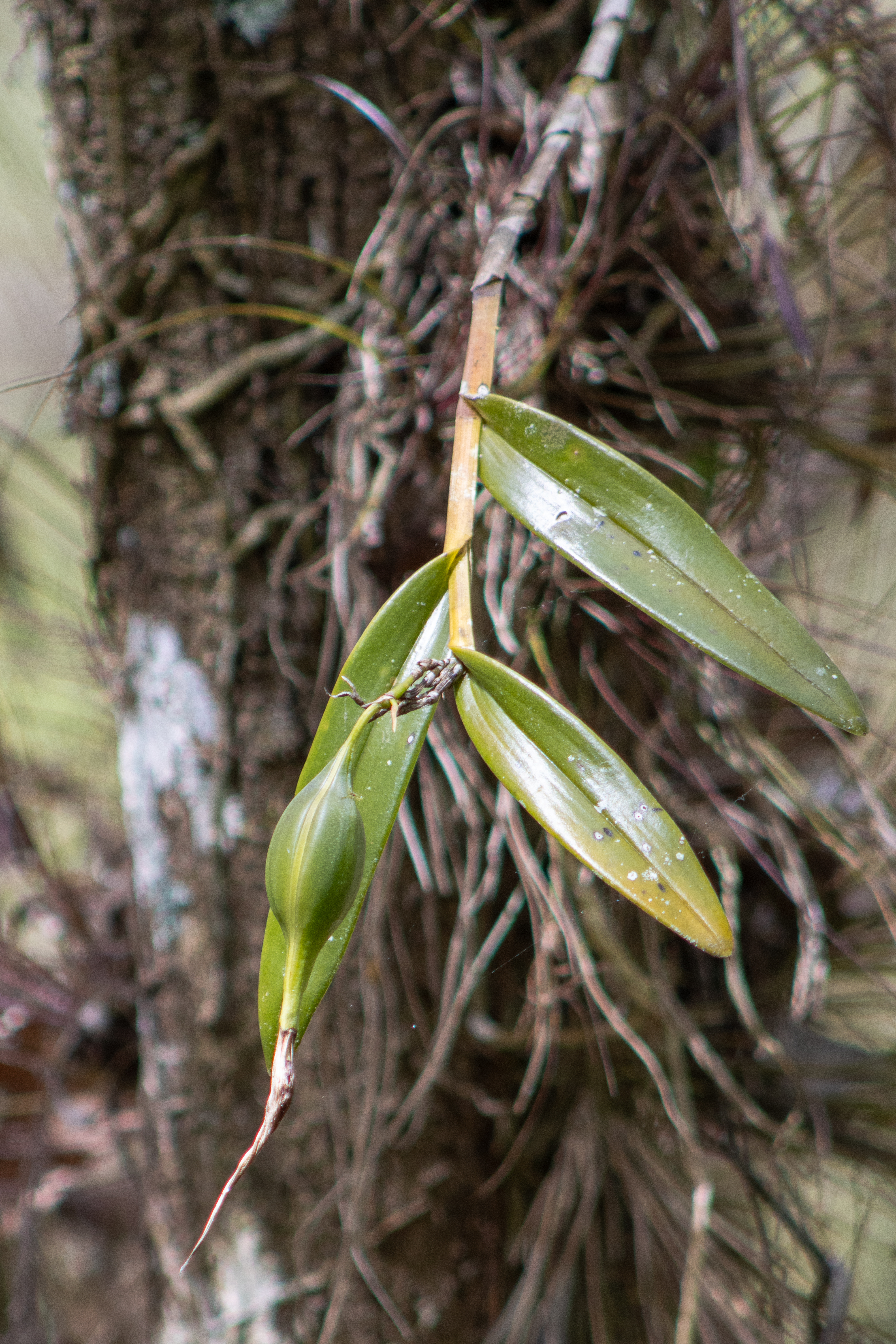
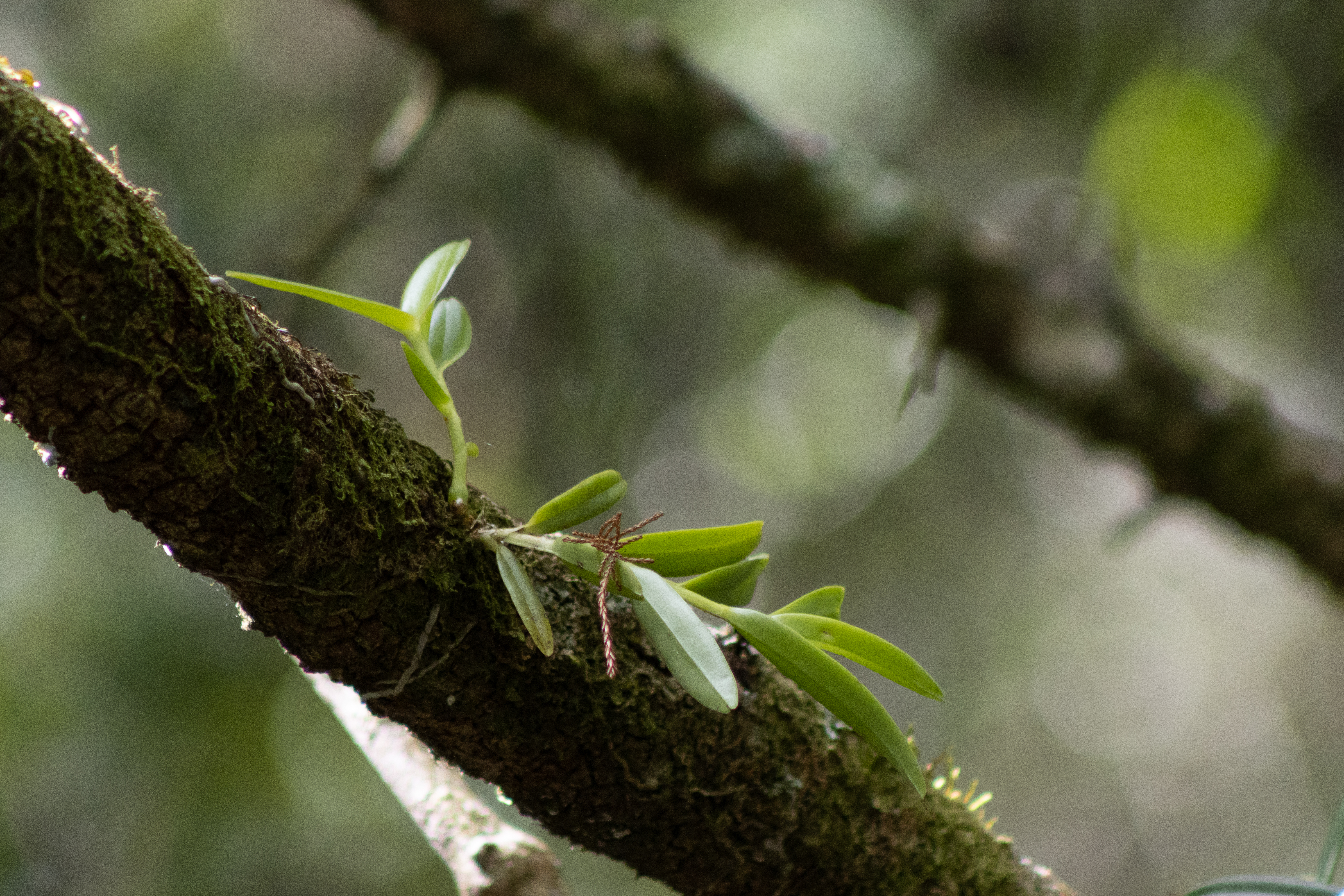
A mature Epidendrum with multiple seed pods. If you look closely, you can see a seedling of a different orchid species in the middle of the branchAn orchids first seed pod.
This orchid is very rare in Florida but is globally secure. In Florida, if you know where to find it, it is locally common, but due to habitat destruction, it is endangered in Florida. The flowering period is July-January, but it can flower all year long. Most of the flowers never even open. As the name suggests, when they do open, they are very fragrant after the sun goes down. Unlike most orchids, the night-scented Epidendrum can self-pollinate and does not require insect pollinators. It is also common in the orchid trade.






 Exploring Free Green Cascadia