Sea Otters (Enhydra lutris)

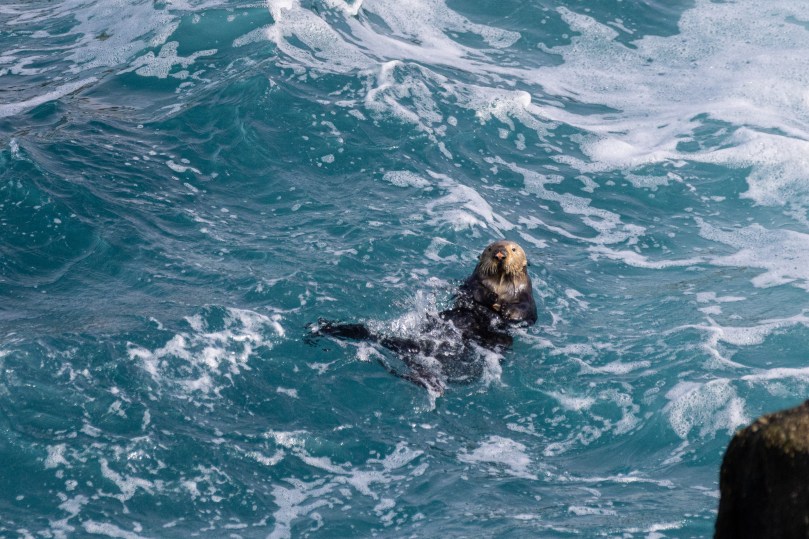
Along the picturesque shores of the Bay Area in California lives an endangered population of Southern Sea Otters, a keystone species native to the California coastline. Sea Otters help maintain the balance in the vital kelp forest ecosystems by controlling the population of sea urchins that would otherwise wreak havoc in these forests. They also serve an essential function by being extremely cute and holding hands while they sleep.
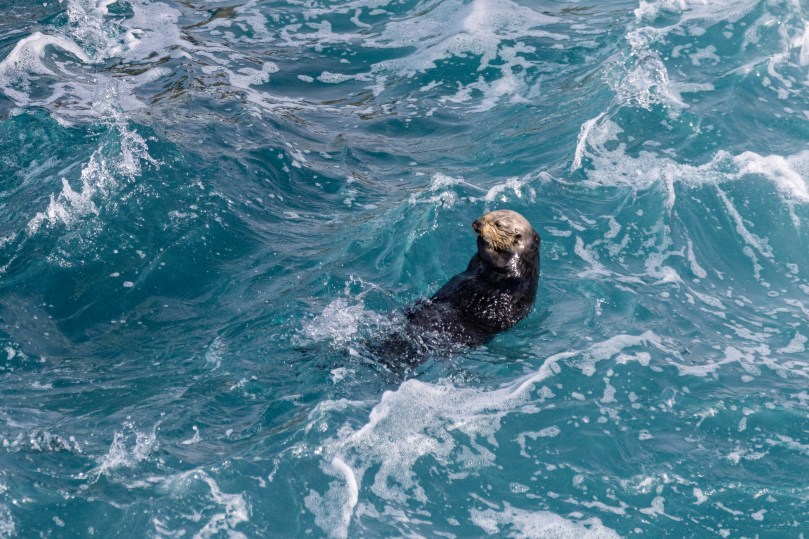
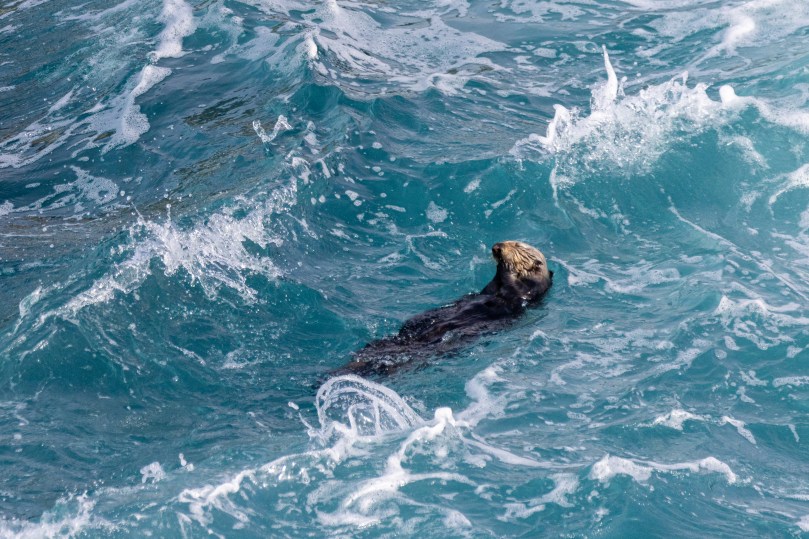
Unlike other marine mammals, Sea Otters lack blubber and depend on their thick fur coat to maintain their body temperature. They require an immense amount of energy to regulate their body temperature and thus need to consume 20-30% of their body mass. If you encounter them in while in the ocean, maintain your distance and let them rest so they can be nice and warm!
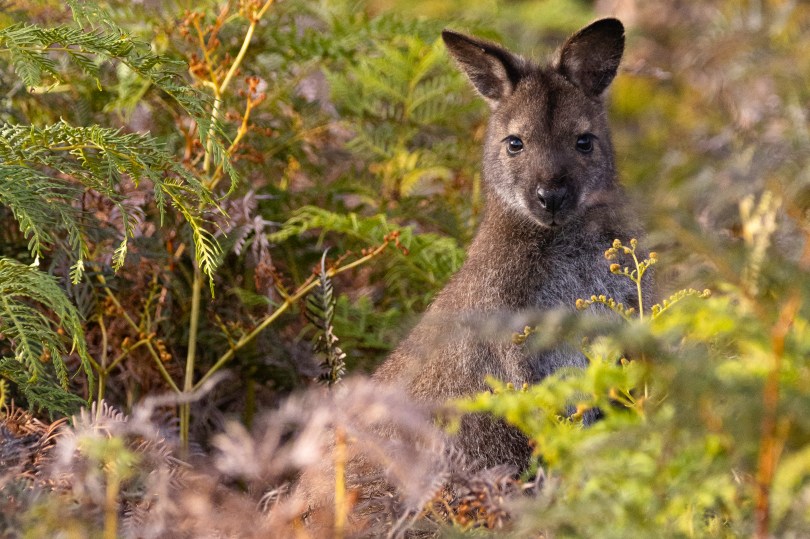
Notamacropus rufogriseus (Red-necked Wallaby)

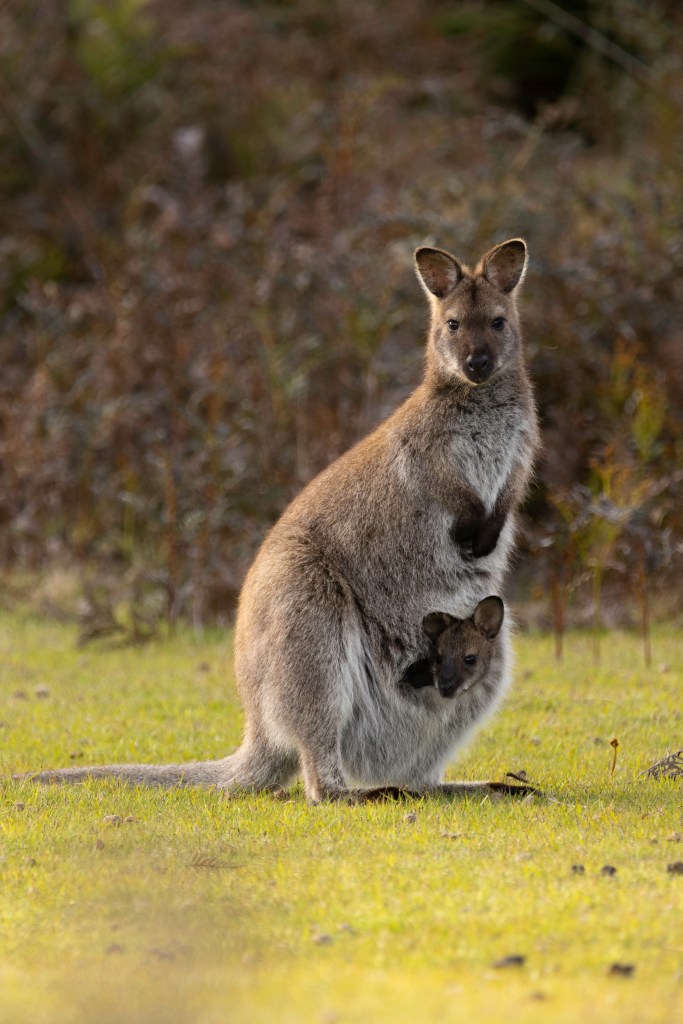
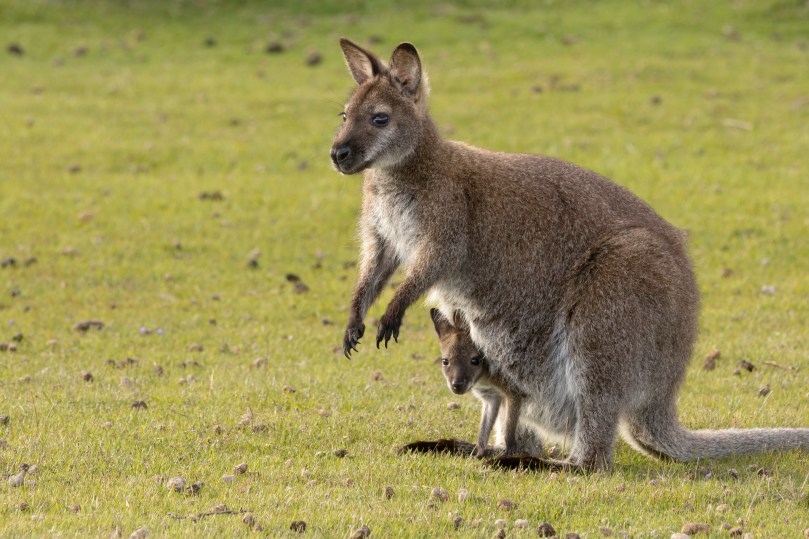
The Red-necked Wallaby, scientifically known as Macropus rufogriseus, is a charming marsupial native to Australia and Tasmania. Characterized by its distinctive red-brown fur on the nape of its neck and shoulders, this medium-sized wallaby exhibits a unique and captivating appearance. With a compact build and a strong tail used for balance, red-necked wallabies are adapted to a diverse range of habitats, including forests, woodlands, and grassy areas.

They are primarily herbivores, feeding on a diet of grasses and vegetation. These agile and social creatures are known for their bounding leaps, which allow them to cover considerable distances with remarkable speed and grace. Red-necked wallabies are integral to Australia’s ecosystems and are a delightful symbol of its rich and diverse wildlife.

Female wallabies, known as joeys, carry and nurture their young in a remarkable pouch, a defining feature of marsupials. After a relatively short gestation period, Red-necked Wallaby females give birth to tiny, underdeveloped joeys. These vulnerable infants, no larger than a jellybean, then make their way into the safety of their mother’s pouch. Once they are old enough, they start grazing right from their mother’s pouch!