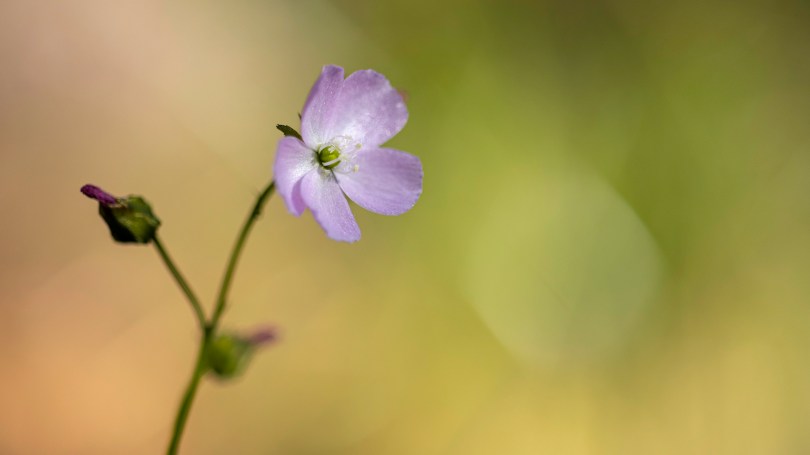
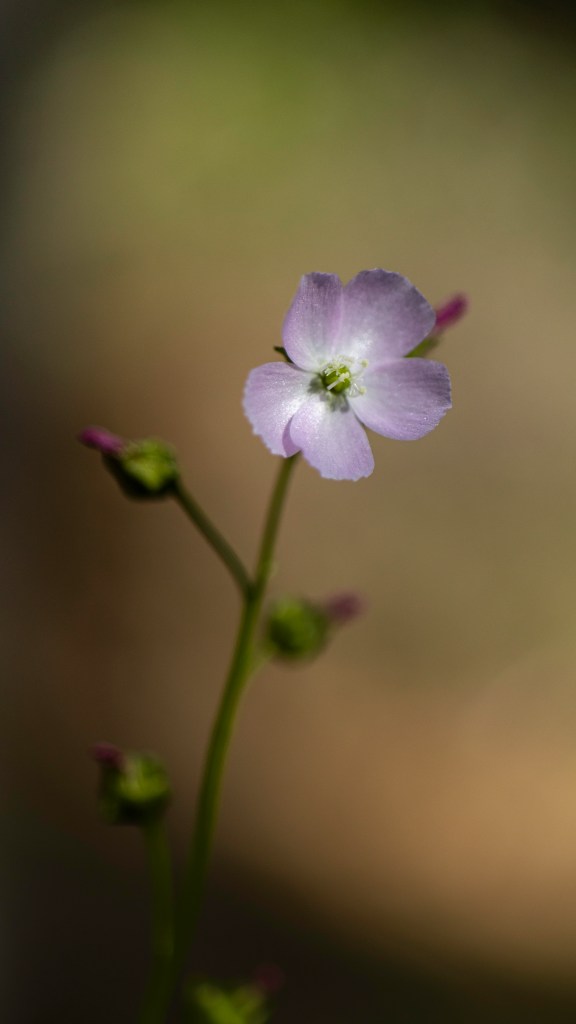
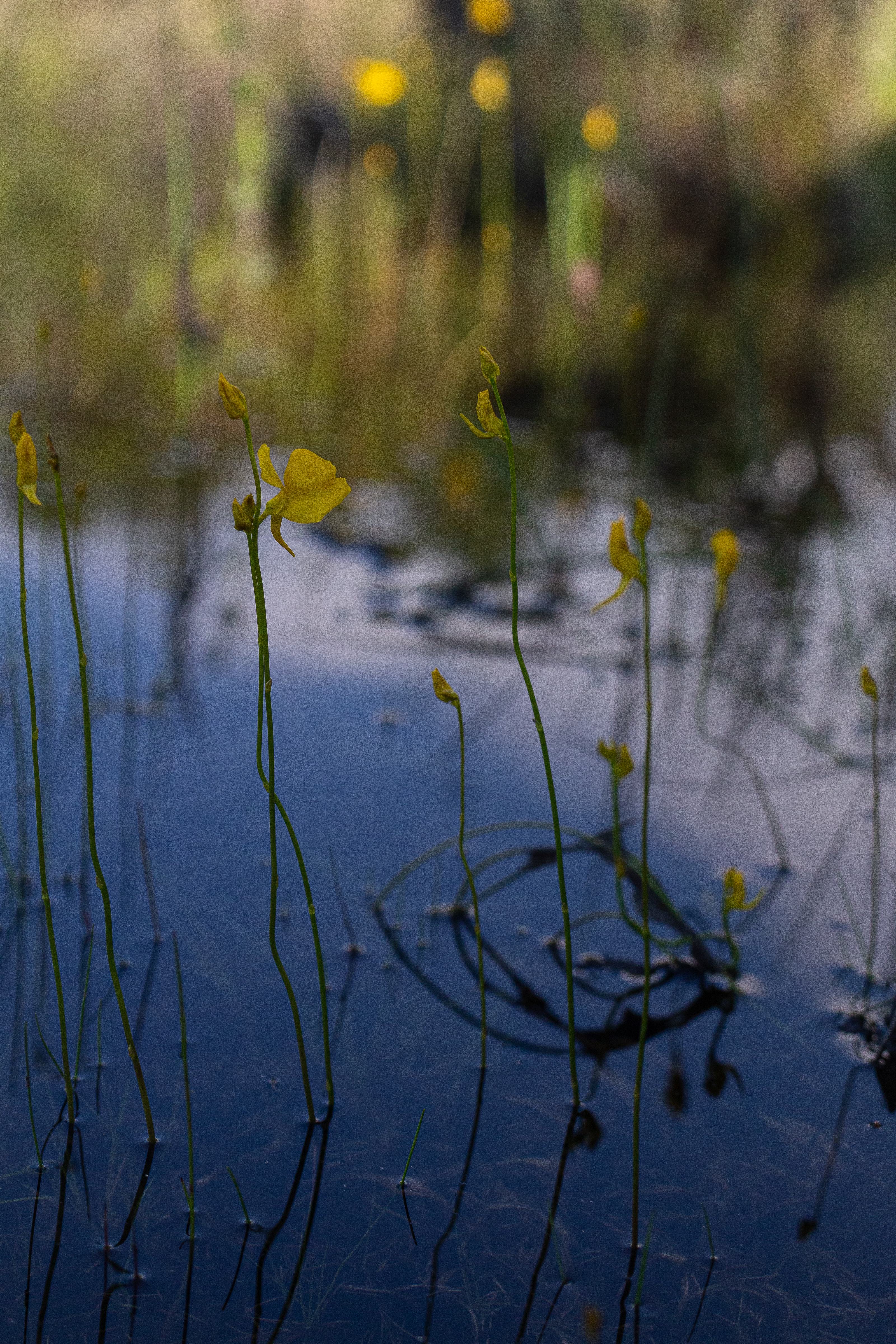
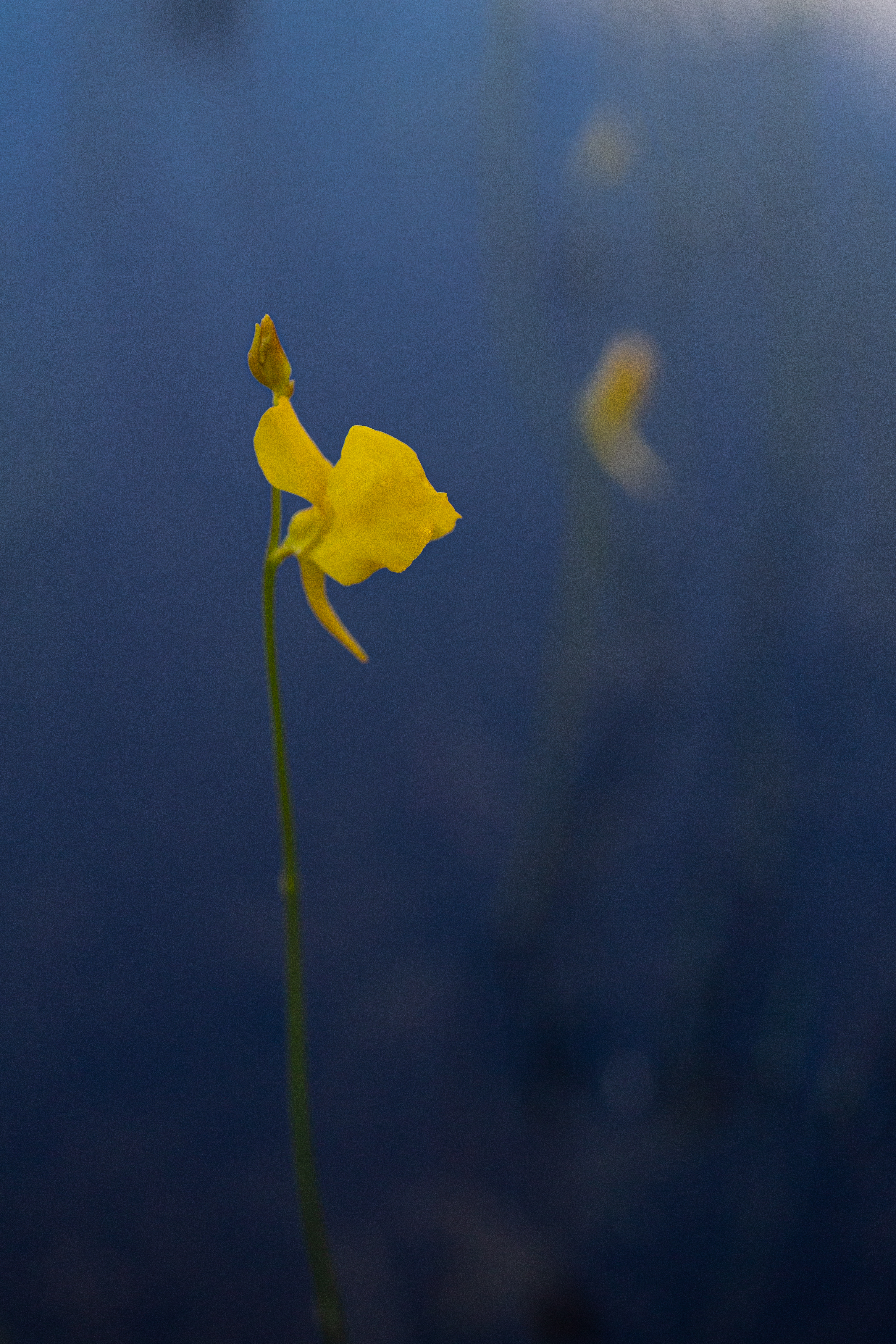
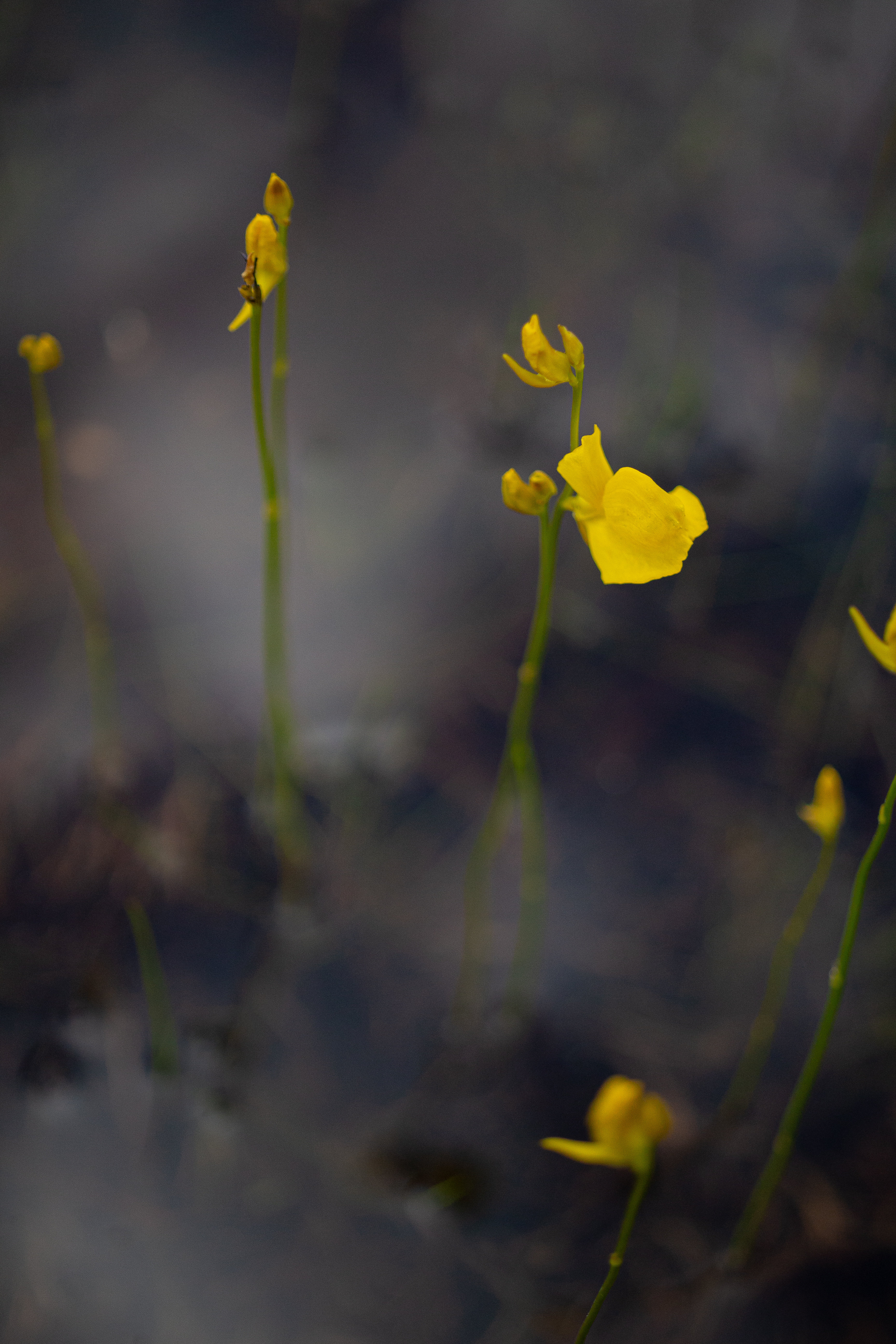
One species stands tall in the vast realm of carnivorous plants. Meet Drosera auriculata, commonly known as the Tall Sundew, unlike other drosera species that grow in low-lying rosettes. This captivating carnivorous plant has earned its name for its impressive height.
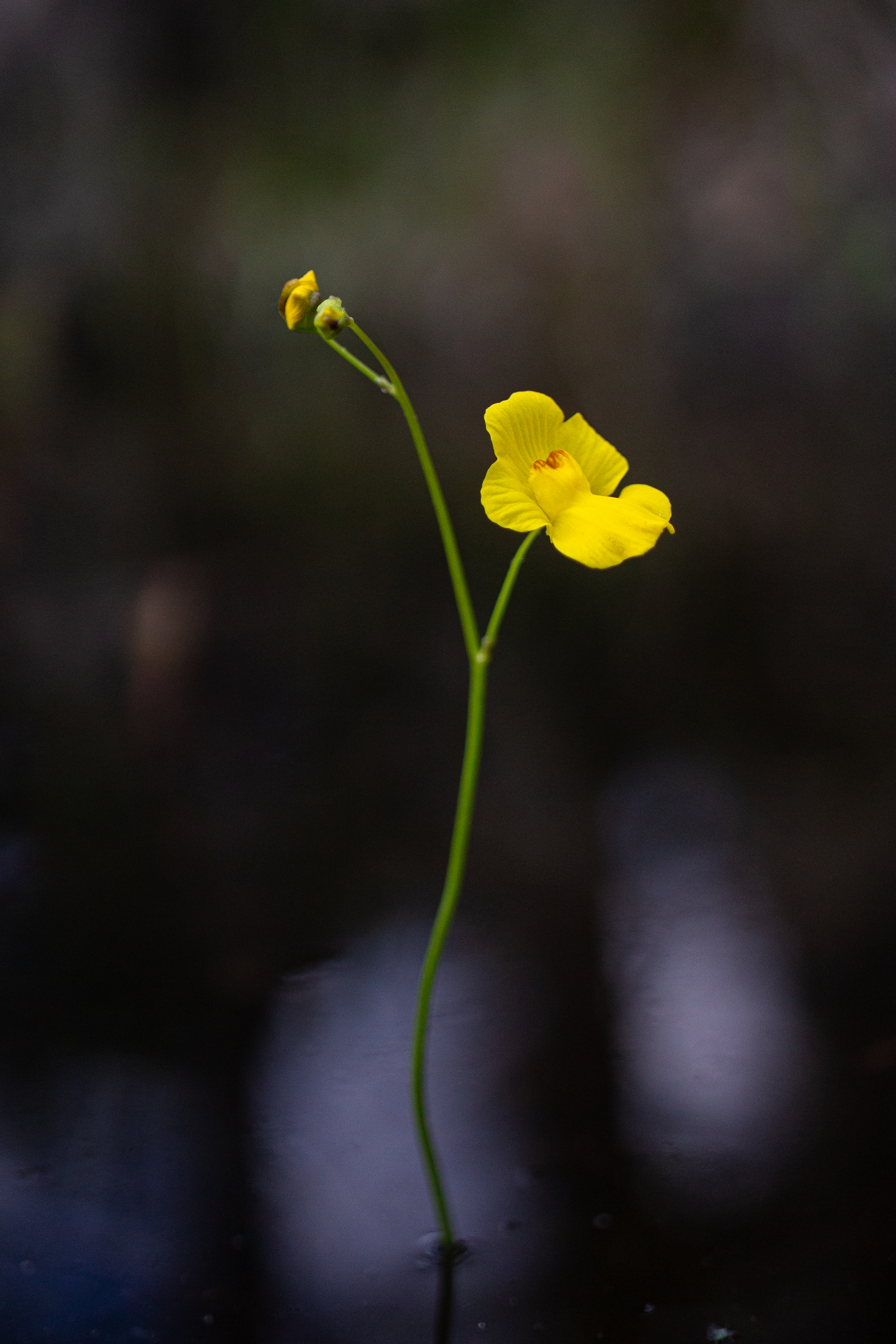
Tall sundews are recognized for their slender, elongated stems that can reach remarkable heights, often standing above other sundew species. The species can be found in both dry and damp places in Australia. The spot where I observed this species is the driest area I have ever seen a sundew in!
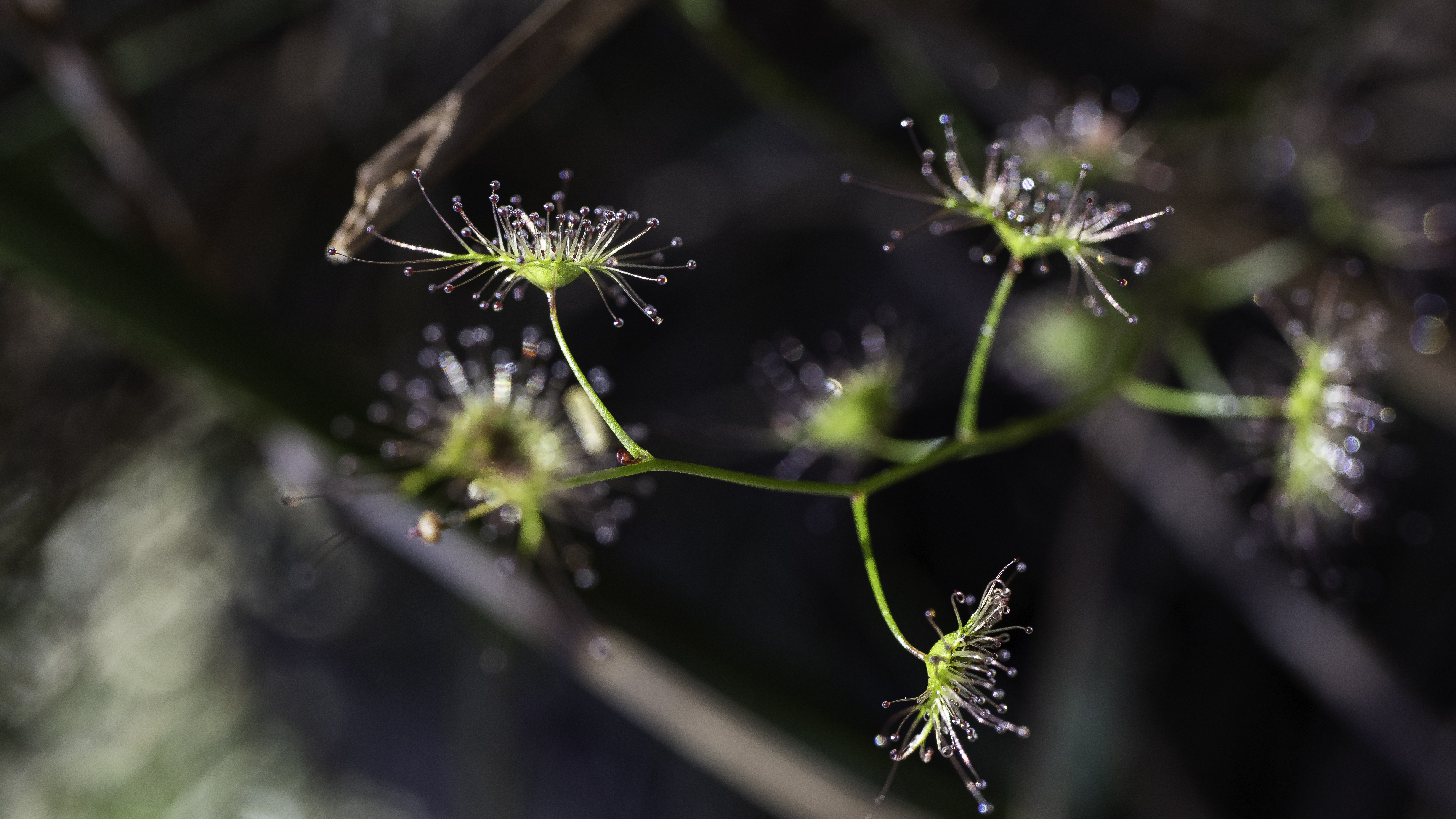
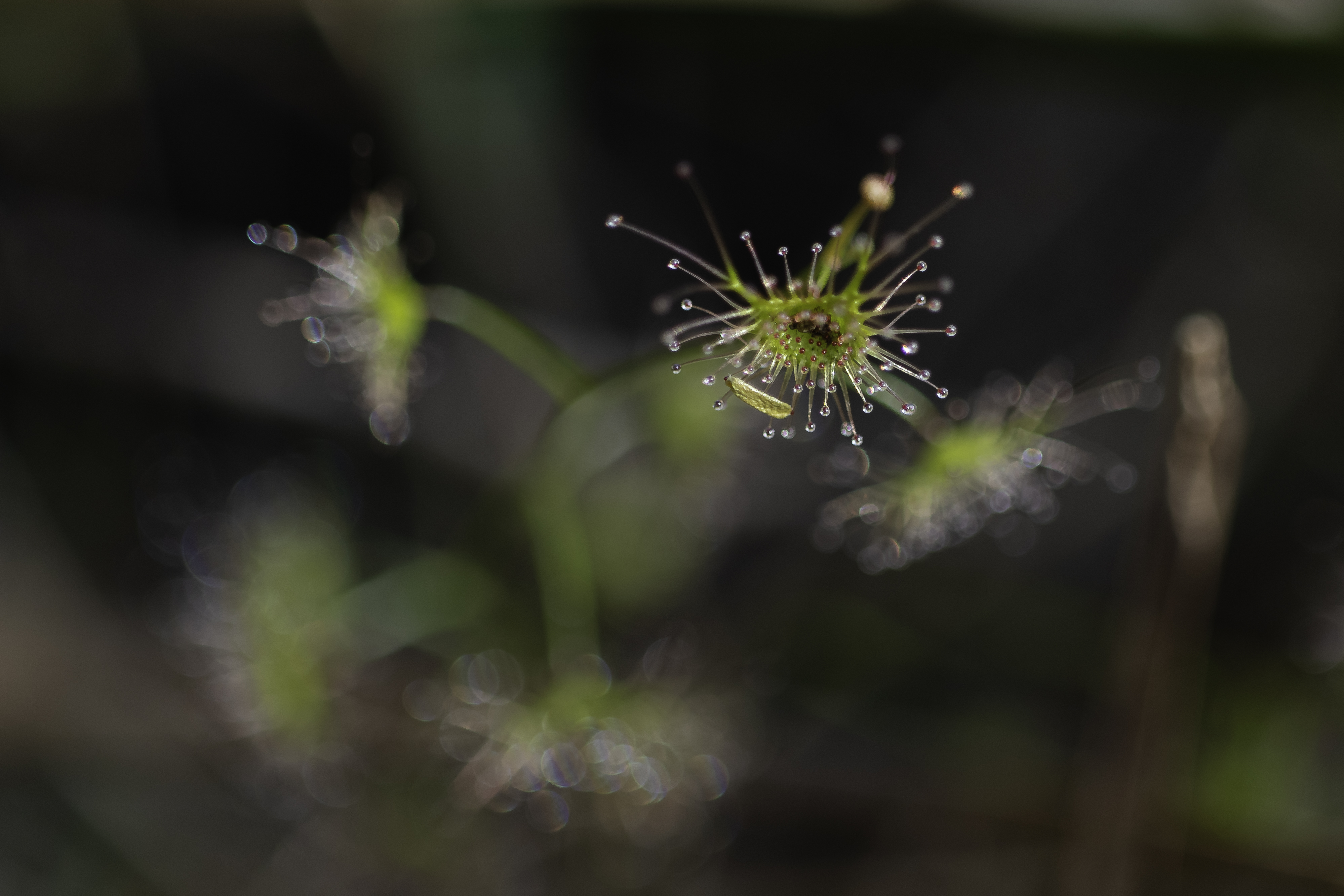
Like many sundew species, the tall sundew relies on both its sticky leaves, and a trigger response that envelopes the prey as it gets digested. A characteristics that is also utilized by its closely related species, the famous Venus-Fly trap! Below we see close-ups of leaves and their prey.

 Exploring Free Green Cascadia