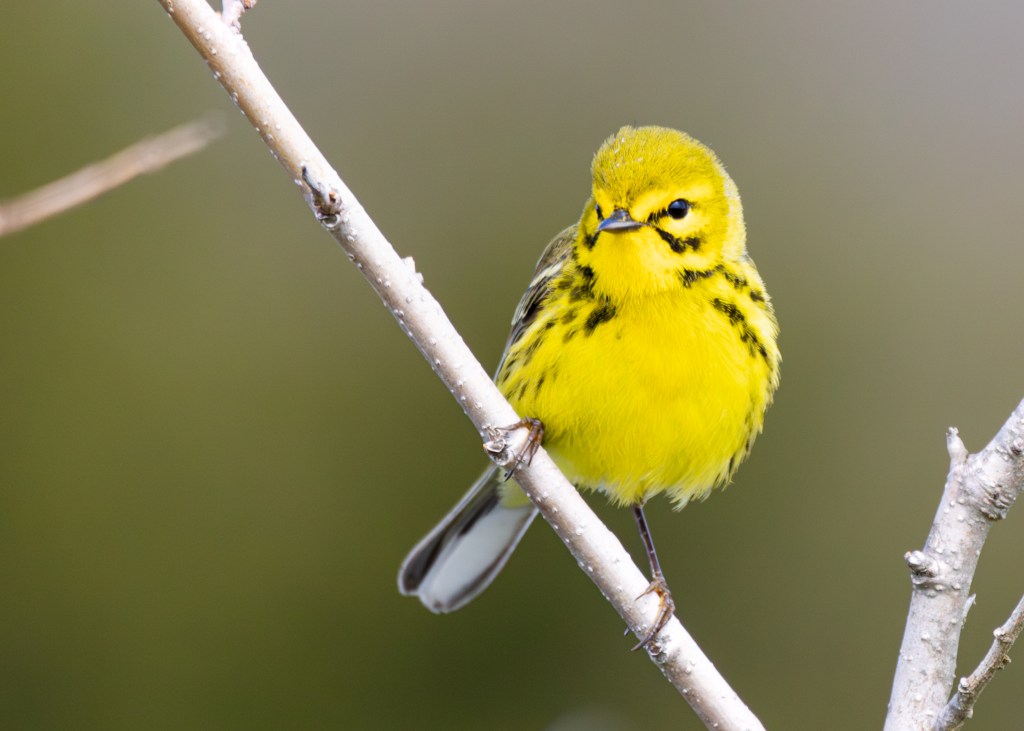
Setophaga discolor (Prairie Warbler)

Setophaga discolor (Prairie Warbler), is a small songbird found in North America. A new world Warbler. Unlike what its name suggests, Prairie Warblers don’t actually live in prairies, but in young second growth shrubs.

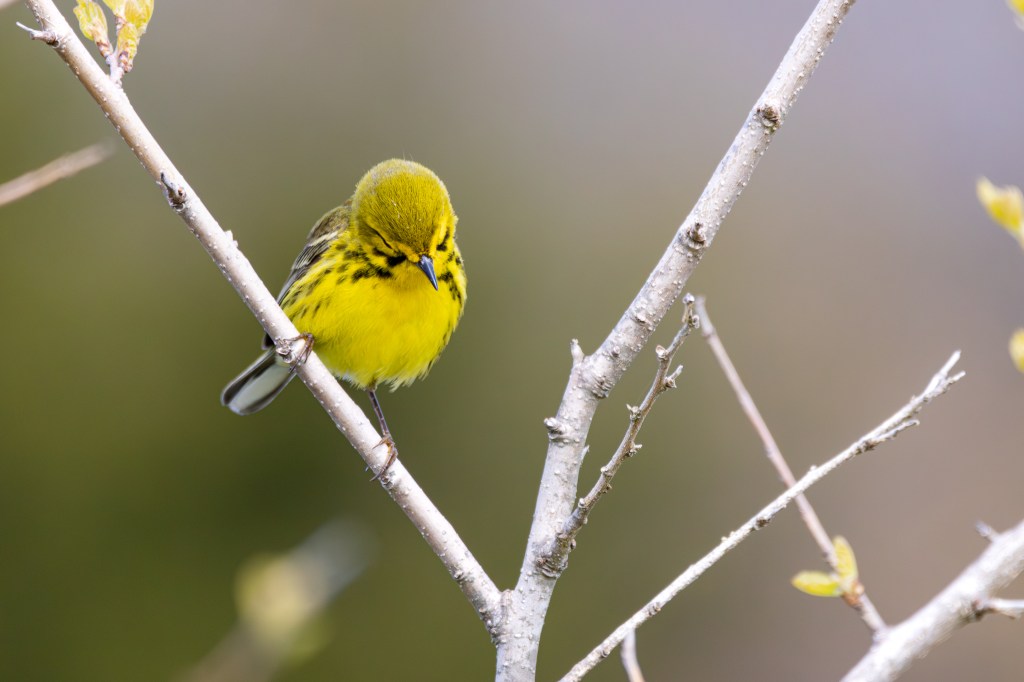
A mostly migratory bird, a population of Prairie Warblers calls Florida home all year long. They are a separate subspecies that live in mangroves and are larger than the migratory kind. The migratory population can be found making its way north in spring and residing through the summer to breed. I caught this, most likely, male bird hopping around a shrub singing his heart out in Cape May, NJ. Hopefully, he was able to get a mate for the season!
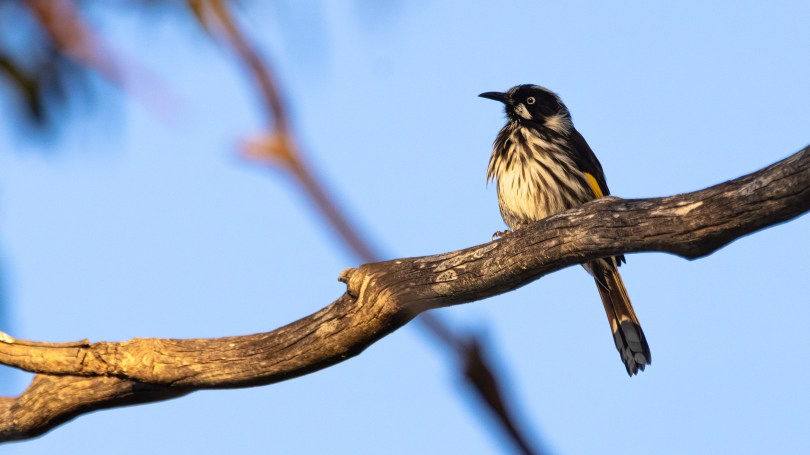
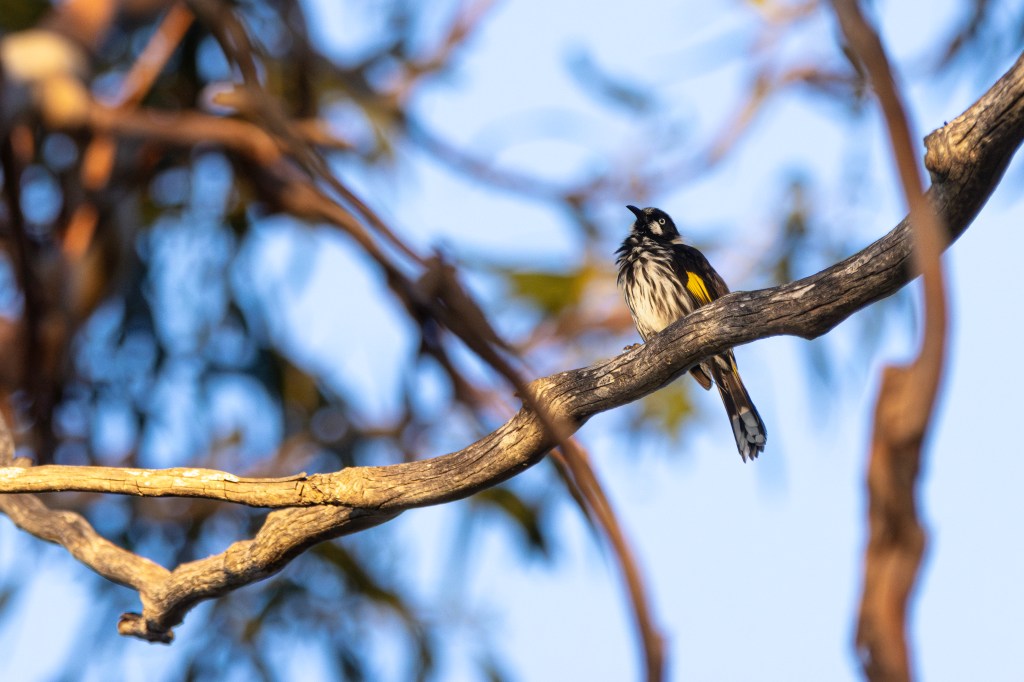
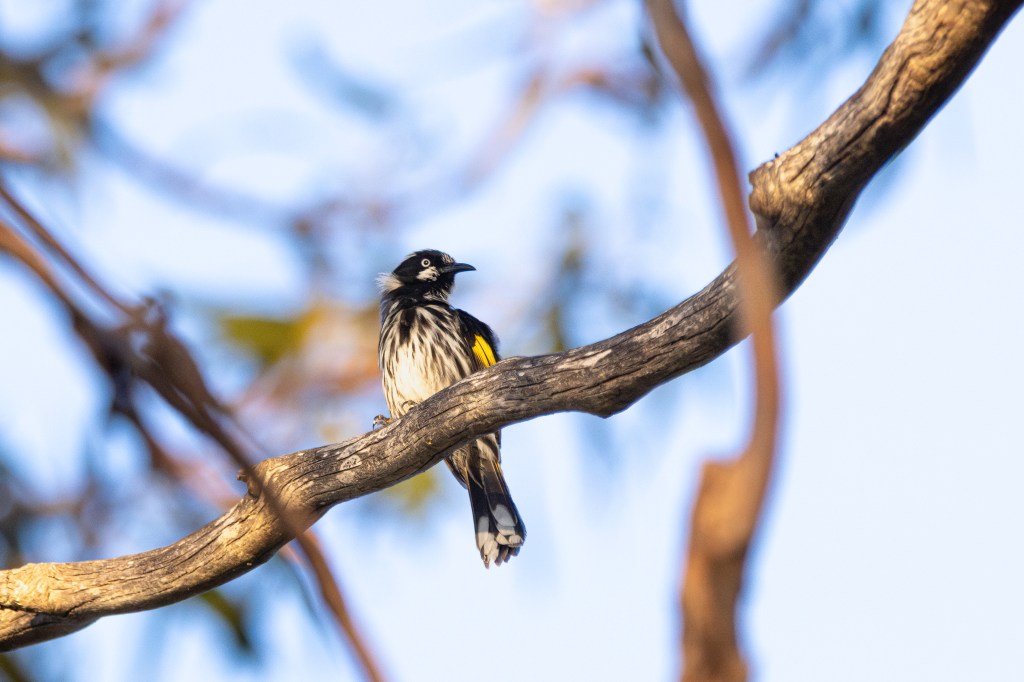
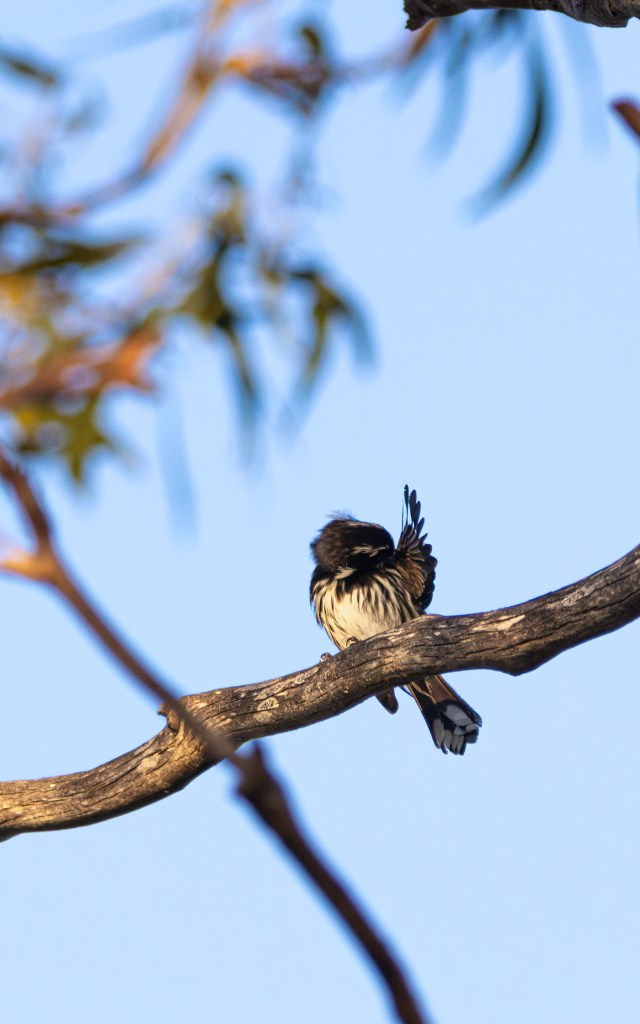
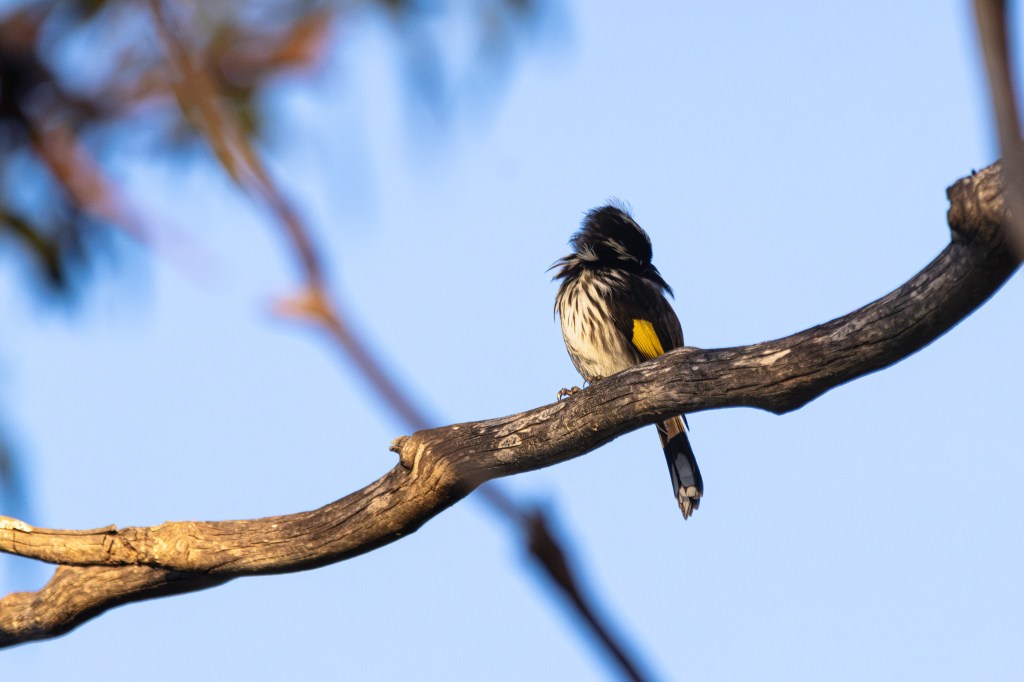
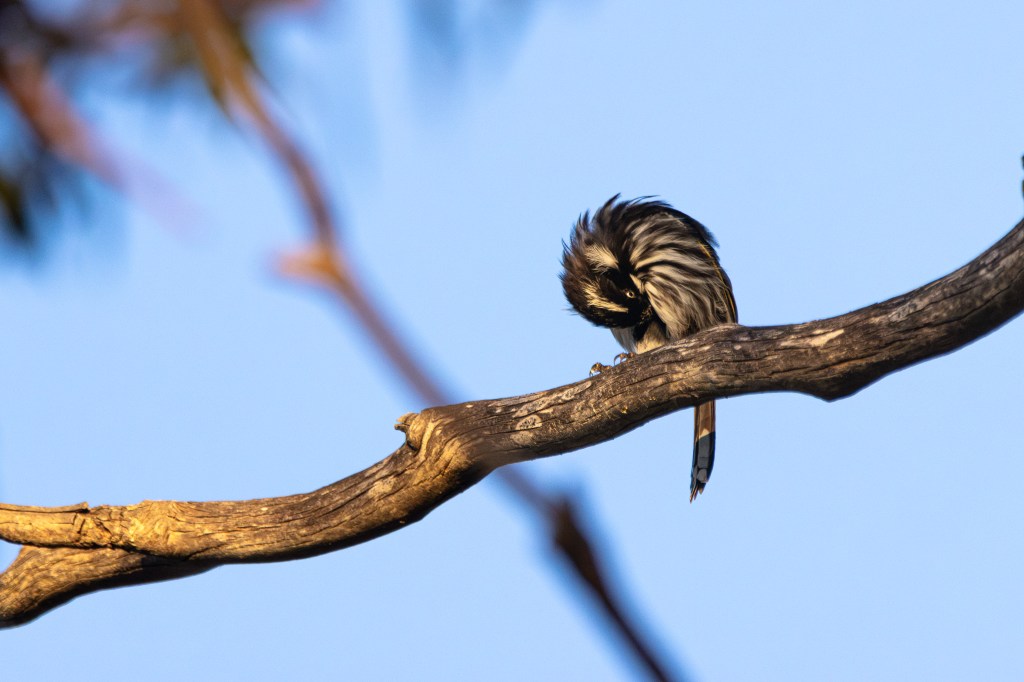
Phylidonyris novaehollandiae (New Holland Honeyeater)

Phylidonyris novaehollandiae, New Holland Honeyeater, is a honeyeater species commonly found across southern Australia, including Tasmania. It is a striking-looking bird with a black body, white iris, and a large patch of yellow across its plumage. For protein, they eat insects and spiders. 

As the name suggests, honeyeaters obtain most of their carbohydrates from the nectar of flowers. Hence, they are vital pollinators for native plant species like Banksia. It is found in forests and woodlands where native flowers grow. 

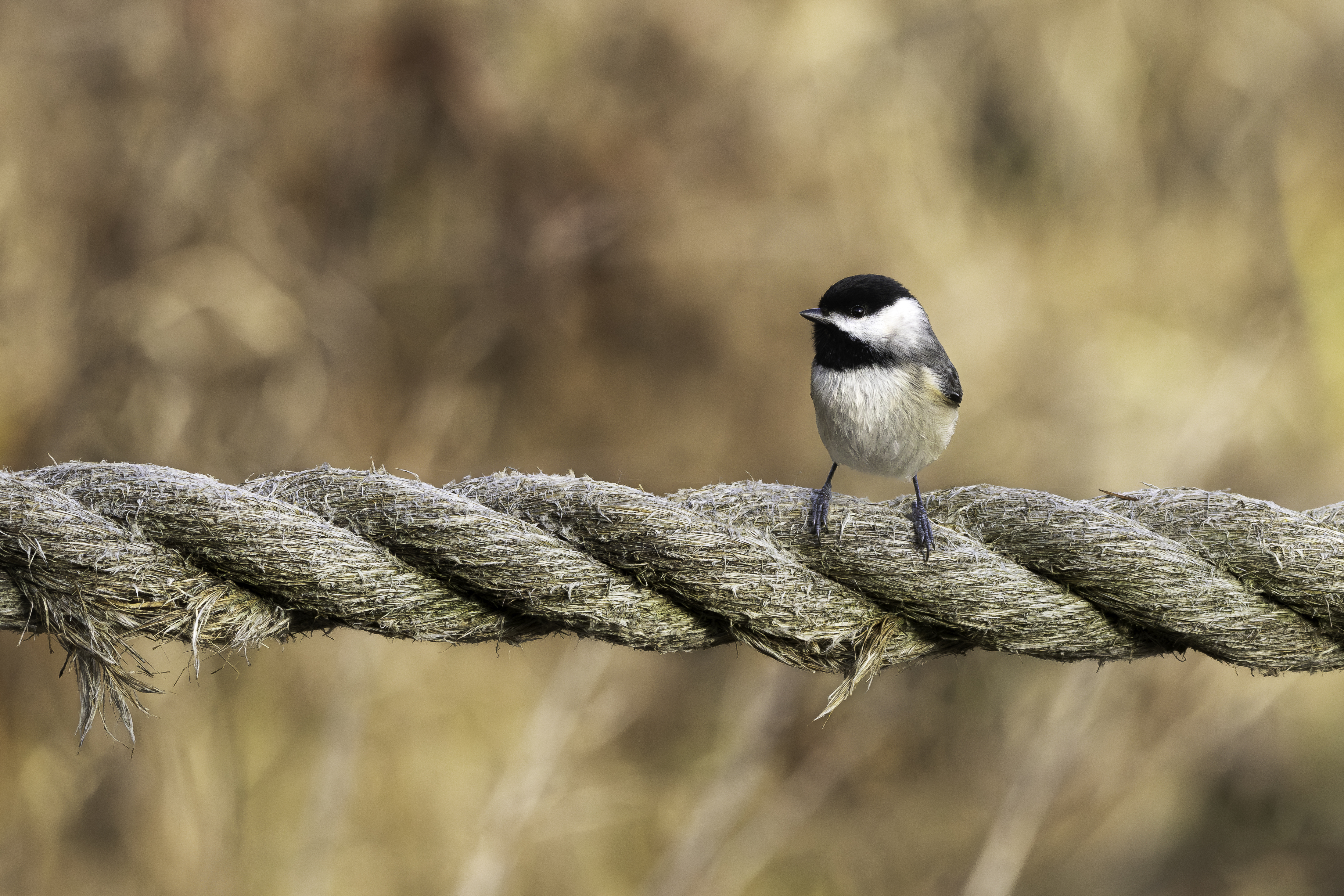
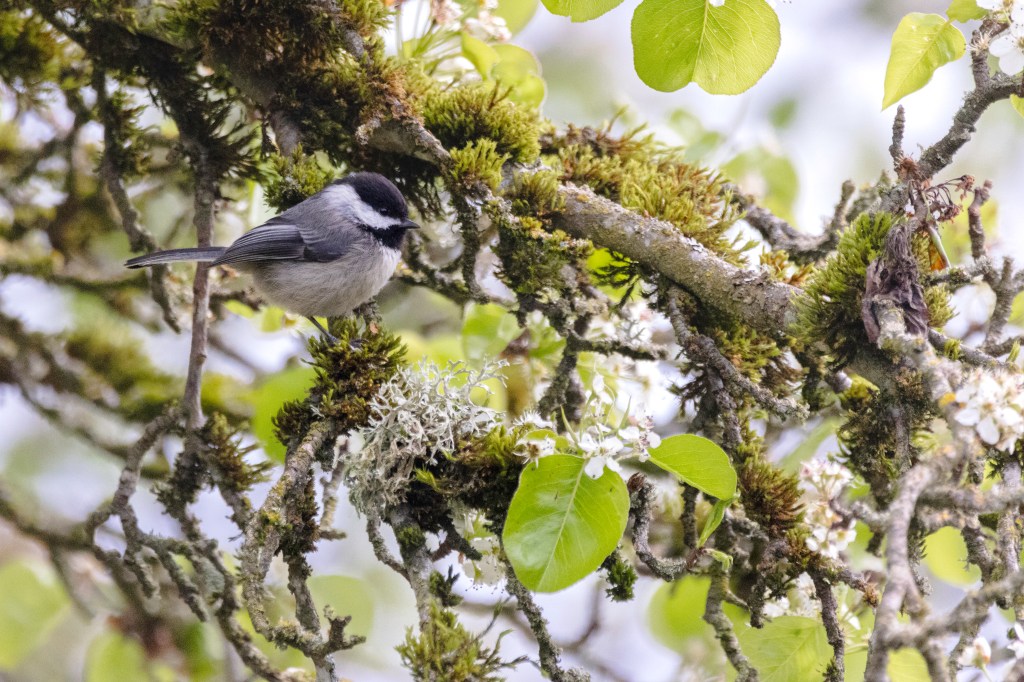
Poecile (Chickadee)

The Chickadees are a genus of small North American birds in the genus Poecile. Species in the genus from North America are called Chickadees, while species found elsewhere are called Tits. They have distinct, beautiful calls that lent them their name.

“Their name reputedly comes from the fact that their calls make a distinctive “chick-a-dee-dee-dee“, though their normal call is actually “fee-bee,” and the “chick-a-dee-dee-dee” call is an alarm call.”

I have managed to see three species and photograph two! The Carolina Chickadee, endemic to the US, is found in the eastern US. The black-capped Chickadee is found in the northern US and Canada. It is a common species along its range and can be easily found at feeding stations! 

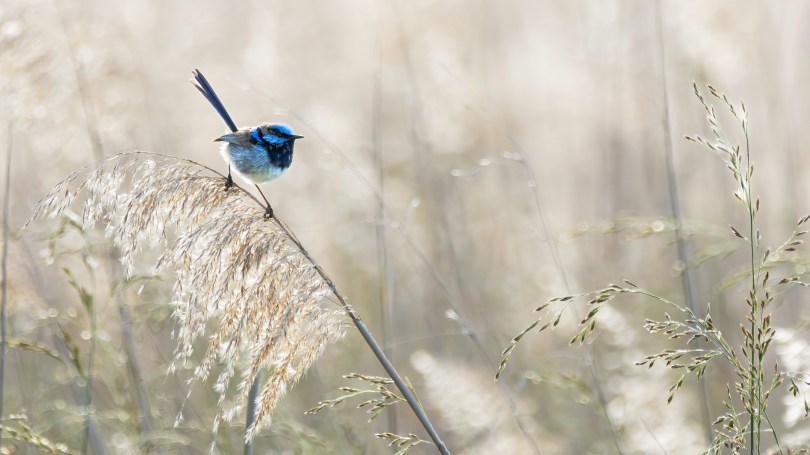
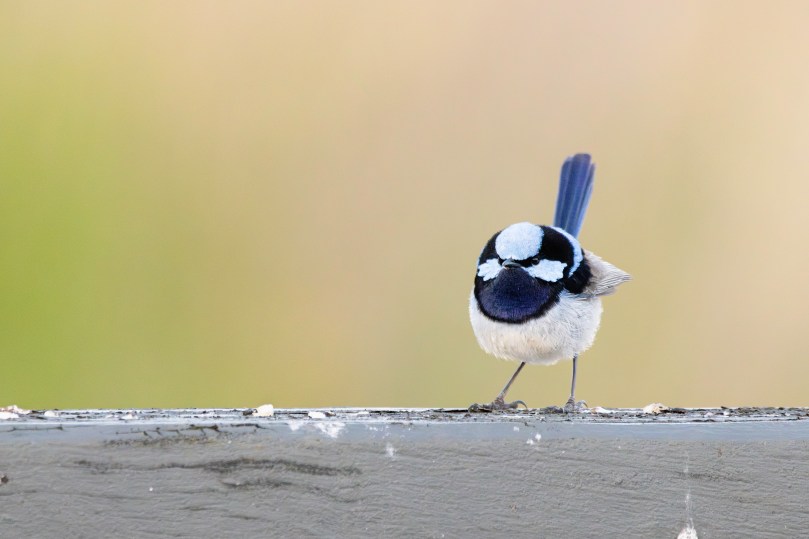
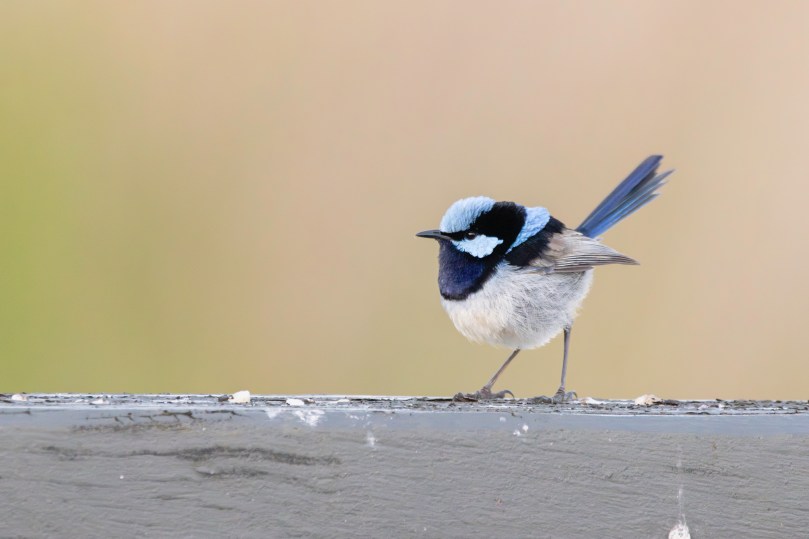
Malurus cyaneus (Superb Fairywren)

A striking bird that is common across the island of Tasmania, I saw one the day I landed in Australia and was stunned to find a bird so beautiful. Being color-blind, I generally cannot appreciate birds completely, but blue is the exception!
Like other fairywrens, Superb fairywrens exhibit sexual dimorphism, with the female exhibiting a fawn color. Immature males start with fawn-colored plumage but turn blue after their first breeding season. Some take longer, as seen in the cover photo.

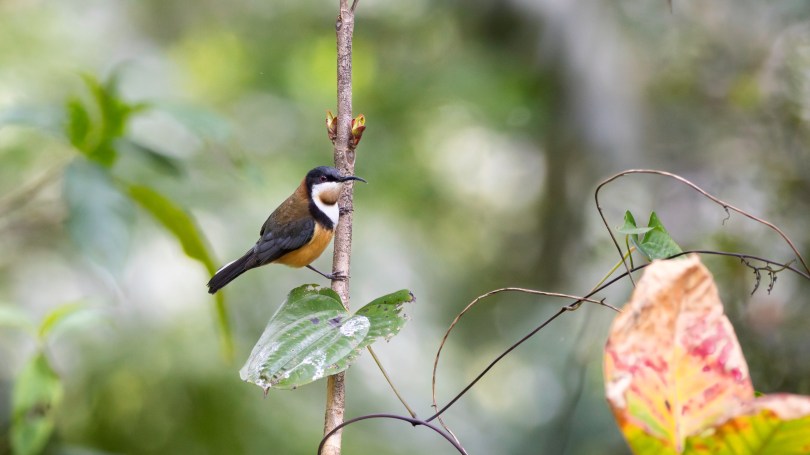
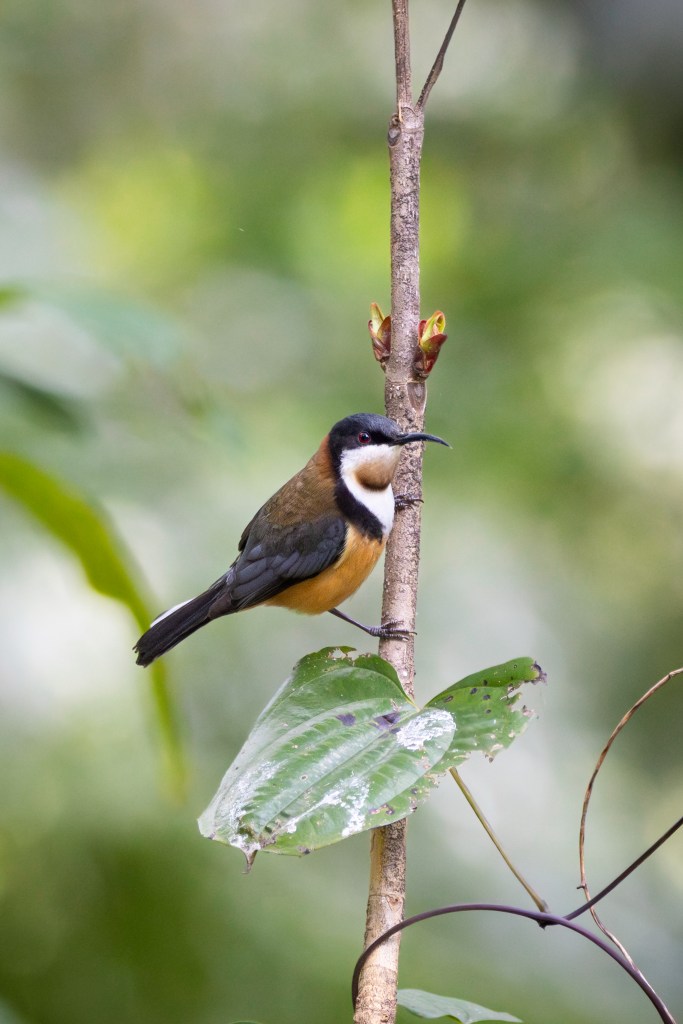
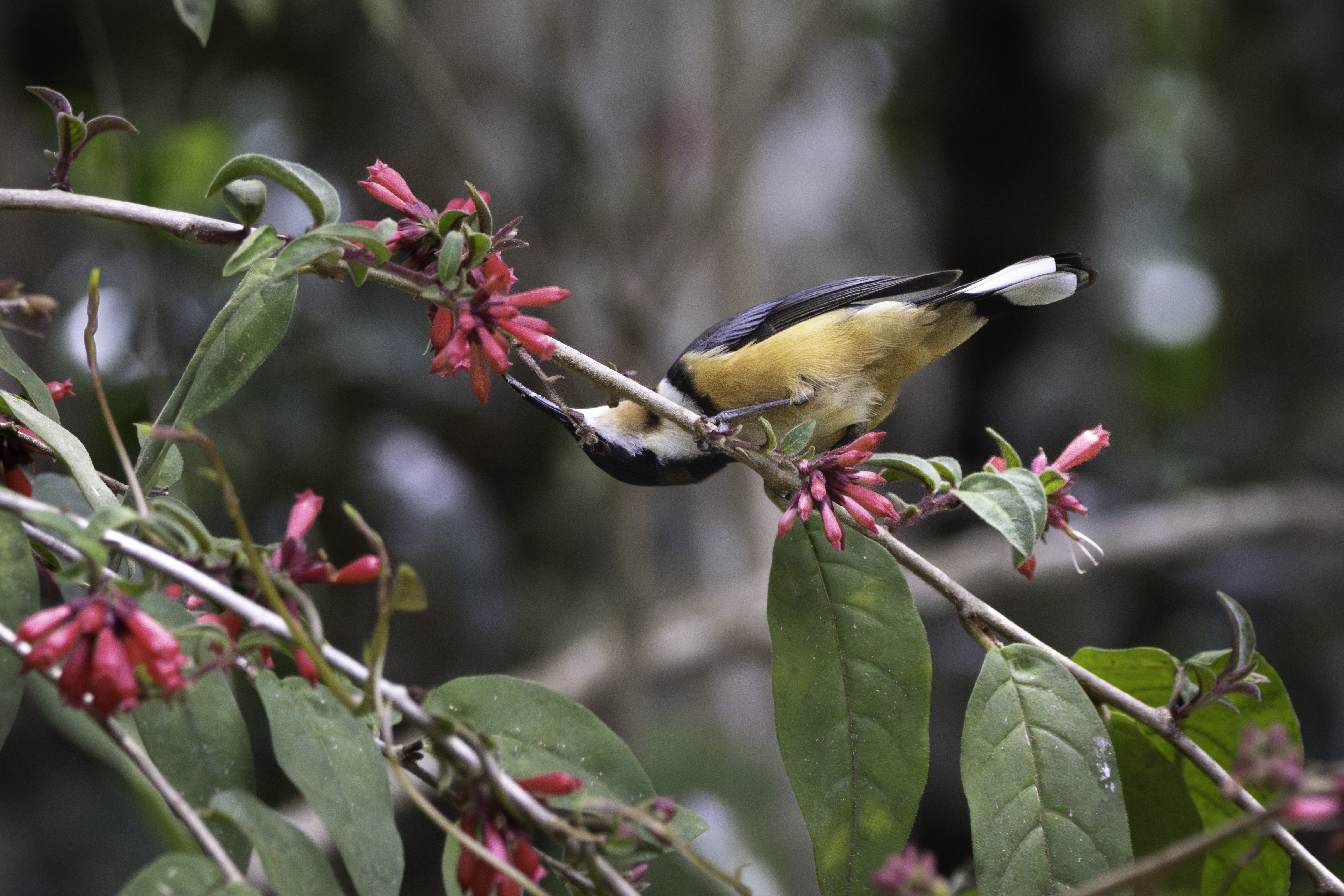
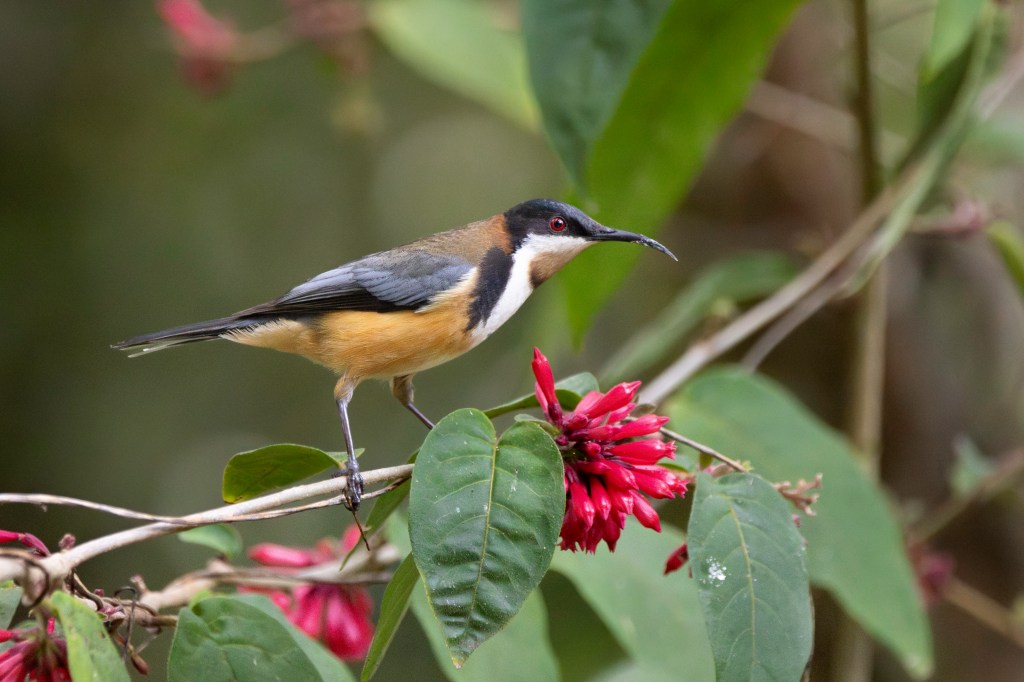
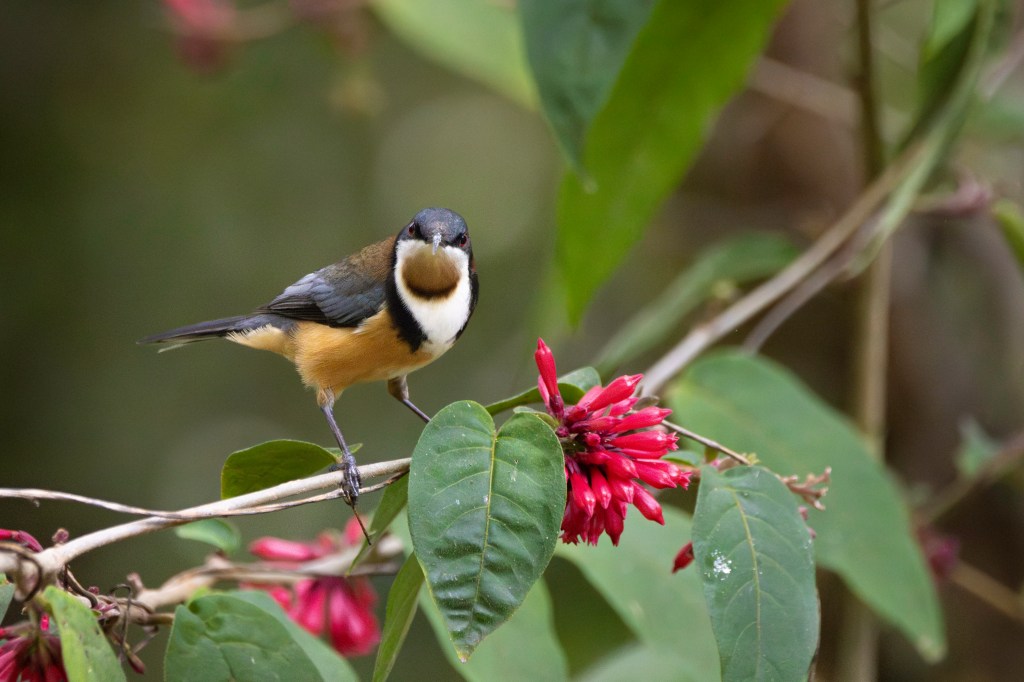
Acanthorhynchus tenuirostris (Eastern Spinebill)

Eastern spine bill is a beautiful honeyeater endemic to south-eastern Australia. The bird’s distinguishing feature is the long, needle-like bill, which adeptly extracts nectar from various flowering plants. This evolutionary feature independently evolves in many nectar-drinking species like I’iwi.

Vibrant colors adorn the male plumage, including a dark crown, a cinnamon-colored throat, and a contrasting white chest.

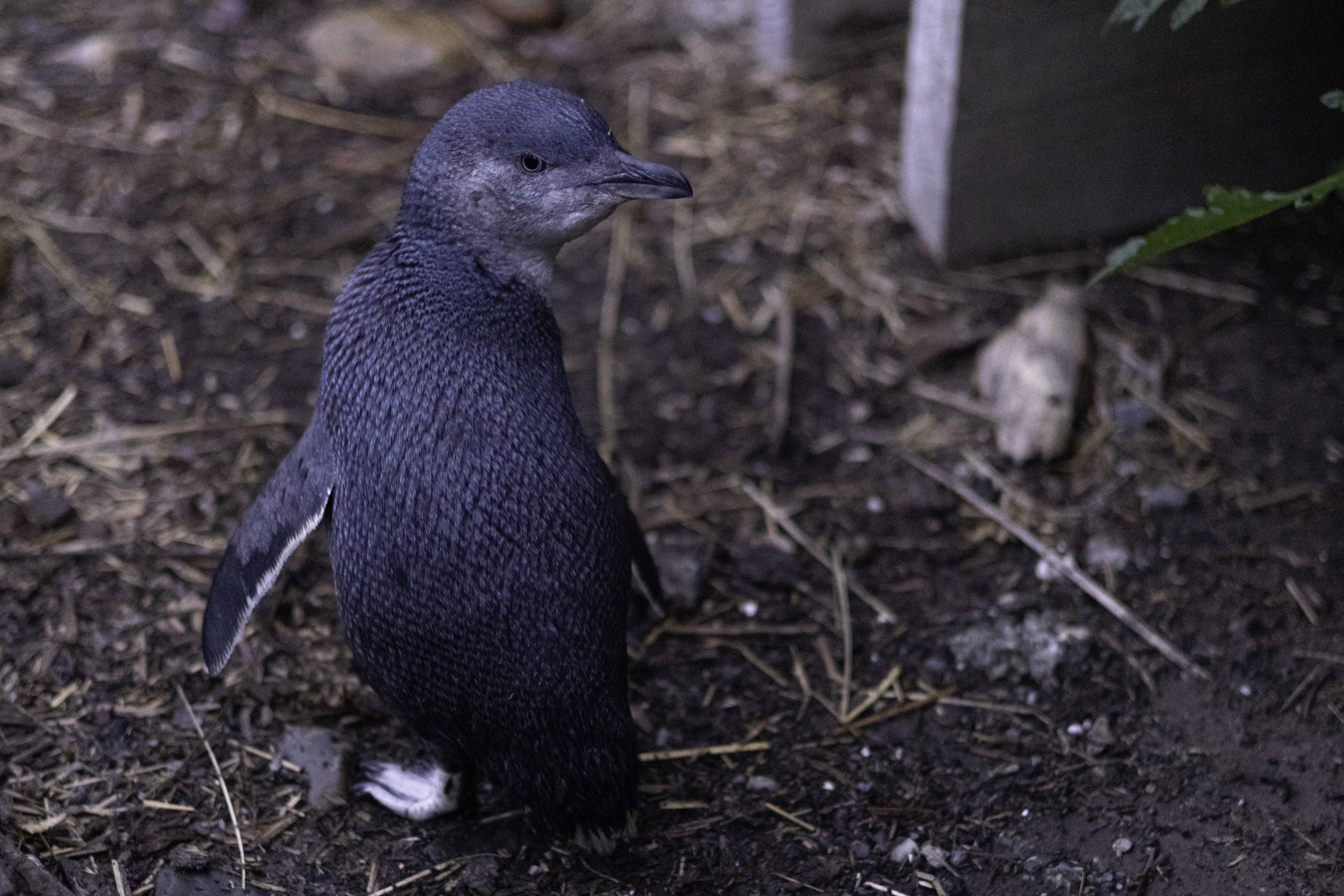
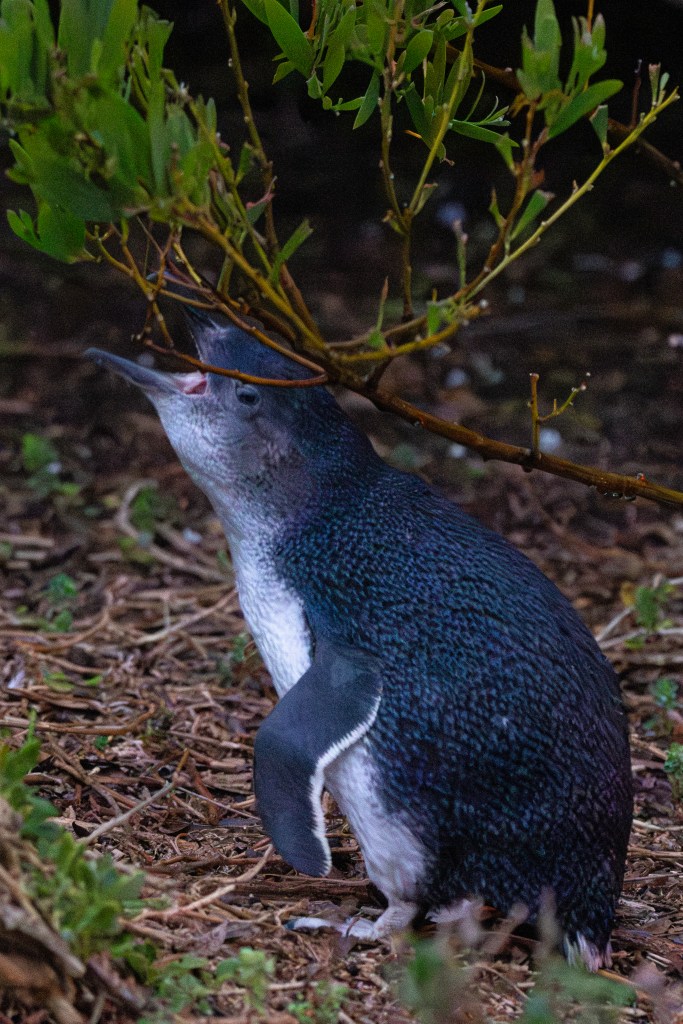
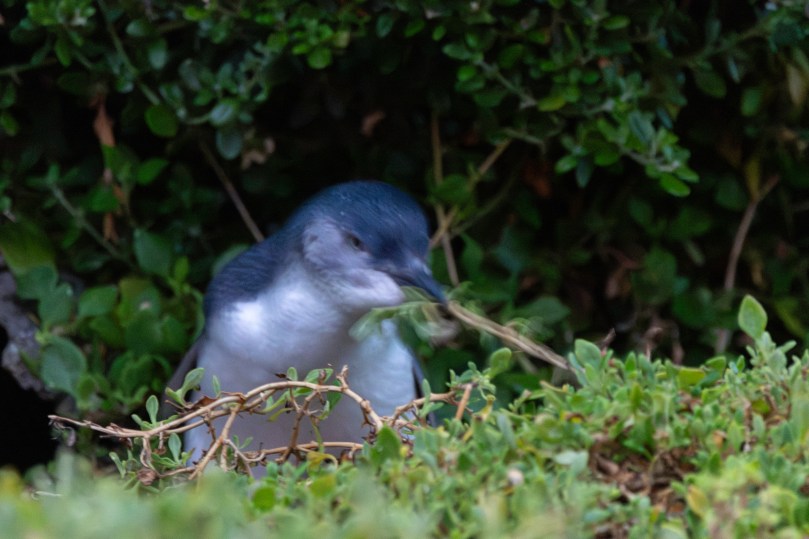
Eudyptula novaehollandiae (Australian little penguin)

Australian little penguins, or blue penguins, are one of the smallest penguin species in the world, growing to about a foot. They were once considered a subspecies of the little penguin from New Zealand, but later, mtDNA revealed that the Australian little penguins are a species of their own. Other than their behavioral differences, a critical difference between the two little penguin species is the striking blue plumage of the Australian species.

Little penguins spend most of their day in the ocean. During breeding season, the adults leave their chicks in their nest for the day as they head out into the sea to forage, returning at night to feed their young. One behavioral difference between New Zealand and the Australian penguin is that the Australian blue penguins come ashore in small groups, possibly to protect against predatory marsupials that did not exist in New Zealand.

The blue penguin is native to southern Australia, including Tasmania, where these cranky juveniles were photographed waiting impatiently for their parents to return! They are also found in the Otago region of New Zealand.
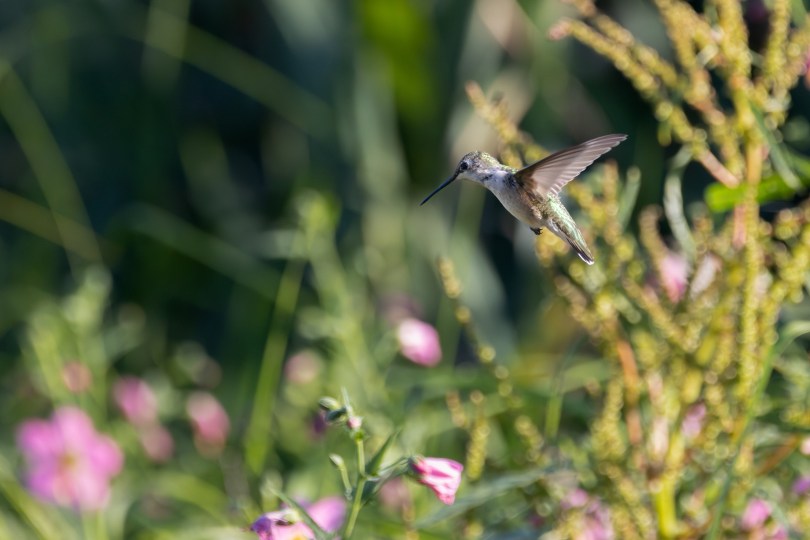
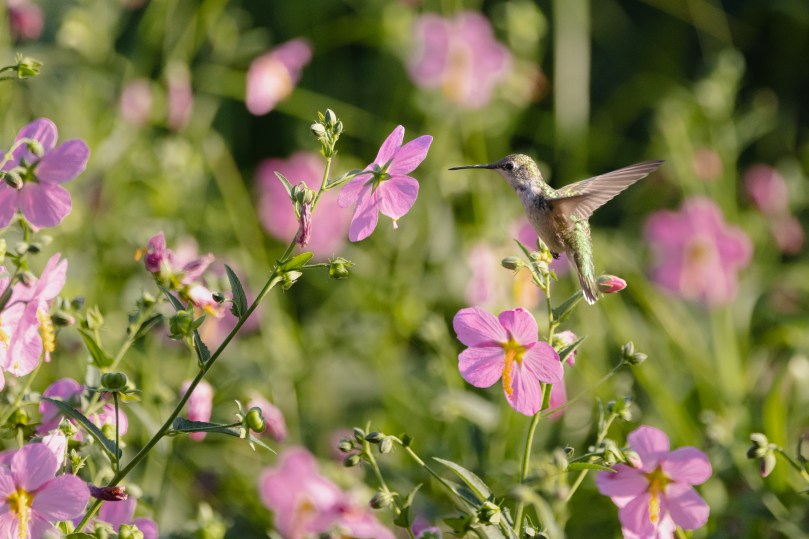
Archilochus colubris (Ruby-throated Humming bird)

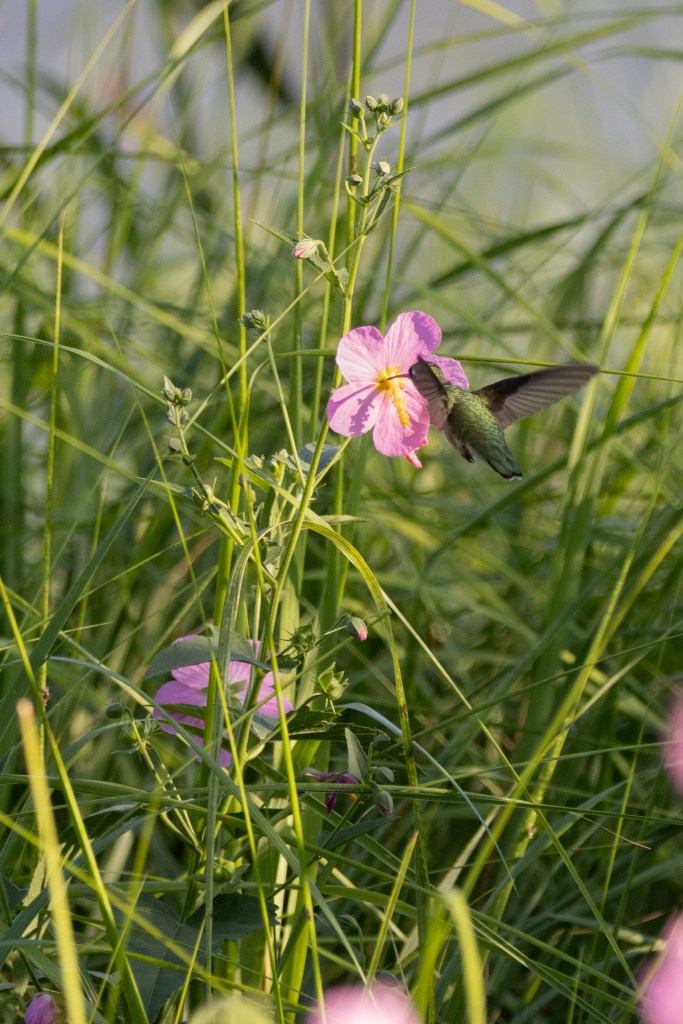
Every amateur nature photography enthusiast dreams of capturing a hummingbird, having a snack, or hovering between sips! These tiny, unique, buzzing birds can move incredibly fast, making them photograph slightly harder. I am so happy to have captured this female feasting on a field of Saltmarsh Mallow.

The ruby-throated Hummingbird (Archilochus colubris) is a small, beautifully colored bird native to North and Central America. Despite its tiny size, it is a migratory bird, migrating vast distances from central America to its breeding grounds in North America.

During migration, some birds living further south of Florida must migrate over 900 miles non-stop to cross over the Gulf of Mexico from Mexico into the eastern United States.

Dryocopus pileatus (Pileated Woodpecker)

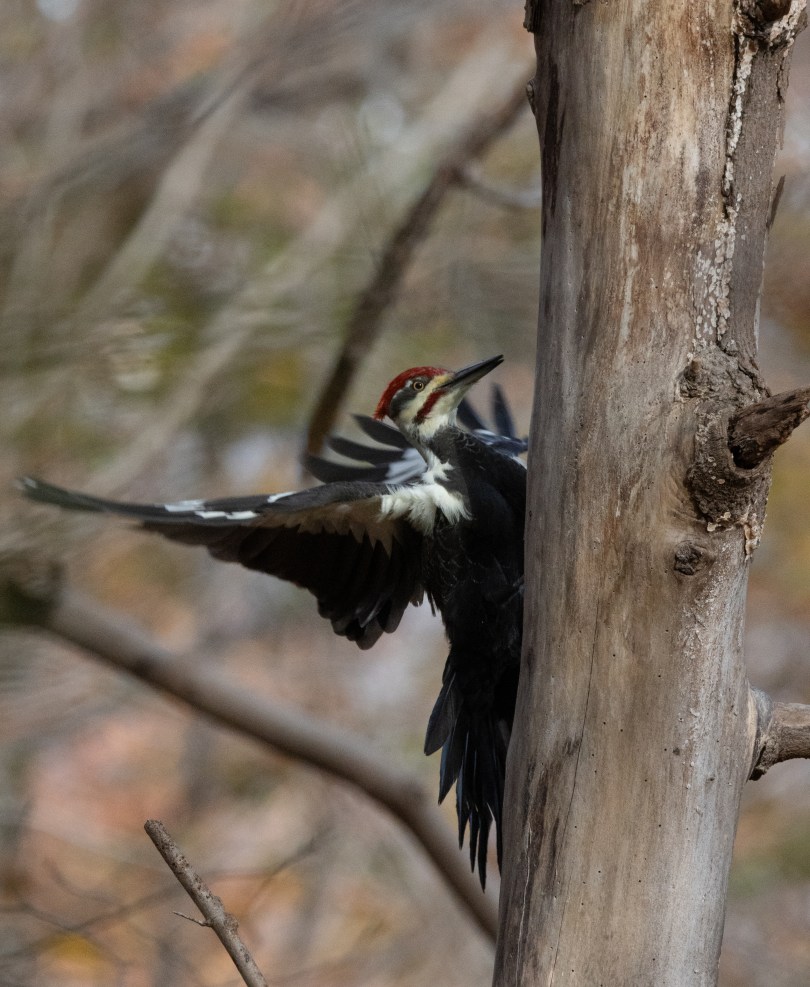
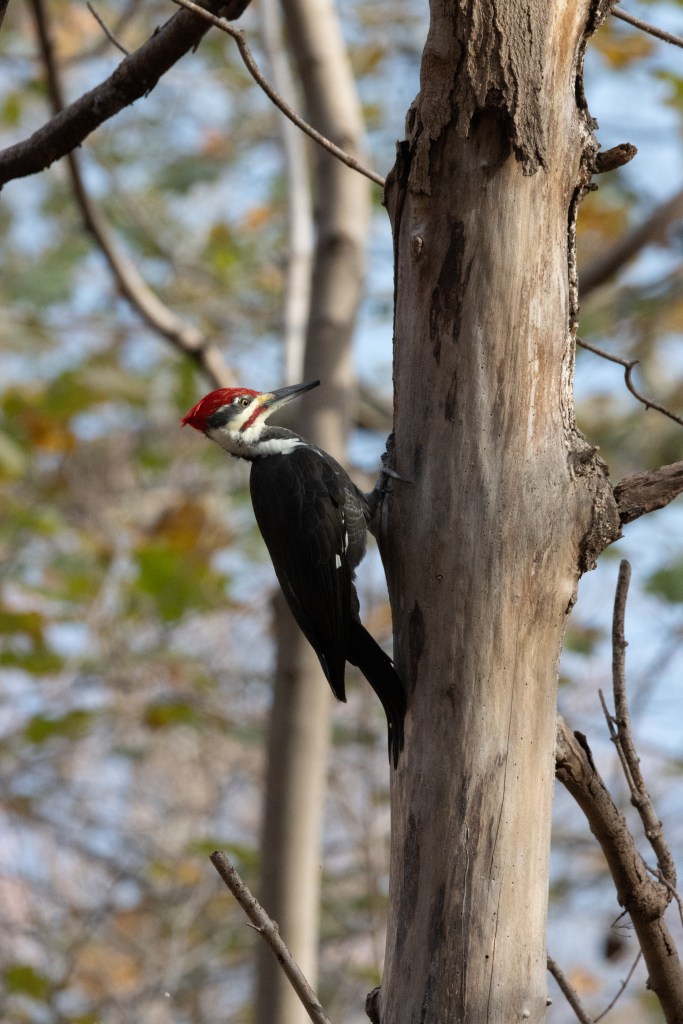
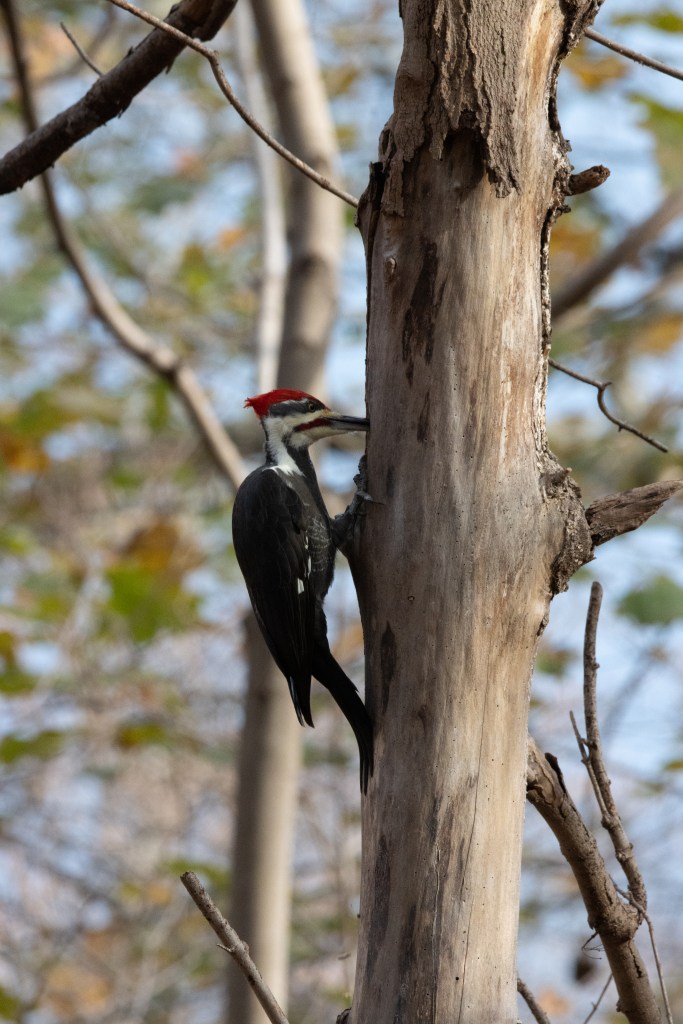
The Pileated Woodpecker is a large, striking bird throughout North America. Known for its distinctive appearance and powerful drumming, this woodpecker is familiar in forests and wooded areas. It is now the largest extant woodpecker species in North America since the reclassification of the ivory-billed woodpecker as extinct by the U.S. Fish and Wildlife Service. Unlike the larger and more specialized ivory-billed woodpecker, the Pileated woodpecker is more adaptable, allowing it to continue surviving in proximity to human habitation. The birds are essential in controlling the insect population, and even though some homeowners could consider them annoying, the disappearance of these woodpeckers could increase the tree beetle population, damaging forests. 

Below, a woodpecker rams into a tree at the Palisades interstate parkway.

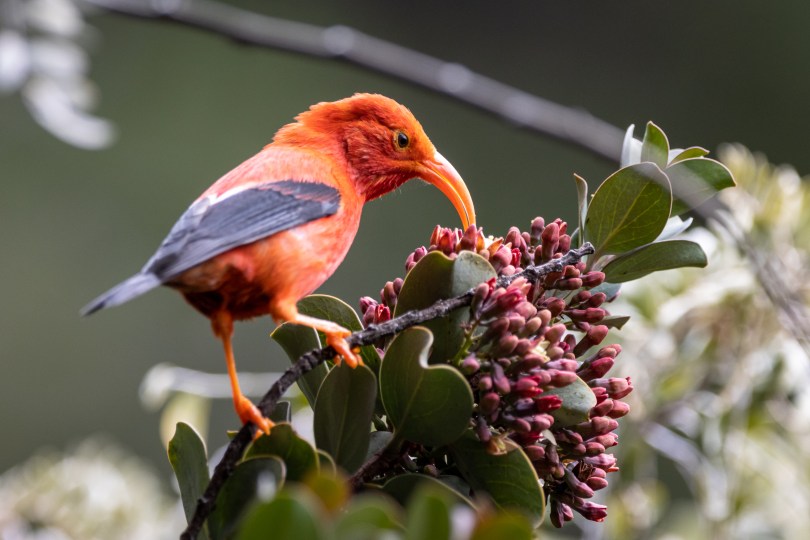
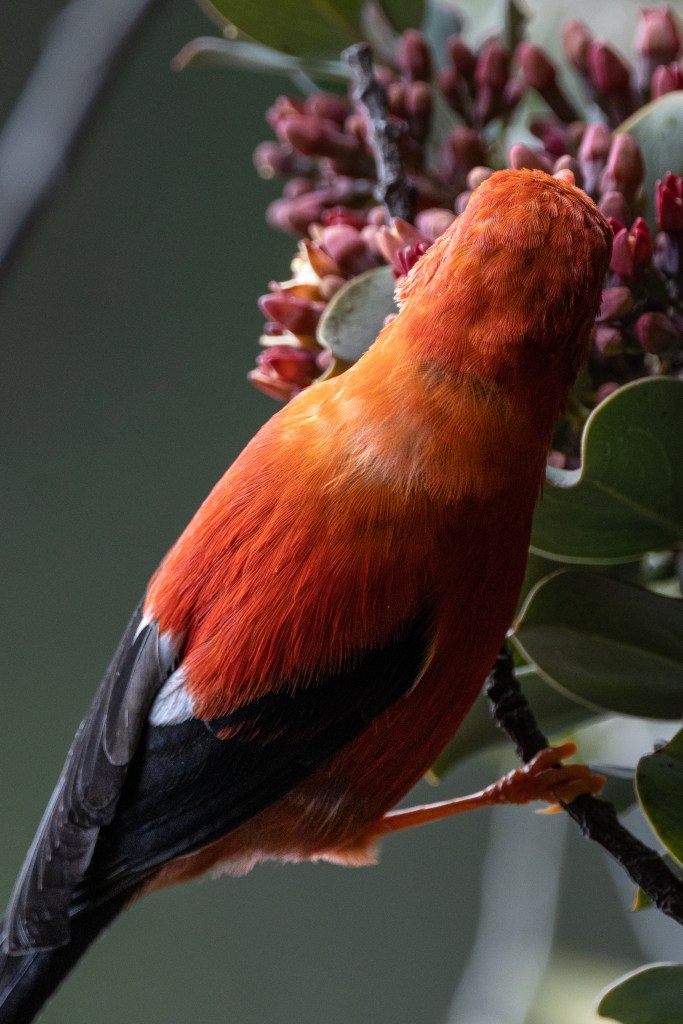
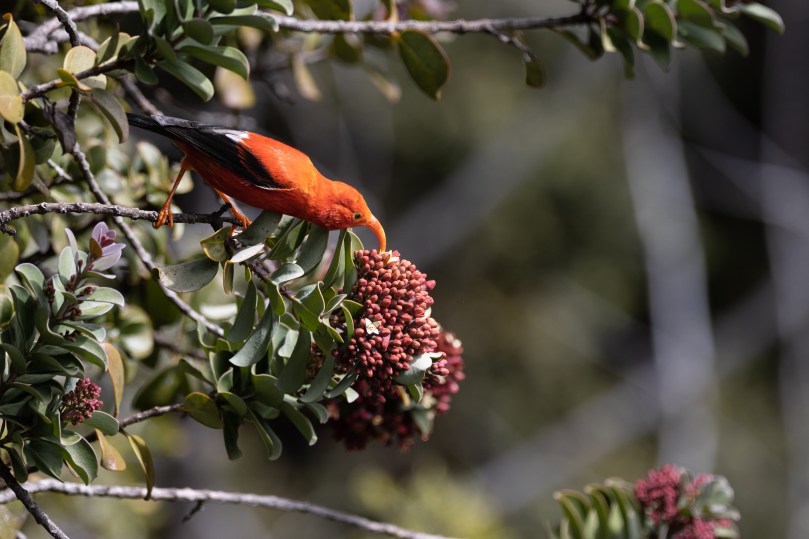
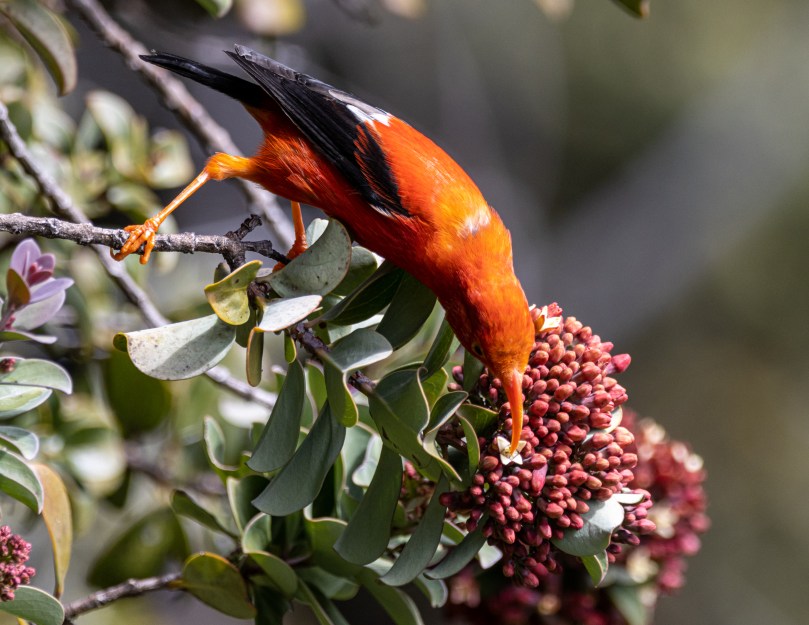
ʻIʻiwi (Drepanis coccinea, Scarlet honeycreeper)

Native Hawaiian birds have some of the sweetest songs I have ever heard. These honeycreepers are altitudinal migrants living in wet forests along the slopes of Hawaiian mountains. They follow the progress of blooms across altitudes as the weather changes. Despite being the third most common land bird in Hawai’i’, it is still considered threatened.

Widespread destruction of forests and the spread of avian malaria has caused drastic reduction in their population. They have lost 90% of their range and are being considered to be endangered species.

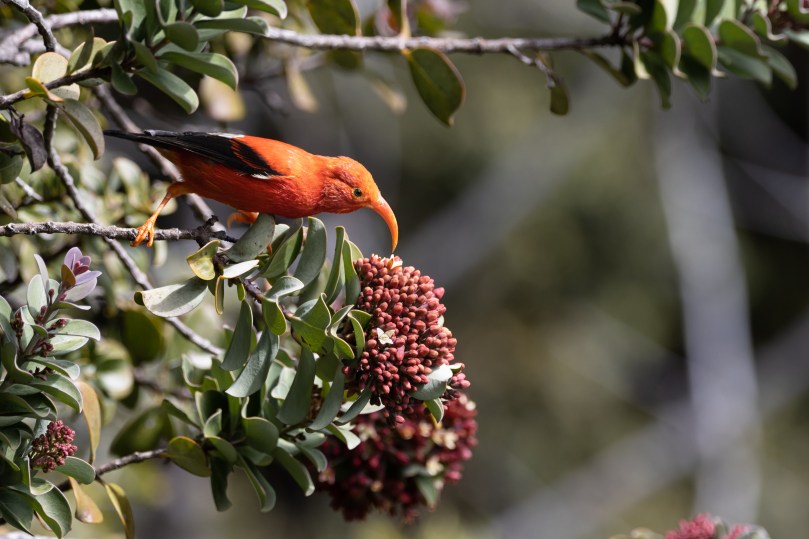
As their common english name suggests ‘I’iwi use their curved bills to extract nectar from flowers. Shown here an ‘I’wi tries its luck on a Haleakalā Sandalwood inflorescence.