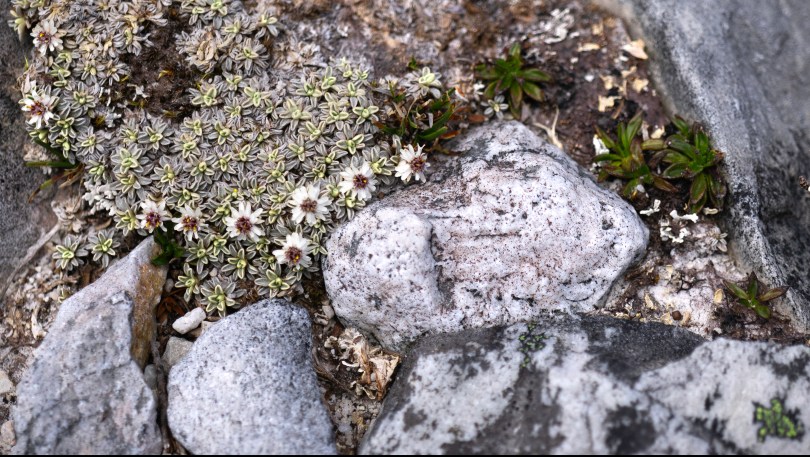
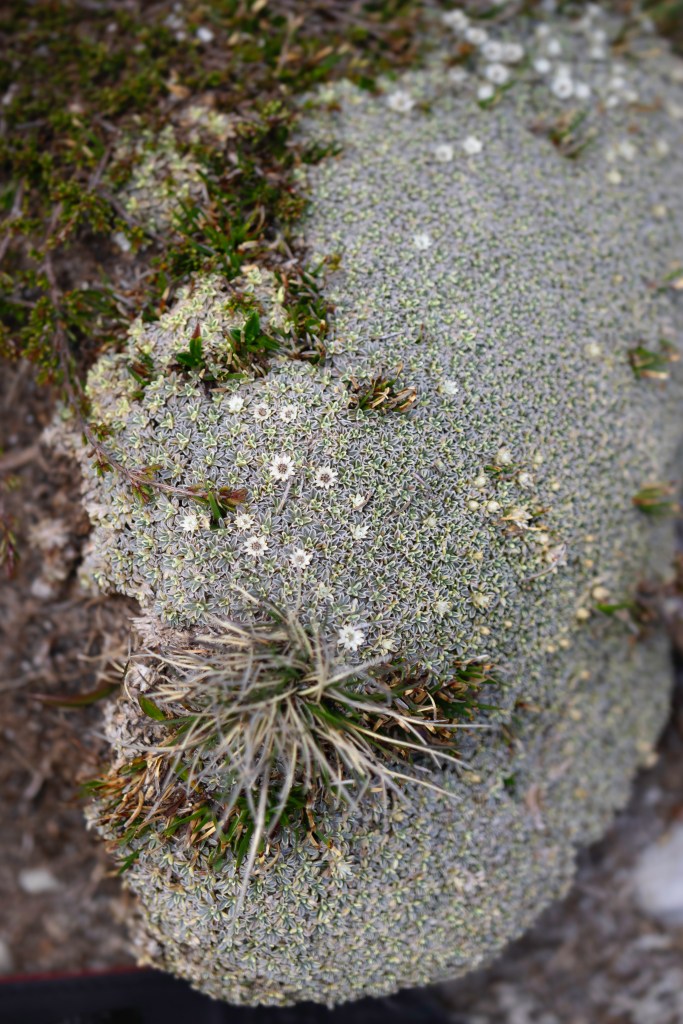
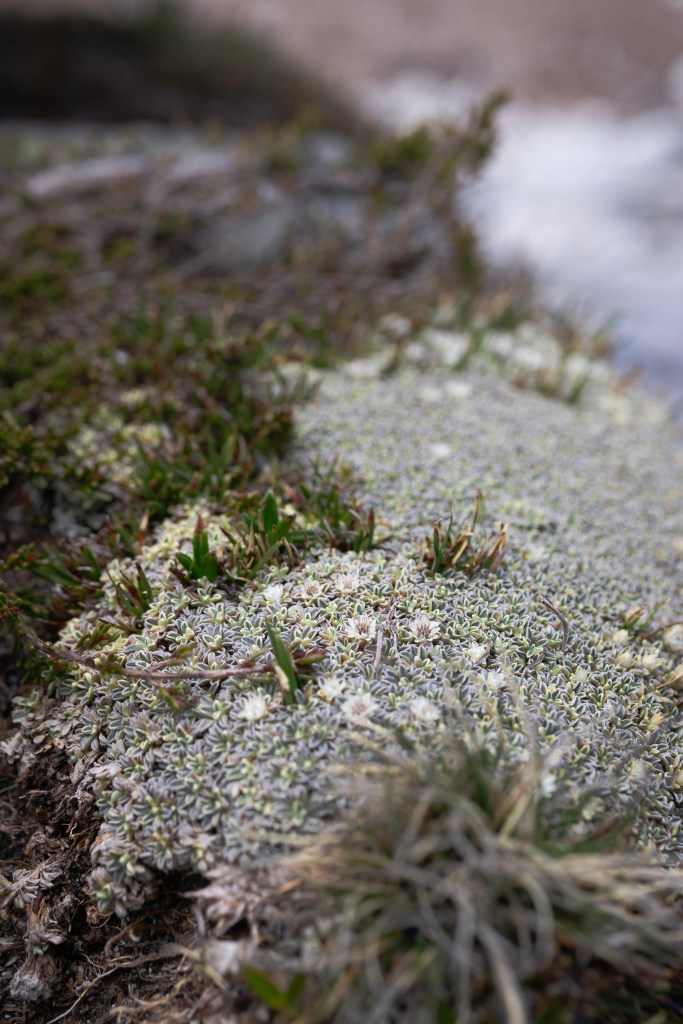
Ewartia meredithae (Rusty Cushion plant)

Now and then, you meet a plant that genuinely surprises you with its resiliency! Ewartia, or cushion plants, endemic to Tasmania, are compact, low-growing plants that form tightly packed stems. They grow hemispherical, which is characteristic of cushion plant species. It can spread a meter in diameter, creating adventitious roots along its branches! Tasmanian cushion plants evolutionarily converged due to wind activity at high altitudes. High winds blow anything away that grows too tall.
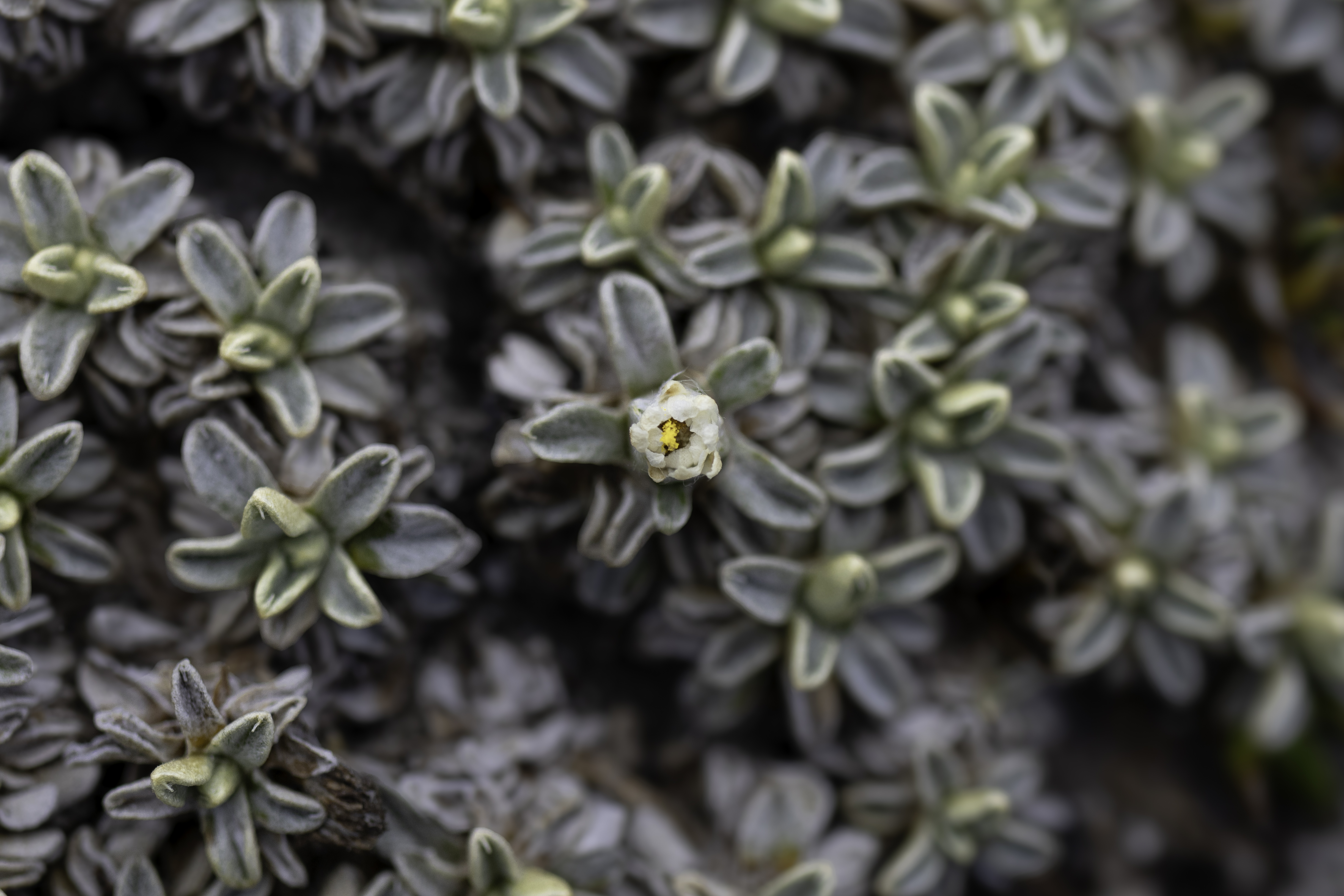
Cushion plants do not form a taxonomic group but describe an excellent example of convergent evolution. Plants growing in harsh environments have evolved similar adaptations of forming compact masses of closely spaced stems. They grow in environments with limited soil formations and low water retention. By developing close to the ground, they minimize wind-based water loss. Because they grow in harsh environments, they have little competition for sunlight and can afford to lose height.
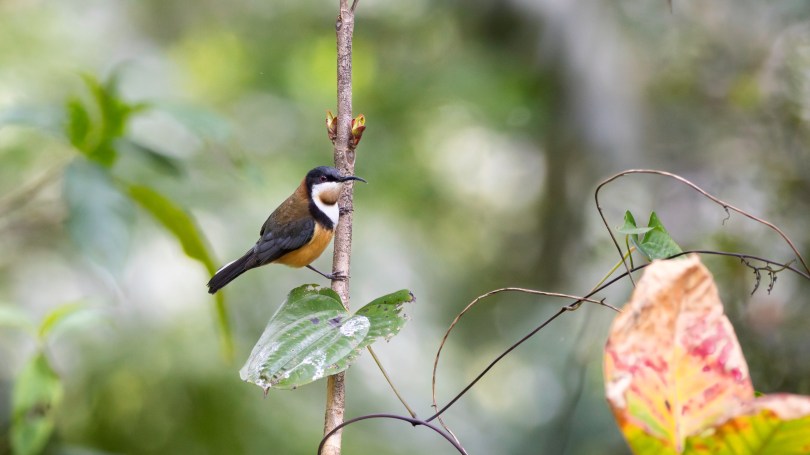
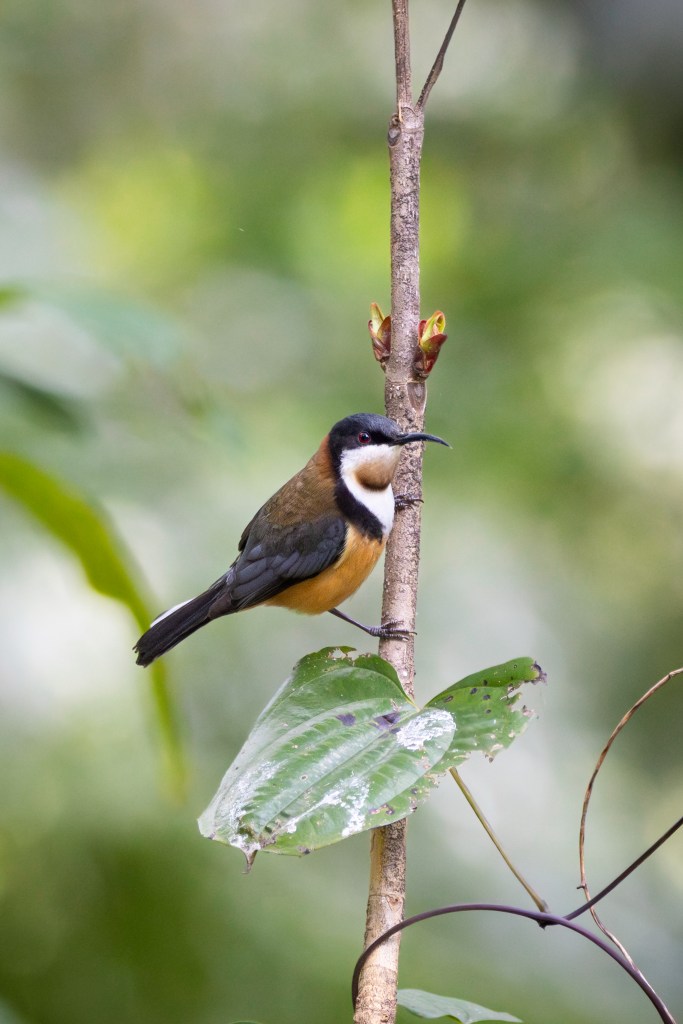
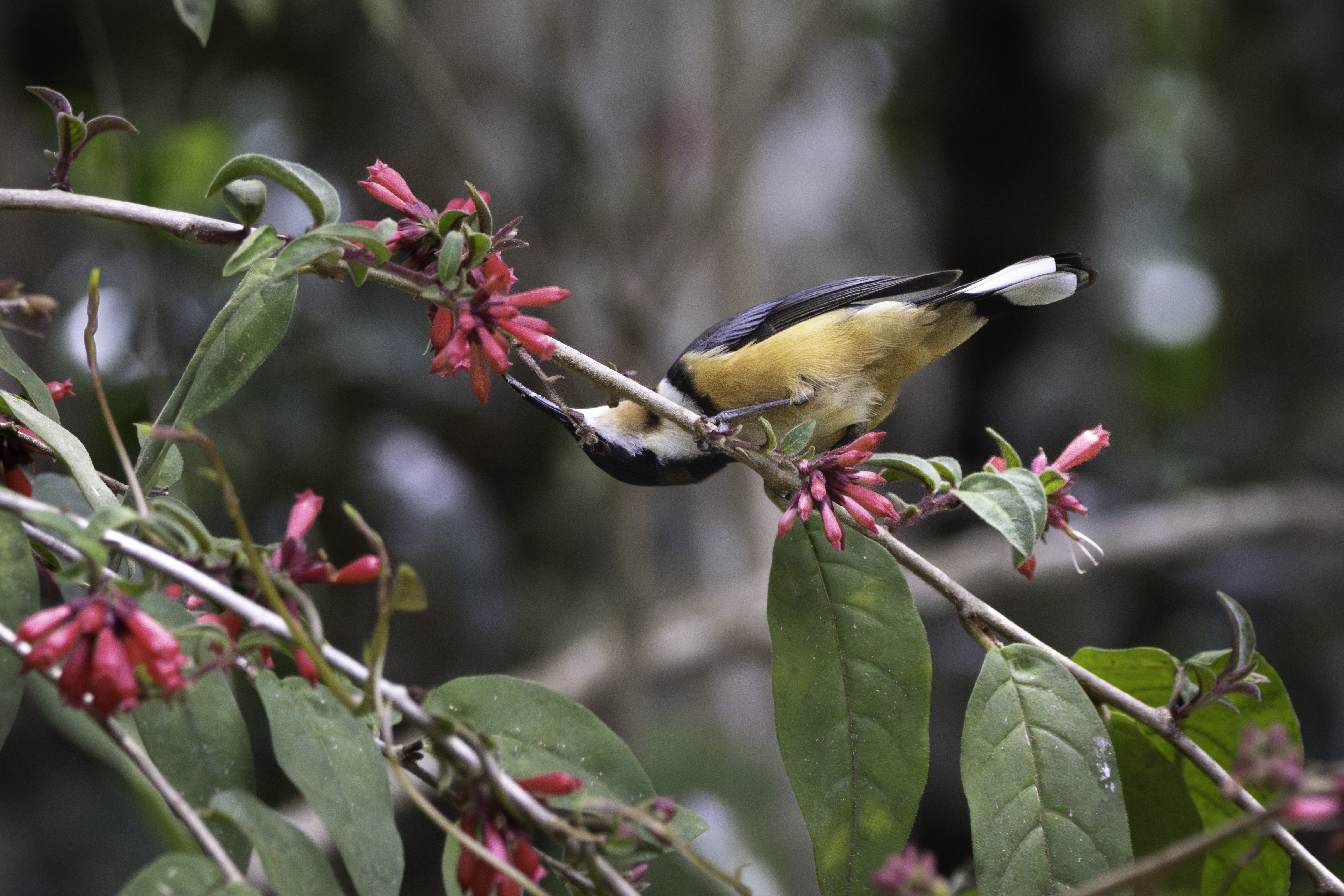
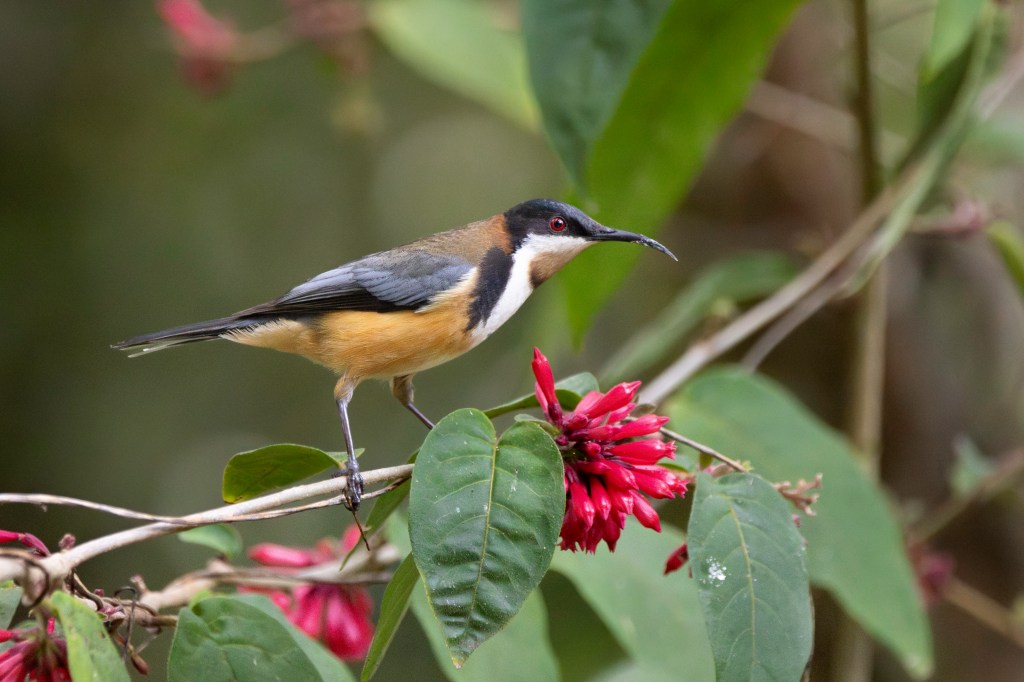
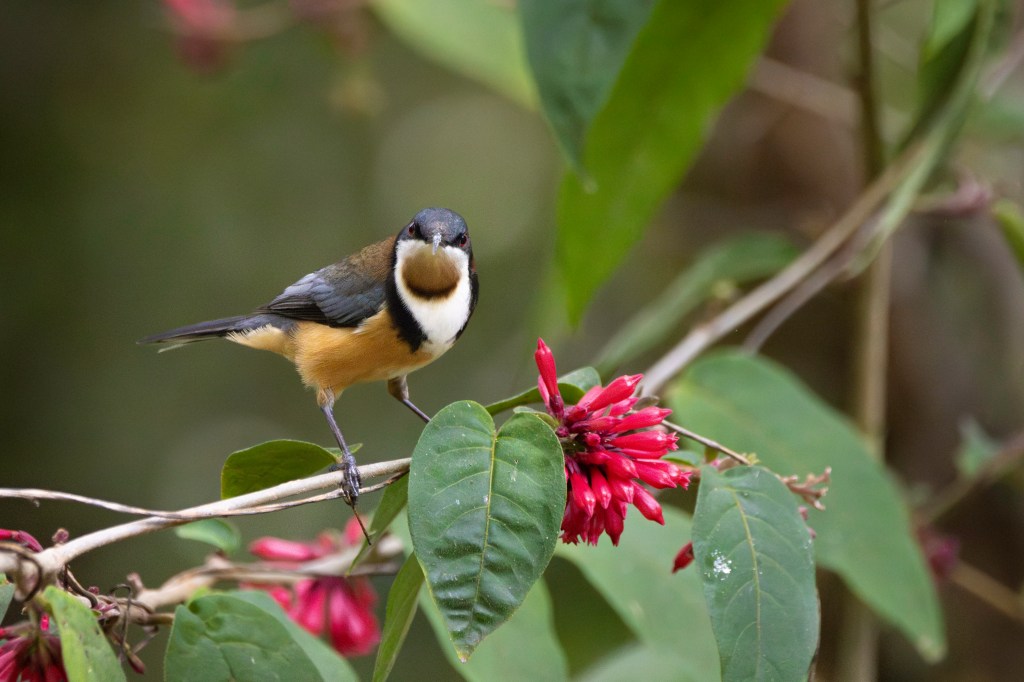
Acanthorhynchus tenuirostris (Eastern Spinebill)

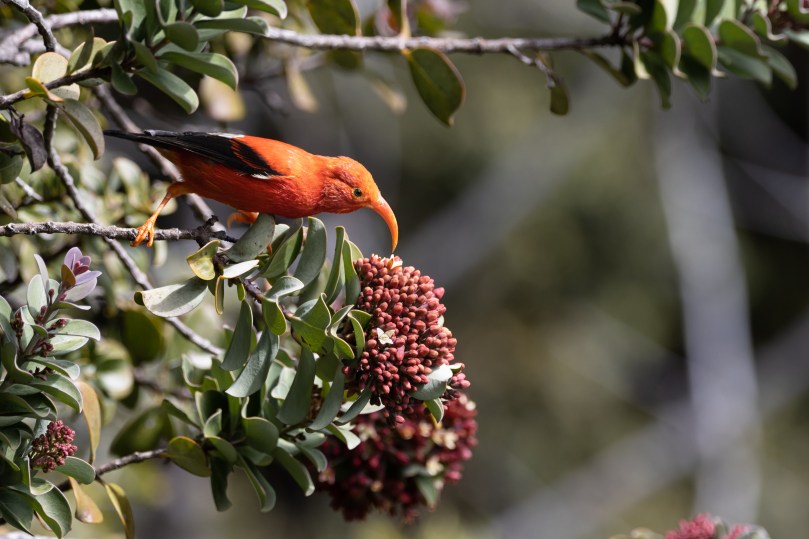
Eastern spine bill is a beautiful honeyeater endemic to south-eastern Australia. The bird’s distinguishing feature is the long, needle-like bill, which adeptly extracts nectar from various flowering plants. This evolutionary feature independently evolves in many nectar-drinking species like I’iwi.

Vibrant colors adorn the male plumage, including a dark crown, a cinnamon-colored throat, and a contrasting white chest.
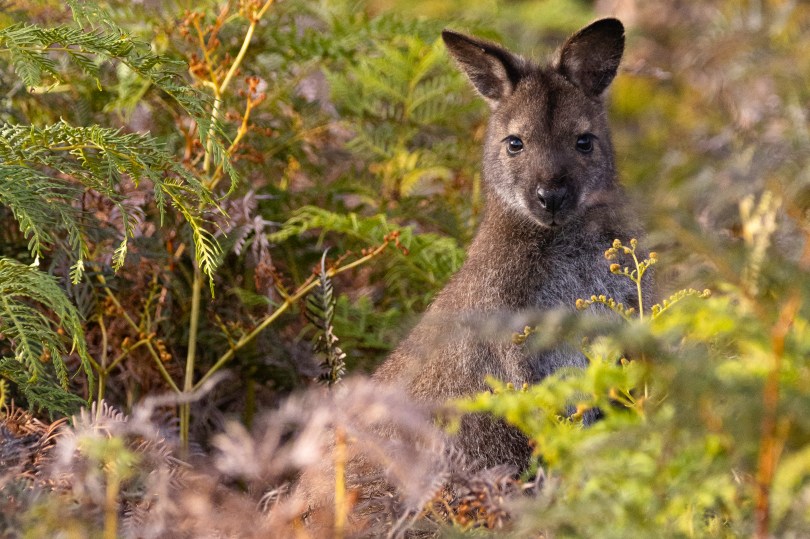
Notamacropus rufogriseus (Red-necked Wallaby)

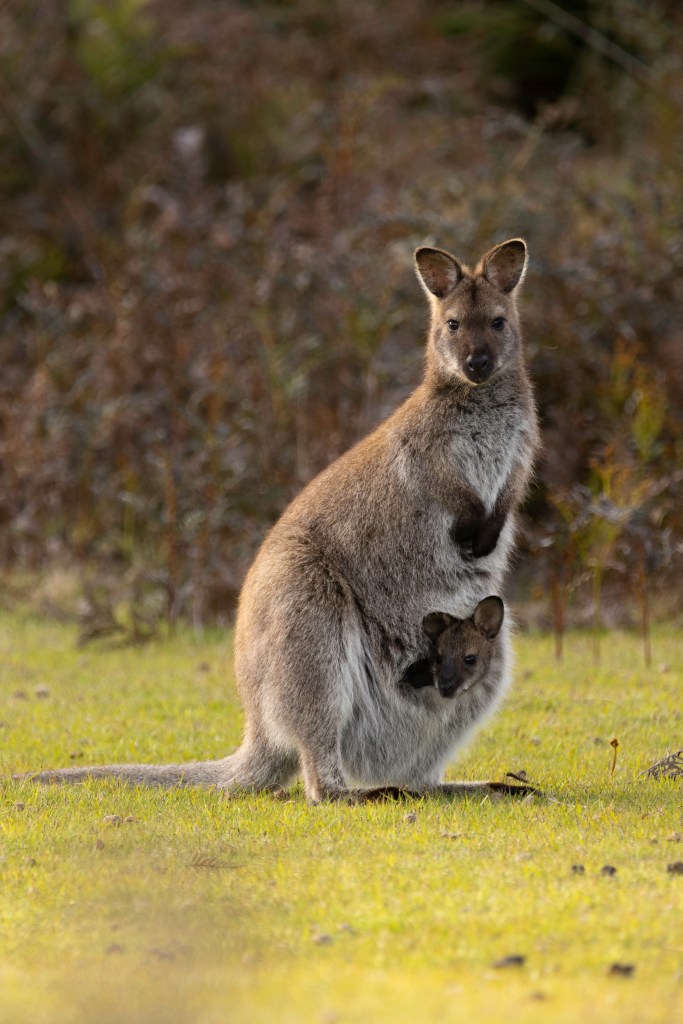
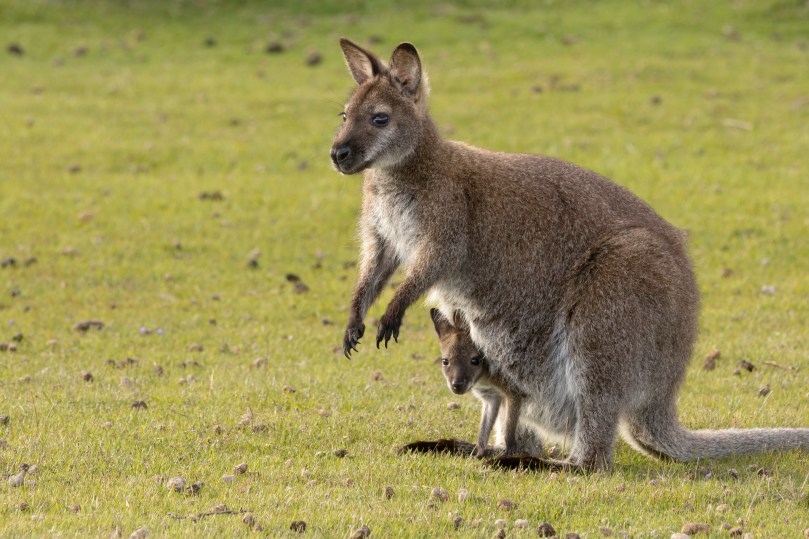
The Red-necked Wallaby, scientifically known as Macropus rufogriseus, is a charming marsupial native to Australia and Tasmania. Characterized by its distinctive red-brown fur on the nape of its neck and shoulders, this medium-sized wallaby exhibits a unique and captivating appearance. With a compact build and a strong tail used for balance, red-necked wallabies are adapted to a diverse range of habitats, including forests, woodlands, and grassy areas.

They are primarily herbivores, feeding on a diet of grasses and vegetation. These agile and social creatures are known for their bounding leaps, which allow them to cover considerable distances with remarkable speed and grace. Red-necked wallabies are integral to Australia’s ecosystems and are a delightful symbol of its rich and diverse wildlife.

Female wallabies, known as joeys, carry and nurture their young in a remarkable pouch, a defining feature of marsupials. After a relatively short gestation period, Red-necked Wallaby females give birth to tiny, underdeveloped joeys. These vulnerable infants, no larger than a jellybean, then make their way into the safety of their mother’s pouch. Once they are old enough, they start grazing right from their mother’s pouch!

Eudyptula novaehollandiae (Australian little penguin)

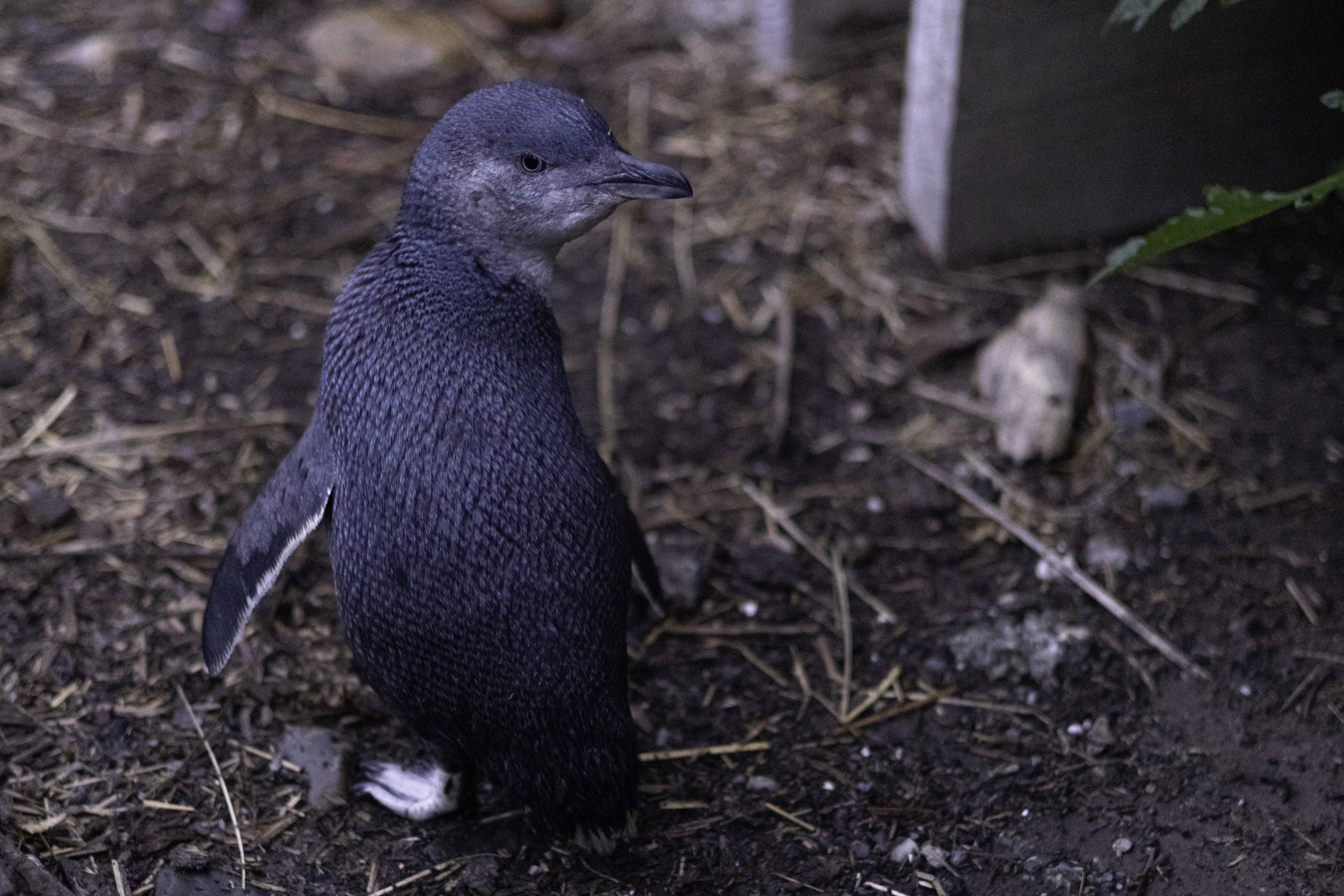
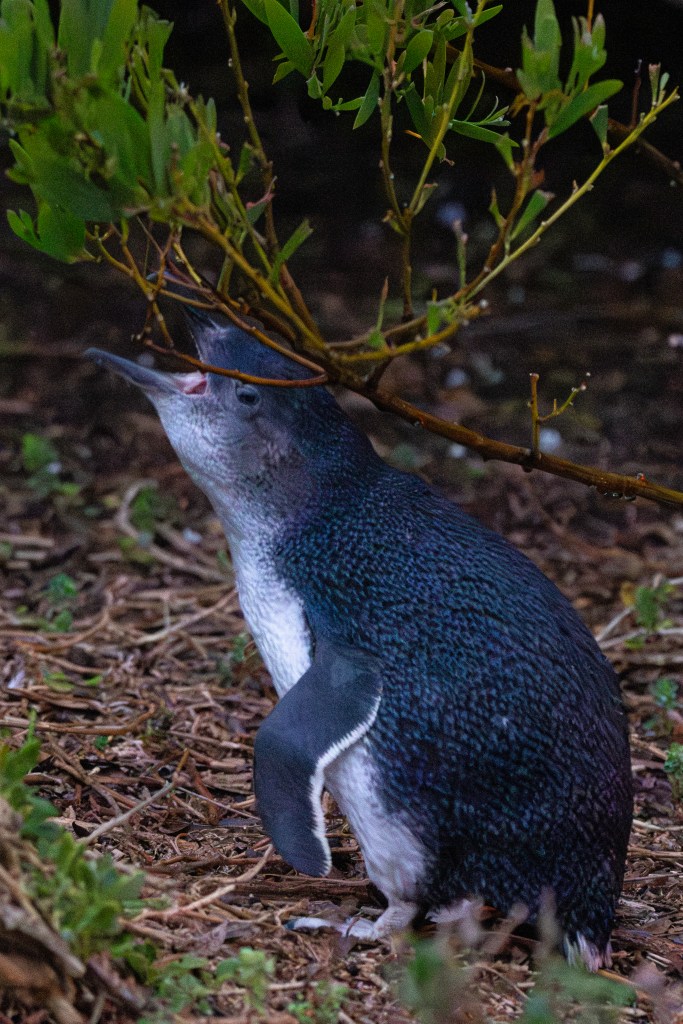
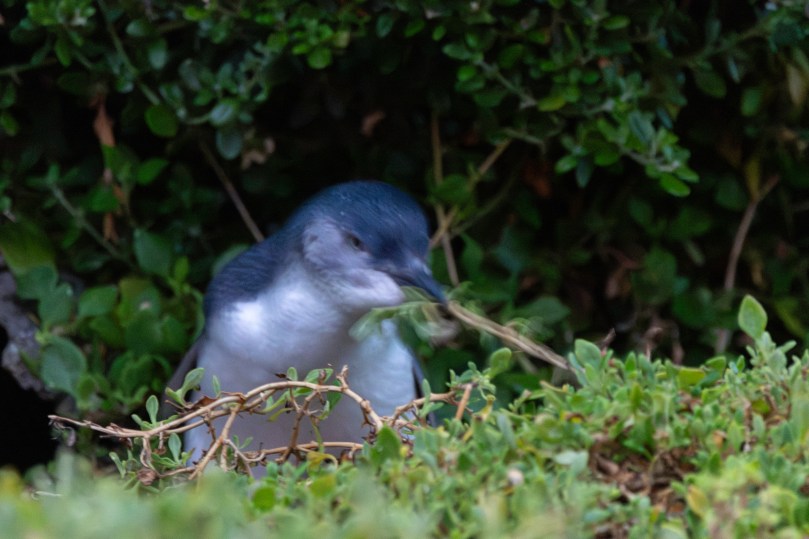
Australian little penguins, or blue penguins, are one of the smallest penguin species in the world, growing to about a foot. They were once considered a subspecies of the little penguin from New Zealand, but later, mtDNA revealed that the Australian little penguins are a species of their own. Other than their behavioral differences, a critical difference between the two little penguin species is the striking blue plumage of the Australian species.

Little penguins spend most of their day in the ocean. During breeding season, the adults leave their chicks in their nest for the day as they head out into the sea to forage, returning at night to feed their young. One behavioral difference between New Zealand and the Australian penguin is that the Australian blue penguins come ashore in small groups, possibly to protect against predatory marsupials that did not exist in New Zealand.

The blue penguin is native to southern Australia, including Tasmania, where these cranky juveniles were photographed waiting impatiently for their parents to return! They are also found in the Otago region of New Zealand.

Archilochus colubris (Ruby-throated Humming bird)

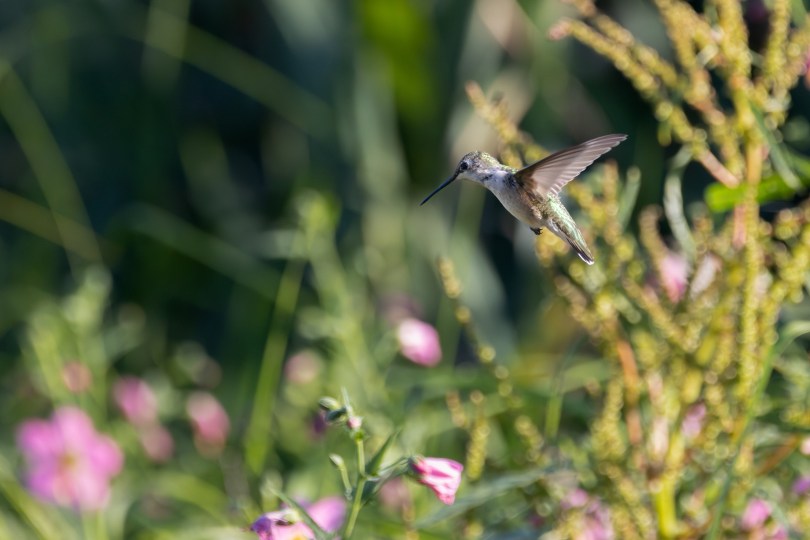
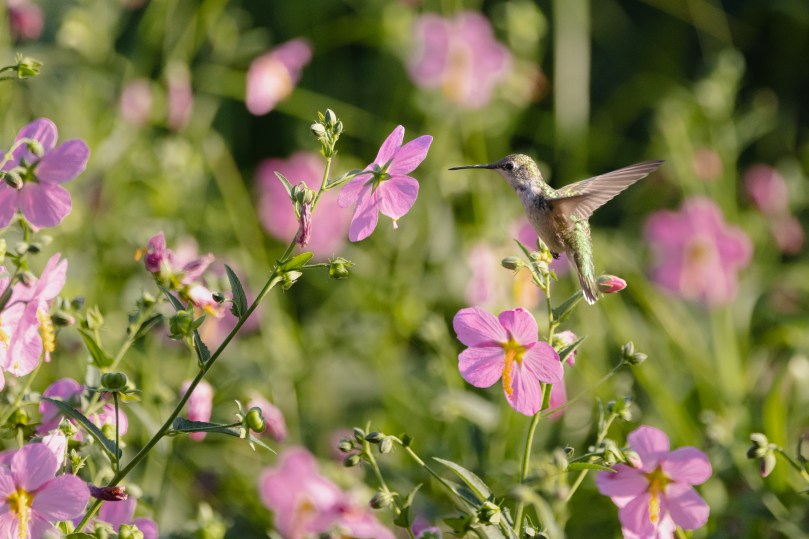
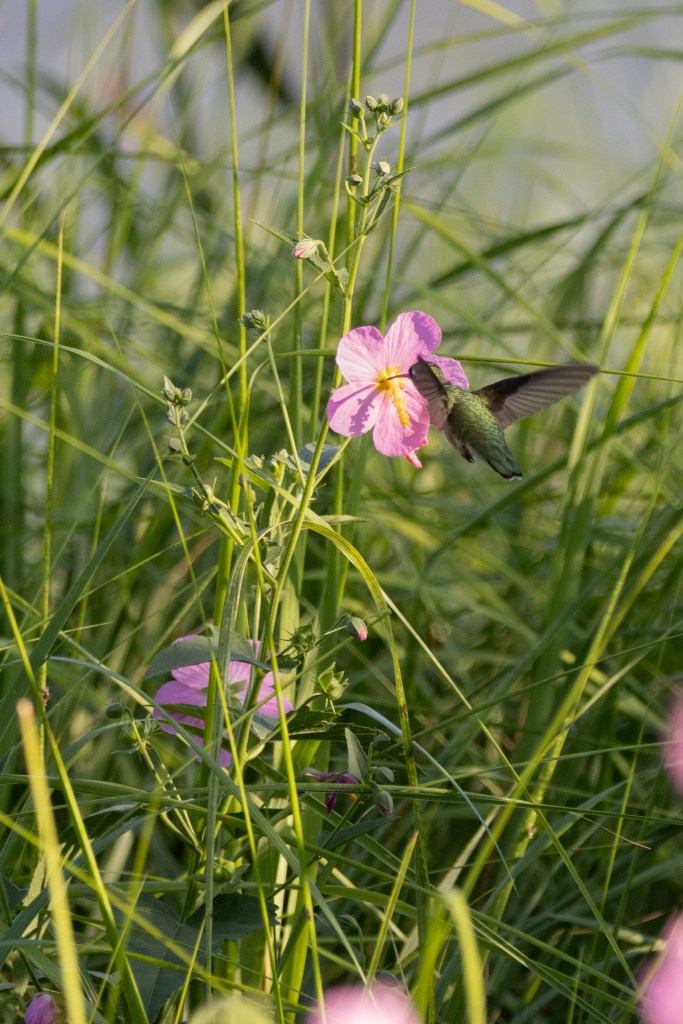
Every amateur nature photography enthusiast dreams of capturing a hummingbird, having a snack, or hovering between sips! These tiny, unique, buzzing birds can move incredibly fast, making them photograph slightly harder. I am so happy to have captured this female feasting on a field of Saltmarsh Mallow.

The ruby-throated Hummingbird (Archilochus colubris) is a small, beautifully colored bird native to North and Central America. Despite its tiny size, it is a migratory bird, migrating vast distances from central America to its breeding grounds in North America.

During migration, some birds living further south of Florida must migrate over 900 miles non-stop to cross over the Gulf of Mexico from Mexico into the eastern United States.

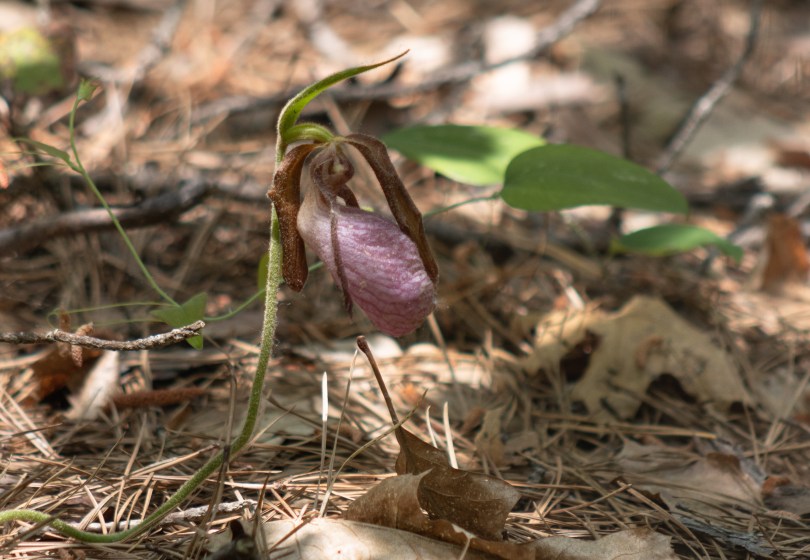
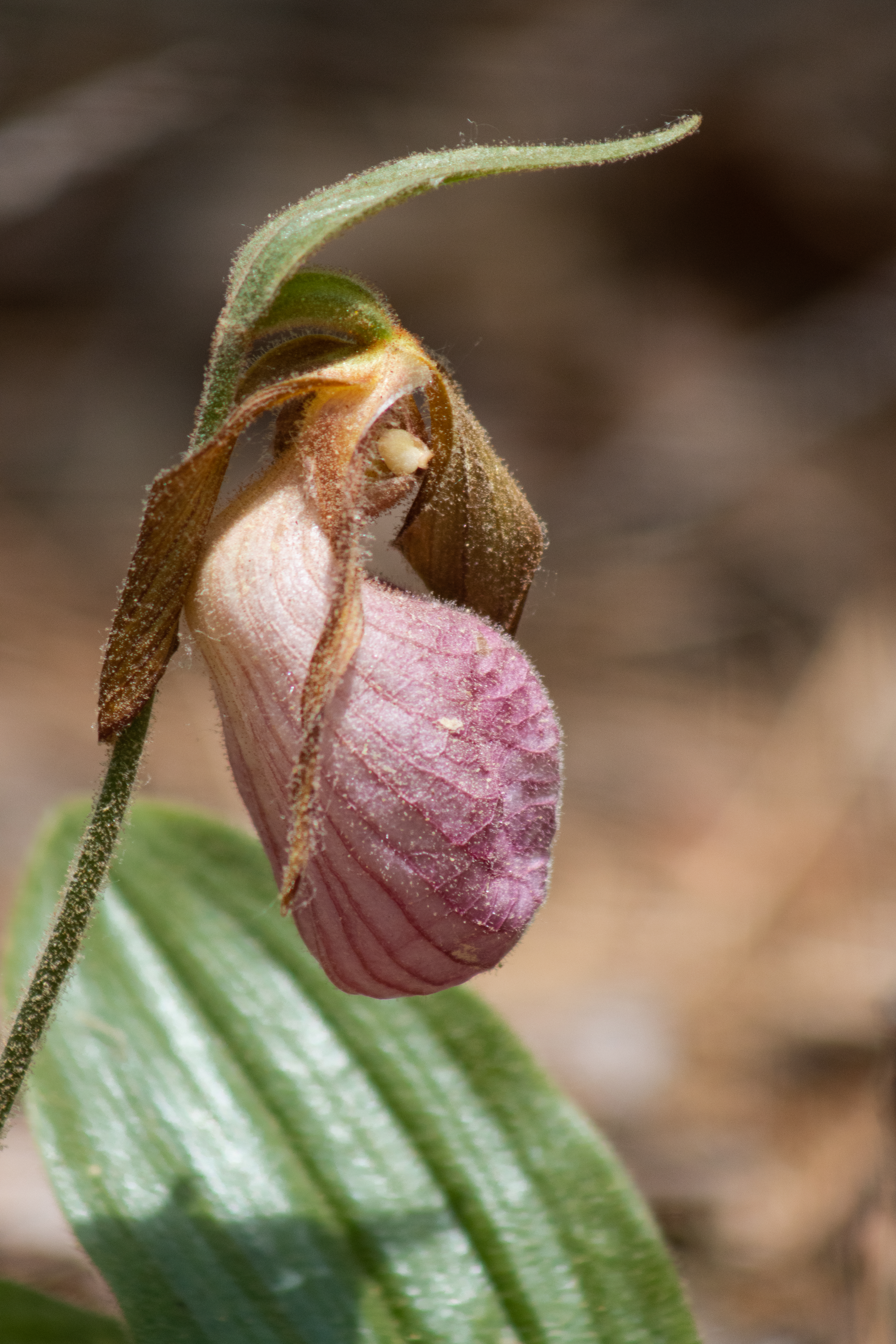
Cypripedium acaule (Pink Lady’s Slipper)

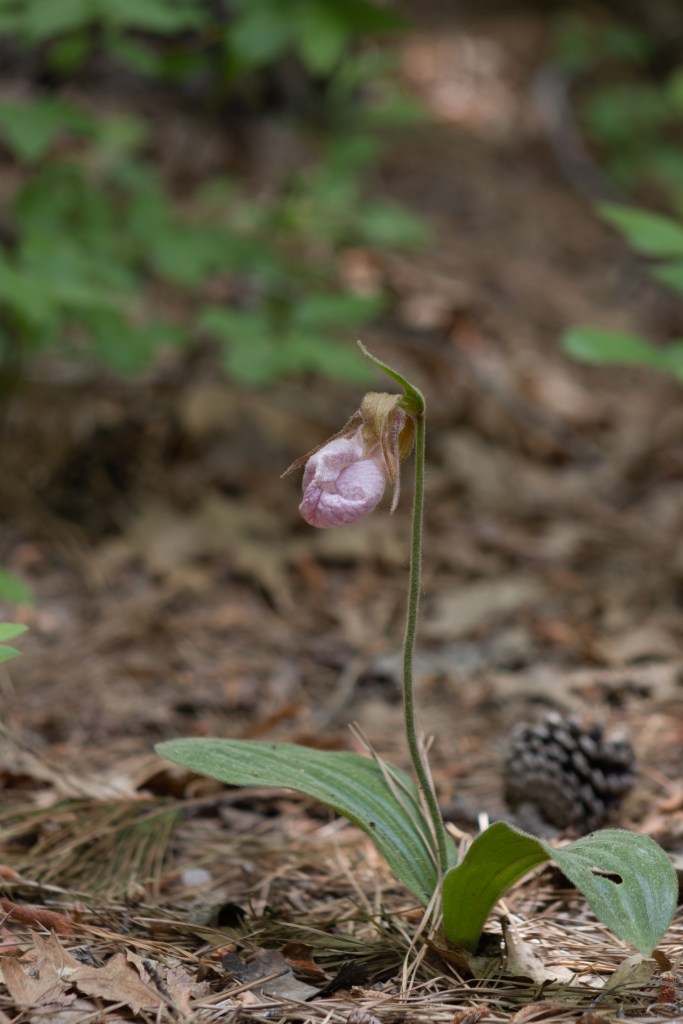
The pink lady’s slipper is a large orchid native to much of north Eastern America. It flowers every spring-early summer and is the most common orchid found in New Jersey. Despite their relative common occurrence, their numbers are threatened by habitat loss and illegal poaching. If you wish to grow a Cypripedium in your garden, please make sure to buy it from a reputable nursery like Plants Delights.

The Pink lady’s slipper requires acidic soil and tolerates shade and moisture. Like almost all orchid species, it needs the help of fungi species from the genus Rhizoctonia. Since most orchid seeds lack any food for the plant embryo, the fungi strands have to break open and attach themselves to the seed, providing it with the nutrients it needs to start growing. As the orchid matures and produces more energy, the fungi can extract nutrients from the plant.

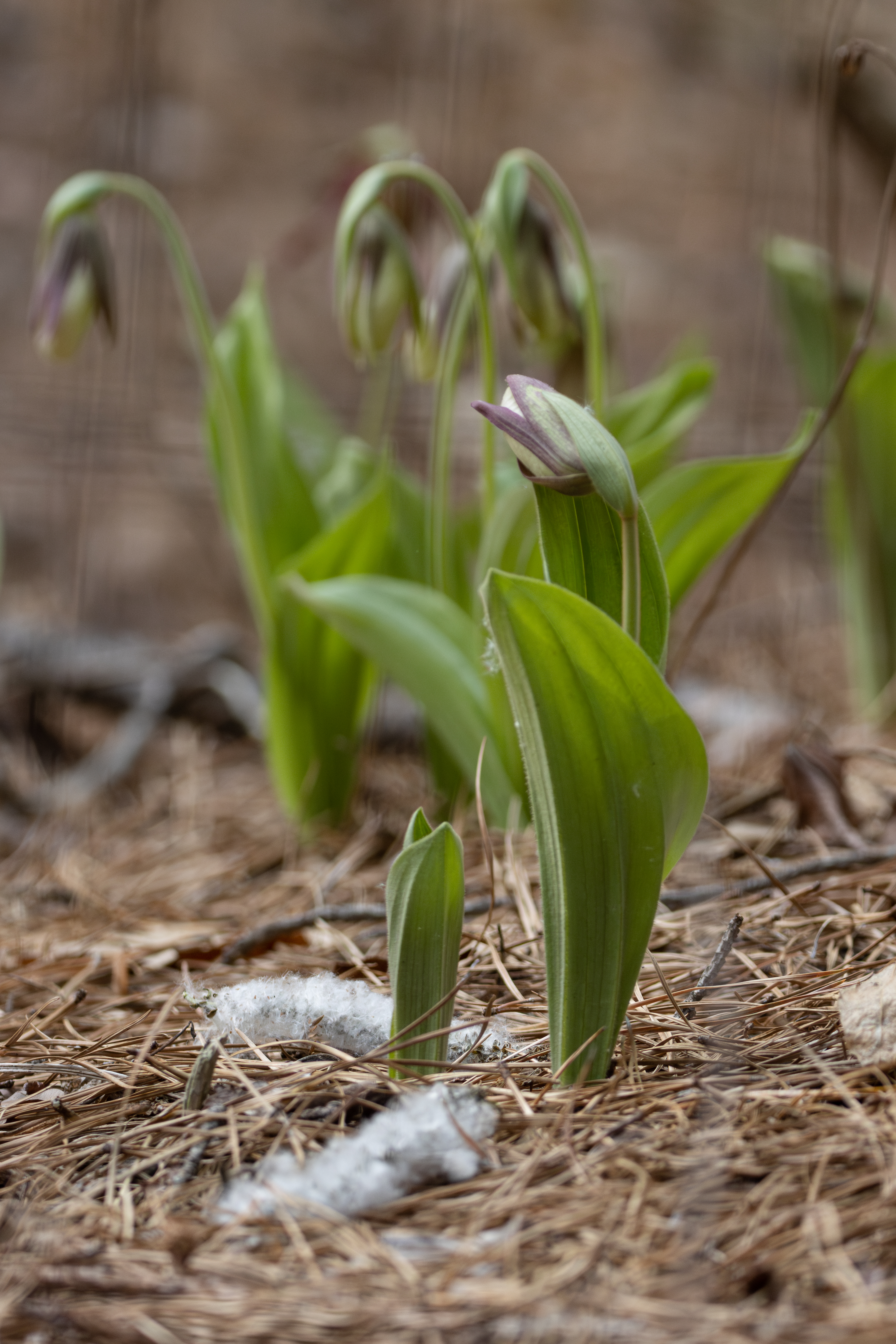
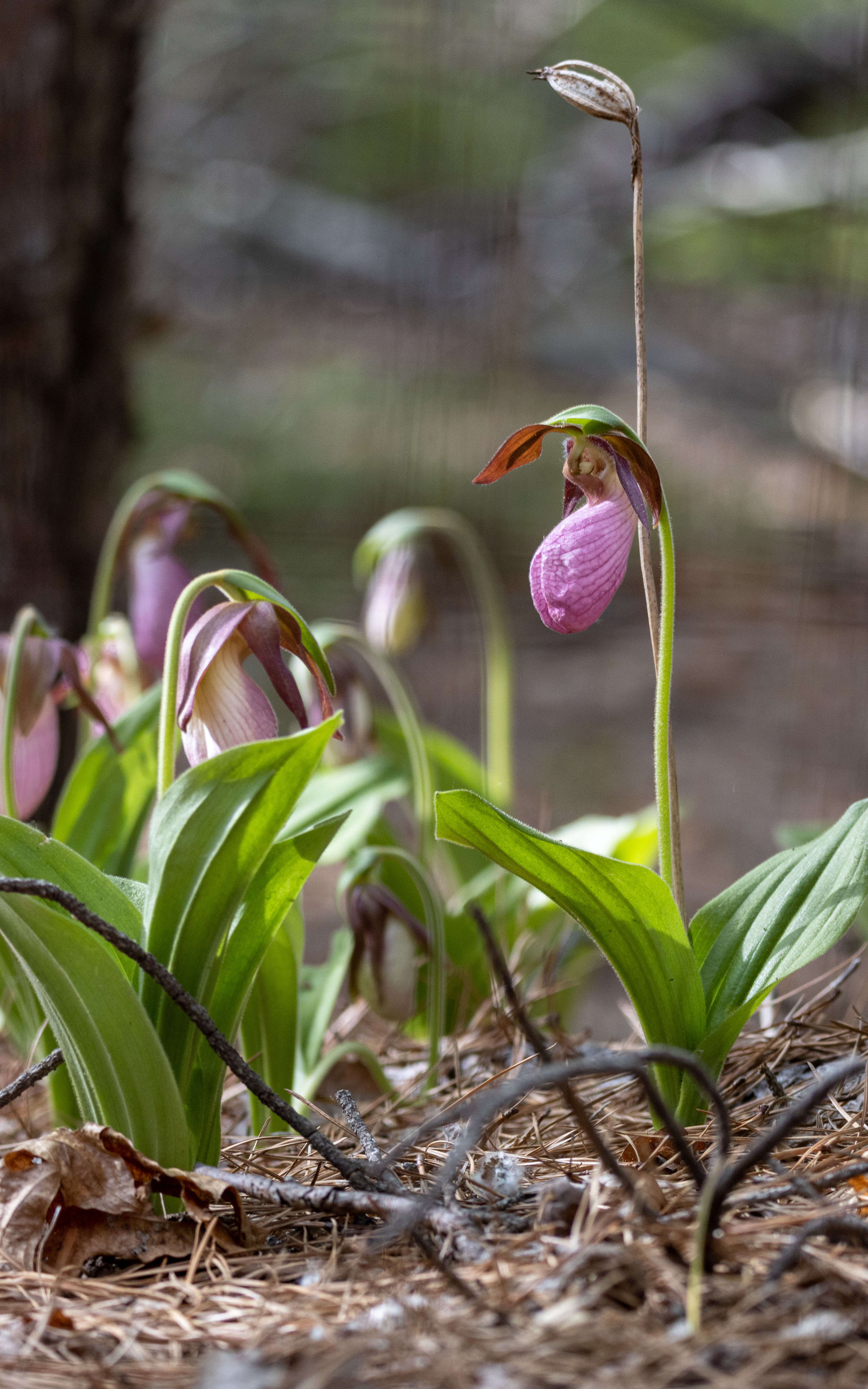
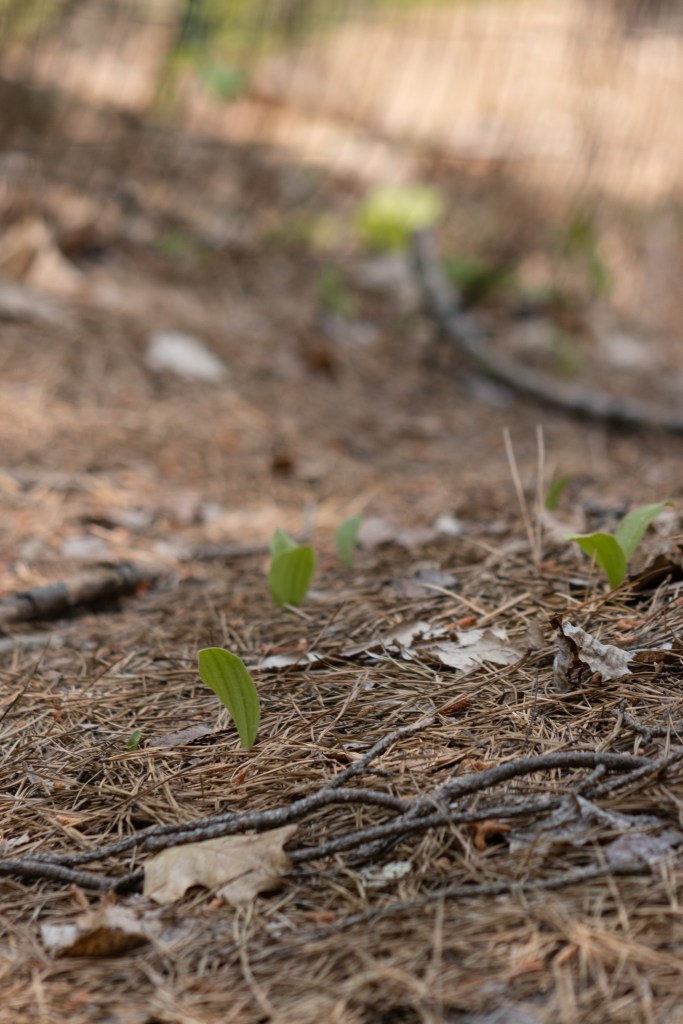
I found a large patch of these orchids growing in a state forest here in New Jersey. They were plentiful and were multiplying. Seen to the side is a patch of young seedlings still too young to flower. In the background, one can make out the fence used to fence in a large patch of these orchids. It’s necessary to fence them in because the growing deer population eats these orchids. Nevertheless, the seeds of these orchids are small enough to have been blown out of the fenced-off area. These orchids were growing in a piney forest beside a Blackjack Oak.

Dryocopus pileatus (Pileated Woodpecker)

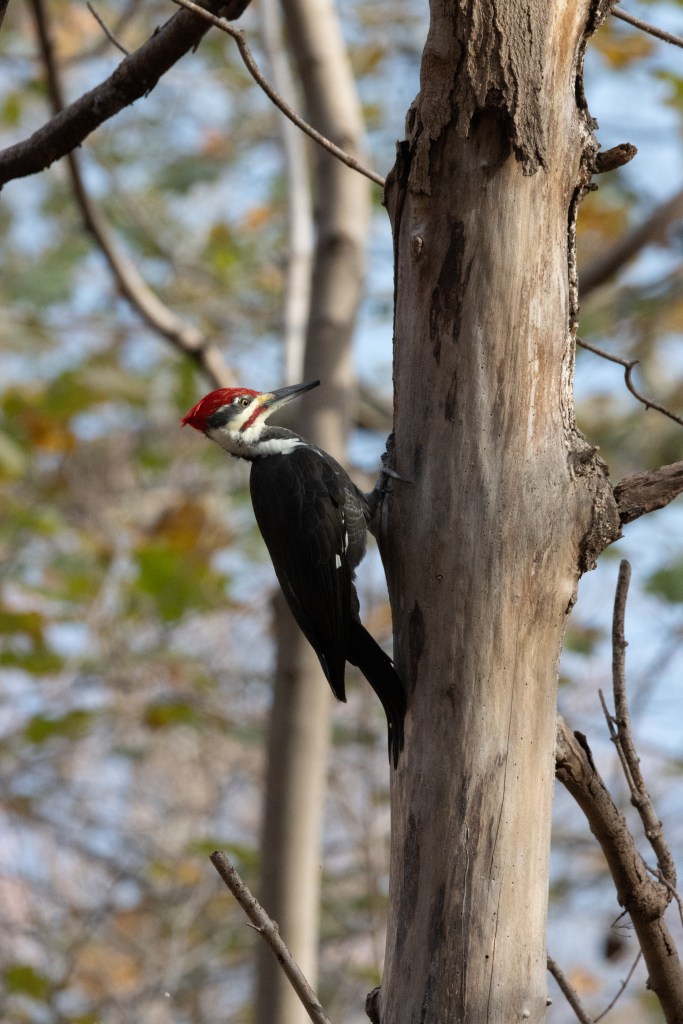
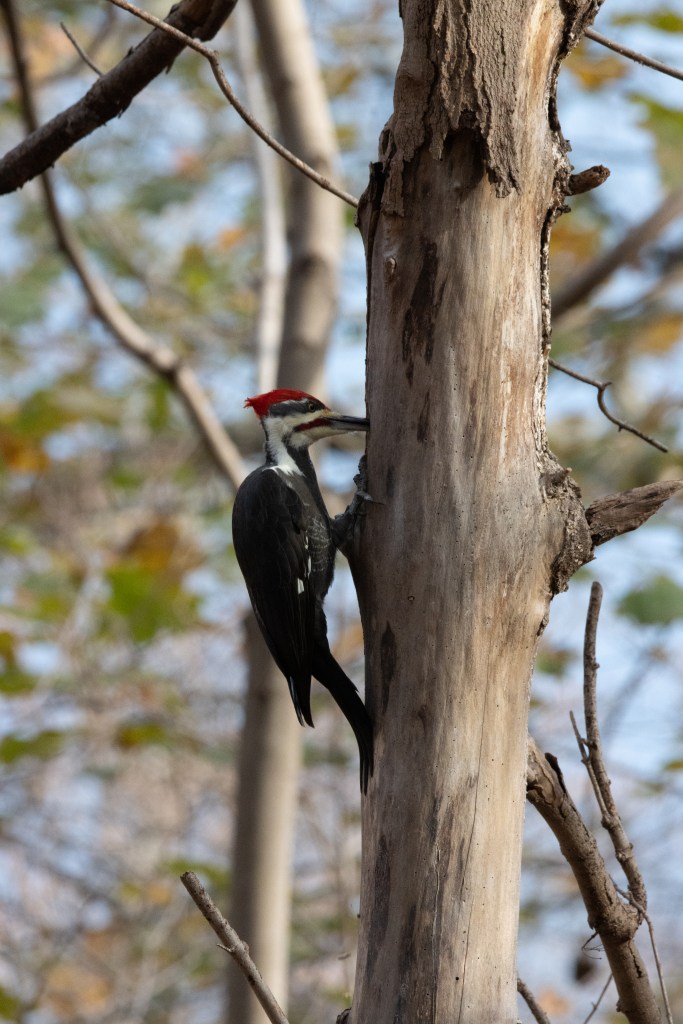
The Pileated Woodpecker is a large, striking bird throughout North America. Known for its distinctive appearance and powerful drumming, this woodpecker is familiar in forests and wooded areas. It is now the largest extant woodpecker species in North America since the reclassification of the ivory-billed woodpecker as extinct by the U.S. Fish and Wildlife Service. Unlike the larger and more specialized ivory-billed woodpecker, the Pileated woodpecker is more adaptable, allowing it to continue surviving in proximity to human habitation. The birds are essential in controlling the insect population, and even though some homeowners could consider them annoying, the disappearance of these woodpeckers could increase the tree beetle population, damaging forests. 

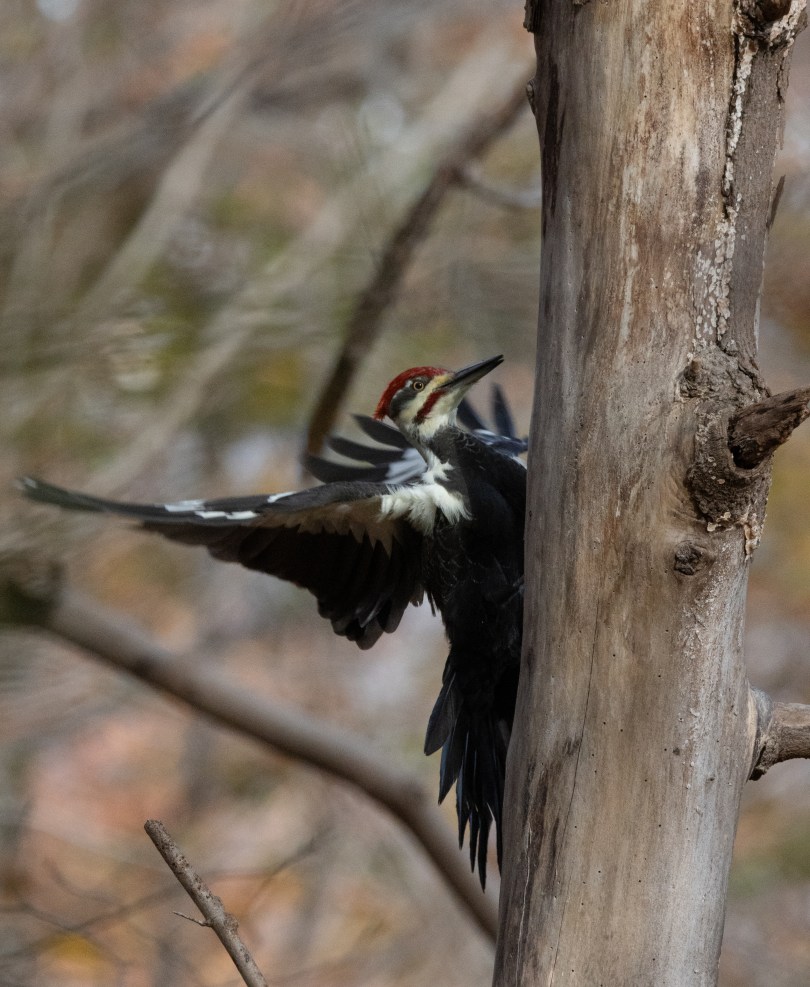
Below, a woodpecker rams into a tree at the Palisades interstate parkway.

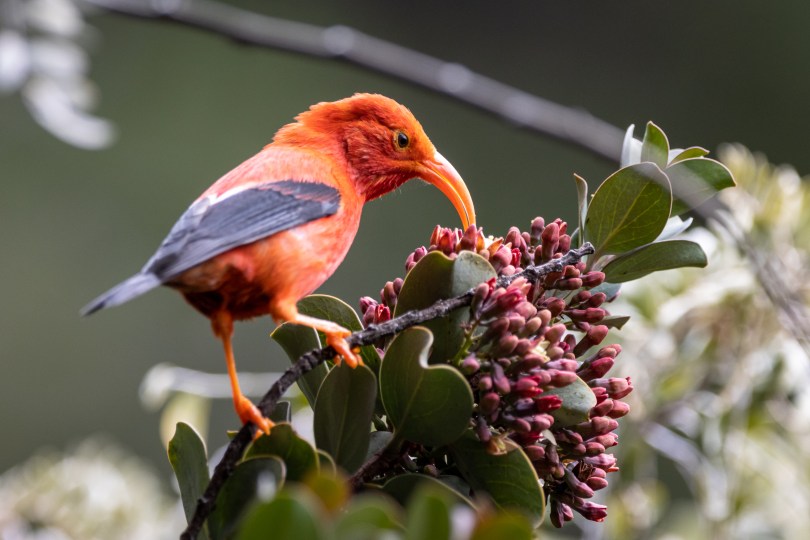
ʻIʻiwi (Drepanis coccinea, Scarlet honeycreeper)

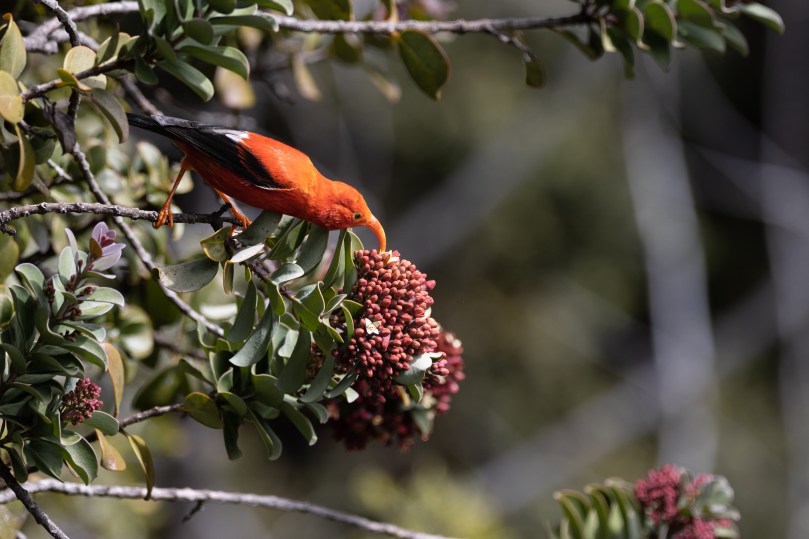
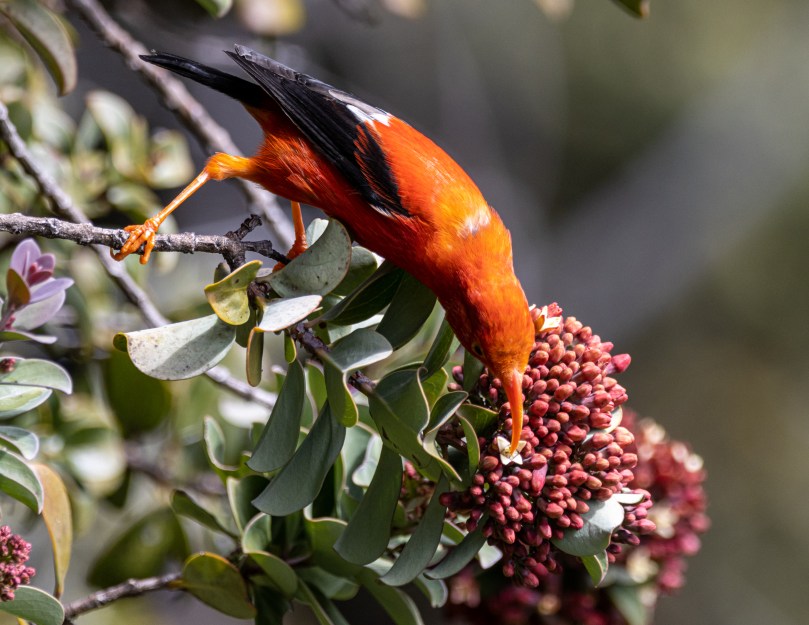
Native Hawaiian birds have some of the sweetest songs I have ever heard. These honeycreepers are altitudinal migrants living in wet forests along the slopes of Hawaiian mountains. They follow the progress of blooms across altitudes as the weather changes. Despite being the third most common land bird in Hawai’i’, it is still considered threatened.

Widespread destruction of forests and the spread of avian malaria has caused drastic reduction in their population. They have lost 90% of their range and are being considered to be endangered species.

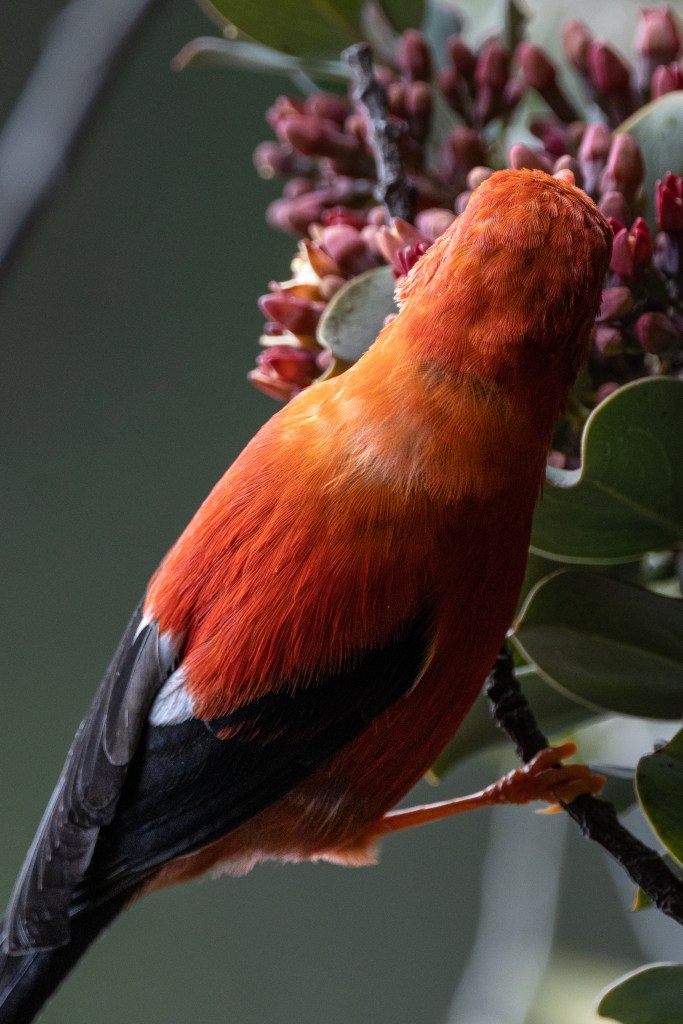
As their common english name suggests ‘I’iwi use their curved bills to extract nectar from flowers. Shown here an ‘I’wi tries its luck on a Haleakalā Sandalwood inflorescence.

Cercis canadensis (eastern redbud)

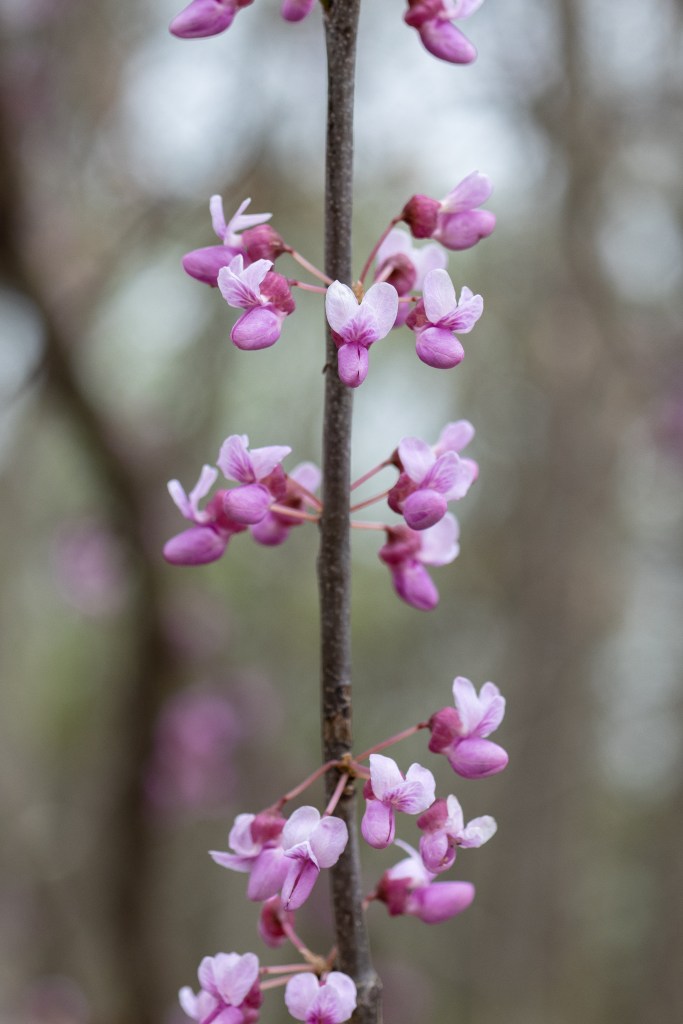
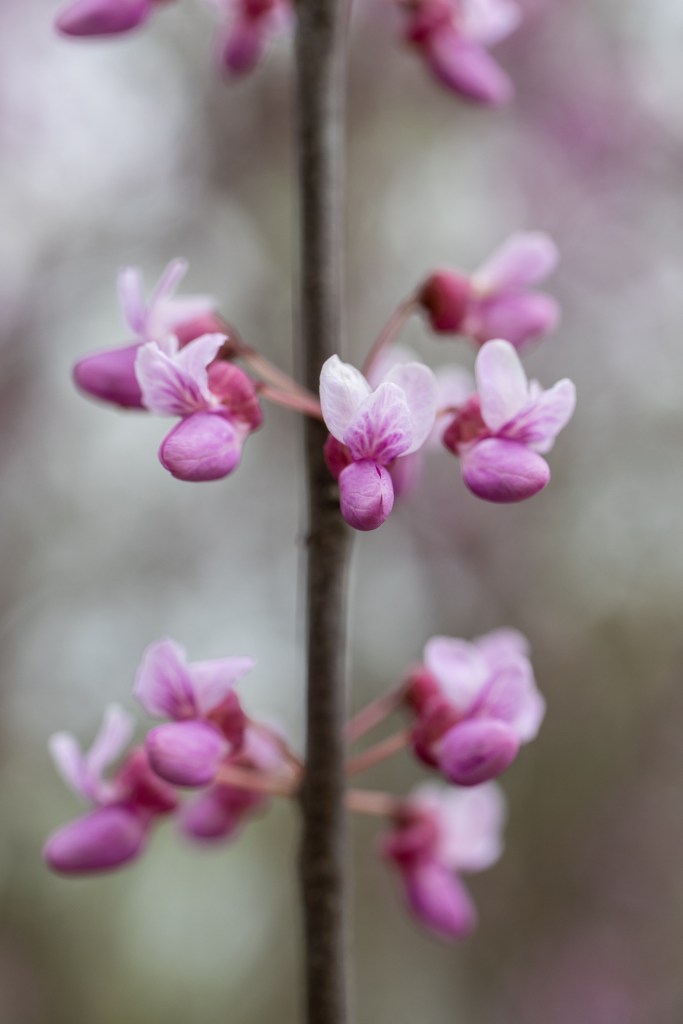
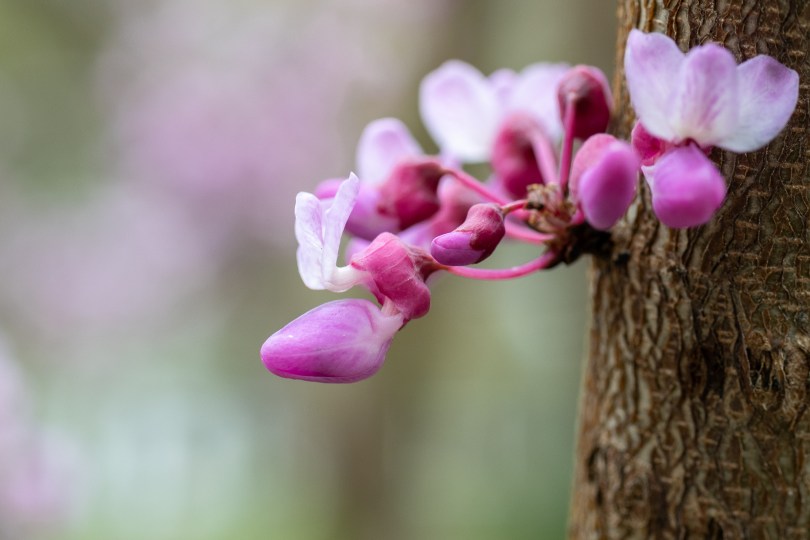
As spring rolls in, the north east is filled with colorful flowering trees. Most of which aren’t native. But one small tree stands out, the redbuds. A native large shrub/small tree, the redbuds are covered in magenta pink flowers that occur in clumps right on the tree branch, or sometimes on the trunk itself. It is pollinated by long-tongued bees.

As the flower shape suggests, the redbuds belong to the Fabaceae family, also known as the pea/legume family.

The showy and long lasting flowers are why this plant is common in cultivation and is used in gardens and homes to add color to their spring gardens. Because its native, it also helps native bee population in the early months of spring and summer.